
Advertisement
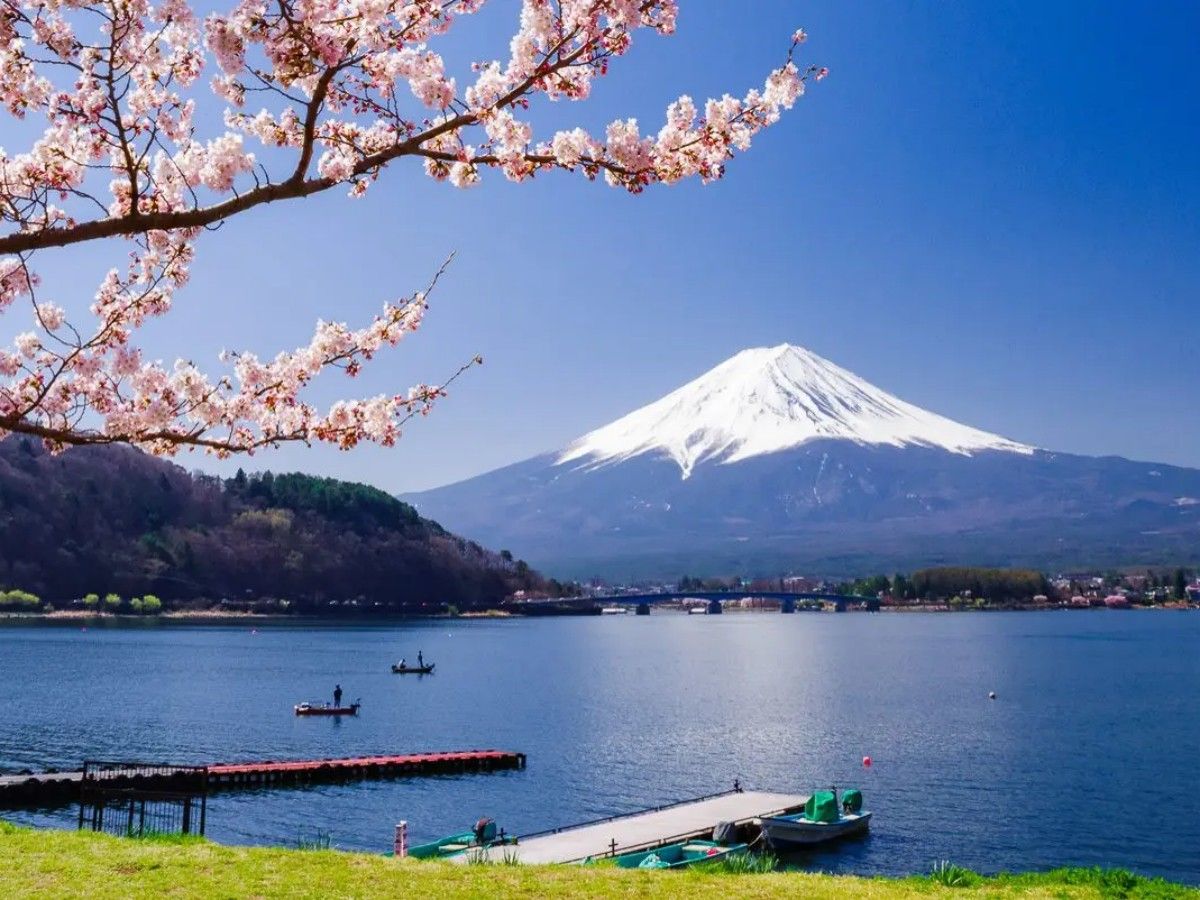
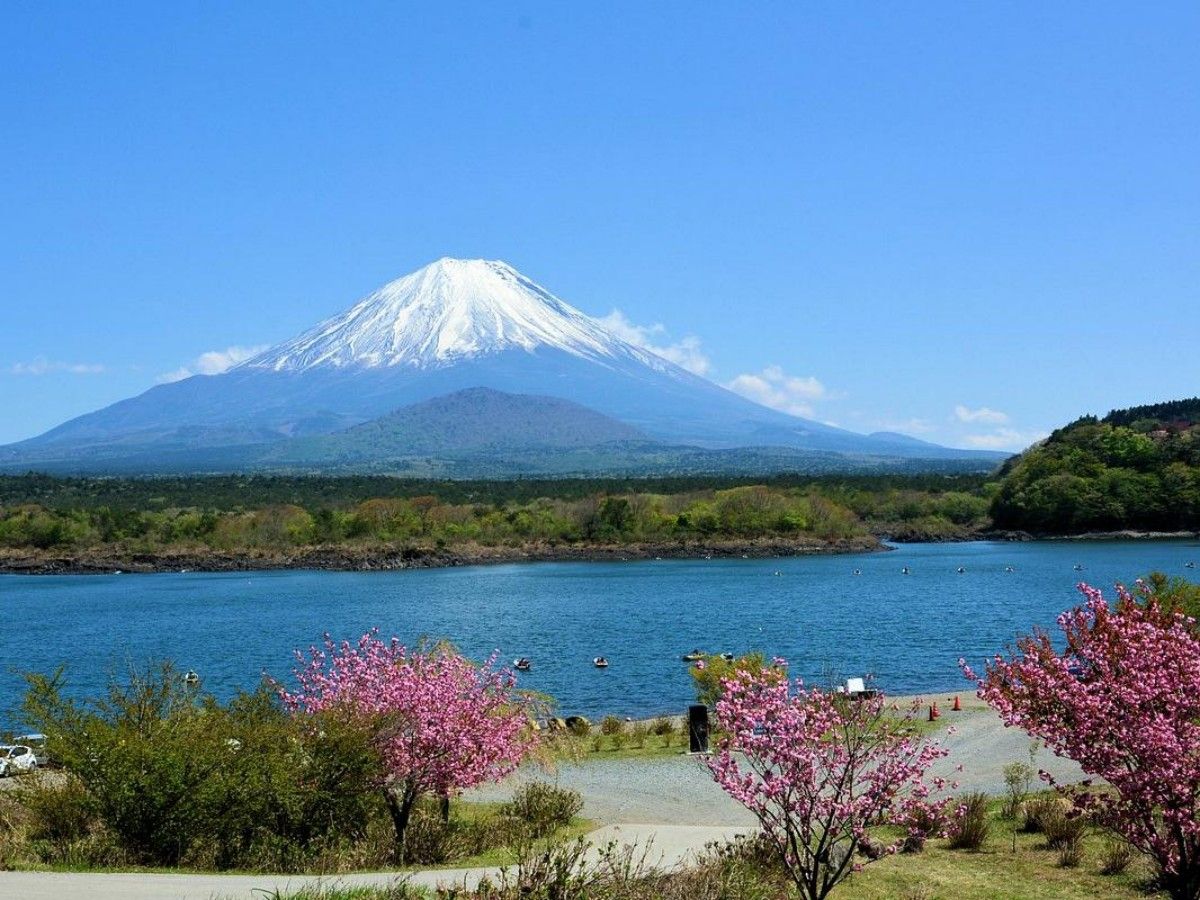
Mount Fuji, as a symbol of Japan, stands in the south-central part of Honshu Island, spanning Shizuoka Prefecture and Yamanashi Prefecture, about 100 kilometers from Tokyo. It is one of the largest active volcanoes in the world and a "holy mountain" in the hearts of countless people. The hot springs (Fuji Hot Springs) around Mount Fuji are scattered like pearls, from Kawaguchiko to Hakone, from Yamanakako to Fujinomiya. These hot springs are nestled in the embrace of Mount Fuji, allowing you to look up at the full view of the snow-capped mountains in the mist and wash away the fatigue of the journey. But do you dare to try an extreme way of playing? - Wear a light yukata to complete the seamless connection between hot springs and mountaineering, and experience the extreme contrast from warm spring pools to the top of snow-capped mountains within 24 hours. This sounds like a crazy adventure, but it hides the most unique way to open Mount Fuji. Are you ready to accept the challenge of this "devil's timetable"?
Advertisement
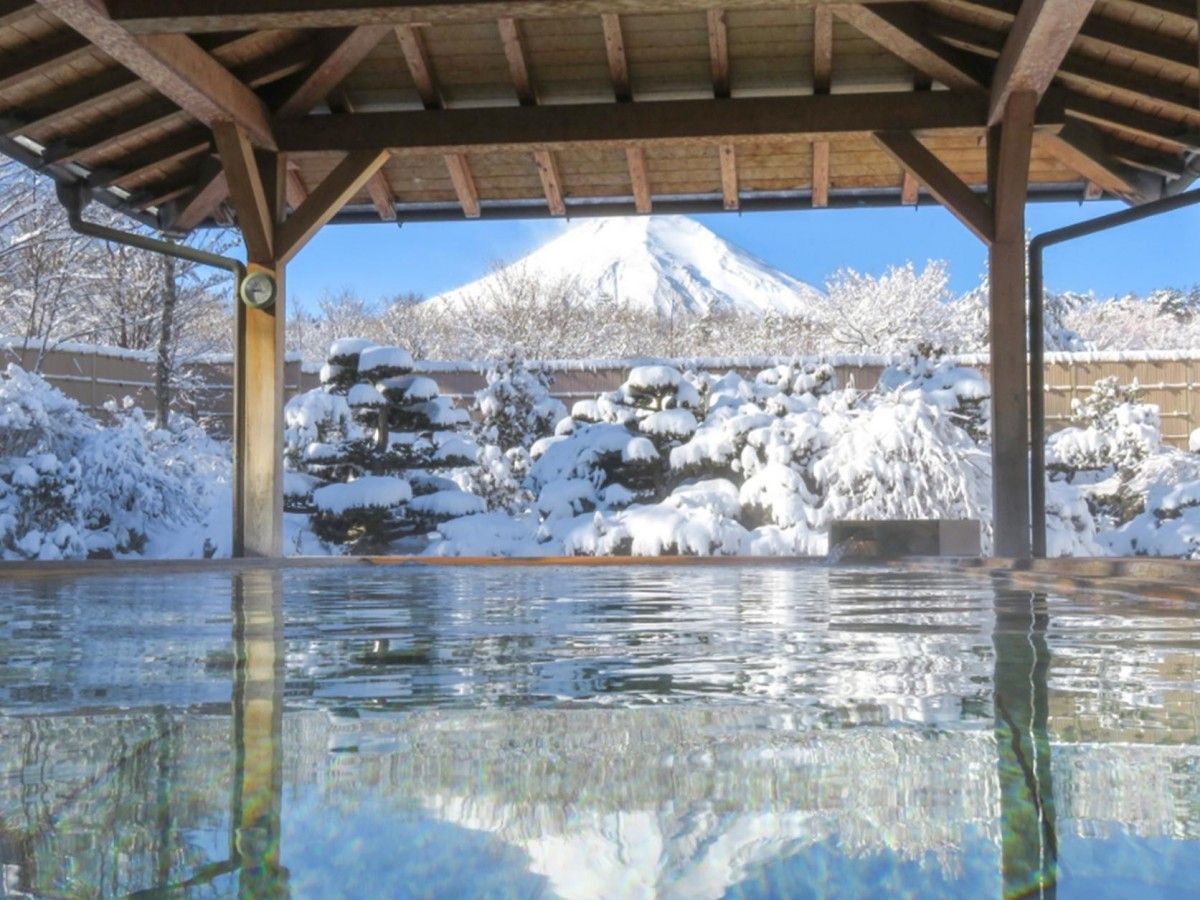
To achieve the extreme gameplay of "hot spring + mountaineering", the key lies in compressing the timeline while taking into account comfort and safety. The climbing season of Mount Fuji is only from July 1 to August 31 every year. At this time, the snow melts and the temperature is suitable (about 5-10℃ on the top of the mountain and 20-25℃ at the foot of the mountain), which is the only window period for the challenge. The hot springs are open all year round. When you take a bath at night, you can also see the silhouette of Mount Fuji under the starry sky, which is in sharp contrast to the daytime climbing.
Advertisement
Equipment is the key to this challenge. Yukata seems to have nothing to do with mountaineering, but choose a lightweight cotton yukata (avoid chemical fiber materials, which are easy to stick to the body after sweating), wear quick-drying long-sleeved clothes and pants inside, and put on a windproof mountaineering jacket outside, which can not only switch quickly in the hot spring, but also cope with the temperature difference when climbing. Shoes must be non-slip mountaineering boots, and clogs must not be worn - this is the bottom line. In addition, you need to prepare a small waterproof backpack, filled with replacement dry towels, portable hot spring bathing agents (some mountain huts can be used for simple hot springs), high-energy snacks (chocolate, energy gel), thermos, and headlights, knee pads, and sun hats that are essential for mountaineering.
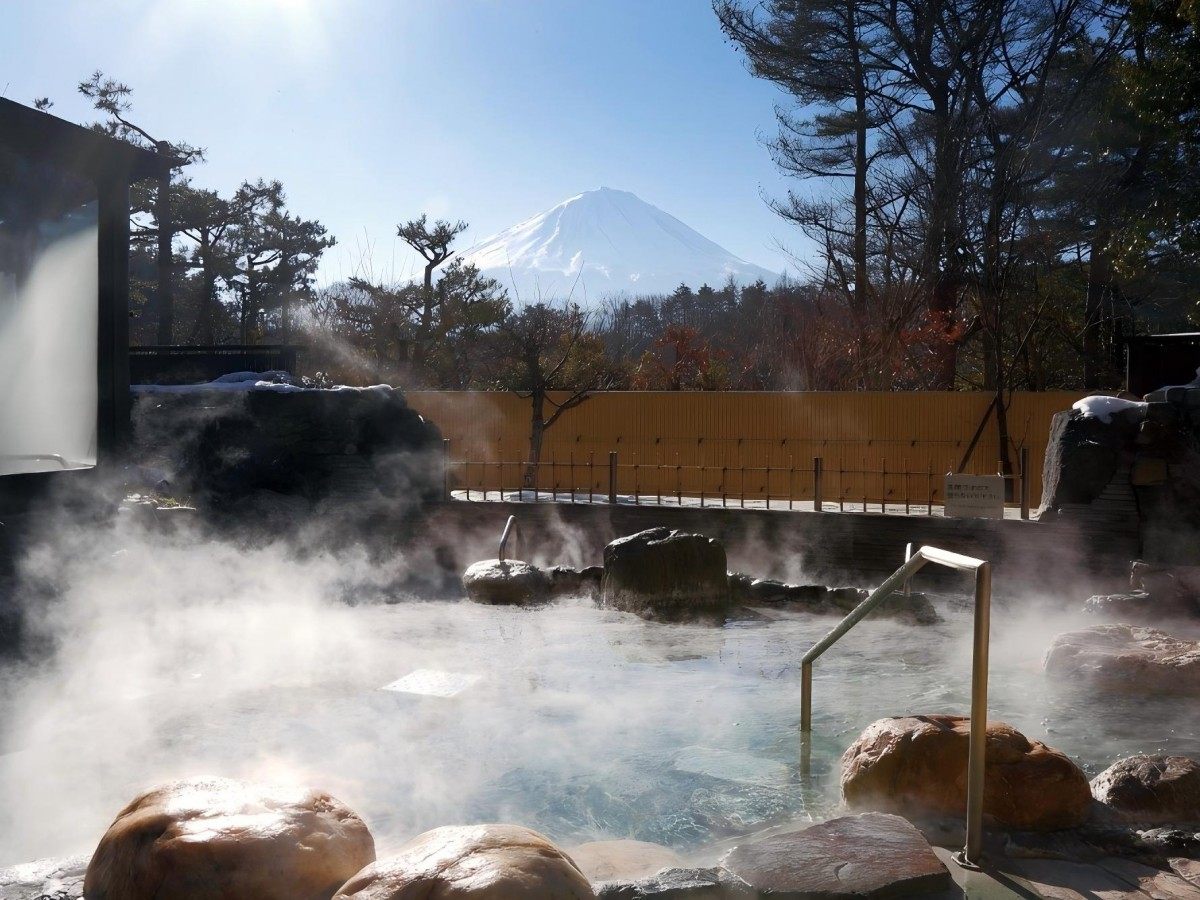
Starting from Kawaguchiko Onsen (about 1 hour's drive from the fifth station of Mount Fuji), this schedule will take you to experience the closed loop of "hot spring - mountain climbing - hot spring":
Advertisement
Day1 18:00-20:00 Hot spring warm-up, wear a yukata to check in at Mount Fuji at dusk
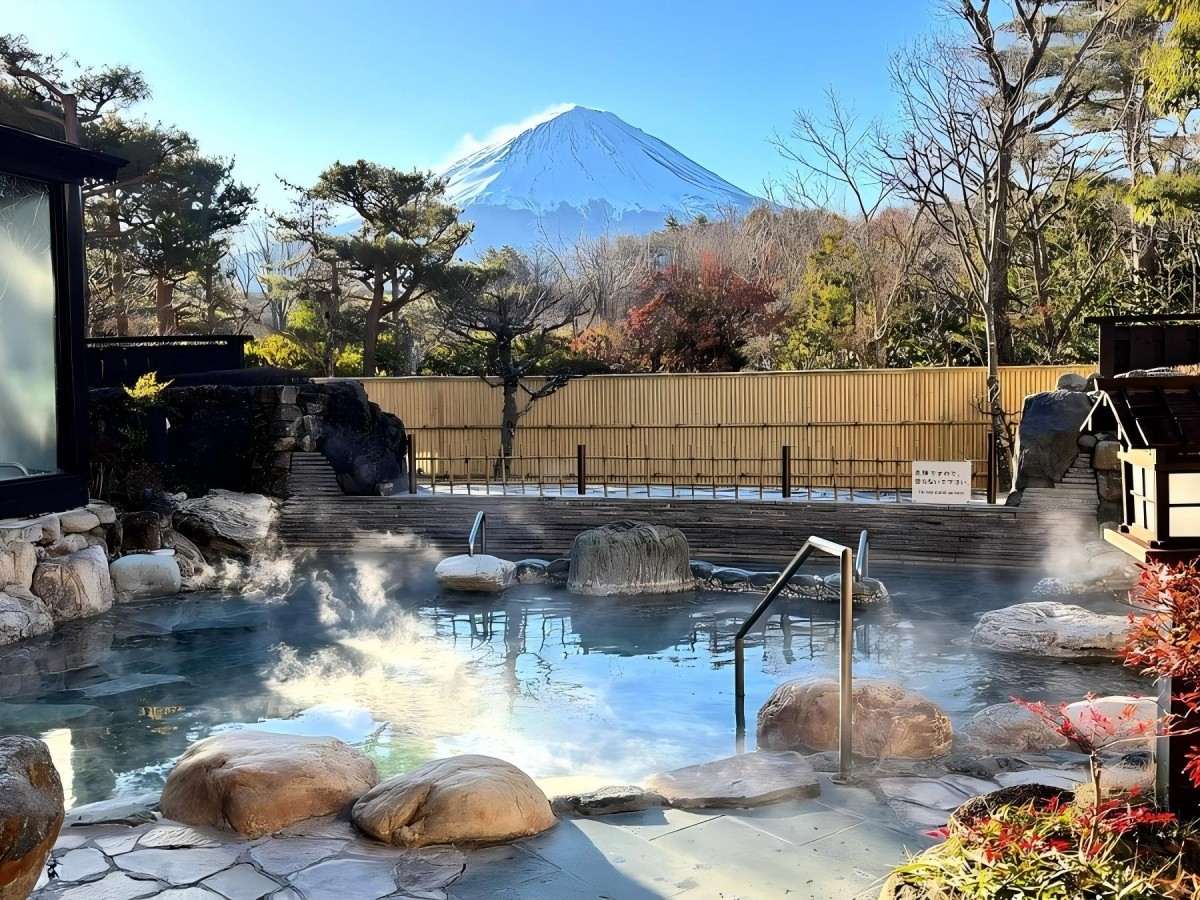
Arriving at the "Fuji Ginkei" hot spring hotel in Kawaguchiko, change into a yukata first and go straight to the open-air bath. At this time, the sunset is gilding Mount Fuji, the hot water in the spring pool has a slight fragrance of sulfur, and the cuffs of the yukata are wet by the water vapor, but it does not affect you from raising your phone to take pictures of this "snow mountain + yukata" discordant and harmonious picture. Get up after soaking for 15 minutes, quench your thirst with the iced barley tea provided by the hotel, and eat a portion of hot spring egg with rice to fill your stomach - don't eat too much to leave room for climbing.
Day1 20:30-22:00 Drive to the 5th Station and start the night climb
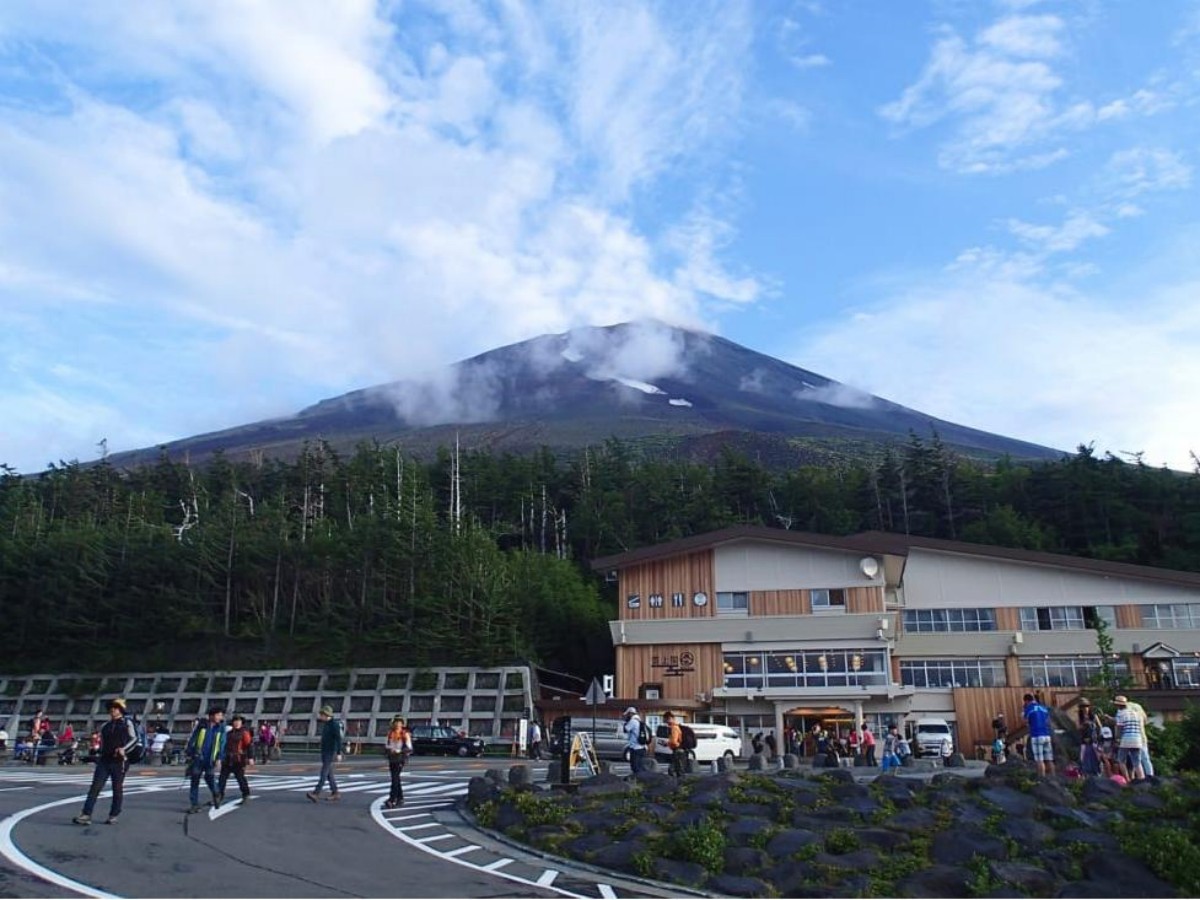
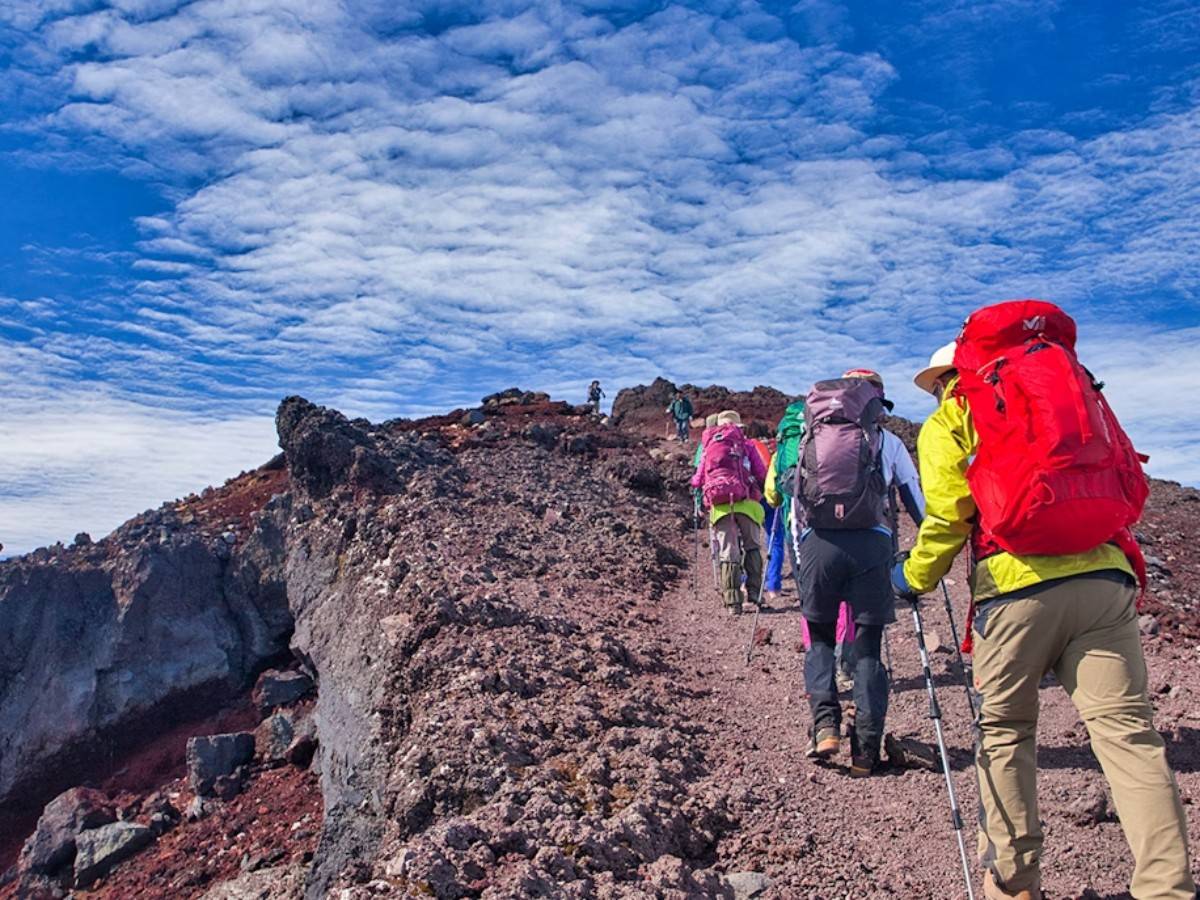
Put on climbing gear (the yukata is still worn outside the quick-drying clothes, and the jacket is zipped up tightly), and take the shuttle bus reserved by the hotel to the 5th Station (2305 meters above sea level). It is dark at this time, and the convenience store next to the parking lot is crowded with people preparing to climb. You can replenish the last wave of supplies here (it is recommended to buy a bowl of hot soup noodles and eat it after heating in the mountain hut). At 22:00, set foot on the Yoshida Route (the most classic and easiest route) on time. The beam of the headlamp pierces the darkness, and the volcanic rocks under your feet are shiny because of the previous people's trampling. The slope is gentle in the first 2 hours, and you will see the funny shadow of yourself in the yukata under the headlight - don't laugh, this is your unique sense of ritual.
Day1 00:00-03:00 From the 5th to the 7th station, race against fatigue
At 1 a.m., we arrived at the 6th station (2,700 meters above sea level), and the lights of the mountain huts twinkled like stars. Here you can take a short break and soak your feet in the simple hot spring pool of the hut for 5 minutes with your own bathing agent (don't take off your shoes for too long to avoid cold feet). At this time, the body temperature begins to drop, take off the coat, and let the quick-drying clothes in the yukata absorb moisture, but pay attention to wind protection - the night wind of Mount Fuji is like a knife, blowing the yukata rustling. At 2:30, we arrived at the 7th station (3,100 meters above sea level), and the slope began to become steeper. You have to stop and take a breath every 10 minutes. Knee pads can help you reduce the pressure on your knees.
Day2 04:00-05:30 Rush to the Eighth Station and wait for sunrise
At 4 a.m., we arrived at the Eighth Station (3,400 meters above sea level), and the sky began to turn pale. The mountain hut here sells hot coffee for 100 yen a cup. When you hold the cup to warm your hands, you will find that the collar of your yukata has been soaked into a dark color by sweat, but the sea of clouds in the distance is slowly waking up. At 5 o'clock, continue to move forward to the Ninth Station (3,700 meters above sea level). At this time, your steps will become heavy, and every step will feel like stepping on cotton. It is all supported by the belief of "sunrise on the top of the mountain + hot springs down the mountain".
Day2 06:00-06:30 Reach the top! Watch the sunrise in a yukata in the snow
When the top of Mount Fuji (3,776 meters above sea level) appears in front of you, a golden light just happens to crack the horizon. Without taking a breath, quickly take off your hiking jacket and reveal your yukata underneath. People around you will look at you in surprise, and some may even point their cameras at you. Don't be shy. Stand next to the stone monument of "The Top of Mt. Fuji" and ask your companions to take pictures of you with your yukata flying and the sunrise in the background. 30 minutes later, the sunrise is completely up, and the wind on the top of the mountain is so strong that it can blow away your hat. Put on your jacket and start to go down the mountain.
Day2 08:00-12:00 Go down the mountain and return, and the hot spring will heal you. Going down the mountain is more knee-breaking than going up the mountain. Control your speed and take a 10-minute break every hour. Arrive at the fifth station at 10 o'clock and take the shuttle bus back to Kawaguchiko. Return to the hotel at 12 o'clock, and the first thing you do is rush into the hot spring. At this moment, the yukata is covered with dust and sweat, but the moment you soak in the hot water, all the fatigue disappears. It is recommended to soak for 10 minutes, take a shower and change into a clean yukata, and then go to eat the hotel's kaiseki cuisine (sashimi, grilled eel, miso soup, which tastes particularly delicious at this moment).
Day2 14:00 End the challenge and leave with soreness and satisfaction
Lying on the tatami of the hotel, the muscles are still clamoring for fatigue, but looking at the photos from dusk to sunrise on the phone, you will understand that this extreme combination of "yukata + mountain climbing" has long surpassed the trip itself - it is a small provocation to yourself, and it is also the most intimate dialogue with Mount Fuji.
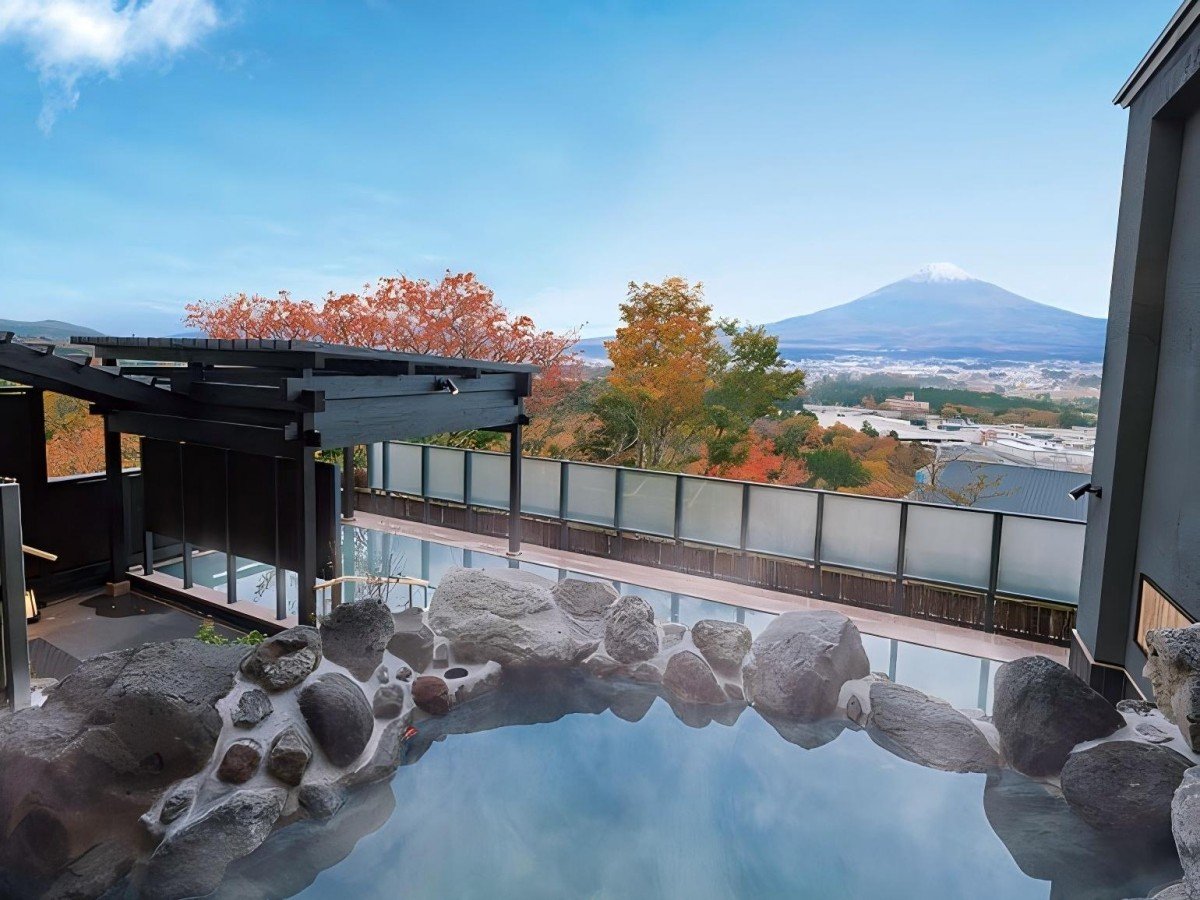
Hot spring selection: give priority to hotels with "mountain climbing + hot spring" packages
"Koyama-tei Ubuya" in Kawaguchiko offers a package of "Mount Fuji at night + two meals in the morning and evening + hot spring", and you can also borrow hiking poles and headlamps for free, saving the trouble of bringing your own equipment. If you want to be closer to the starting point of the climb, the "Fujisan Hot Spring Hotel" in Fujinomiya City is only a 40-minute drive from the fifth station of the Fujinomiya route. Its open-air hot spring faces Mount Fuji directly, which is suitable for challengers with tighter time.
How to wear a yukata: moderate tightness
The belt (belt) of the yukata should not be tied too tight. When climbing, you will breathe quickly, and too tight will affect your strength. It is recommended to tie a simple bow knot for easy adjustment at any time. After going down the mountain and before taking a hot spring bath, you only need to untie the belt, take off the coat and inner wear, and you can go directly into the bath, saving time and effort.
Dealing with emergencies: safety first
If you feel dizzy or have difficulty breathing (altitude sickness) while climbing, stop and rest immediately, and take the oxygen bottle you carry with you (available at the convenience store at the fifth station, about 1,000 yen/can). If you encounter heavy rain or strong winds, return to the nearest mountain hut and wait, and don't force yourself. Remember, the premise of extreme play is to complete the challenge alive.
When you stand on the top of Mount Fuji in a yukata and watch the sunrise dye the sea of clouds golden, you will find that this seemingly crazy "hot spring + climbing" challenge is actually the most gentle tribute to Mount Fuji - approach its warmth with the most relaxed attitude, and touch its coldness with the most tenacious steps. Maybe next time you come, you will choose a more leisurely way, but this 24-hour devil's journey will eventually become an unrepeatable secret between you and Mount Fuji.