
Advertisement
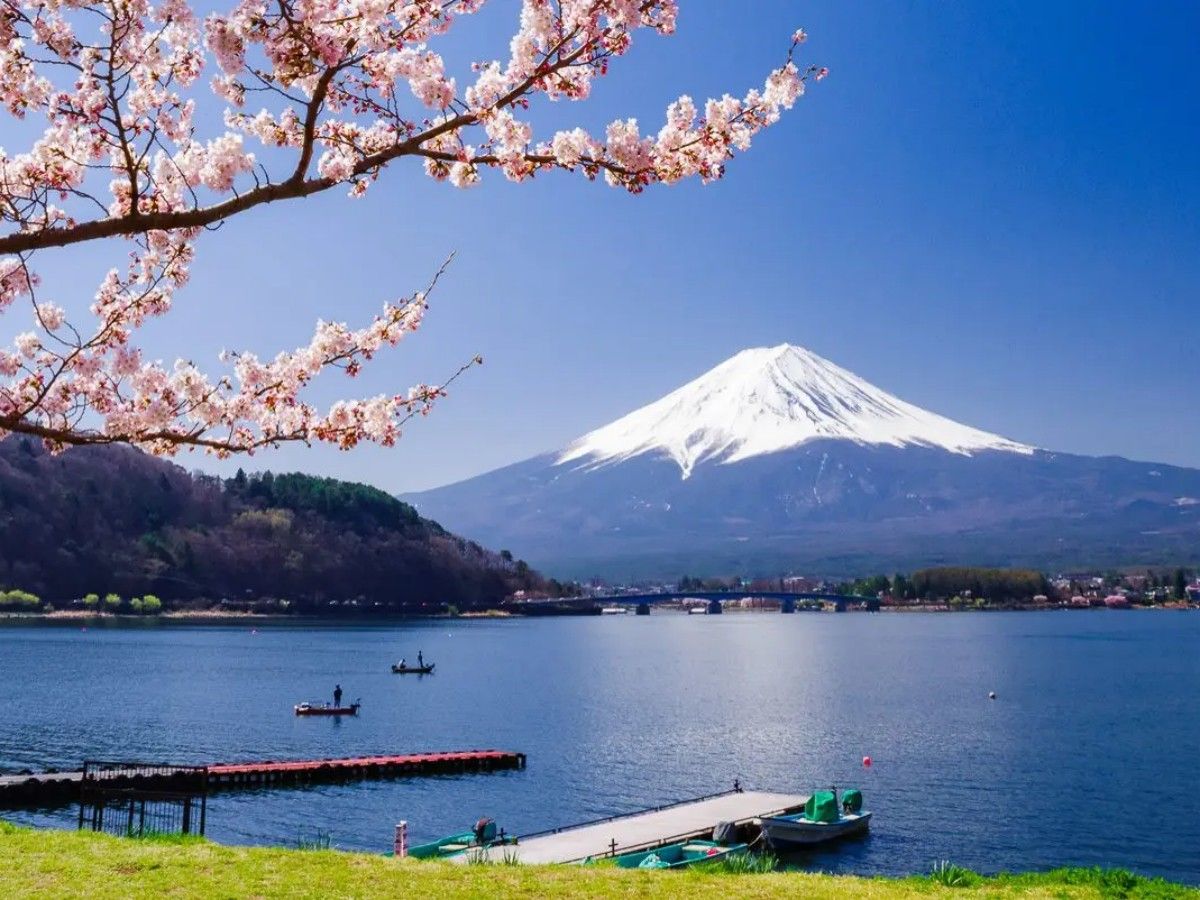
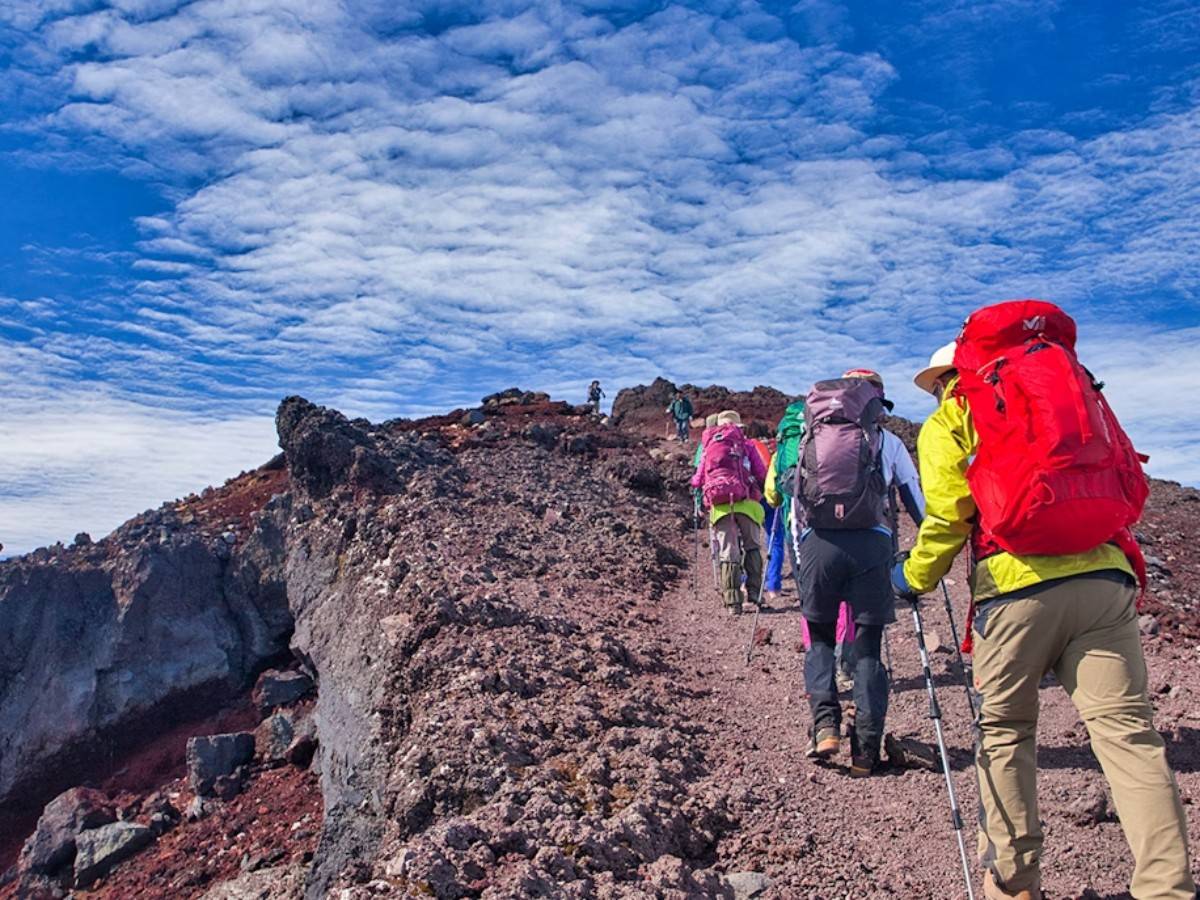
When the pace of the city becomes overwhelming, why not head for the hills? Fuji Five Lakes, this cloud-top waypoint, offers a chance to connect with Japan’s sacred mountain without the need to climb the entire peak. From Tokyo, it takes just a few hours to reach the crisp, high-altitude air, where you can watch the clouds roll by and feel the power and tranquility of nature. This isn't just for climbers—it's a relaxing yet awe-inspiring highland journey.
Advertisement
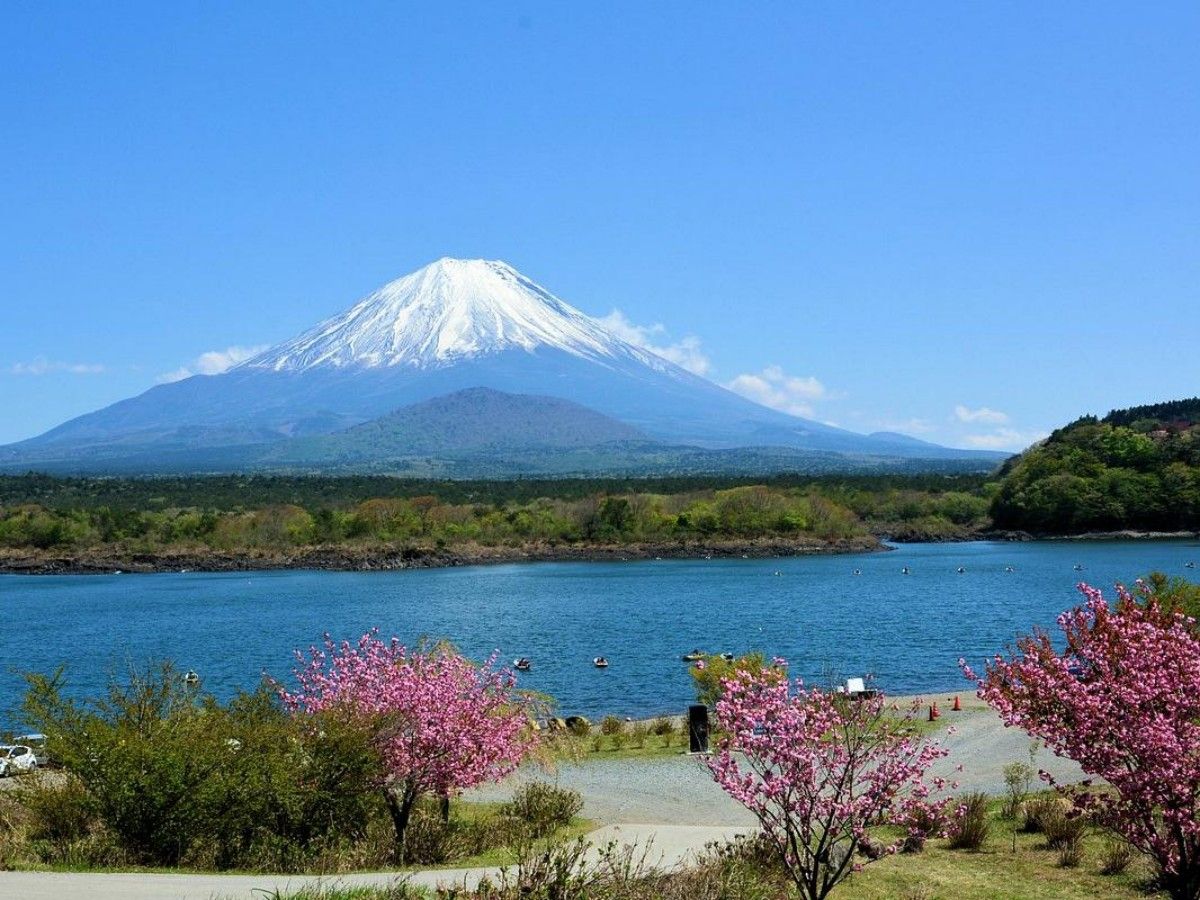
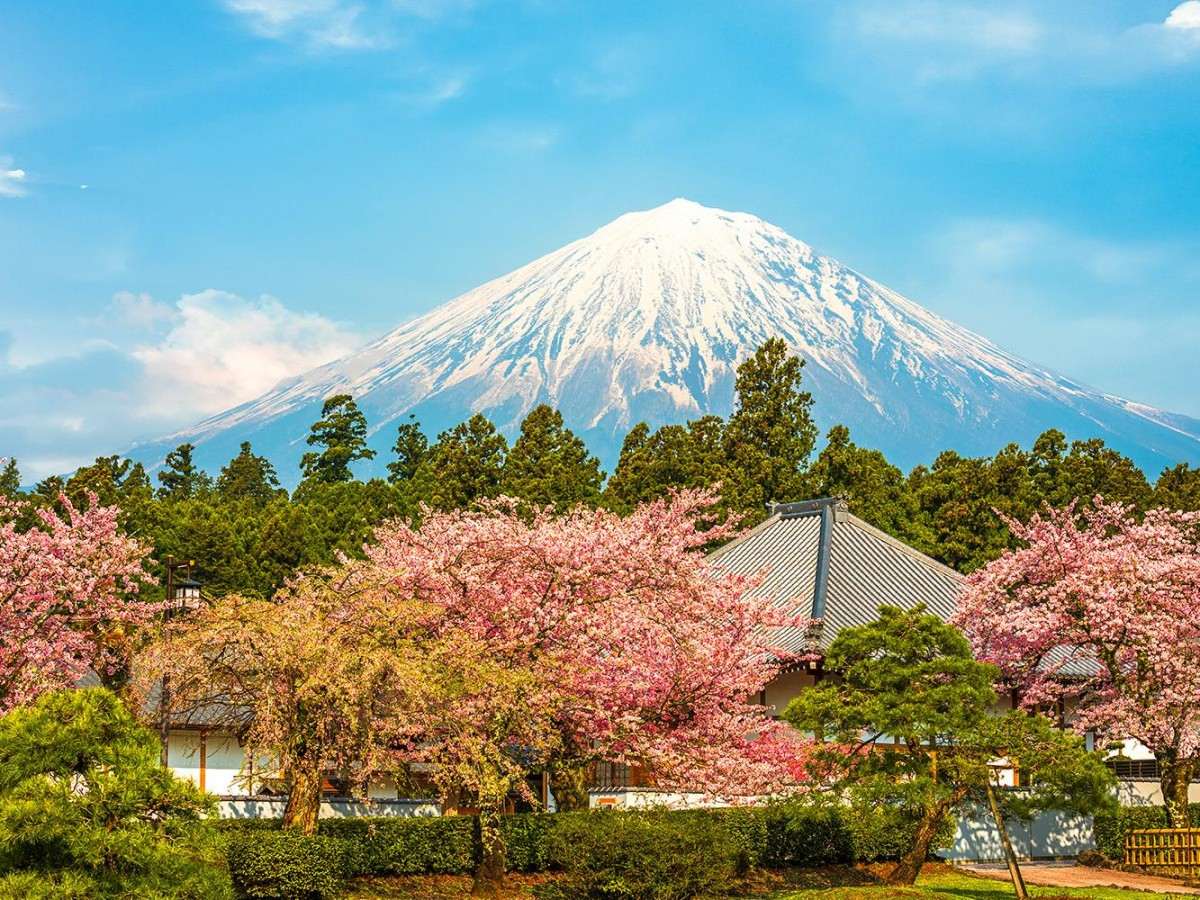
Mount Fuji, standing at 3,776 meters, is Japan's highest peak and a UNESCO World Heritage Site. It's not just a volcano; it's a spiritual symbol featured in poetry, ukiyo-e paintings, and even modern anime. In Japanese culture, climbing Mount Fuji is seen as a spiritual journey and an experience everyone should undertake at least once in their lifetime.
Advertisement
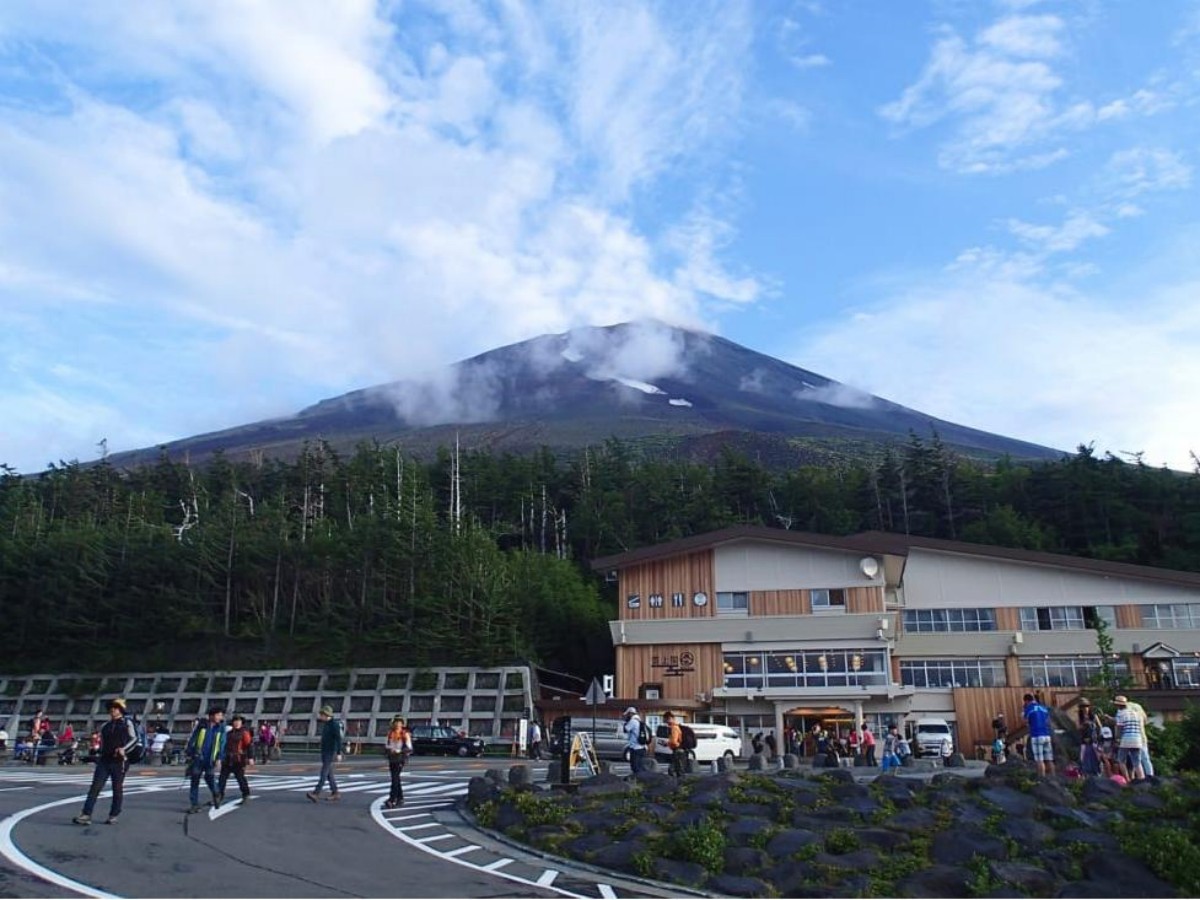
The Fifth Station is a key checkpoint along the climbing route. Mount Fuji has ten stations, with the Fifth Station located at the midpoint, at an altitude of approximately 2,300 meters. This is where most visitors end their journey, and for many, it is the starting point for their official ascent. It offers stunning mountain views, rich natural ecosystems, and complete tourist facilities, making it ideal for those who do not plan to summit but wish to “connect with Fuji.”
The most popular “Fifth Station” is the Fujisan Subaru Line Fifth Station, as it offers the most convenient transportation, the most complete facilities, and is ideal for a day trip.
There are various ways to travel from Tokyo to Mount Fuji's Fifth Station, but the following is the most recommended route:
Advertisement
Train + Bus Combination:
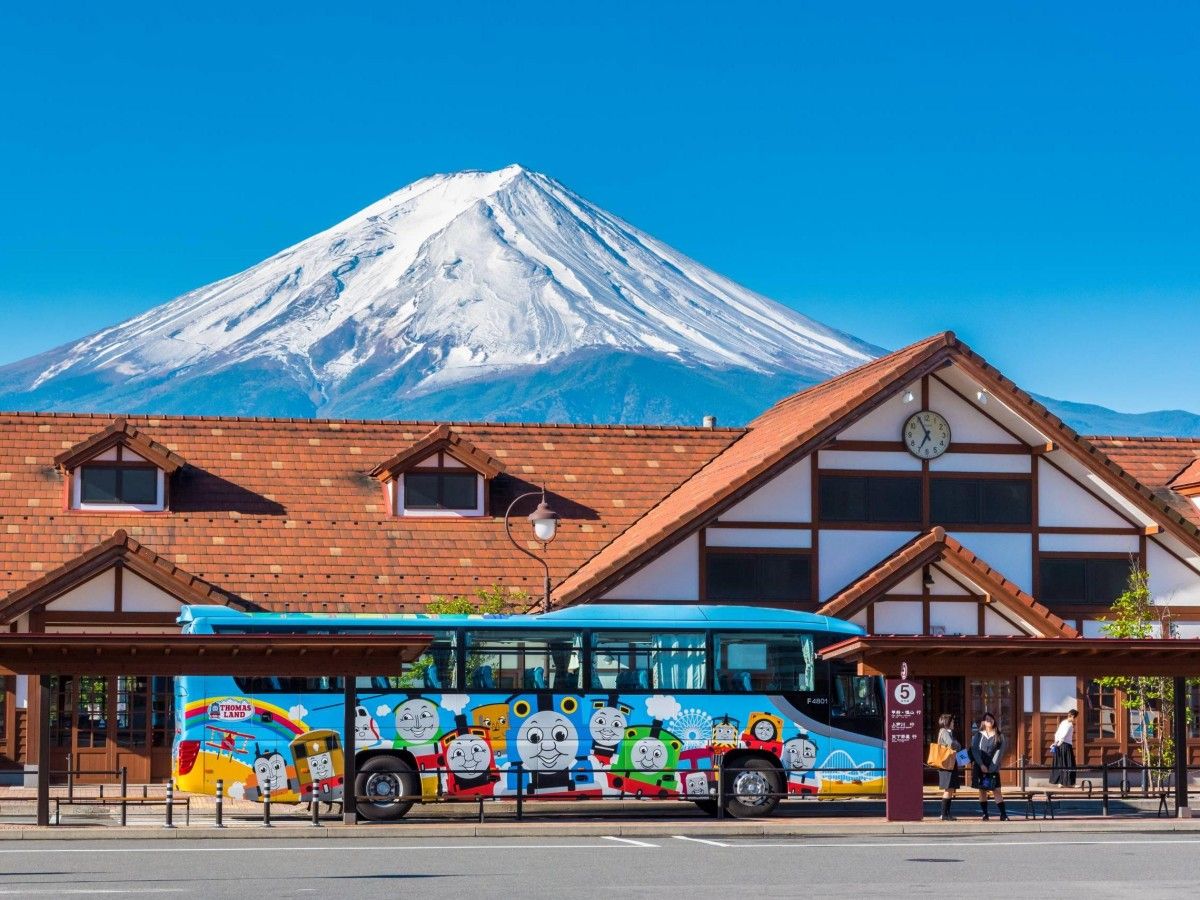
Take the JR Chuo Line Limited Express (such as the “Fuji Kaiyu” train) from Shinjuku Station to Kawaguchiko Station (approximately 2 hours).
Transfer at Kawaguchiko Station to the Fujikyu Bus bound for “Fuji Subaru Line Fifth Station” (approximately 50 minutes).
This is the most reliable route with the best scenery along the way, taking approximately 3 hours in total, suitable for travelers planning a day trip.
Direct Express Bus:
There is a direct express bus to Fuji Subaru Line Fifth Station from the Shinjuku West Exit Express Bus Terminal (operated by Fujikyu), taking approximately 2.5 hours.
Advance online reservations are required, especially during the summer peak season.
Driving:
From Tokyo, take the Chuo Expressway to Kawaguchiko IC, then follow the “富士スバルライン” mountain road directly to the Fifth Station.
However, during the summer (mid-July to early September), due to traffic restrictions, driving may only be possible up to the trailhead, where you must transfer to an eco-friendly bus.
It is recommended to depart from Tokyo between 6 and 7 a.m. to avoid crowds and enjoy clearer views of Mount Fuji's silhouette and the Southern Alps on a sunny day.
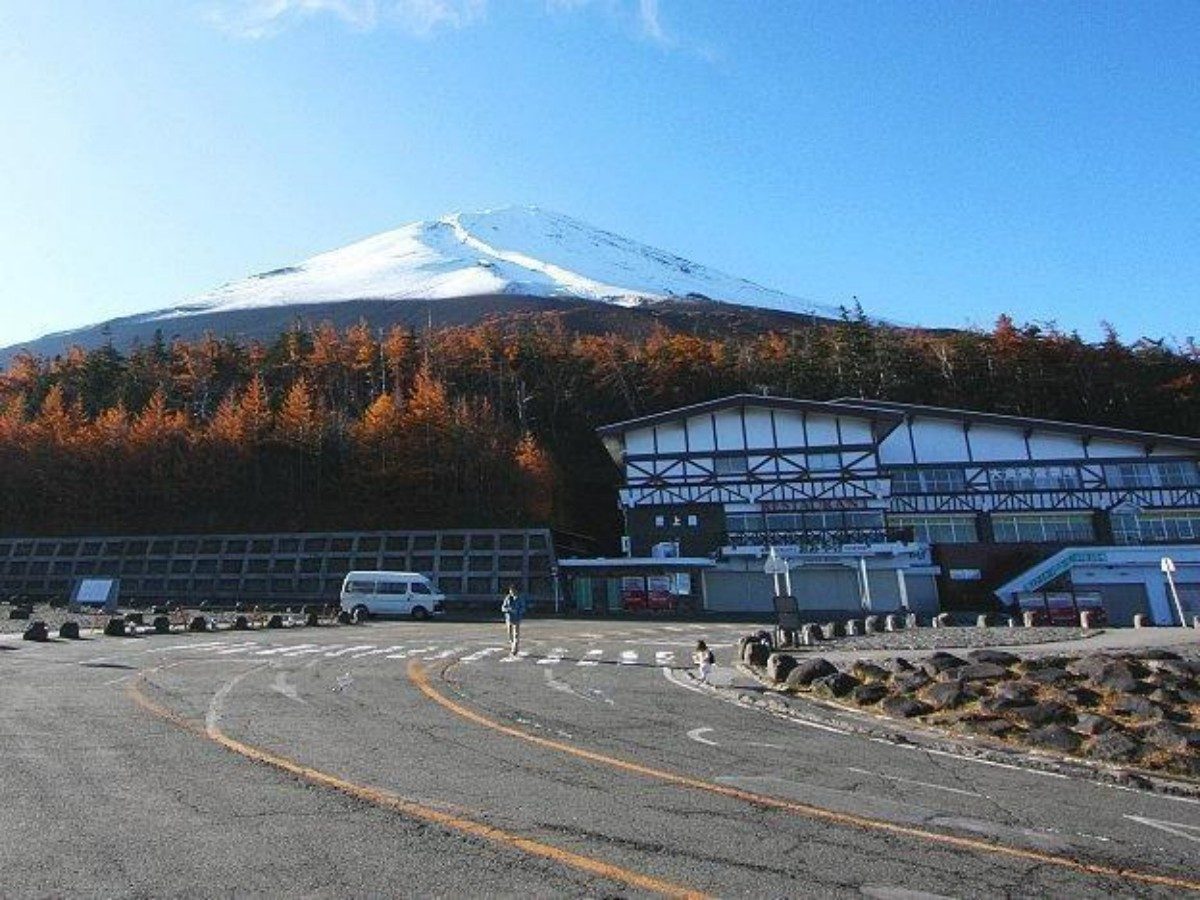
Although it is a “midway point,” the Fifth Station is not just a simple transit point; it is a complete tourist attraction in its own right:
Cloud Sea View: On clear days, the Fifth Station is above the clouds, giving the feeling of walking on the sky. Watching the rolling clouds spread out below is a visually stunning experience that clears the mind.
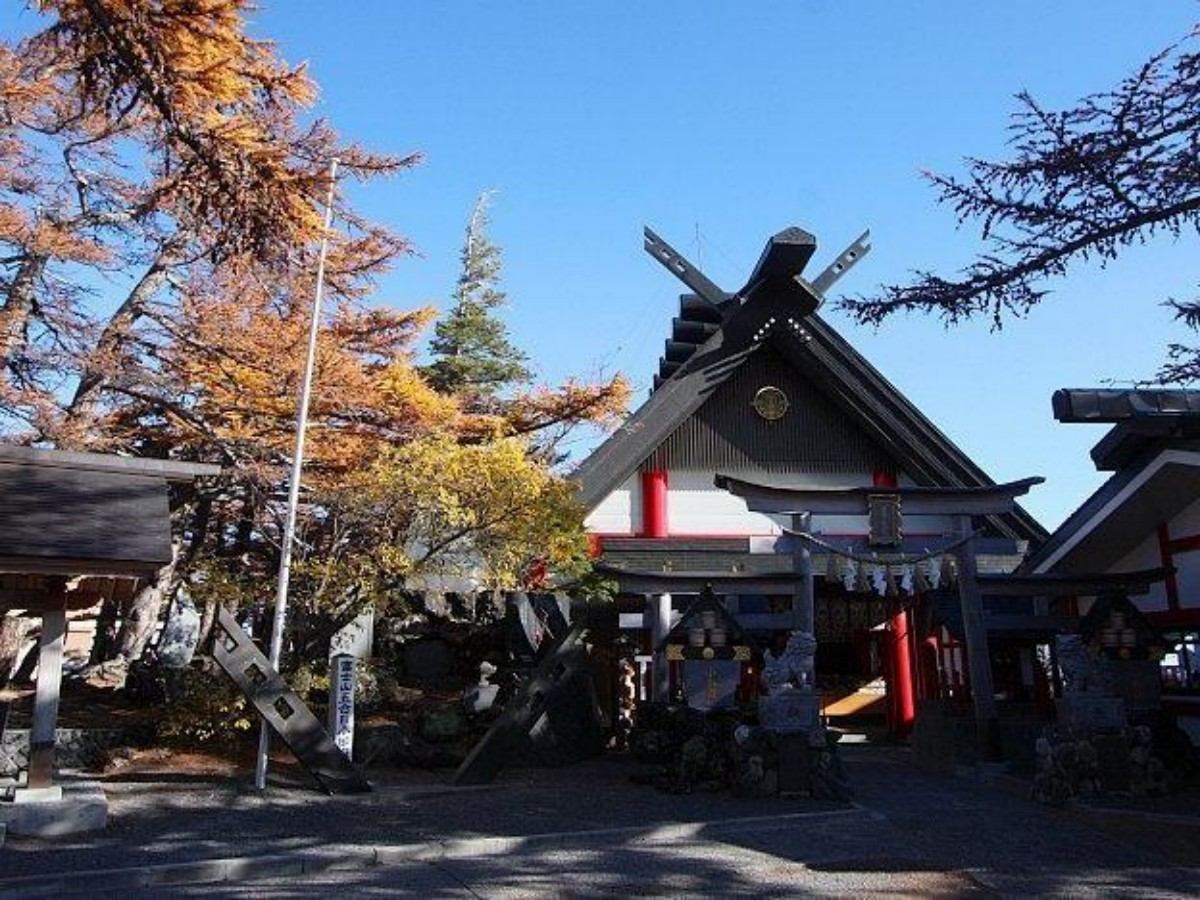
Komitake Shrine: This shrine is dedicated to the mountain god of Mount Fuji and is a place where climbers pray for safety. The vermilion torii gates contrast beautifully with the snow-capped mountain peaks in the distance.
Viewing Platform: There are multiple viewing points offering panoramic views of the Fuji Five Lakes at the base of the mountain and even the Southern Alps in the distance. A wide-angle camera or smartphone with a telephoto lens is recommended.
Forest Trail: The “Okutei Nature Trail” is a one-hour forest path featuring volcanic rock landscapes, rare alpine plants, and the possibility of encountering wild deer or squirrels.
Post Office and Souvenirs: The “Mount Fuji Post Office” at the fifth station offers commemorative postmarks, custom postcards, and limited-edition Mount Fuji-themed amulets and souvenirs.
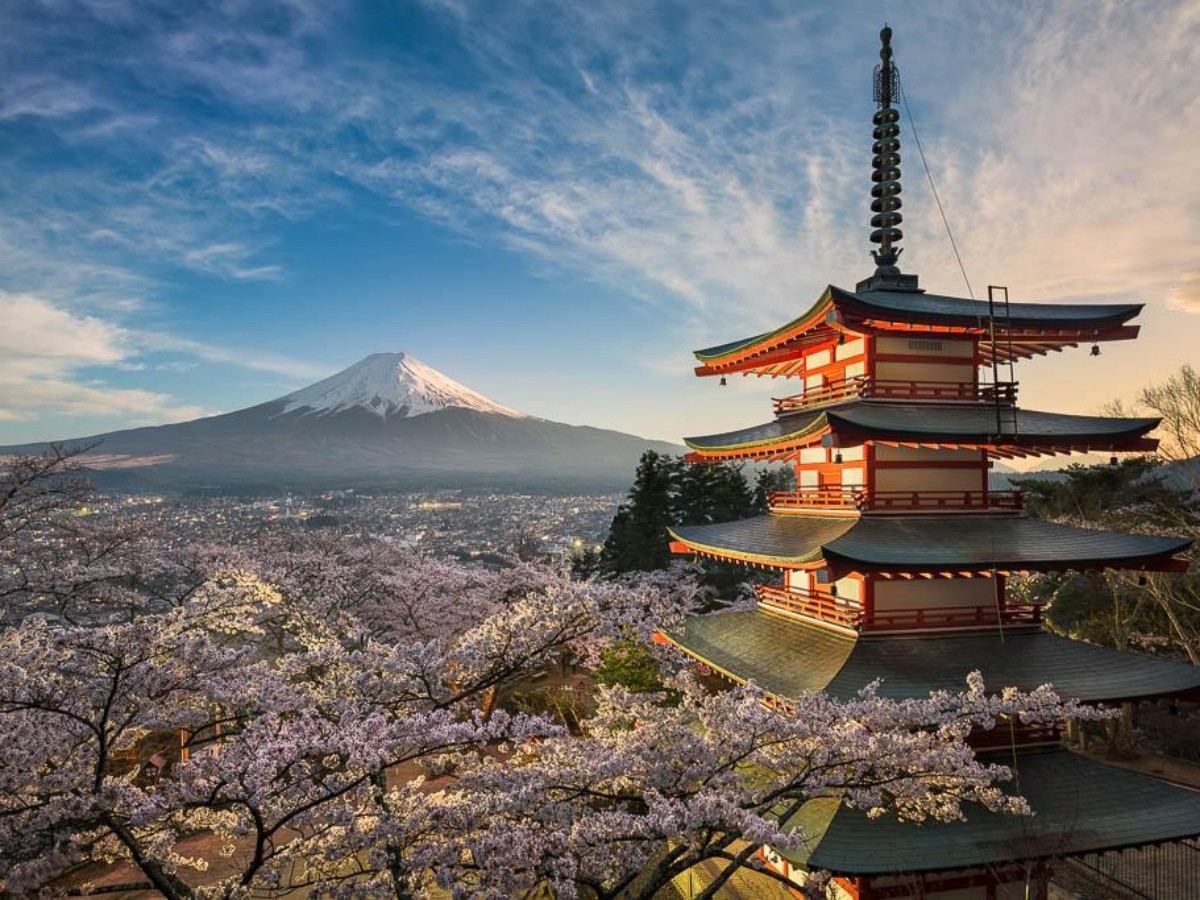
The fifth station is at an altitude of 2,300 meters, with a climate distinct from urban areas. Here are a few highland tips to keep in mind:
Lower temperatures: Even in summer, the temperature at the Fifth Station may only reach around 10°C. It is recommended to wear a windbreaker or lightweight down jacket and bring a scarf and hat to block the wind.
Altitude sickness: For those with sensitive constitutions, ascending to high altitudes quickly may cause mild headaches or shortness of breath. It is advisable to first acclimate by walking slowly on the observation platform and avoid strenuous exercise.
Strong UV rays: Due to the high altitude, sunlight is intense. Even on cloudy days, it is recommended to apply sunscreen and wear sunglasses.
Rapid weather changes: Mountain weather can change drastically within an hour. Check the forecast before departure and bring rain gear just in case.
Pets are not recommended on the mountain, as the thin air can affect animals, and most areas of the scenic spot do not allow pets.
Don't assume the Fifth Station is an “untouched” place; it's actually highly commercialized, but this makes it extremely convenient.
Restaurant recommendations: The Fifth Station has several buffet restaurants and cafes, with the most popular being “Fujisan Honpo,” where you can enjoy hot dishes like Japanese curry rice, ramen, and mountain vegetable udon, as well as hot chocolate and matcha lattes, perfect for staying warm.
Souvenir Shops: From Fujisan-shaped cookies and fridge magnets to Gohe-moku-exclusive T-shirts, hiking sticks, and handcrafted wood carvings, there’s something for everyone. Don’t miss the “Fujisan Air Can”—a creative product that compresses high-altitude air into a can.
Amulets and Climbing Certificates: At the small Oyama Shrine, you can purchase exclusive amulets, as well as climbing safety amulets specifically designed for hikers. Some visitors enjoy buying “climbing certificates,” which, though not earned by reaching the summit, serve as a fun memento.
Restrooms and Convenience Facilities: Most restrooms require a fee (approximately 100 yen), but they are clean and well-maintained. There are also vending machines, first-aid stations, and points where you can purchase disposable raincoats.
The fifth station of Mount Fuji is not just for extreme adventurers; it is a “world of clouds” accessible to every traveler who loves nature and yearns for freedom. It offers the tranquility of high altitudes, pulling you away from the hustle and bustle of the city; and the solemnity of the mountain deity, allowing you to temporarily set aside the complexities of daily life. If you seek a light yet profound escape, then the fifth station is where you will gently encounter Mount Fuji.