
Advertisement
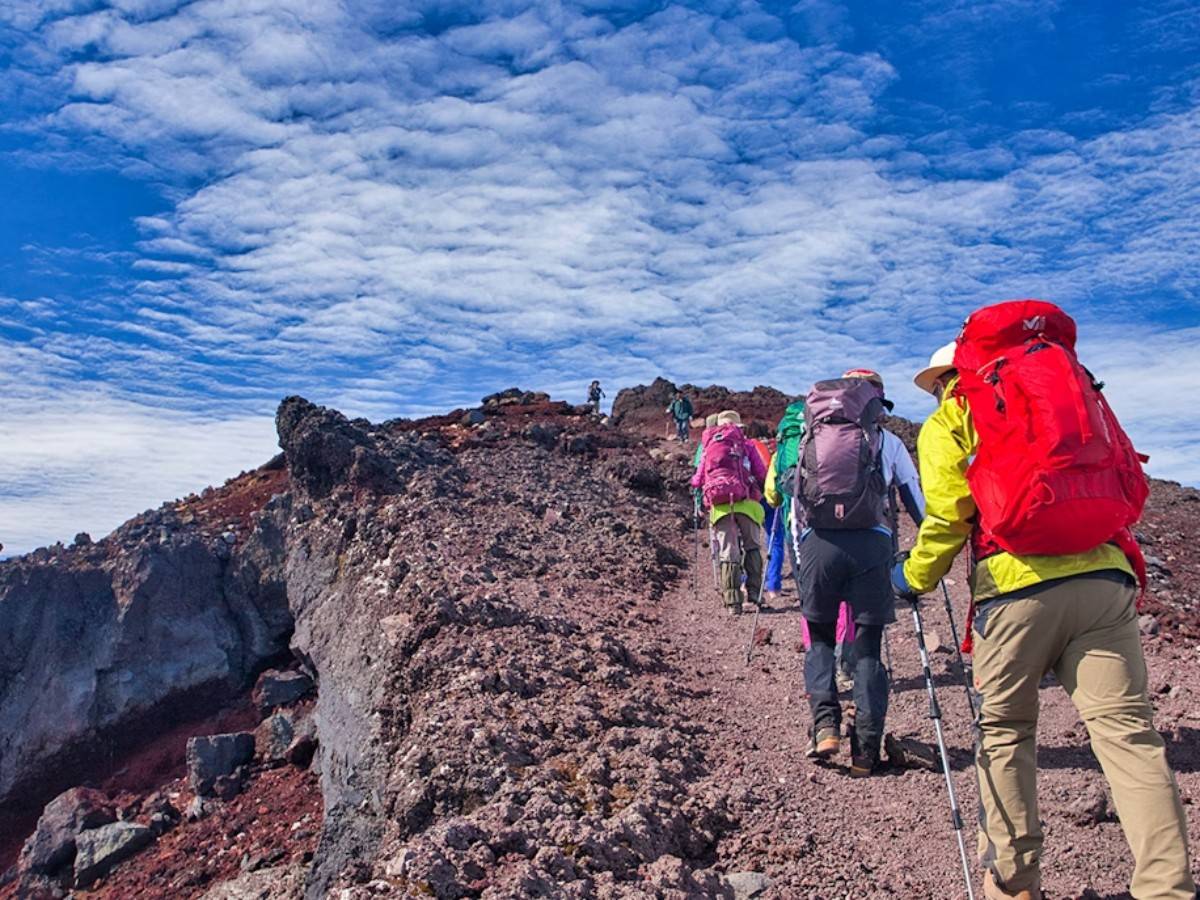
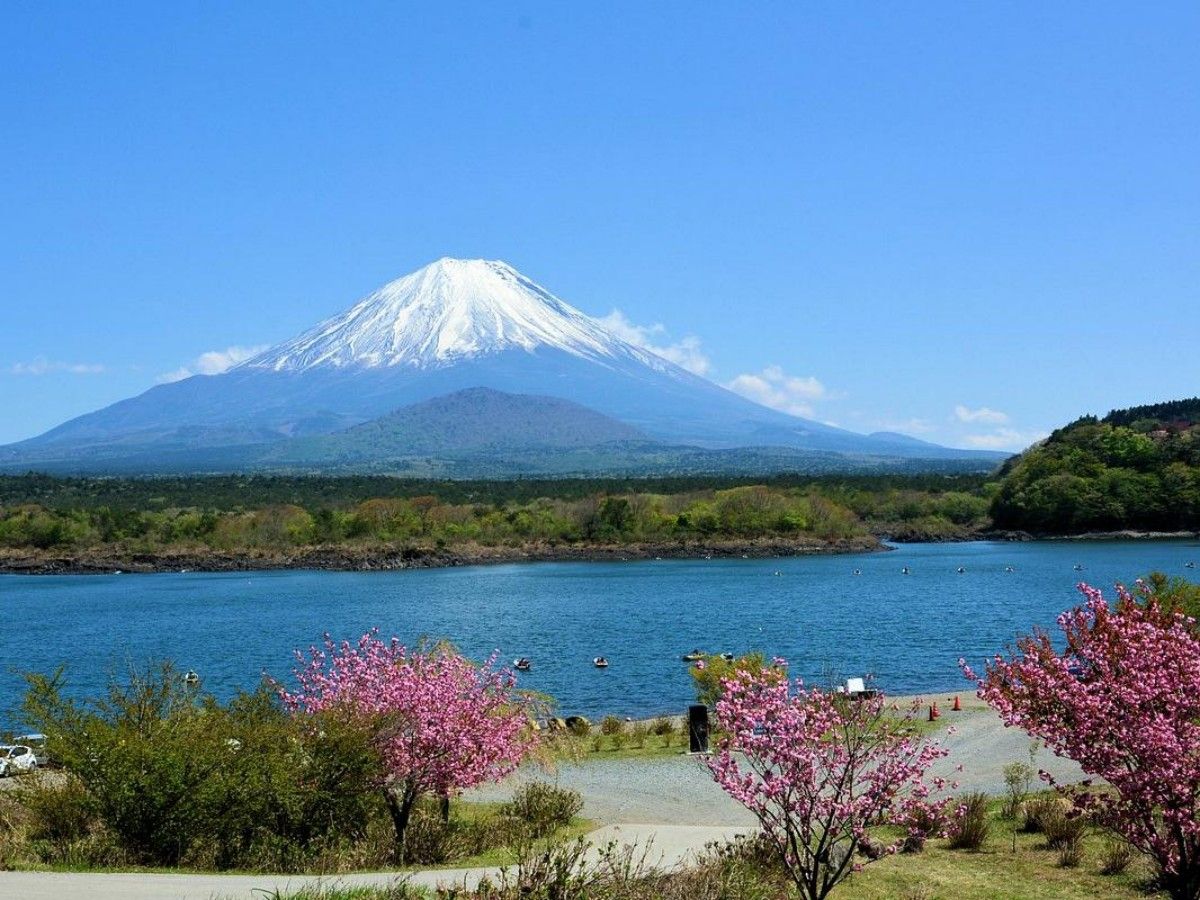
Mount Fuji is Japan's highest peak, a symbol of the country and a popular destination for hikers from all over the world. Standing 3,776 meters tall, this active volcano offers a challenging yet rewarding hiking experience. The mountain has four main hiking routes, each with its own unique features and difficulty level. In this guide, we'll explore these routes, provide tips on how to prepare for your hike, and provide some extra information to help you make the most of your Mount Fuji adventure.
Advertisement
Yoshida Route
Advertisement
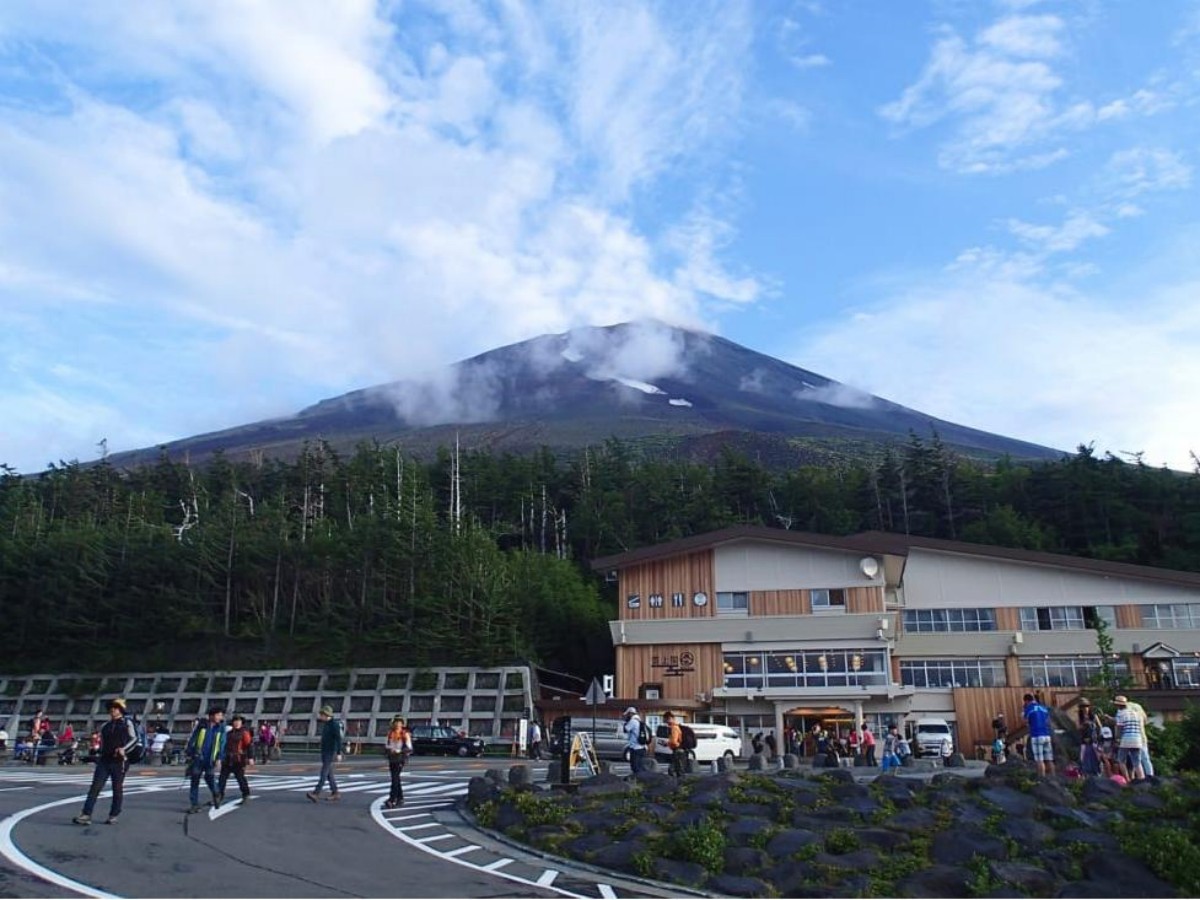
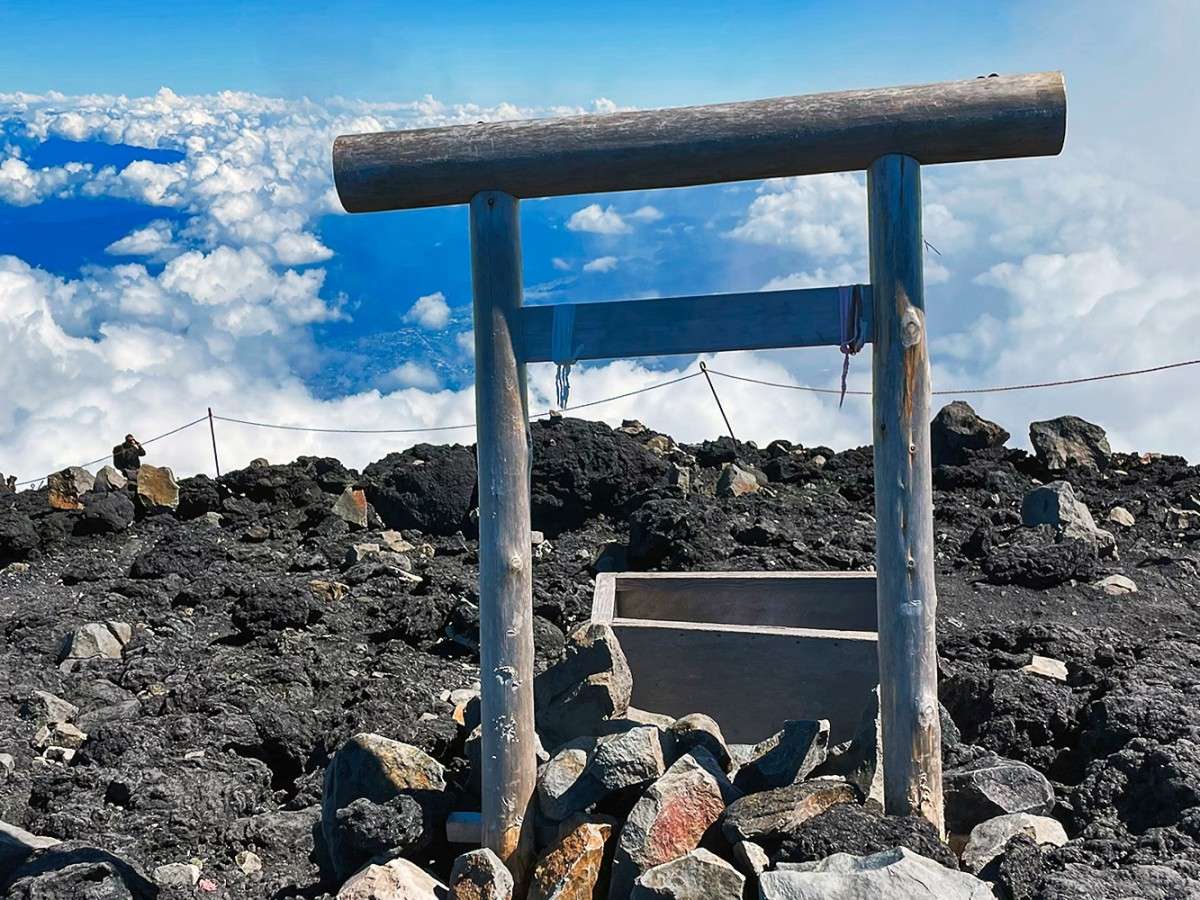
The Yoshida Route is the most popular and well-developed route on Mount Fuji. It is located on the north side of the mountain and is considered the easiest of the four routes. The route begins at the Fuji Subaru Line Fifth Station and can be reached by bus or car. From there, it's a steady climb all the way to the summit, with several rest huts and viewpoints along the way. The Yoshida Route is known for its rich pilgrimage history that dates back centuries. Along the trail, you may come across deer, Japanese macaques, and a variety of wildflowers, especially in the summer. Don't forget to visit the historic Yoshida Shrine located at the Fifth Station. The Yoshida Trail climb usually takes 5 to 7 hours and is suitable for all levels of hikers, especially beginners. However, during the peak climbing season (July and August), the trail can get very crowded, so it is important to start early and be prepared for a busy hike.
Subashiri Trail
The Subashiri Trail is a more challenging alternative route, offering a steeper climb and stunning views of the north face of Mount Fuji. It starts at Subashiri 5th Station and is suitable for experienced hikers looking for a more adventurous vibe. The trail is known for its diverse scenery, and unique flora and fauna can be spotted along the way. Keep an eye out for hute ishihara (five-leaf pine) and observe birds such as golden eagles soaring in the sky. The Subashiri Trail Information Center is located at the start of the trail and can provide you with important information and guidance. The climb takes 6 to 8 hours on this trail and is recommended in July and August. Experienced hikers with adequate equipment can also attempt this trail in September, but be aware of changing weather conditions.
Fujinomiya Trail
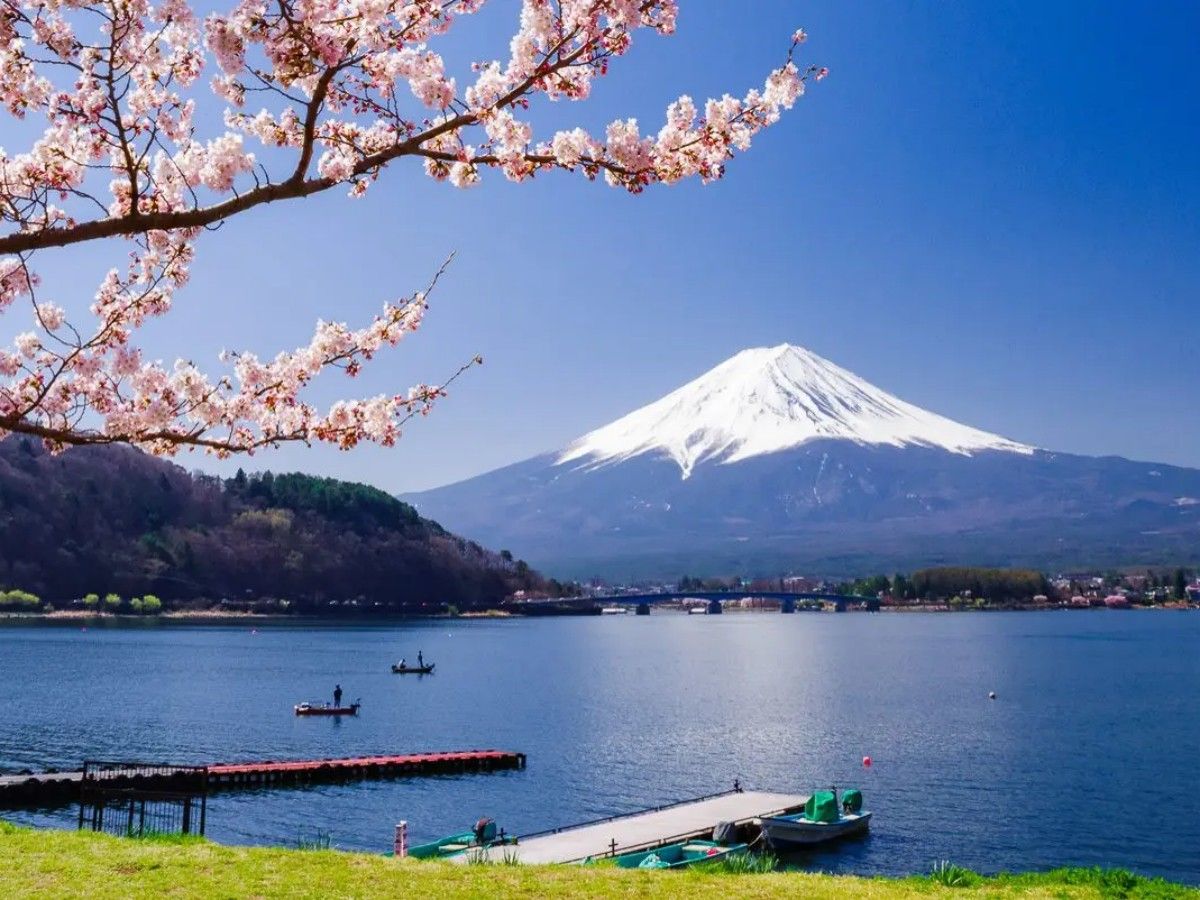
The Fujinomiya Trail is another challenging route that climbs directly to the summit, offering great views of the southern slopes of Mount Fuji. It begins at the Fujinomiya 5th Station and is known for being a relatively short walk to the summit. However, parts of this trail can be steep and strenuous. Along the way, you may catch a glimpse of the famous Fuji cherry blossoms in the spring. The Fujinomiya Trail also offers a unique experience as it descends via the Yoshida Trail. There are a few mountain huts and restaurants along the way to rest and refuel. The Fujinomiya Trail takes 6 to 8 hours to climb and is best climbed in July and August. Similar to the other routes, experienced hikers may consider hiking in June and September, but they should be well prepared.
Gotemba Trail
The Gotemba Trail is the longest and most challenging of the four routes. It begins at the Gotemba 5th Station and is the lowest in elevation of all the routes. This route takes you across a vast volcanic plain, offering you a unique perspective of Mount Fuji. This is an excellent choice for experienced hikers who are looking for a more rugged, difficult hike. Along the way, you may see wildlife such as foxes and hares, and you can also visit the Gotemba Osawa crater. The Gotemba route takes 7 to 10 hours to climb, and it is recommended to hike in July and August. Experienced hikers with adequate equipment can attempt this route in September and October, but they need to be extra careful due to the lower temperatures and the possibility of snow.
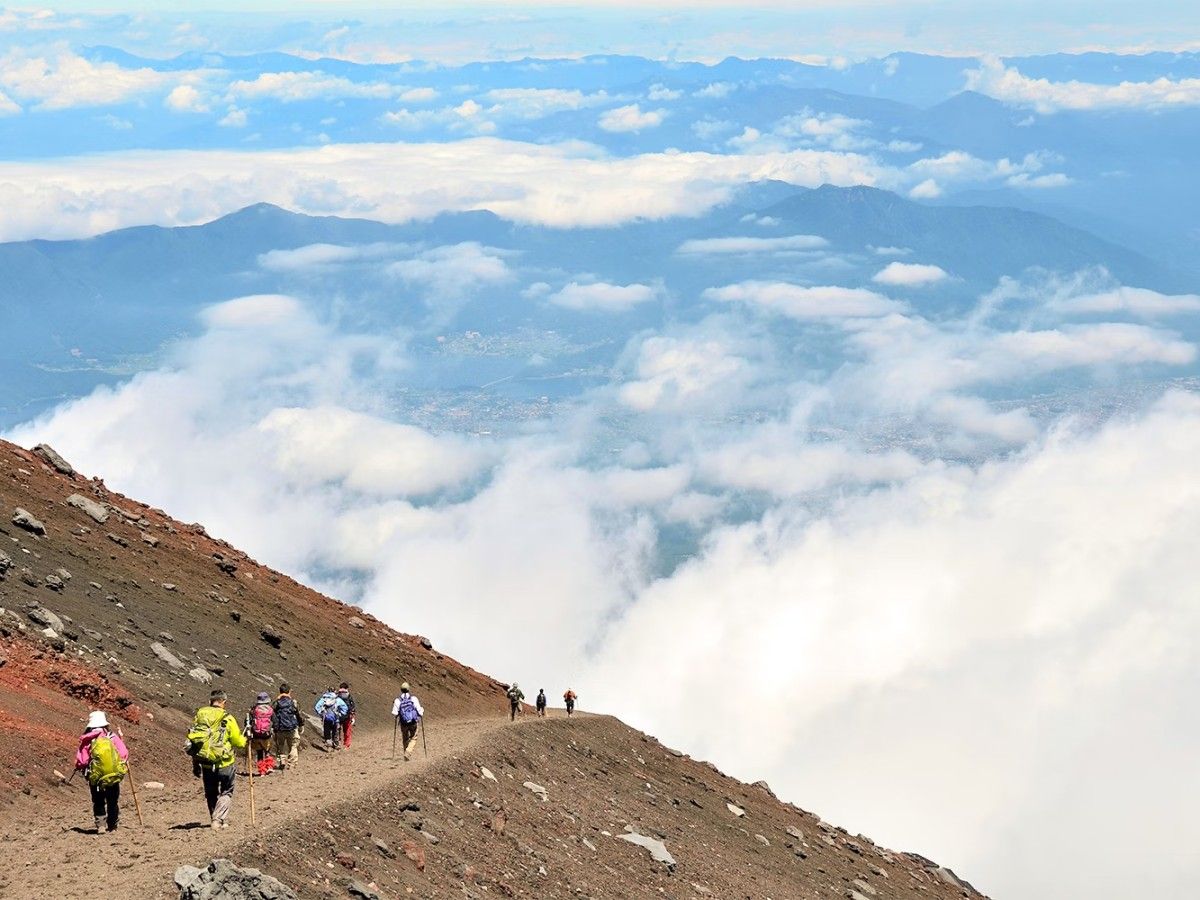
When choosing a hiking route in Mount Fuji, there are several factors to consider. First, your hiking experience and fitness level are crucial. If you are a beginner, the Yoshida route may be the best choice as it is the most developed and has a relatively gentle slope. However, if you are an experienced hiker who wants to challenge yourself, the Subashi route, Fujinomiya route, or Gotemba route may be more suitable for you. Second, consider the time of year you plan to hike. The climbing season for Mount Fuji is usually from July to August, when the weather is relatively mild and the routes are more accessible. During this period, all four routes are open, but they can be crowded. If you prefer a quieter hiking experience, consider going during the off-season months of June or September, but be aware that the routes can be more challenging and the weather can be unpredictable during these times. Also, consider the scenery you want to experience. Each route offers a different perspective of Mount Fuji, so research the routes ahead of time and choose the one that appeals to you the most. Finally, consider the facilities along the way. The Yoshida Route has the most facilities, including numerous mountain huts, restaurants, and shops. The other routes have more limited facilities, so make sure you bring enough food, water, and supplies.
Advertisement
Each of the four hiking routes in Mount Fuji has its own highlights. The Yoshida Route is easy to walk and is an easy start for beginners; the Subashiri and Fujinomiya routes are a bit more difficult and are suitable for friends who want to challenge themselves; the Gotemba Route is the most difficult, but the scenery is unique and should not be missed by experienced hikers. No matter which route you choose, you will see super beautiful scenery along the way and have the opportunity to encounter cute little animals. When hiking, take one step at a time and stop to rest and enjoy the scenery when you are tired. If you successfully reach the summit, the sense of accomplishment will definitely make you feel that all the hard work is worth it! I hope this guide can really help you and leave you with a great memory of Mount Fuji. Remember to check your equipment carefully before departure and plan your itinerary in advance. I wish you a smooth trip to Mount Fuji and have fun!