Advertisement
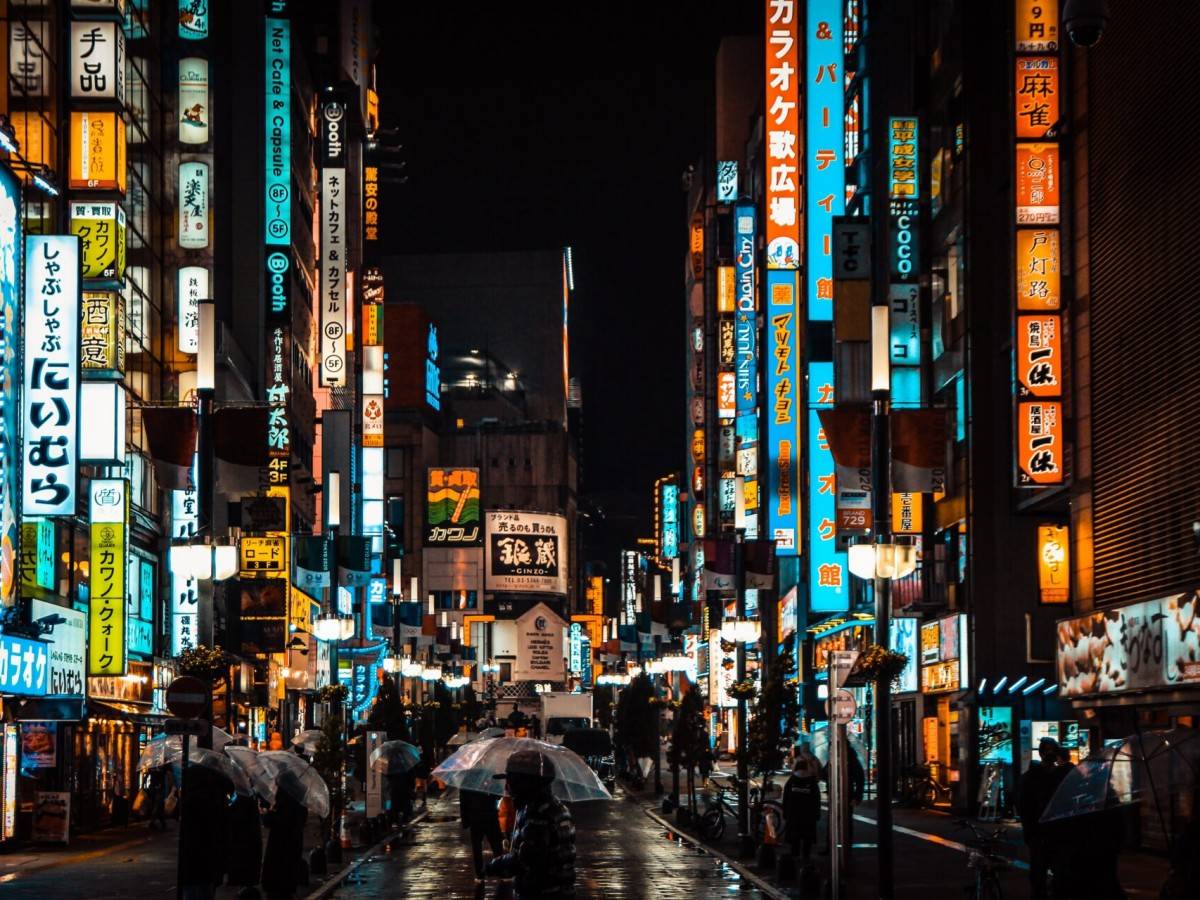
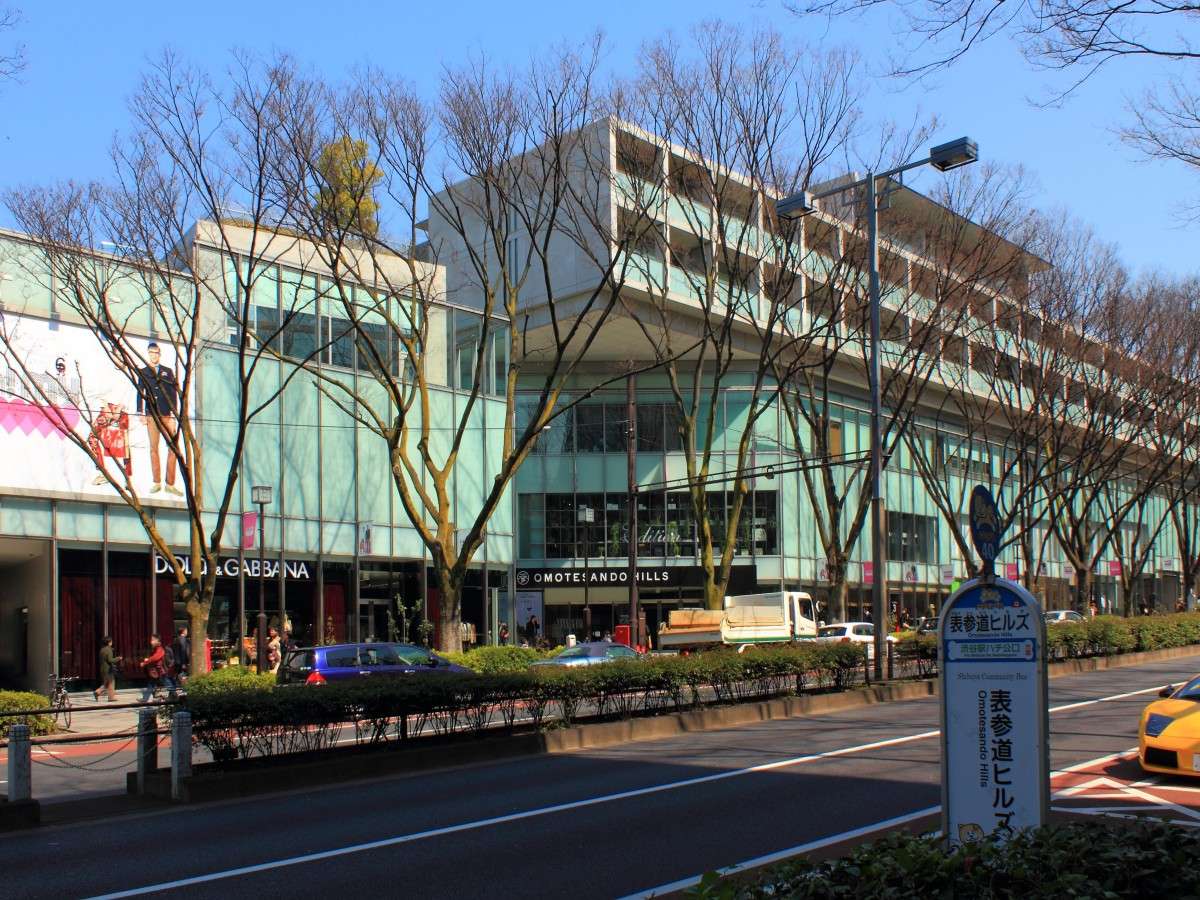
In the bustling and noisy Tokyo, high-rise buildings stand in rows, and the hustle and bustle of traffic fills every corner. However, right in the center of this city, there is a quiet and sacred pure land - Meiji Jingu Shrine, which exudes a unique charm and attracts countless tourists to explore its mystery and solemnity. Do you want to know what historical stories and wonderful landscapes are hidden in this quiet place in the bustling city? Come with me to Meiji Jingu Shrine and start a spiritual journey through time and space!
Advertisement
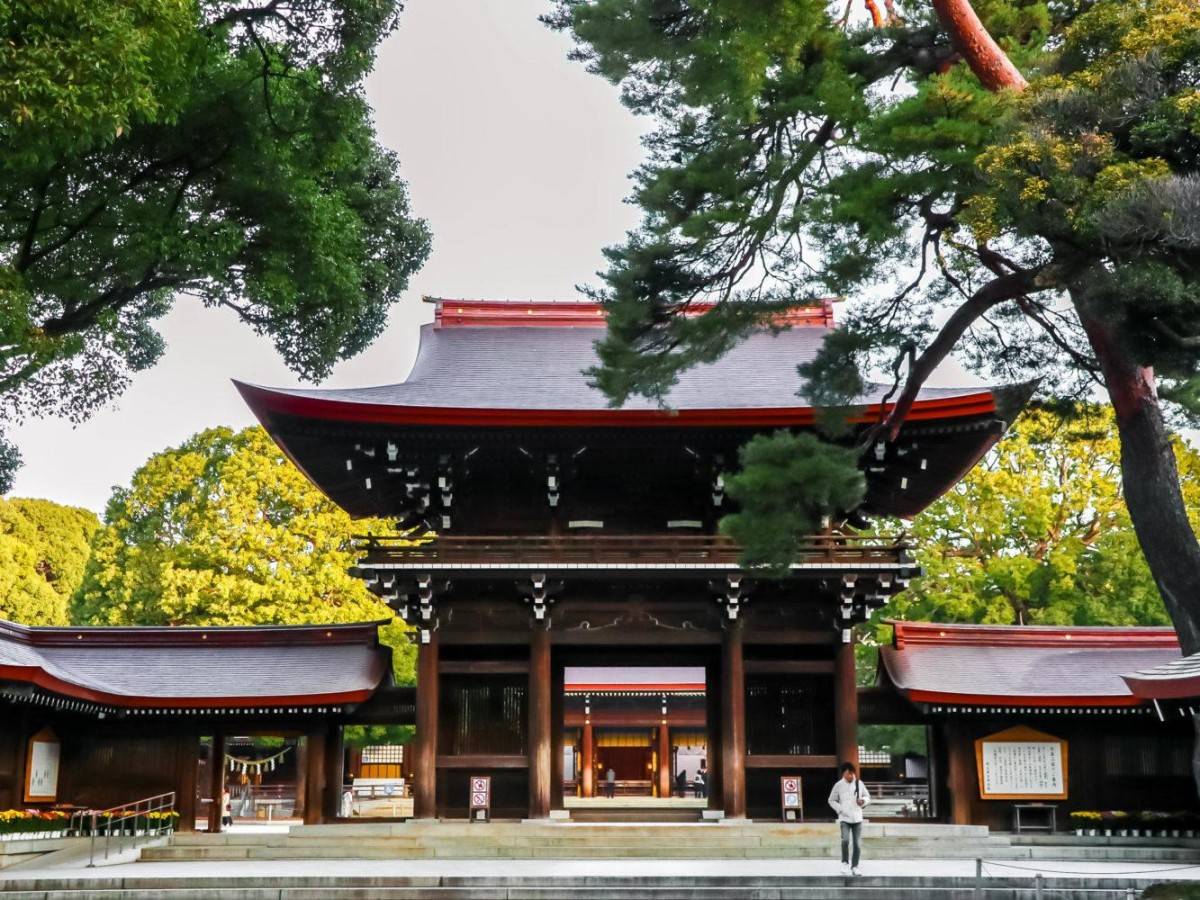
The Meiji Jingu Shrine was built to enshrine Emperor Meiji and Empress Dowager Shoken. It carries important historical memories of modern Japan. The construction of the shrine began in 1915, using the power of about 100,000 trees and about 110,000 young volunteers. It took 5 years and was completed in 1920.
Advertisement
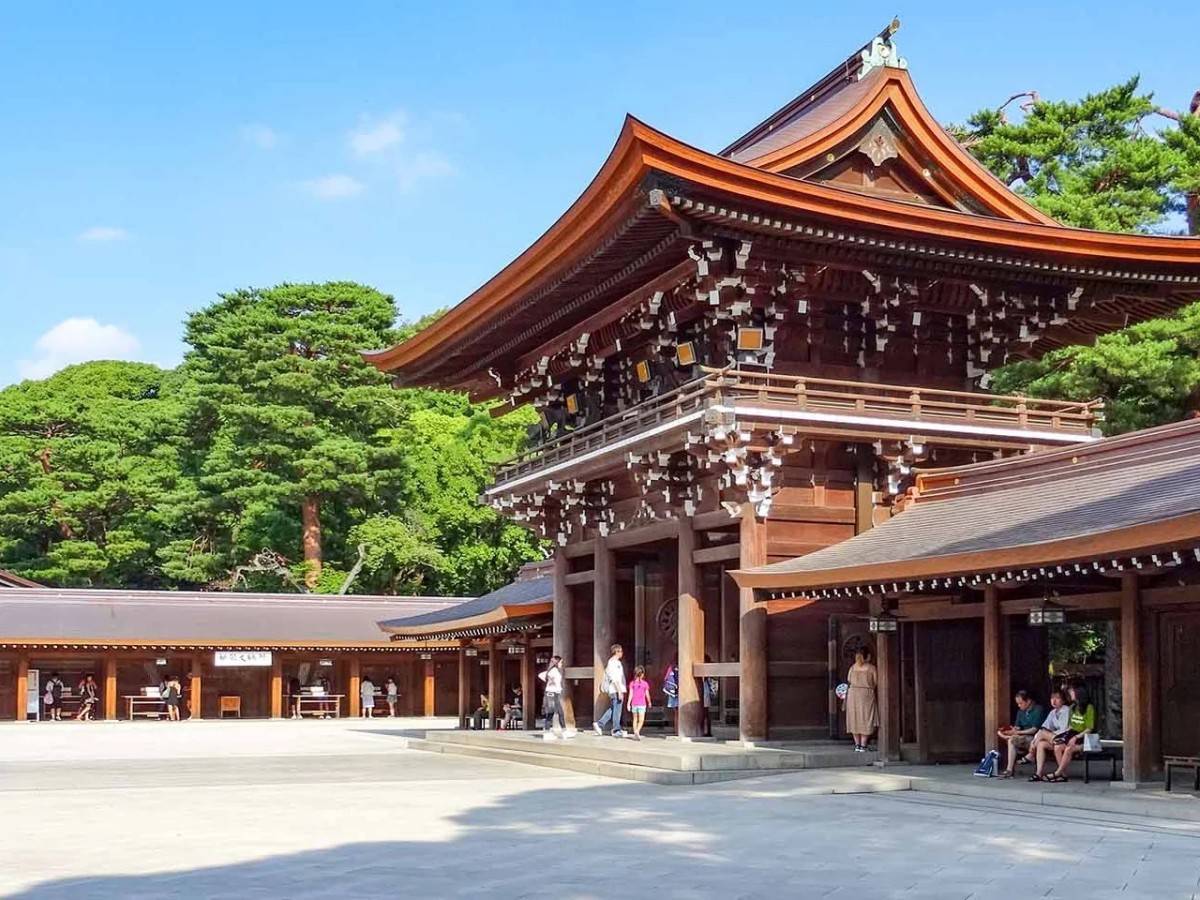
It covers an area of 70 hectares, close to the Shinjuku business district, and occupies the entire area between Yoyogi and Harajuku. It is the largest green space in the center of Tokyo. The architectural style here combines traditional and modern elements. Although most of the buildings were destroyed in the Tokyo bombing during World War II, the buildings we see today were rebuilt in 1958 and still retain their unique charm.
The architectural layout of the shrine is rigorous, with three approaches to the south, north, and west. On both sides of the approaches are towering trees and wild birds flying, as if telling the story of the years. These trees also have a great origin. When the construction of Meiji Shrine started, about 100,000 trees of 365 species were donated from all over the country, and young volunteers participated in planting them, eventually forming the existing Yoyogi Shrine Forest. Today, although the number of tree species has decreased from 365 to 247, the number has increased from 120,000 to 170,000. The forest area has achieved its goal ahead of schedule in just 50 years and has entered a natural forest state, attracting worldwide attention.
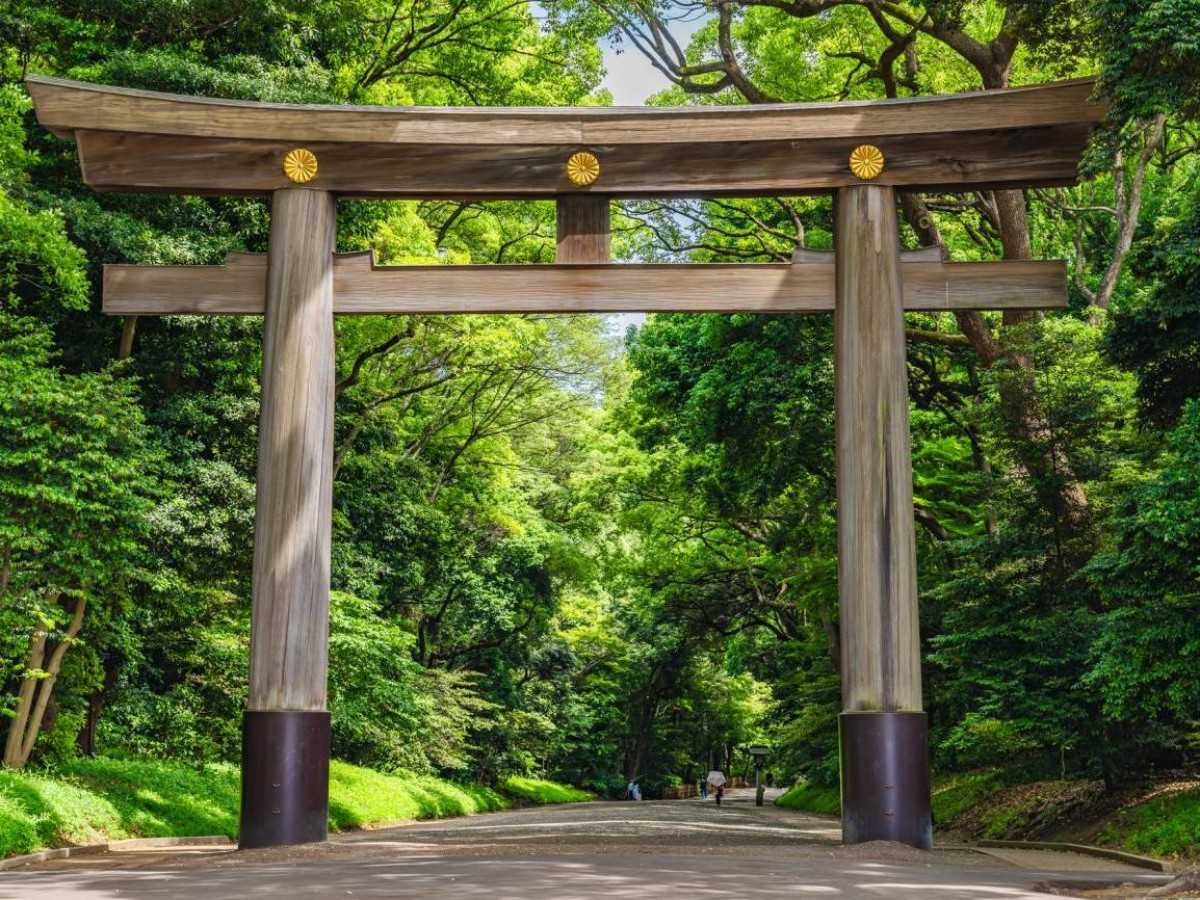
1. The Great Torii
Advertisement
The Great Torii is one of the iconic buildings of Meiji Jingu Shrine. The existing Great Torii (the second Torii) was built in 1975 at the intersection of the north and south approaches to the shrine. It is 12 meters high, 17 meters wide, with a column diameter of 1.2 meters and weighs 13 tons. It is the largest wooden Myojin Torii in Japan. The first generation of the Great Torii was built in 1920 when the Meiji Jingu Shrine was completed. It used a cypress tree with an age of more than 1,200 years in the western part of Alishan, Taiwan. However, the right column was later damaged by lightning. Since no suitable wood could be found in Japan for reconstruction, after some twists and turns, a giant cypress tree with an age of over 1,500 years was finally found in Mt. Dandai, Taiwan, at an altitude of 3,300 meters. It was transported to Tokyo through various means of transportation, and the second generation of the large torii we see today was built.
2. Shrine Hall
The shrine hall is the core building area of Meiji Jingu Shrine, where the architectural style is unique. Unlike the usual shrines built facing south and with straight approaches, the approach to Meiji Jingu Shrine turns right at a nearly right angle (the actual angle is 88 degrees). There are different opinions on the reasons for this unique design. Some people think that the word "eight" is auspicious, while others say that it is to avoid conflicts with the South Pond in the Imperial Garden. The shrine hall area includes the third torii, the hand-water house, the main hall, the Kagura Hall and other buildings. The main hall is solemn and solemn, and is an important place for people to worship and pray; the Kagura Hall is where Kagura performances and other activities are held, showing the traditional culture and art of Japan.
3. Jingu Gyoen
The Jingu Gyoen was originally the daimyo garden of the Kato family and the Ii family in the Edo period. It was taken over by the Imperial Household Ministry in the Meiji period and was called "Yoyogi Gyoen". After the establishment of the Meiji Shrine, it was renamed "Jingu Gyoen". The garden is rich in landscapes, including the South Pond, Geyun Pavilion, Diaoyutai, Si'a, Iris Field, and Kiyomasa Well. All the buildings in the garden are built of cypress wood, with carved beams and painted rafters, gorgeous and exquisite. The Iris Field was planted by Emperor Meiji for Empress Dowager Shoken. There are about 150 species of irises and 1,500 plants. Every June when the irises are in full bloom, the flowers here are in full bloom, which is the representative landscape of the garden. In addition, there are red, purple, and yellow mountain cherry blossoms, mountain peaches, roses, orchids, wisteria and other flowers in the garden, with different beautiful scenery in each season.
4. Treasure Hall
The Treasure Hall was built at the end of October 1921, the year after the completion of Meiji Jingu. Its style imitates the large floor-style building of the Shosoin Repository in Nara, and is a representative work of early reinforced concrete architecture in Japan. The museum houses daily necessities such as stationery, books, and carriages related to Emperor Meiji and Empress Dowager Shoken, allowing people to more intuitively understand the life of the royal family of that era. In addition, the Treasure Hall also has a annex "Treasure Exhibition Room" in the Meiji Jingu Cultural Center.
5. Divine Fortune "Ogokoto"
Ogokoto is a special fortune of Meiji Jingu. Unlike common fortunes, it does not write good or bad luck, but the imperial waka poems and their commentary written by Emperor Meiji and Empress Dowager Shoken. Ogokoto was born after the end of World War II, when Meiji Jingu was separated from the pre-war state management and became an independent religious corporation. This method of writing imperial waka was proposed by Naoichi Miyaji, the general representative of Meiji Jingu Shrine and professor of Kokugakuin University. In the end, 15 poems were selected from the 93,032 poems of Emperor Meiji and 27,825 poems of Empress Shoken, totaling 30 poems. The content of the selected waka was mainly moral persuasion. In 1947, the special fortune "Ogokoto" was provided, and in 1968, the English version of the fortune "Ogokoto" was provided on the 100th anniversary of the Meiji Restoration.
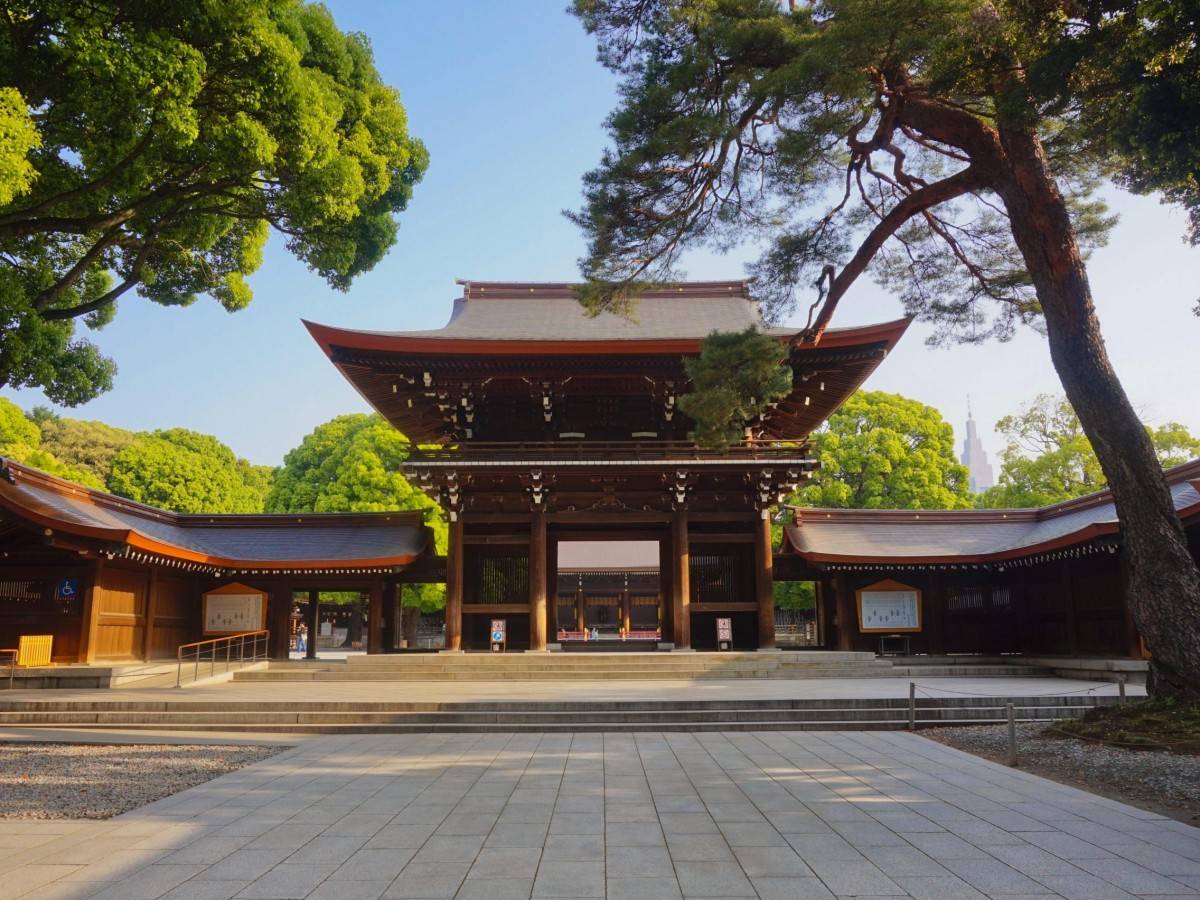
Meiji Jingu Shrine does not require tickets and can be visited free of charge. Its opening hours are roughly: 6:40-16:00 in winter and 5:00-18:00 in summer. However, it should be noted that the treasure hall is only open on certain days of the year, and the treasure exhibition room is open from 9:00-16:00 every day. So if you want to visit the Treasure Hall, you must know its opening hours in advance to avoid missing it.
The Meiji Shrine is like a living history book, with every building and every tree telling stories of the past. Coming here, you can not only feel the charm of traditional Japanese culture, but also find a sense of peace in the bustling city. I believe this guide can help you better explore the Meiji Shrine. Are you ready to start this unique journey?