Advertisement
In the bustling and noisy Tokyo, there is a place that can instantly take people back to ancient Japan - Senso-ji Temple. It is not only the oldest temple in Tokyo, but also a spiritual palace with profound historical and cultural heritage, attracting countless tourists to appreciate its unique charm.
Advertisement
The history of Senso-ji Temple can be traced back to 628 AD, which was the beginning of a mysterious legend. Legend has it that two fishermen accidentally fished up a statue of Guanyin while fishing in the Sumida River. People believed that this was the will of God, so they enshrined Guanyin here, and Senso-ji Temple was born. Since then, after many repairs and reconstructions, it has gradually grown in the baptism of time and has become an important symbol of Japanese Buddhist culture.
Advertisement
In the long history, Senso-ji Temple has witnessed the rise and fall of Japan. From the ancient wars and disputes to the prosperity and development in peacetime, it has always stood firm, condensing the faith and wishes of countless believers. Every brick, every blade of grass, every tree here seems to be telling stories of the past, and has become a living fossil of Japanese traditional culture.
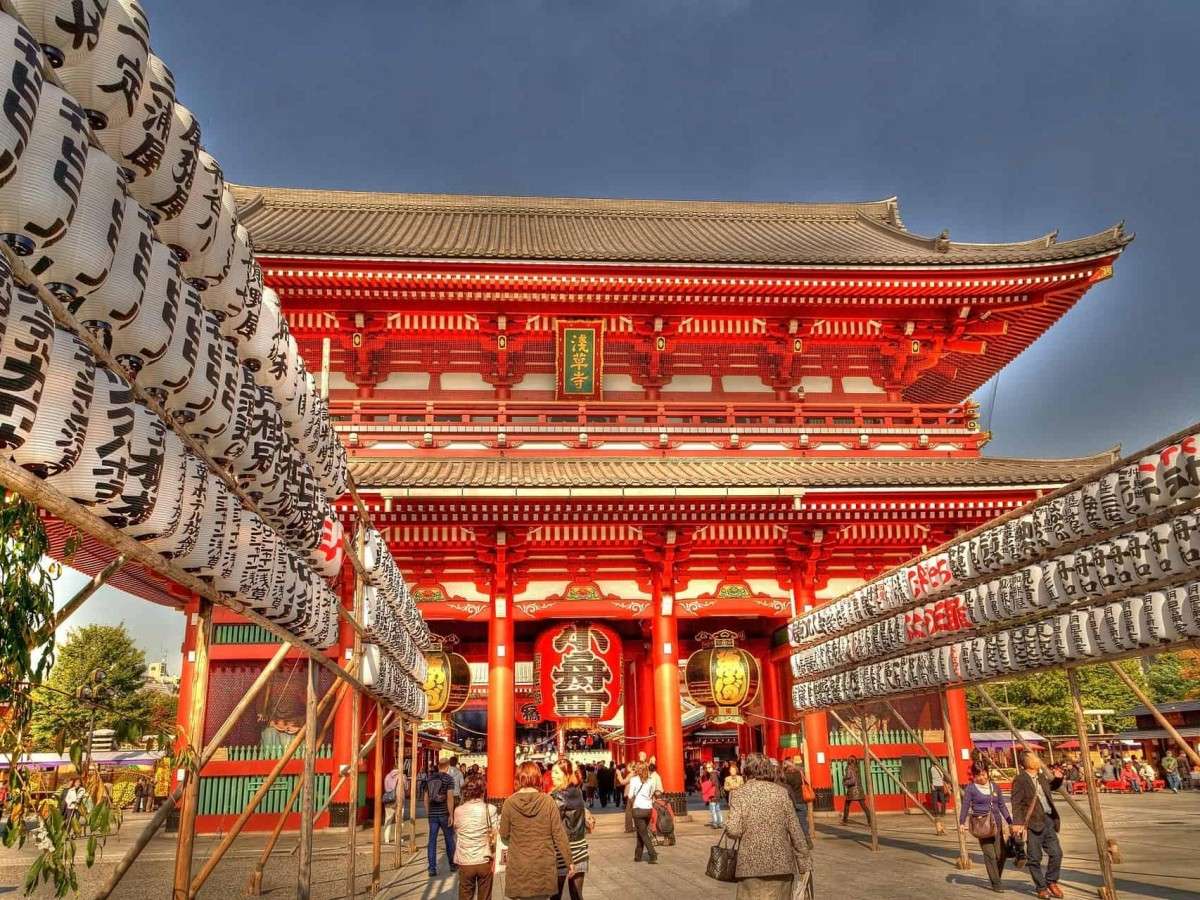
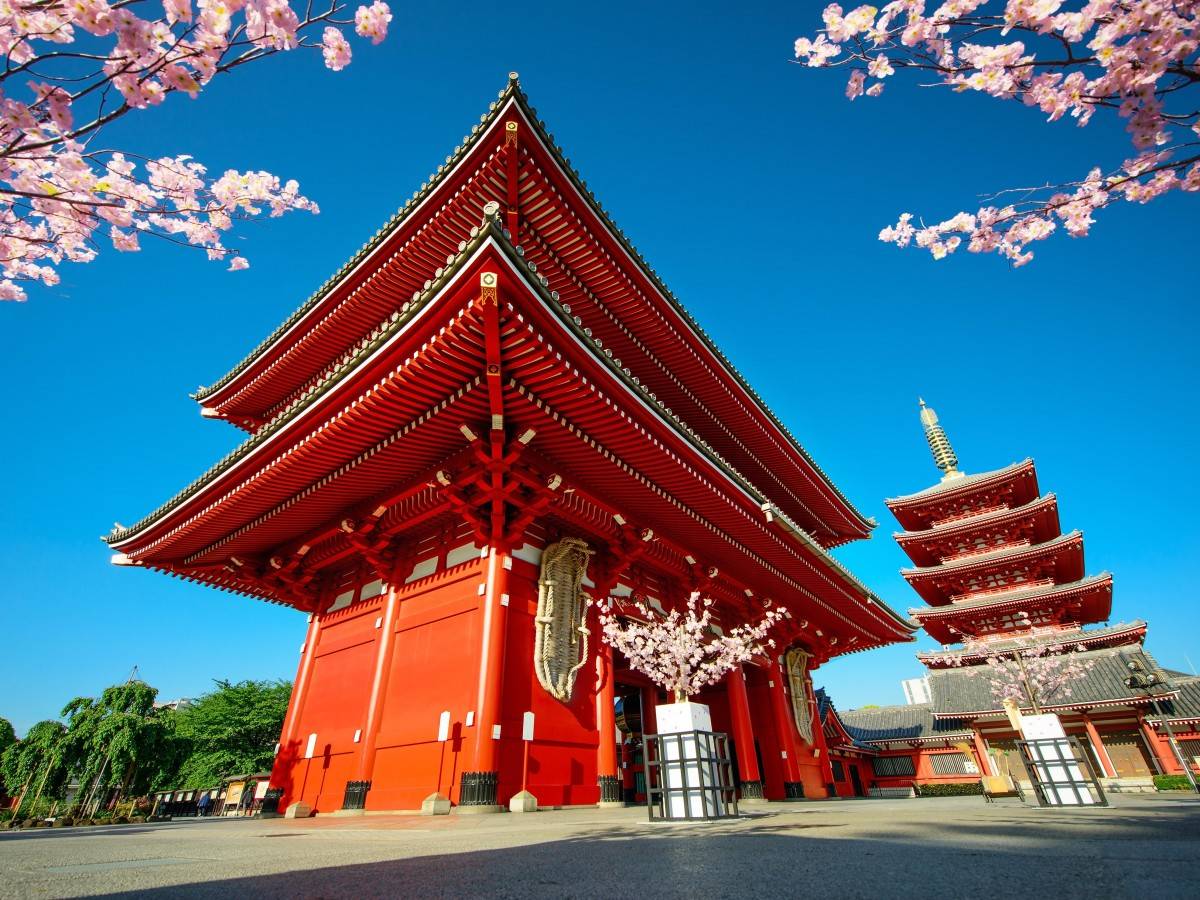
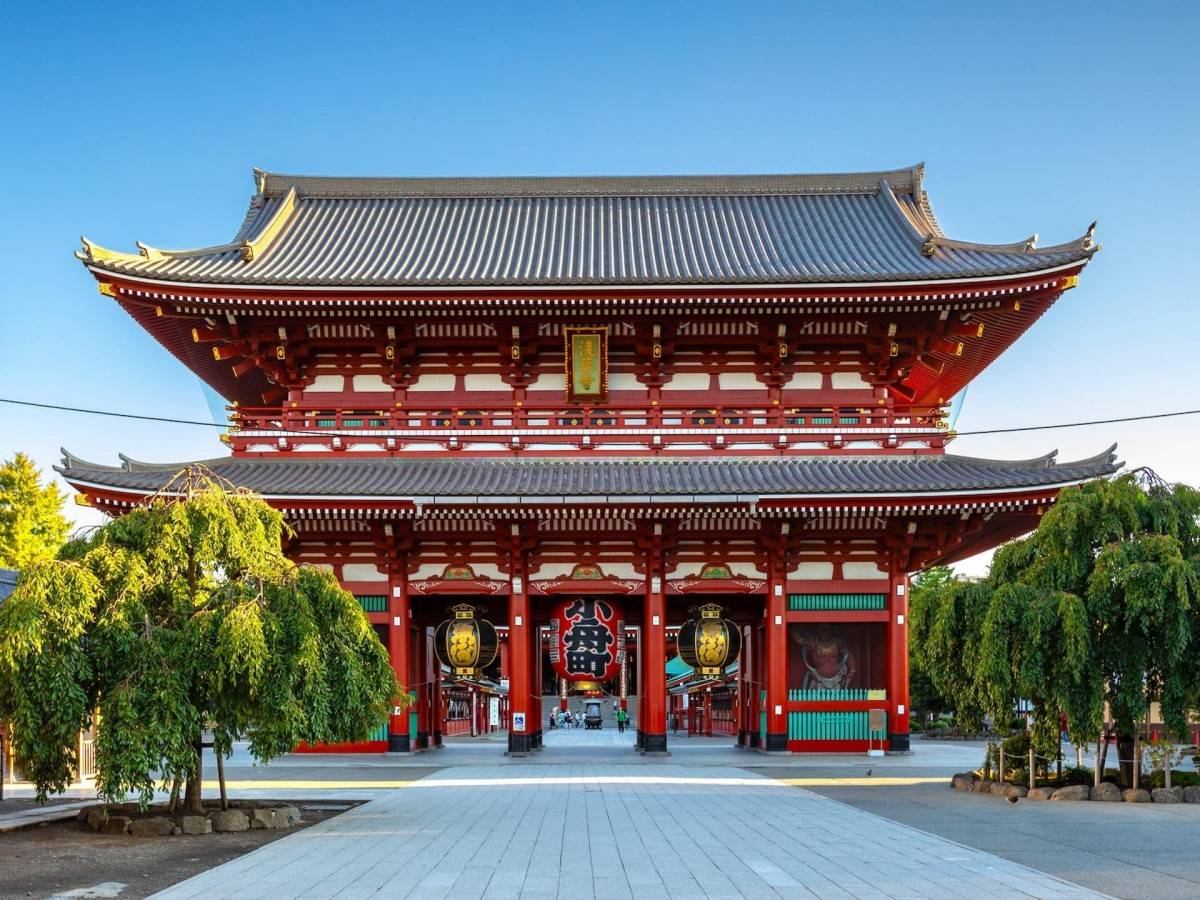
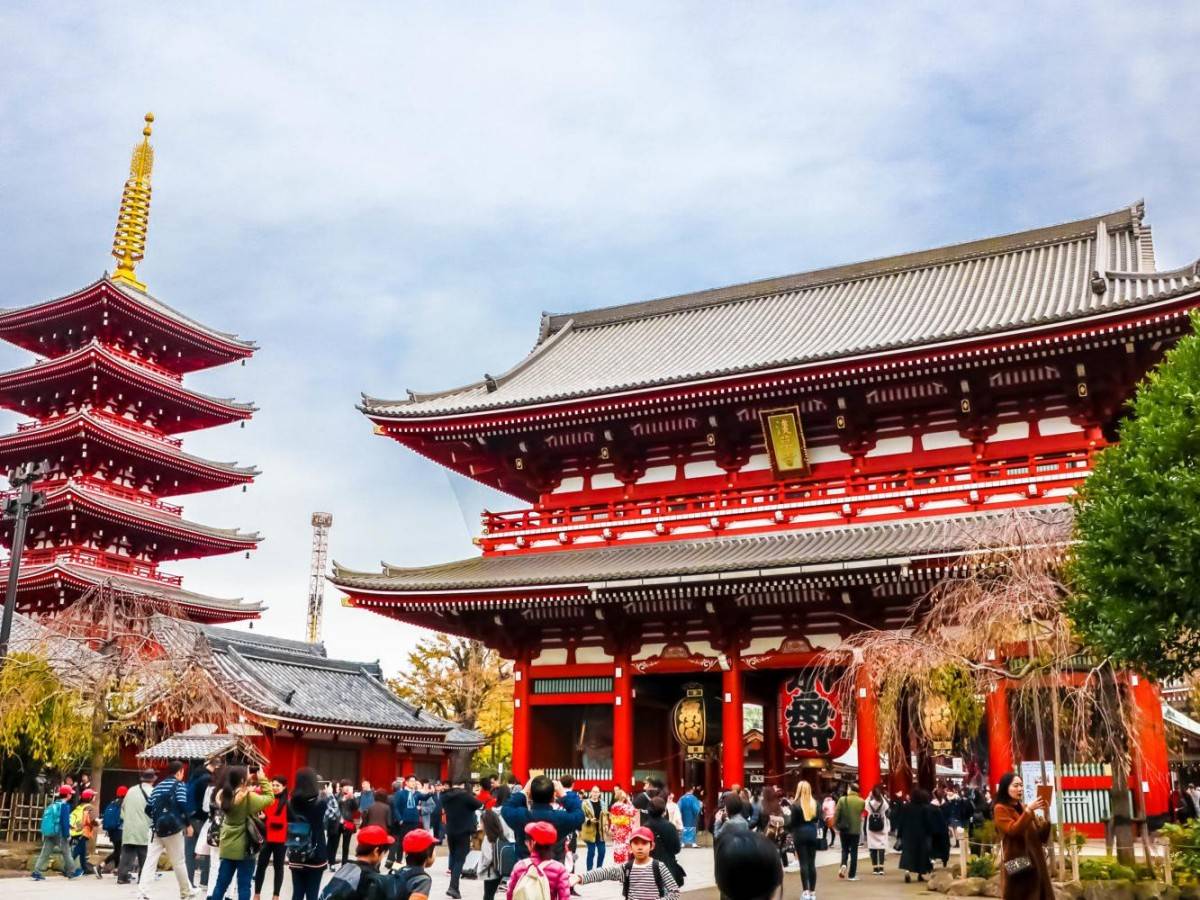
Kaminarimon: As the landmark building of Sensoji Temple, Kaminarimon is undoubtedly the most eye-catching. The big red lantern is hung high, with the eye-catching words "Kaminarimon" written on it, which is magnificent. This lantern weighs 700 kilograms and is one of the symbols of Sensoji Temple. It is also a must-check-in photo spot for every tourist who comes here. Standing under Kaminarimon, you can seem to feel the weight and solemnity of history.
Advertisement
Nakamise Commercial Street: Nakamise Commercial Street between Kaminarimon and Hondo is like a time tunnel, taking people back to the era full of Edo style. The streets are lined with a wide variety of specialty shops, selling various traditional handicrafts, souvenirs, snacks, etc. Strolling through it, while tasting delicious Ningyoyaki and Japanese confectionery, while choosing your favorite souvenirs, it seems that you can touch the pulse of Japan's traditional business culture.
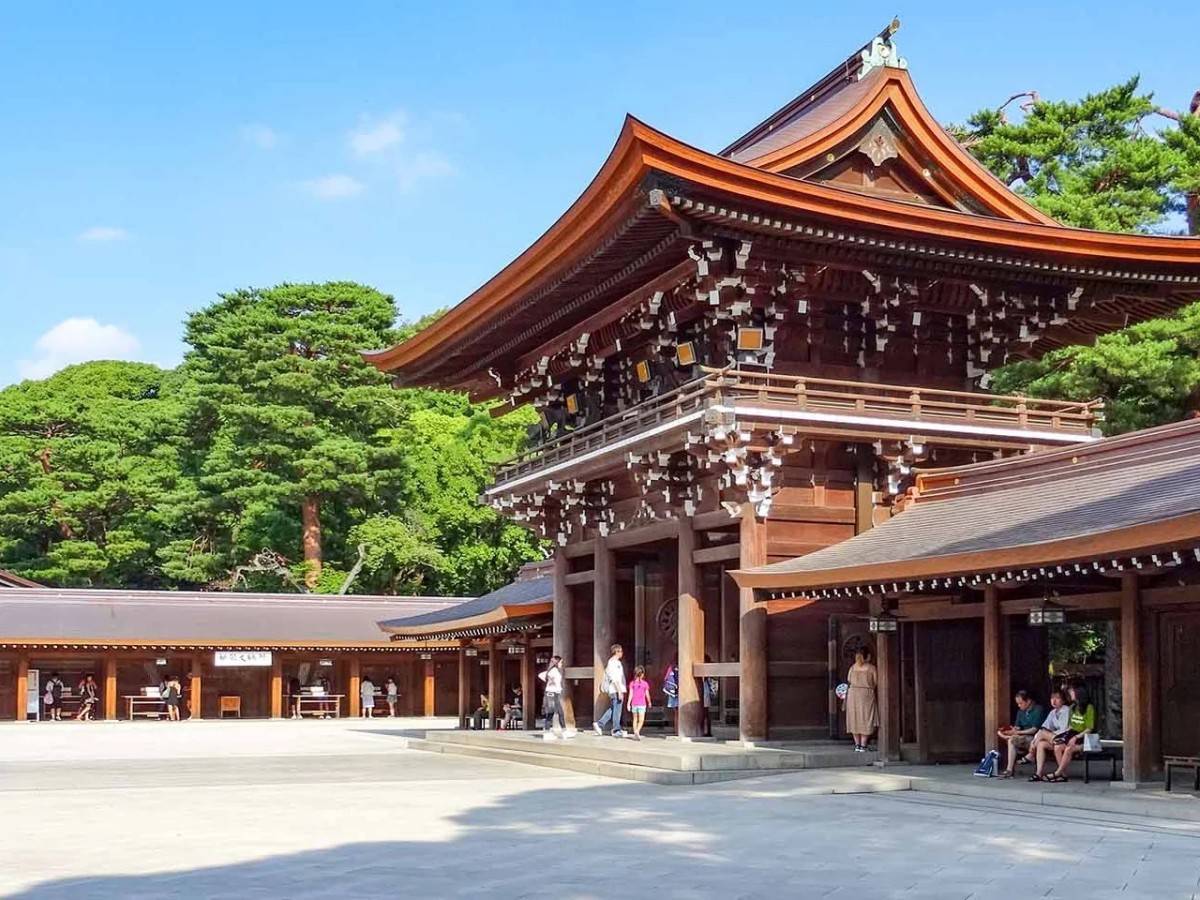
Main Hall: The main hall is the core building of Sensoji Temple, solemn and elegant. Guanyin Bodhisattva is enshrined inside, and many believers come to worship and pray every day. The architectural style of the main hall incorporates the essence of traditional Japanese architecture, with exquisite decorations and ingenuity in every detail. In front of the main hall, people throw incense money, ring the huge bell, make good wishes, and pray for peace and happiness.
Five-story pagoda: The five-story pagoda is another highlight of Sensoji Temple. It is 53 meters high and is the second tallest wooden building in Tokyo. The five-story pagoda has a beautiful shape, and each floor has a unique decoration, representing the "five wheels" in Buddhism, namely earth, water, fire, wind, and space. Standing under the tower and looking up, its majesty and solemnity make people feel awe.
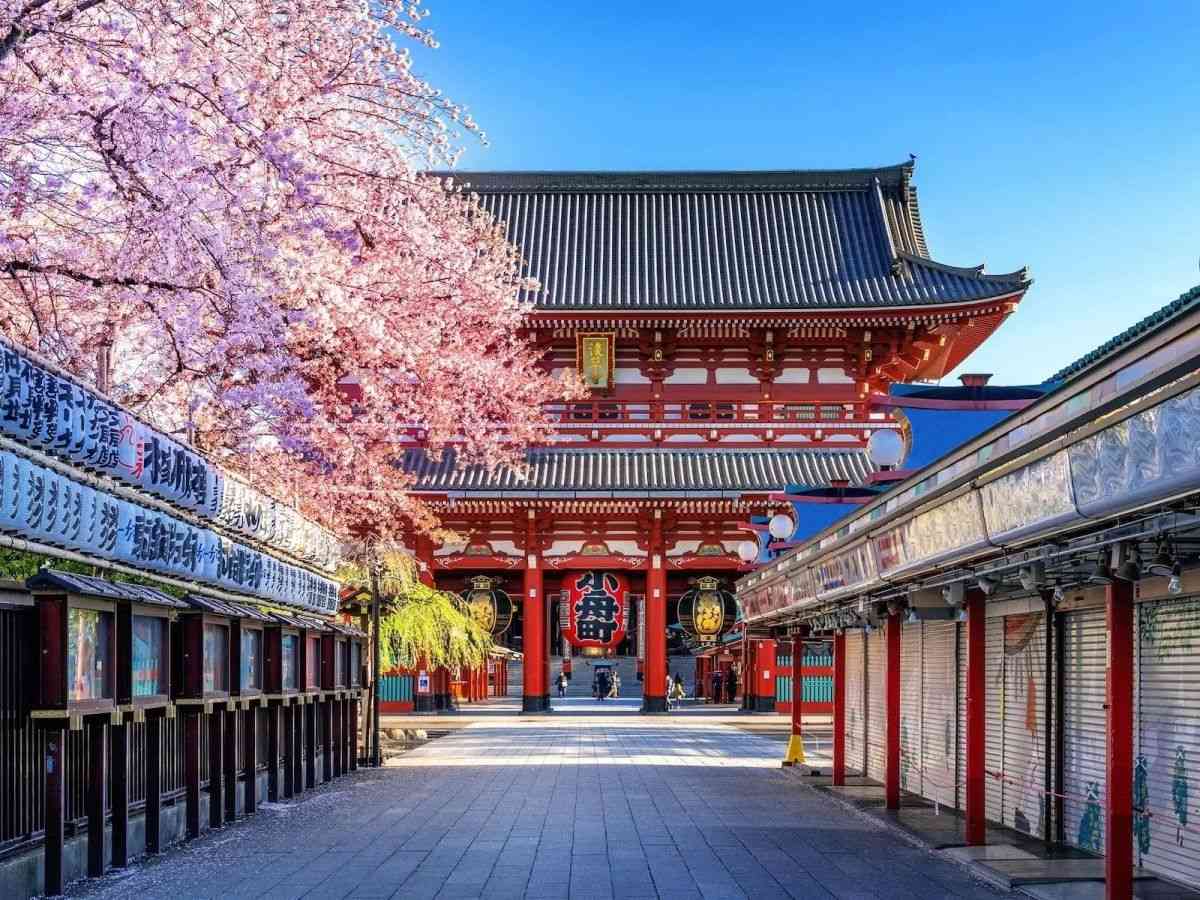
Tokyo has a subtropical monsoon climate with distinct four seasons, which also makes Sensoji Temple have a unique charm in different seasons.
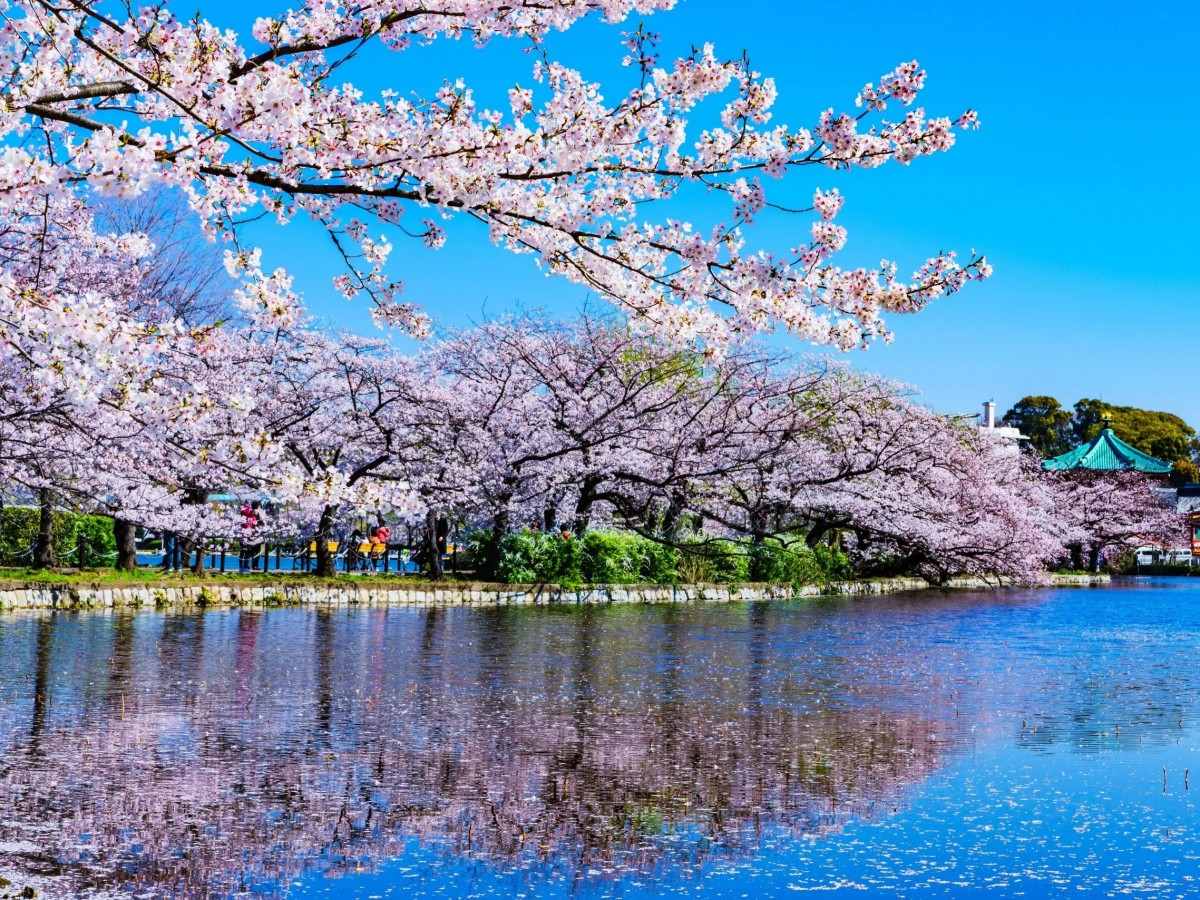
Spring (March-May): When the spring breeze blows and the cherry blossom season arrives, the cherry trees in Sensoji Temple bloom with pink flowers, which contrast with the ancient buildings and form a beautiful picture. Visitors stroll under the cherry trees, feeling the romantic spring atmosphere, as if they are in a dream.
Summer (June-August): The temperature in Tokyo is high in summer, but Sensoji Temple is full of lively atmosphere. At this time, various summer festivals are held, such as the famous Asakusa Sansha Festival. During the festival, people in traditional costumes carry the shrine in parade, and the streets are full of laughter. Visitors can taste various summer snacks and experience the unique charm of traditional Japanese culture.
Autumn (September-November): Autumn is a good time to enjoy the red leaves. The maple leaves in Sensoji Temple gradually turn red, decorating the temple like a poem. Strolling in the temple, admiring the beauty of the red leaves, feeling the tranquility and beauty of autumn, makes people feel particularly comfortable.
Winter (December - February): Although winter is cold, Sensoji Temple has special decorations and activities during Christmas and New Year. During the New Year, a large number of believers will come to worship and pray for peace and success in the new year. The temple is bustling and full of festive atmosphere.
Sensoji Temple, this ancient temple, attracts tourists from all over the world with its long history, unique architecture and beautiful scenery in different seasons. Here, people can feel the profound heritage of Japanese traditional culture and appreciate the beauty of the fusion of history and modernity.