Advertisement
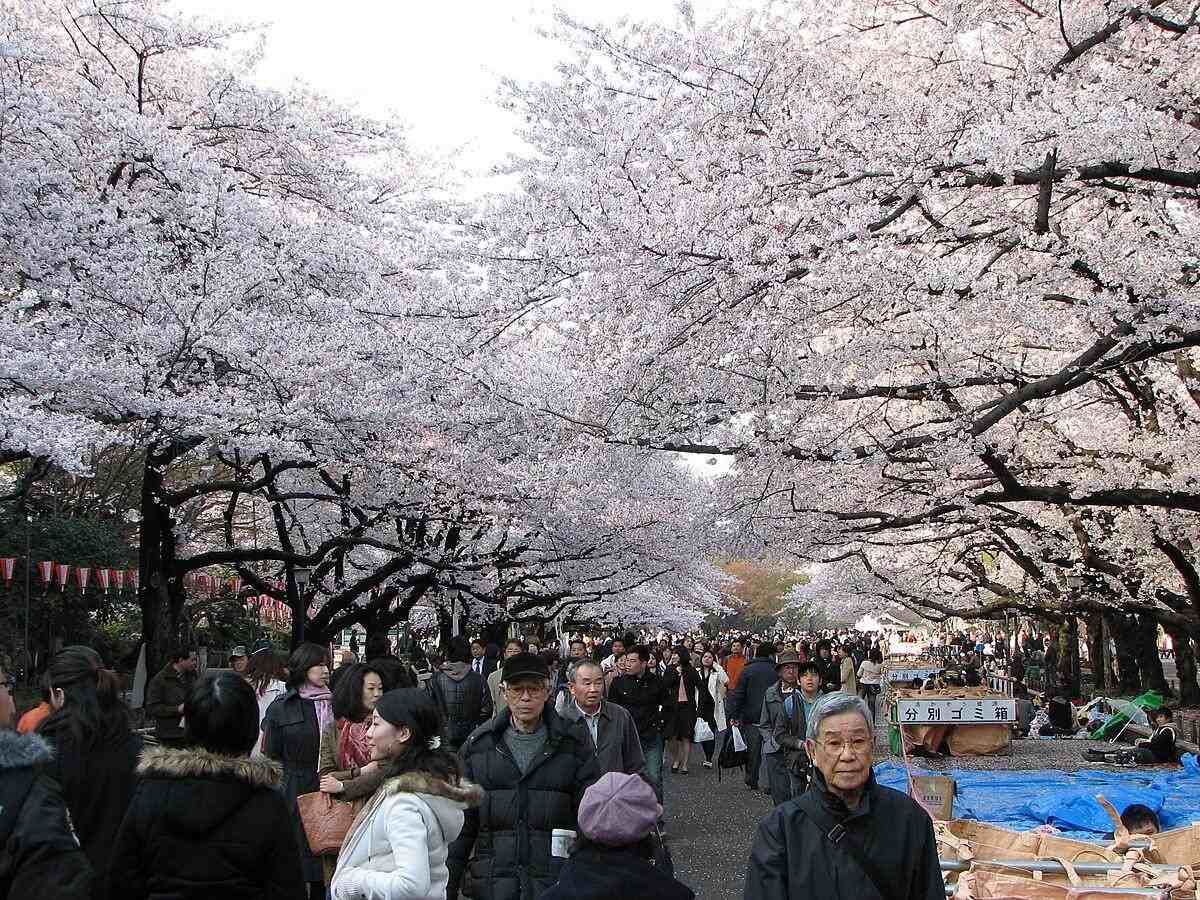
At Exit 2 of Ueno Station on the Tokyo Metro Ginza Line, when the gate opens, you will be hit by the hustle and bustle and aroma - on the left is the kebab stall on Ameyokocho Shopping Street, with sizzling chicken skewers wrapped in secret sauce on the charcoal fire; on the right is the entrance to Ueno Park, where the bronze equestrian statue of Meiji-era general Saigo Takamori gazes at the crowds in the morning light. This park, covering an area of 530,000 square meters, is not only the first modern park in Japan, but also a rare "cultural complex" in the world: the bronzes and ukiyo-e paintings of the Tokyo National Museum, the wild waterfowl and summer lotus of Shinobazu Pond, the panda twins "Lili" and "Zhenzhen" of Ueno Zoo, and the Toshogu Shrine dedicated to Tokugawa Ieyasu, together constitute a three-dimensional history of Tokyo civilization.
Advertisement
In 1873, when the Meiji government decided to convert the site of Kanei-ji Temple into a park, it was still the religious territory of the Tokugawa Shogunate in the Edo period. The founder of Kanei-ji Temple, Amanekai Shojo, might not have thought that the 95 stone lanterns and 195 bronze lanterns on both sides of the approach he designed would form a time and space dialogue with the Corbusier-style concrete buildings of the Western Art Museum a hundred years later. Today, strolling along the "Museum Avenue" in the center of the park, the Tang-style roof of the Tokyo National Museum and the geometric facade of the National Western Art Museum are only one street away. This cultural mix and match tension is exactly the soul of Ueno Park.
Advertisement
Hidden gameplay: Every Wednesday at 3 pm, the dinosaur fossil exhibition hall of the National Museum of Science and Technology will hold a "fossil restoration experience class". Visitors can personally assemble the stegosaurus bone plate under the guidance of experts and experience the civilization leap from the Edo period to modern science.
Among the 103,000 collections of the Tokyo National Museum, the juxtaposition of the Northern Song Dynasty celadon plate and the Japanese national treasure "Wind God and Thunder God Screen" reveals the deep resonance of East Asian civilization. The Tokyo Metropolitan Art Museum next door reconstructed the market scene of Tokyo in the 19th century with the special exhibition "Ukiyo-e and Edo Life" - from Hokusai Katsushika's "The Great Wave off Kanagawa" to Hiroshige Utagawa's "Fifty-three Stations of the Tokaido", each print is a code book to open the Edo period.
Advertisement
Money-saving strategy: The permanent exhibition ticket of the National Museum of Western Art is 500 yen, but if you hold a same-day ticket of the Tokyo National Museum, you can enjoy a 20% discount. If you plan to visit in depth, it is recommended to buy the "Ueno Park Museum Pass" (3,000 yen), which covers 6 major venues and the Shinobazu Pond cruise experience.
The "Panda Pavilion" at Ueno Zoo always has a long queue, but tourists who really know the business will go straight to the "Little Zoo" in the West Garden. There is no cage barrier here. Children can touch the curly hair of the goat through the glass, observe the texture of the ostrich eggs, and even participate in the "animal keeper experience class". The ecological design of the zoo also hides mysteries: the beast area in the East Garden adopts a sunken exhibition hall to simulate the terrain of the African grassland; while the bird habitat in the West Garden replicates the wetland environment of Shinobazu Pond. The scene of black swans and wild geese circling over the heads of tourists is the best teaching material for ecological education.
Parent-child Easter eggs: Every Saturday at 10 am, the "Animal Theater" at the entrance of the zoo will perform the "Panda Growth Story" shadow play, telling the growth story of "Lili" and "Zhenzhen" in traditional art forms. After the performance, you can also receive limited edition panda stickers.
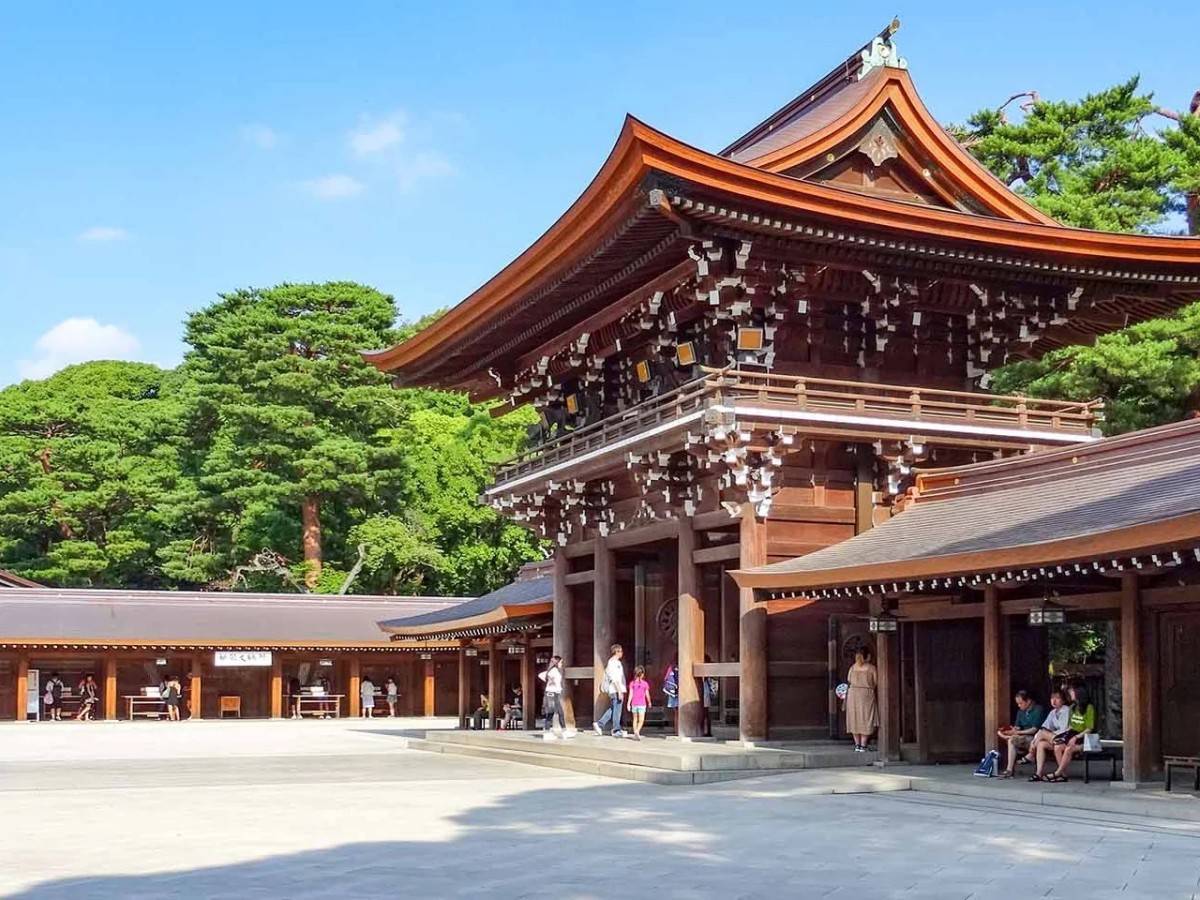
The "Three Monkeys" wood carvings (seeing nothing, hearing nothing, and speaking nothing) of Toshogu Shrine are the philosophy of life of Tokugawa Ieyasu, while the "Thousand-armed Guanyin" of Kiyomizu Kannon Hall carries the wishes of Edo citizens. These religious buildings are not cold relics, but living cultural sites - every July at the "Toshogu Festival", Noh actors will perform "Yang Guifei" in front of the main hall; and the "Lotus Lantern Festival" by the Shibazu Pond allows believers to put paper lanterns filled with wishes into the pond to form a flowing river of light.
Photography tips: The "Karamon" of Toshogu Shrine is one of the best photography spots in Ueno Park. At 8 o'clock in the morning, the sunlight will penetrate the hollow carvings on the lintel and project complex geometric light and shadows on the ground. At this time, shooting with a wide-angle lens can capture the magical effect of the "maze of light".
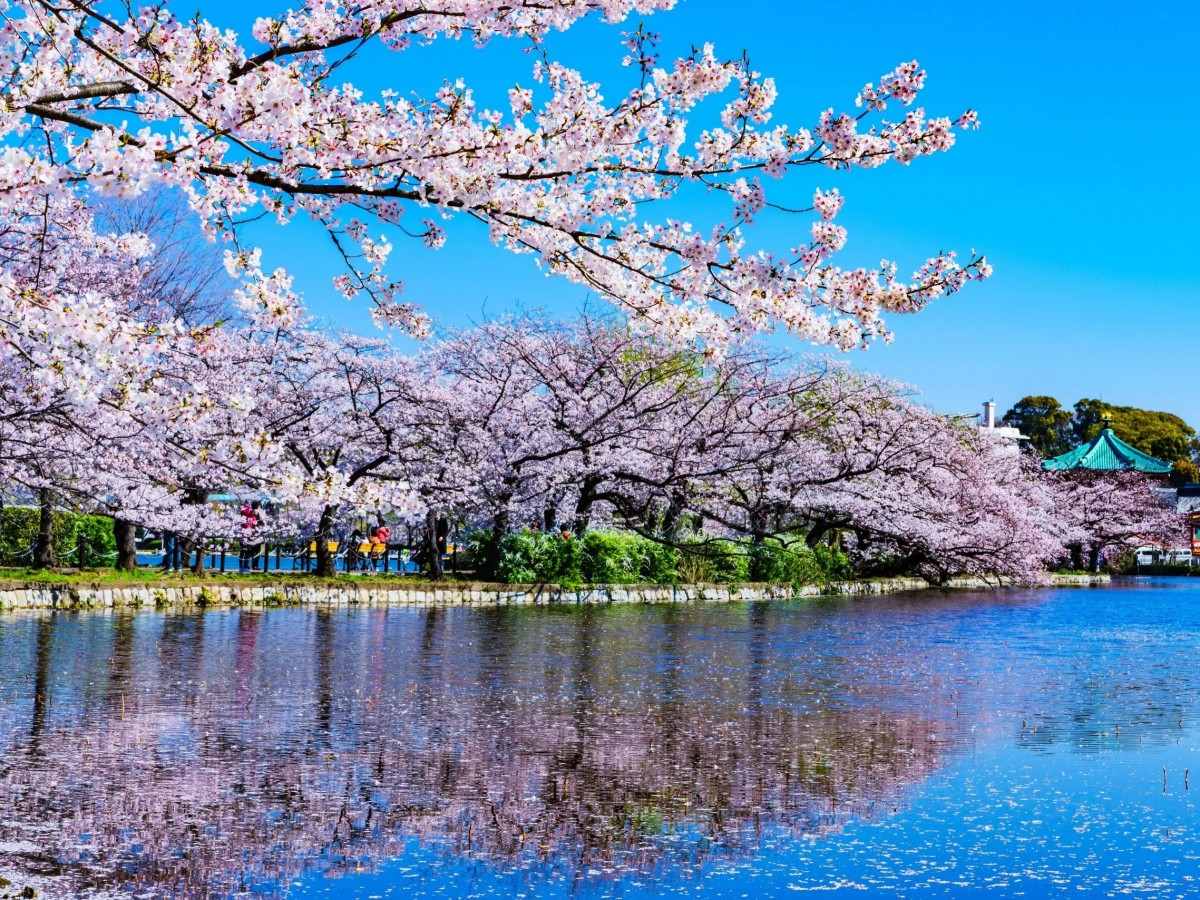
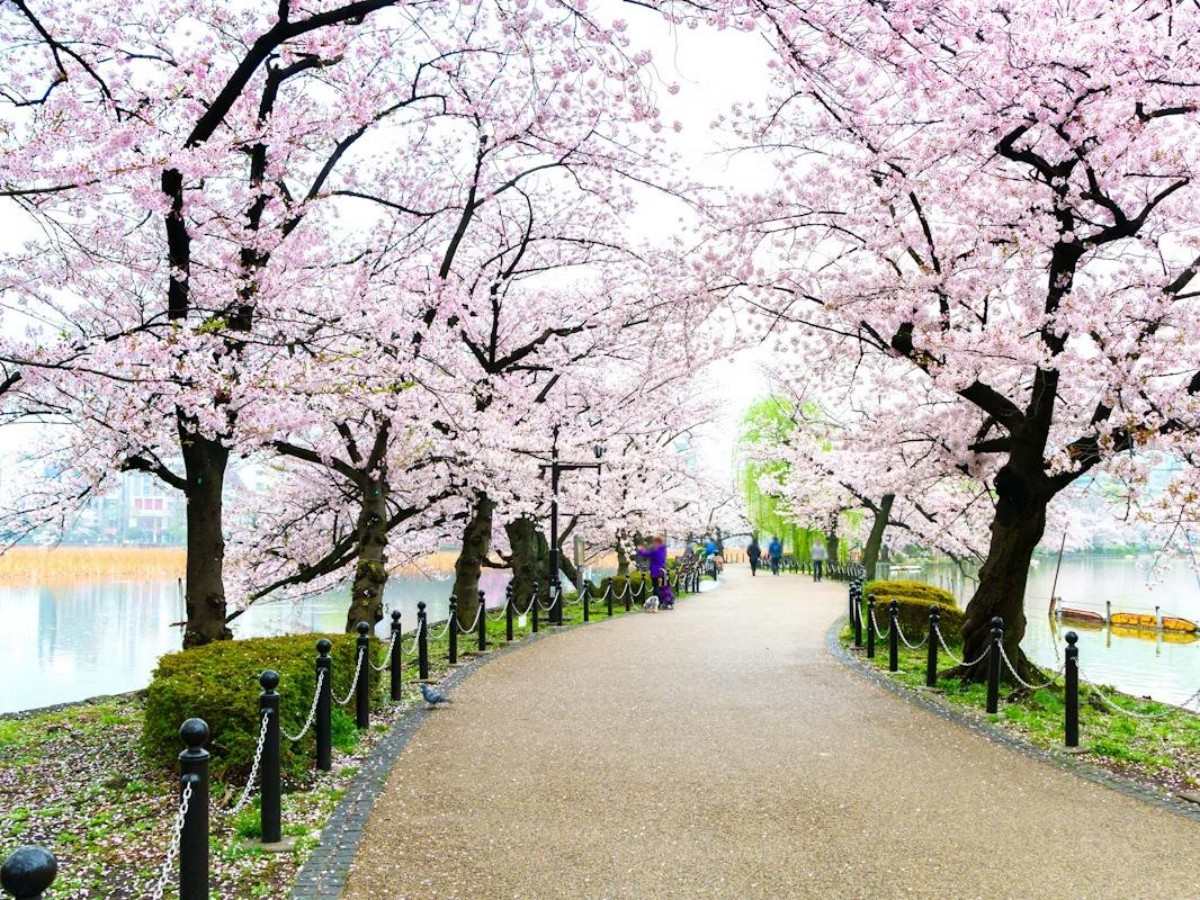
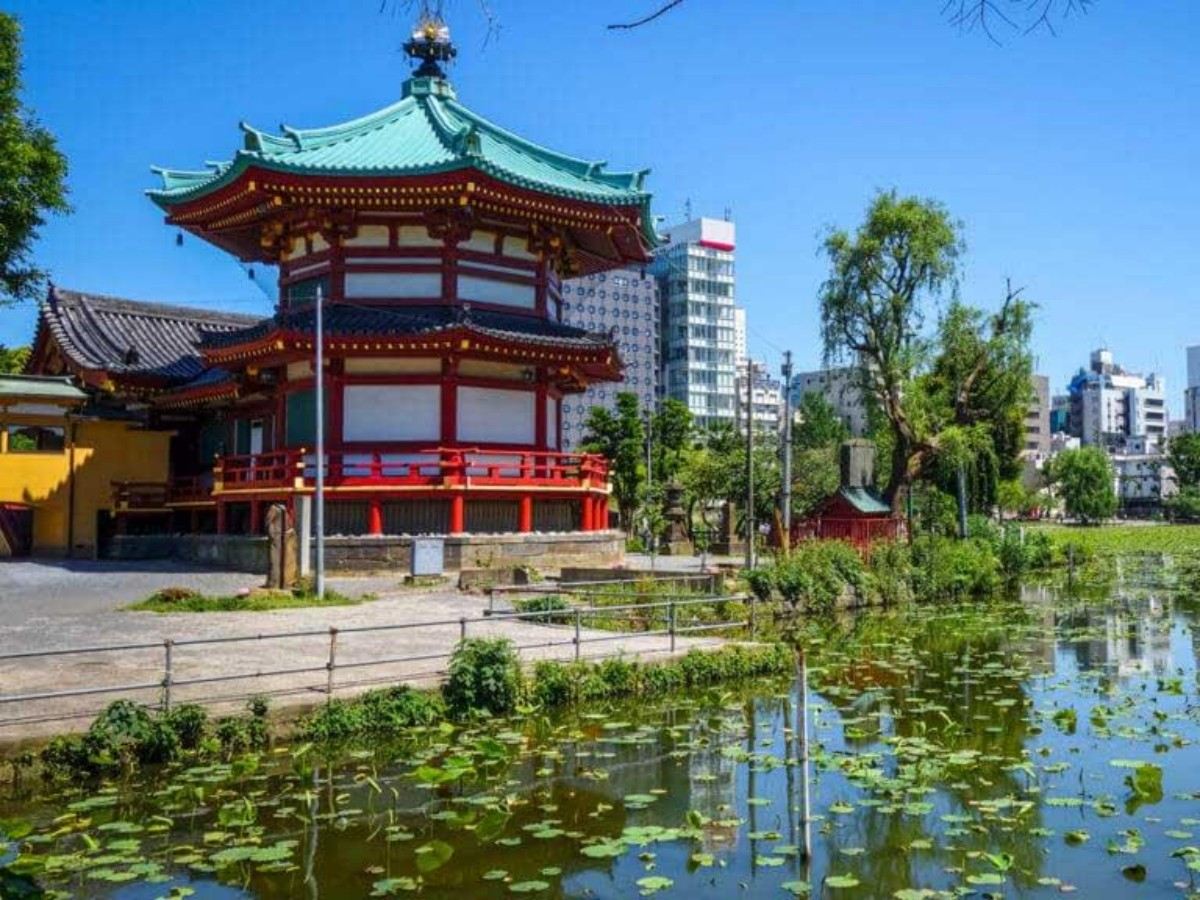
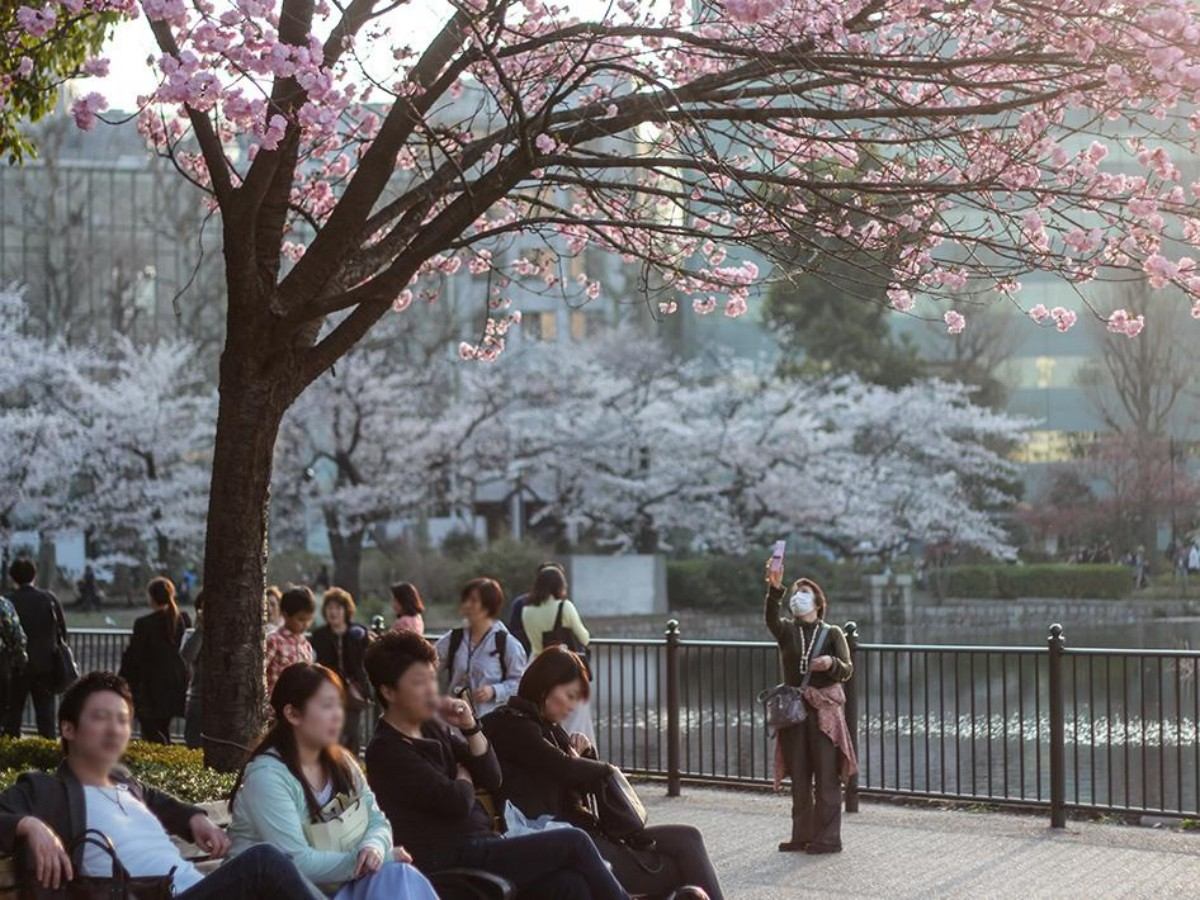
This 300,000 square meter lake is the last natural wetland in Tokyo. In summer, 600 species of lotus bloom here, among which the "Ohga Lotus" is a variety cultivated from the ancient lotus seeds of Puxian Temple in 1951, with a petal diameter of up to 30 cm; in winter, mallards and white-bone chickens fly from Siberia to overwinter, and the biodiversity index is comparable to that of nature reserves. The "Bentan Paradise" in the lake is the finishing touch - this water shrine built in 1625 is connected to the lakeshore by 33 steps. On every moonlit night, the reflection of the steps and the bright moon in the water form a "double moon wonder".
Ecological experience: Every Sunday at 2 pm, the Shinobazu Pond Nature Center will organize a "water bird observation class". Visitors can use telescopes to observe the courtship dance of red-headed gulls, or participate in the "water quality testing experiment" to understand the ecological balance of urban wetlands.
Time capsules are hidden in every corner of Ueno Park: the bullet holes on the base of the bronze statue of Saigo Takamori are traces of student demonstrations during the security struggle in 1960; the stained glass dome of the Hyokeikan retains the original design of the 1909 enthronement ceremony of Emperor Meiji. The "Ueno Art Museum" on the south side of the park, where the "Tokyo Art Prize" exhibition is held every year, is incubating the next generation of leaders in Japanese contemporary art. The "Stray Dogs" series by 2024 winner Daido Moriyama has sparked a heated discussion about "urban loneliness".
Future Easter Eggs: In 2026, the "Ueno Cultural Laboratory" in the northwest corner of the park will be completed. This wooden building designed by Kengo Kuma will combine AR technology with traditional craftsmanship. Visitors can "touch" the texture of the ghost lanterns of Toshogu Shrine through digital devices, or participate in the "Virtual Edo Town" role-playing game.
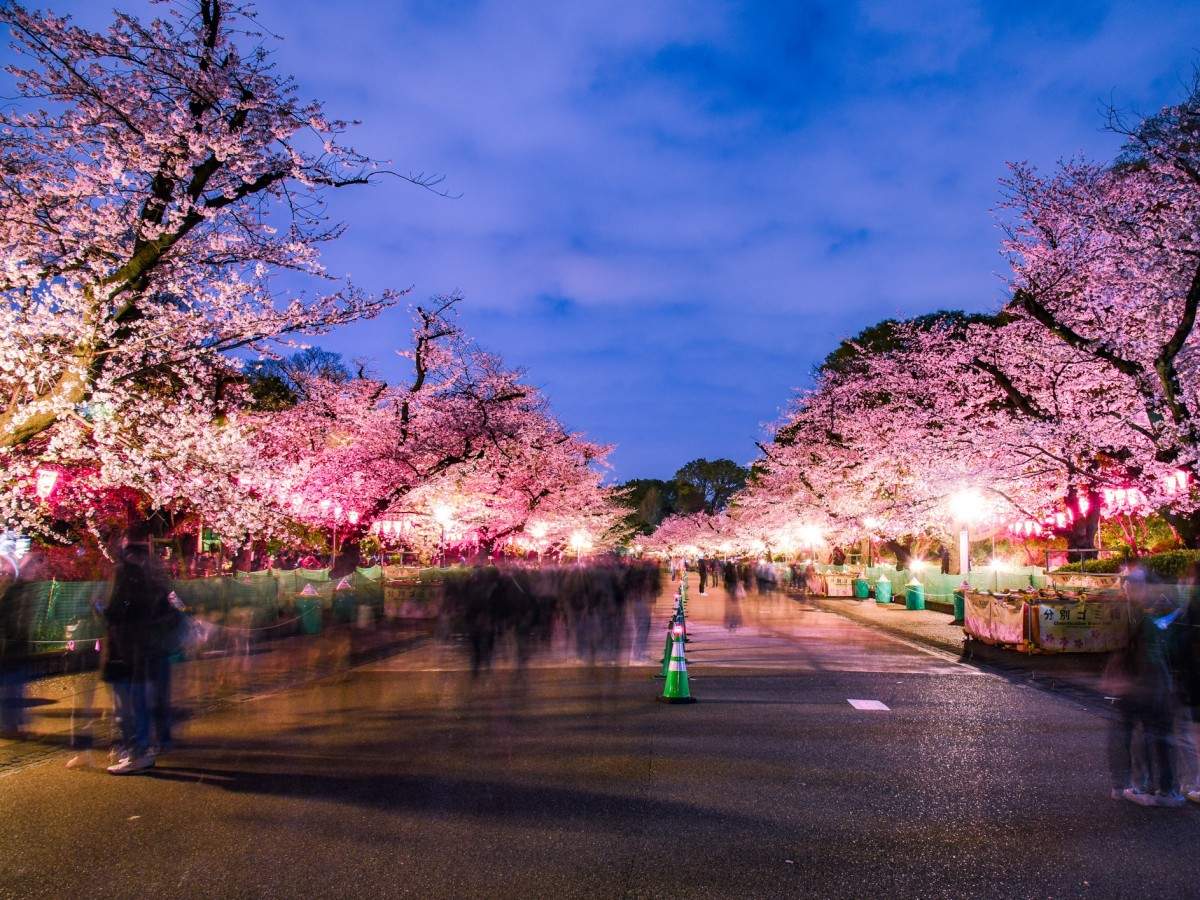
When night falls, the lights of Ueno Park light up one by one: the bronzes of the Tokyo National Museum glow green in the warm light, the lotus lanterns of the Shinobazu Pond sway with the waves, and the wild animal area of the zoo is shrouded in mysterious blue light. The magic of this park lies in the fact that it breaks the boundaries of culture, nature and time - here, you can touch the warmth of Northern Song Dynasty celadon, feel the fireworks of Edo Ukiyo-e, listen to the cry of panda cubs, and even have a cross-time and space look with General Saigo Takamori a hundred years ago. As the stone tablet at the entrance of the park is engraved: "Ueno Forest, Sustainable Coexistence." This may be the ultimate answer for Tokyo people to cram museums, zoos and temples into the same park: when civilization, life and faith dance together under the shade of green, the city truly has a soul.