
Advertisement
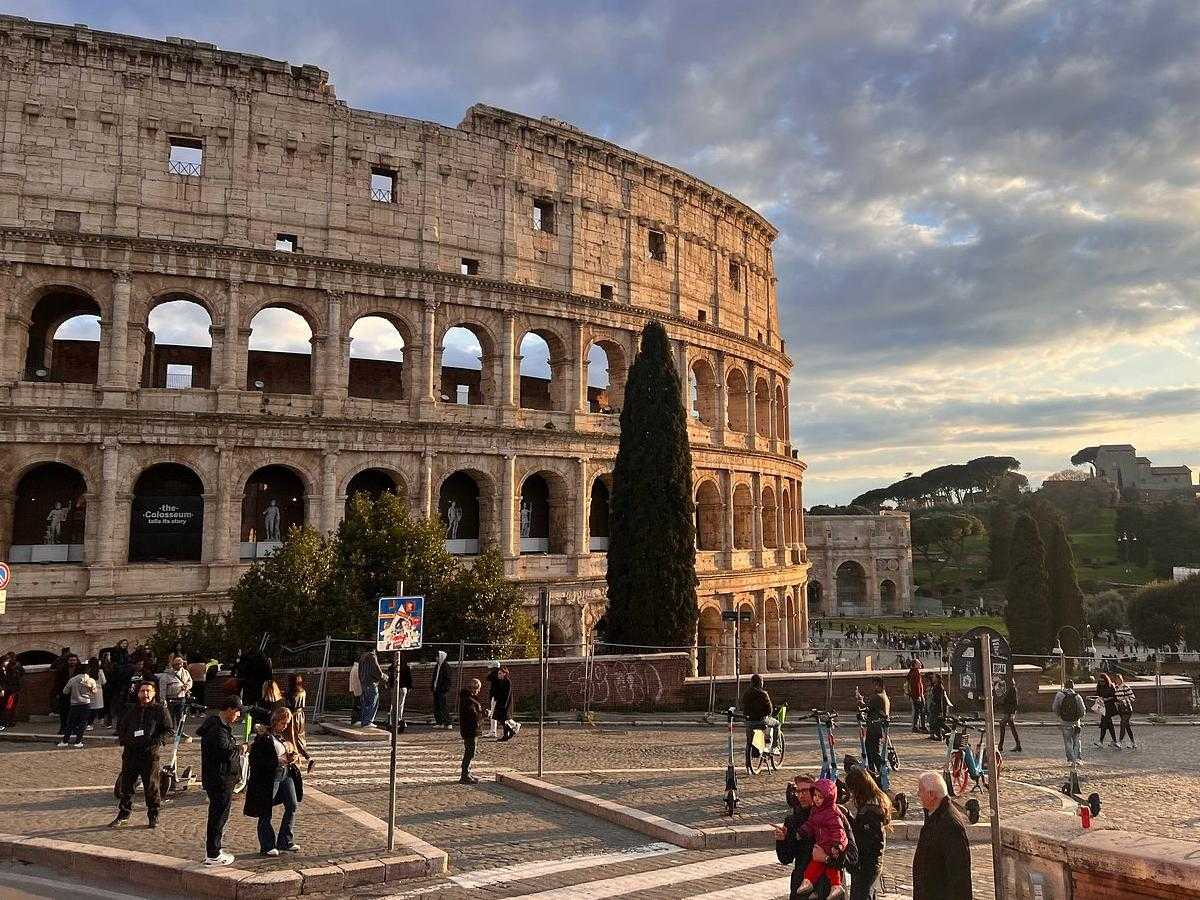
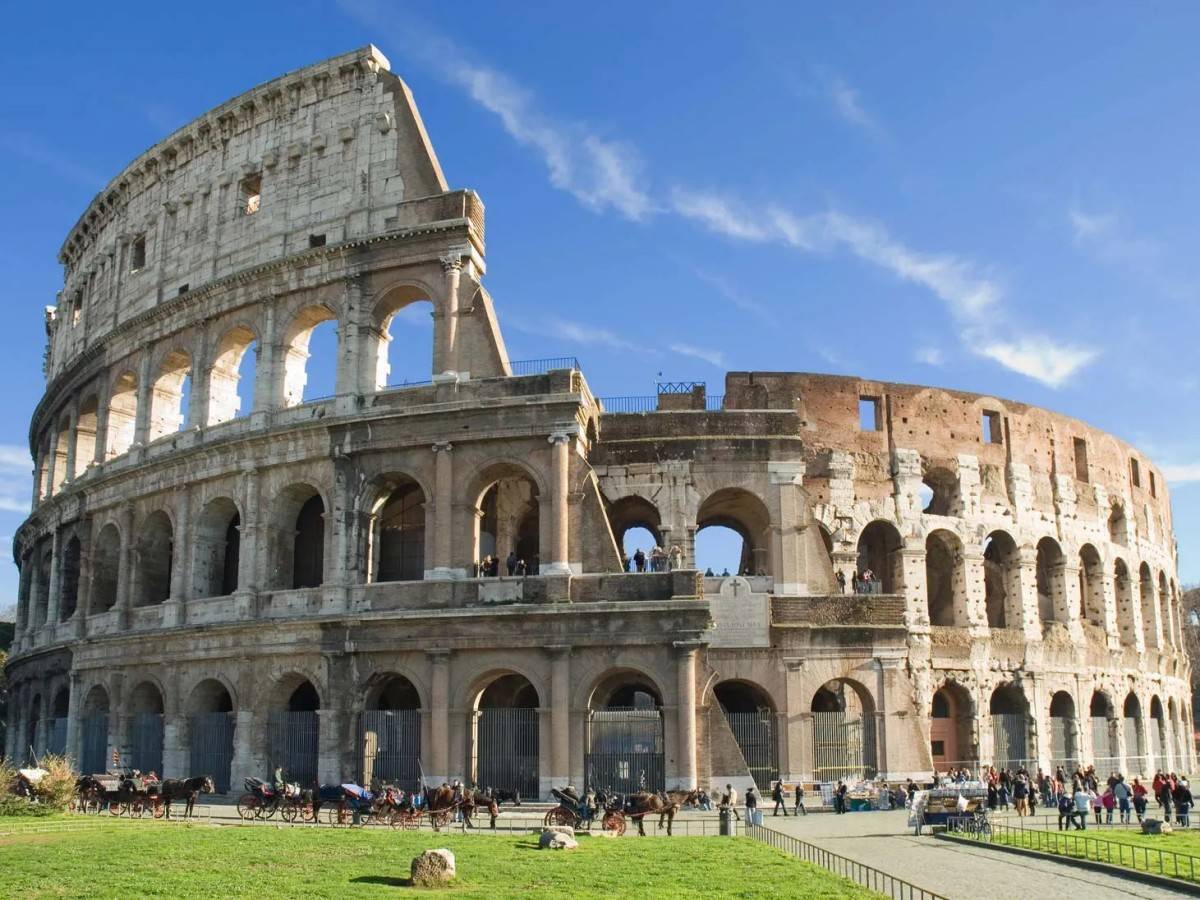
In the center of Rome, the capital of Italy, there is a famous building - the Colosseum. Many tourists who come here can't help but wonder: Why is this once magnificent Colosseum missing half now? To solve this mystery, we need to travel through time and space and look back on the Colosseum's history of more than 2,000 years.
Advertisement
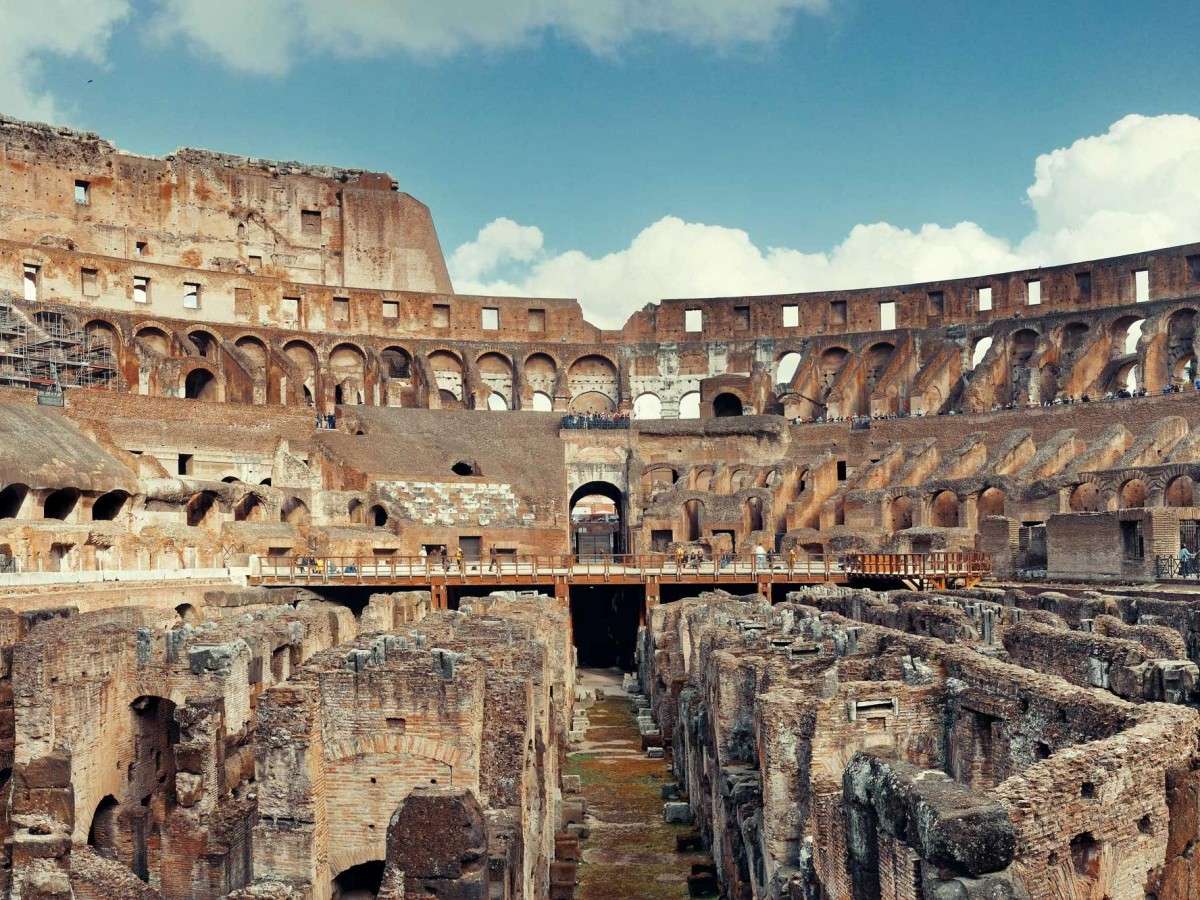
The Colosseum was built in 72 AD by the order of the then Roman Emperor Vespasian to provide entertainment for the people and demonstrate the strength and glory of the Roman Empire. After 8 years of hard construction, the Colosseum was officially completed in 80 AD. This oval building covers an area of about 20,000 square meters, with an outer wall 57 meters high, equivalent to the height of a modern 19-story building. Its exterior is all covered with marble, with 80 round arches on the lower 3 floors, and the 4th floor is decorated with small windows and pilasters. It is large in scale and magnificent.
Advertisement
However, over the years, the Colosseum has suffered many natural disasters, among which earthquakes have caused the most serious damage. In 442 and 508 AD, two strong earthquakes hit Rome. The violent crustal movement caused severe damage to the structure of the Colosseum, and some walls and vaults had serious cracks and even collapsed. In particular, the earthquake in 508 brought a nearly devastating blow to the Colosseum. The southeastern area of the Colosseum was the most severely damaged, and a large amount of building materials were scattered, and the originally complete building outline became incomplete. Since then, although the Colosseum has also undergone some small-scale repairs, it has been unable to restore its original complete appearance.
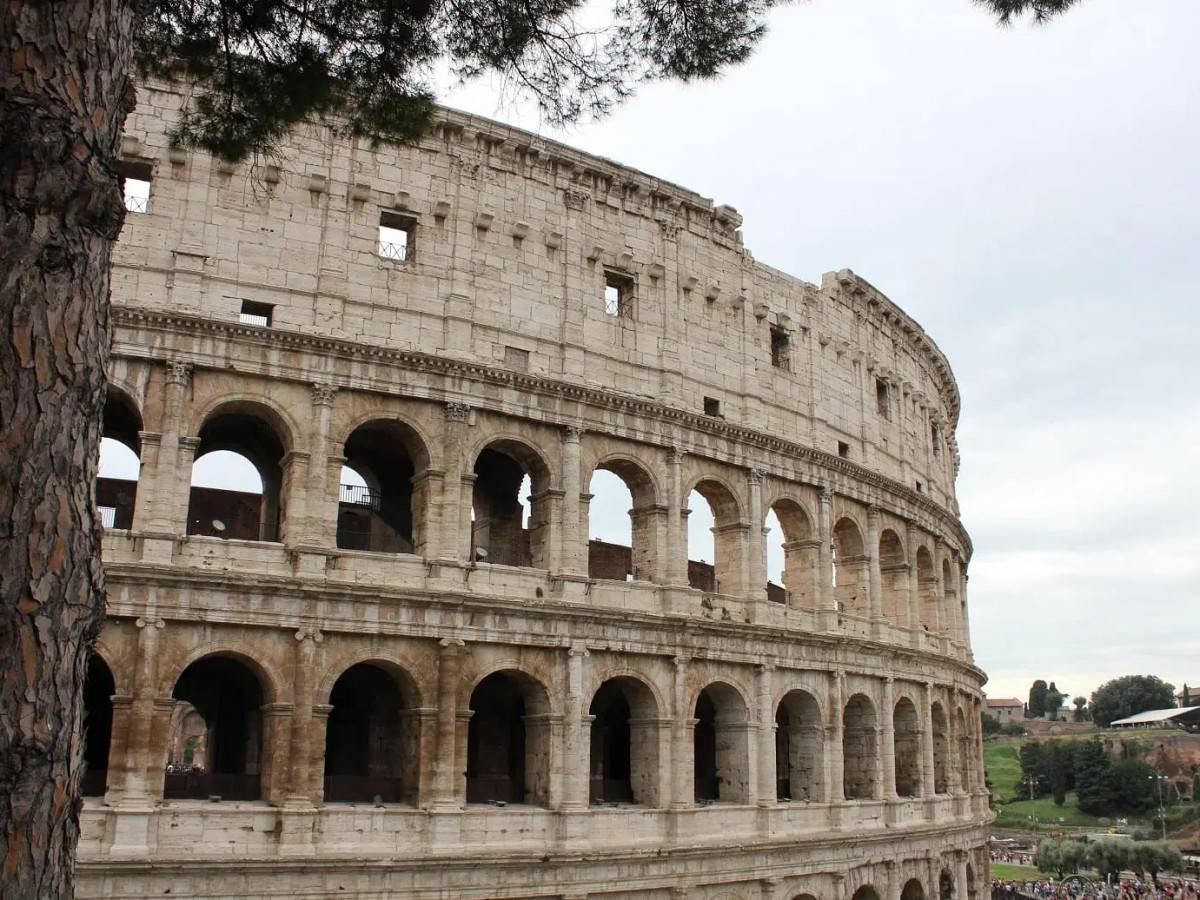
In addition to earthquakes, human factors are also an important reason for the loss of half of the Colosseum. In the Middle Ages, Rome fell into a long period of turmoil and chaos, and the management and maintenance of the city stagnated. As an abandoned building, the Colosseum gradually became a "treasure house" for people to obtain building materials. At that time, many people arbitrarily dug stones, marble and other materials from the Colosseum to build their own houses, churches or other buildings. Especially during the Renaissance, Rome was undergoing massive construction, and the demand for building materials increased dramatically. The Colosseum was looted on a large scale. Many precious marbles were dug out to build palaces and churches, which further damaged the Colosseum's architectural structure and accelerated its process of decay.
Advertisement
In addition, the Colosseum has also experienced the baptism of war in the past few centuries. During the Thirty Years' War in the 17th century, Rome was also affected. The Colosseum was used as a military fortification during the war and suffered artillery attacks, which undoubtedly added new scars to the already fragile building. In peacetime, the uncivilized behavior of some tourists has also caused damage to the Colosseum. In recent years, there have been news reports of tourists carving words on the walls of the Colosseum. Although these behaviors have relatively little impact on the overall structure of the Colosseum, they have damaged the surface of the Colosseum and destroyed its historical appearance.
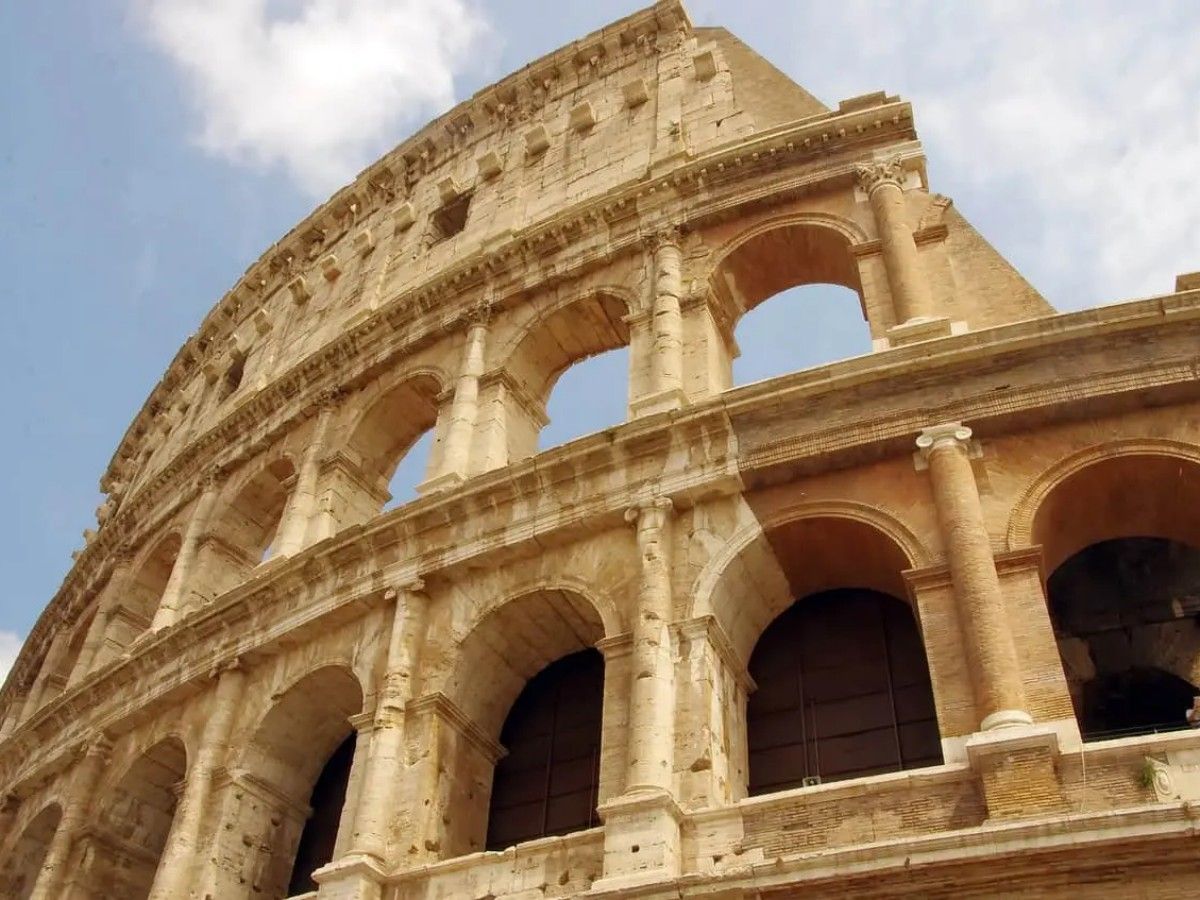
After more than two thousand years of wind and rain, the Colosseum is still facing the severe challenge of natural erosion. Long-term exposure to wind, sun and rain has caused the building materials of the Colosseum to gradually weather and peel off. The materials used, such as travertine and tuff, have become fragile under the erosion of the years. At the same time, due to the huge scale of the Colosseum, the restoration and maintenance work requires a lot of manpower, material and financial resources. For a long time in the past, due to the limitations of funds and technology, the Colosseum could not be maintained in a timely and effective manner, resulting in its increasingly serious damage. Although people have gradually realized the historical value of the Colosseum since the 19th century and began to repair and protect it, the accumulated damage before has been difficult to completely recover.
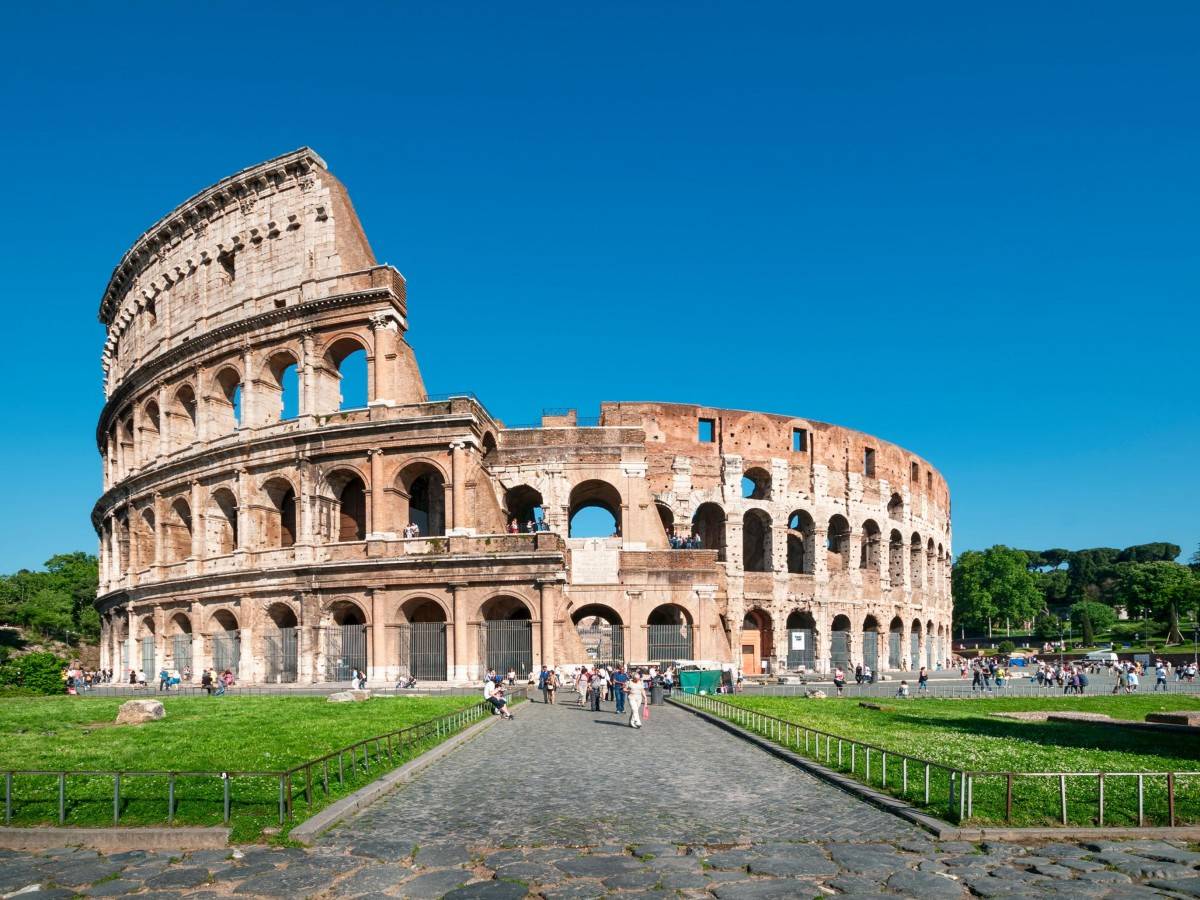
Today, the Colosseum, as a symbol of the Roman Empire and the city of Rome, is an important part of the world's cultural heritage and attracts tourists from all over the world. In order to protect this precious historical relic, the Italian government and relevant institutions have invested a lot of energy and funds. Since the beginning of the 19th century, the Colosseum has undergone many large-scale restoration projects. For example, in 1805, a huge wooden support was built to support the east wall, which was on the verge of collapse; in 1806-1807, the restoration plan proposed by Raphael Stern was implemented, and a simple brick buttress with a travertine foundation was built at the east end to prevent the lateral movement of the damaged part. After that, in the 1840s and 1850s, Canina rebuilt and repaired a part of the south side of the inner ring of the arena and the entrance at the west end.
Entering the 21st century, with the continuous advancement of science and technology, the protection and restoration of the Colosseum has also adopted more advanced technologies and methods. Through technologies such as 3D modeling and laser scanning, researchers can more accurately understand the structure and damage of the Colosseum, so as to develop a more scientific and reasonable restoration plan. At the same time, the government has also strengthened the management and education of tourists and formulated strict visiting regulations to reduce tourists’ man-made damage to the Colosseum.
Although half of the Colosseum is missing today, through continuous protection and restoration, it still stands on the land of Rome with its unique charm and tenacious vitality, becoming an immortal monument in the history of human civilization. Every crack and every broken stone carries the memory of history and witnesses the development and changes of human society.