
Advertisement
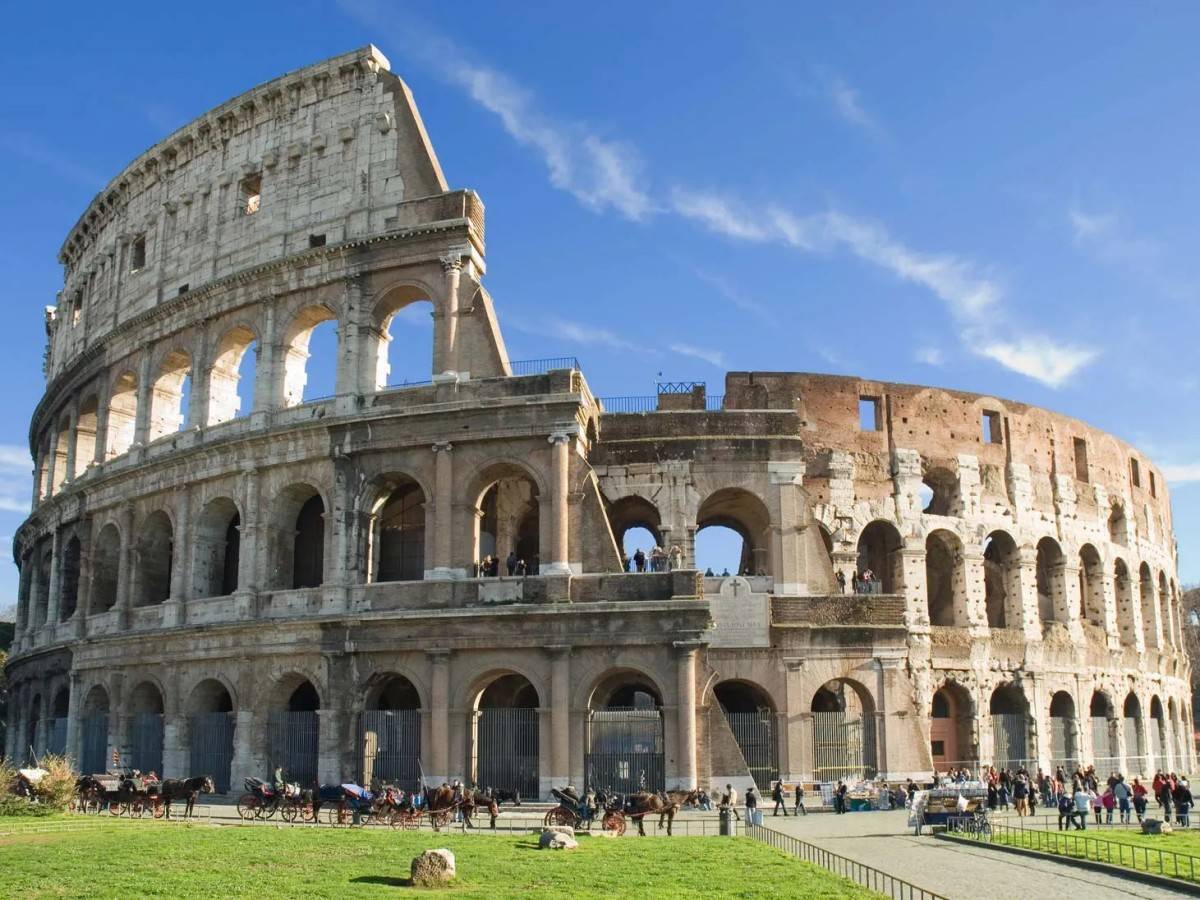
When you first set foot in the center of Rome, the pulse of history surrounds you, echoing through the centuries in every stone and column. Among the city's many treasures is the Roman Forum, a testament to the power and architectural genius of the Roman Empire, a vast archaeological site that is more than just a pile of ruins; it was the heart of Roman civilization, where politics, religion and everyday life met. As you walk through the Roman Forum, you will feel the weight of history on your shoulders, and you will begin to understand why this was once the center of the known world.
Advertisement
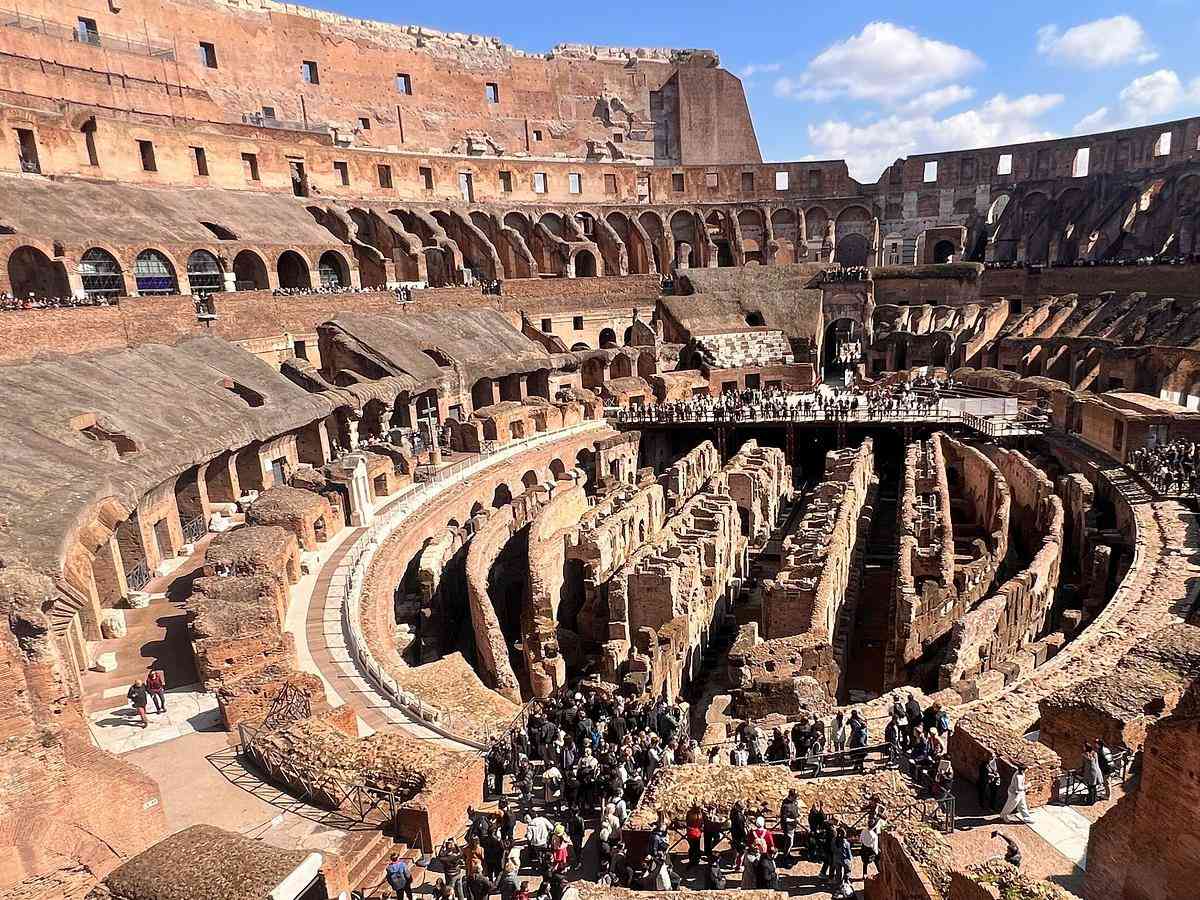
You may feel a rush of excitement as you approach the Roman Forum and cross the threshold into this huge open-air museum. The site itself is located between the Palatine and Capitoline hills, right in the middle of Rome. While standing on the path leading to the piazza, one has already stepped in the footsteps of the emperors, senators and ordinary Romans who once gathered here. Looking around, one will see a range of ruins from towering columns to crumbling statues and the remains of ancient temples. At first it may seem difficult to comprehend the scale of it all, but the Roman Forum was once the vibrant center of the Roman Empire, where public speeches were made, legal matters were settled and important political decisions were made. Today, it is a vast expanse of rubble and stone, but as you wander through it, you will quickly realize that each stone holds a story of a long history.
Advertisement
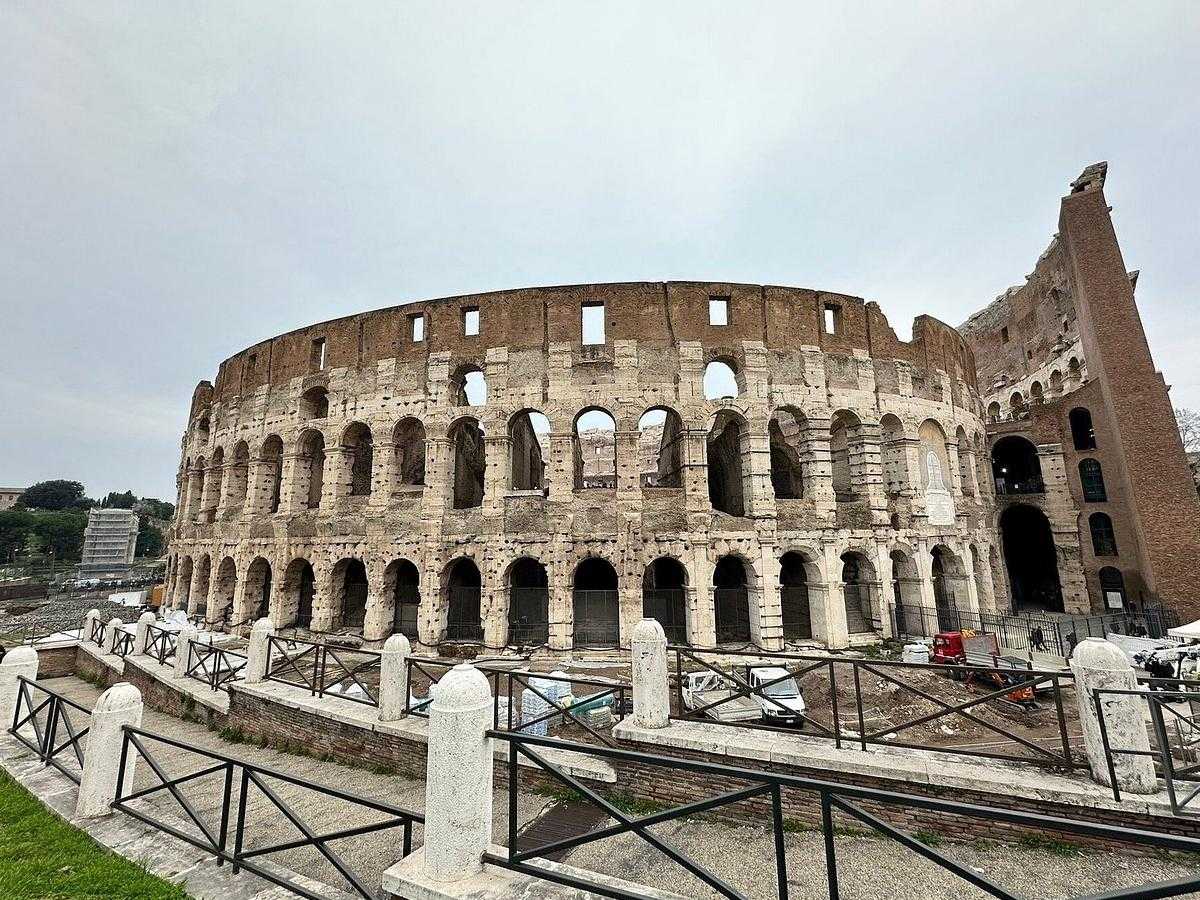
To fully appreciate the grandeur of the Roman Forum, you have to turn back the clock; the Roman Forum wasn't always the magnificent space you see today. In fact, it began as a simple marketplace in the valley between the Palatini and Capitoline mountains around 500 BC. This humble beginning eventually turned into the beating heart of the Roman Empire. At the time - bustling Romans traded goods, discussed politics, and celebrated religious festivals here. Over time, this space began to become more important. As Rome grew from a small city-state to one of the greatest empires the world has ever known, the piazza grew to become the center of Roman life. The first major expansion of the piazza began with the construction of temples and basilicas, which marked the beginning of its transformation into a political and religious center. Since then, the Piazza has been the site of some of the most important events in Roman history, from the speeches of great orators such as Cicero to the triumphal processions of victorious generals.
Advertisement
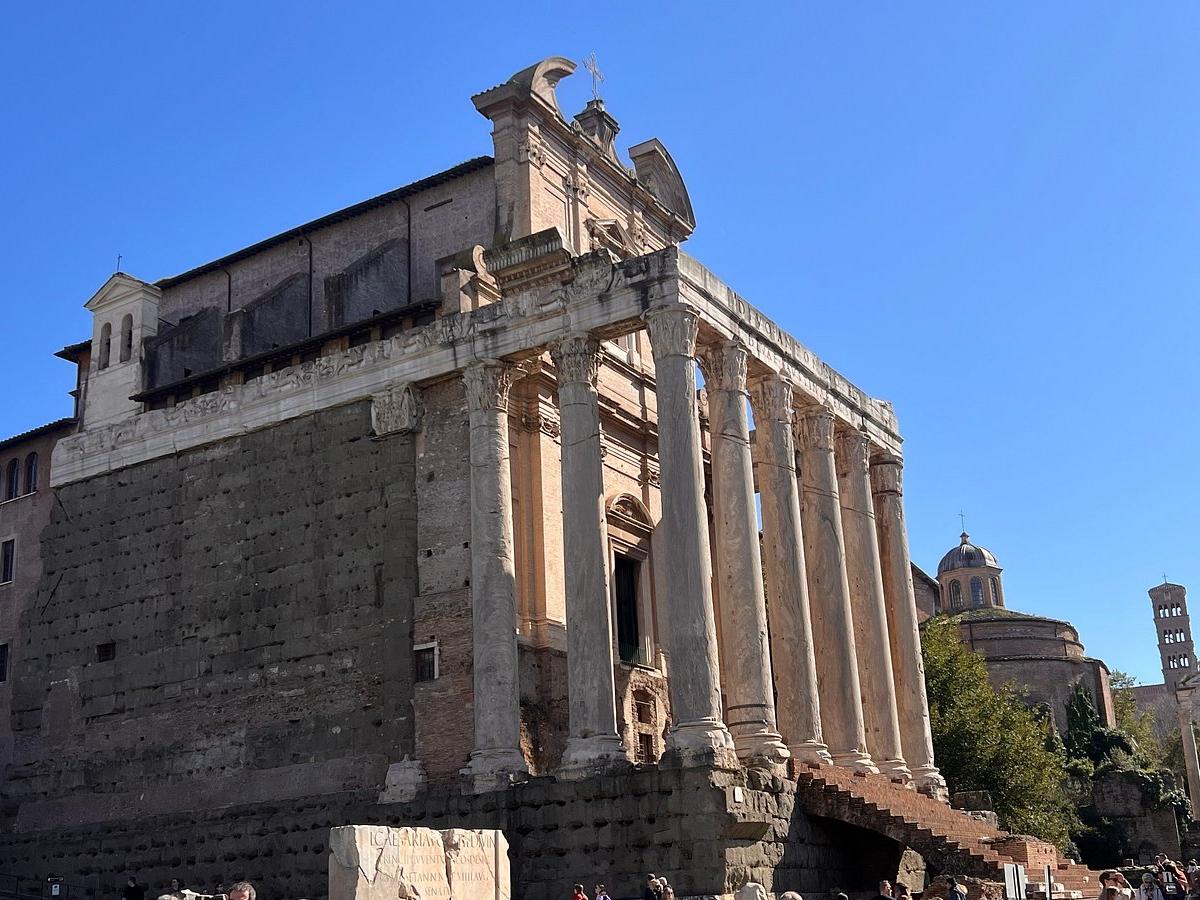
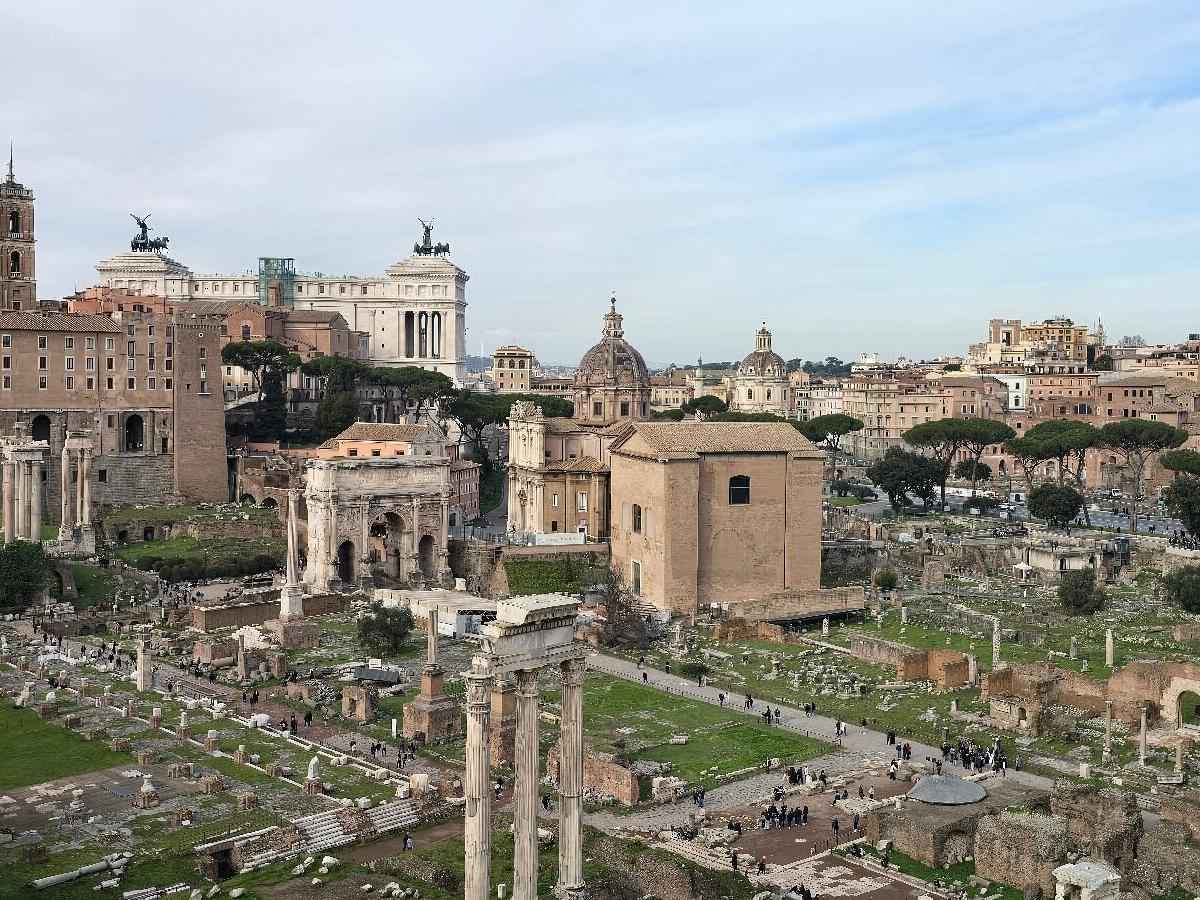
One of the most striking features of the Roman Forum is its many temples, each built to honor a different deity. The Temple of Saturn, the Temple of Vesta, and the remains of the Temples of Castor and Pollux, these temples may be in ruins today, but their original grandeur can still be seen in the surviving columns and foundations. Take the Temple of Saturn, for example. Dedicated to Saturn, the god of agriculture, this temple is one of the oldest and most important in the Plaza. The temple's massive columns - some of which still stand - tower over the surrounding area, bringing a sense of awe and reverence to those around it. The Temple of Vesta is another fascinating attraction in the plaza. Dedicated to Vesta, the goddess of the hearth, this temple housed the sacred fire, which was burned by holy women. The sacred fire was considered key to the well-being of Rome, and the Virgins who tended it were the most revered women in Roman society.
One of the most impressive monuments you will encounter as you continue your tour of the Roman Forum is the Arch of Titus. Built in 81 AD, this triumphal arch commemorates the victories of Emperor Titus, specifically his conquest of Jerusalem in 70 AD. The arch is a marvel of ancient engineering and a symbol of the military might of the Roman Empire. What makes the Arch of Titus particularly fascinating is its detailed reliefs, which depict scenes from Titus' triumphal procession, including the capture of Jewish treasures such as the Menorah. When you stand under the arch and look up at the intricate carvings, you can almost hear the crowd cheering and feel the pride that swept the city on Titus' triumphant return. The Arch of Titus is a great example of how Roman architecture blended functionality with artistry. The arch was designed not only to celebrate military victories, but also to remind the Roman people and their enemies of the power and influence of the Empire.
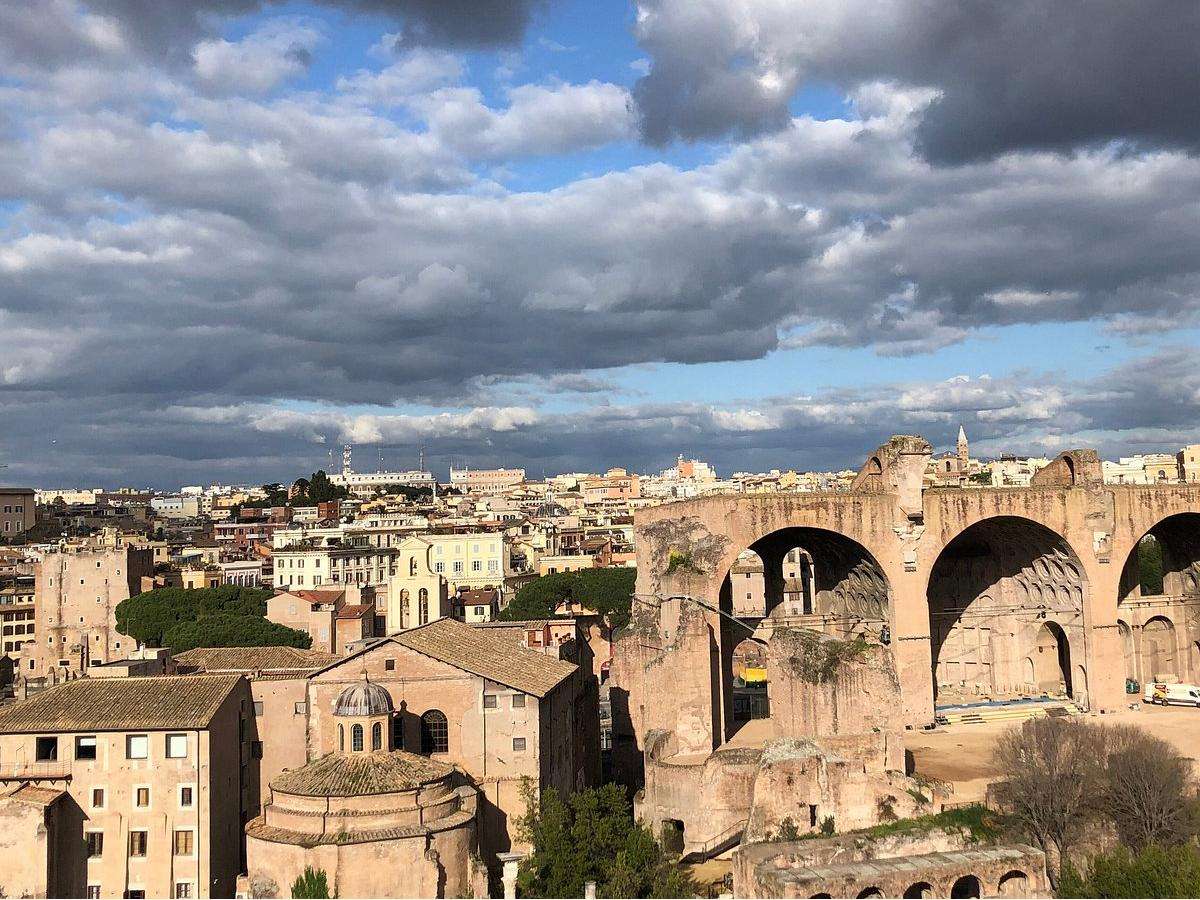
Another awe-inspiring building on the Roman Forum is the Basilica of Maxentius and Constantine, which was once one of the largest and grandest buildings in Ancient Rome. Built between 308 and 312 A.D., the Basilica was used for legal proceedings, public gatherings, and other municipal functions. Today, only ruins remain of this magnificent building, but even in its crumbling state, the basilica gives a sense of how impressive Roman architecture was. The basilica's massive vaulted ceilings and expansive interiors can give an overwhelming sense of space, making it one of the most important buildings in the piazza. As you stroll through the remains of the cathedral, you can't help but marvel at the engineering ingenuity that went into its construction. The arches that once supported the roof are still standing, and you can imagine what the building looked like in its heyday - an architectural marvel that takes visitors' breath away.
As you walk through the Roman Forum, you may feel a sense of awe and respect for the civilization that once flourished here. What you experience is not just a pile of ruins, but a glimpse into the power, glory and ingenuity of the ancient Romans. The ancient Roman Forum may no longer be the bustling center of political life it once was, but its ruins, buildings and stories live on. As you stand among the ruins, you can't help but think of the people who once lived here - the soldiers who marched through the streets, the orators who spoke to the crowds, the priests who performed ceremonies, and the emperors who ruled an empire. Every pillar, every stone, every artifact is a testament to the power and influence that the Roman Empire once held, and as you leave the Forum, you'll find yourself stepping into history.