
Advertisement
The Vatican Museums, as one of the most important museums in the world, is not only a paradise for art lovers, but also a valuable heritage for history lovers. Located in the heart of Vatican City, the museum brings together more than 2,000 years of art treasures, covering a variety of art forms from ancient civilization to the Renaissance. Whether it is sculptures, paintings, tapestries, ancient artifacts, or historical architecture and decorative arts, the Vatican Museums showcase the splendor of human culture and art. For anyone who travels to the Vatican, these priceless treasures are absolutely not to be missed.
Advertisement
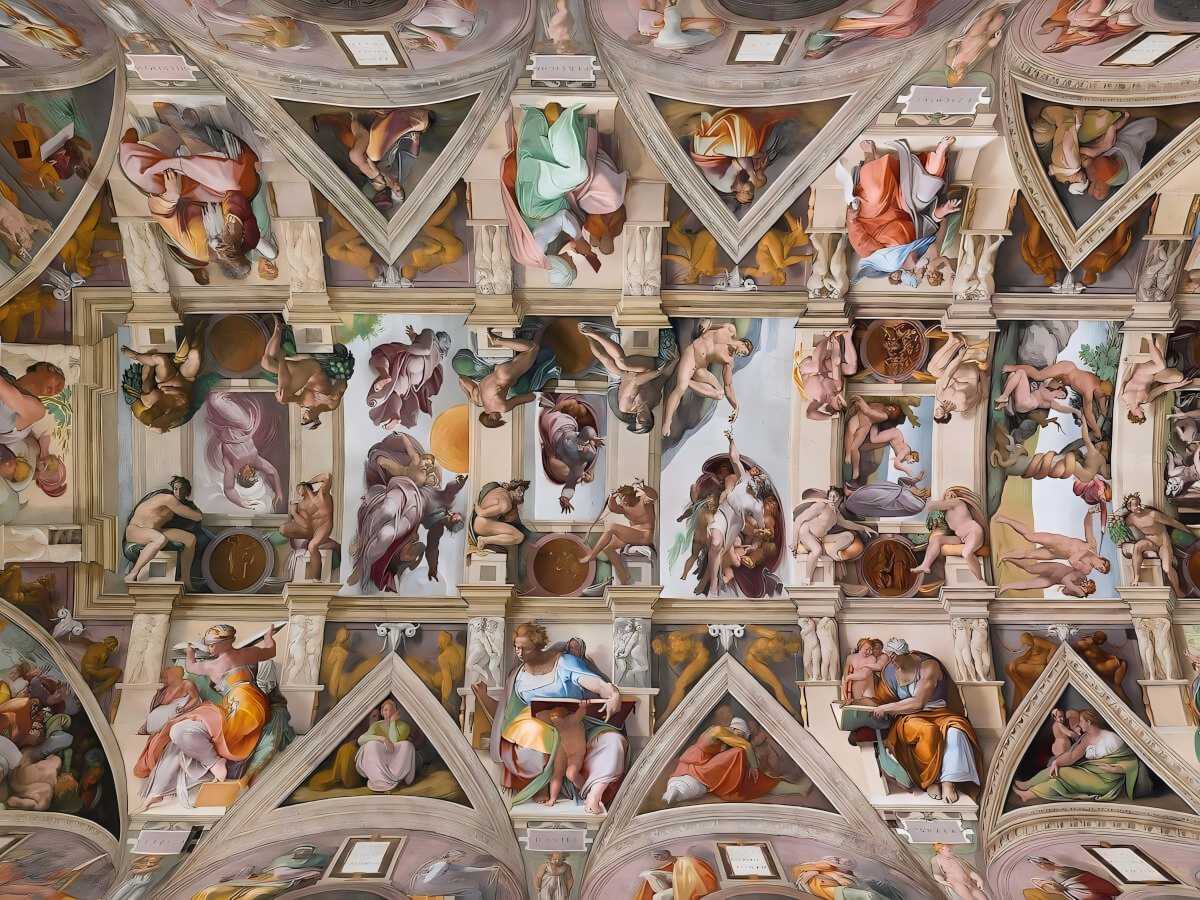
The ceiling painting of the Sistine Chapel is undoubtedly one of the most famous works of art in the Vatican Museums. This ceiling painting created by Michelangelo took four years to complete and was unveiled in 1512. The painting depicts important scenes from the Book of Genesis, the most praised of which is "The Creation of Adam", which shows the moment when God reaches out and touches Adam. This image has become a classic in the history of Western art. The Sistine Chapel is not only a pilgrimage site for art lovers, but also one of the most important places of worship in the Catholic Church, attracting thousands of tourists every year.
Advertisement
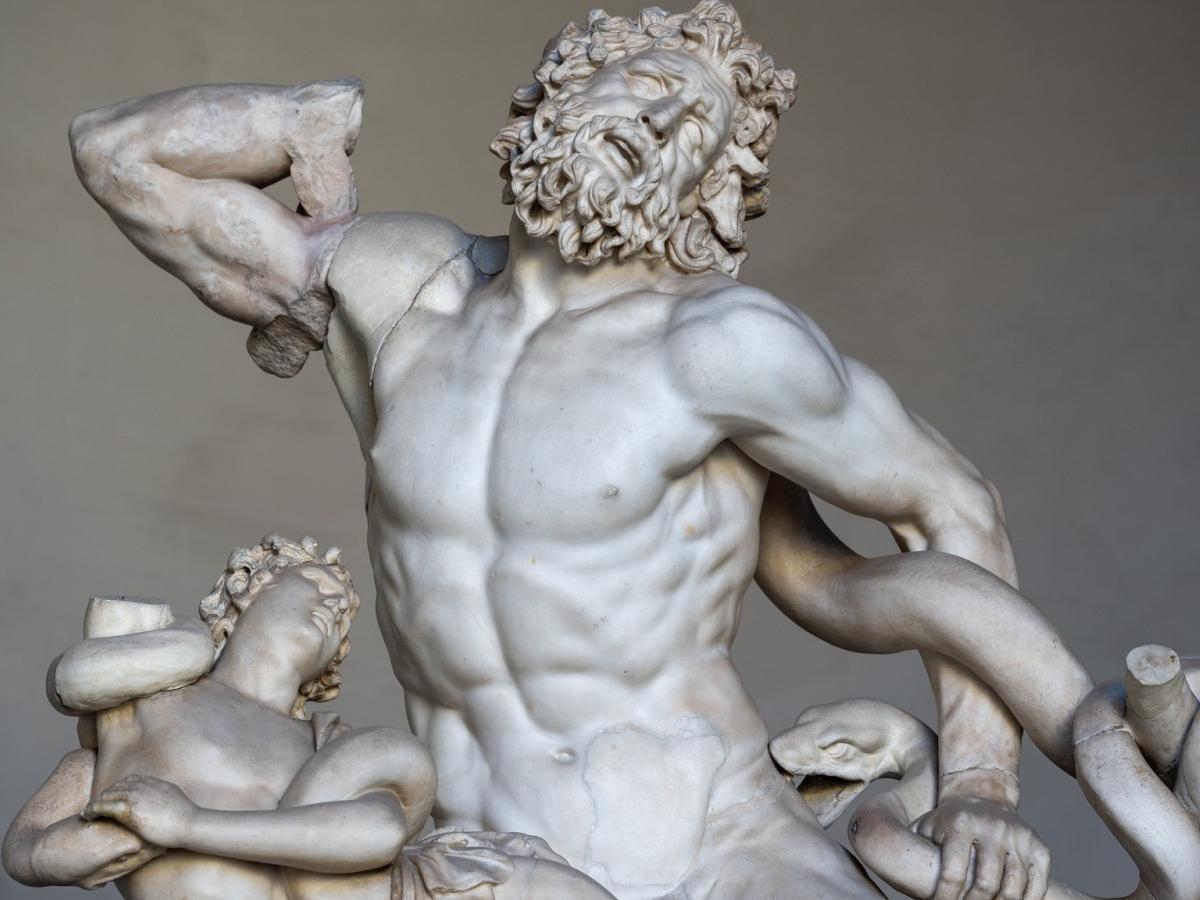
The Laocoon statue is a shining pearl in ancient Greek and Roman sculptures. It shows the painful scene of the Trojan priest Laocoon and his two sons being attacked by sea snakes. The statue shows the ultimate dynamic aesthetics. The expressions, postures and twisted limbs of the characters vividly convey the emotions of despair and pain. The discovery of the Laocoon statue is considered one of the signs of the rediscovery of ancient art during the Renaissance. It not only has great historical value, but also provides an important source of inspiration for later artists.
Advertisement
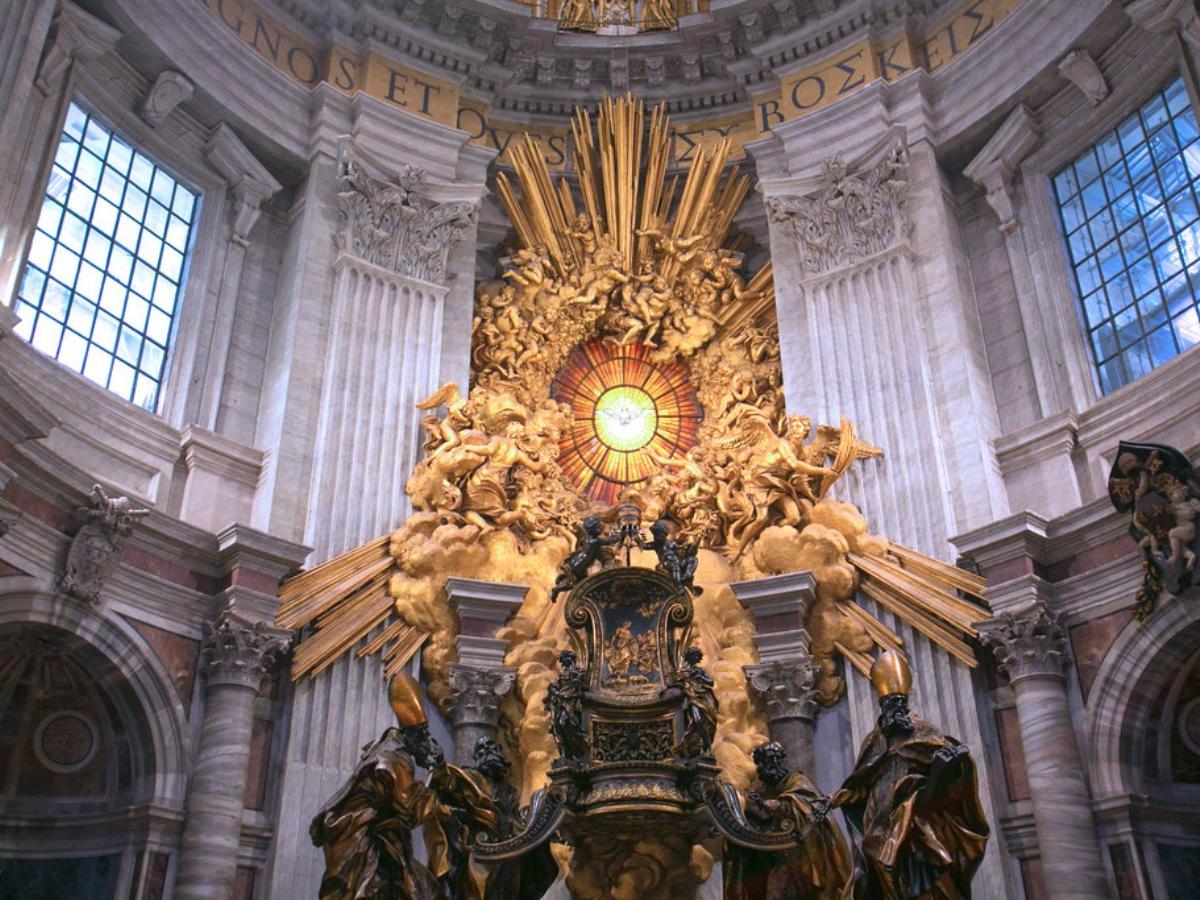
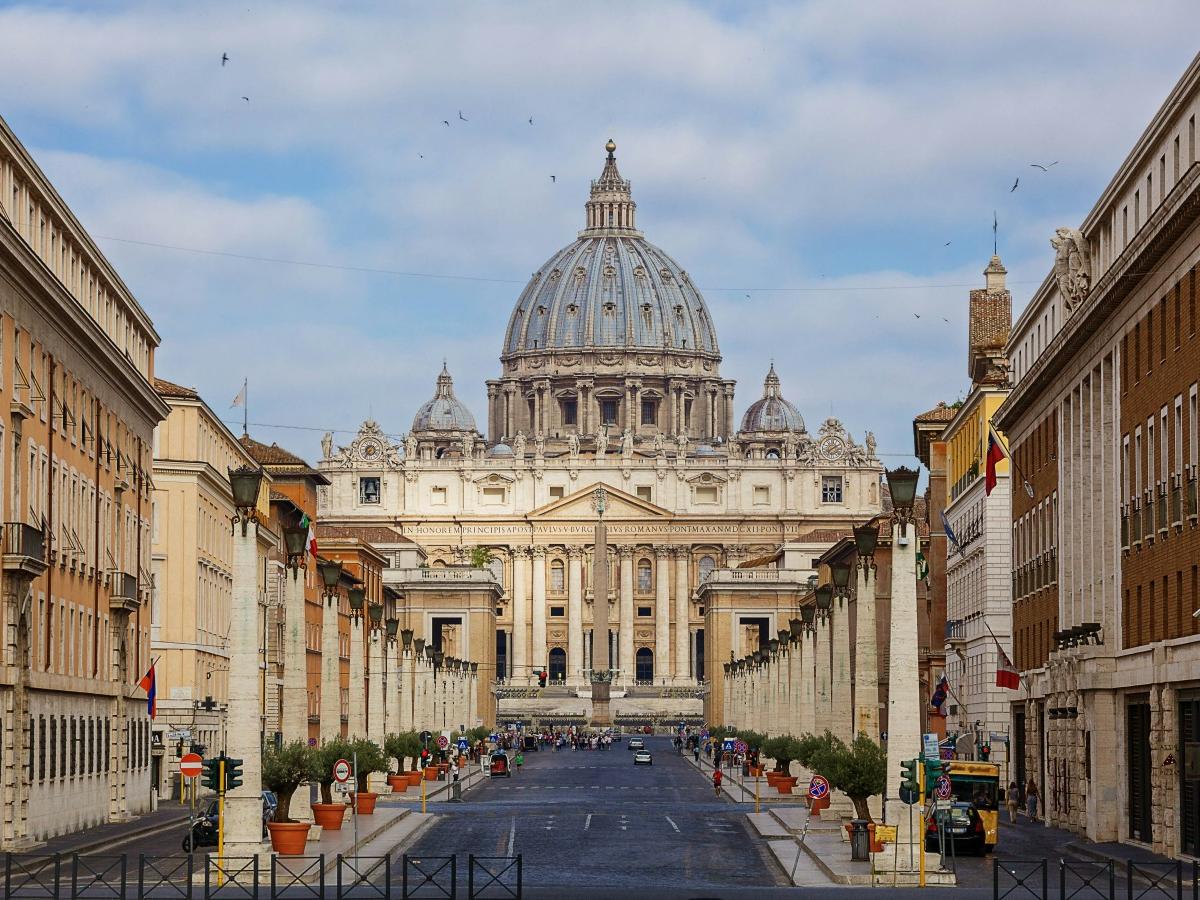
The St. Peter's Throne, located behind the altar of St. Peter's Basilica, is a work of art with profound religious significance. The throne is considered to be a symbol of St. Peter and represents the sacred authority of the Pope. Designed by Bernini, this artwork not only shows the exquisite Baroque art style, but also contains profound religious significance. The throne is beautifully decorated, full of brilliant colors and carvings, which is breathtaking.
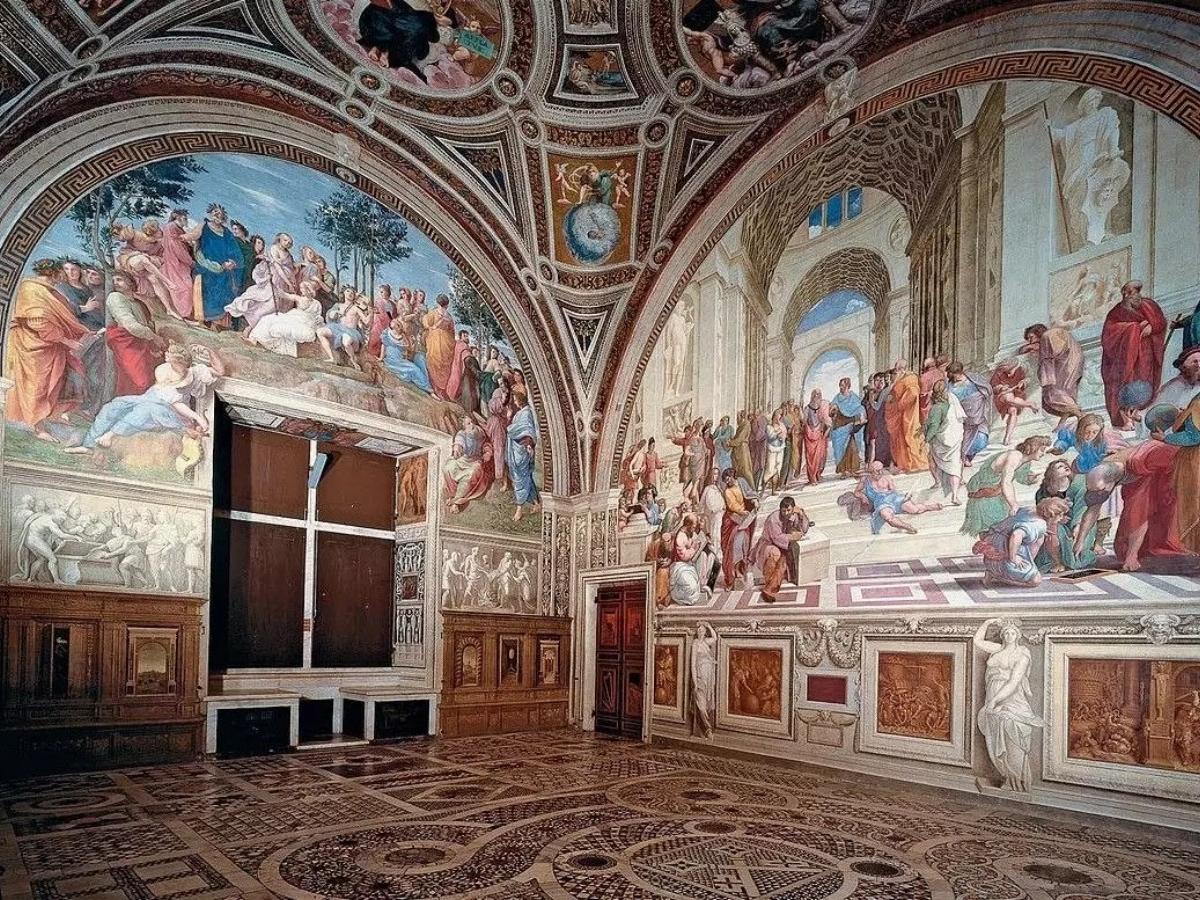
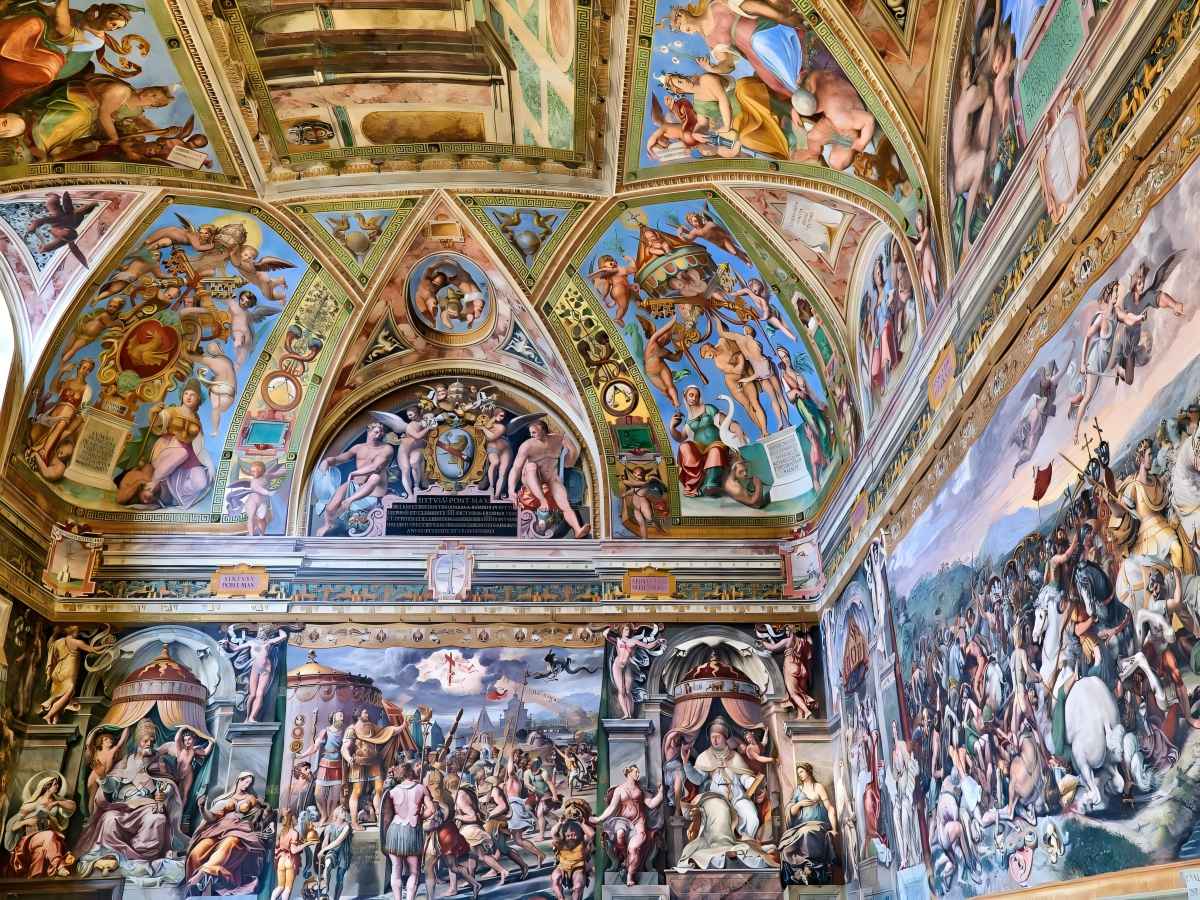
The Raphael Rooms are one of the most famous exhibitions in the Vatican Museums. The four walls are painted with frescoes created by the Renaissance painter Raphael and his apprentices. The contents of these frescoes cover religion, philosophy, history and other aspects. The most representative one is "The School of Athens". This fresco shows the gathering of ancient philosophers in the square, with Aristotle and Plato in the center of the picture. Raphael brought these historical figures to life with his excellent painting skills and deep understanding of classical culture.
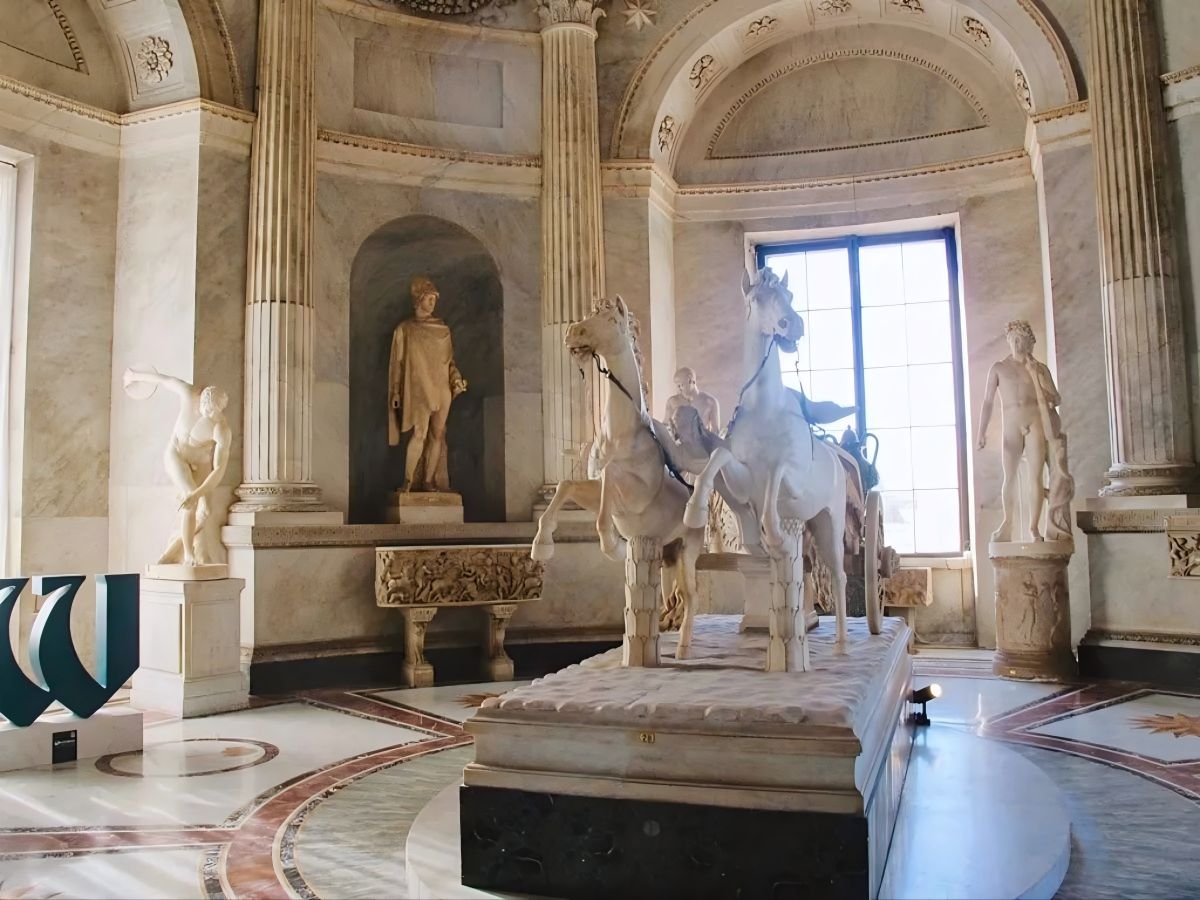
The Ancient Roman Sculpture Hall of the Vatican Museum is an exhibition space that brings together a large number of sculptures from the ancient Roman period. Many famous sculptures of ancient Rome are collected here, including works such as "Apollo Bias" and "Venus of Flaus". These sculptures not only show the Romans' superb performance of the human body, but also reflect the worship of aesthetics, mythology and religion in Roman culture. Each sculpture carries the spiritual outlook of ancient Roman society and is the best window to understand the art and history of the Roman Empire.
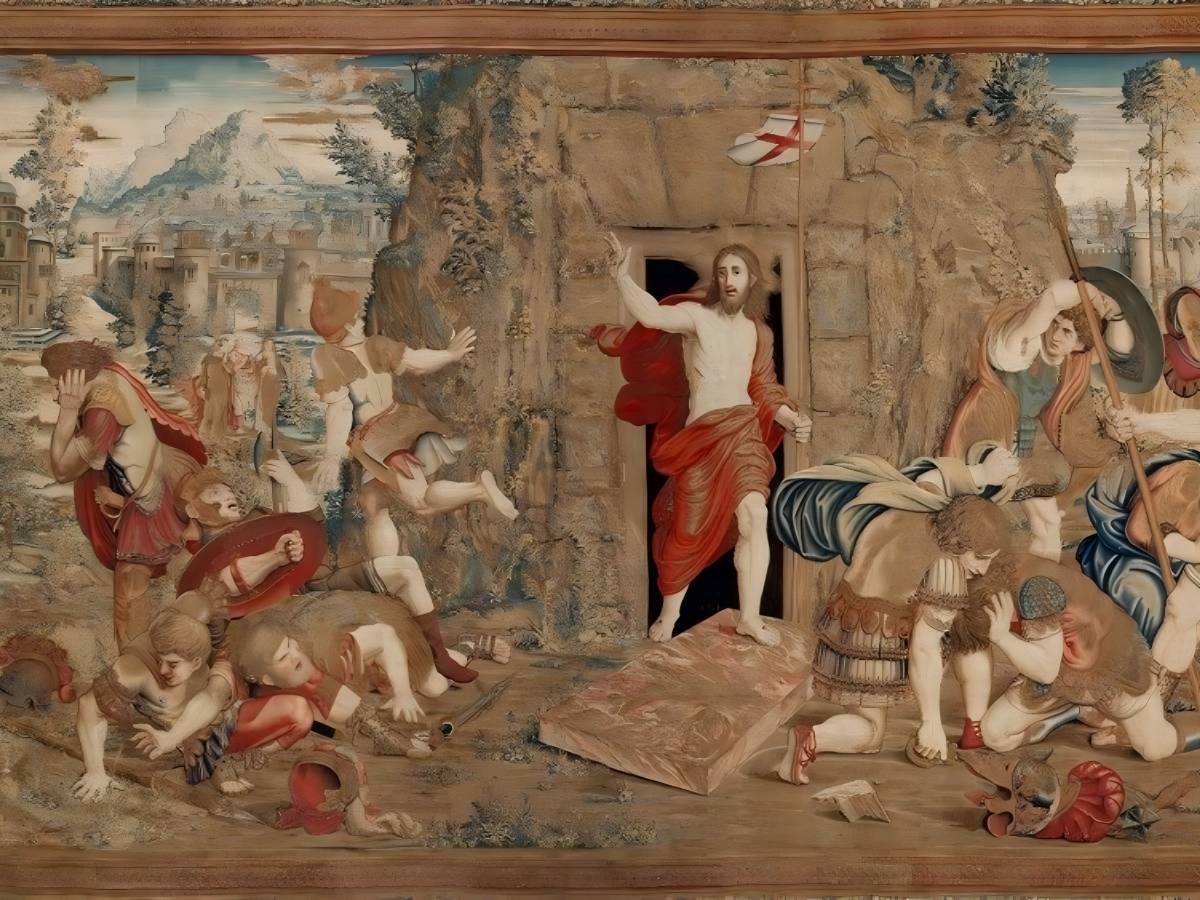
In one part of the Vatican Museums, you can see a series of tapestries woven by Flemish, which depict important moments in biblical stories and church history. One of the most famous series is the "Acts of St. Paul" tapestry, which shows the main events in the life of St. Paul. The tapestries are delicately woven, colorful, and exquisitely crafted, representing the pinnacle of European medieval art. There is a profound religious meaning behind each tapestry, reflecting the church's support and promotion of art.
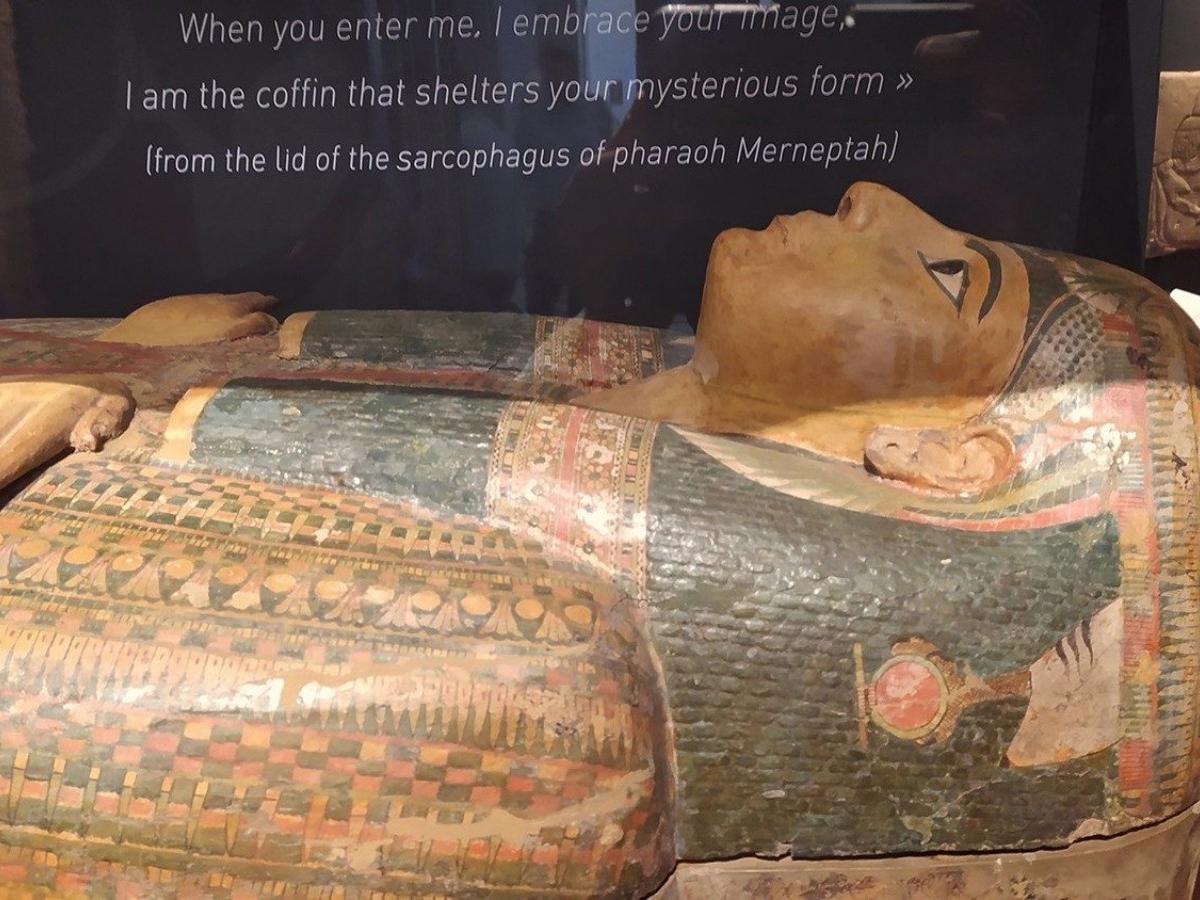
The Egyptian Pavilion is part of the Vatican Museums and displays Egyptian antiquities from 3000 BC to 30 BC. It houses a large collection of mummies, sarcophagi, sculptures, and other Egyptian artifacts, including some very precious collections. For example, there is an unearthed statue of a pharaoh and a large sculpture of an Egyptian deity in the exhibits, which allow visitors to gain a deeper understanding of the artistic style and religious beliefs of ancient Egyptian civilization.
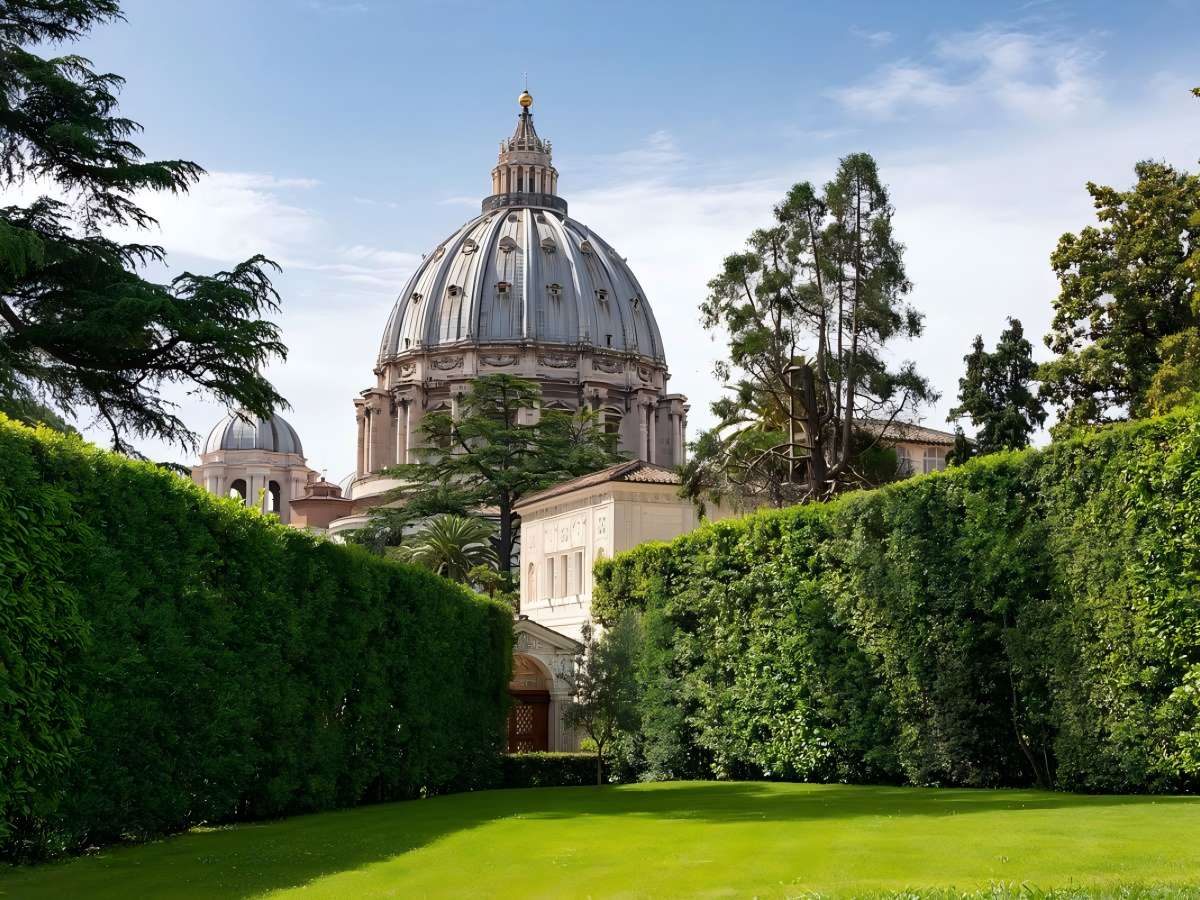
The Vatican Gardens are not only the green lungs of the Vatican, but also a hidden gem. Located inside the museum, these gardens are an oasis of tranquility, rich in plants, sculptures and historical relics. The gardens are designed in a blend of Italian Renaissance and Baroque styles, making them an attraction of great aesthetic value. Visitors can feel the seclusion and beauty here, and enjoy the perfect combination of nature and art.
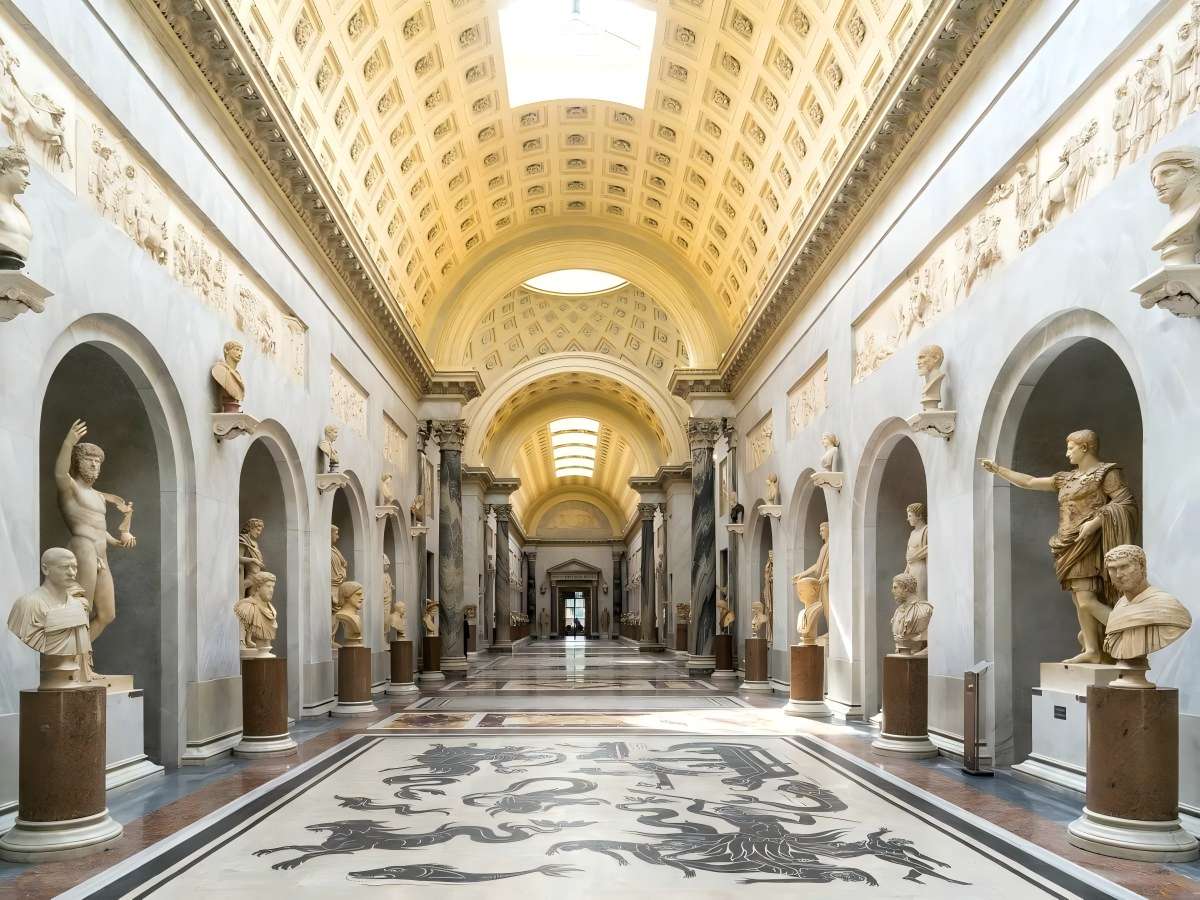
The Museum of Modern Religious Art is the more modern part of the Vatican Museums, which displays many works of art from the 20th century and later. These works were created by many famous artists, including Van Gogh, Picasso and Dali. The museum's exhibits explore the manifestations of religion and faith in modern society through the unique perspectives of artists. The artworks here breathe new life into traditional religious art and reflect the artists' deep understanding of the sacred and faith.
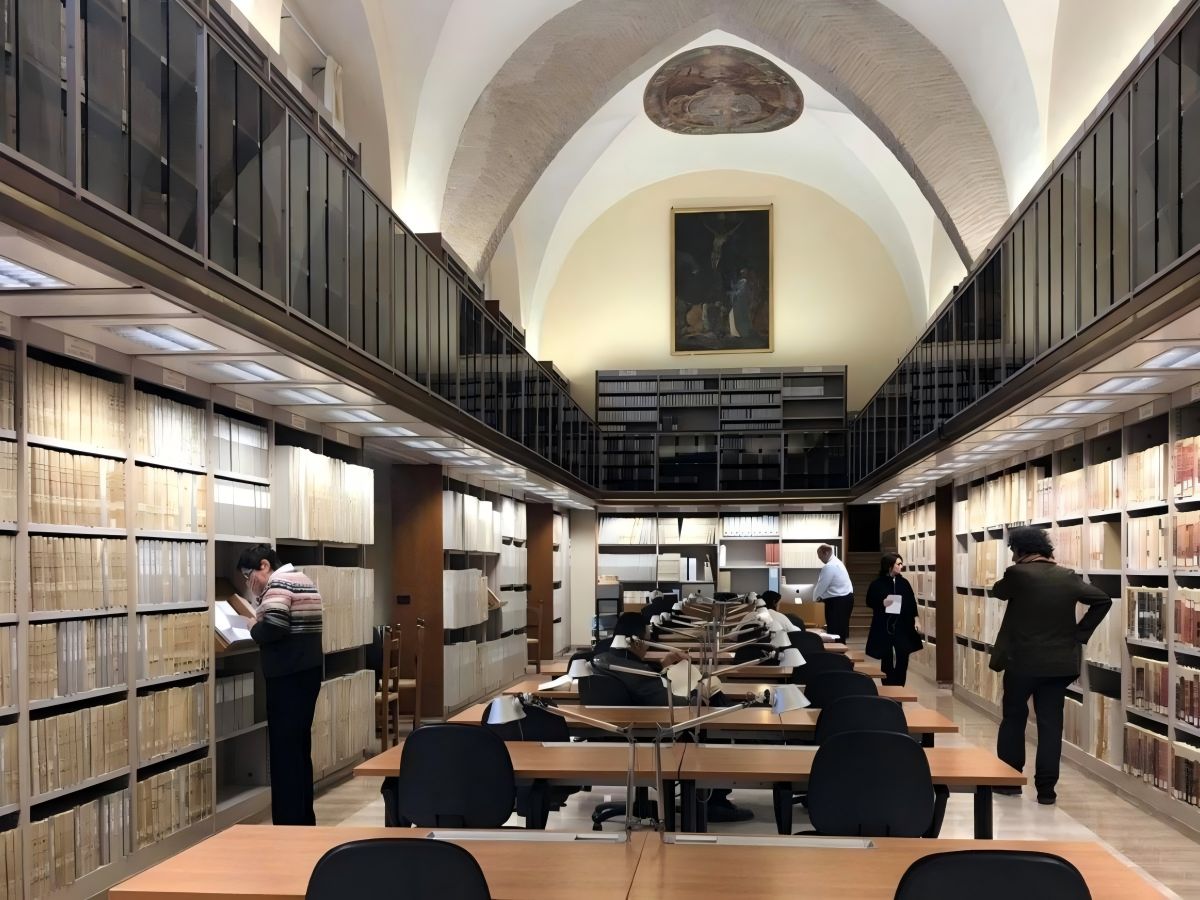
The Vatican Library and Archives is one of the oldest and most famous book collections in the world. It houses a large collection of ancient books, manuscripts and historical archives, covering all kinds of documents from the Middle Ages to modern times. The rich collection of books in the library makes it a valuable resource for academic research. Although most of the collection is not open to the public, some of its exhibitions and public events can still attract the interest of many scholars and tourists.
Whether you are an art lover, a history fan, or just a tourist, the Vatican Museum can provide you with unparalleled visual and spiritual enjoyment. Each exhibit is the crystallization of human wisdom and creation. They not only show us the splendor of different civilizations, but also convey thoughts and emotions across time and space. The Vatican Museum is undoubtedly a cultural treasure that must be visited and felt in person.