
Advertisement
It’s hard to imagine that on the outskirts of Lae, a port city in Papua New Guinea, lies a botanical garden nearly swallowed by the tropical rainforest—Lae Botanic Gardens. It’s not the kind of urban park filled with roses and neatly manicured lawns, but rather a forest sanctuary coexisting with humanity, quiet and profound. Some say it is a haven for scientists, housing numerous endangered plants and ecological research secrets; others describe it as a green oasis for residents to escape the hustle and bustle, the perfect place to躲避 the heatwave and clear one’s mind. Regardless of perspective, it is well worth spending an entire day there, strolling quietly through its grounds.
Advertisement
The establishment of Lae Botanic Gardens was not for tourists but for scientific research on forests. The institution behind it—the Papua New Guinea Forest Research Institute—was established in Lae as early as the 1950s and serves as the national center for forestry and plant research. The botanic gardens were originally part of the institute's experimental forest, used for cultivating local tree species and observing ecological succession processes, before gradually opening to the public.
Advertisement
Unlike traditional tourist-oriented botanical gardens, Lae Botanic Gardens is more like a research space with its veil gently lifted. The garden preserves large swathes of pristine forest, home to hundreds of native plant species—from common ones like Norfolk Island pines, coconut palms, and ferns, to extremely rare orchids and medicinal plants. The park avoids excessive landscaping and does not prominently feature tourist photo spots; instead, it places small signs next to some plants, indicating their scientific names, genus and species information, and ecological uses.
If you are interested in plant classification, ecological conservation, and sustainable forestry, this place is a natural treasure trove of knowledge. Visitors may occasionally spot researchers sampling, measuring, and labeling along the forest paths, and the rigorous and serene atmosphere adds another layer of meaning to this green space.
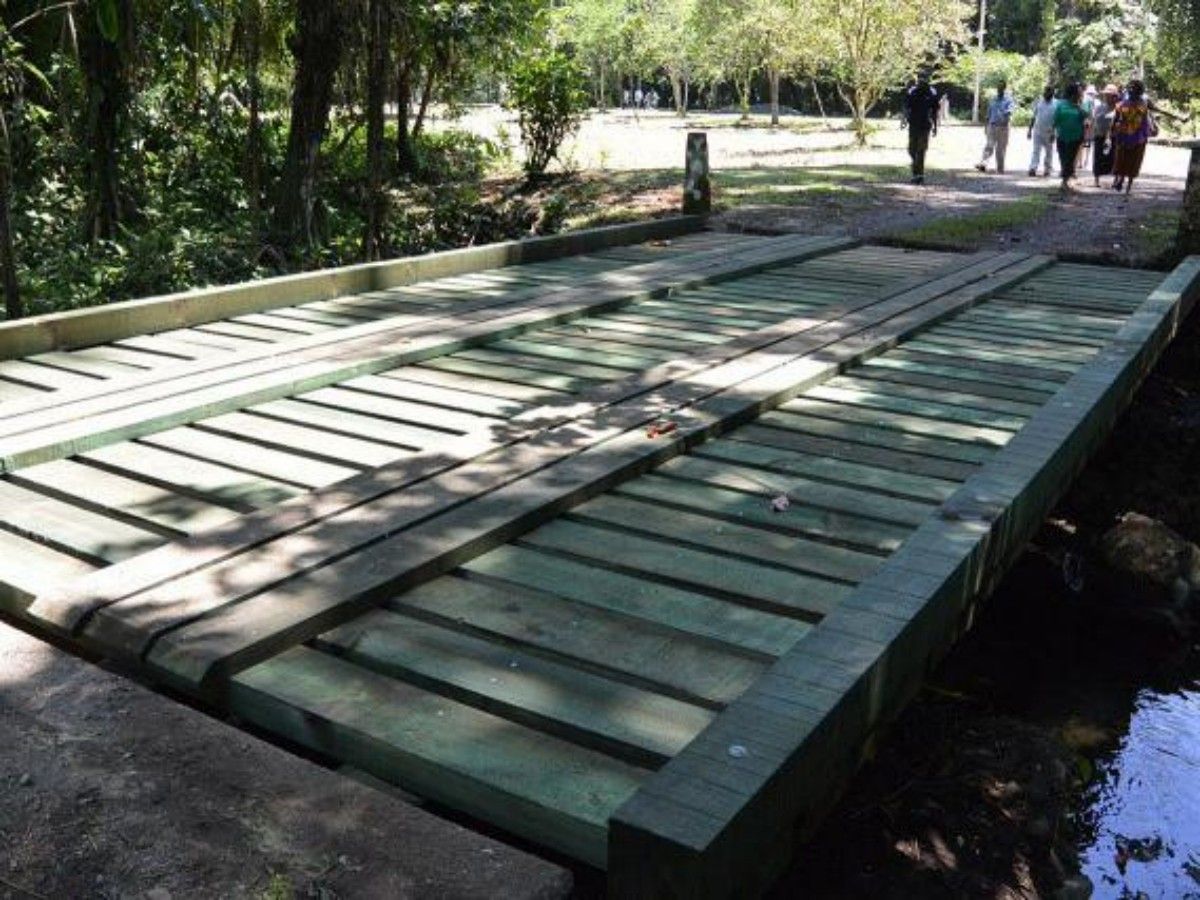
Upon entering Lae Botanic Gardens, the most immediate impression is one of “wildness.” The paths are mostly natural dirt trails or rudimentary wooden planks, winding through forests, streams, and wetlands, offering a genuine sense of exploring a tropical rainforest. There is no large-scale horticultural design, yet every corner reveals the order and mystery of nature.
Advertisement
The main trail within the park—the Rainforest Loop Trail—is approximately 2 kilometers long, circling the central area, and is the most recommended hiking route. Walking along this trail in the early morning, the mist from the forest has not yet dissipated, and sunlight filters through the tall canopy trees, casting dappled patterns on the ground. You will see massive trees with thick trunks and hanging vines, and occasionally colorful butterflies and birds will flit overhead. Beneath your feet, the layer of fallen leaves harbors insects, frogs, and even small mammals—the ecological chain here is maintained in a subtle yet intricate way.
Particularly noteworthy is the medicinal plant garden, which systematically showcases the traditional plant-based medical knowledge passed down through generations of PNG indigenous peoples. Each plant is labeled with its traditional uses, such as kunai grass for stopping bleeding and pitpit plants for treating skin infections... These seemingly primitive applications reflect the wisdom developed through long-term interaction between the local people and their environment.
Another often overlooked corner is the marshland area, which is particularly enchanting after the rainy season. The water reflects the sky and tree shadows, and water birds occasionally rest on the branches. It reminds you that this is not only a paradise for terrestrial plants but also part of the wetland ecosystem.
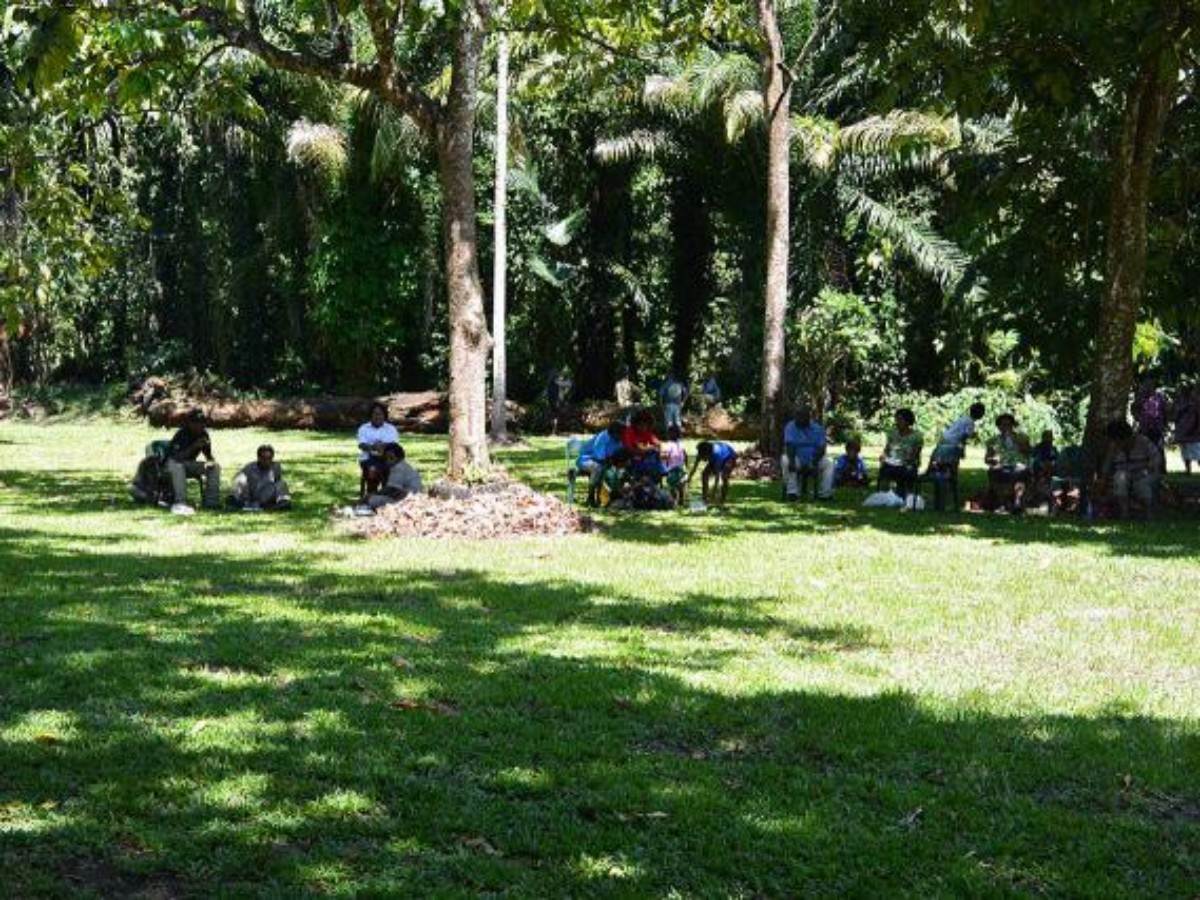
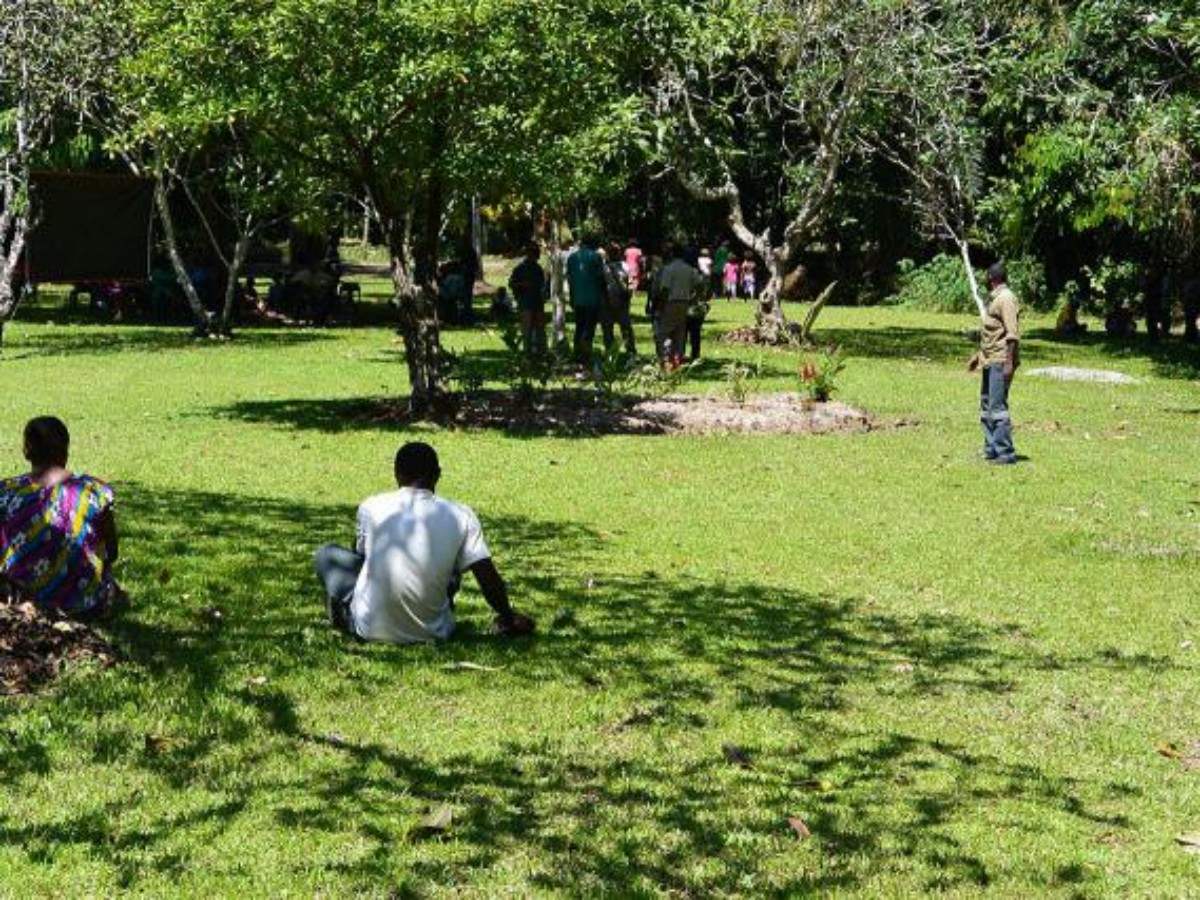
Although initially intended for research purposes, as Lae's population grew and the city expanded, Lae Botanic Gardens gradually took on the role of the city's “green lung.” On weekday afternoons, you often see nearby residents coming here to walk, exercise, or relax in the shade of the trees. Children play beneath the trees, while adults sit on the ground chatting. That relaxed, intimate sense of daily life is something other attractions struggle to replicate.
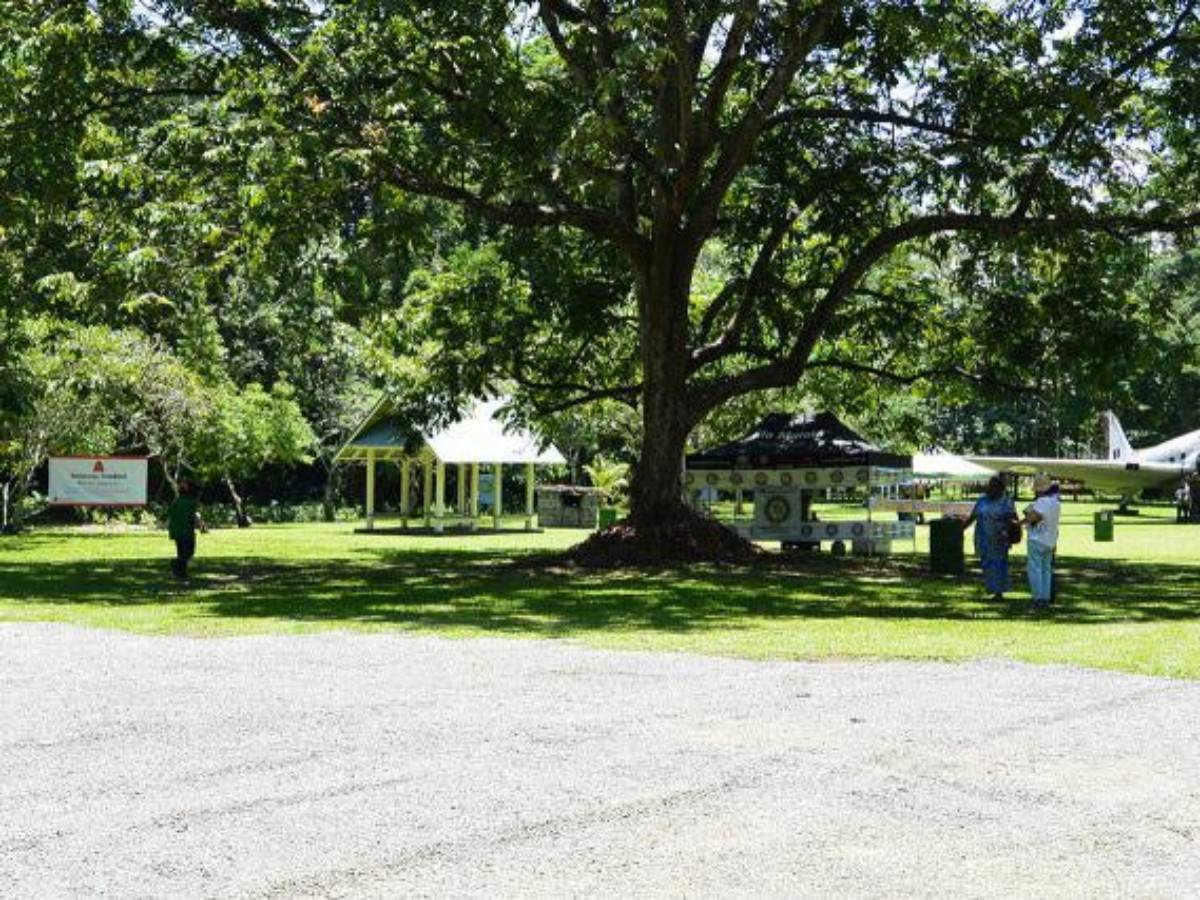
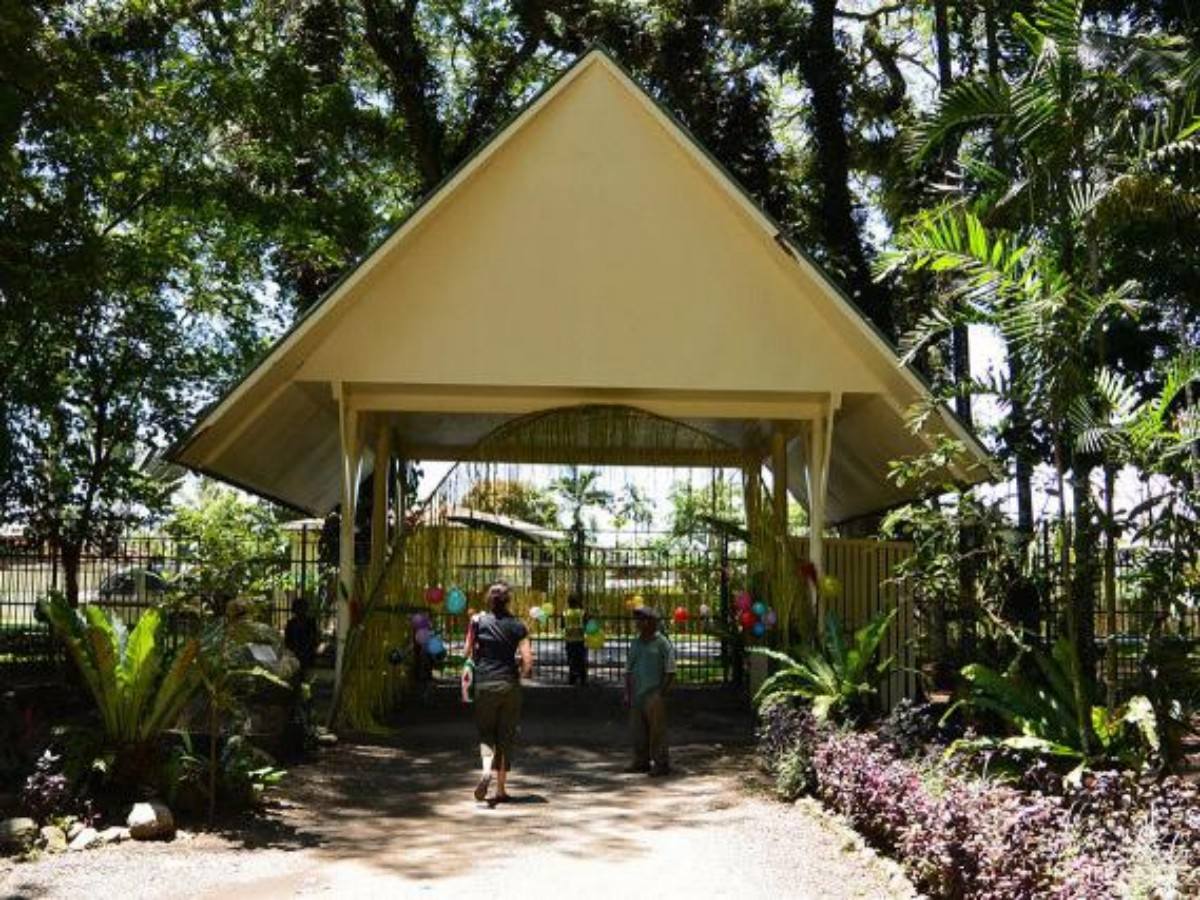
A small resting square is located beside the entrance to the botanic gardens, equipped with benches, signage, and drinking fountains. Students from nearby schools often gather here to participate in plant recognition or ecological guided tours organized by the gardens. For them, this place is not only a “park” at the city's edge but also a second natural classroom beyond the classroom.
During annual events like “Plant Week” or “Forest and Culture Day,” Lae Botanic Gardens collaborates with local schools and cultural organizations to host open activities, including plant knowledge lectures, traditional herbal medicine demonstrations, and children's ecological games, creating a lively atmosphere. Notably, these events remain free to the public, encouraging residents to maintain a lasting connection with nature—a reflection of the garden's integrated management philosophy of “research-education-public participation.”
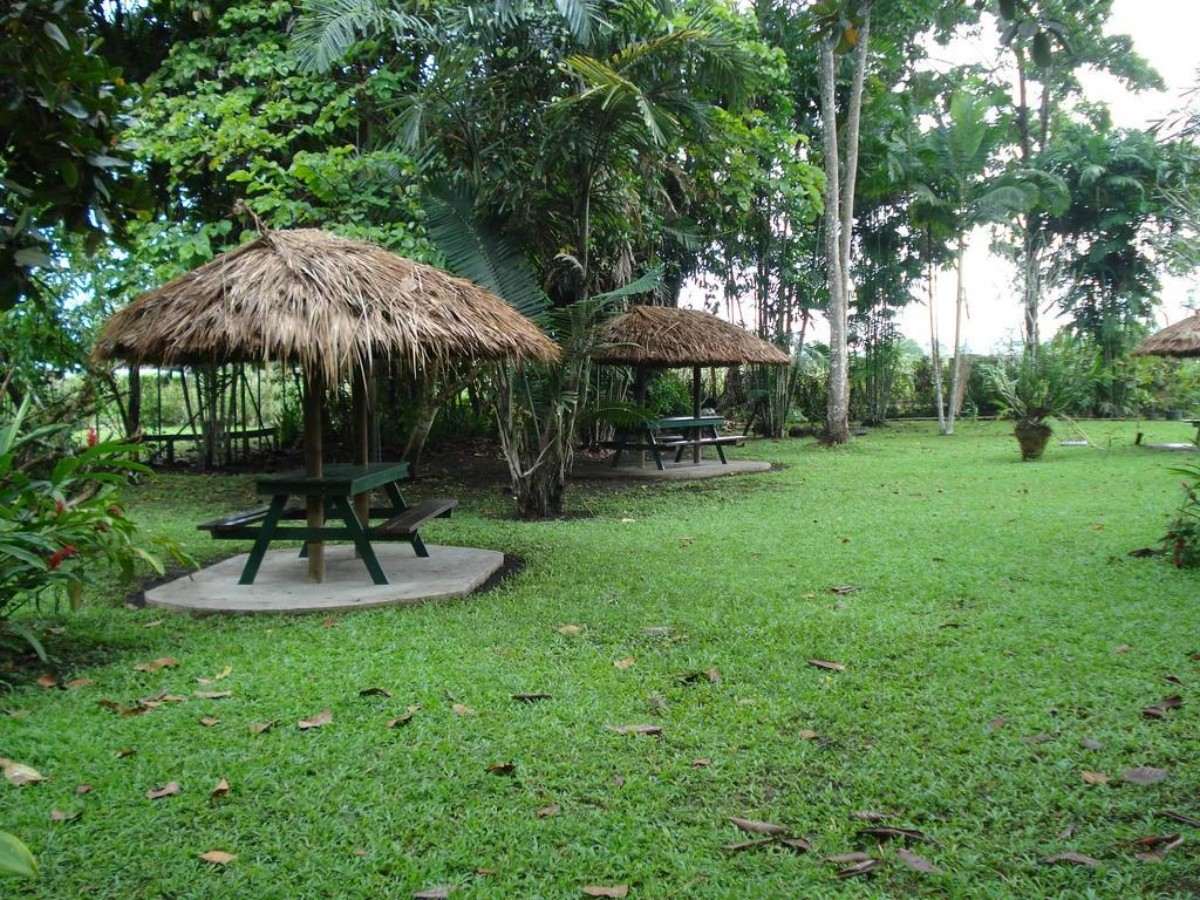
If you want more than just a quick look and wish to deeply experience the park, it is recommended to plan a full-day visit in advance. The best time to enter the park is around 8:30 AM, when the temperature is still low, and the light and shadow in the forest are soft, ideal for photography and bird watching. Lunch can be enjoyed at the pavilion or under the trees near the entrance. Although the park does not have a restaurant, it allows visitors to bring their own food, offering a great opportunity to experience a “forest picnic.”
In the afternoon, you can explore a self-guided “cultural route,” especially around the medicinal plant area and the traditional dyeing wall. While there are no guides stationed in these areas, each plant label is filled with stories. You'll see how certain tree bark is used for dye, how certain vines can be woven into traps, and even find samples of traditional indigenous raincoats made entirely from plants in the exhibition area.
If you wish to learn more about the park, you can contact the research institute in advance to book a half-day “research observer” activity (available only at specific times), where you can learn about scientific processes such as plant measurement and data recording in designated areas of the park. This is a rare ecological interactive experience.
Opening Hours: Daily 08:00–17:00, open on public holidays
Admission: Free, but there is a voluntary donation box at the entrance to support park maintenance
Transportation: Approximately a 15-minute taxi ride from Lae city center; it is recommended to hire a car for round-trip transportation
Dress Code: Wear lightweight, breathable, and body-covering clothing; mosquito repellent is recommended; it is advised to wear sneakers or hiking boots
Photography Tips: The light under the forest canopy is relatively dim; it is recommended to use high-sensitivity equipment; the morning and afternoon light is ideal
Facilities: There are no shops or restrooms in the park; bring your own water and food. Trash bins are available near the entrance; please dispose of trash properly.
Important note: Do not pick plants or enter areas marked with “Research Closed” signs. Respecting the boundaries of nature and researchers is the greatest respect you can show this forest.
Lae Botanic Gardens was not created for tourist check-ins, yet it is precisely this that makes it so charming. It is both a living library housing scientific aspirations and a natural sanctuary offering the city a breath of fresh air. As you stroll along the dappled paths, you may hear the song of a forest bird or smell the mingled scent of damp earth and leaves. In that moment, you will understand: nature and civilization need not clash; here, they have found a way to coexist. And you, you are the witness to this story.