
Advertisement
You may have seen the incredible courtship dances of paradise birds in wildlife documentaries, or read about the bizarre plants of the tropical rainforest in botanical guides, but nothing compares to the experience of seeing them, hearing them, and almost touching them in person at the Lae Rainforest Habitat. This is not just a zoo, nor a simple plant greenhouse; it is more like an immersive natural journey wrapped in a tropical rainforest. The first impression of Lae, a port city, may be industrial, humid, and bustling, but the Rainforest Habitat is like a green oasis, pulling you into another miniature world filled with bird songs, orchids, and wild charm.
Advertisement
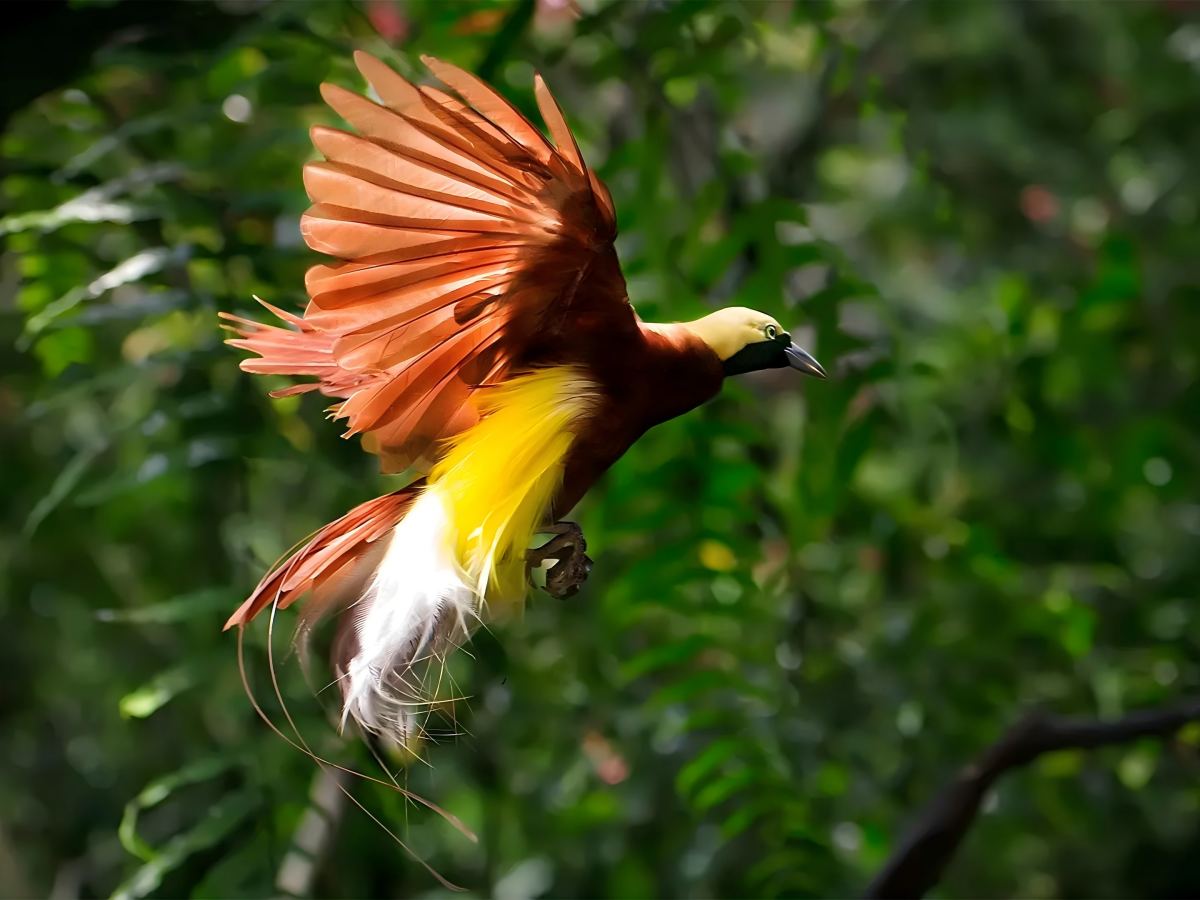
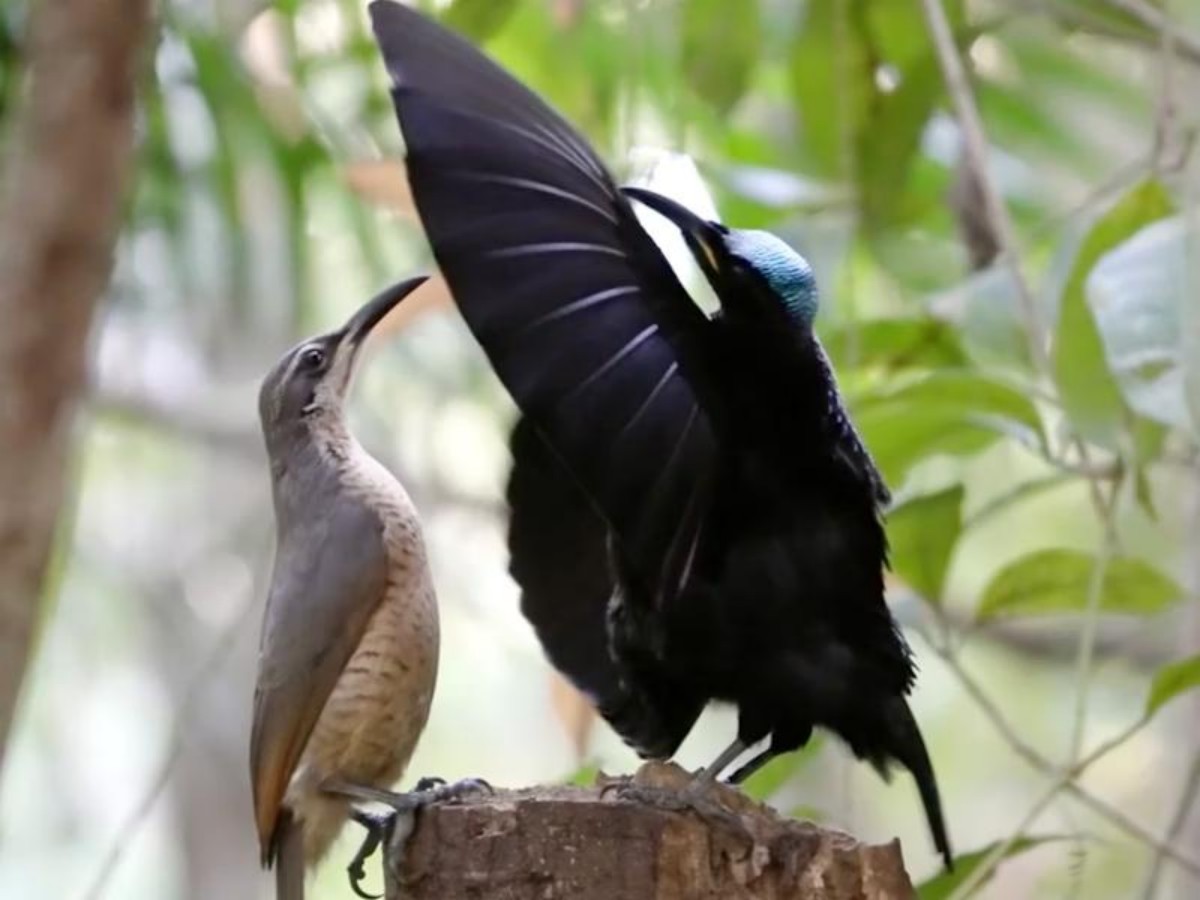
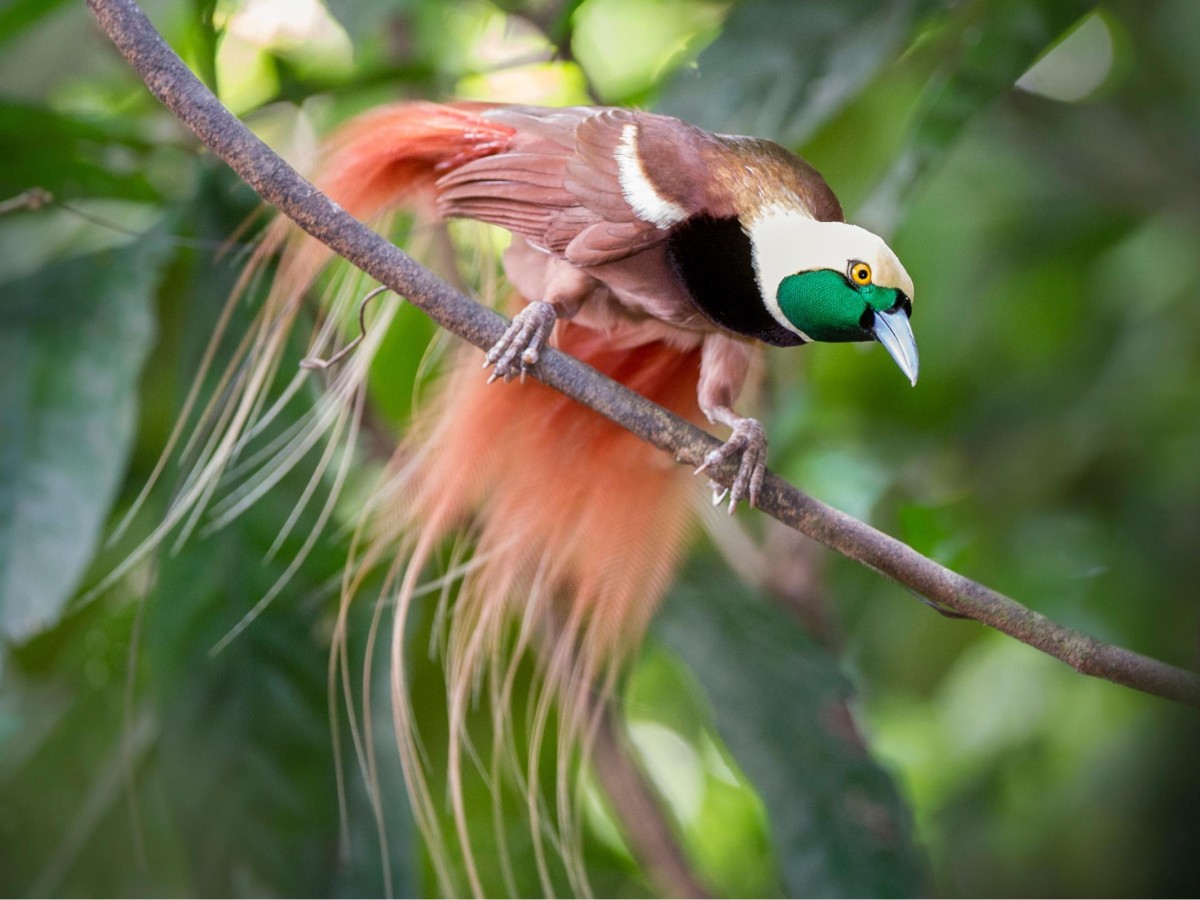
The highlight of Rainforest Habitat is undoubtedly its collection of Birds of Paradise. These legendary creatures, native to New Guinea, are renowned for their extravagant plumage and highly expressive courtship dances. Globally, there are over thirty species of these birds, with more than half being endemic to Papua New Guinea.
Advertisement
Lae Rainforest Habitat is one of the few places where you can observe the daily behaviors of Birds of Paradise up close. The park's design features a “large net-style bird cage” structure—a tall steel frame and fine mesh wire net enclosing the entire rainforest environment, allowing the birds to move freely in a semi-wild natural state. You are not standing outside the cage watching the birds; you are stepping into their world, surrounded by them.
If you are patient and linger in a quiet corner for a few minutes, you may witness male birds of paradise spreading their wings and dancing to court mates, their tail feathers slicing through the air like silk. This highly ritualistic behavior becomes within reach here. You can even hear their peculiar calls, resembling the clanging of metal or sound effects from video games.
The park also offers brief guided tours where keepers explain the birds' ecology, breeding challenges, and the achievements of artificial conservation. Though not a “performance,” these sessions are highly informative, especially for visitors interested in nature conservation or families with children.
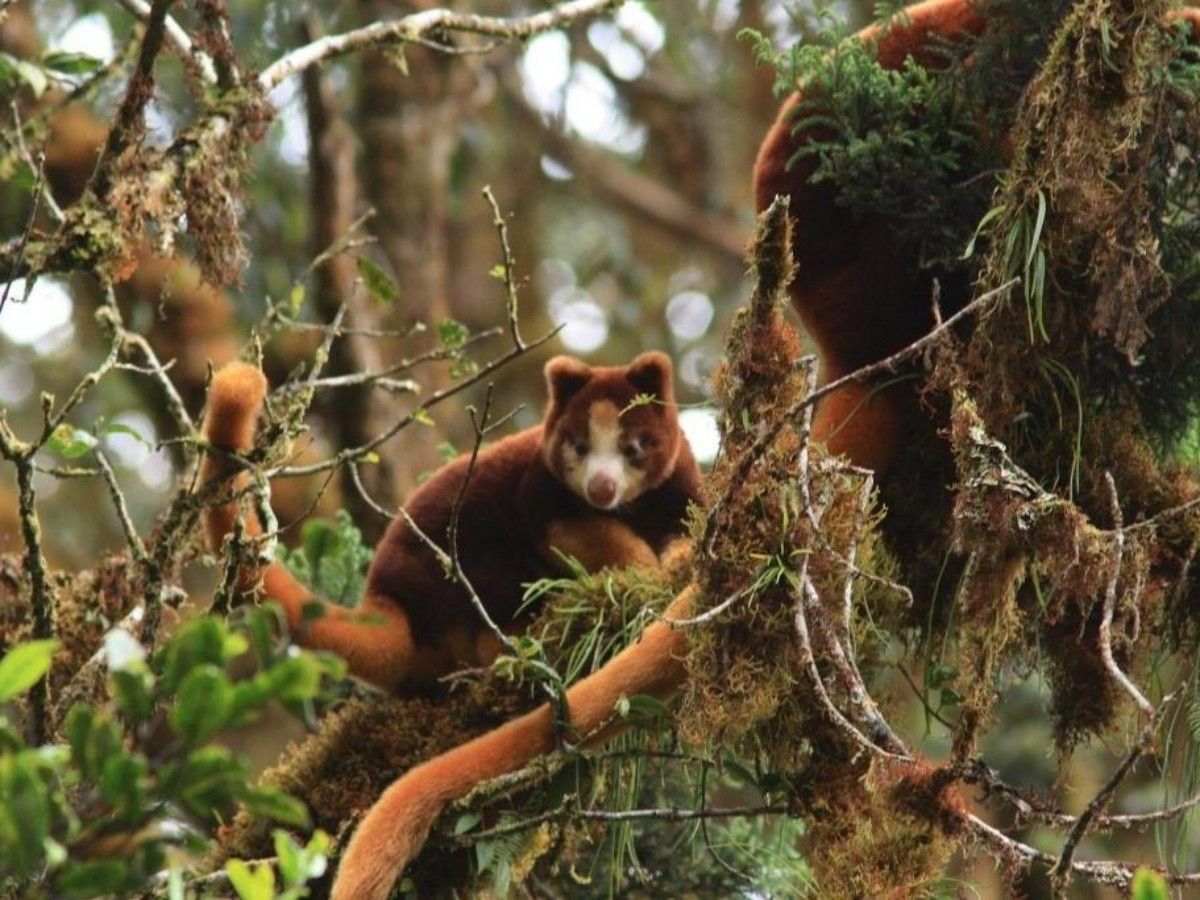
While the birds of paradise are the stars, the Rainforest Habitat offers much more. The entire park is designed to mimic the structure of a lowland tropical rainforest, with clear layers: tall trees provide shade, medium-height shrubs and vines intertwine, and the ground is covered in moss, fallen leaves, and various small plants. Hidden among these are numerous native insects, reptiles, and amphibians.
Advertisement
The nighttime frog exhibit is a favorite among many ecology enthusiasts. Here, visitors can observe various tree frogs and ground frogs endemic to New Guinea, some with vibrant green bodies and others adorned with intricate patterns. At night, these frogs chorus endlessly in the artificially created “night rainforest.” The humidity and lighting in the exhibit are carefully controlled, so even during the day, visitors can feel the damp, dark green atmosphere of the forest, as if they had stepped into the depths of the Amazon or Borneo rainforest.
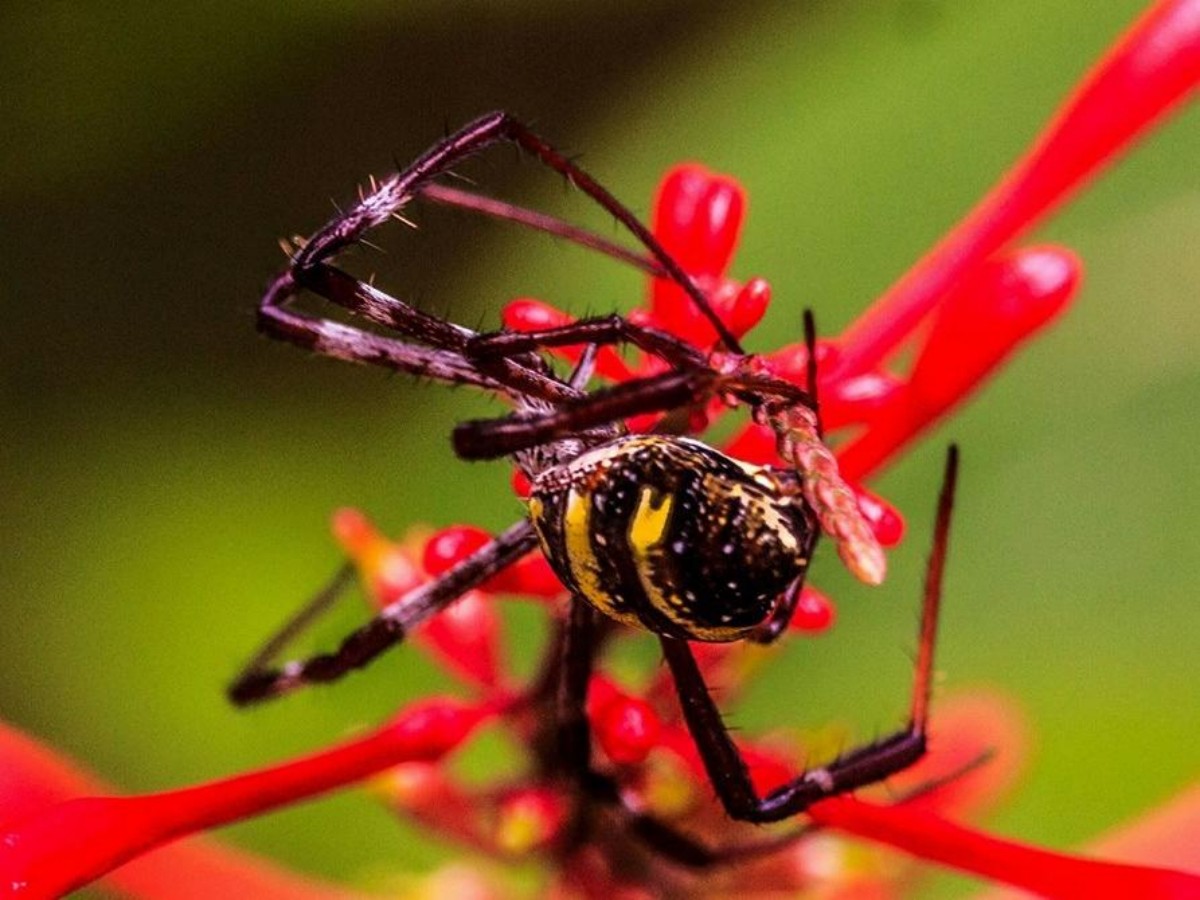
There are also many surprises to discover by looking down, such as ground beetles, dung beetles, and mimic stick insects. Some blend seamlessly into the tree bark, while others move slowly, like gears in the forest. Not to mention the breathtaking butterfly garden, where large flocks of butterflies with transparent or metallic-sheened wings dance in the open space, interacting closely with visitors—a photographer's dream.
In terms of plants, this place boasts one of the most diverse collections of orchids in all of Papua New Guinea, many of which originate from the highlands of Morobe Province or remote islands. Some have extremely short blooming cycles, only flowering under specific humidity and temperature conditions. During peak blooming season, the entire plant greenhouse area is filled with a delicate fragrance, exuding an ethereal ambiance.
Rainforest Habitat is not large, but it is packed with content. It is recommended to allocate half a day to a full day for exploration, with the morning being the best time, as animal activity is most frequent and lighting is ideal for photography. Below is the recommended tour route and pace:
Entrance area map pickup: Pick up the park map and schedule to learn about daily activities such as “bird interpretation” and “butterfly release.”
Paradise Bird Observation Area: Head straight to the bird zone for your first stop to observe the paradise birds' morning activities early on.
Rainforest Trail Exploration: Follow the “Rainforest Trail” through the plant zone, keeping an eye out for small animals at your feet and in the treetops.
Amphibian and Reptile Pavilion: Visit the Night Rainforest Exhibition Area and Frog Greenhouse to enjoy a “micro-ecology” observation experience.
Butterfly Garden and Orchid Zone: Take photos, relax, and enjoy the afternoon.
Souvenir Area and Coffee Pavilion: Purchase local plant handicrafts, dried specimens, or guidebooks as souvenirs; a small pavilion nearby offers simple beverages.
Interestingly, the park also provides a simplified “ecological task card” for child visitors, encouraging them to complete their own natural treasure hunt through observation, drawing, and answering questions. It's perfect for family outings.
Many people are unaware that Rainforest Habitat is not merely a tourist attraction but also an important ecological education center in Lae City, collaborating with the University of Papua New Guinea on animal conservation, breeding, and ecological research.
The park features a small research station and volunteer dormitories, annually hosting a certain number of international volunteers and interns. These young people participate in animal care, habitat setup, and environmental monitoring, with some research findings even published in international journals.
During the pandemic, due to a sharp decline in visitors and financial constraints, the Habitat faced operational difficulties. Fortunately, with the support of local government, non-profit organizations, and community residents, the forest was spared from closure. This experience highlights the importance of ecological sites connecting with local communities to achieve sustainable operations.
Visitors can also participate in supporting projects while touring, such as making donations, adopting birds, and purchasing “conservation commemorative badges.” These funds are directly used for animal food, habitat maintenance, and educational promotion, making it a truly “meaningful” way to enjoy the experience.
Location: Located on the outskirts of Lae City, near the Unitech University campus, approximately a 20-minute drive from the city center.
Opening Hours: Daily from 08:30–16:30, open on public holidays.
Admission: Approximately 15 Kina (PGK) for adults, 8 Kina for children, with family tickets available.
Transportation: It is recommended to hire a private vehicle or take the bus route to Unitech and then walk to the park.
Catering Facilities: The park has a small beverage kiosk, but no formal restaurant. It is recommended to bring your own light snacks.
Dress code: Wear lightweight long-sleeved shirts, long pants, hiking shoes, and bring insect repellent.
Photography equipment: Bring binoculars or a telephoto lens. Some exhibition areas are dimly lit, so protect your equipment from moisture.
Important notes: Do not tap on glass, feed animals, pick plants, or make loud noises. Respect the animals and their habitat.
Helpful tip: In case of tropical rain, the park will provide free rain ponchos, but some trails may be temporarily closed. It is recommended to check the weather and official announcements before visiting.
In a city renowned for mining, ports, and industry, Lae Rainforest Habitat is like an unnoticed butterfly, quietly fluttering through the gaps in the tropical jungle. It lacks the grandeur of large zoos or the popularity of famous landmarks, but it offers a new way to experience nature. Here, there are no fences separating humans from animals, no footsteps drowning out the sounds of insects and birds—only quiet, intimate encounters.