
Advertisement
Upon arriving in Lae that afternoon, the air carried the rich, tropical humidity of the region. As I walked into Lae War Cemetery with my backpack, the surroundings were unexpectedly quiet. Compared to the bustling, noisy moments of other journeys, this moment felt like time had paused. You wouldn’t expect that in such a remote, peaceful South Pacific town, there would be a place that inspires such reverence and quiet reflection.
Advertisement
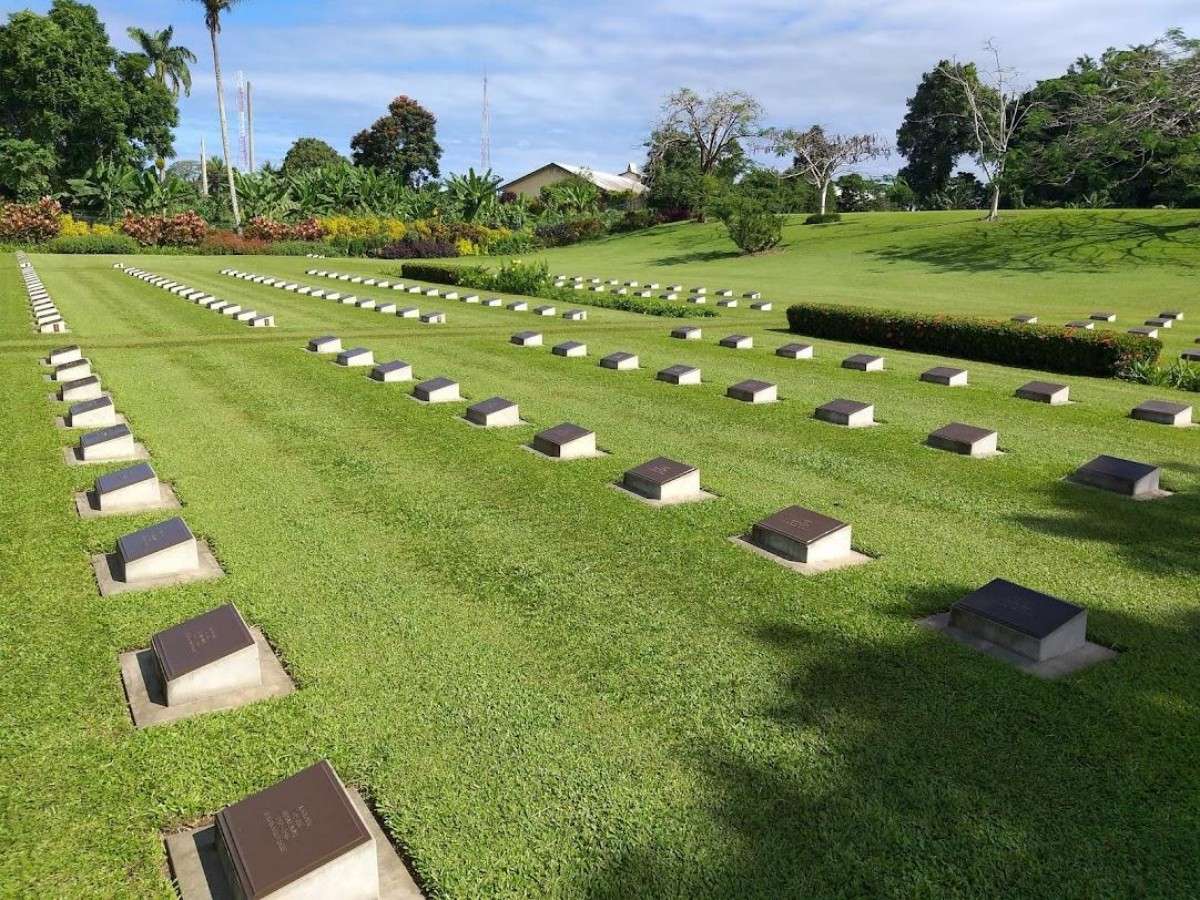
Lae War Cemetery is an important memorial site from the Pacific Theater of World War II, established by the Commonwealth War Graves Commission after the war. It was created to honor Allied soldiers who lost their lives in the Papua New Guinea Campaign, particularly those who fell during the 1943 Battle of Lae.
Advertisement
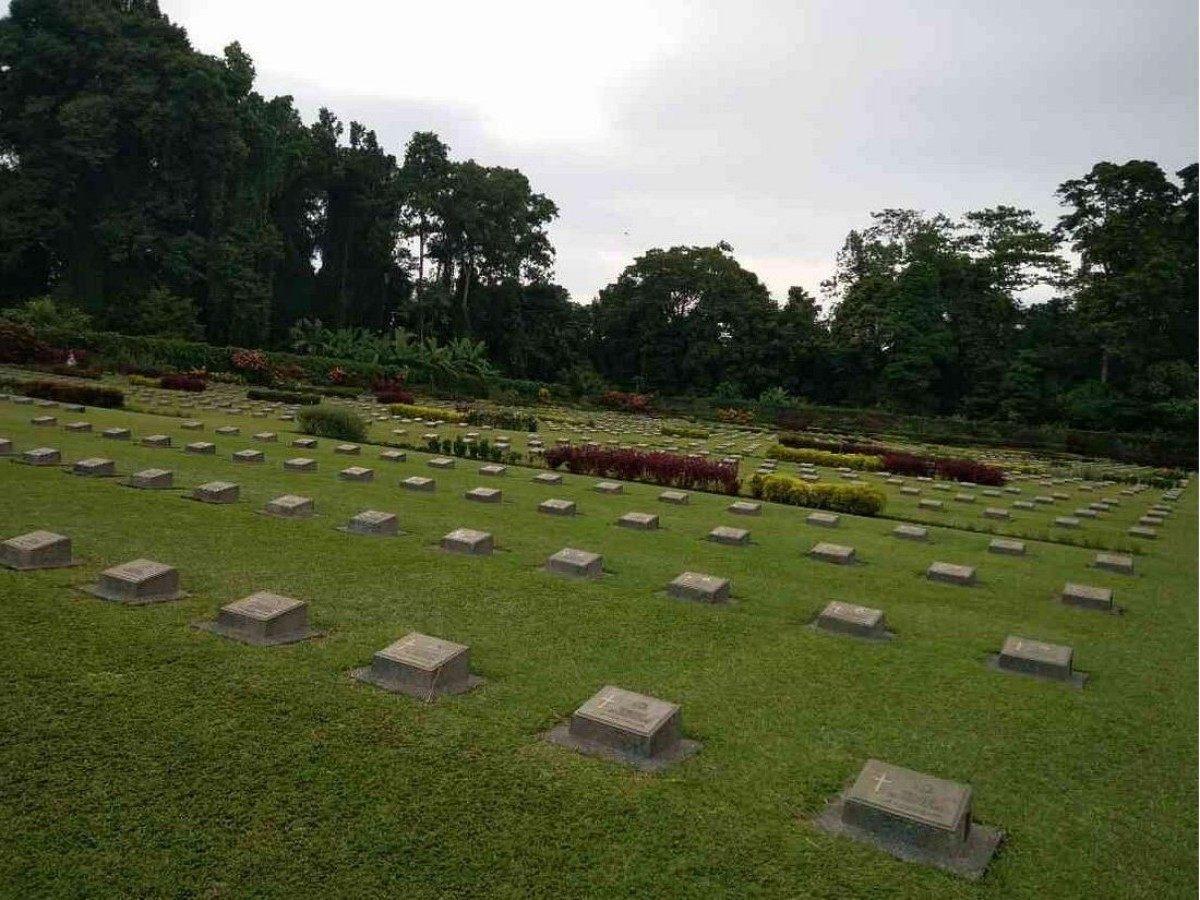
This battle was a crucial amphibious assault by Australian and American Allied forces against Japanese troops, directly leading to Allied control of northern New Guinea. Lae, as a strategic stronghold, was a fiercely contested location at the time. Though the smoke of war has long dissipated, the neatly arranged headstones, meticulously manicured lawns, and solemn atmosphere of Lae War Cemetery silently recount that tumultuous era.
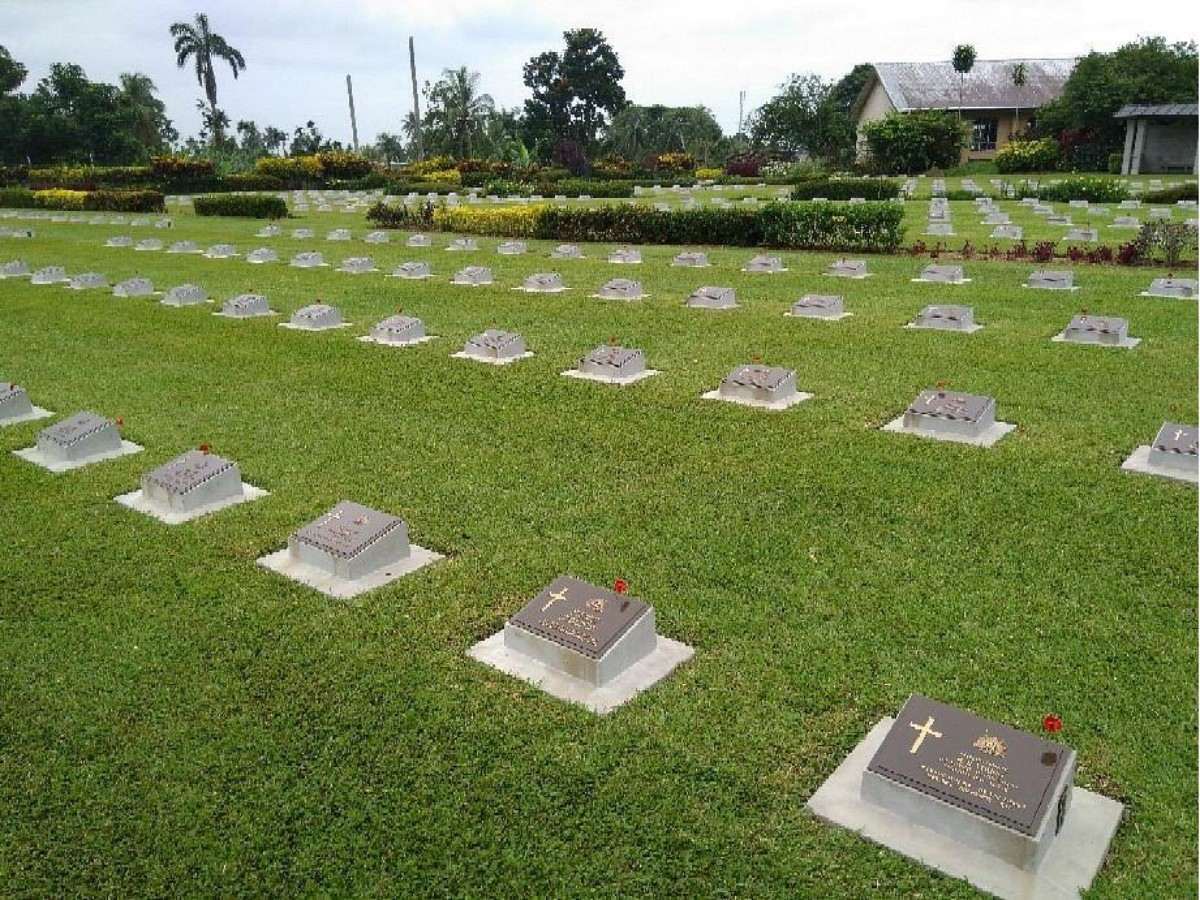
The cemetery is the final resting place for over 2,800 soldiers, the majority of whom were Australians, along with some from the United Kingdom, India, and other Commonwealth nations. While many tombstones bear names and ranks, a significant number are marked with the inscription “Known Unto God,” representing those whose identities remain unknown. Each stone serves as a poignant reminder of the sacrifices made.
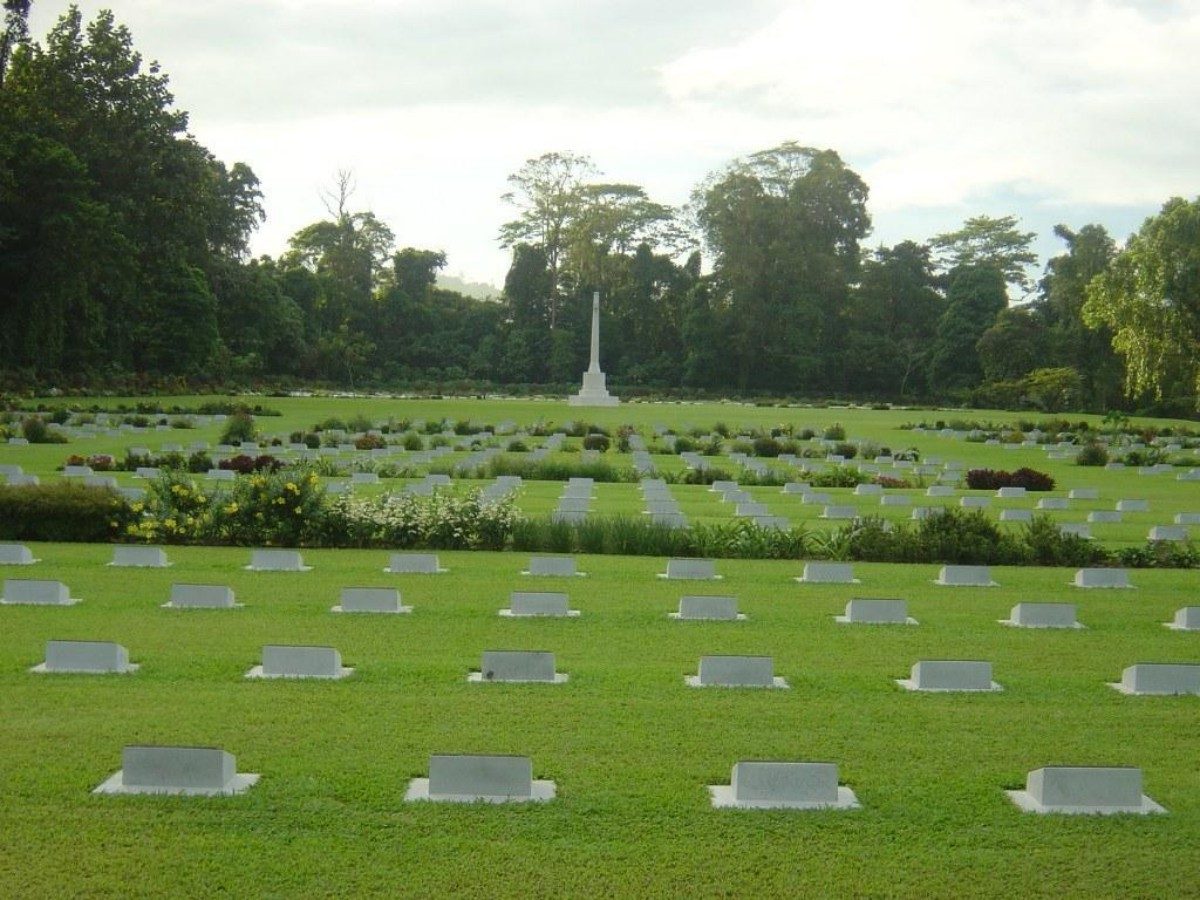
At the center of the cemetery stands a white Cross of Sacrifice, symbolizing remembrance for all who made the ultimate sacrifice. Nearby is a memorial wall inscribed with the names of those whose whereabouts remain unknown and who have no grave to call their own, making this land a spiritual haven.
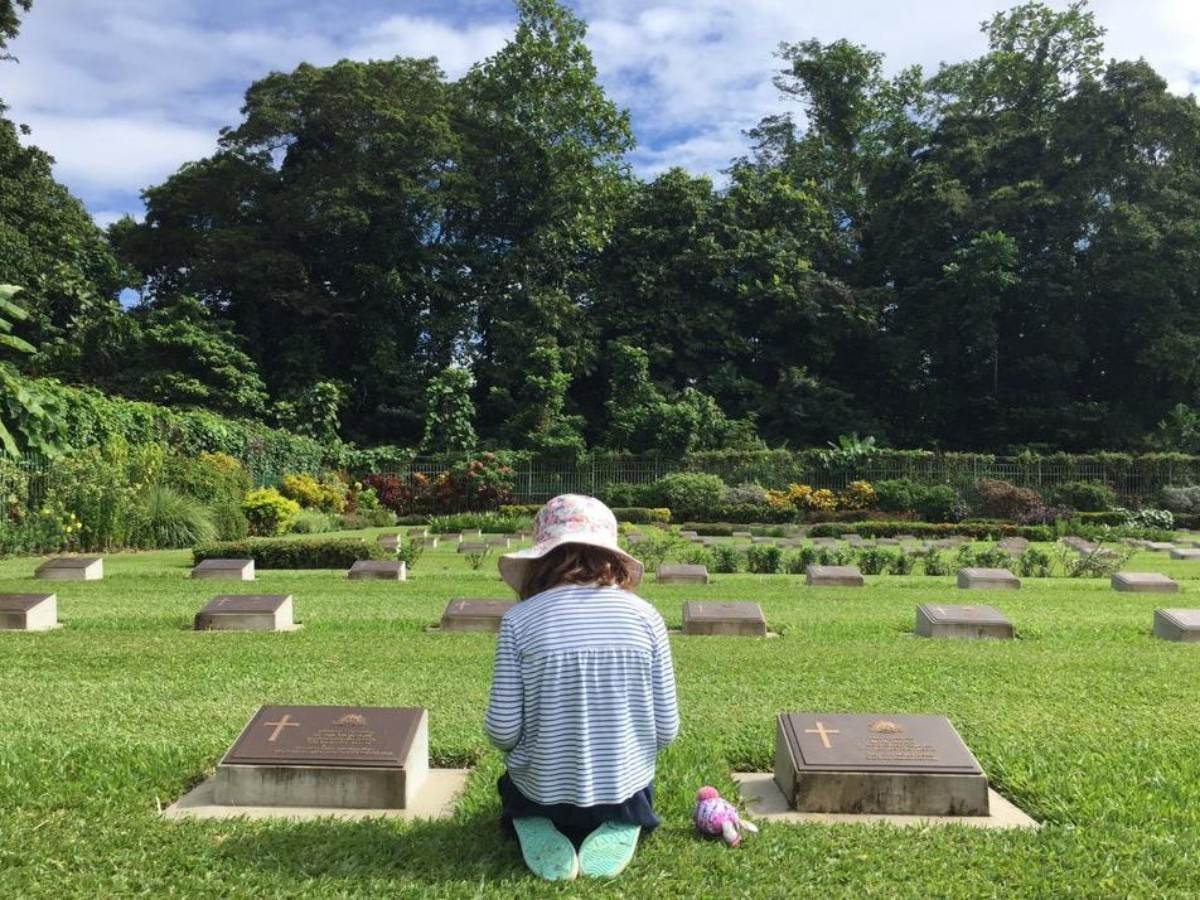
The overall layout of Lae War Cemetery was designed by a British landscape architect according to the standards of typical Commonwealth war memorial sites—neat, symmetrical, and quiet, blending nature and humanity to create a solemn beauty. Compared to many war memorials in Western countries, there are no excessive carvings or heroic expressions here; instead, the focus is on “remembrance” and “peace.”
Advertisement
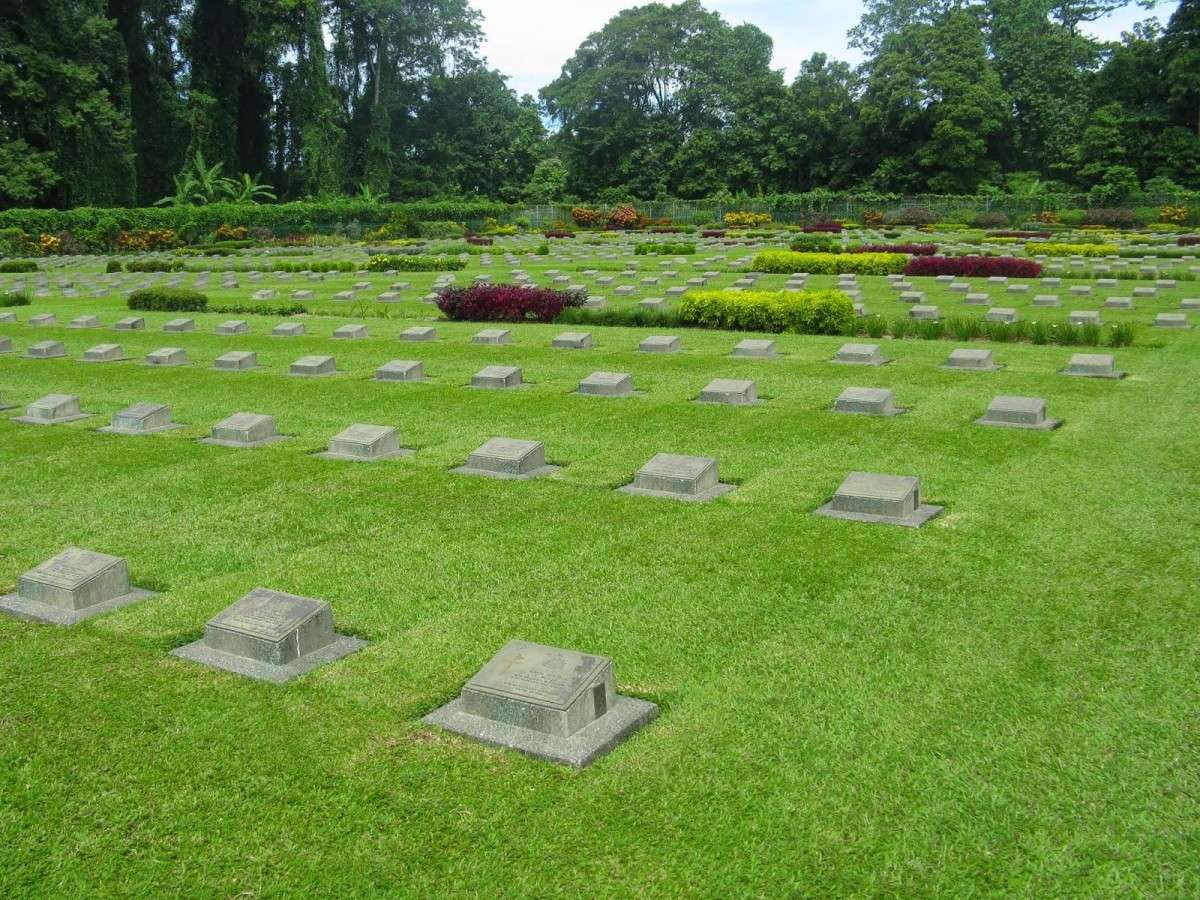
The cemetery covers approximately two hectares, with lawns meticulously manicured to resemble a golf course. The tombstones are made of light-colored limestone or marble, with each one spaced precisely and uniformly apart, conveying a sense of solemnity and order through their very arrangement.
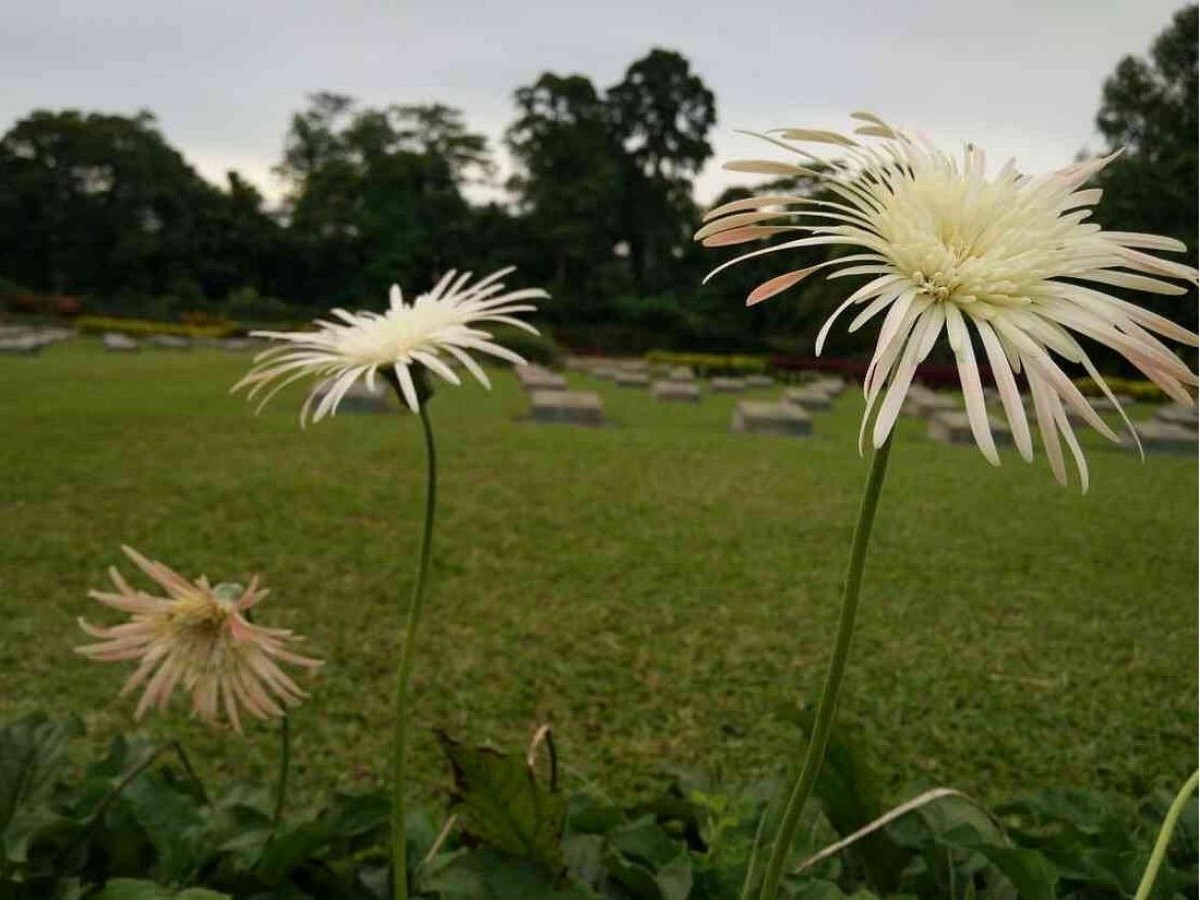
Notably, the cemetery is dotted with South Pacific plants: palm trees, oleanders, and local flowers are arranged harmoniously, their colors soft yet vibrant. Rows of mimosa trees planted along the perimeter of the grave area gently sway in the wind, as if offering a whispered comfort from nature to the war dead.
At the entrance to the cemetery, there is a simple visitor information desk where you can obtain brochures in English and Pidgin. Although there are no guided tours, several informational signs throughout the cemetery provide concise explanations of the background of the Lae Campaign and the layout of each area, making it very accessible for non-specialist visitors.
Lae has a tropical rainforest climate, with warm and humid conditions year-round, averaging between 24°C and 32°C. The best time to visit Lae War Cemetery is during the dry season from June to October, when rainfall is minimal and sunshine is abundant, making it an ideal season for outdoor visits.
Especially in the early morning or evening, the sunlight casts a gentle glow on the white tombstones, and the air is filled with the fragrance of flowers and plants, creating a serene and poetic atmosphere throughout the cemetery. If visiting during the rainy season from November to April, it is advisable to avoid midday hours and bring rain gear and mosquito repellent.
April 25th (ANZAC Day) and November 11th (Remembrance Day) are special commemorative days at the cemetery, featuring brief yet solemn public memorial ceremonies. Local government officials and representatives from the embassy typically attend to pay their respects, creating a solemn atmosphere. Visitors seeking a deeper historical experience are advised to choose these dates for their visit.
Lae is the second-largest city in Papua New Guinea and has a regional airport, Lae Nadzab Airport, which can be reached via a connecting flight from the capital, Port Moresby. Lae War Cemetery is located on Bumbu Road north of the city center, approximately 4 kilometers away, and takes about 15 minutes by taxi.
Currently, there is no public bus system in Lae, and transportation primarily relies on taxis and private car services. It is recommended to book a reliable taxi driver at the hotel front desk or use local ride-hailing apps for arrangements.
The cemetery is free and open to the public year-round, with operating hours from 7:00 AM to 5:00 PM. There are no restrooms or cafes on-site, so visitors are advised to prepare in advance. Meals and restroom facilities can be accessed near Hotel Morobe or Lae International Hotel in the city center.
In terms of safety, while the Lae region may present some challenges compared to other cities, daytime visits with the assistance of licensed vehicles and drivers are generally safe. It is recommended to avoid traveling alone after dusk, keep belongings light, and avoid displaying valuable items.
Dress Code: The cemetery is a solemn memorial site. It is recommended to dress modestly and appropriately, avoiding overly revealing or flashy attire, as a sign of respect for the deceased.
Photography Guidelines: Photography is permitted, but selfies or posed photos are discouraged as they may be considered disrespectful. If family members are present to pay their respects, please refrain from disturbing them or taking photos.
Time Allocation: A visit to Lae War Cemetery is recommended to last approximately 1.5 to 2 hours. Including travel time, it can be completed within half a day and is suitable for combining with other city attractions such as Rainforest Habitat or Lae Botanic Gardens.
Recommended items to bring: Sunscreen, insect repellent, rain gear, and bottled water are essential, especially during the summer.
Historical background: If you are interested in war history, you may wish to read about the Battle of Lae in advance or download the online guidebook from the Commonwealth War Graves Commission to enhance your understanding during the visit.
If you are only staying in Lae for one day and wish to deeply experience the solemnity and tranquility of Lae War Cemetery, you can arrange your itinerary as follows:
08:00|Depart after breakfast at the hotel
08:30|Arrive at Lae War Cemetery and take a leisurely stroll through the gravestone area, monuments, and gardens
10:00|Visit Lae Botanic Gardens to experience the natural ecology
12:00|Enjoy lunch at Lae International Hotel
14:00|Visit the Rainforest Habitat to see the bird and butterfly exhibits
16:00|Return to the hotel or take a stroll to the port to conclude the day’s itinerary
This itinerary combines history, nature, and urban ambiance, making it ideal for first-time visitors to Lae without feeling overly rushed.
Standing before the silent gravestones at Lae War Cemetery, one realizes that travel is not always about laughter and adventure; sometimes it is a contemplation of history and a reflection on peace. On that quiet afternoon, I heard the distant chirping of birds, the dappled shadows of trees, and the sunlight filtering through palm leaves onto the stone monuments. In that moment, I knew that some places are not meant for the hustle and bustle, but simply to be remembered.