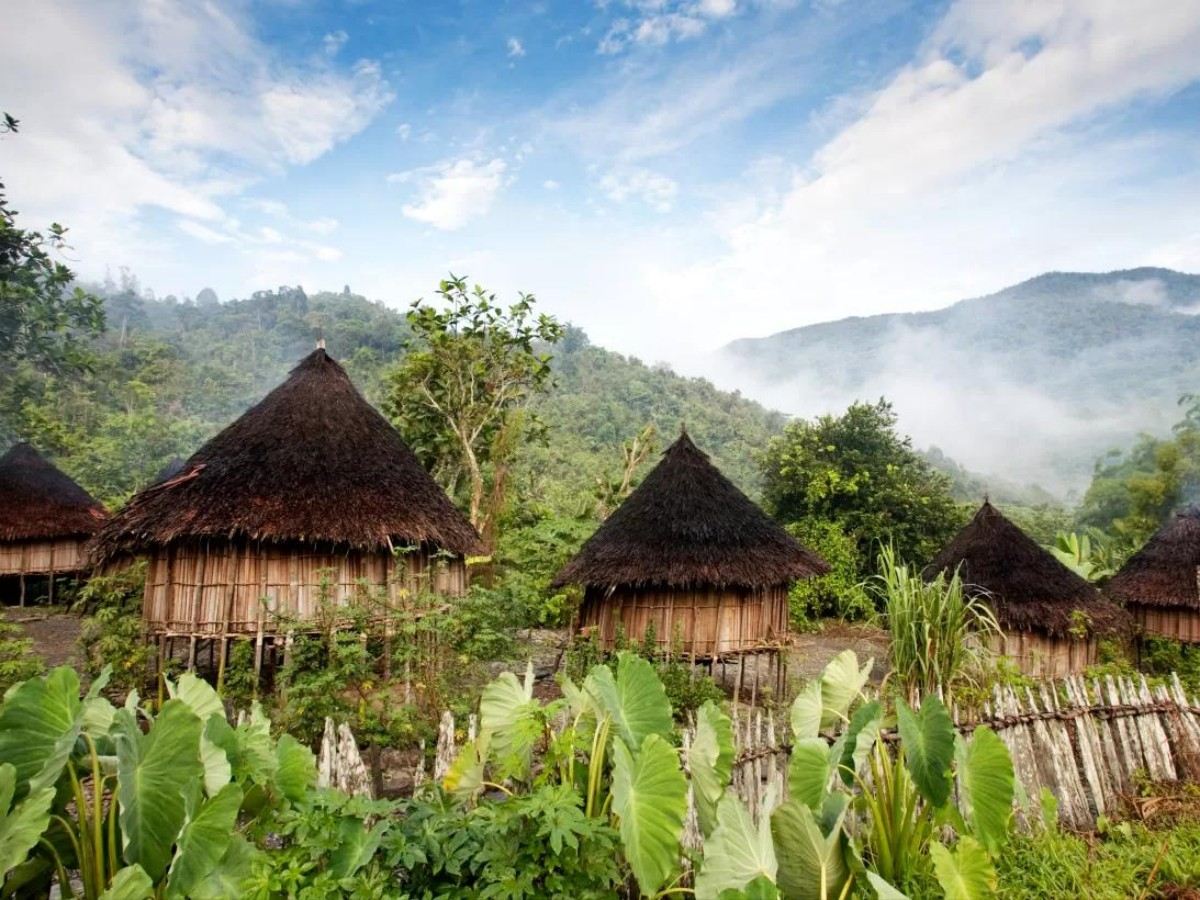
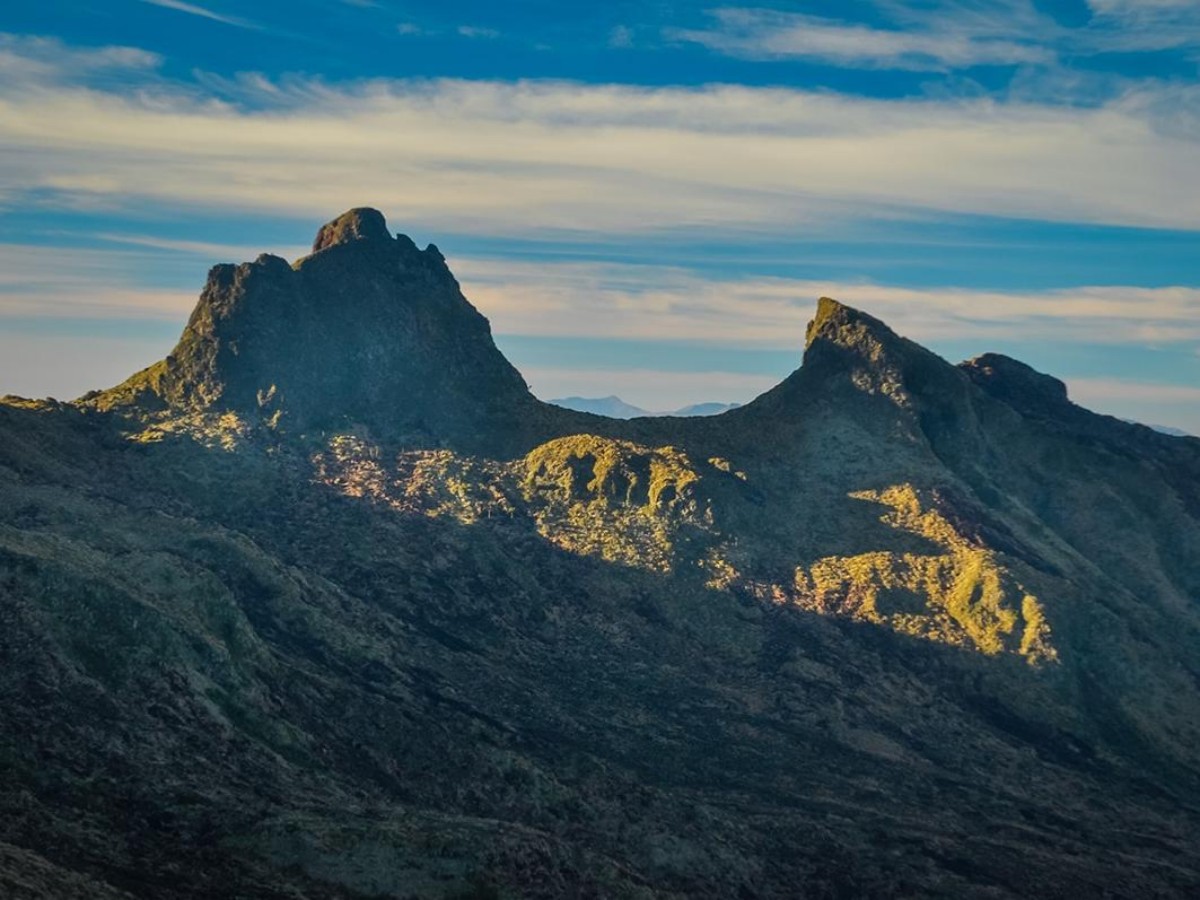
You may have heard of “tribal dances,” “warrior body painting,” or “grass skirt festivals,” but these images will be completely transformed when you actually stand at the Mount Hagen Cultural Festival site. There are no performers here, only real tribal members; no tourist stage, only shared grasslands and sunshine. The Mount Hagen Cultural Show is an annual, vibrant, and slightly mysterious visual and spiritual feast—if you happen to be in the highlands of Papua New Guinea in August, you must not miss this cultural extravaganza that brings together dozens of tribes from across the nation.
Advertisement
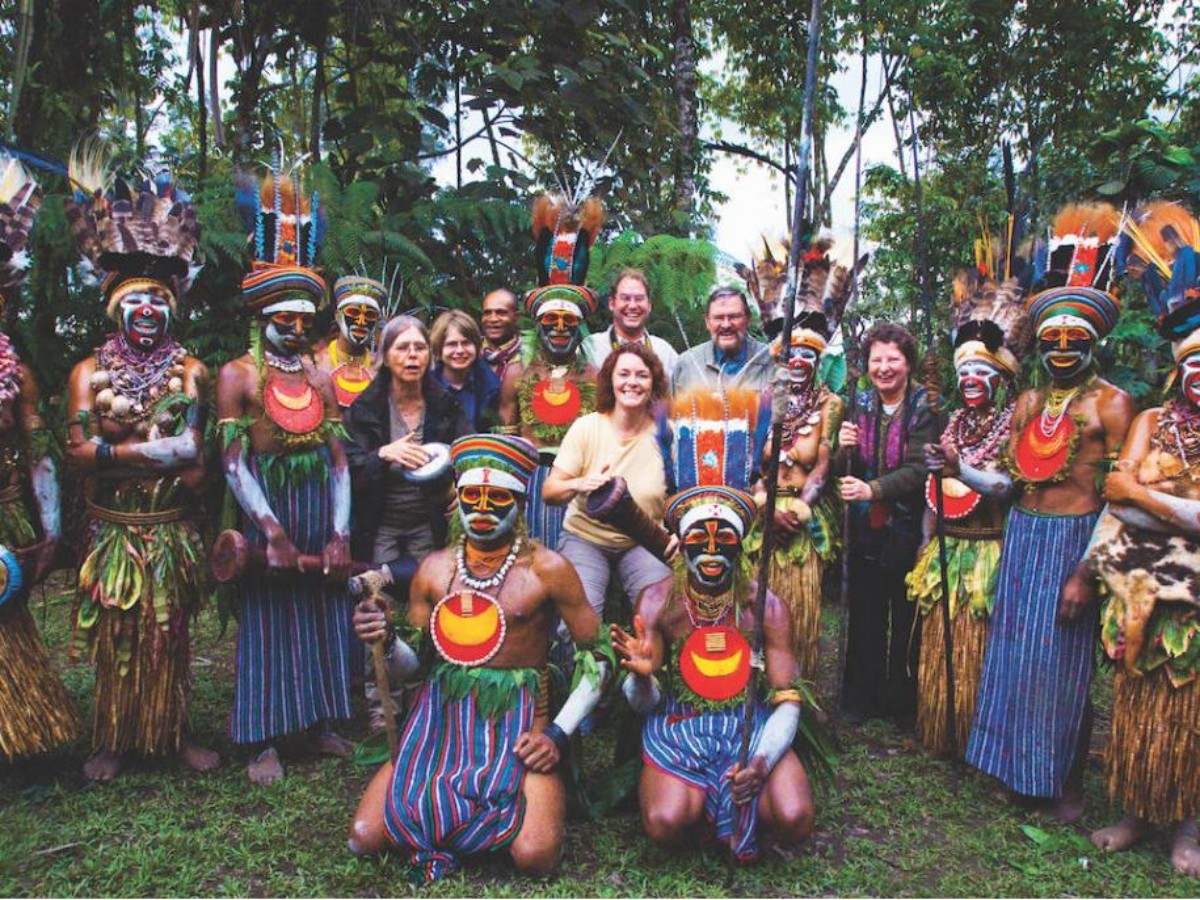
The Mount Hagen Cultural Show was established in 1961, when Papua New Guinea was still under Australian administration. Its original purpose was to reduce tribal conflicts by showcasing each tribe's culture instead of resorting to violent confrontations. This festival, which seemed like a “diplomatic tool,” unexpectedly became an important platform for showcasing the nation's cultural diversity.
Advertisement
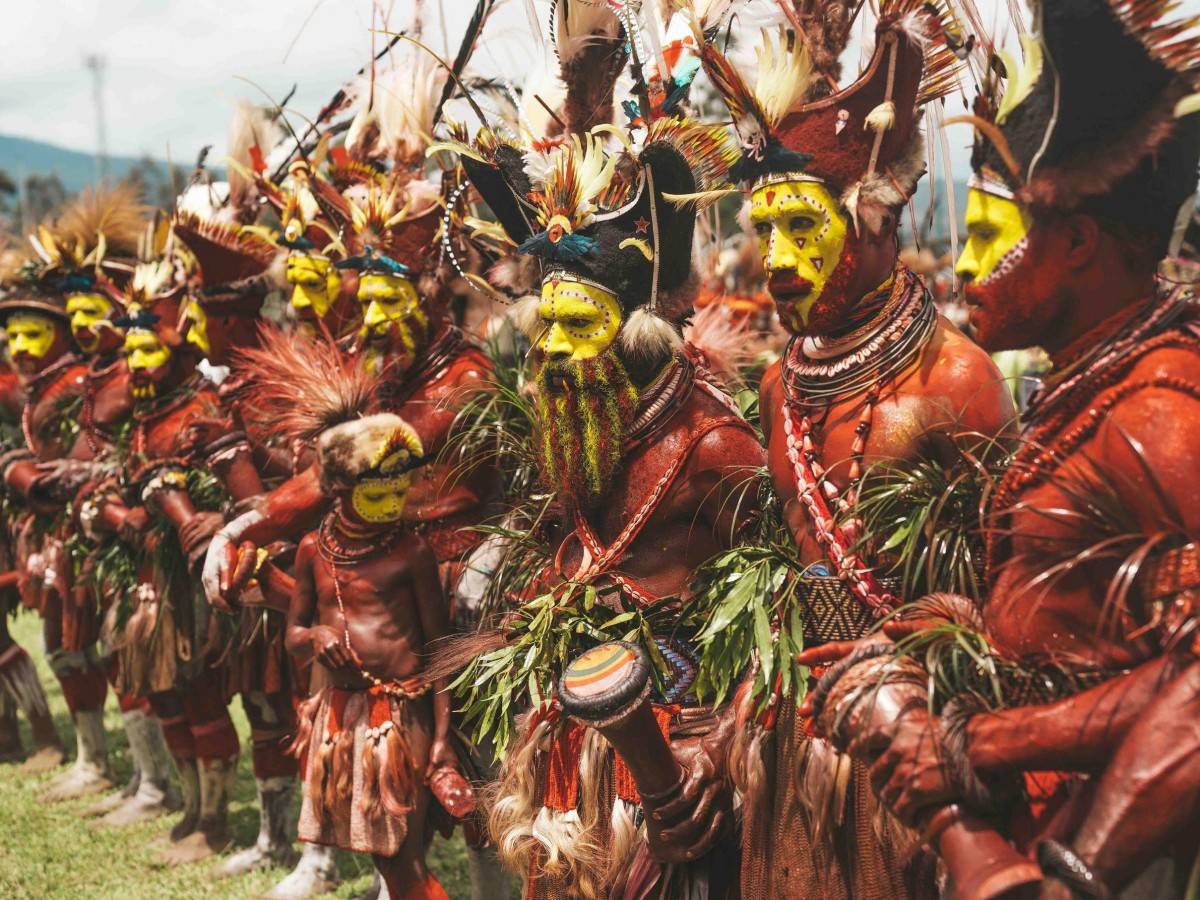
Here, dozens of tribes from the Highlands, coastal regions, and islands gather to present their proudest traditions to the world. You’ll see Huli warriors adorned in bird feathers and mud-painted faces, Sepik women singing traditional love songs, Enga youth performing the pig’s tooth dance, and Trobriand Islanders adorned with shell ornaments. Each group brings its own language, attire, dances, and stories, collectively forming an irreplaceable snapshot of Papua New Guinea.
Importantly—these participants are not actors but genuine tribal members. They spend days or even weeks preparing their attire, practicing ritual dances, and participating with a sense of solemnity. For them, the festival is not a performance but an expression of identity.
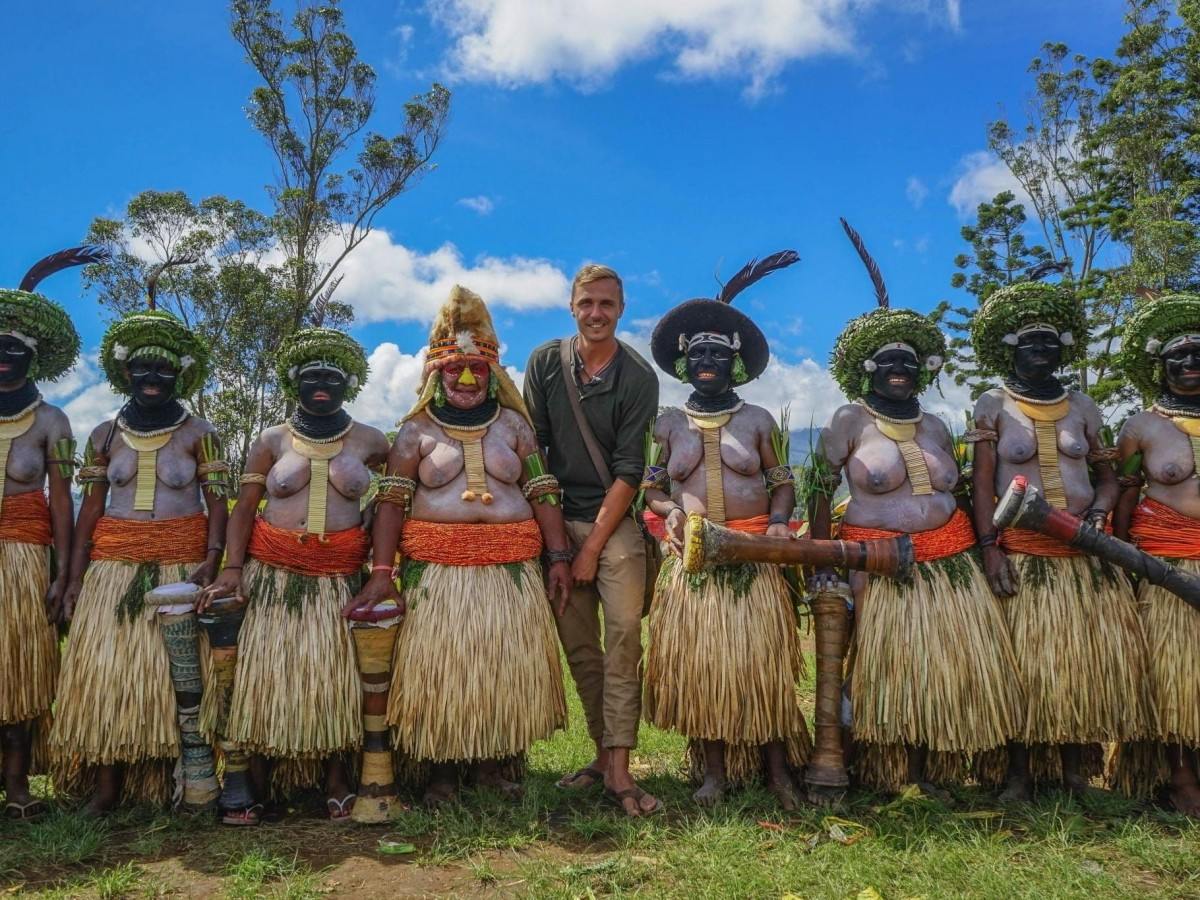
The Mount Hagen Cultural Show typically takes place on the third weekend of August each year in Mount Hagen City, Western Highlands Province, with the main venue being Kagamuga Showgrounds, located near the city center and airport.
Advertisement
Schedule:
Day 1 (Saturday): Rehearsals and tribal processions, with a more relaxed atmosphere suitable for photography and interaction.
Day 2 (Sunday): The main show day, featuring dance competitions, traditional singing, and a judging parade, among other events, creating an unprecedented spectacle.
Ticket Information (based on recent years):
General Admission Tickets: Approximately 100-150 PGK per day (approximately 25-40 USD), allowing free movement but no access to the core performance area.
VIP Pass: Approximately 500-700 PGK per day (approximately 130-180 USD), including access to shaded areas, photography spots near the stage, light refreshments, beverages, and restroom facilities.
Group or Tour Package: Many travel agencies such as PNG Highlands Adventures and Trans Niugini Tours offer all-inclusive tour packages, including transportation, guided tours, accommodation, and tickets, priced at approximately 1,000–2,000 USD, suitable for travelers seeking a hassle-free experience.
It is strongly recommended to purchase tickets in advance, especially as VIP seats are limited and prices increase slightly each year. Tickets can be purchased online through the official website of the organizing committee or through partner travel agencies, or you can visit the local tourism information center or hotel in Mount Hagen for assistance.
Once you arrive at the venue, how can you make the most of your experience, take great photos, and learn as much as possible? Here are five must-do recommendations for your Show Day experience:
1. Take a walk around the venue to familiarize yourself with the tribal camps
The venue is vast, with dozens of tribes seated in designated areas. Each group has its own decorated tents and preparation zones. It is recommended to take time upon arrival to slowly walk around and understand the distinct styles of different tribes, such as:
Huli Wigmen: Wearing bird feather wigs and yellow facial paint, they are the most eye-catching warrior group;
Asaro Mudmen: Covered in white paint and wearing mud masks, their movements are slow and mysterious;
Chimbu Skeleton Dancers: Decorated with skeletal patterns, their dances are eerie yet captivating.
Many tribal members are willing to pose for photos, but please politely ask for permission before taking photos or selfies. Some tribes may charge a small photography fee (5–10 PGK), so it is advisable to have small change ready.
2. Observe the makeup and preparation process
The most fascinating aspect of the cultural festival is not the performances on stage, but the preparation process behind the scenes. Around the audience area, you can see women applying color to tribal members, combing feathers, and arranging shell ornaments. Children mimic adults dancing nearby, while elders chant ancestral ballads.
It is recommended to arrive early (7-8 AM). The air is filled with the scent of tobacco and spices, creating a mysterious yet warm tribal atmosphere. You may bring a small notebook to record your observations or ask a guide to assist with translation and explanation.
3. Immerse yourself in traditional music and dance
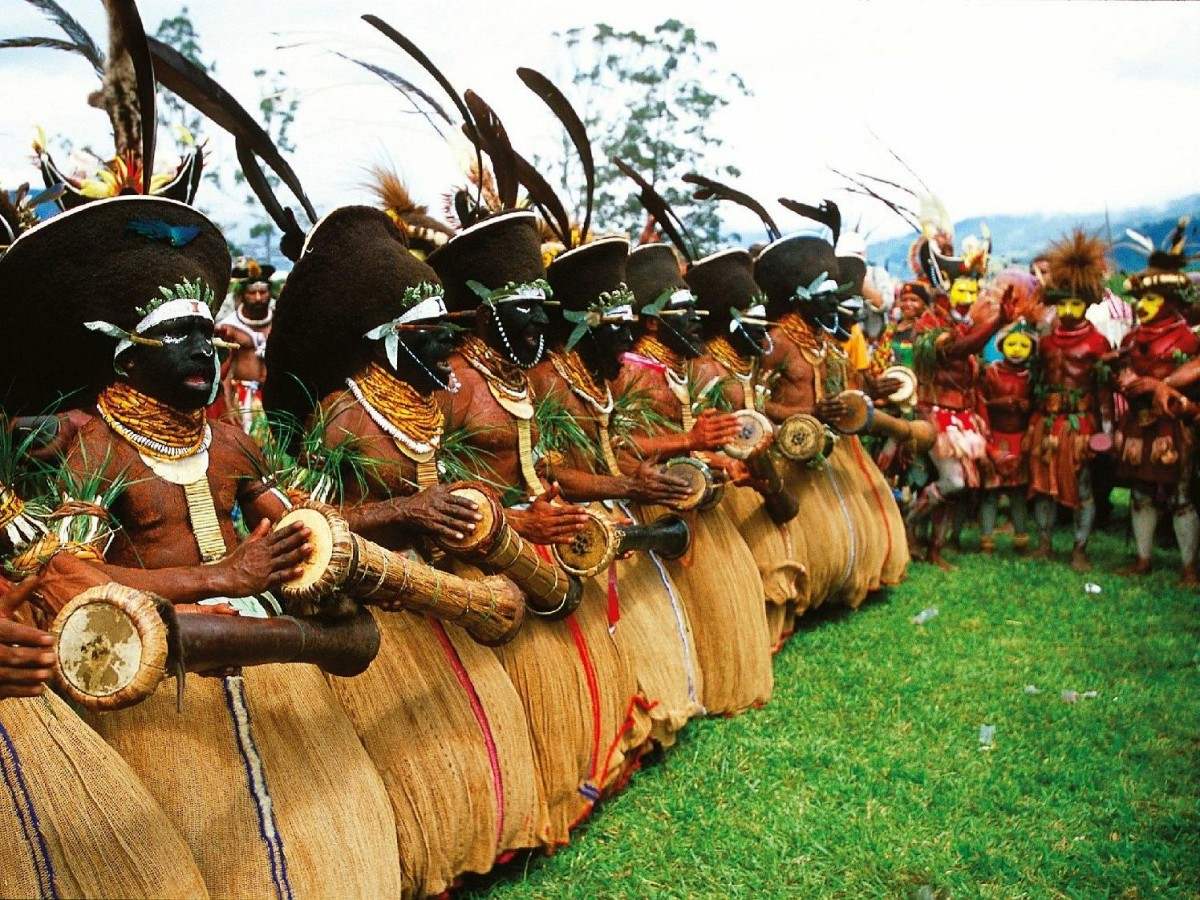
When the tribes take turns performing, the entire grassland comes alive. Drumbeats, whistles, shouts, and flying bird feathers create a vibrant cultural tableau. The dances often revolve around themes such as rainmaking, harvest, war, or courtship, with strong rhythms and infectious energy.
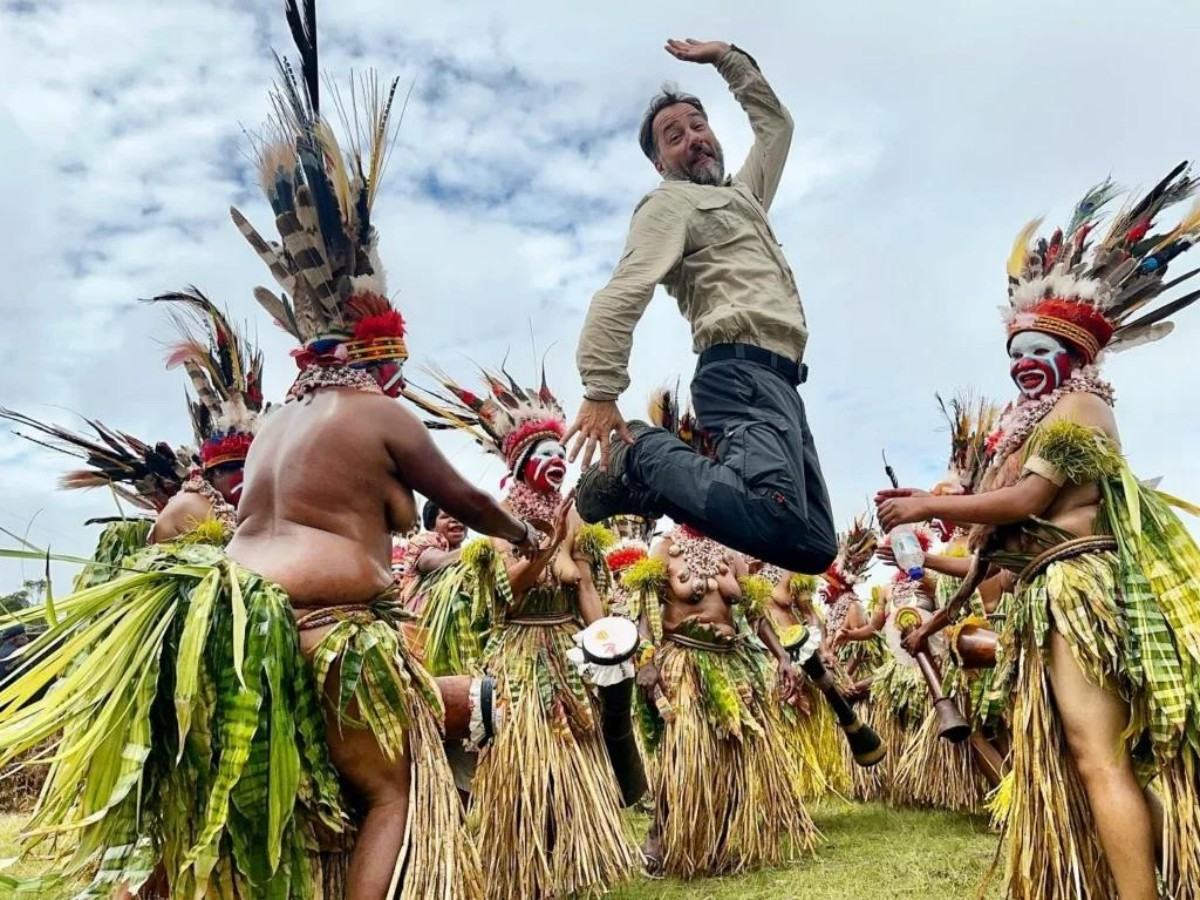
You don’t need to understand the language to feel the emotions. If you’re brave enough, some tribes may invite audience members to join the dance troupe and experience the role of a “warrior.” Wearing a grass skirt and shell necklace while dancing on the grass is one of the most unforgettable memories for many visitors.
4. Try traditional snacks and handicraft stalls
The showgrounds feature small vendors selling local delicacies such as baked sweet potatoes (kaukau), pork skewers, sago cakes, and Papua New Guinea’s traditional drink “kulau” (young coconut water). The flavors are simple yet authentic—give them a try.
You will also find a tribal handicraft exhibition and sales area, featuring items like shell necklaces, wooden masks, and grass hats. If you want to bring home a special souvenir, these handmade items are more meaningful than airport souvenirs.
Dressing Tips: It’s hot during the day, so wear lightweight, breathable long-sleeve shirts (for sun protection), a hat, and sunglasses. The grass can be damp at times, so wear slip-resistant shoes or hiking sandals.
Photography Equipment: Bring both wide-angle and zoom lenses, and make sure to bring a lens hood and spare batteries. It is recommended to bring a small waterproof bag suitable for tropical rainforest environments.
Items to Bring: Water bottle, sunscreen, wet wipes, raincoat, change, power bank. Cell phone signals are weak in the city, so it is recommended to download offline maps and tickets in advance.
Safety tips: The show venue is relatively safe, but be mindful of your belongings in crowded areas. Mount Hagen has poorer urban security than coastal cities, so it is advisable to avoid going out alone at night.
Language communication: The local language is Tok Pisin, but festival staff can generally communicate in basic English. If there is a language barrier, body language and a smile are universal keys to communication.
How to enjoy the Mount Hagen Cultural Show? The answer might be: you don’t need to “understand,” you just need to “be there.” At this festival, watching them dance, listening to them sing, and joining them in stomping out the rhythm on the grass is the best way to participate. Stepping into this festival is not just about watching a performance; it’s about us “outsiders” approaching a cultural flame with respect.