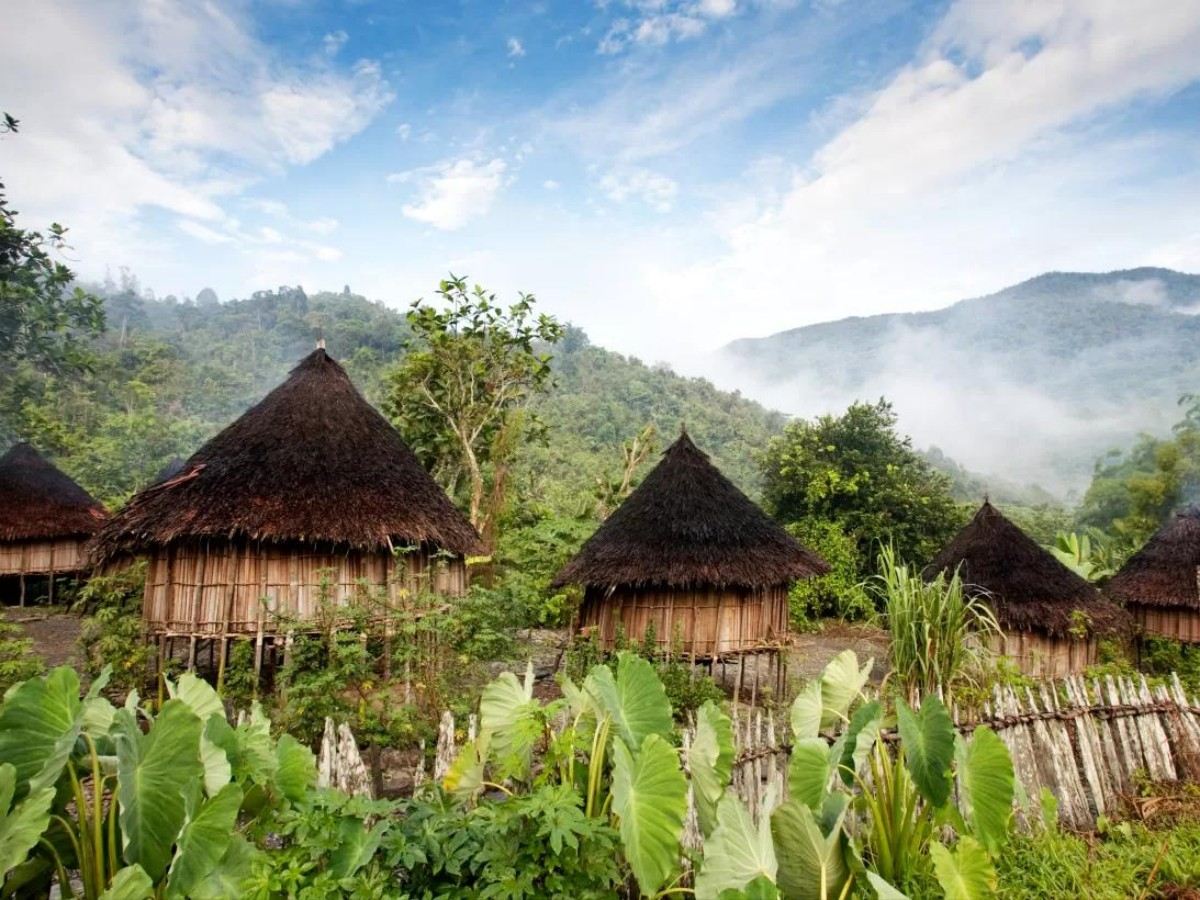
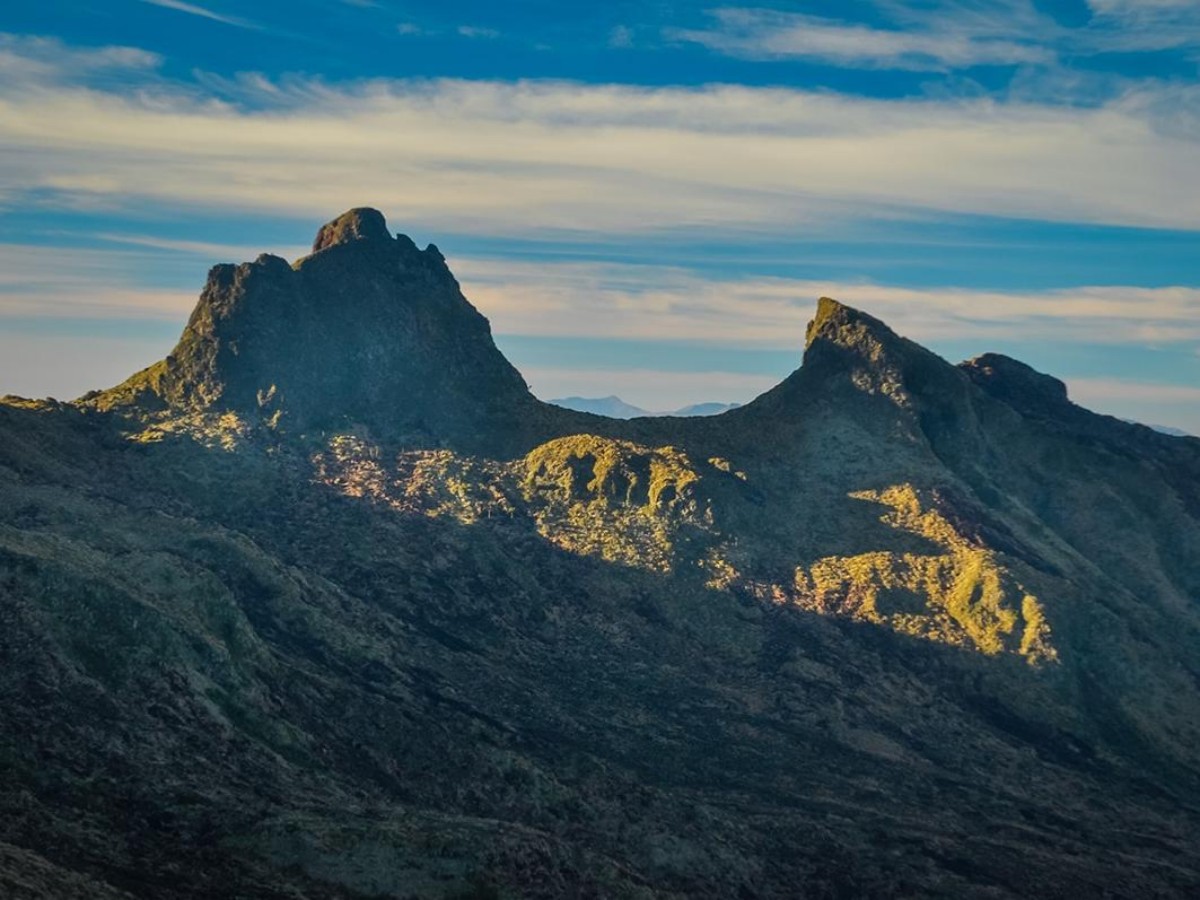
Have you ever imagined standing at the highest point in the South Pacific, watching the clouds swirl beneath your feet, and the first rays of sunlight slowly rise from the distant horizon? In that moment, it feels as though the world has come to a standstill, with only your heartbeat breaking the silence. If so, you must not miss Mount Wilhelm, the highest peak in Papua New Guinea. This is not just a mountain climbing adventure; it is a profound journey through highland culture, pristine forests, and the limits of self.
Advertisement
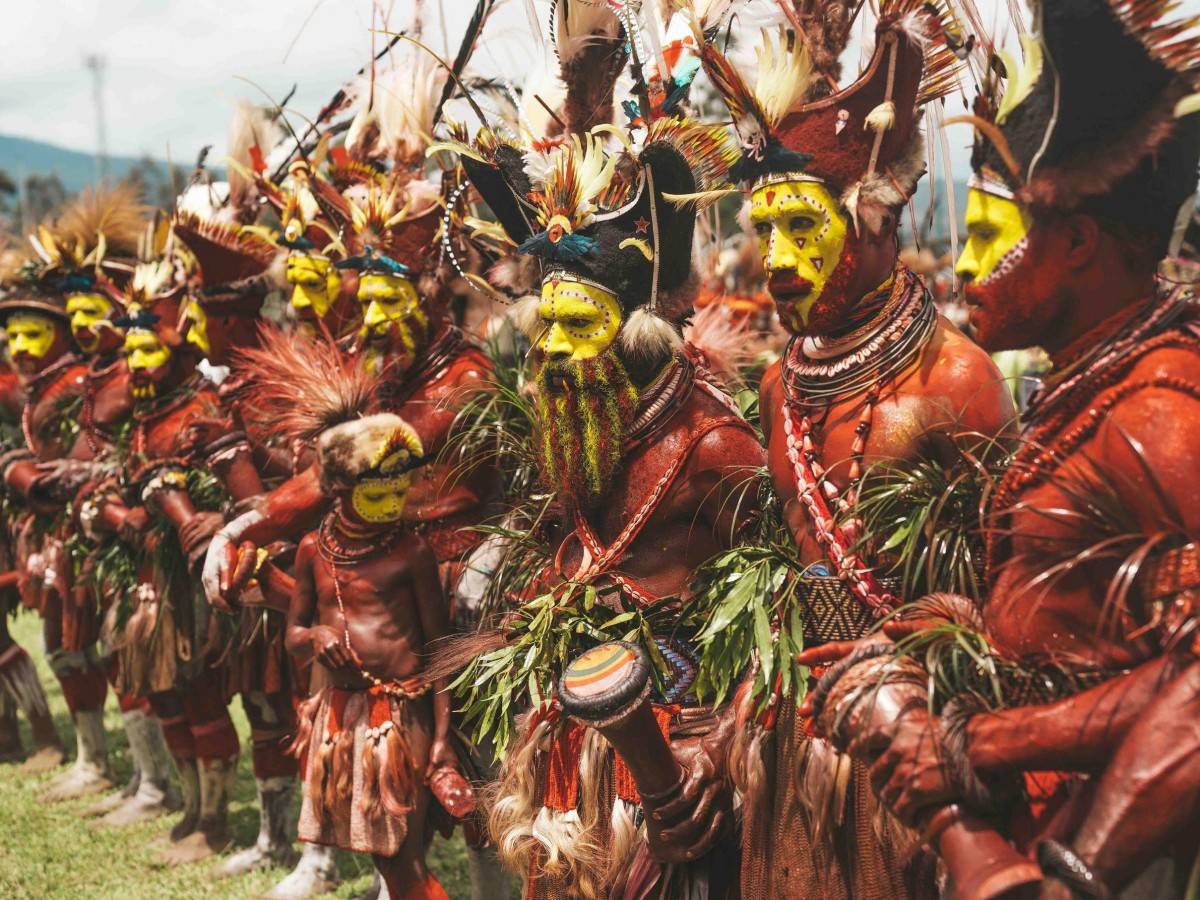
Mount Wilhelm is located at the junction of East Highlands Province and Chuwa Province, part of the Bismarck Range, and stands as the highest peak in all of Papua New Guinea, reaching an altitude of 4,509 meters. For the local people, this mountain is not merely a geographical peak but also holds profound spiritual significance. The Chimbu and Gende tribes, among others, reside around Mount Wilhelm, viewing the mountain as the dwelling place of ancestral spirits and conducting annual rituals to worship the mountain deity.
Advertisement
During the colonial era, the mountain also caught the attention of European explorers. In 1938, the Australian explorers the Leahy brothers officially measured the mountain's height and named it after German Emperor Wilhelm II. Today, Mount Wilhelm has become one of the most challenging and attractive hiking routes in the South Pacific region, drawing backpackers and mountaineers from around the world to tackle its peaks.
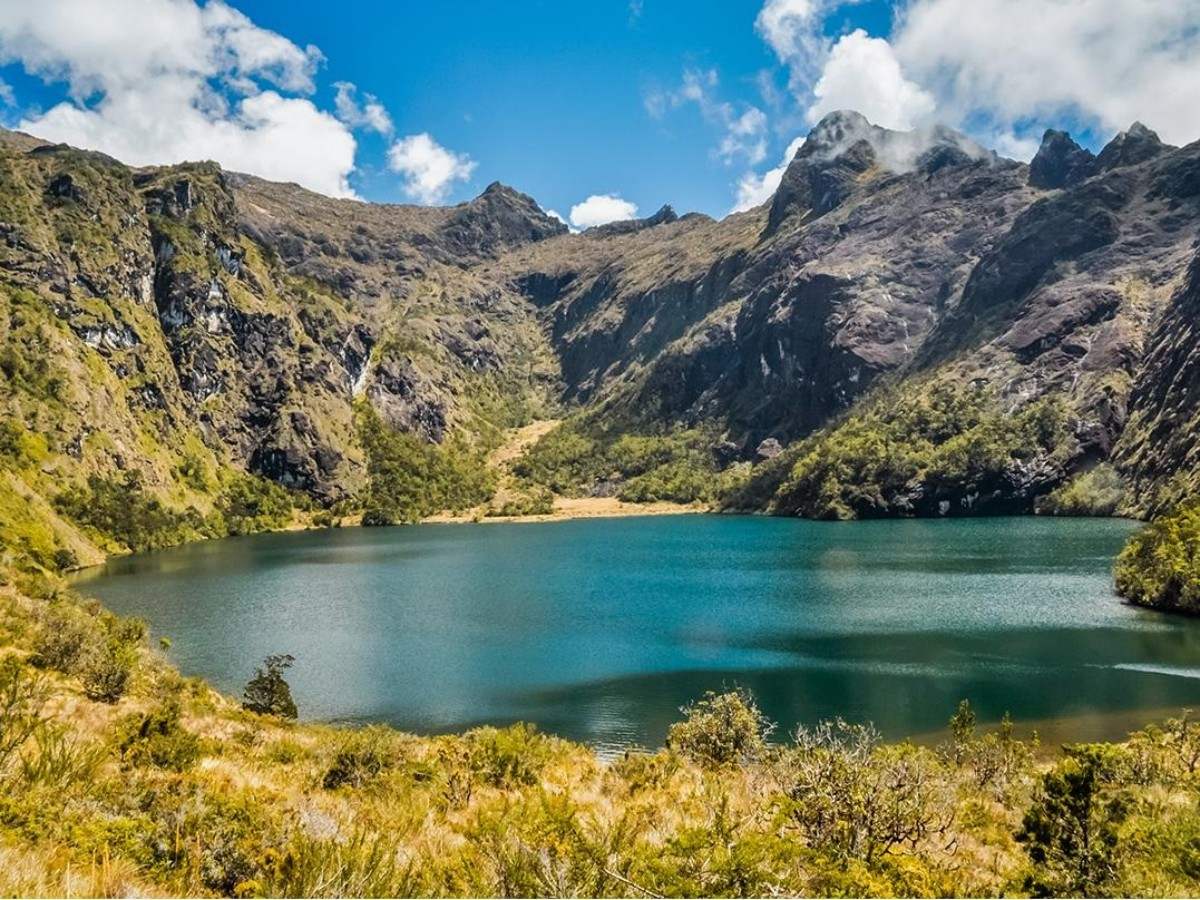
Climbing Mount Wilhelm does not require professional rock climbing skills, but its high altitude, unpredictable weather, and nighttime summit attempt still pose significant physical and mental challenges. The most common hiking route starts from Kundiawa town, proceeds to Keglsugl village, and then spends the night at Base Camp (approximately 3,600 meters above sea level), with the final summit attempt beginning at dawn.
Advertisement
Below is a recommended three-day, two-night hiking itinerary:
Day 1: Mount Hagen / Kundiawa – Keglsugl – Base Camp
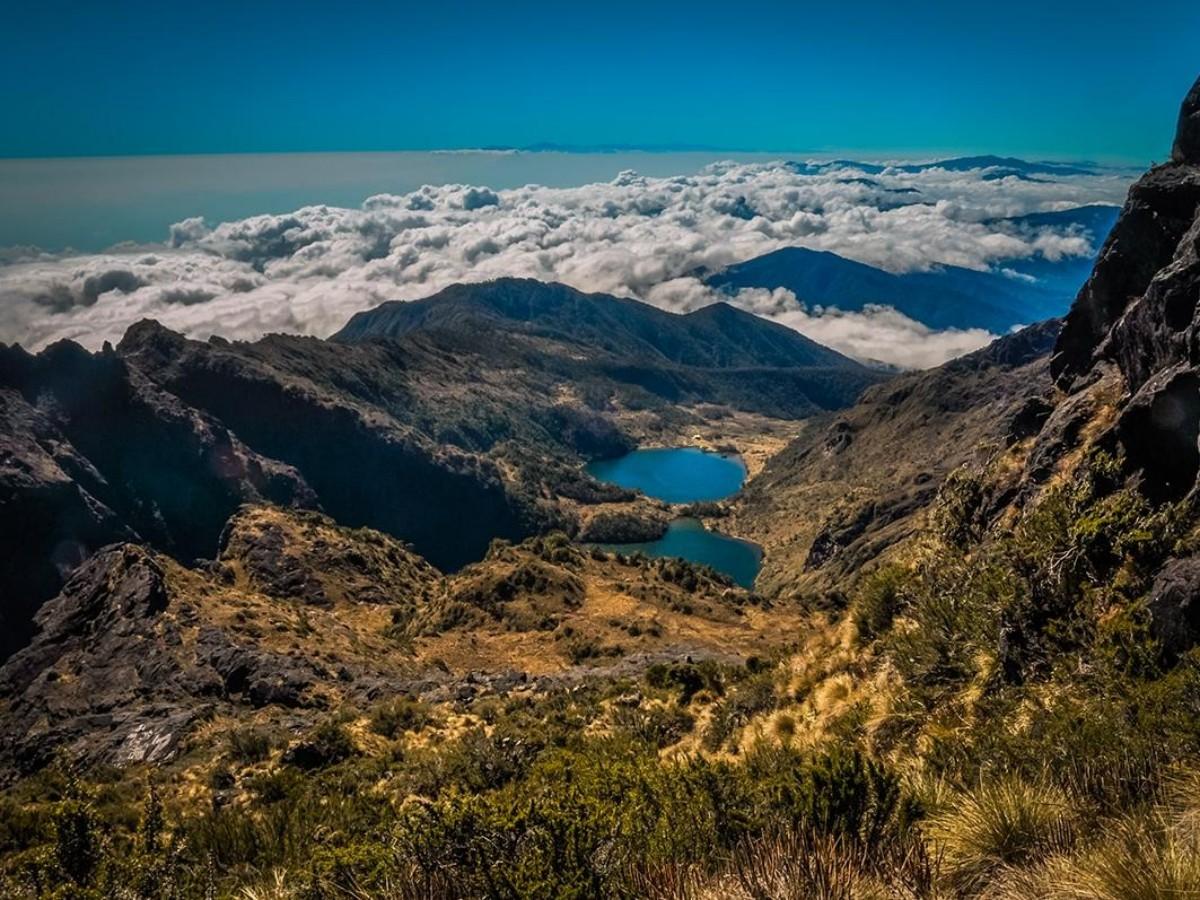
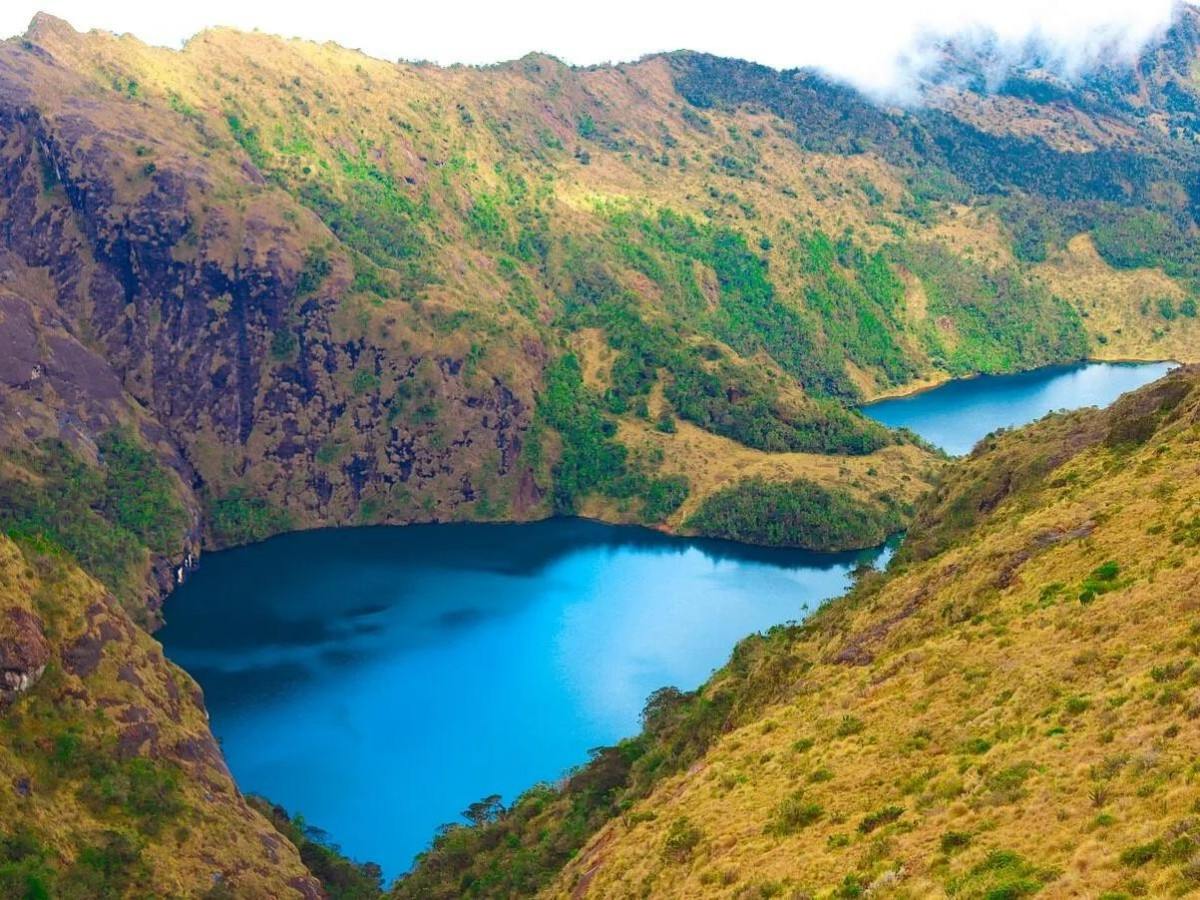
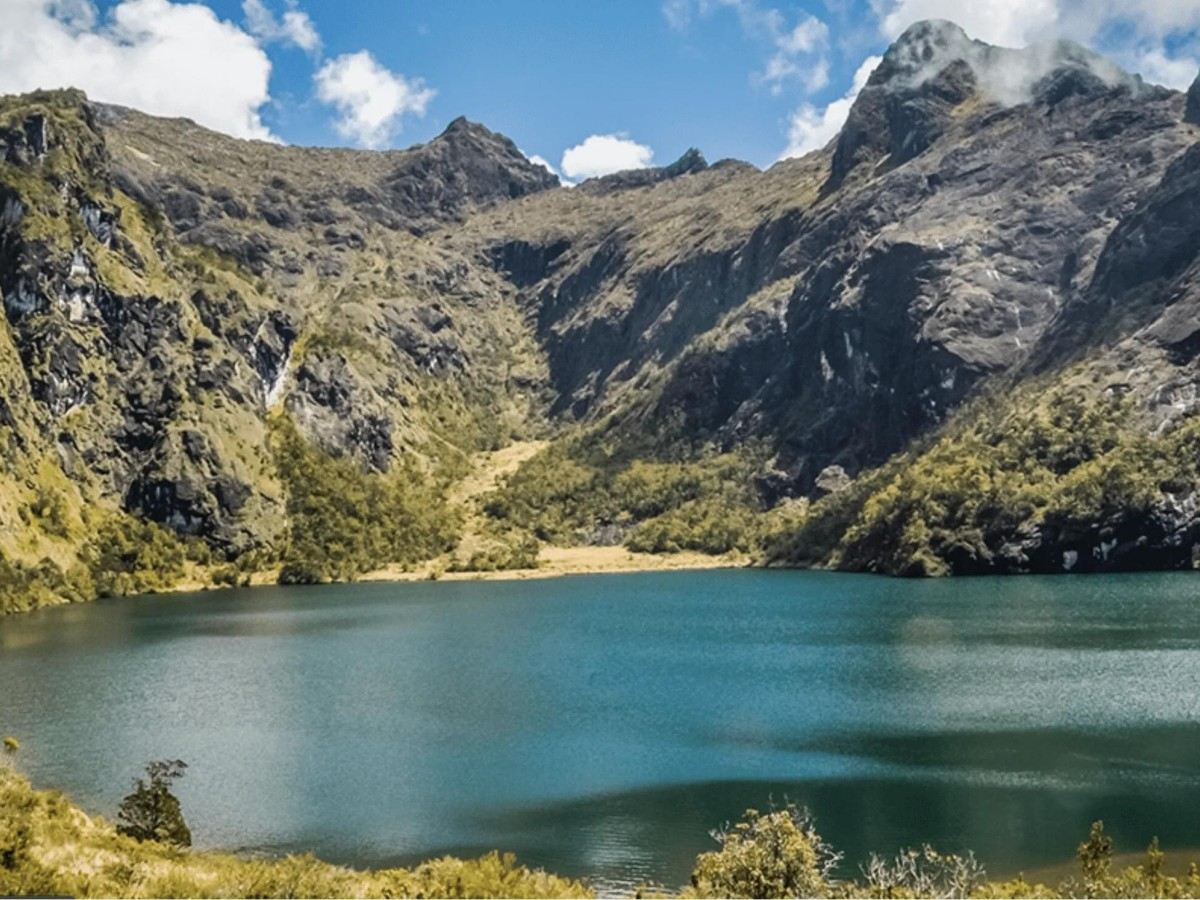
Travel by vehicle from Mount Hagen (approximately 6 hours) or depart from Kundiawa (approximately 2 hours by vehicle) to reach Keglsugl village. Continue on foot for about 1.5 hours to Base Camp under the guidance of a guide. Here, you can admire the beautiful Lake Piunde and Lake Aunde, two alpine lakes that shimmer in a dreamlike blue-green hue under the setting sun.
Day 2: Base Camp – Summit – Return to Base Camp
Depart around 1 a.m., using headlamps to illuminate the path ahead. The ascent to the summit takes approximately 6–8 hours. On clear days, you can witness the spectacular sight of the sun rising above the clouds. The summit offers excellent views, allowing you to overlook the Madang coastline and the western mountain ranges. After a brief stop, return to Base Camp via the same route, with the entire hike taking approximately 12–14 hours.
Day 3: Base Camp – Keglsugl – Kundiawa / Mount Hagen
After breakfast, descend lightly to the starting village and depart by vehicle.
This route is currently the safest, most clearly marked, and relatively well-equipped climbing route, but it is still recommended to hire an experienced guide and bring basic high-altitude gear.
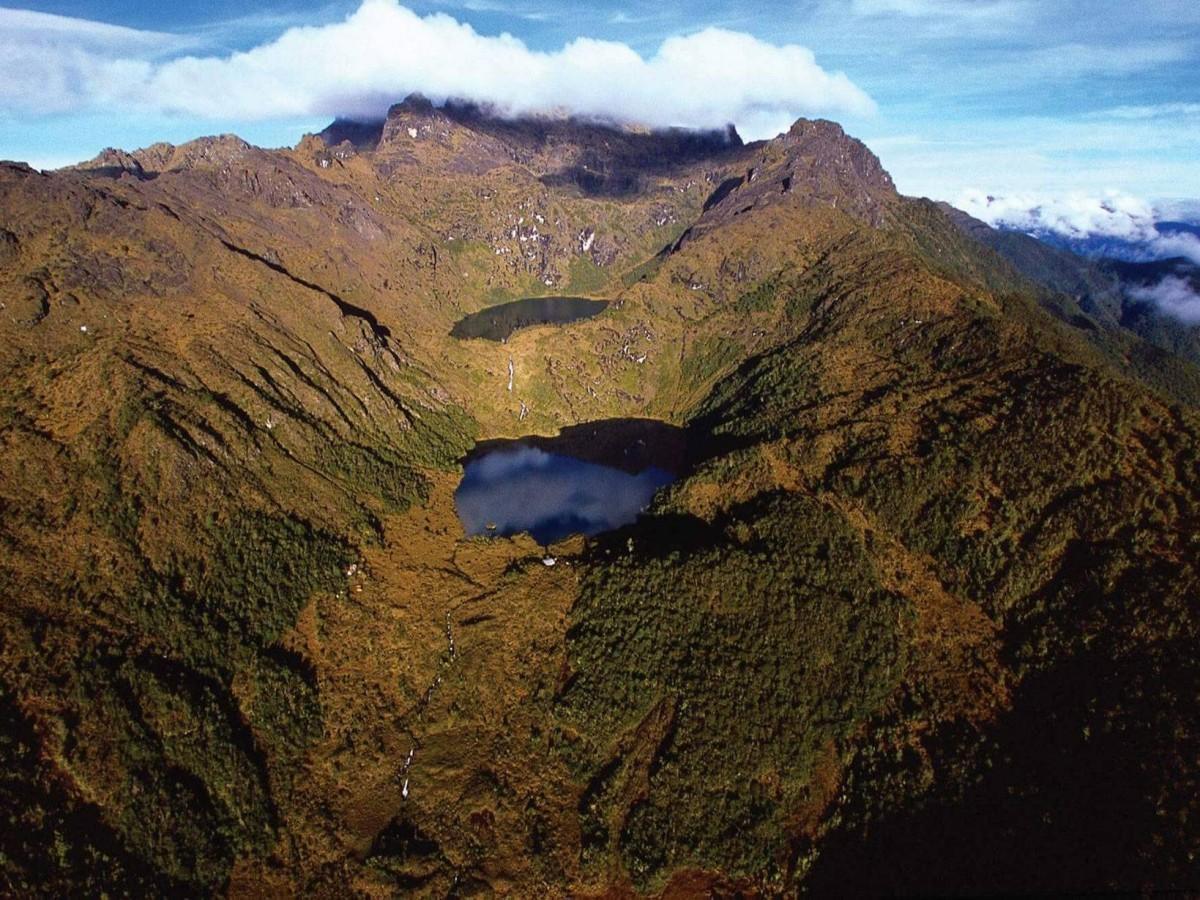
Mount Wilhelm has a cold and humid climate year-round, with frequent fog and sudden rain, especially at high altitudes. The recommended climbing season is the dry season from May to October each year, when rainfall is minimal, trails are stable, and conditions are suitable for long-distance hiking.
Even so, temperatures during the early morning summit push often drop below 0°C, and snowfall may occur. It is recommended to bring windproof and insulated gear (fleece jackets, waterproof jackets, down jackets, etc.), as well as waterproof hiking boots, a warm hat, and gloves. The sun remains intense at lower elevations, so sunglasses and sunscreen are also essential.
There is no mobile phone signal or power supply during the climb, so advance preparation is necessary. It is recommended to carry a headlamp, batteries, a power bank, and a basic first-aid kit.
Traveling to Mount Wilhelm from Mount Hagen or Goroka is relatively convenient, as both locations have domestic flights connecting to the capital, Port Moresby. You can hire a car or share a ride from Mount Hagen to Kundiawa; while the road conditions are rugged, they are relatively safe.
For accommodation, we recommend family-run guesthouses or simple huts operated by the mountaineering association in Kundiawa, which are reasonably priced, simple but clean. There are also villagers' self-built mountain huts available for overnight stays in Keglsugl Village or at Base Camp, typically including simple hot meals and hot water, but advance booking is required.
It is recommended to contact local certified guide services (such as those recommended by the Simbu Provincial Tourism Bureau), who will assist with arranging transportation, accommodation, meals, and mountain guides, enhancing overall safety and comfort.
Altitude Acclimatization: If possible, spend an extra day near Mount Hagen or Base Camp to acclimatize to the high-altitude environment and avoid altitude sickness.
Physical Preparation: Engage in at least two weeks of basic physical training before climbing, such as weight-bearing hikes and aerobic endurance exercises, to help cope with fatigue during nighttime ascents.
Food Arrangements: Base Camp provides simple meals (rice, canned food, hot drinks), but it is recommended to bring high-calorie snacks, chocolate, and electrolyte drinks to maintain energy levels.
Climbing Permit: A climbing permit is not mandatory for Mount Wilhelm, but it is recommended to register your itinerary with local authorities or mountaineering organizations to ensure smooth communication.
Safety Issues: While safety in the Papua Highlands region has significantly improved in recent years, nighttime travel should still be avoided, and valuables should be stored at the hotel.
Additionally, due to unpredictable weather and the need to depart at dawn, mental preparation is particularly important. Though the high-altitude journey is arduous, every step is worthwhile, especially when you stand atop the clouds at 4,509 meters—a sense of accomplishment that defies description.
Climbing Mount Wilhelm is not just an ordinary trip; it is a testament to reverence for nature and a challenge to one’s physical and mental resilience. On this rarely visited land, you will rediscover what true tranquility means, and perhaps find a braver version of yourself amidst the clouds and mountains. Pack your trekking poles and thermos, and let us set off from the highland town toward that silent giant on the horizon—Mount Wilhelm.