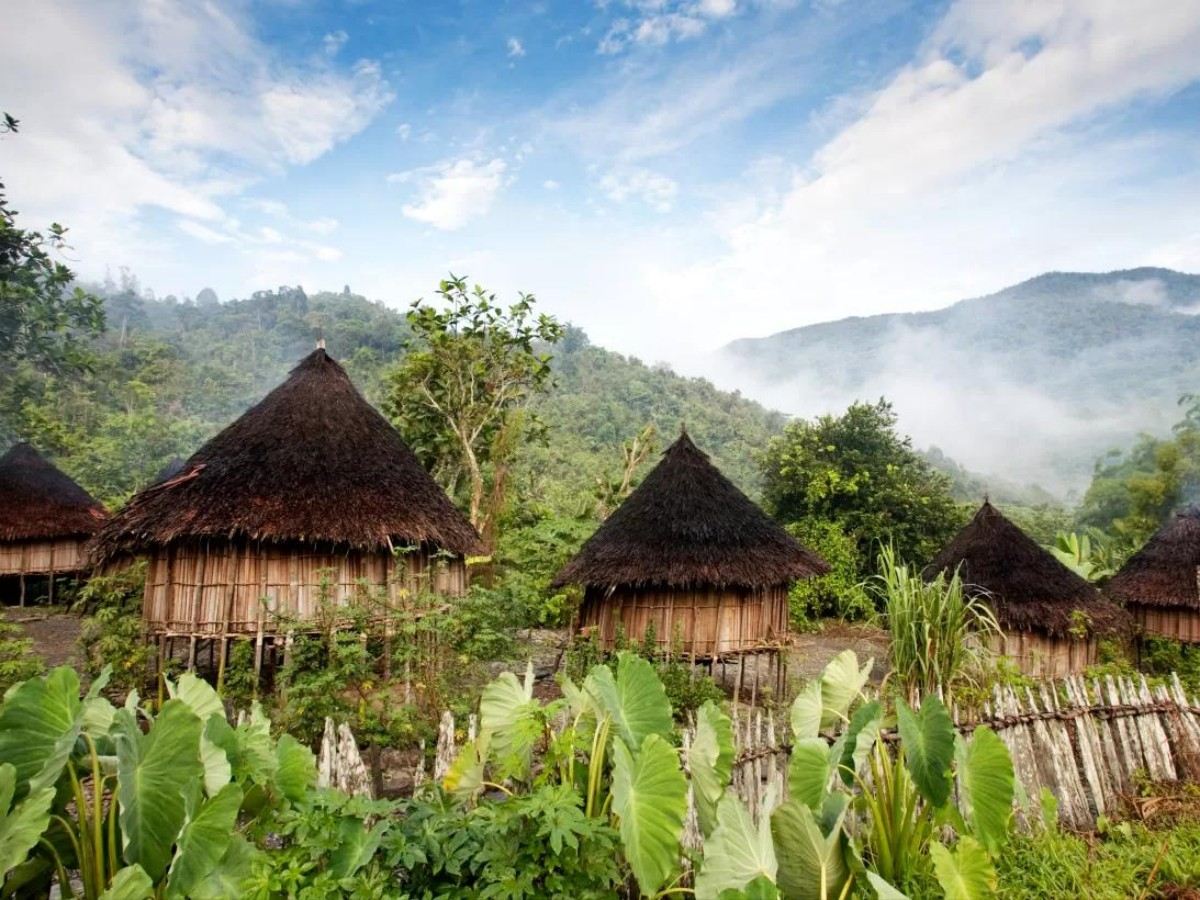
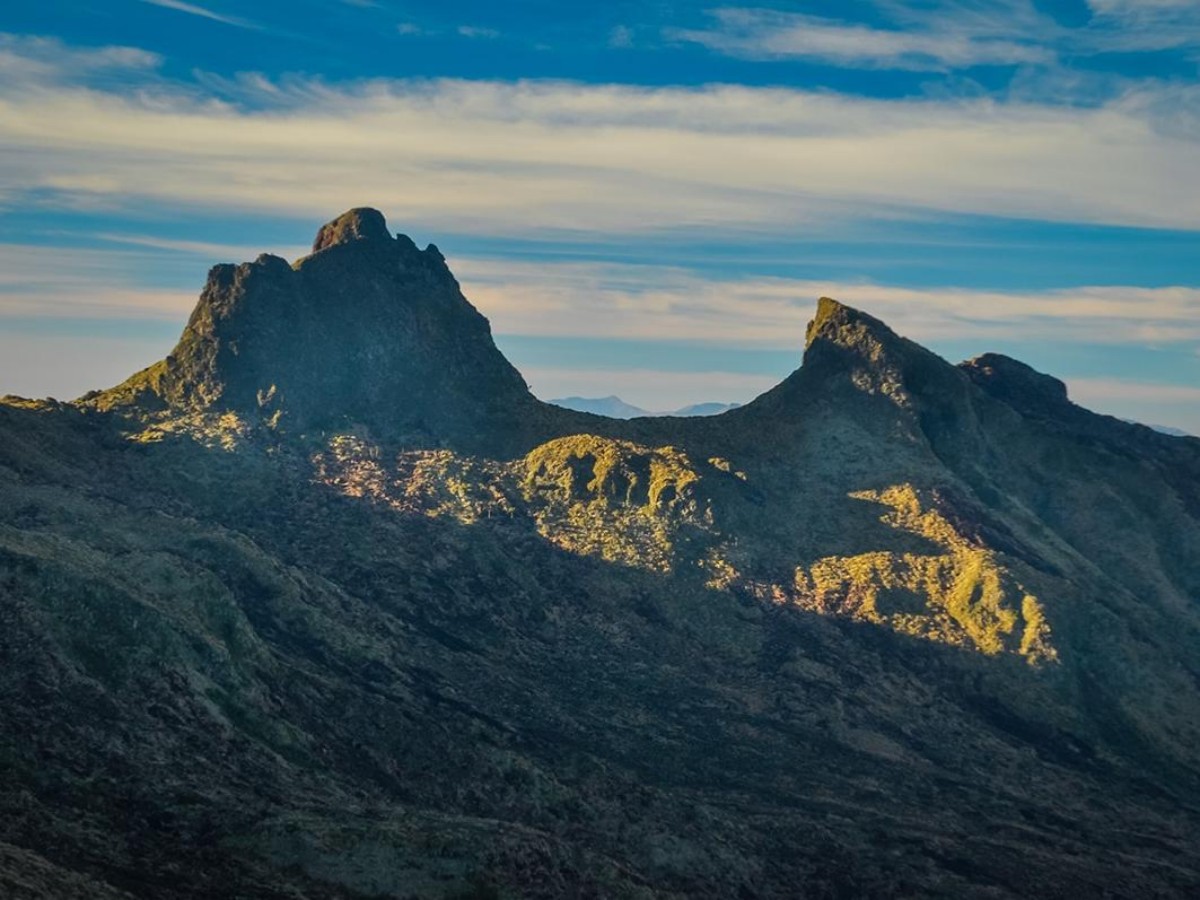
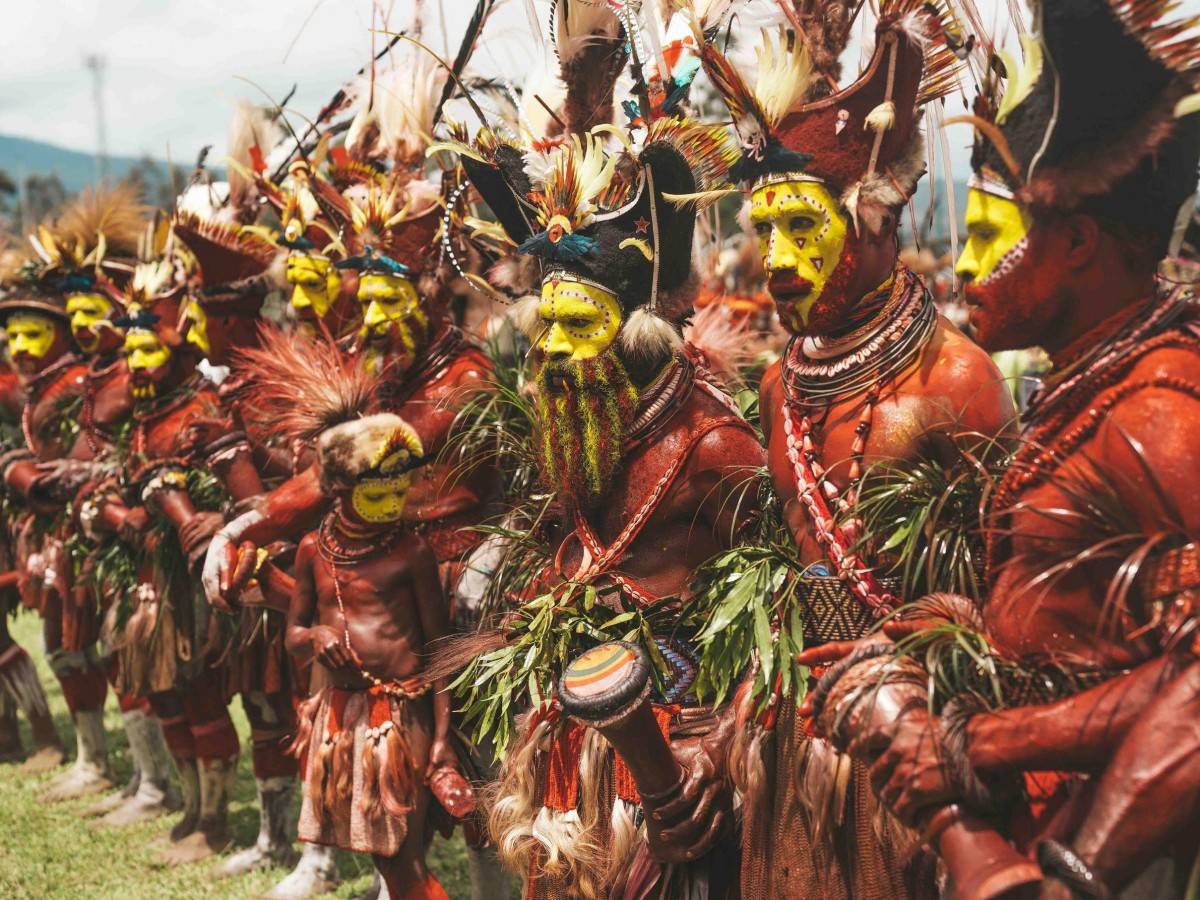
In the misty morning of the highlands, a few charcoal fires rise in thin wisps of smoke. A man wearing a bird feather headdress and covered in muddy totems slowly emerges from a thatched hut, singing a low, ancient melody. This is not a performance, but the daily life of Paiya Village—a highland tribe that still preserves its traditional way of life. Perched on a hillside outside Mount Hagen, this village serves as a living museum, offering a glimpse into the true soul of Papua New Guinea.
Advertisement
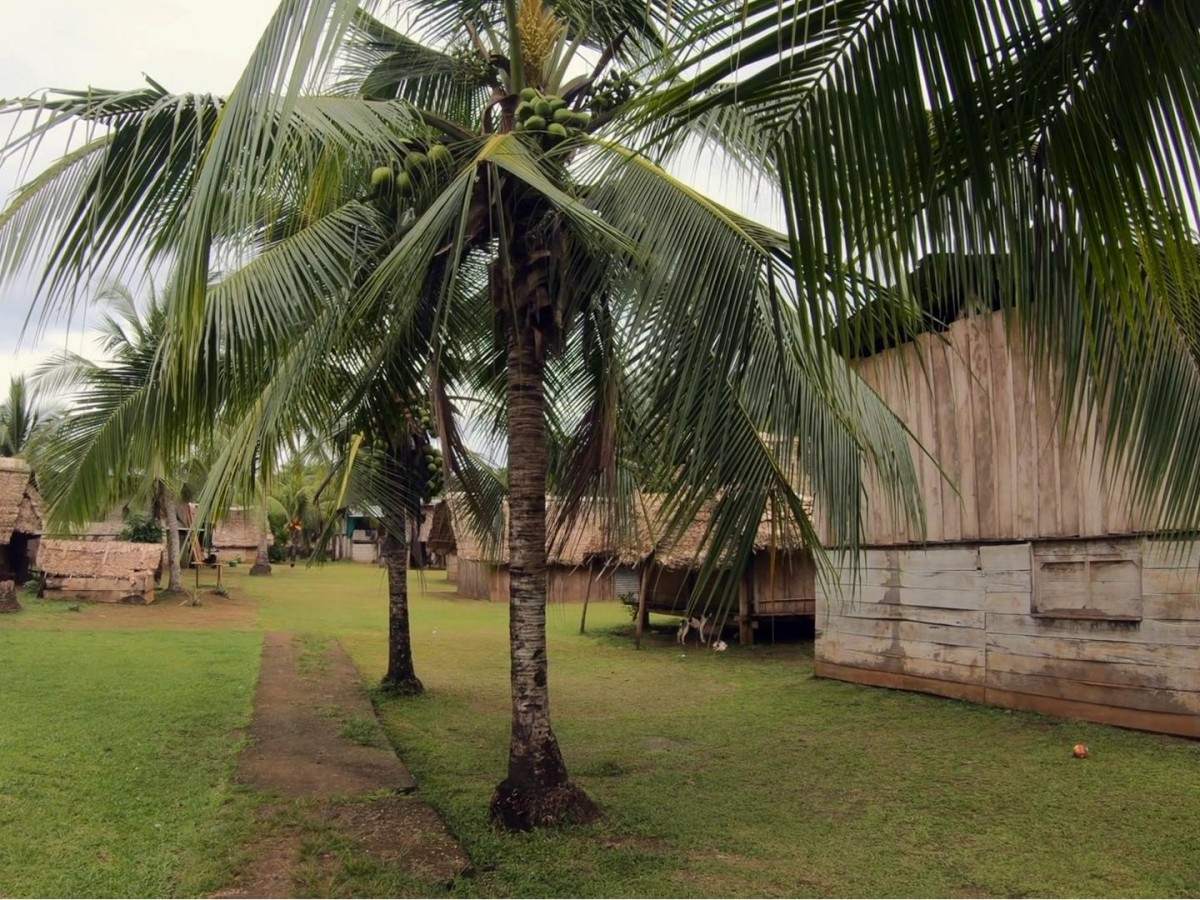
Paiya Village is located approximately 40 minutes southwest of Mount Hagen city center and is one of the most representative traditional highland villages in the Western Highlands Province. It is the homeland of the Melpa tribe and one of the key performance villages for the Mount Hagen Cultural Show.
Advertisement
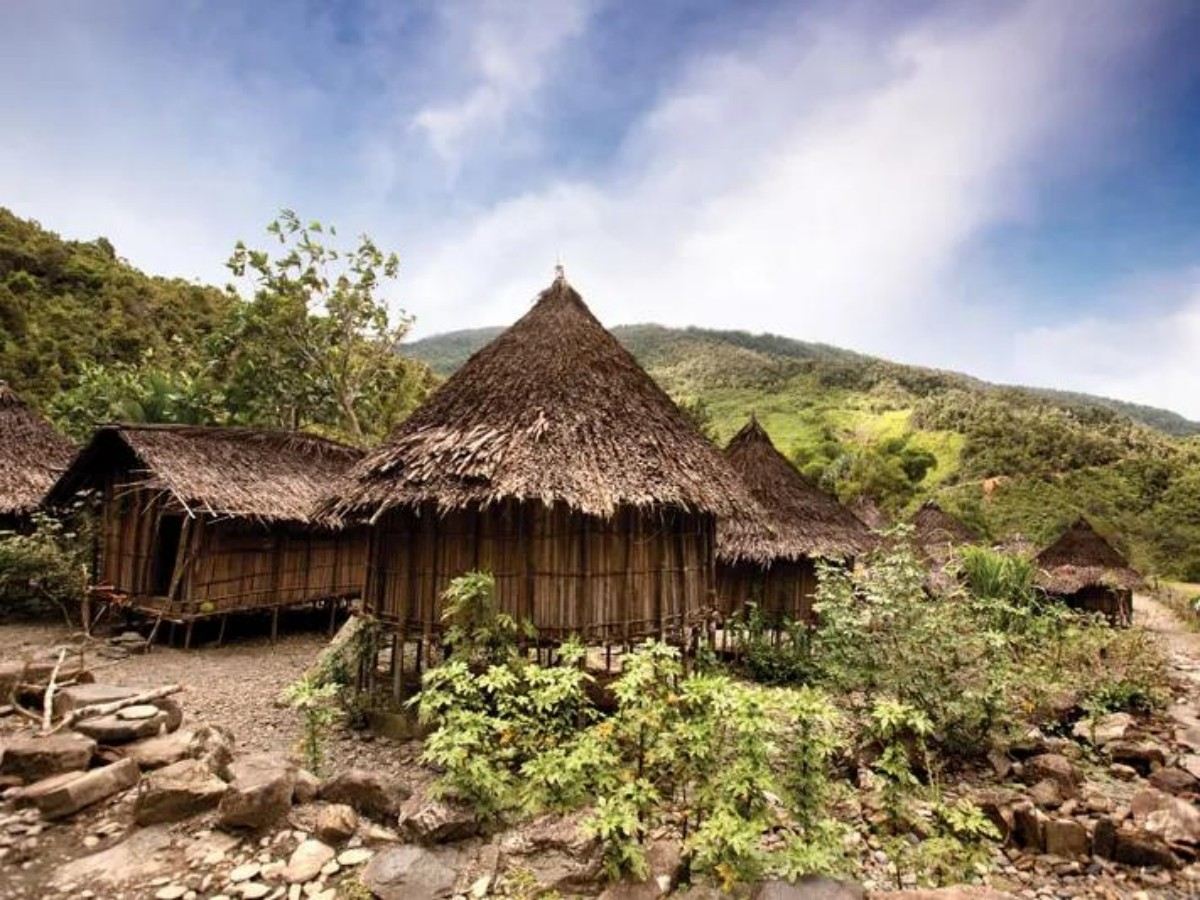
Unlike many “performance villages,” Paiya was not built for tourists; it is a genuine, functioning traditional village where residents sustain themselves through agriculture and tribal cooperation. They continue to live in their ancestral thatched-roof huts, engaging in farming, rituals, pig farming, weddings, and negotiations.
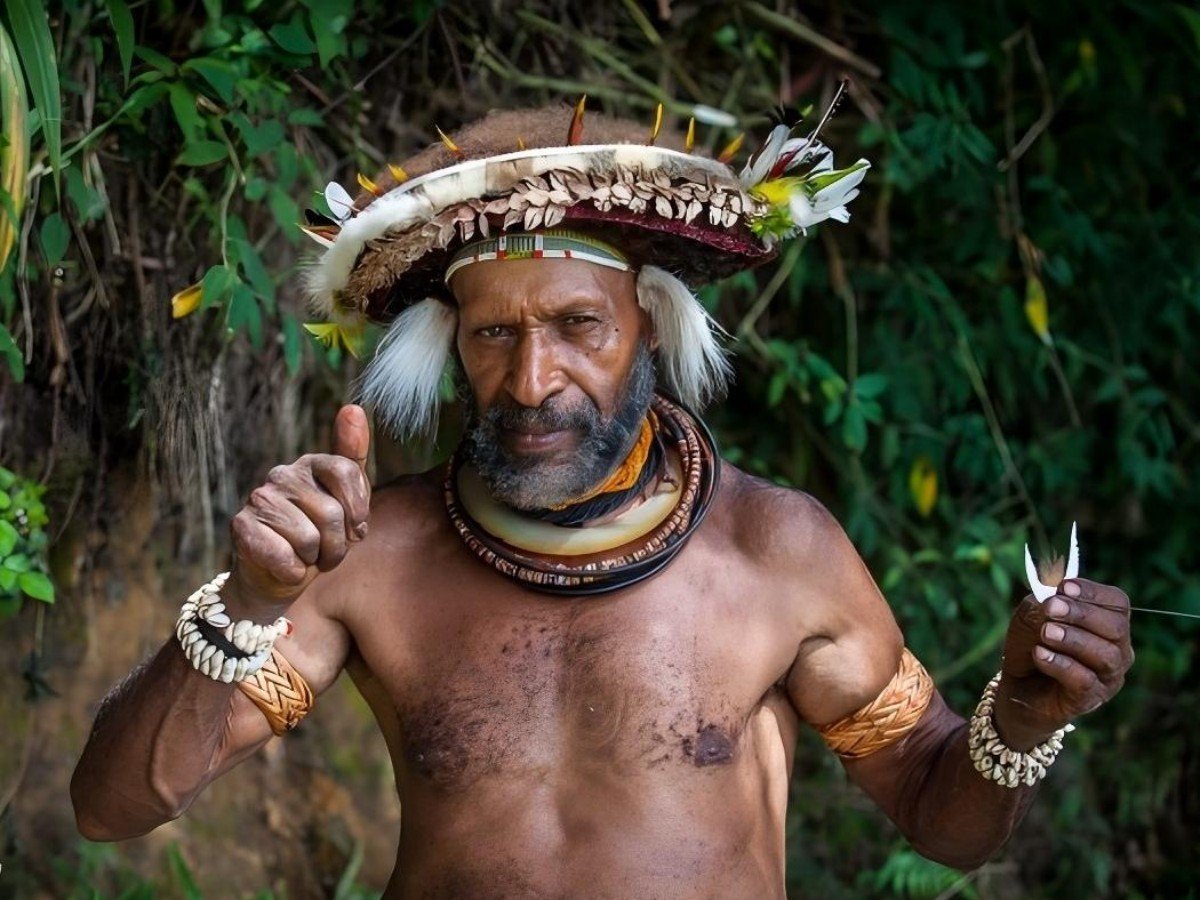
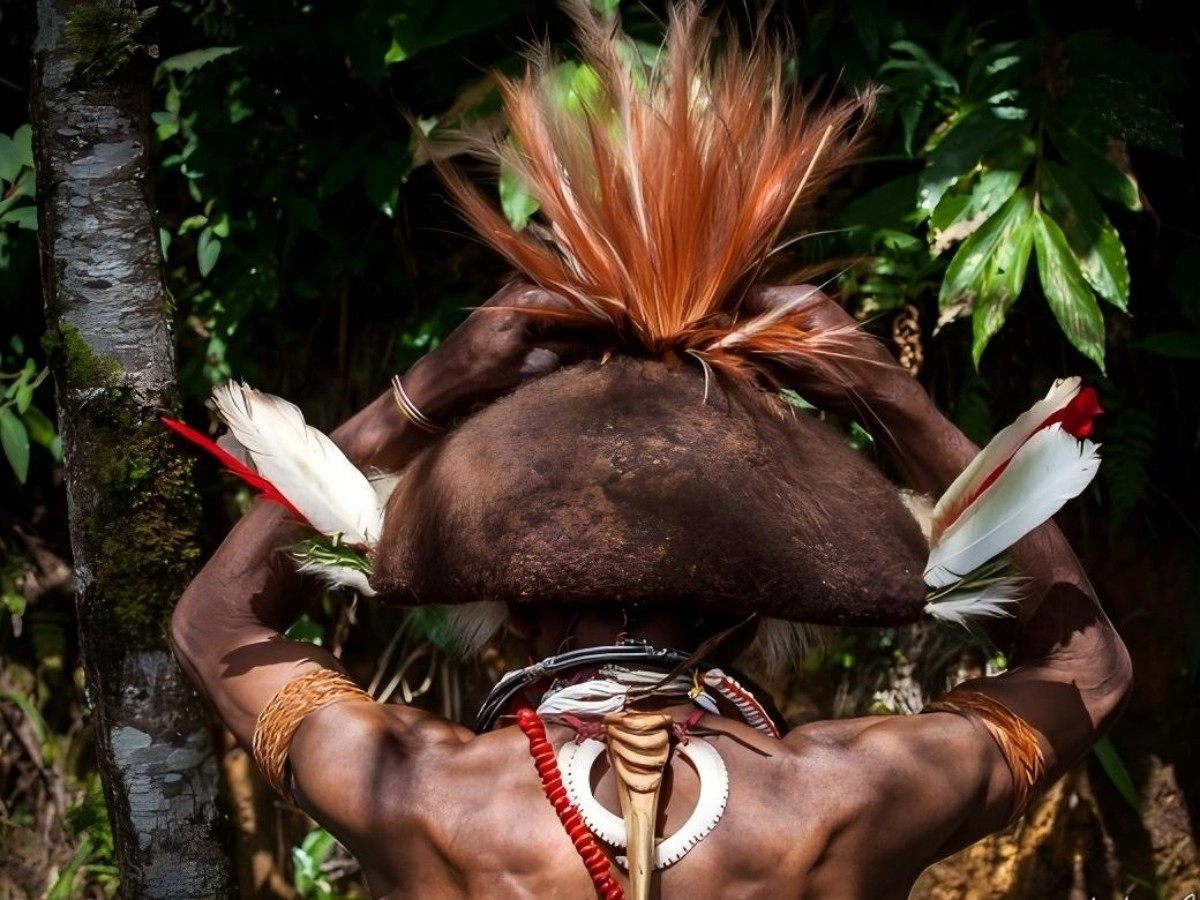
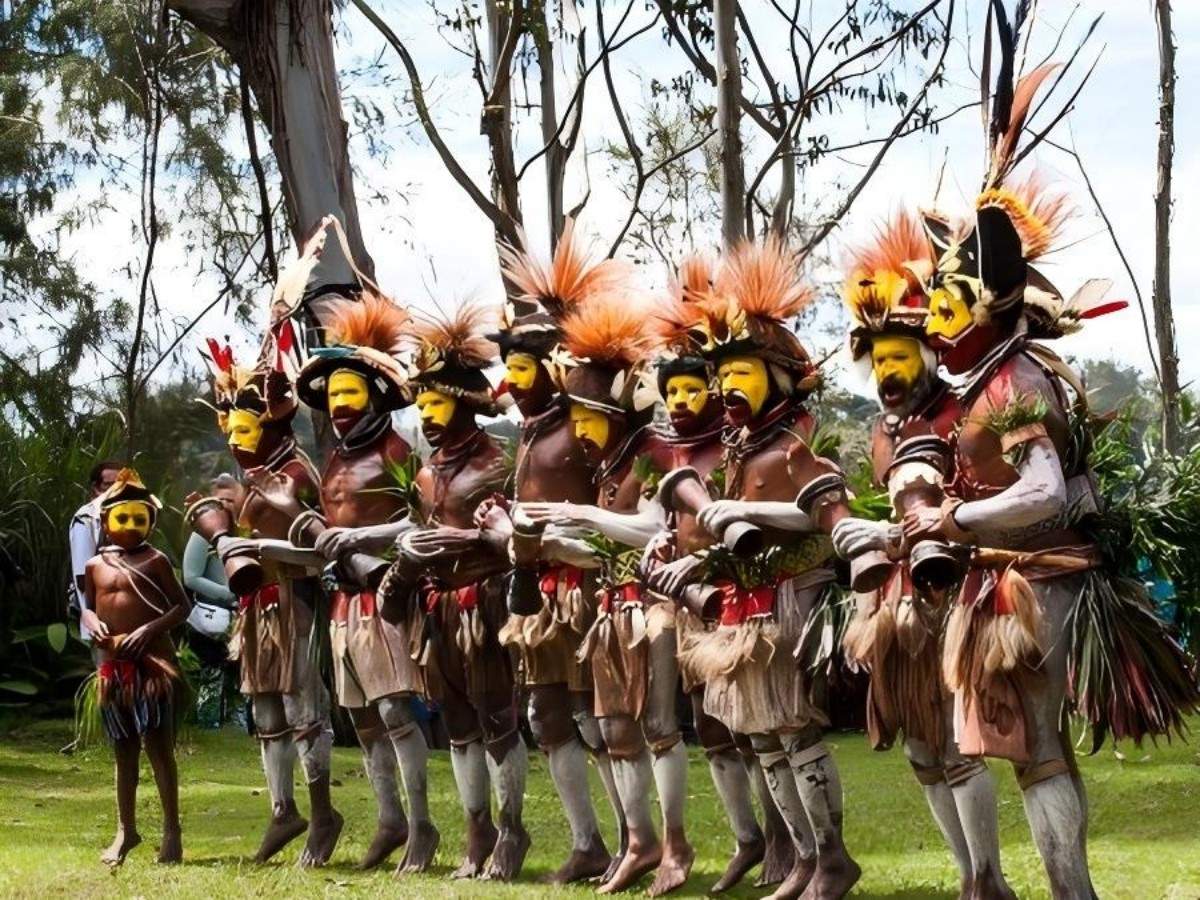
Paiya is most famous for its well-preserved “Sing-sing” culture, which refers to traditional tribal ritual dances. During major festivals or village celebrations, villagers adorn their bodies with body paint, wear bird feathers, wild boar teeth, bamboo flutes, and shells, exuding a primal and mystical ritualistic aura. Every movement and every piece of decoration has its own story and significance.
The village also preserves the tradition of “fire pit discussions,” where tribal members gather around a fire pit, using long sticks to express their opinions and share wisdom. If lucky, visitors can also join this quiet and solemn ritual, experiencing the pure form of human communication.
To visit Paiya Village, it is typically necessary to arrange through local travel agencies or hotels. Private access to the village requires prior approval, as Paiya is not an open-access tourist site. It is recommended to choose guided tours or day trips organized by Mount Hagen lodging facilities, which generally include transportation, commentary, guided tours, and light meals.
Advertisement
Upon arriving at the village, the tour usually begins with a welcome ceremony at the village entrance. Villagers greet guests with Sing-sing dances accompanied by drumming, followed by a brief introduction by the village chief or a representative. The tour lasts approximately 3–4 hours and includes the following highlights:
Traditional house visit: Enter the mud-walled thatched houses to learn about the villagers' living structures, fire-based survival methods, and ancestral heirlooms.
Traditional Decorations Display: Villagers demonstrate how to use feathers, shells, and wild boar tusks to create traditional headdresses and war attire.
Body Painting and Photography Experience: Visitors can try facial painting, don traditional accessories, and experience highland attire.
Fire Pit Storytelling: Listen to village elders recount tales of tribal wars, love, pig hunting, and divine legends.
Handicrafts and bartering: You can purchase or barter for souvenirs made by the villagers, such as woven bags (bilum) and bone ornaments.
Whether or not you are passionate about ethnic culture, the lifestyle of harmony between humans and nature showcased in Paiya Village always evokes a sense of tranquility and solemnity that feels out of place in the modern world.
Paiya Village can be visited year-round, but the most recommended time is around mid-August each year, coinciding with the Mount Hagen Cultural Show. During this period, the village is bustling with activity as villagers rehearse Sing-sing dances for the festival, and the entire village is adorned with decorations and vibrant paintings, making it well worth a visit.
Additionally, from May to October, the highlands experience a dry season with stable weather, ideal for outdoor activities. Leaving early in the morning is especially important, as it avoids afternoon rainfall in the mountains and allows you to catch the village's daily activities. It is recommended to depart from Mount Hagen before 8:00 AM, arrive in Paiya before noon, and return before 3:00 PM to ensure safety and a complete experience.
Important Notes:
The temperature difference between day and night in the mountains is significant, so it is advisable to wear lightweight but layered clothing for warmth;
The village has dirt roads, so it is necessary to wear slip-resistant hiking shoes;
Respect the culture and do not touch religious or personal items without permission.
Although Paiya Village is not far away, it is a remote mountain village inaccessible by public transportation. The most convenient way to reach it is by arranging a private car through a hotel or joining a day tour group. Several accommodations in Mount Hagen city (such as Highlander Hotel and Jiwaka Mission Lodge) offer such services.
There is no electricity supply within the village, with only some areas having solar lighting and basic sanitation facilities. It is recommended to bring the following items:
Drinking water (1 liter or more);
Personal meals or snacks;
Wet wipes and disinfectant supplies;
Camera and spare batteries.
Mobile phone signals are extremely weak, and card payments are not accepted; cash (Papua New Guinean kina) is required. However, this half-day of disconnecting from modern communication allows visitors to immerse themselves in tribal culture and experience the rhythm of another world without distraction.
Respect without disturbing: Paiya is a living village, not a performance venue. Please interact with villagers as a visitor, not as an audience member.
Photography etiquette: Always ask for permission before taking photos, as some elders or women may be more conservative about photography.
Suitable for families with children: This is an excellent cultural education experience for children, but please ensure they can adapt to basic facilities and outdoor environments.
Language is not a major issue: Most villagers can communicate in simple English, and guides will assist with translating Melpa language content.
Bring small gifts: Items like candy, stationery, or used clothing can be given as tokens of appreciation for the villagers’ hospitality, but please avoid creating dependency on such gifts.
Finally, if you are particularly interested in tribal culture, you may also consider participating in a homestay experience in Paiya, staying overnight, waking up with the morning mist in the mountains, and falling asleep by the fire while listening to stories—this will be a journey memory more precious than any luxury hotel.
Starting from the city streets of Mount Hagen, a short drive of just a few minutes feels like traveling through several centuries. Paiya Village has no Wi-Fi, no shopping malls, and no tourist-friendly sculptures, but it has authenticity, reverence, the wisdom of life by the fire, and the tribal soul beneath the feathers. Here, a single day may leave you with a deeper understanding of what true life is than an entire year elsewhere. So, are you ready to join me between feathers and campfires to listen to an ancient ballad from the highlands?