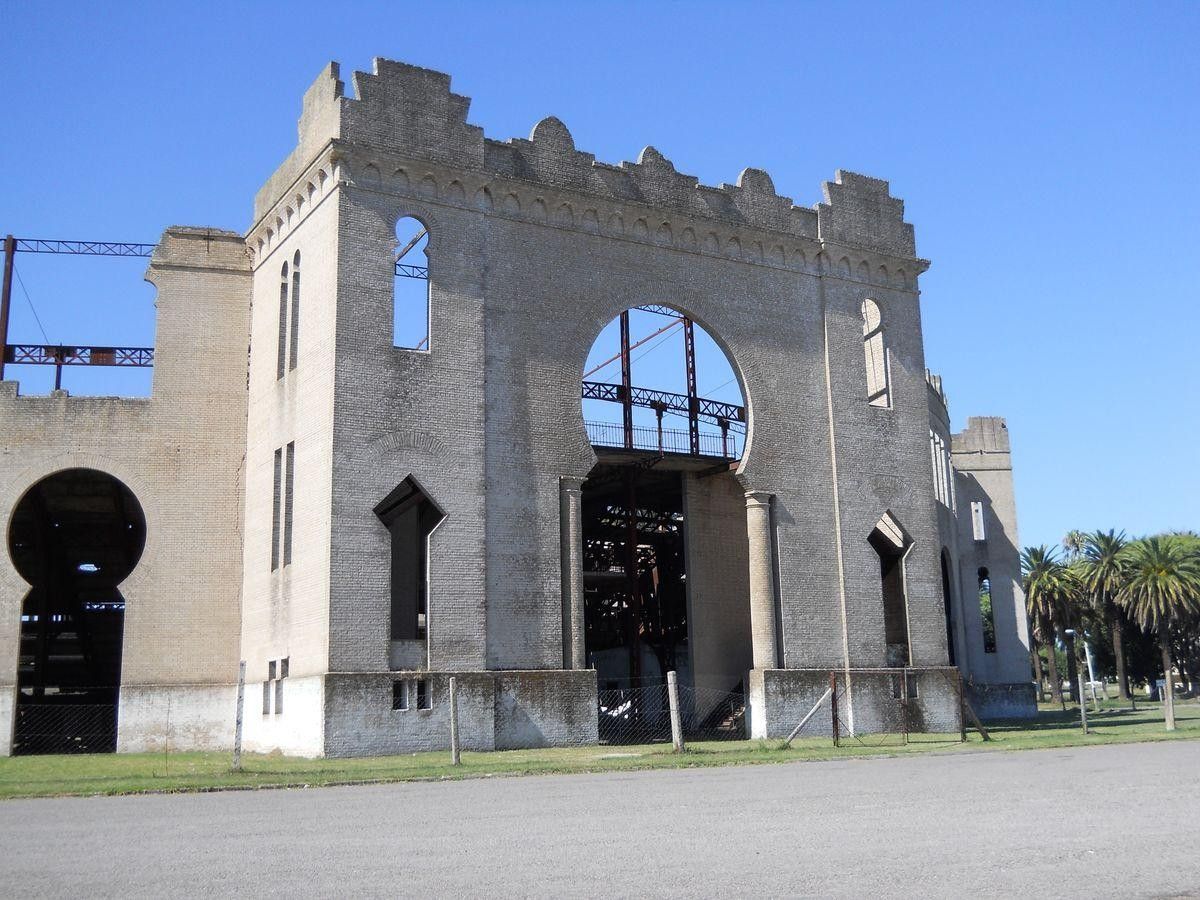
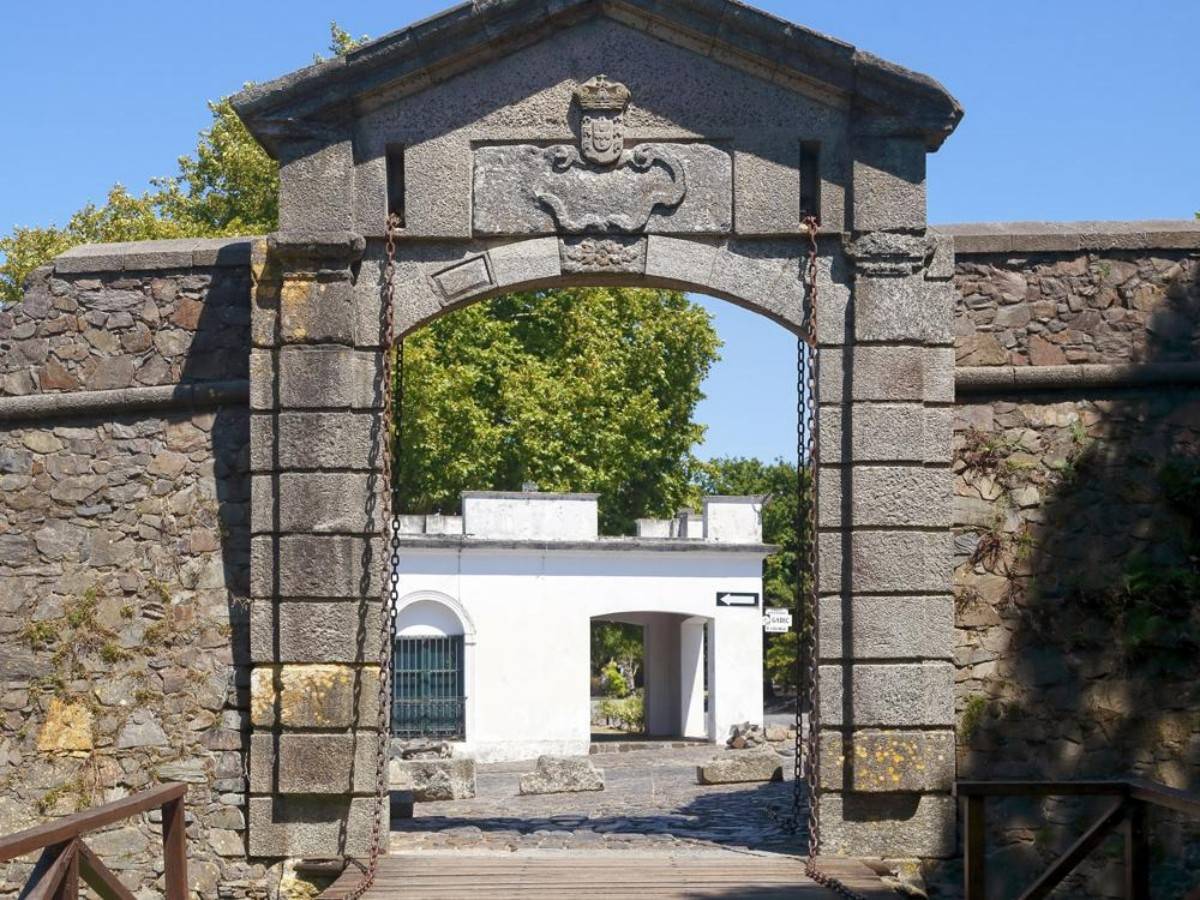
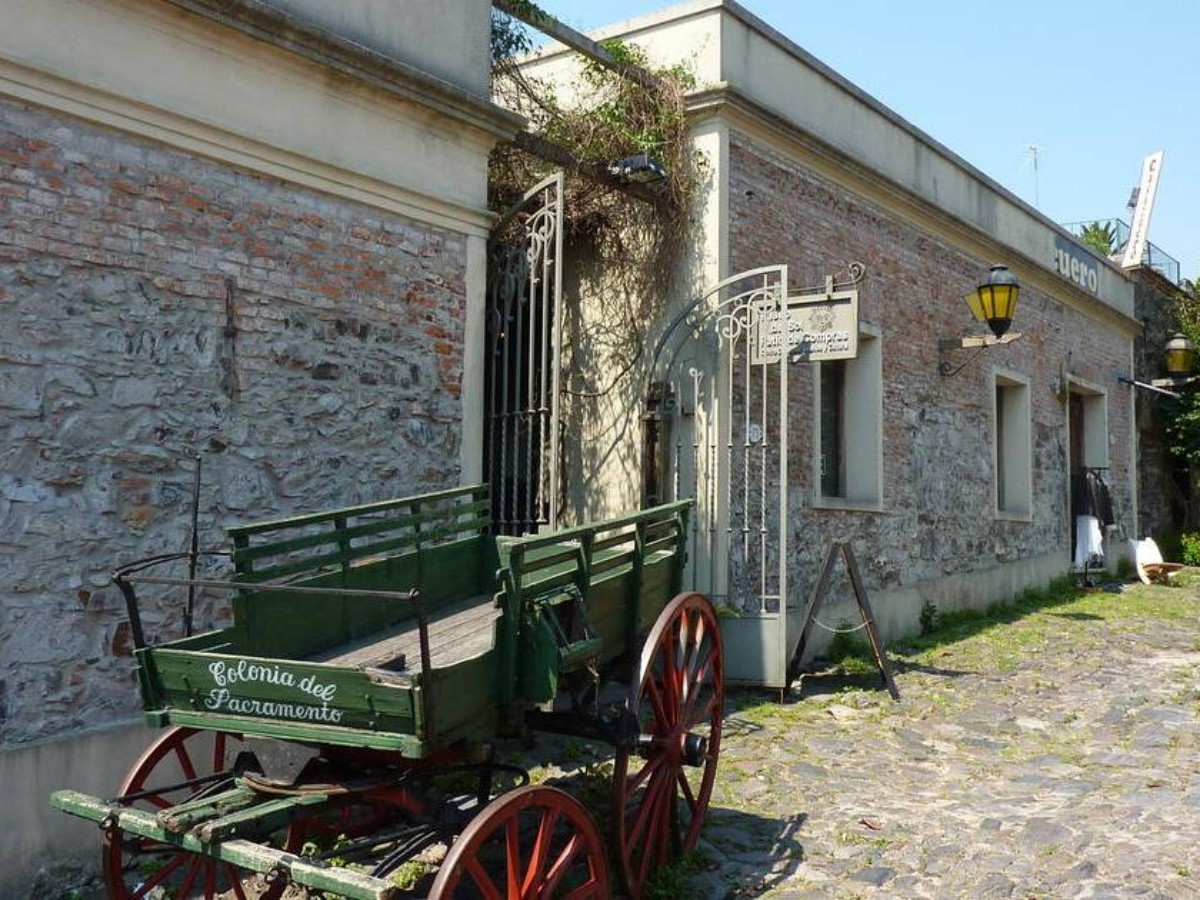
If you're traveling in South America or just looking for a place to slow down around Buenos Aires, you can't go wrong with Uruguay's Colonia del Sacramento, which isn't a touristy, buzzing town, but rather a historic town where you can relax and walk around saying, “Isn't this place so healing? It's not a touristy town, but a historic town where you can relax and walk around and say, “This place is so healing. The soul of the town is its old town, the Sacramento Historic District, which is not only a UNESCO World Heritage Site, but also one of the most “European” corners of South America. The stone paths, low-rise houses, small squares and churches you see here are all remnants of the 17th to 19th centuries, and they have been preserved quite well. It's not fancy, it's not ostentatious, but there's just something about it that says, “Wow, I'd like to stay here for a few days”.
Advertisement
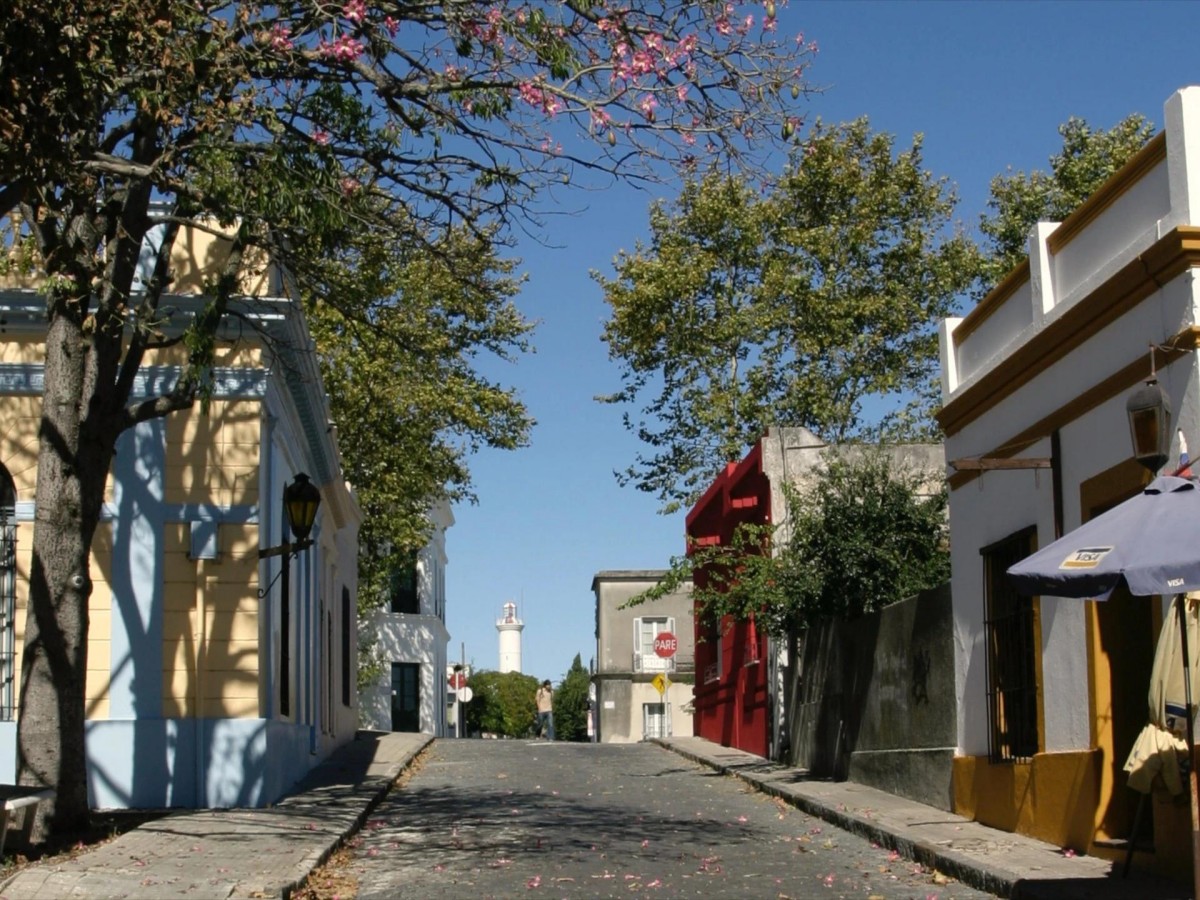
The story of Colonia del Sacramento began in 1680. The Portuguese came from Brazil and founded this small colony on the Río de la Plata, in a great strategic location - right at the mouth of the big river and only an hour away from Buenos Aires by boat.
Advertisement
Of course, the Spanish weren't happy about that. They controlled the Argentine side at the time, and there was a lot of fighting between the two sides over the territory. The Portuguese built a wall, the Spanish came in and tore it down, and then the Portuguese came back to fix it....... It was only after Uruguay gained its independence in the 19th century that the place settled down.
Although this history sounds a bit confusing, but also because of these struggles, so that the old town of Colonia presents a unique “mixed style”: you will see the curved alleys of the Portuguese style, but also see the symmetrical Spanish-style squares and churches. It's as if two old neighbors had renovated half of their houses to make a complete and flavorful old neighborhood.
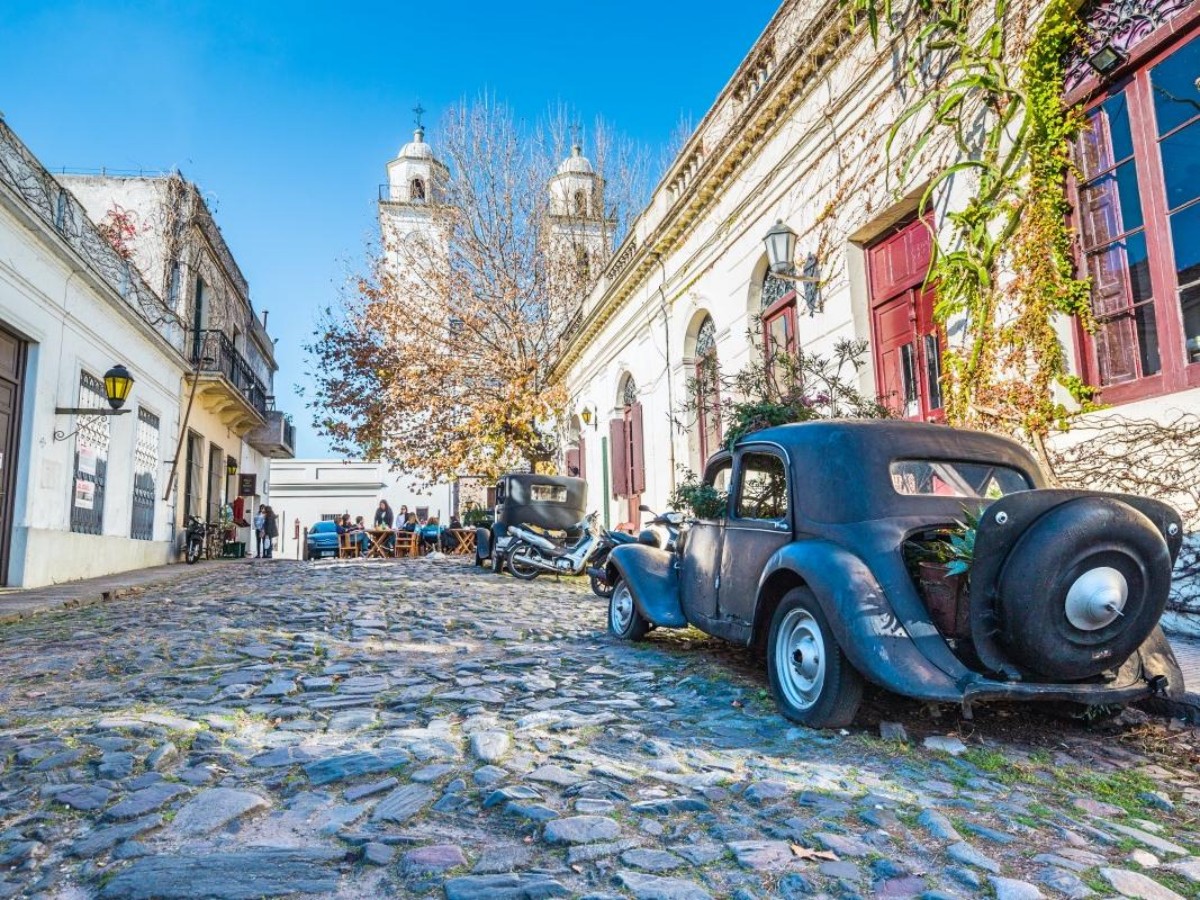
Colonia's Old Town is small, but every stone and every wall tells a story. As soon as you enter the Historic District, you'll find potholed stone paths under your feet and low-slung stone houses on both sides, many of which have weathered facades and have vines crawling along the windows, making you feel like you've stepped into an old movie.
Advertisement
The lighthouse (El Faro) is one of the landmarks, built on the ruins of a Portuguese building. You can pay a small fortune to go up there, and from the top you can look down on the entire historic district, with a great view of the river, the old town, and the greenery. When the wind blows, it's kind of like being in an old village somewhere on the Italian coast.
Next to it are the ruins of a very old convent, only the walls and a few pillars remain, but standing there you can feel the atmosphere of the monks' life hundreds of years ago.
Calle de los Suspiros is one of the most famous alleys, lined with the best preserved old Portuguese houses. It is said that in the old days this road was used by the prisoners to get to the place of execution, which is why it was named “The Road of Sighs”. But now it looks like an oil painting, and it's a great place to take photos, and it's a big hit on Instagram.
There are also several smaller museums, such as the Portuguese Museum, the Spanish Museum, the Porcelain Museum, and so on, the entrance fee is not expensive, and some can buy a pass to visit several. The museums are small, but the exhibits are interesting, especially for those interested in colonial history.
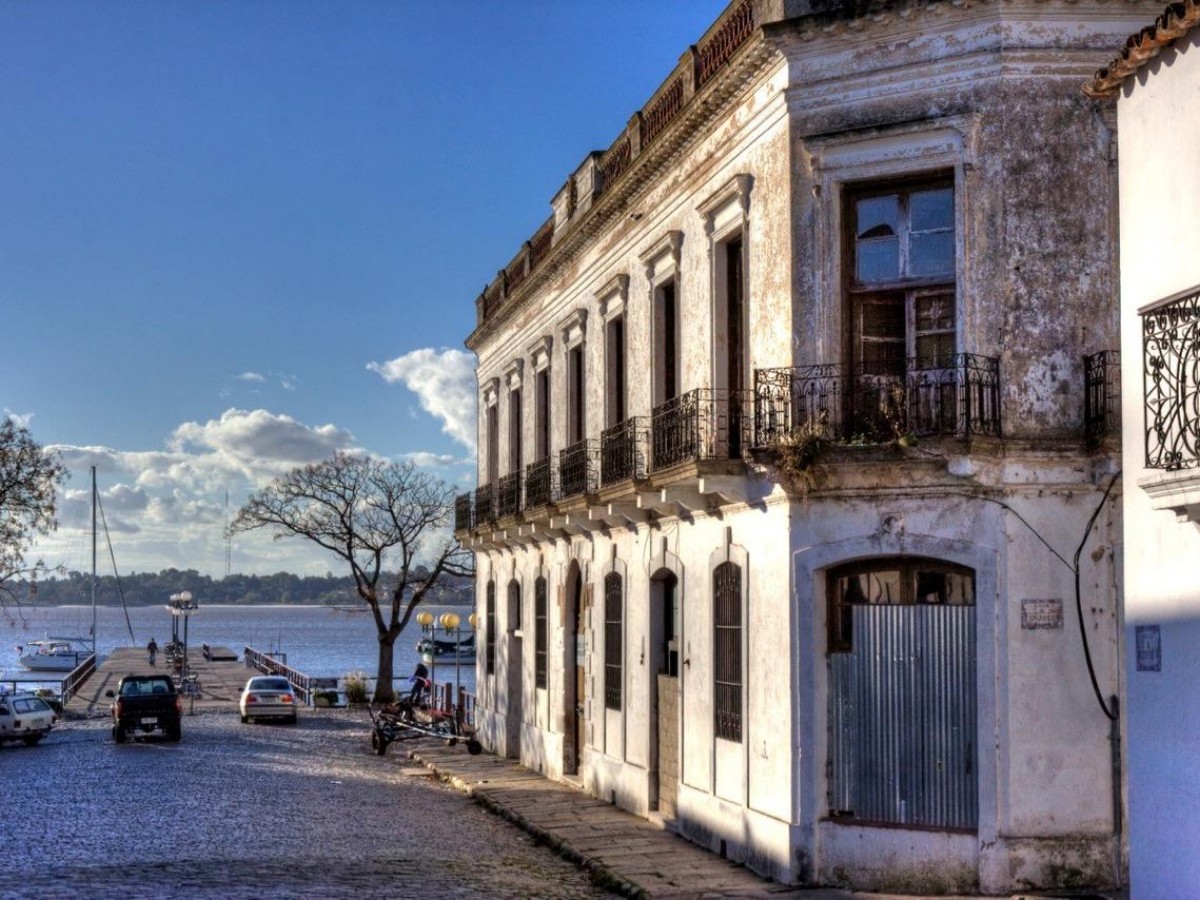
The entire historic district itself is free to enter and you can come and go as you please, no reservations required at all. There are only certain museums and attractions like the lighthouse that require a ticket, but they are very affordable, usually between $2-$5 USD, and even cheaper if you pay in Uruguayan pesos.
If you want to save time, we recommend picking up a map of the old town at the Tourist Information Center at the entrance to the city and asking if there are any English-language tours available. There are small walking tours that will take you along the classic routes and tell you the stories behind the scenes, usually for no more than two hours and cost about $10-$15 USD.
At night, most attractions close at 5 or 6pm, but neighborhood restaurants and stores stay open a little later, especially on weekends. Staying overnight at a bed and breakfast or hostel in the Old Town is a popular choice for tourists, and there's something very romantic about the stone streets and old walls that are lit up at night.
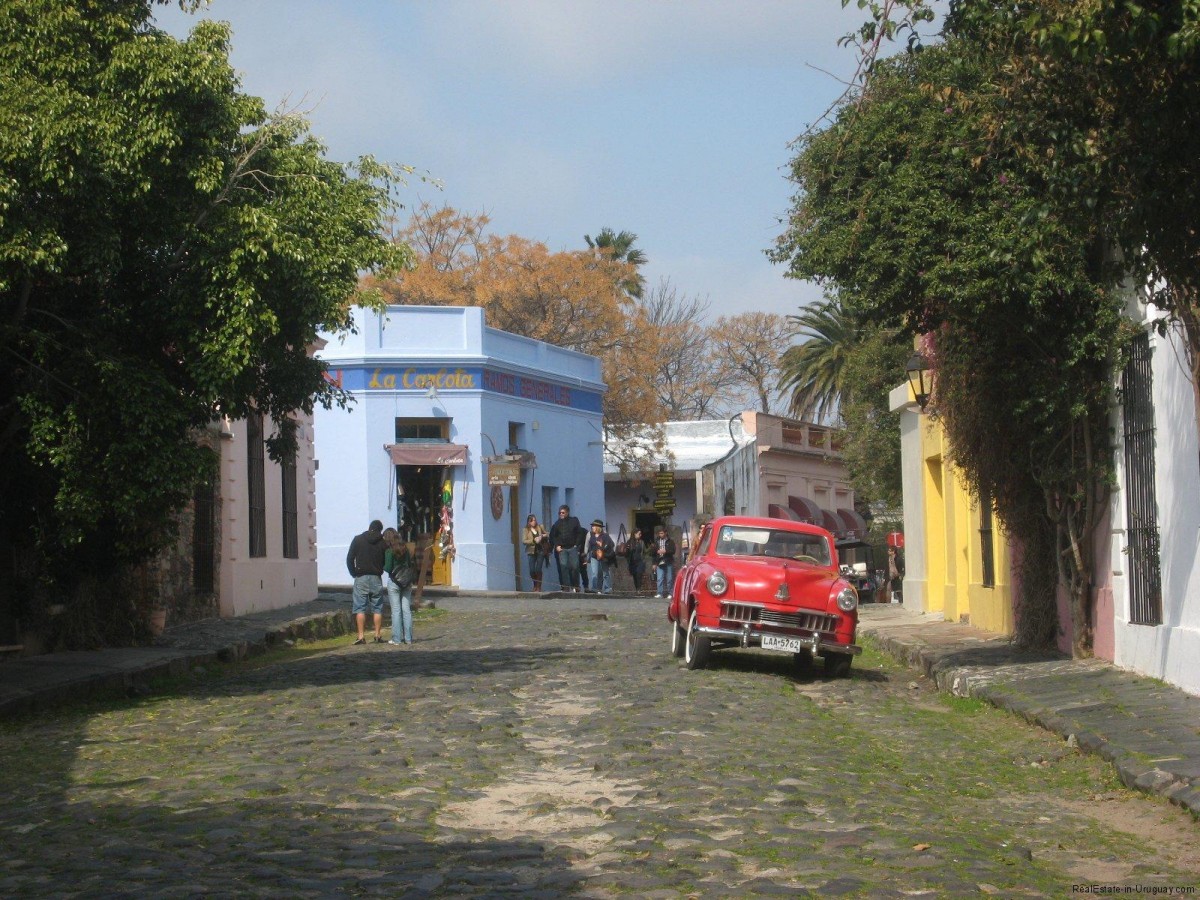
The easiest way to get to Buenos Aires from Argentina is by boat, which is about an hour away. You can take the Buquebus or Colonia Express, both of which are located in downtown Buenos Aires. Once you get to the Uruguayan side of the harbor, it's a five-minute walk into the historic district, which is super convenient.
If you're traveling from Montevideo, the capital of Uruguay, it's about a two-and-a-half hour drive, and there are long-distance buses, but they don't run very often, so it's advisable to check the schedule in advance.
For dress, we recommend going the lightweight route - flat shoes and comfortable clothes. Although it's not a mountain climb, the rocky road is really bumpy, and it's too torturous to walk in high heels or non-slip shoes.
For eating, there are a number of small, beautiful restaurants in the historic district, some doing pizza, some seafood, and the kind of open-air cafes where you can have a glass of local Uruguayan Tannat wine while watching people come and go and enjoying the rhythm of the old town.
If you like to take photos, it is recommended to enter the city early or take photos in the evening, when the light is best and there are not so many tourists. Don't forget to bring cash with you. Although many places accept cards, there are still some small stores and museums that only accept cash.
Colonia del Sacramento's historic district is not the kind of place you see at first glance, it's more like the kind of town you like the more you walk around and the more you look at it. There are no skyscrapers, no congestion, no flashy commercial atmosphere, just a slow pace, old houses, historical stories and gentleness everywhere you look. You can sit under an old tree for an afternoon, or walk through from one alley to another to see the doors, windows, stone walls and floor tiles of different eras. Everywhere is not noisy, but there are details; behind every house there may be an old colonial story hidden. So if you're planning a trip to South America, or want to escape the city pace for a bit, why not take a walk through the historic district of Colonia del Sacramento. You may not take away a lot of souvenirs, but you will definitely take away a lot of experiences about “life can be slower”.