There are some places where you just know “there's a story here”, and the Portón de Campo in Colonia del Sacramento, Uruguay, is one of those places where stepping through the door is like stepping back in time hundreds of years. It's the entrance to the walled city, the face of the old town, and a testament to a colonial past that's been quietly preserved in stone. If you happen to be traveling around Buenos Aires or Montevideo, Uruguay, a day at Colonia is worth every penny. It's not as commercialized as some of the more touristy spots, but it's more of a place to relax, take a walk, and be gently touched by history. And this Spanish gate is where the whole journey begins.
Advertisement
The history of Colonia del Sacramento is fascinating, especially the background of this part of the Spanish Gate. The place was first built by the Portuguese in 1680, because it was in a great location, right in front of the mouth of the Río de la Plata, across the river from Buenos Aires. The Portuguese were the first to seize the site and built the first walls.
Advertisement
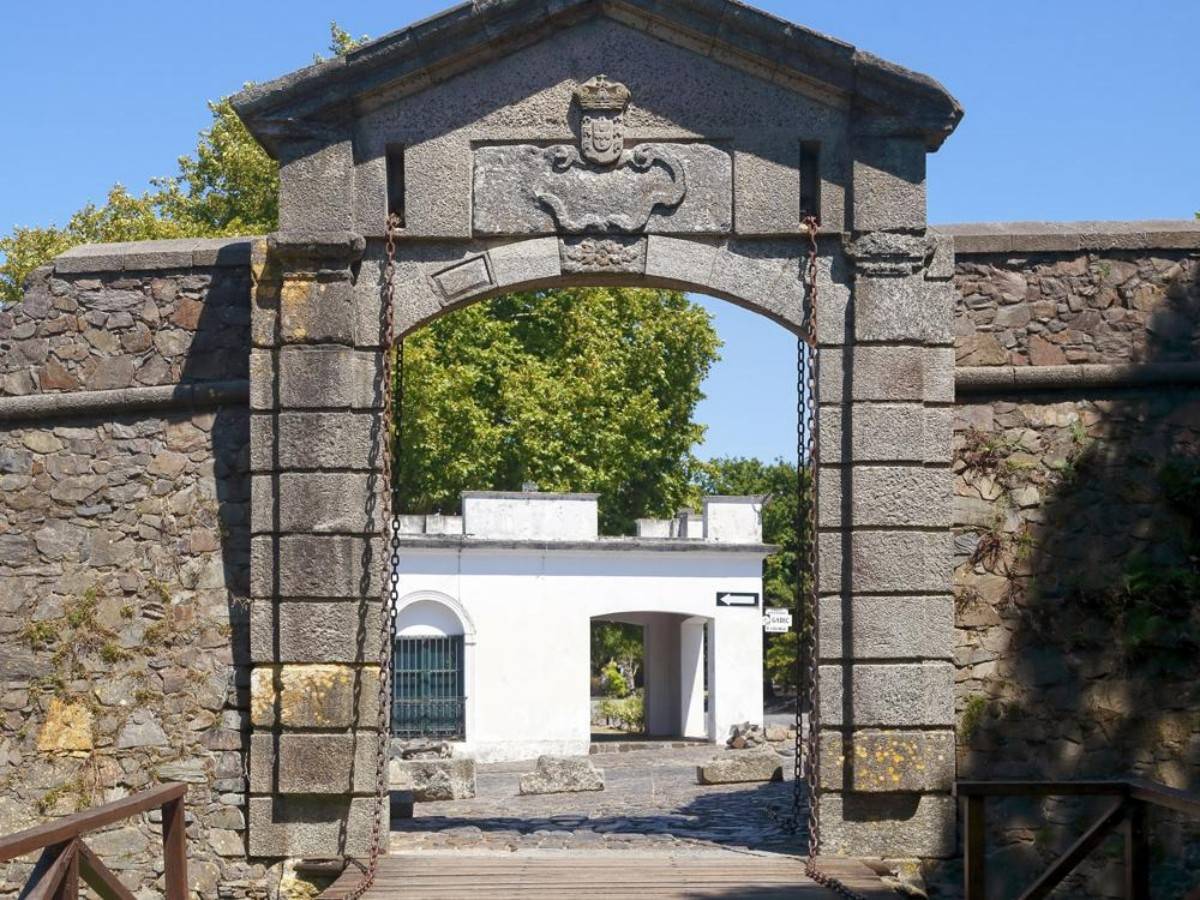
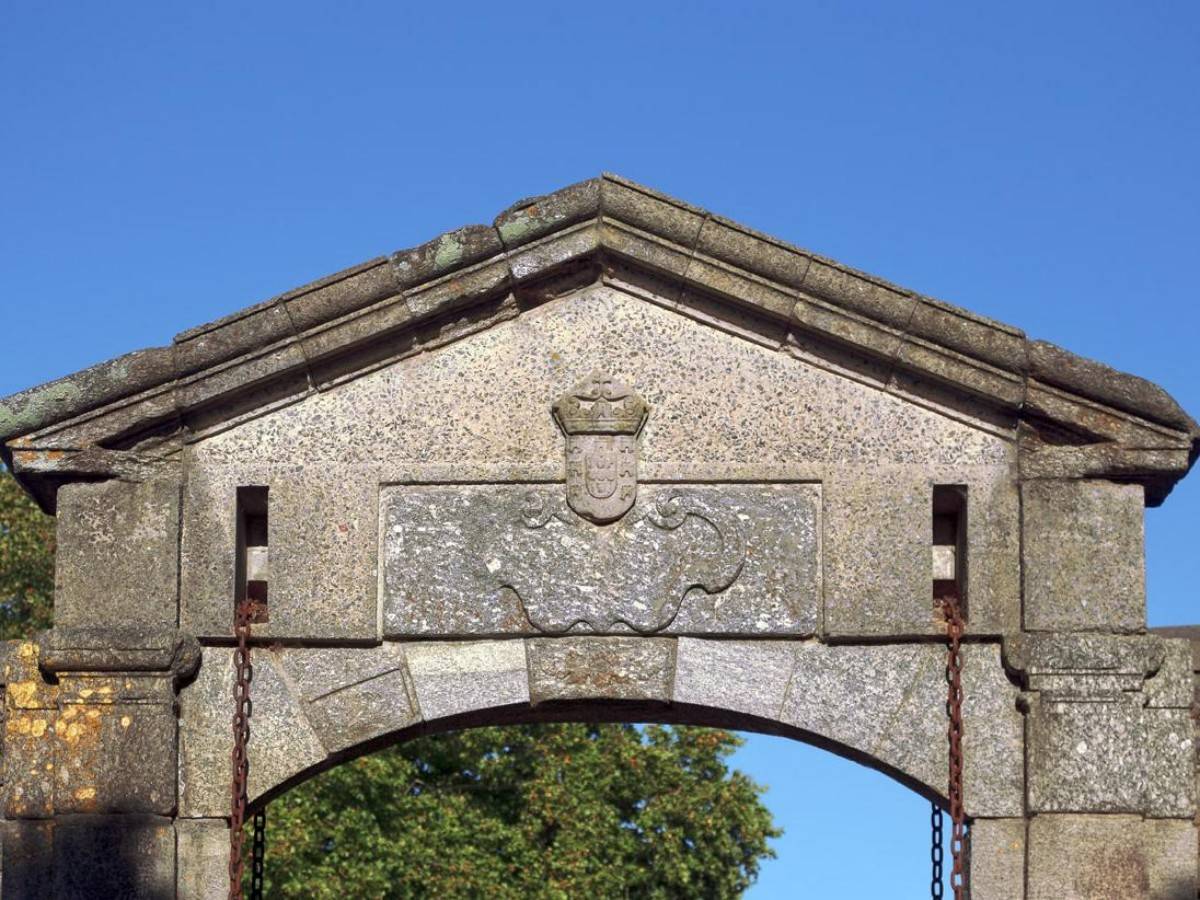
But the Spaniards were having none of it, and soon came calling. In 1745, after a few tugs of war, the Spaniards pushed down the original Portuguese walls and rebuilt a stronger, more “Spanish” defense, and that's when this gate, the Portón de Campo, was built. The Portón de Campo, the gate, was built at that time.
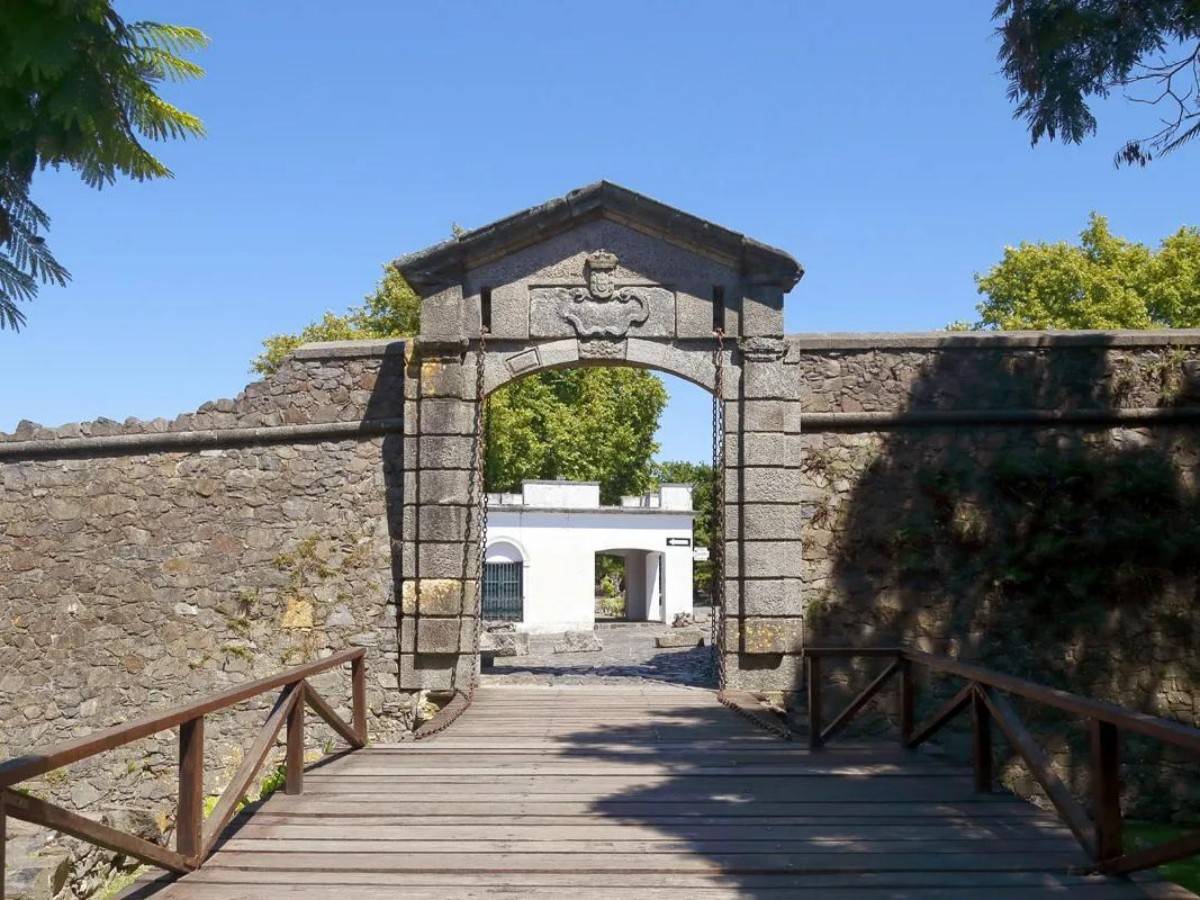
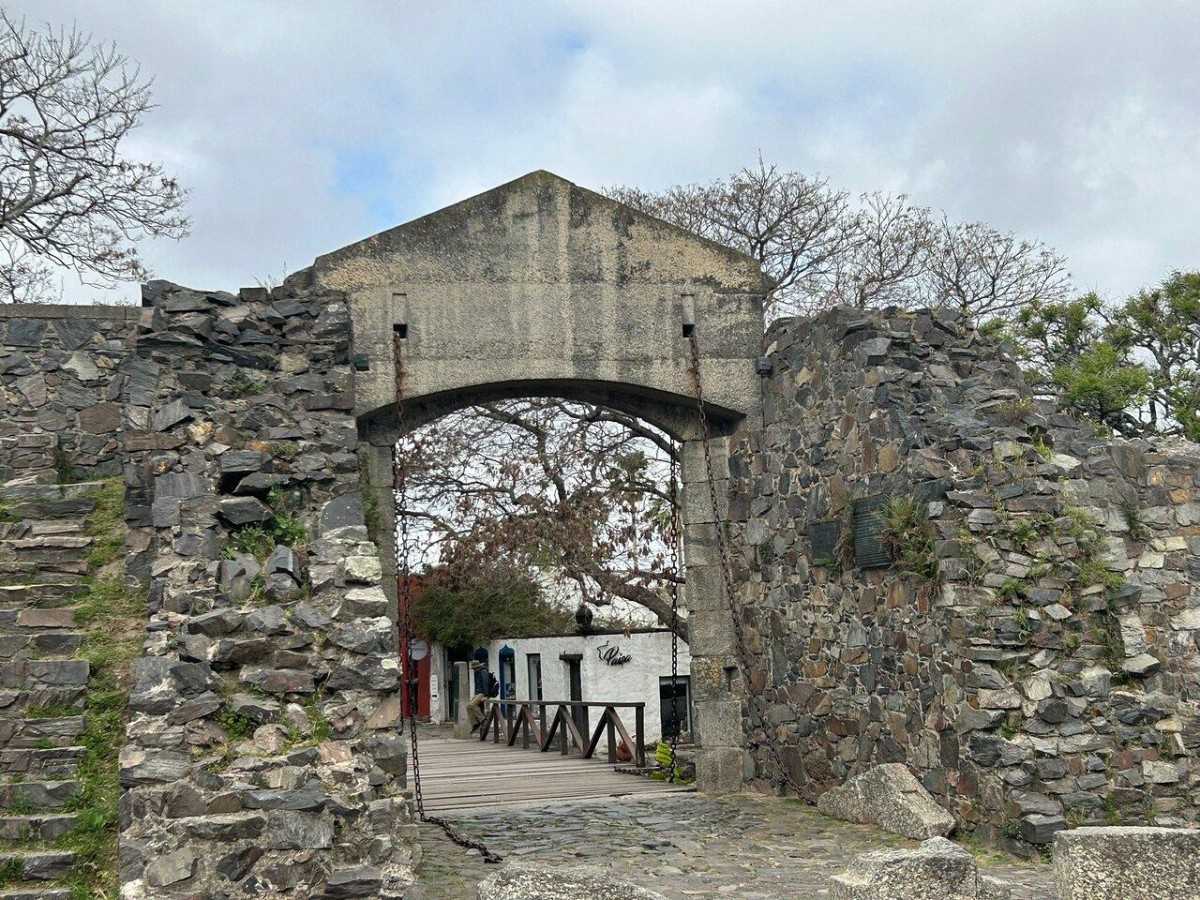
When you stand in front of the gate, it looks exactly the same as it did 250 years ago. The original wooden doors, the stone arches and the suspension bridge that connects the outside world to the old part of town are all intact. You can feel that it was a fortress for defense and a dividing line between the lives of the soldiers and the inhabitants, with the unknown and danger on the outside and the safe world inside the walls.
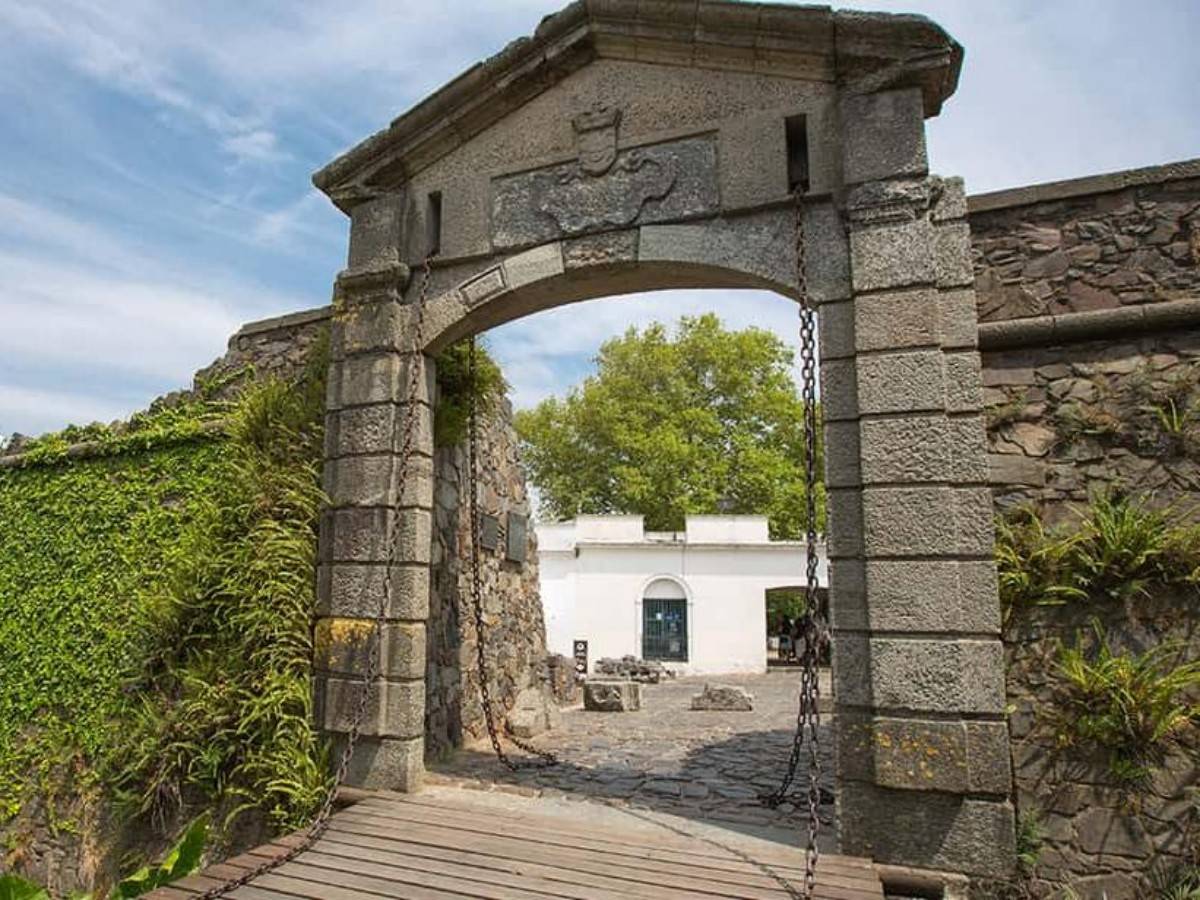
Portón de Campo is actually not very big, even smaller than many people's garage doors, but it has a special aura. With its heavy wooden doors, stone arcades embedded in the walls, and the old moss-covered drawbridge, you can imagine the horse-drawn carriages coming in with a grunt just by standing there.
Advertisement
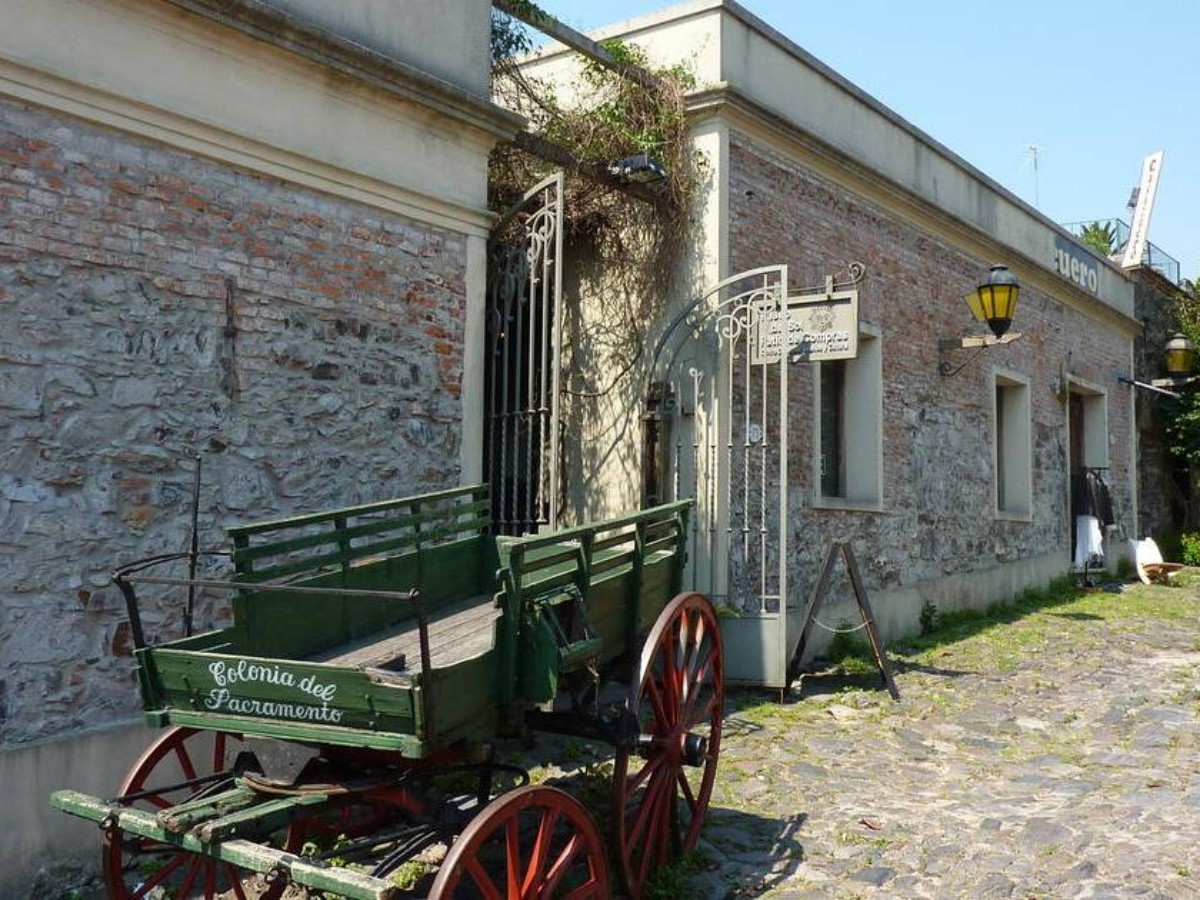
The Portón de Campo is more than just an entrance; it's the first step in a journey through history, with potholed stone pavements and a mix of Spanish and Portuguese houses on either side.
Next to it is a section of the original city wall, which you can climb to get a view of the old neighborhood. It's not high up, but taking photos, catching a breeze and listening to your guide tell you some stories of the old days will make you feel particularly comfortable with the pace of this small town, which is neither compact nor ostentatious.
Colonia del Sacramento has a subtropical climate with four distinct seasons but no extreme weather. The most comfortable times to travel are spring (September to November) and fall (March to May), when temperatures range from 60 to 75 degrees Fahrenheit, the air is dry, and the crowds are relatively uncrowded, making it ideal for walking and taking photos.
If you come in the summer (December through February), the weather will be hotter, possibly over 85 degrees Fahrenheit during the day, and there will be a bit more tourists, especially local Argentinians who will take advantage of the holidays. The good thing is that there are more activities, like there will be markets, music festivals, and food stalls along the river.
Winter (June through August) isn't particularly cold, but the rain is on the rainy side and temperatures fall around 50 degrees Fahrenheit. If you don't mind cloudy days, coming here in the off-season can be a quiet experience, and you'll be able to avoid the crowds, which makes it perfect for those who want to take pictures of empty landscapes and enjoy the cleanliness of the area.
First of all, transportation is super easy. If you come from Buenos Aires, it only takes about an hour to take a high-speed boat (Buquebus or Colonia Express), and the marina is just a ten-minute walk from the old town, so you don't even need to take an Uber; it's only a little over two hours by car from Montevideo, and you can drive all the way along the coast.
Flat shoes or sneakers are recommended, as the entire historic district is rocky and you won't get very far in flip-flops or high heels. A hat and sunscreen are also a must, as the spring and fall sun is mild but still quite hot.
There are a number of small cafes and ice cream stands in the Portón de Campo neighborhood, so it's always a good idea to refuel. The local ice cream is really good, especially the dulce de leche (milky sugar flavor) which is a South American classic that you can't go wrong with.
If you like to take photos, it is recommended to come to the city gate in the morning or evening to get the best light. In the morning, there are fewer people, so you can take pictures of the empty city; in the evening, the slanting sun hits the suspension bridge and the wall, the picture is very gentle. After taking pictures, you can go to the nearby river and watch the Argentine lights on the other side of the river slowly light up, which makes you feel the flavor of a faraway place.
Portón de Campo may look like an insignificant old gate, but it really is one of the most representative landmarks in Uruguay's history. It represents not only the mark of Spanish rule, but also a microcosm of South American colonial history. Standing there, you don't need to see a museum, you don't need to listen to a lecture, just close your eyes and feel how many pairs of feet have stepped on this piece of ground, it's already shocking enough. Colonia del Sacramento itself is like a South American storybook turned to the old page, and Portón de Campo is the most classic cover of that page. Whether you're a history buff, an architecture fanatic, a photographer, or just looking for a place to slow down without all the noise, this is a stop that will impress you. You don't need to memorize the guide, and you don't need to hit the card non-stop, Colonia will welcome you with its own rhythm. And this old Spanish door is the best place to start.