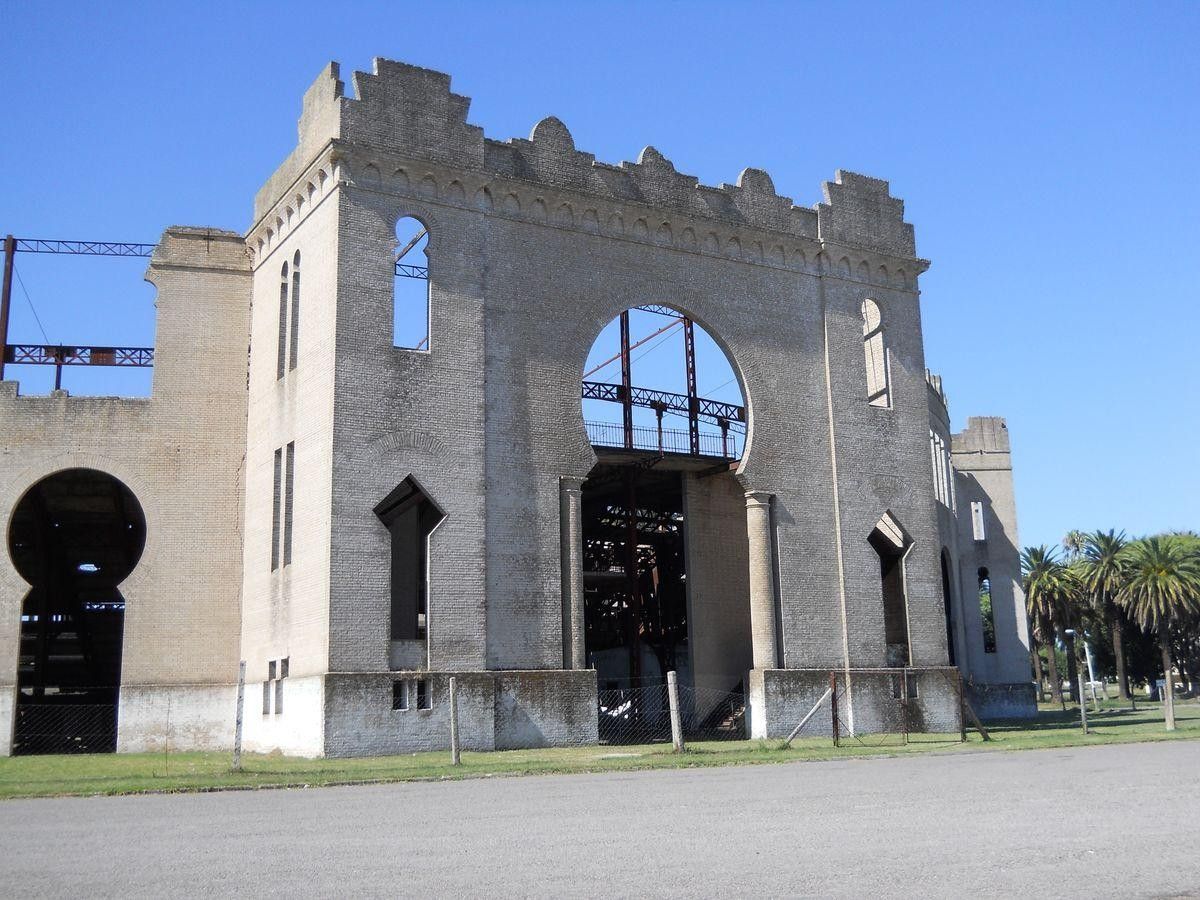
Some attractions are not memorable because they are bustling with activity, but because they stand there quietly, as if saying nothing, but making many images automatically appear in your head, and Real de San Carlos Bullring in Colonia del Sacramento is such a place. It's not a busy place, and it's not exactly a must-see landmark for tourists, but once you walk in and take a look, even if it hasn't been “fighting” for more than a hundred years, the unique atmosphere can still make your heart thump. The bullfighting ring is located in the Real de San Carlos district, not far from the old town, about ten minutes by car from the center of the city. Seriously, when you see it for the first time, you might be a little confused: isn't this Spain? Why is there a bullfighting ring in Uruguay? But that's what makes Colonia so special: it's never been a “city built according to a South American template”, but rather a jigsaw puzzle of mixed cultures, with a story to tell for each piece.
Advertisement
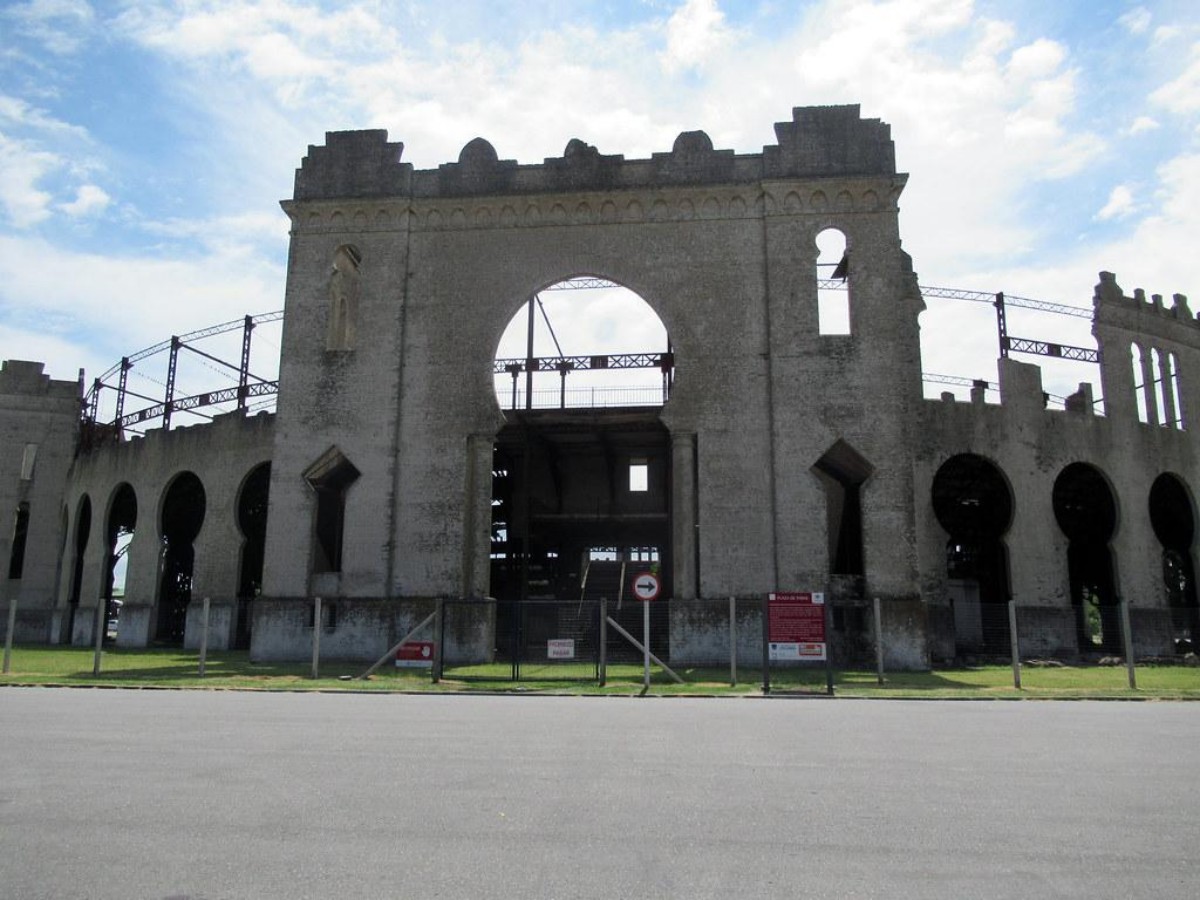
The story behind the birth of this bullring is a story of “big dreams but a bit of a bitter reality”: the Real de San Carlos Bullring was built in 1908 by Nicolás Mihanovich, a wealthy Argentinian businessman, who spent a fortune on its construction. He intended Colonia to be a tourist resort with bullfighting, casinos, hotels, rodeos - everything in one place, a “luxury entertainment package. The bullring was the centerpiece of the plan.
Advertisement
The bullring was modeled after the Spanish Andalusian style, and with a capacity of about 10,000 spectators, it was one of the largest and most luxurious buildings in all of Uruguay at the time. Imagine how crazy it must have been in the early 1900s for a bullring to pop up in a small South American town, built almost to Madrid's specifications.
The bullring officially opened in 1909. For the first two years, it was a real hoot, with wealthy Argentines and Europeans flocking to the arena. But the problem also came: the Uruguayan people are mostly not very accepting of bullfighting with violent colors of this activity, and the government also began to resent this set of “Western-style hot blooded culture”. As a result, in 1912, the Uruguayan government legislated against bullfighting, and the bullfighting ring was decommissioned for just two years.
You can say it was a “flash in the pan”, but it did have its moments. What remains here today is not only an empty building, but also the imprint of a small South American country that wanted to pursue its dreams in the post-colonial era.
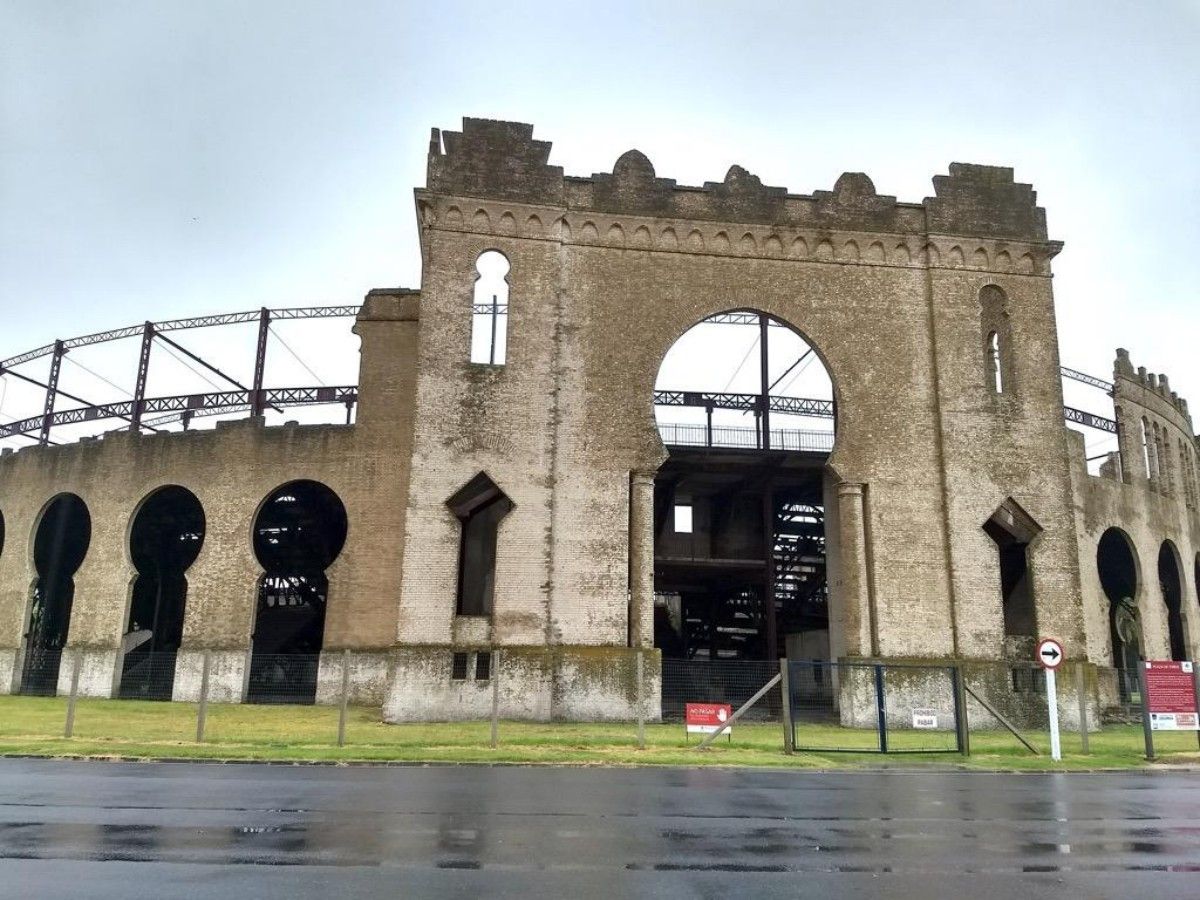
Nowadays, the Real de San Carlos Bullring is a place you can't visit inside, but you can look at it and take pictures of it. It's a concrete and brick building with heavy Moorish arches and jagged window openings, and even the iron railings around the perimeter are well-designed. Although the building is in a state of disrepair, its beauty has not diminished over time, but rather it has a more romantic “ruins” feel to it.
Advertisement
If you walk around the building, you will realize that it is really not small. Especially when you stand at the main entrance and look in, you can see the remnants of the auditorium and the overgrown bullfighting ring in the middle of the track. The building itself looks like a silent face, but after looking at it for a long time you can imagine how the audience used to clap and shout.
Next to the bullring there is also an old tram station, in those days the rich people came from Buenos Aires by train and ate and drank all the way into the bullring, the lifestyle can be said to be very high class. Now that tram is gone, naturally, but the platform is still there, and there are even remnants of the railroad tracks. The whole area is small, but it's a superb place to take photos, especially for travelers who like history, architecture or ruins style.
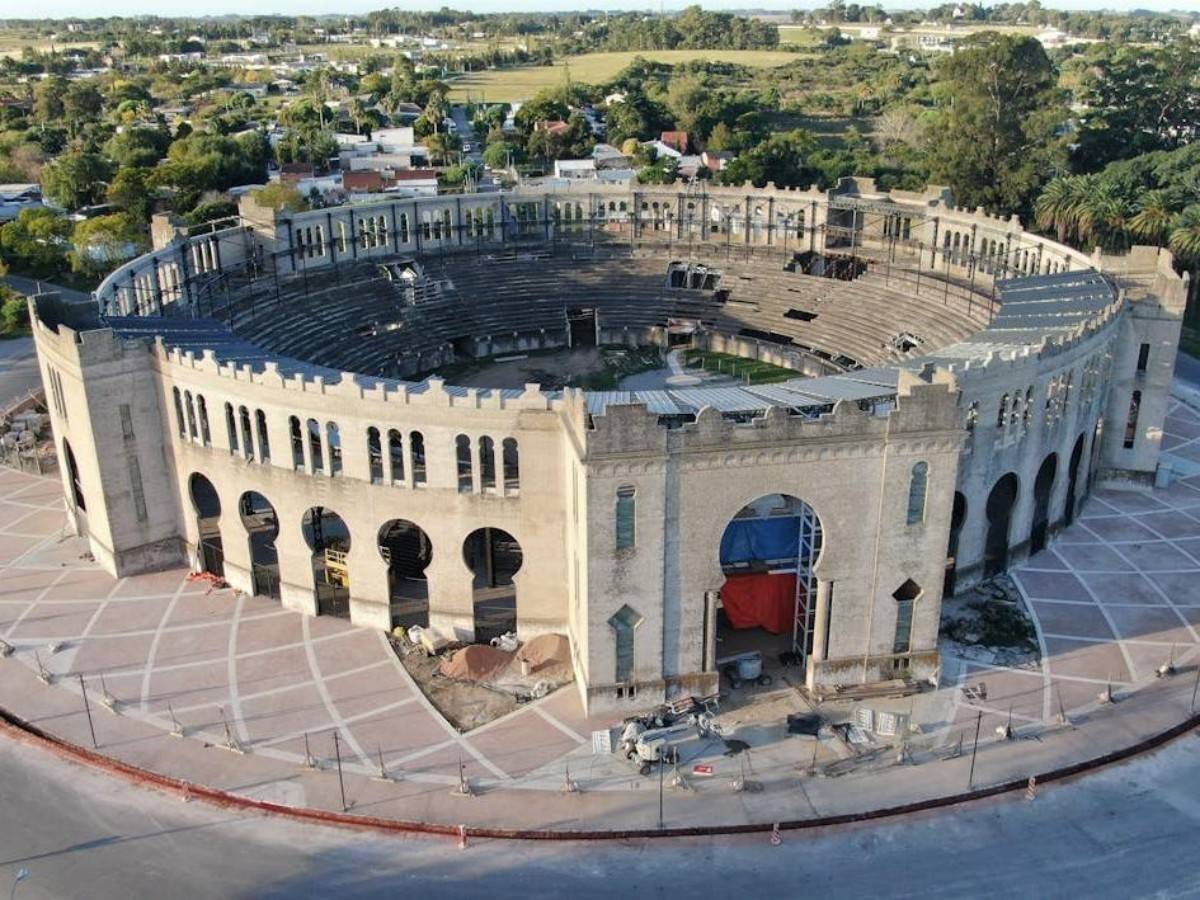
The Real de San Carlos Bullring is not currently open to the public for interior tours, due to safety concerns. The structure of the building has fallen into disrepair and there are parts of it that are no longer very stable, so the Uruguayan government has long opened only the outer areas for tourists to take photos in order to avoid accidents.
The good news, however, is that there have been plans to renovate the bullring and turn it into a cultural center or museum that could one day be reopened. Uruguayans have always been respectful of their cultural heritage, and they know that this is not a “use it for two years and throw it away” project, but part of the city's identity. So don't worry, maybe one year you'll be able to come back and see it for yourself.
For the time being, you can move freely around the perimeter of the bullring, with no entrance fee and no need for reservations. You can choose to go with a tour, or you can bike or drive around here on your own. There is also a small museum in the vicinity, Real de San Carlos, which displays photographs and some bullfighting-related objects from that period, so if you are interested, you can stop by and take a look.
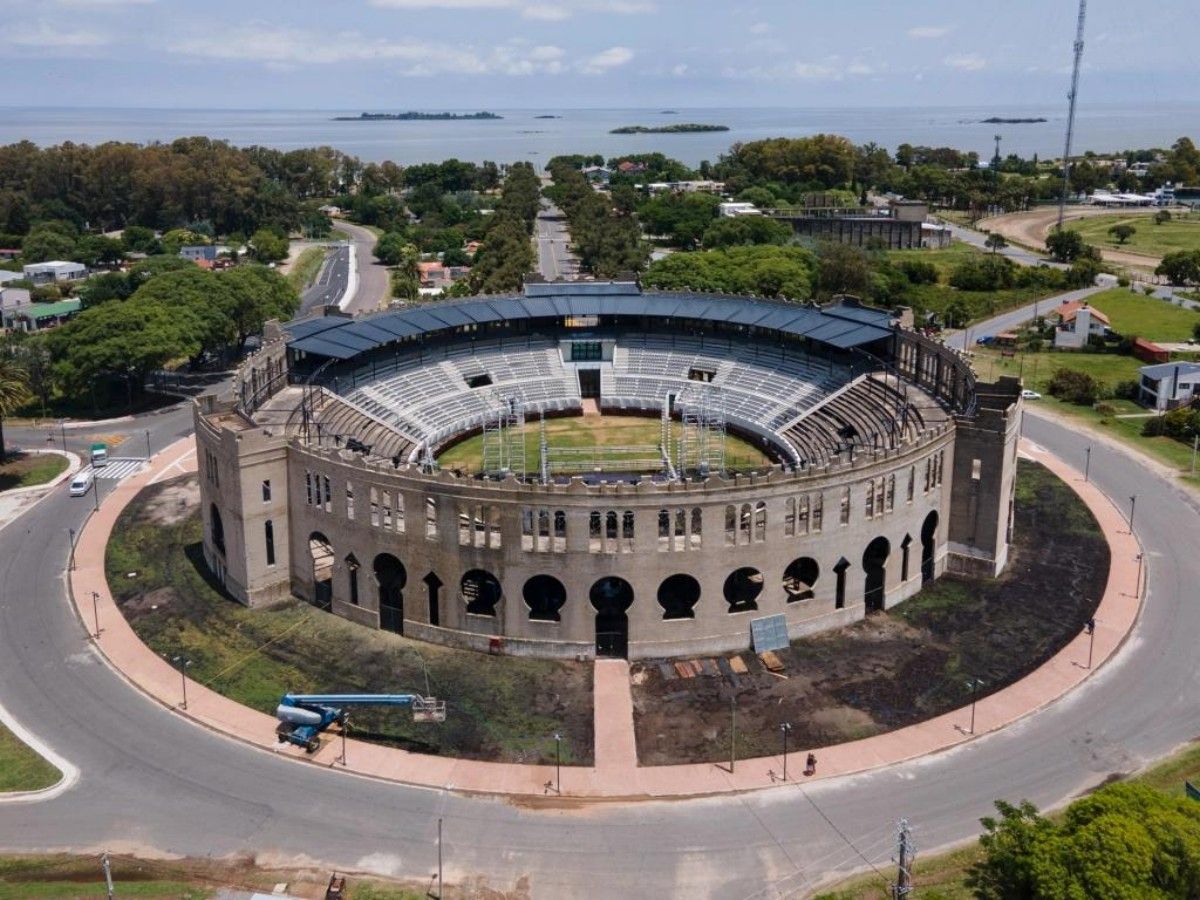
The Real de San Carlos neighborhood is very close to the old town of Colonia, only 15 minutes by bike and about 30 minutes by foot. There are cabs, Uber, and some hotels offer bike rentals, so it's very convenient.
The area around the bullring is not a commercial area, so it's quiet, not crowded, and there aren't any noisy stalls to interfere with your photos, so it's suitable for tourists who like to “slow down”. Next to a few cafes and snack bars, especially recommended to eat some churros (Spanish fries) with coffee, eat while watching the bullfighting arena is also quite the atmosphere.
There are restrooms, park benches, and an observation deck nearby for those with small children or older travel companions. As a reminder, there are a lot of trees in the area, so remember to bring mosquito spray. Don't forget your hat and sunscreen when the sun is high.
Real de San Carlos Bullring may no longer be hot and crowd cheering, but it is not a forgotten corner, but a living relic. It represents a clash of cultures and a period of crazy idealism. Just like those flashback scenes in a movie, as you walk past this old building, it is also slowly projecting the light of the past into your mind. So if you're in this little town, don't just stroll through the old town and watch the sunset. Take an afternoon to walk around Real de San Carlos Bullring, listen to the wind, and maybe you'll hear the drums of 100 years ago echoing in the air.