Advertisement
In Kyoto, Japan, Kinkaku-ji (also known as the Golden Pavilion) is like a dazzling pearl, exuding charming brilliance. This ancient temple, built in 1397, is not only a national treasure of Japan, but also one of the most representative tourist attractions in Kyoto. When you come to Kinkaku-ji, these eight things are definitely not to be missed, and they will take you to deeply appreciate the unique charm of Kinkaku-ji.
Advertisement
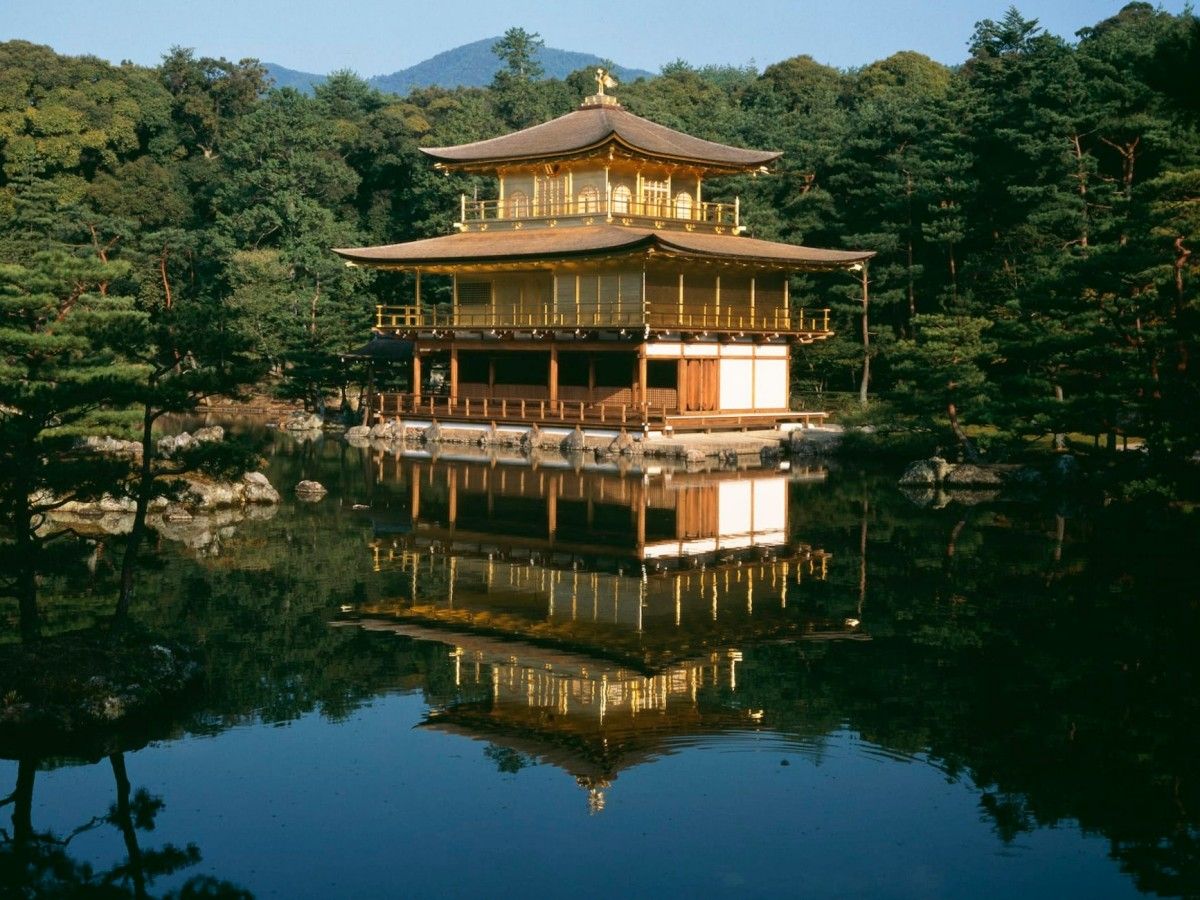
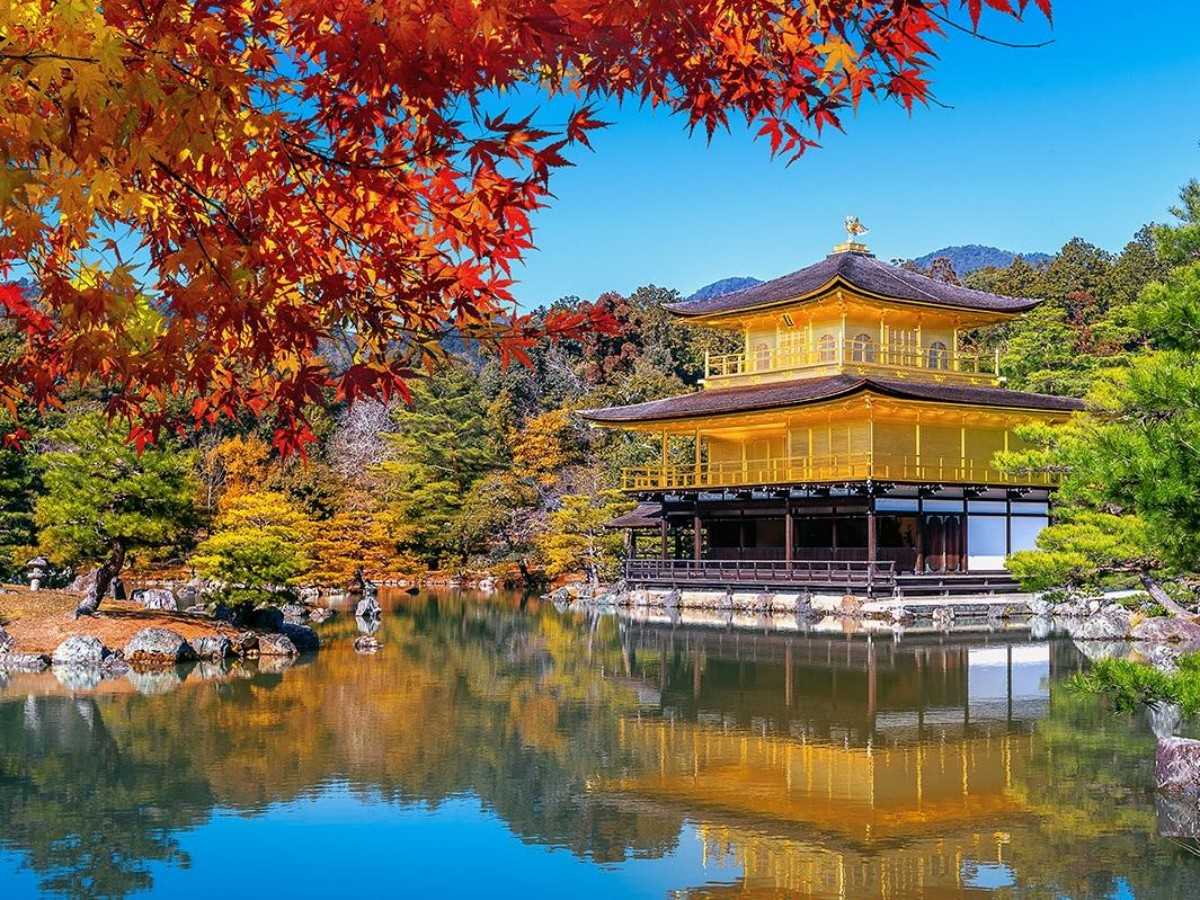
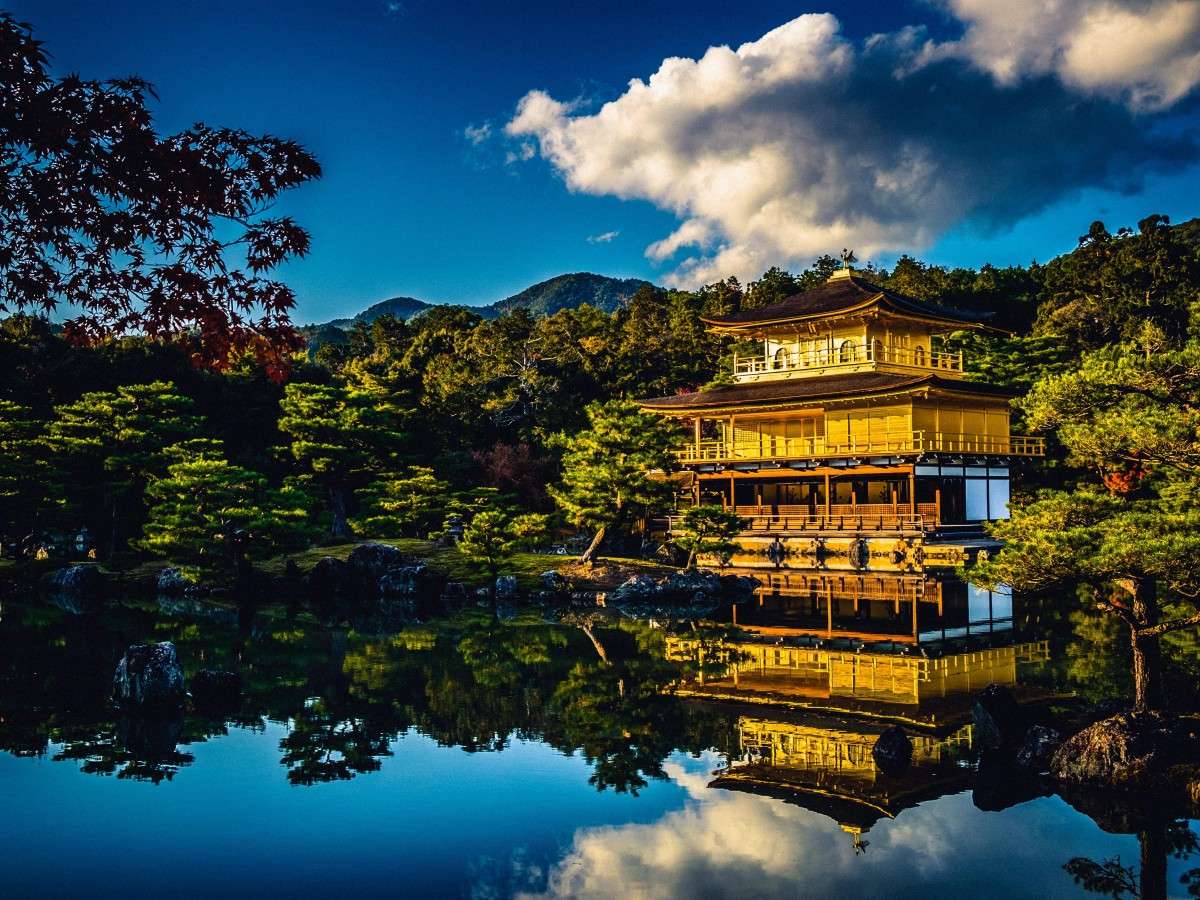
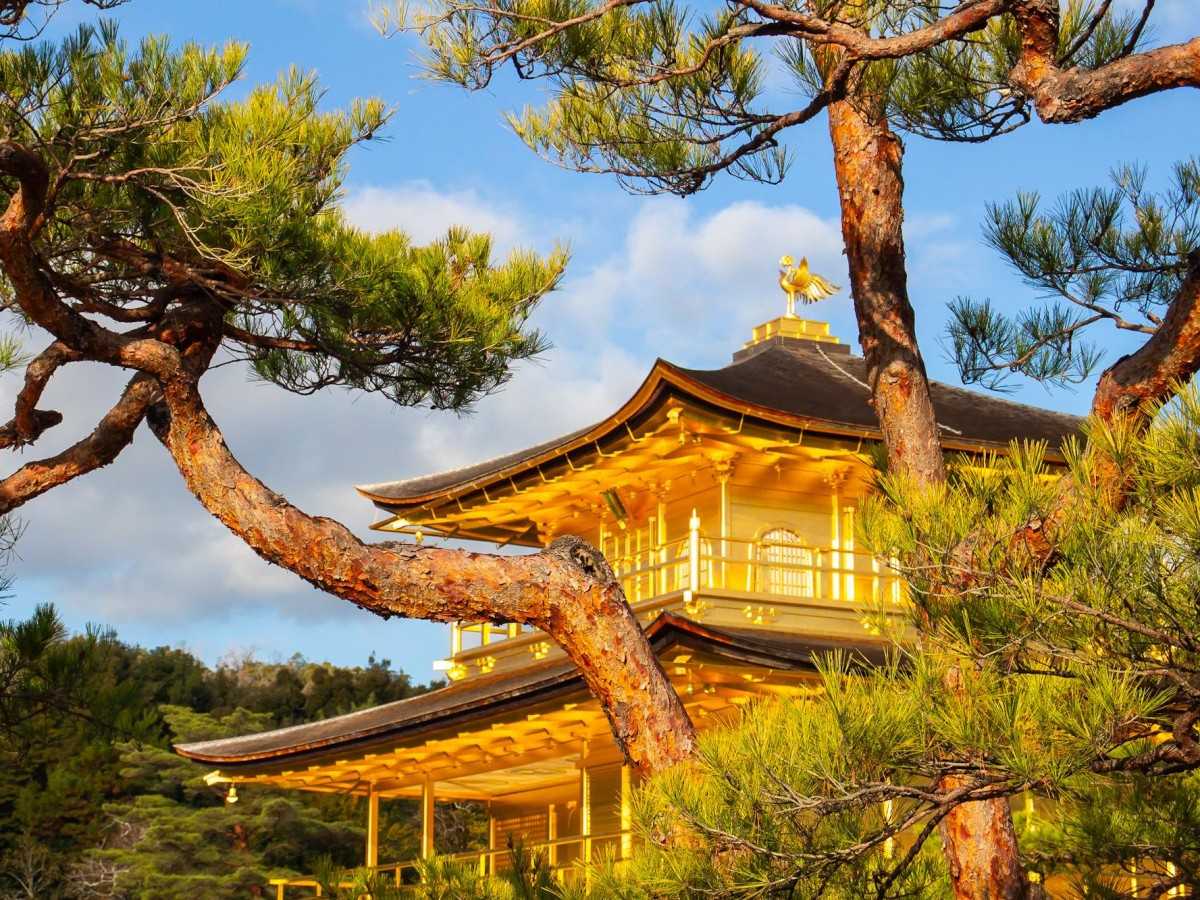
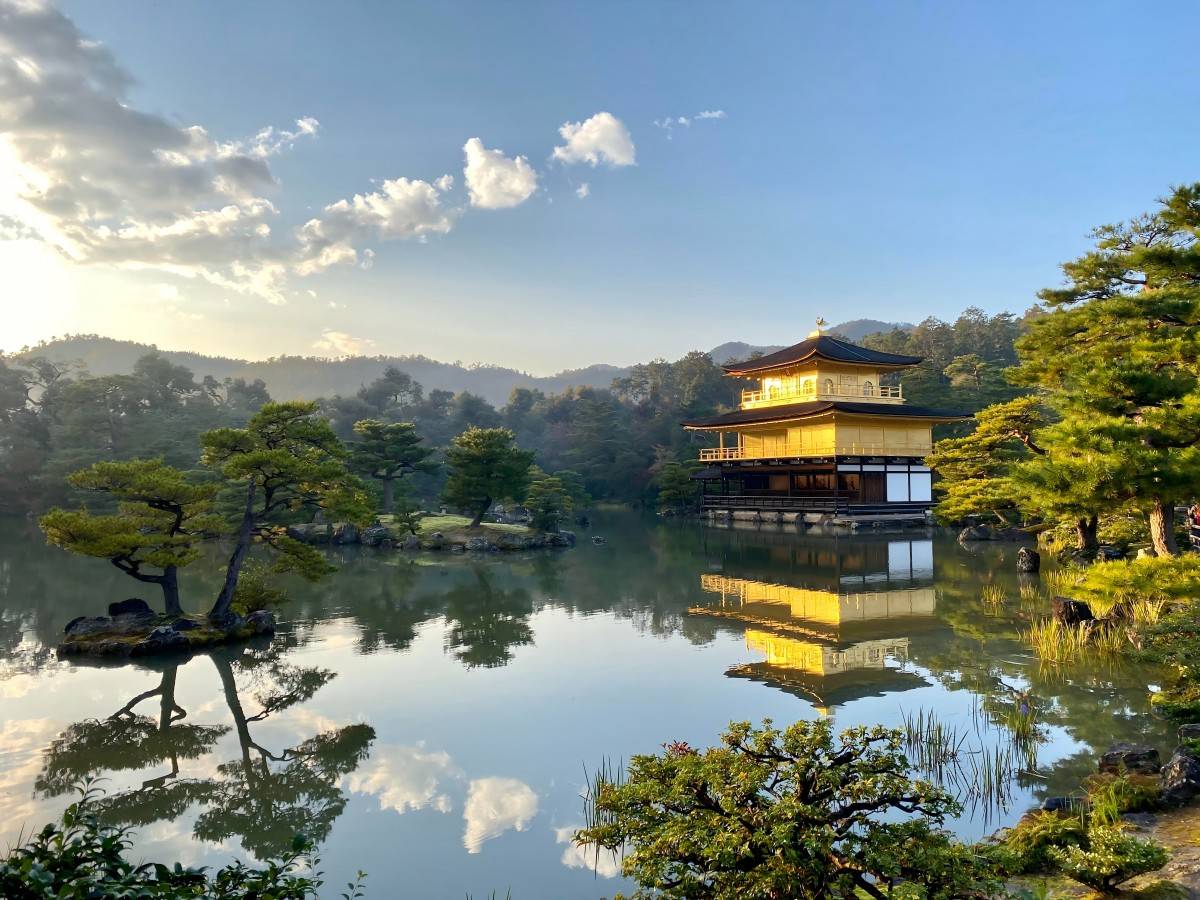
The core building of Kinkakuji Temple, the Shariden, is called the "Golden Pavilion" because its outer wall is covered with gold foil and shines golden in the sun. This three-story pavilion-style building combines multiple architectural styles. The bottom floor is the aristocratic style of the Heian period, the middle floor is the samurai style of the Kamakura period, and the top floor is the Zen Buddhist temple style. When you stand by the Mirror Lake Pond and look at the Golden Pavilion reflected in the clear lake water, the blue sky, white clouds, green trees and golden buildings complement each other, forming a dreamlike picture, which makes people can't help but be impressed by its exquisite architectural art.
Advertisement
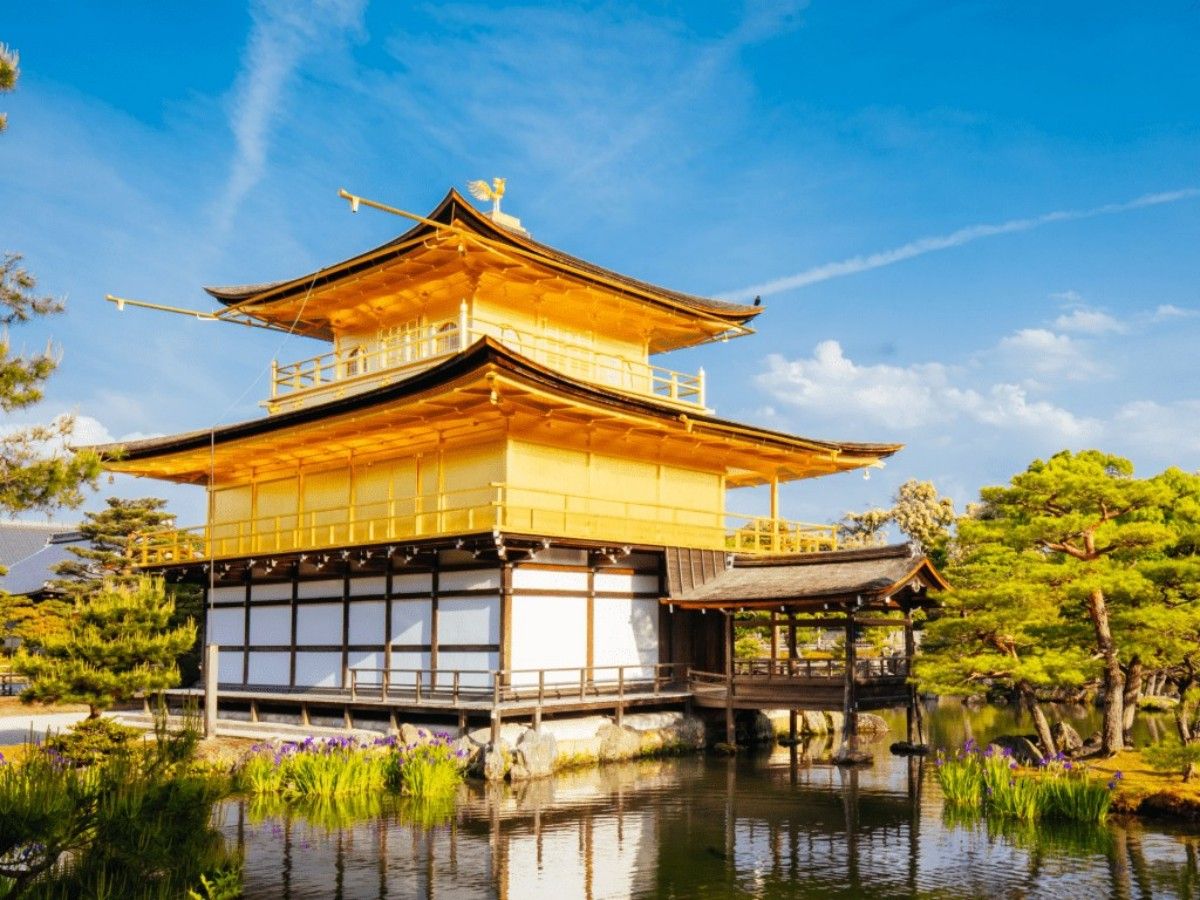
The Mirror Lake Pond surrounds the Golden Pavilion and is a major landscape of the Golden Pavilion. Strolling along the path by the lake, the breeze blows on your face, the lake water ripples, and the reflection of the Golden Pavilion sways in the water. The carp in the pond occasionally jump out of the water, breaking the calmness of the lake; the weeping willows on the shore are swaying in the wind. Here, you can slow down, appreciate the beautiful scenery of the perfect fusion of nature and architecture, and feel the tranquility and harmony of nature.
Advertisement
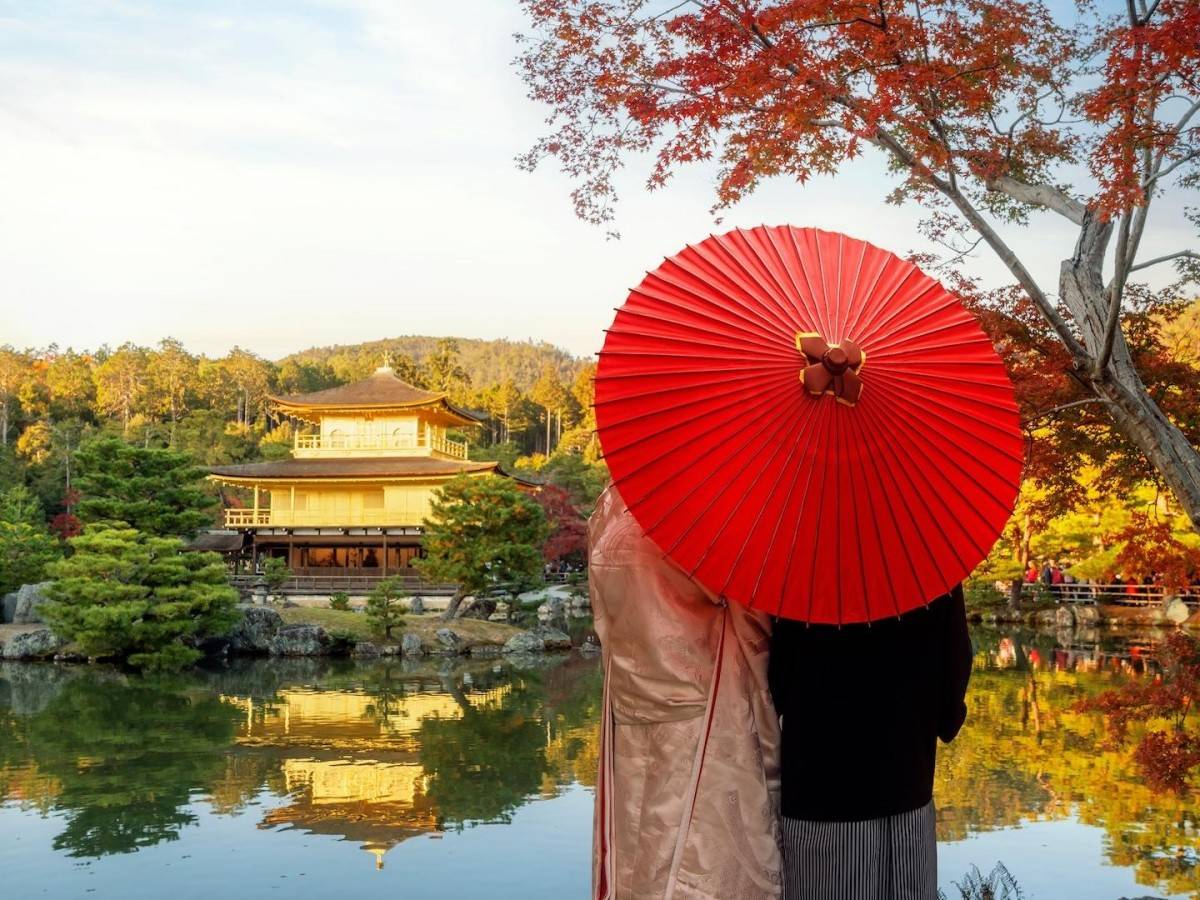
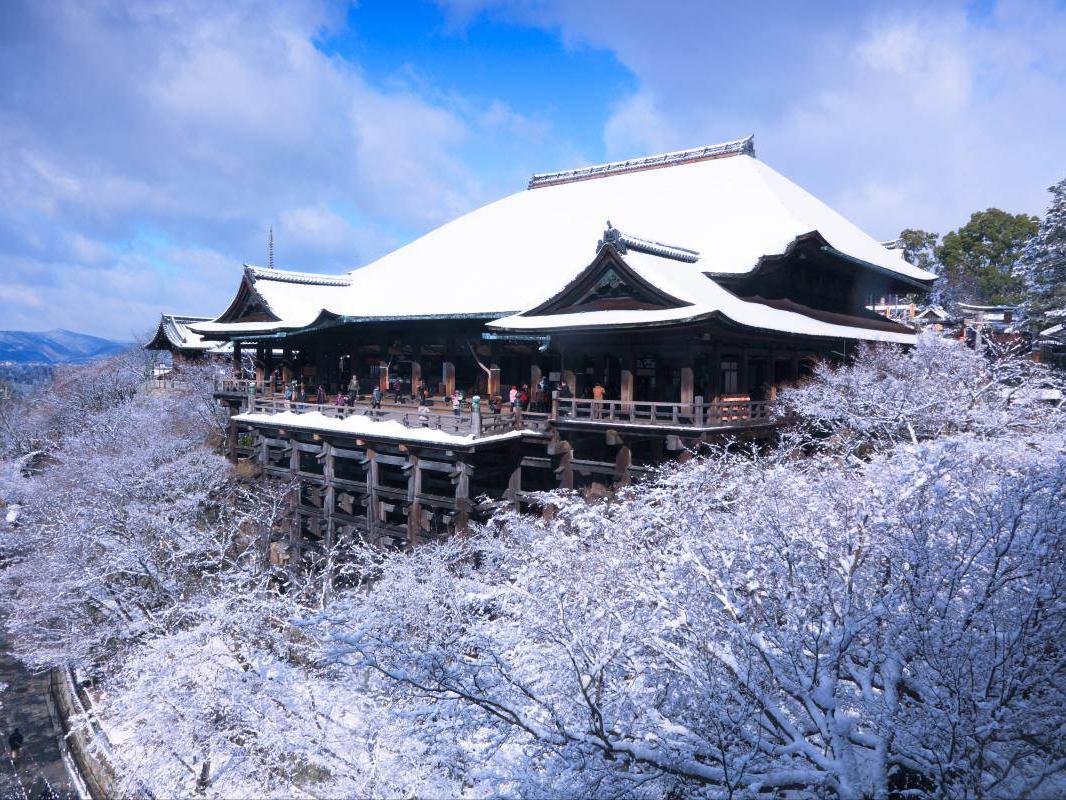
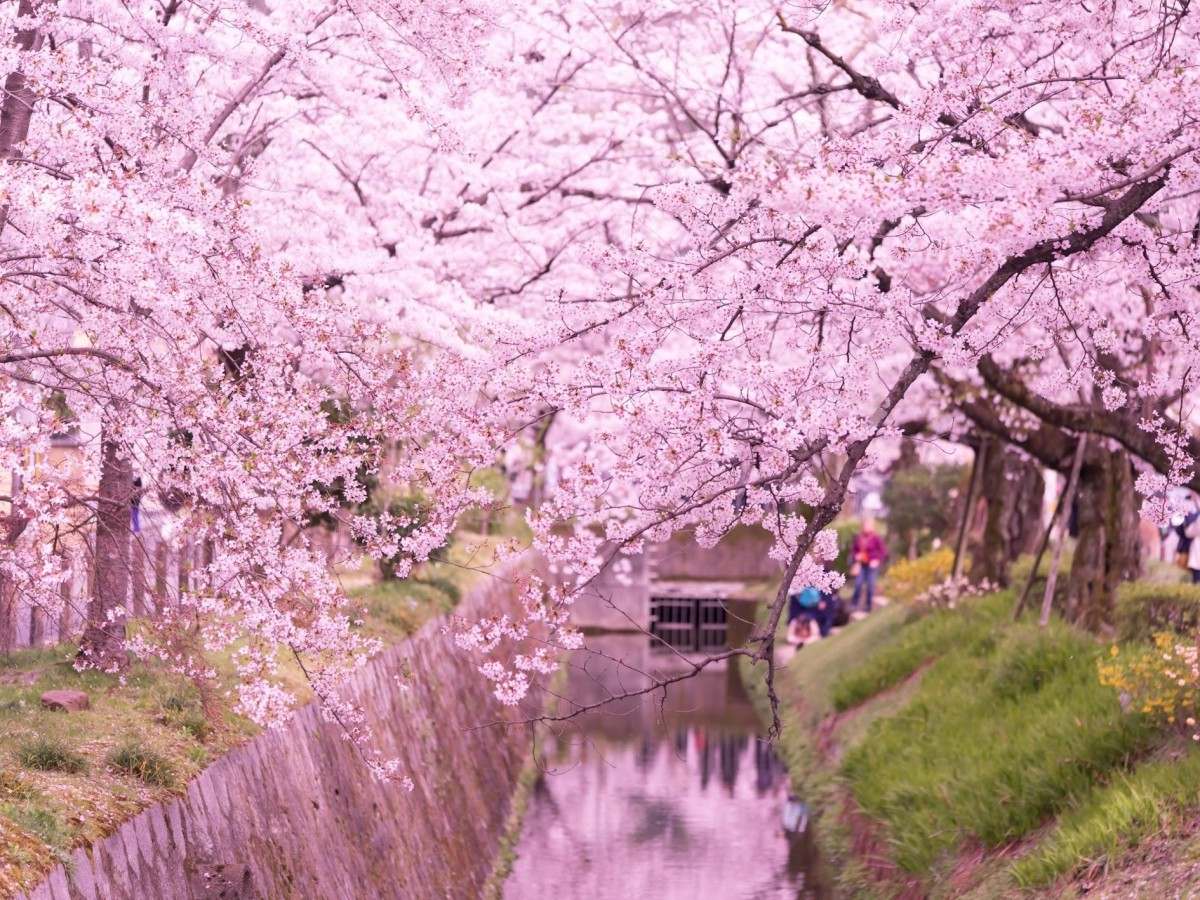
Each season of Kinkakuji Temple has its own merits. In spring, the cherry blossoms in the temple are in full bloom, and the pink petals and the golden pavilions are intertwined, like a dream; in summer, the green trees are shaded and reflected in the mirror lake, adding a touch of cool green to the Golden Pavilion; in autumn, the maple leaves are like fire, decorating the Golden Pavilion with extraordinary beauty, complementing the golden building; in winter, the white snow covers the Golden Pavilion, like a sacred ice and snow palace, pure and solemn. No matter when you come, you can appreciate the unique seasonal charm of Kinkakuji Temple.
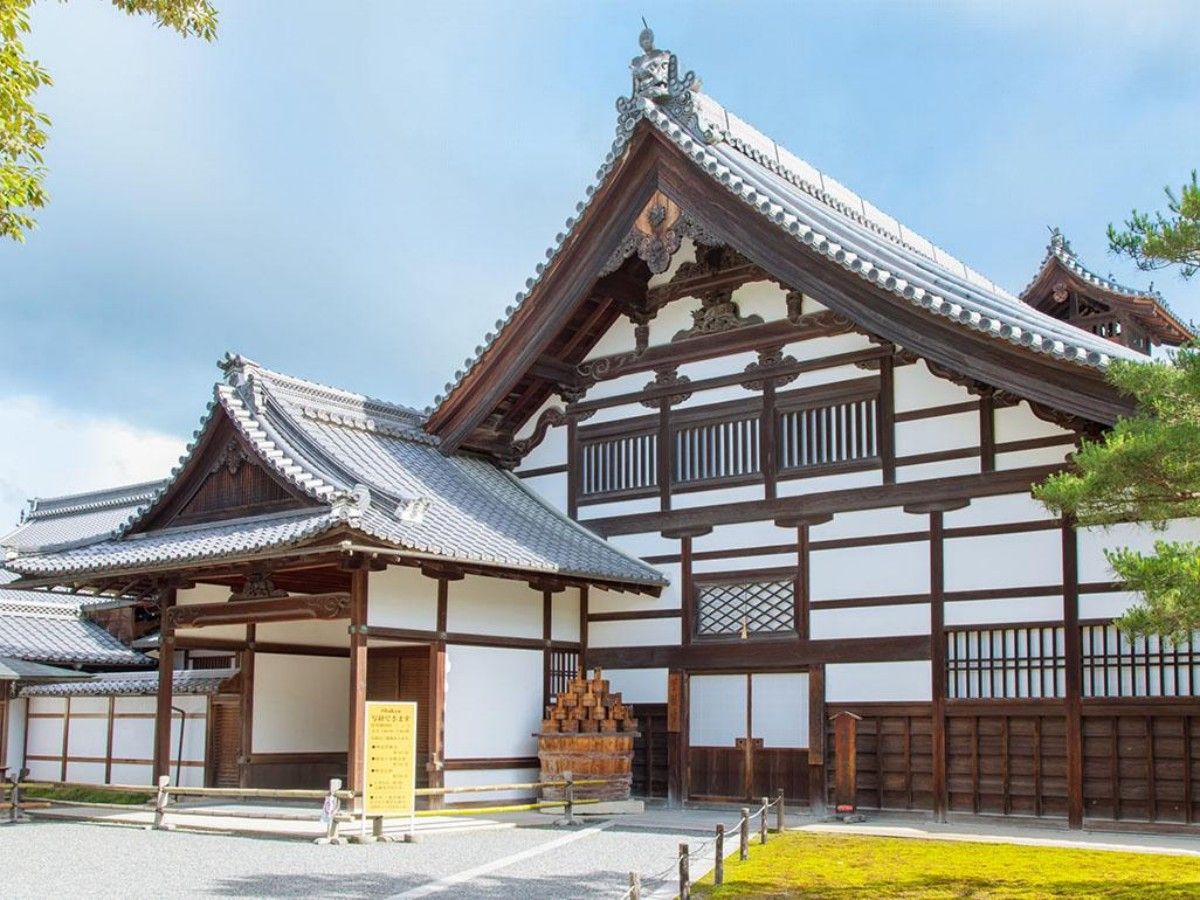
Fuji-an is an annex of Kinkakuji Temple and a typical Japanese courtyard. When you step into Fuji-an, you will be overwhelmed by the tranquil atmosphere. In the courtyard, the carefully arranged dry landscape uses sand and stone to symbolize the sea and rivers, and stones to symbolize islands and mountains. It is simple and artistic. Here, you can sit in the tea room, taste a cup of fragrant tea, listen to the sound of wind and leaves, and feel the tranquility and depth of Zen life.
In the store of Kinkakuji Temple, there are all kinds of special amulets and ema. Amulets are amulets of Japanese shrines and temples. They are beautifully shaped and rich in meaning, such as academic amulets, health amulets, marriage amulets, etc. You can choose an amulet you like and pray for peace and happiness for yourself and your family. Ema is a wooden plaque that people use to make wishes. It is painted with the pattern of Kinkakuji Temple. You can write down your wishes and hang them on the ema frame to express your beautiful vision for the future.
During certain periods, Kinkakuji Temple will hold night worship activities. The Kinkakuji Temple at night is illuminated by lights, emitting a mysterious and charming light. Unlike the bustle of the day, the Kinkakuji Temple at night is more peaceful. You can savor the unique charm of the Kinkakuji Temple in a quiet atmosphere. The Golden Pavilion under the light is reflected in the Mirror Lake Pond, like a dream, giving people a different visual enjoyment.
Before leaving Kinkakuji, you may want to go to the store to pick up some limited souvenirs. There are small ornaments in the shape of Kinkakuji, postcards printed with Kinkakuji patterns, handkerchiefs, stationery, etc., each of which is unique and commemorative. Take these souvenirs home, not only as a souvenir of your own trip, but also as a gift to relatives and friends to share your good time in Kinkakuji.
Kinkakuji Temple is not only a beautiful building, but also carries a rich history and culture. During the tour, you can learn about the historical changes of Kinkakuji Temple, the stories behind the building, and the cultural significance it contains by visiting the exhibitions in the temple and reading relevant materials. This will make your trip more fulfilling and give you a deeper understanding of Kinkakuji Temple.
Kyoto Kinkakuji Temple attracts tourists from all over the world with its unique architectural style, beautiful natural scenery and profound historical and cultural heritage. These eight must-do things allow you to experience the charm of Kinkakuji Temple from different angles. If you have the opportunity to come to Kyoto, don't miss Kinkakuji Temple and come here to start an unforgettable cultural journey!