Advertisement
When it comes to Kyoto maple viewing, many people first think of Arashiyama or Kiyomizu Temple. But if you just want to immerse yourself in the pure, stunning and quiet autumn beauty, then Tofuku-ji Temple is definitely a stop you can't miss. Especially in autumn every year, its "sea of red leaves" is praised by the Japanese as "the first place for red leaves in Kyoto." However, Tofuku-ji Temple is not only suitable for autumn; there are beautiful scenery in all seasons, and the garden design also contains deep Zen. If you just take a quick look, take a photo and leave, you may not really understand the charm of this temple. So, how should you visit Tofuku-ji Temple to make the most of your ticket and time? This article sorts out the best visiting seasons, photo angles and hidden ways to help you deeply experience the excitement of Tofuku-ji Temple.
Advertisement
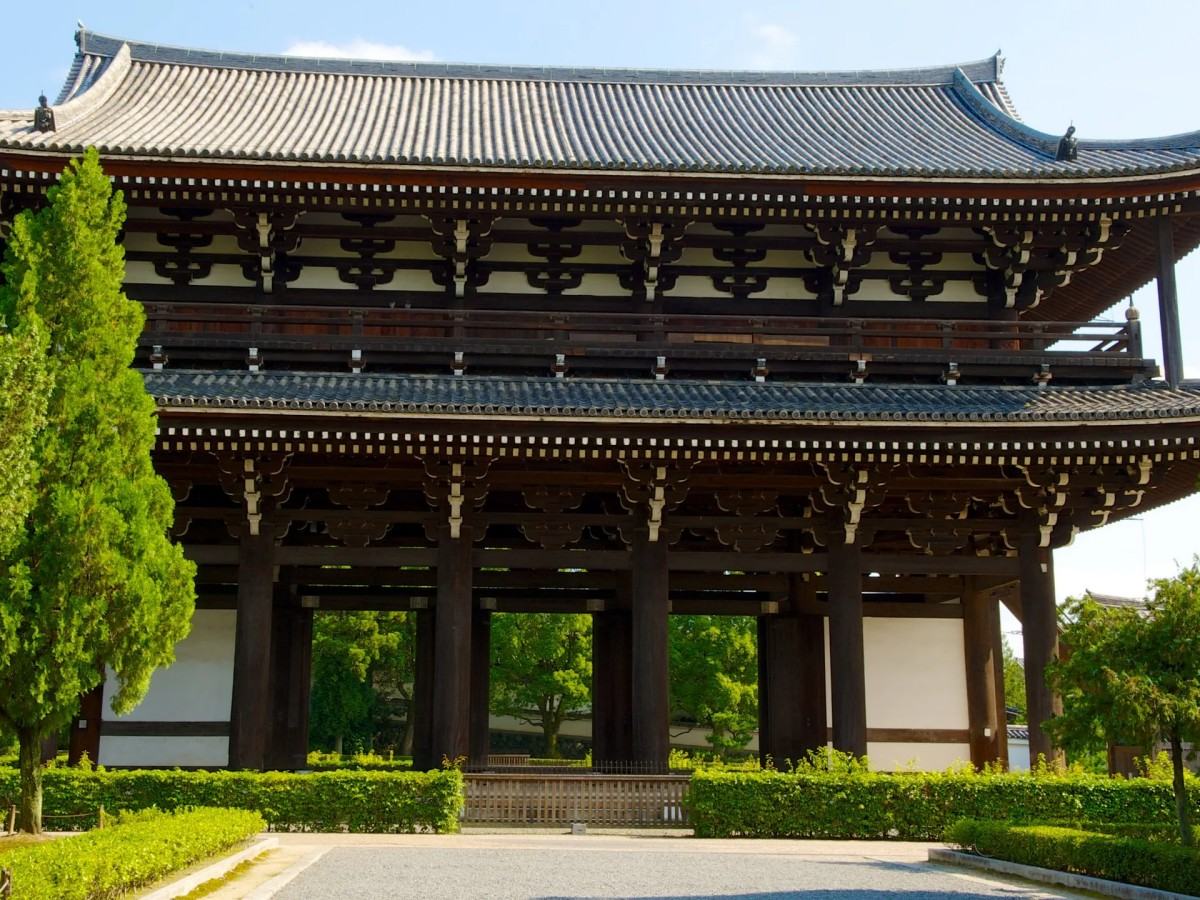
Founded in 1236 AD, Tofukuji Temple is an ancient Zen temple with a history of nearly 800 years. It is also one of the Five Mountains in Kyoto (the top sequence among Zen temples). The name of the temple is taken from the "East" and "Fuku" of Todaiji Temple and Kofukuji Temple in Nara, symbolizing the integration of the spirit of the two.
Advertisement
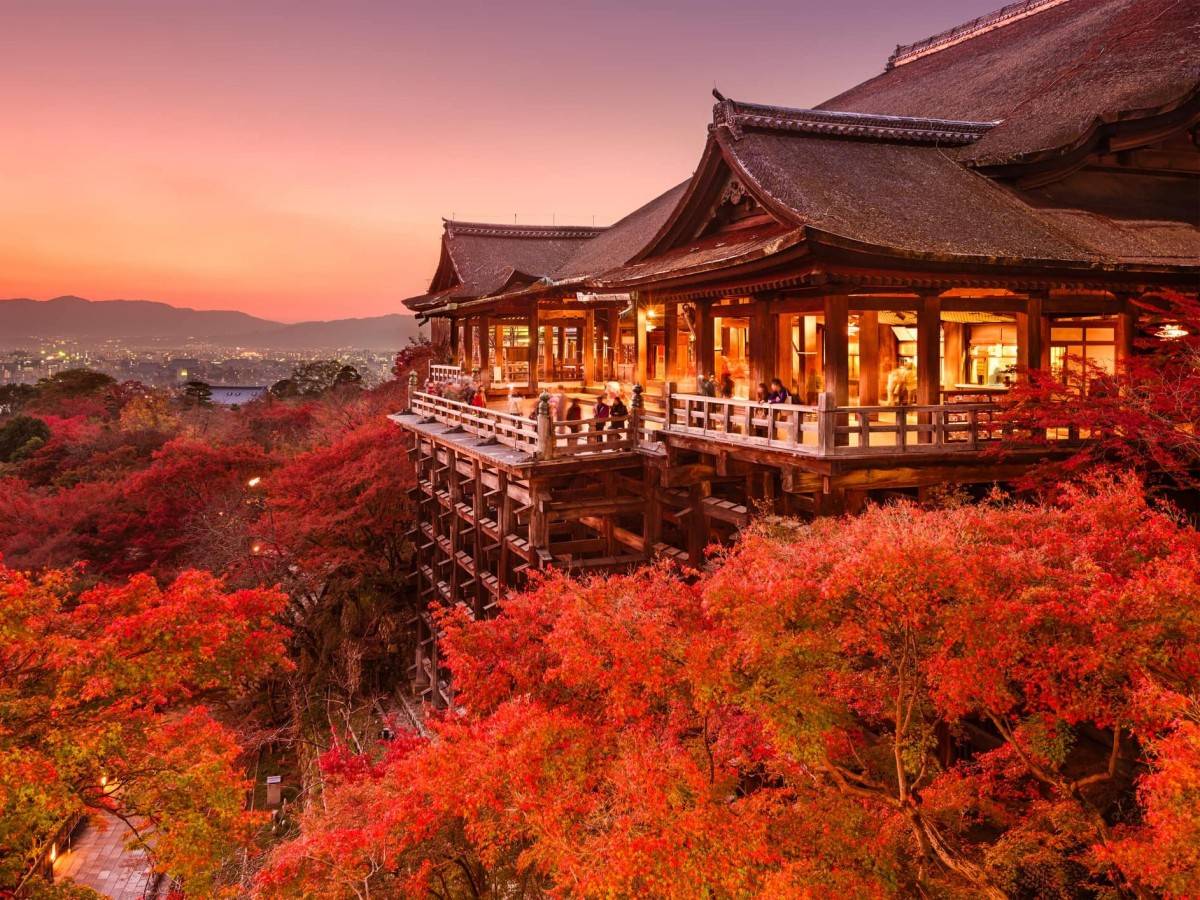
Tofukuji Temple is not only famous for its large scale, but also for its maple leaves and garden design. Especially in autumn, thousands of maple trees in the temple are dyed red together. Looking down from the air, the whole temple seems to float on the sea of red leaves. Places such as Tsutenkyo Bridge, Washing Jade Stream, and Hojo Garden are also the protagonists of "Kyoto Autumn Postcard".
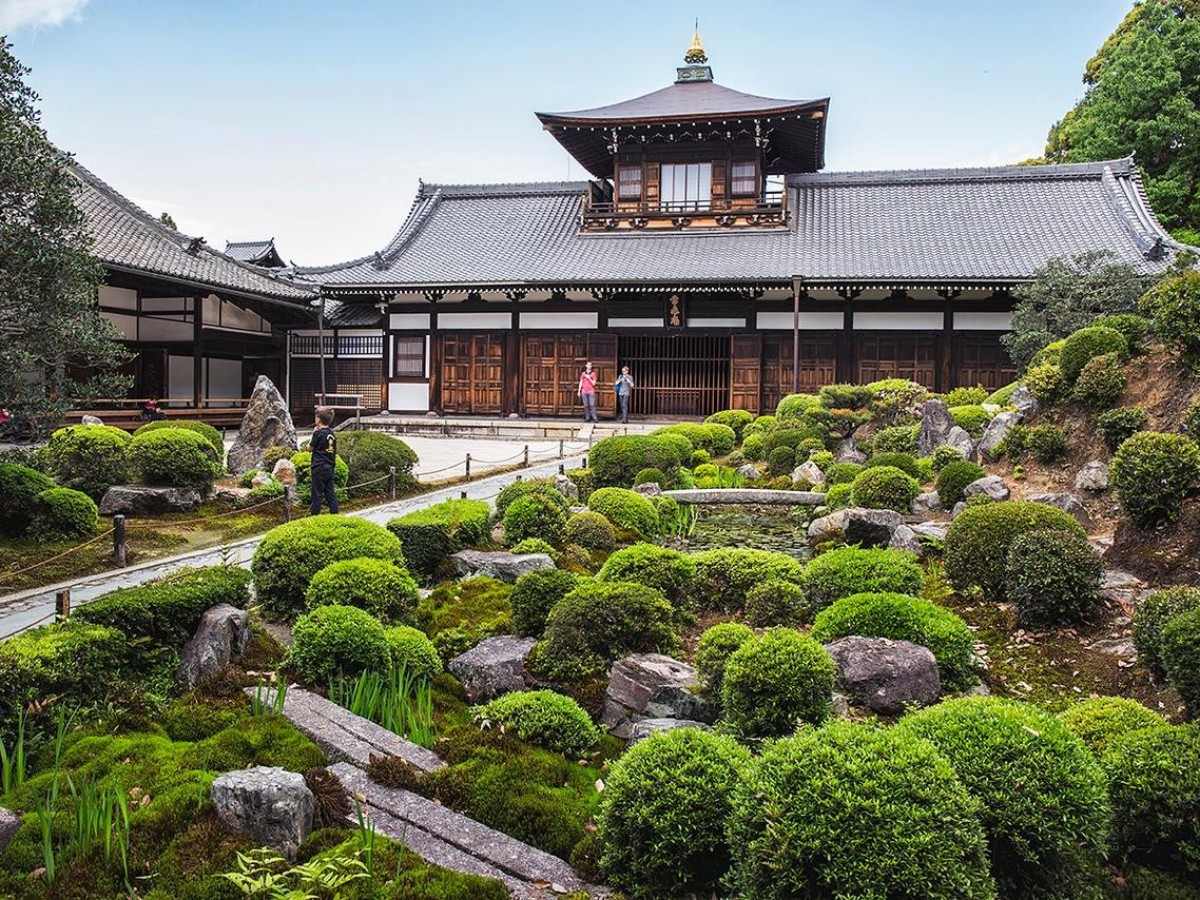
Tofukuji Temple itself is free to open, but some core scenic spots such as "Tsutenkyo Bridge + Kaisando" and "Honbo Hojo Garden" require tickets. It is recommended to prioritize the following two paid areas so as not to miss the essence:
Advertisement
1. Tsutenkyo Bridge + Kaisando Hall (Adult Ticket: 600 yen)
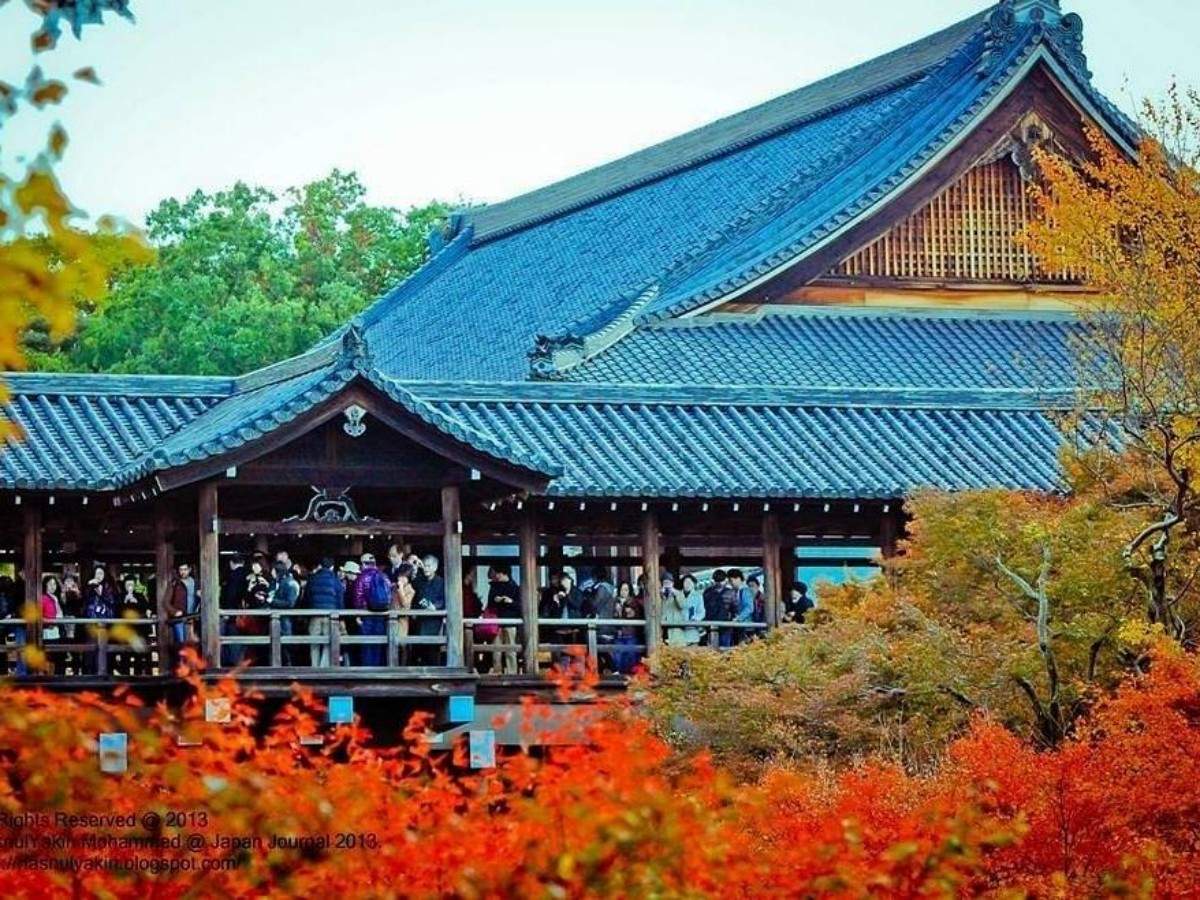
This is the "Red Leaves Dreamland" in the hearts of many people. Tsutenkyo Bridge spans Xiyujiang Valley. In autumn, the bottom of the valley is a fiery red. In the distance is the ancient Zen temple, and under your feet is a sea of gorgeous leaves, which is visually very impactful.
Must-shoot angles recommended:
Overlooking Xiyujiang Valley from Tsutenkyo Bridge (the most classic perspective)
Telephoto lens on the stone steps opposite to Tsutenkyo Bridge (the bridge and red leaves can be included in the scene)
Backlit silhouette photos in the autumn evening
2. Hojo Garden (Adult Ticket: 500 yen)
Hojo is the place where monks in the temple practice and welcome guests. Inside is a very representative four-sided Zen dry landscape garden, designed by the famous Japanese gardener Shigemori Mirei, which is a combination of traditional and modern beauty.
The garden is divided into four sides: "North Courtyard, South Courtyard, East Courtyard, and West Courtyard", symbolizing the cycle of the universe, nature, and time.
Recommended angles for taking photos:
The "moss + square stone slab" chessboard design of the North Courtyard (with great pattern beauty)
The rippled stone scenery of the East Courtyard, with red leaves in the background
Look out at the entire garden from the entrance of the main hall of the abbot, and take pictures of the beauty of symmetry
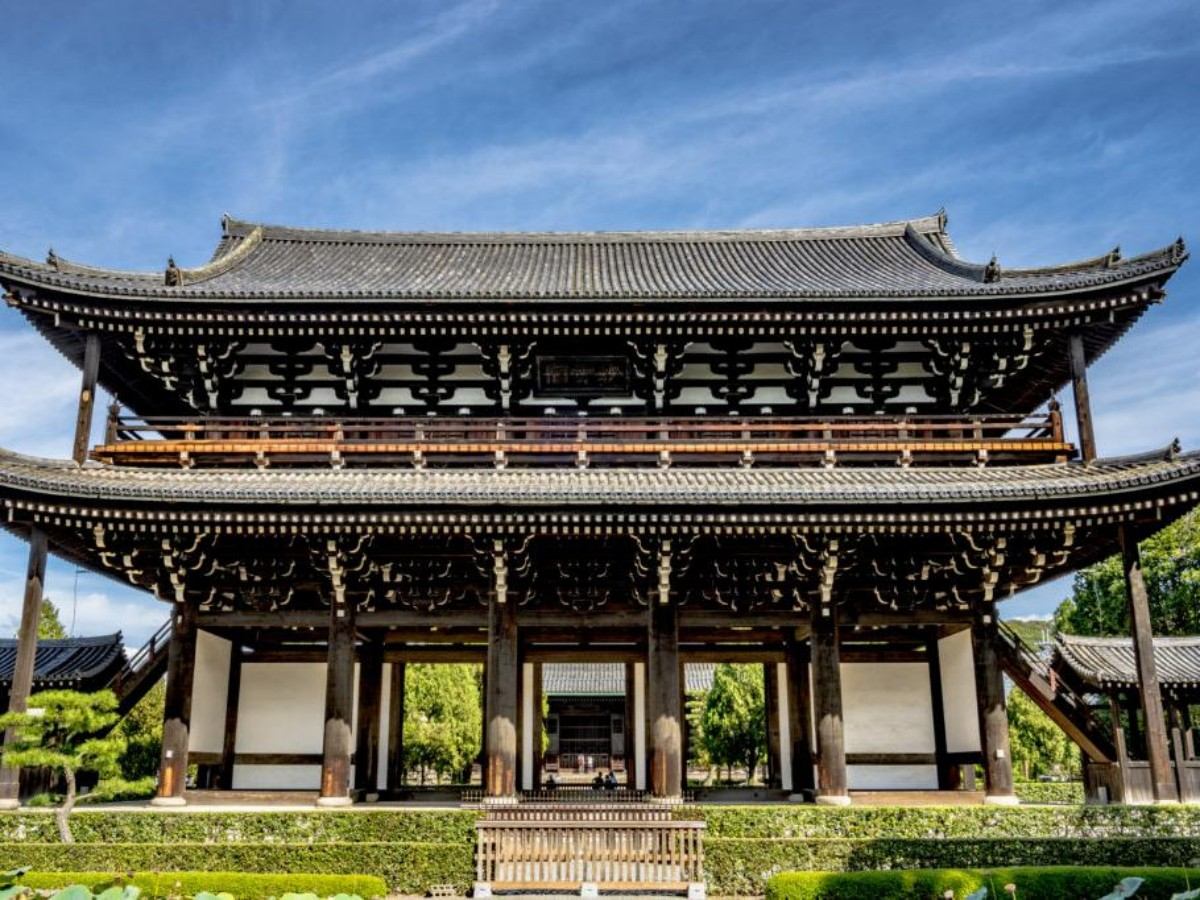
Although the red leaves of Tofukuji Temple are the most famous, it is actually worth visiting all year round:
Autumn (mid-to-late November) is the main season for red leaves, with maple trees dyeing the valley, Tsutenkyo overlooking the sea of leaves, and the maple red and moss in the abbot garden are the highlights for taking photos; Spring (late March to early April) has weeping cherry blossoms and new green buds, and the Tsutenkyo Bridge and the pale pink cherry blossoms form a contrast that is very suitable for taking photos; Summer (June to August) has lush moss and lush greenery, the abbot garden has a strong sense of green sea, and there are many opportunities to take pictures with fewer people; Winter (late December to February) has dry landscapes in the snow, quiet and minimalist beauty, a strong sense of white space in the courtyard, and good black and white composition.
Special reminder: There are a lot of people during the red leaf season. It is recommended to enter before 8:30 in the morning or choose to go on weekdays. You can also avoid the peak and choose the late maple time from the end of November to the beginning of December.
If you think that Tofukuji is just "standing on the bridge to watch the red leaves", it would be a pity! Here are some more in-depth niche experience suggestions:
Scripture copying experience (depending on the temple arrangement): Sometimes the "scripture copying experience" is open in the main temple or affiliated sub-temples. It is a journey of spiritual precipitation to calm down and write a passage of scriptures. No Japanese foundation is required, and many tourists are willing to give it a try.
Zen meditation (reservation required): Tofukuji is a holy place of Zen Buddhism. Some areas will regularly hold "sitting meditation experience", led by monks to meditate and enter a state of tranquility, allowing you to truly "experience the spirit of Kyoto".
Visit affiliated small temples (free or low-cost admission): such as Ryugin-an, Funta-in, Shorin-ji, etc., which have fewer tourists but have their own characteristics. Some are famous for flower gardens, and some are good at lighting at night. It is very suitable to avoid the crowds and enjoy the scenery quietly.
Useful information:
Opening hours: 8:30-16:30 (extended to 17:00 in autumn, last entry 30 minutes before), it is recommended to stay for more than 2 hours.
Ticket price: Tsutenkyo + Kaisando adult 600 yen, Hojo Garden adult 500 yen, need to buy tickets separately, no pass.
Transportation: Take the JR Nara Line to "Tofukuji Station" and walk for about 10 minutes, or take the Keihan Railway to "Tofukuji Station" and walk for about 10 minutes. It is recommended to avoid the peak after 10 am, or arrange this place as the first stop in the early morning.
Nearby dining recommendations: "甘味どころ栖園" traditional Japanese desserts, recommended matcha jelly and red bean soup; "伊藤久右卫门" Tofukuji branch matcha ramen and tea rice are unique. If you want to save time, you can also buy a bento picnic at the supermarket next to the station.
Recommended itinerary:
Morning half-day tour suggestion: Go to Tofukuji Temple in the morning, visit Tsutenkaku Bridge and Hojo Garden, have lunch at Ganweidian, and continue to Fushimi Inari Taisha Shrine in the afternoon (one stop away by train).
One-day tour extension suggestion: Visit Tofukuji Temple in the morning, go to Kiyomizu Temple and Yasaka Shrine after lunch, and take a night walk in Gion at night, which is suitable for travelers who have visited the traditional areas of Kyoto in depth.
In Tofukuji Temple, it is not only a visual feast, but also a training of perception of "quiet" and "emptiness". Maybe you will sit in front of a dry landscape garden for ten minutes without saying a word; maybe you will suddenly understand the weight of "season" because of the red leaves under the bridge. Next time someone asks you: "Where is the most beautiful place to enjoy the maple leaves in Kyoto?" You can not only recommend Tofukuji Temple, but also tell him - how to play, so as not to waste the ticket and the intention of this journey.