Advertisement
As a representative of traditional Japanese culture, Gion, Kyoto, attracts tourists from all over the world with its quaint streets, mysterious and elegant geisha culture and rich and diverse food. The following is a carefully prepared Gion travel guide for you to experience the unique charm of this ancient place in depth.
Advertisement
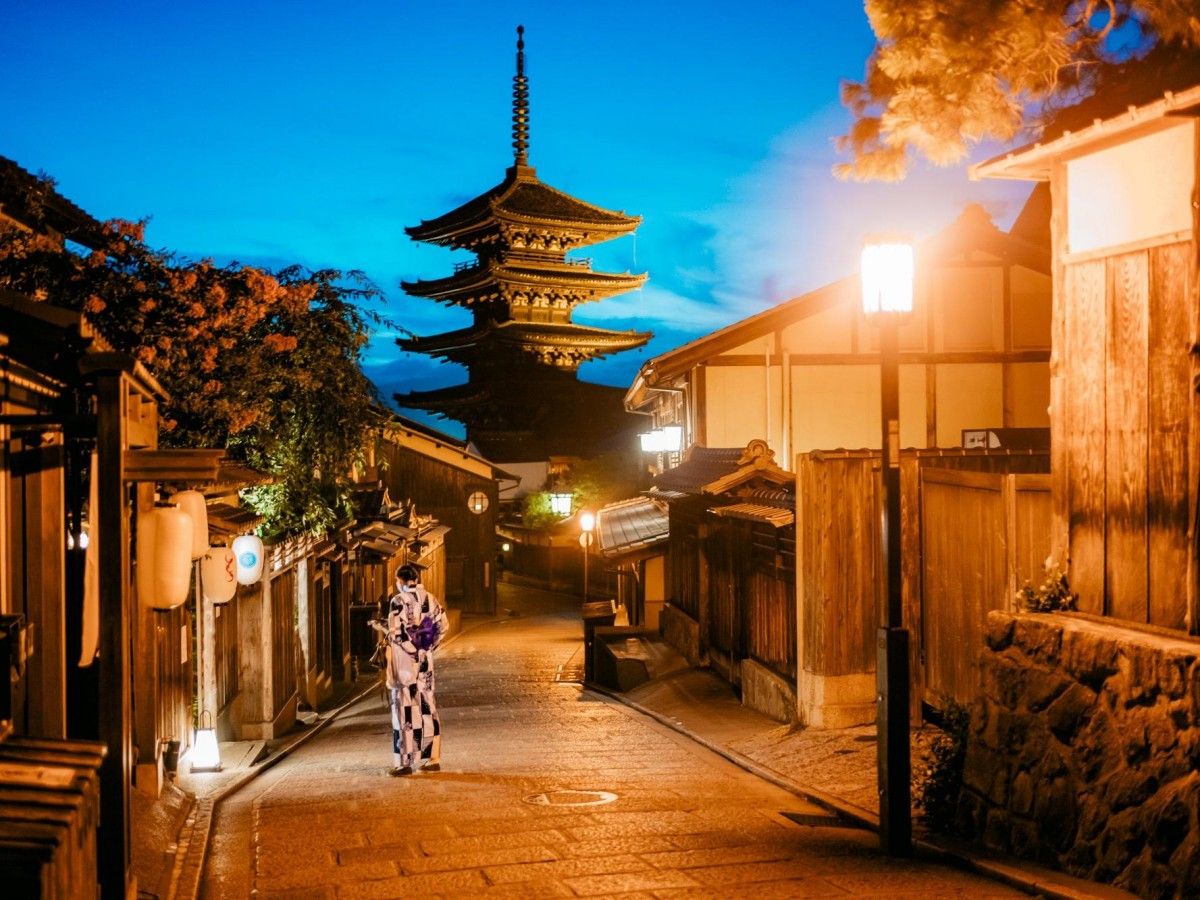
Hana-koji
Advertisement
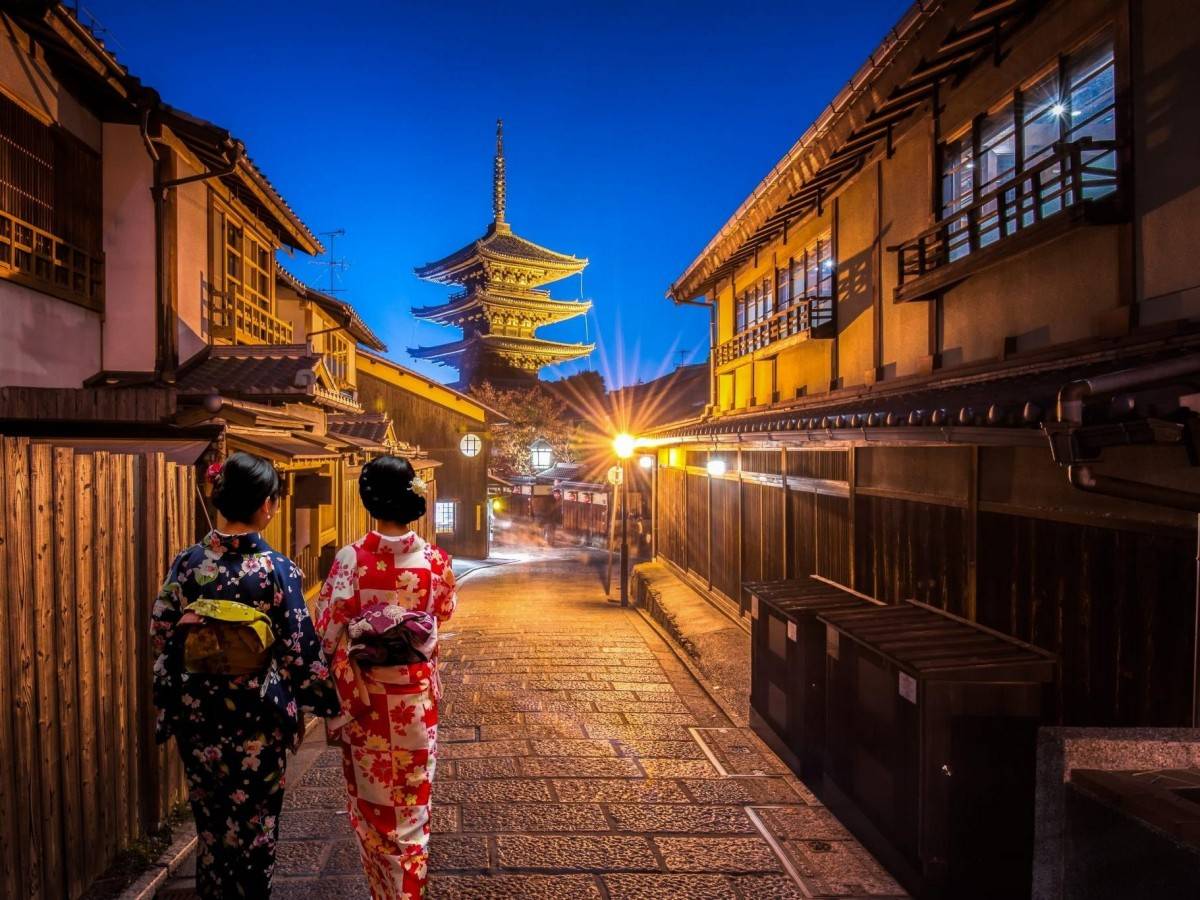
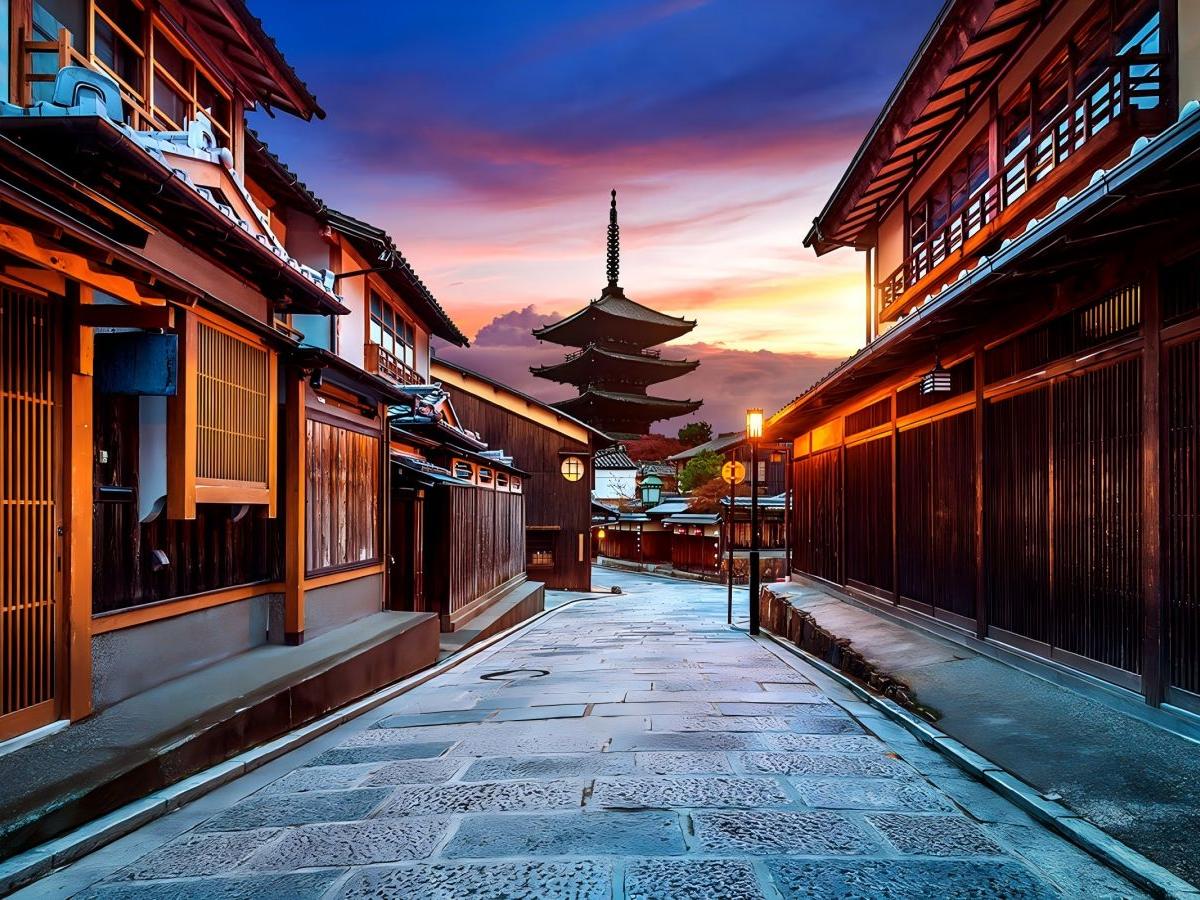
As the most representative street in Gion, Hanami-koji is a must-visit place for tourists. The streets are lined with traditional wooden buildings. In the evening, when the lights are on, walking through them is like traveling back to the Edo period. If you are lucky, you can also encounter geishas or maikos in gorgeous kimonos passing by. There are many traditional teahouses here, such as "Ichiriki Teahouse", which has a history of more than 300 years. You can enter it, taste a cup of matcha, enjoy geisha performances, and feel the charm of traditional Japanese art.
Yasaka Shrine
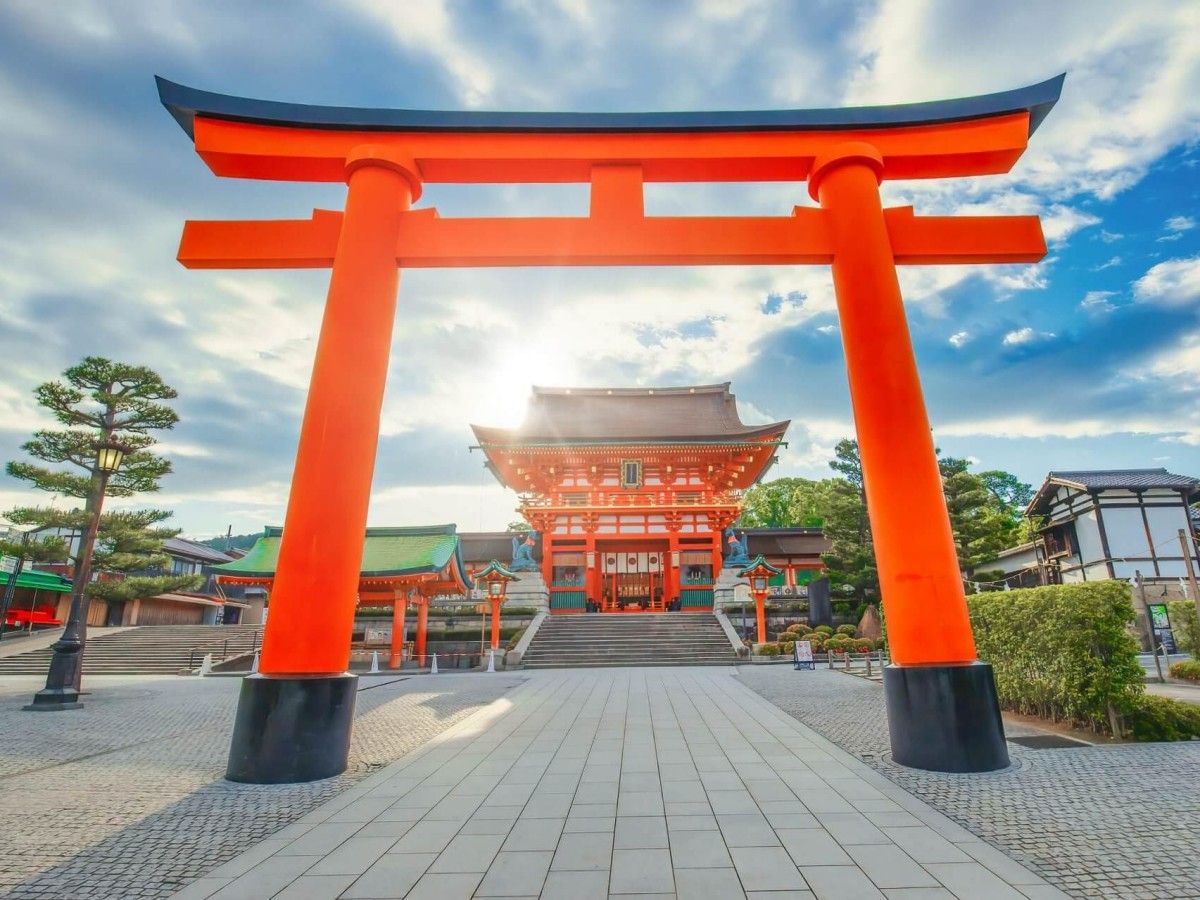
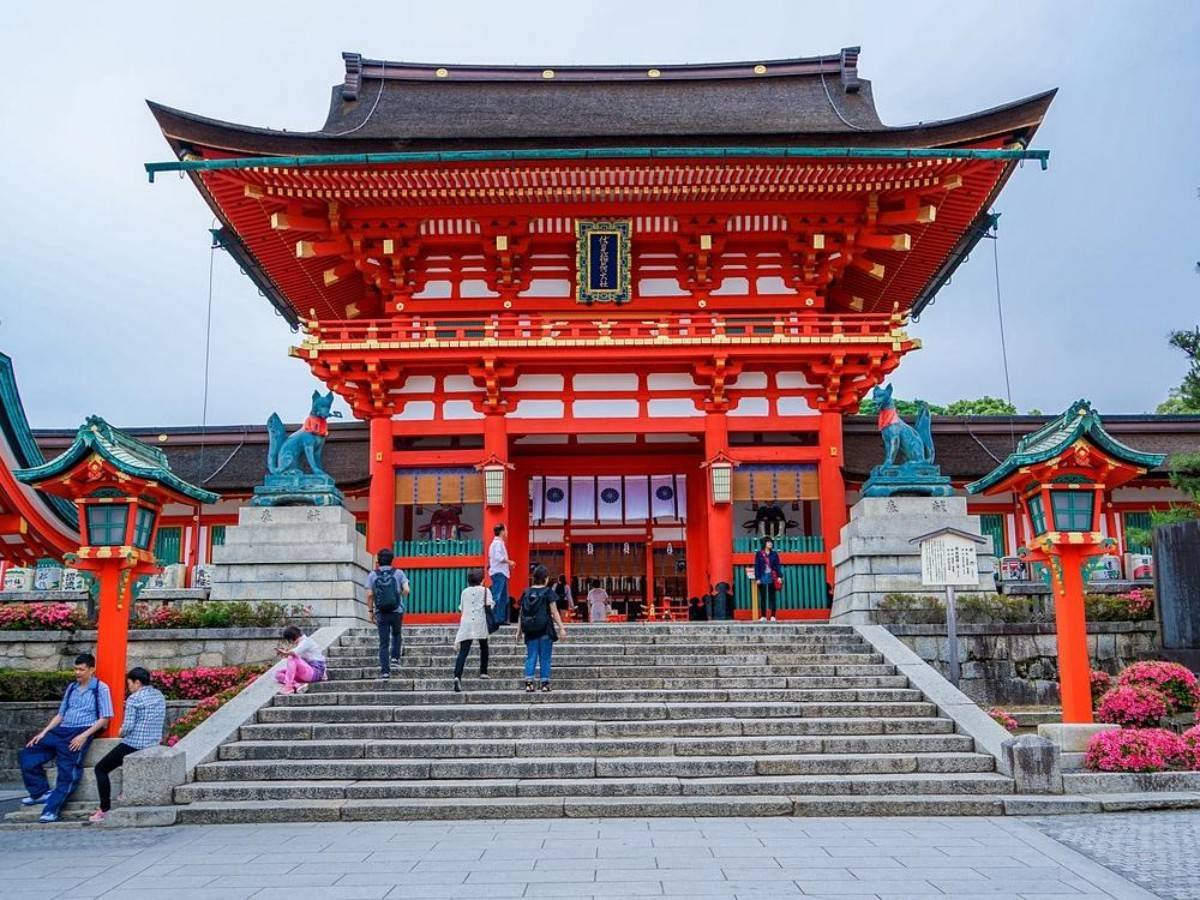
Yasaka Shrine is one of the oldest shrines in Kansai and the venue of the Gion Festival. The architectural style of the shrine is simple and solemn. The vermilion torii and the main hall of the shrine are particularly eye-catching against the backdrop of green trees. There are many small shrines and courtyards in the shrine, such as the Noninji Temple, where you can visit and learn about the Japanese shrine culture. The Gion Festival held in July every year is one of the three major festivals in Japan. During the period, there are gorgeous float parades, traditional sacrificial ceremonies and other activities. It is very lively and attracts many tourists to watch.
Minami-za Kabuki Theater
Minami-za Kabuki Theater is one of the most famous Kabuki theaters in Japan, where you can enjoy authentic Kabuki performances. The actors' exquisite makeup, gorgeous costumes and superb performance skills show the charm of traditional Japanese drama to the fullest. The theater provides program introductions in English or Chinese to help foreign tourists understand the plot. To watch the performance, you need to buy tickets in advance on the official website or on-site. The ticket price varies from a few thousand yen to tens of thousands of yen depending on the seat location.
Kiyomizu Temple
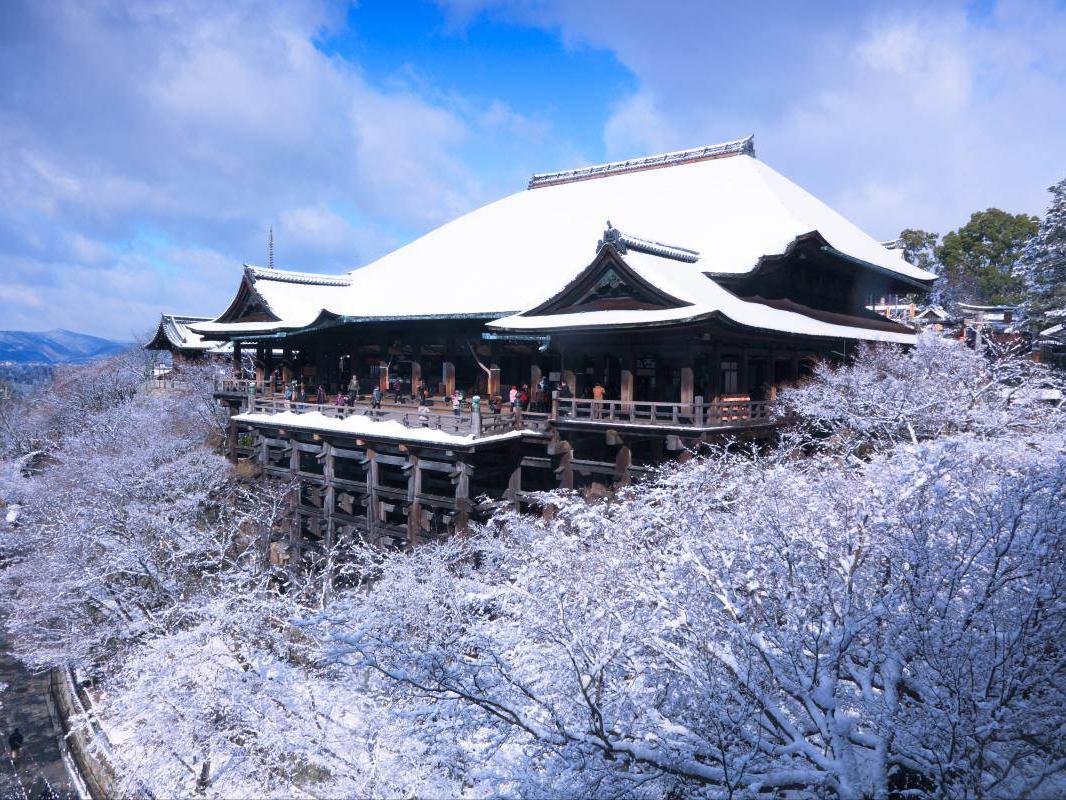
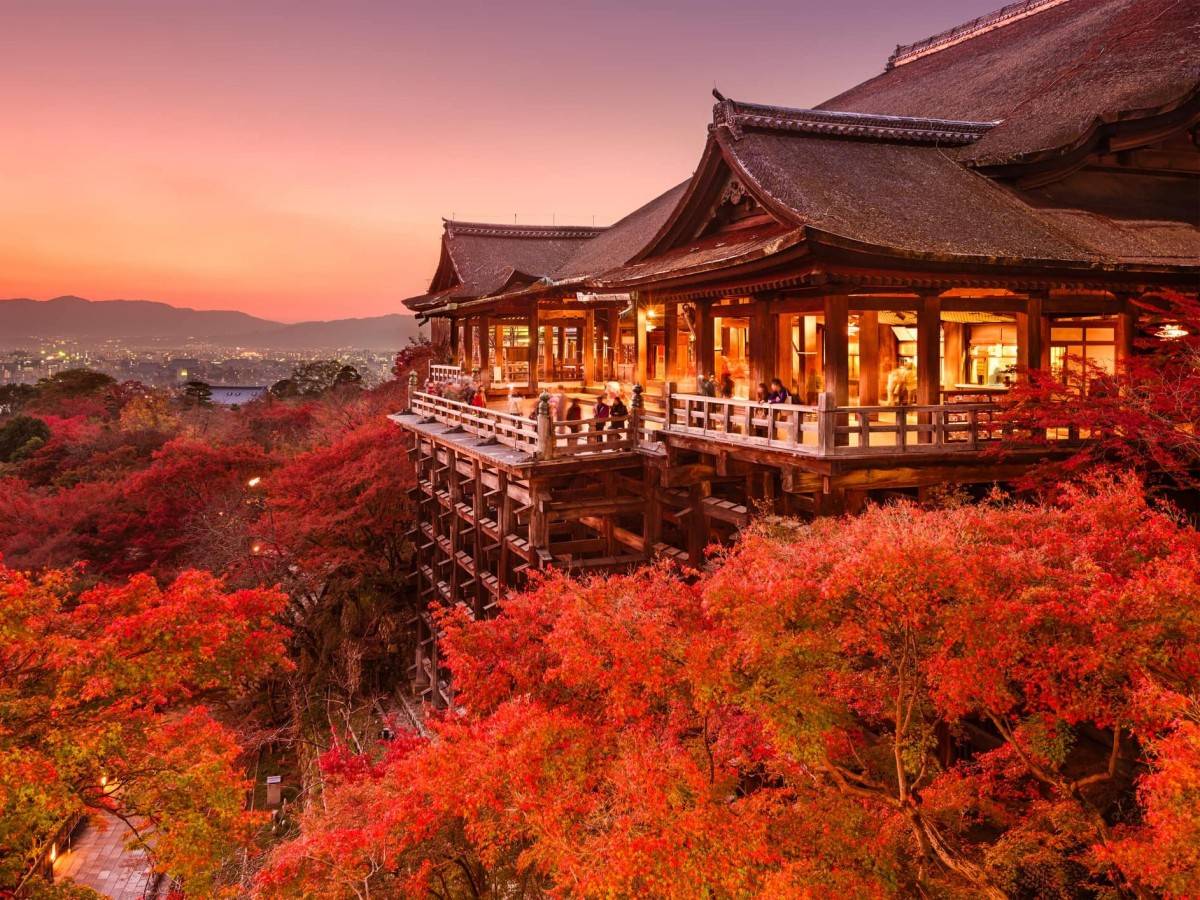
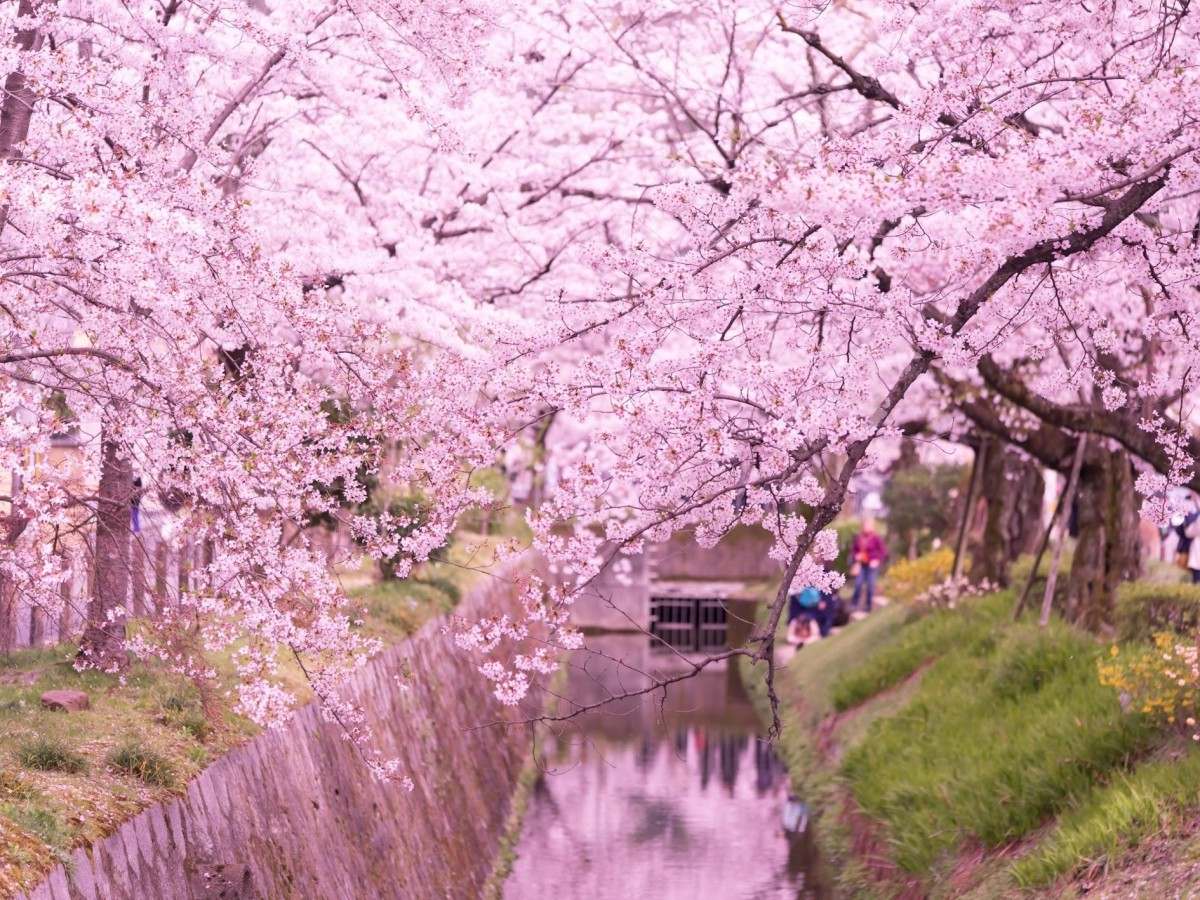
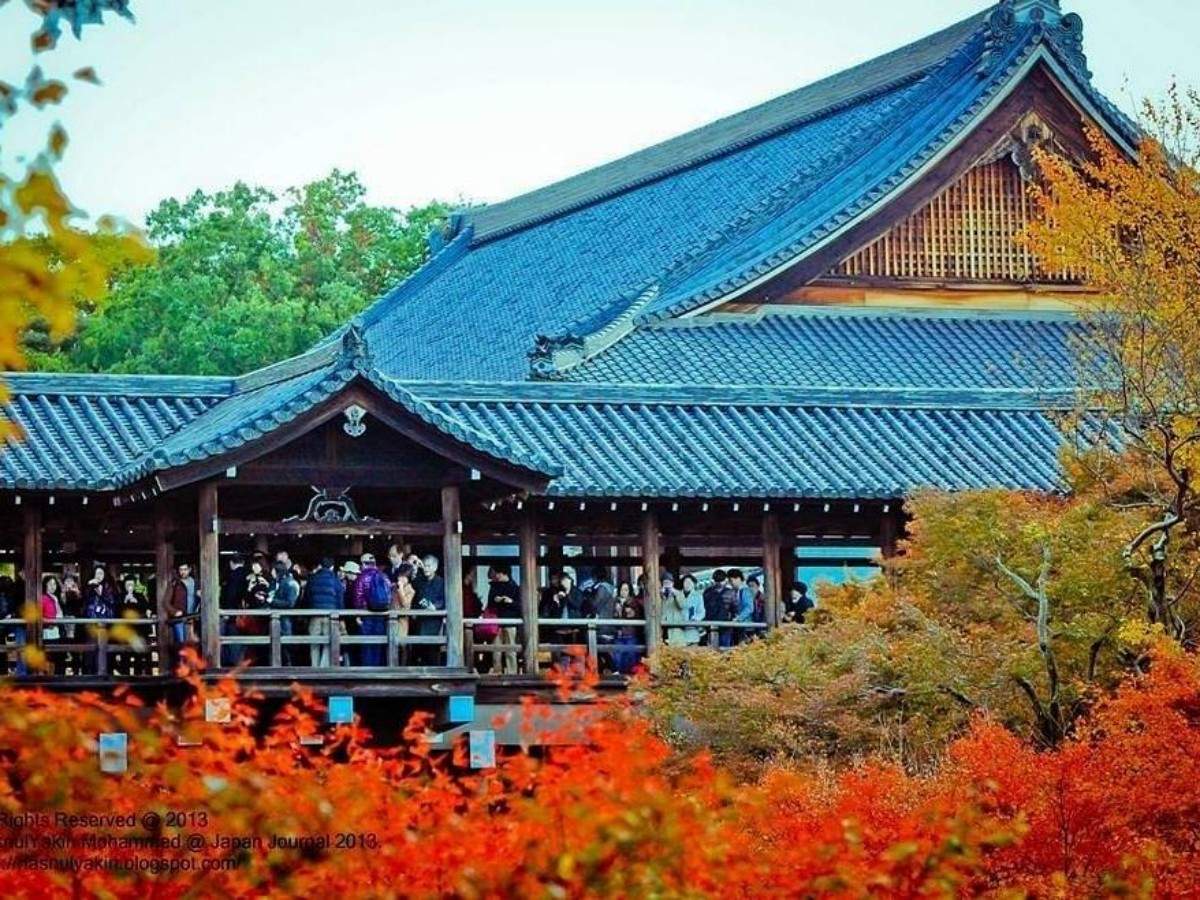
Although Kiyomizu Temple is not located in the Gion area, it is close to Gion and can be reached on foot. Kiyomizu Temple is a landmark attraction in Kyoto and a popular spot for cherry blossom and maple viewing. The Kiyomizu stage in the temple is supported by 139 wooden pillars and is suspended above the cliff, from which you can overlook the beautiful scenery of Kyoto city. In spring, when the cherry blossoms are in full bloom, the entire temple is surrounded by pink cherry blossoms, which is poetic and picturesque; in autumn, when the maple leaves turn red, they add a touch of rich color to the temple.
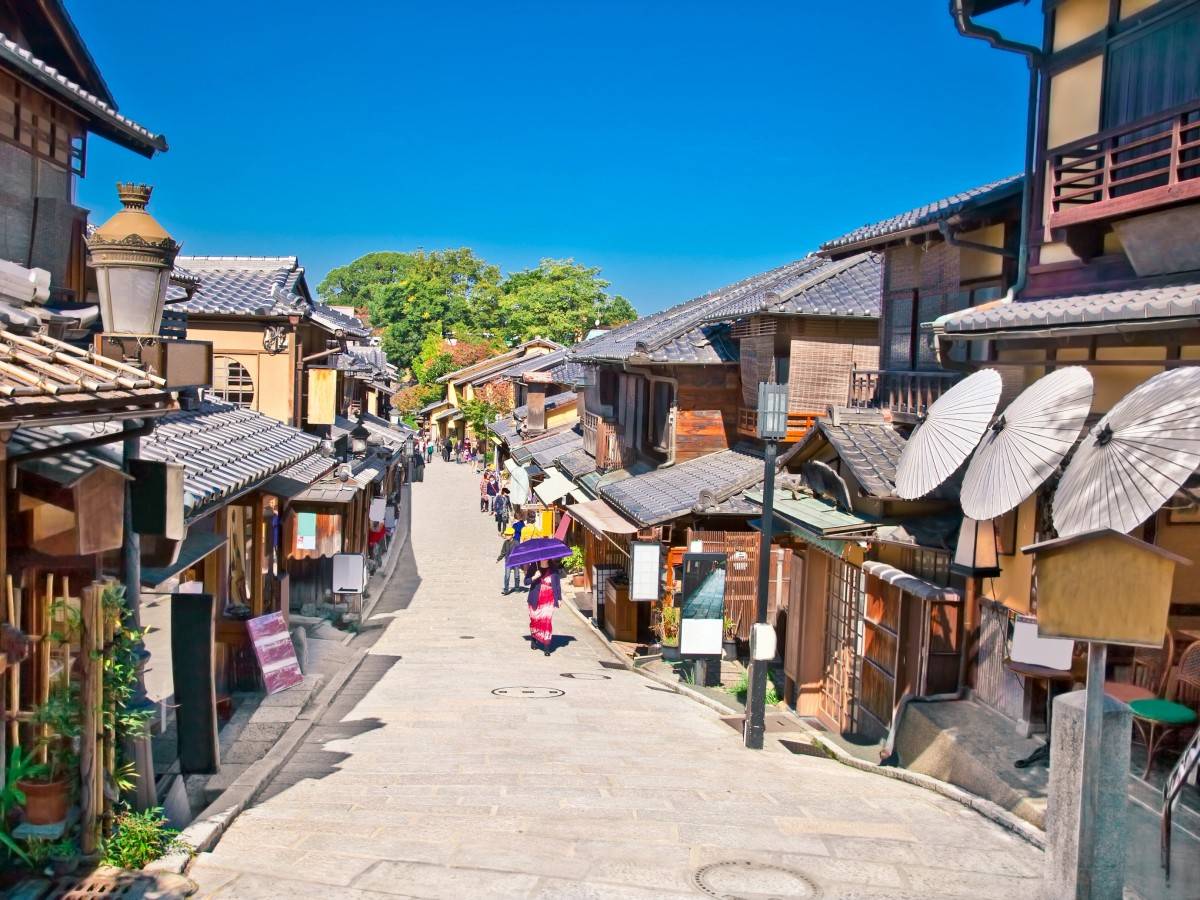
Kikunoi Main Store
Advertisement
As a century-old restaurant in Kyoto, Kikunoi Main Store is famous for its exquisite Kaiseki cuisine. The restaurant follows the principle of "eating in season", selects fresh seasonal ingredients, and carefully prepares each dish, showing the exquisiteness and delicacy of Japanese cuisine. A Kaiseki meal is relatively expensive, starting at about 15,000 yen per person, but you can taste the most authentic Japanese cuisine and experience a visual and taste feast.
Hirokawa Unagi
Hirokawa Unagi is a popular eel restaurant in the Gion area. The eel in the restaurant has crispy skin and tender meat that melts in your mouth. The eel is baked with a unique process, the skin is golden and crispy, the meat is tender and juicy inside, and it is paired with a special sauce, the taste is amazing. This restaurant requires reservations in advance, otherwise you may have to wait in line. The price of the eel rice set starts at about 3,000 yen.
Menya Toichi
If you want to taste cost-effective food, Menya Toichi is a good choice. The homemade noodles are smooth and chewy, and the soup is rich and mellow without being greasy. The signature pork bone ramen has a delicious soup, with pork and barbecued pork that are fat and lean, paired with fresh bean sprouts and fungus, and has a rich taste. A bowl of ramen costs around 1,000 yen, which is economical and delicious.
Jian Shanshanfang Shijo Main Store
Founded in the Edo period, Jian Shanshanfang Shijo Main Store is a long-established Japanese pastry shop. The pastries in the store are all handmade with high-quality ingredients. It is recommended to try its matcha cake, which has a strong matcha flavor, a dense texture, and is sweet but not greasy. There are also various exquisite Japanese confectionery, such as sakura cakes, dorayaki, etc., which are cute in shape and taste very delicious. It is also a good choice to buy some pastries here as souvenirs.
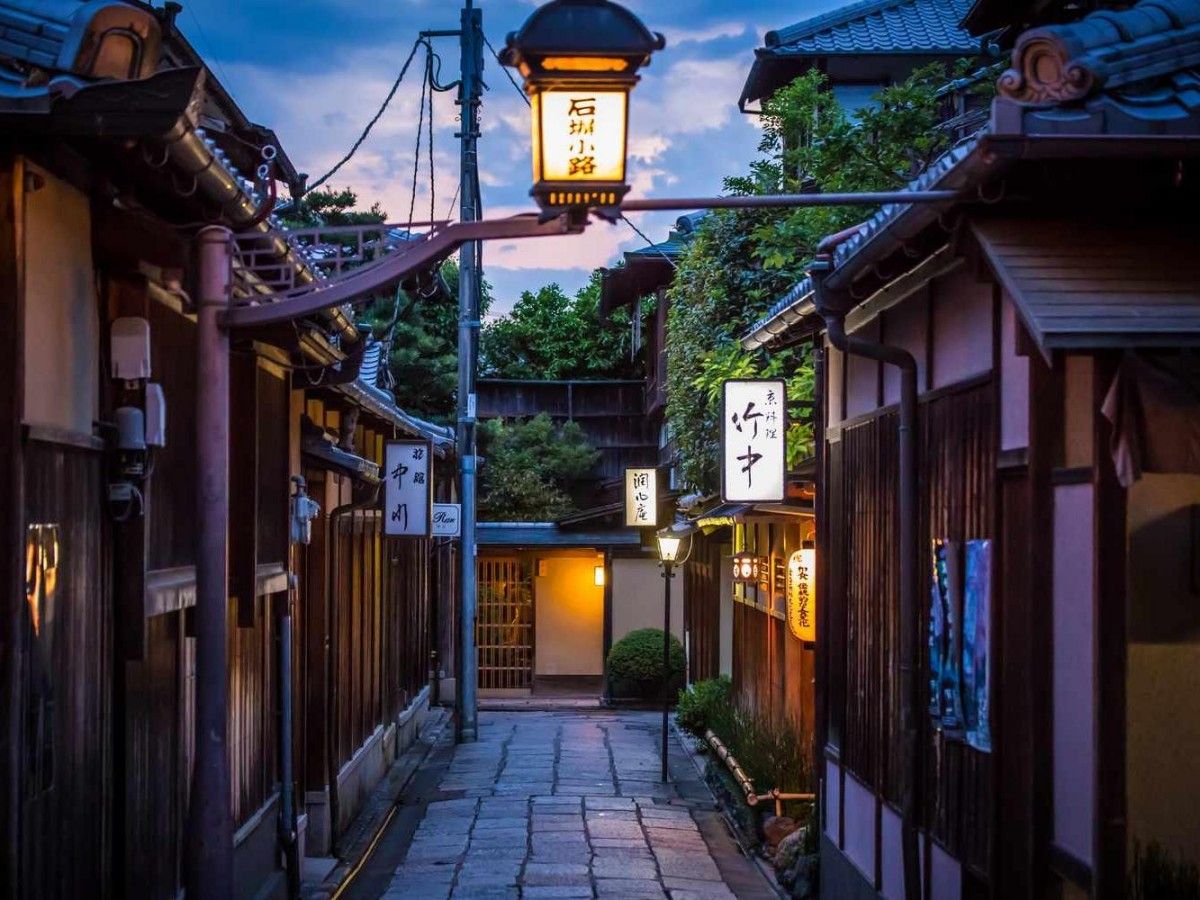
Traditional craft shops in Gion
There are many traditional craft shops on Gion's Hanami-koji, Shinmonzen-dori, and Komonzen-dori streets. Here you can buy Kyoto-style handicrafts such as Kyoto fans, Kyo-yuzen dyed fabrics, and Kiyomizu-yaki ceramics. Kyoto fans are beautifully shaped, exquisitely crafted, and have rich and diverse patterns, including traditional elements such as cherry blossoms and landscapes; Kyo-yuzen dyed fabrics use traditional printing and dyeing techniques, with bright colors and delicate patterns, and can be made into kimonos, handkerchiefs, etc.; Kiyomizu-yaki ceramics are famous for their delicate texture and exquisite painting, and there are many categories such as tableware and vases to choose from.
Shijo Kawaramachi Commercial District
It takes only a dozen minutes to walk from Gion to the Shijo Kawaramachi commercial district, which is the most prosperous commercial center in Kyoto. Large department stores such as Takashimaya and Daimaru Department Store gather here, providing a variety of high-end brand products and local Japanese specialty products. In addition, there are many brand stores, drugstores, and trendy stores. Affordable Japanese cosmetics, skin care products and medicines can be purchased in drugstores; trendy shops can meet the needs of fashion lovers, with many Japanese local trendy brands and designer brands.
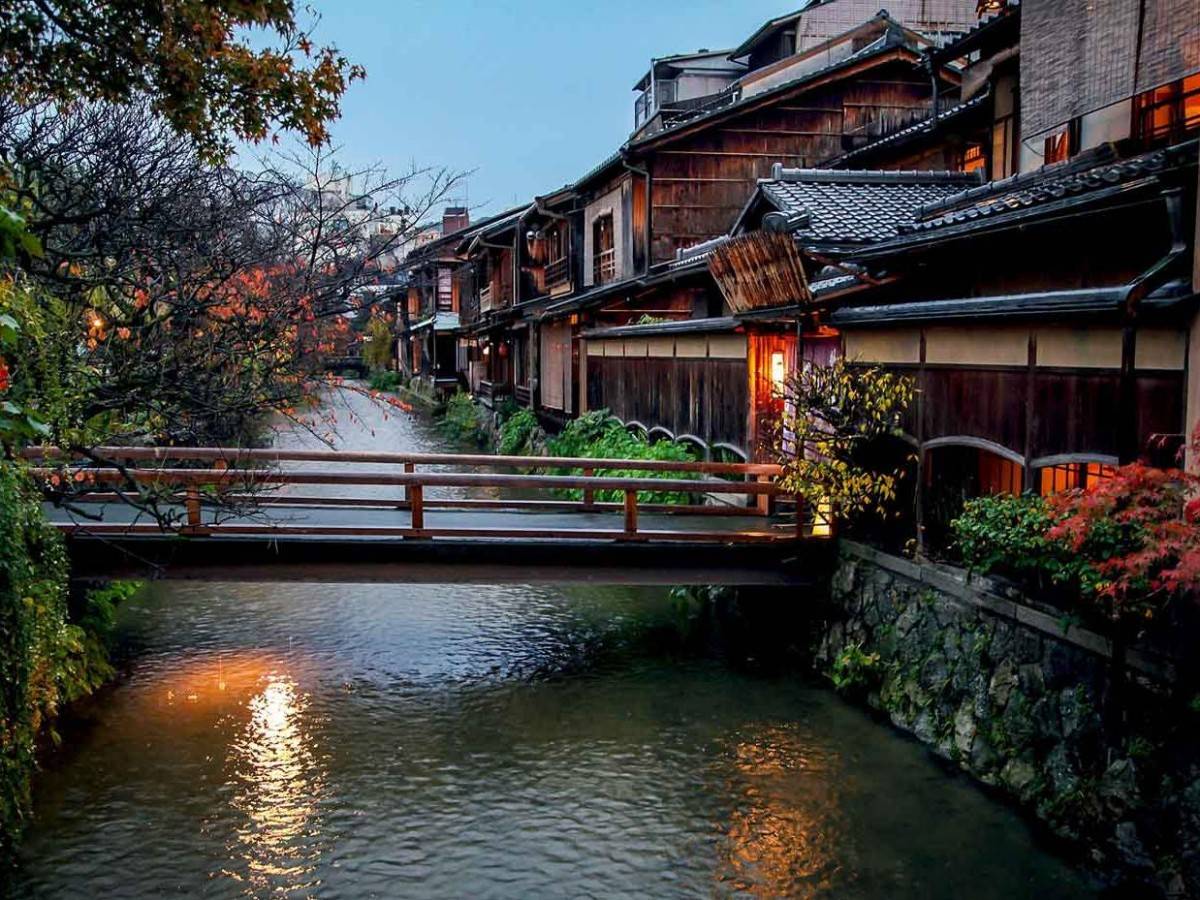
Cultural etiquette: In Japan, you should pay attention to respecting local cultural customs, keep quiet when entering shrines, temples and other places, and take off your shoes. When communicating with others, pay attention to using polite language, and bowing is a common way of greeting.
Photography regulations: When watching geisha performances or encountering geishas in Gion, please do not take photos without permission to avoid unnecessary trouble. There are also clear photography regulations at some scenic spots, and you must comply with the requirements of the signboards.
Traffic rules: Japan's traffic rules are to drive on the left, pay attention to traffic lights when crossing the road, and use crosswalks. When taking public transportation, keep quiet and avoid loud noises.
Kyoto Gion is like a thick historical and cultural book, with stories written on every page. I hope this travel guide can help you spend an unforgettable journey in Gion and fully appreciate the unique charm of Japanese traditional culture.