Advertisement
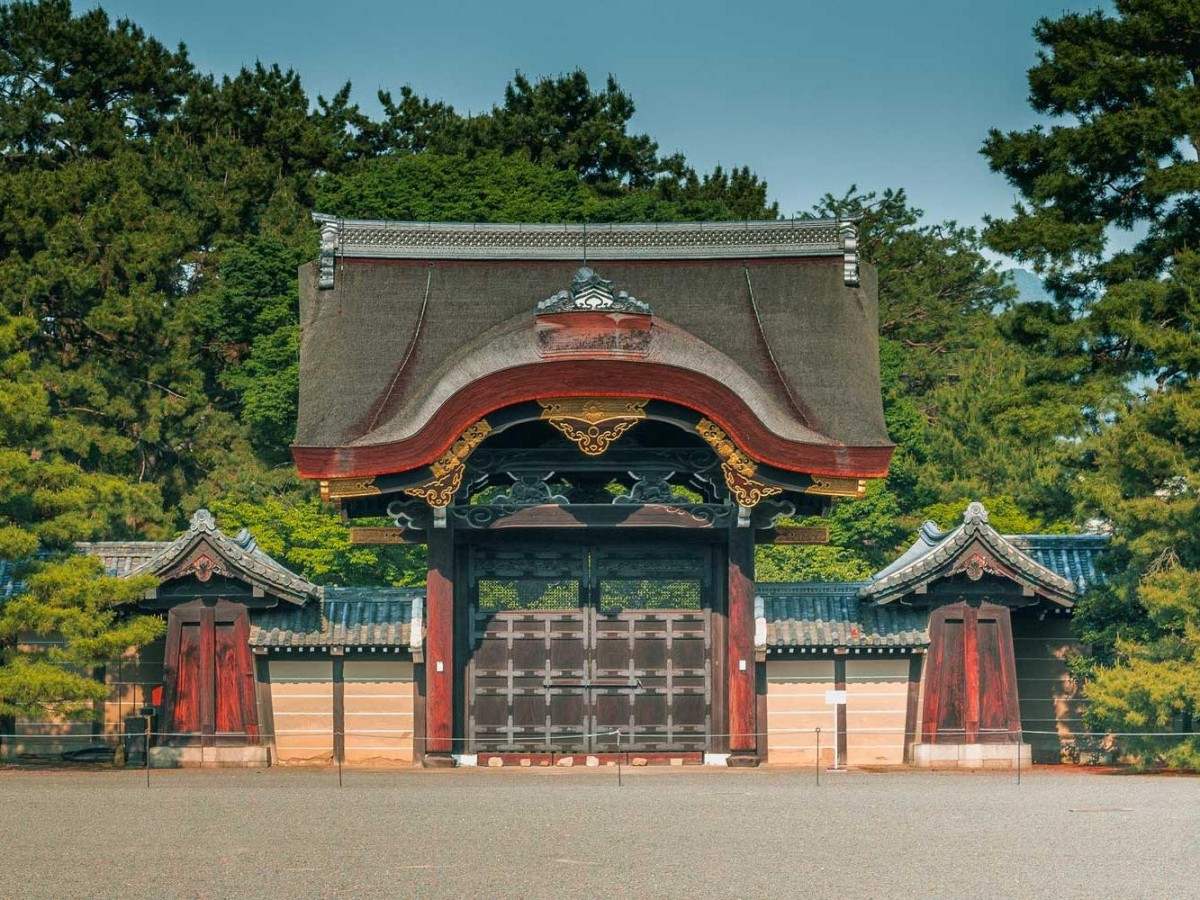
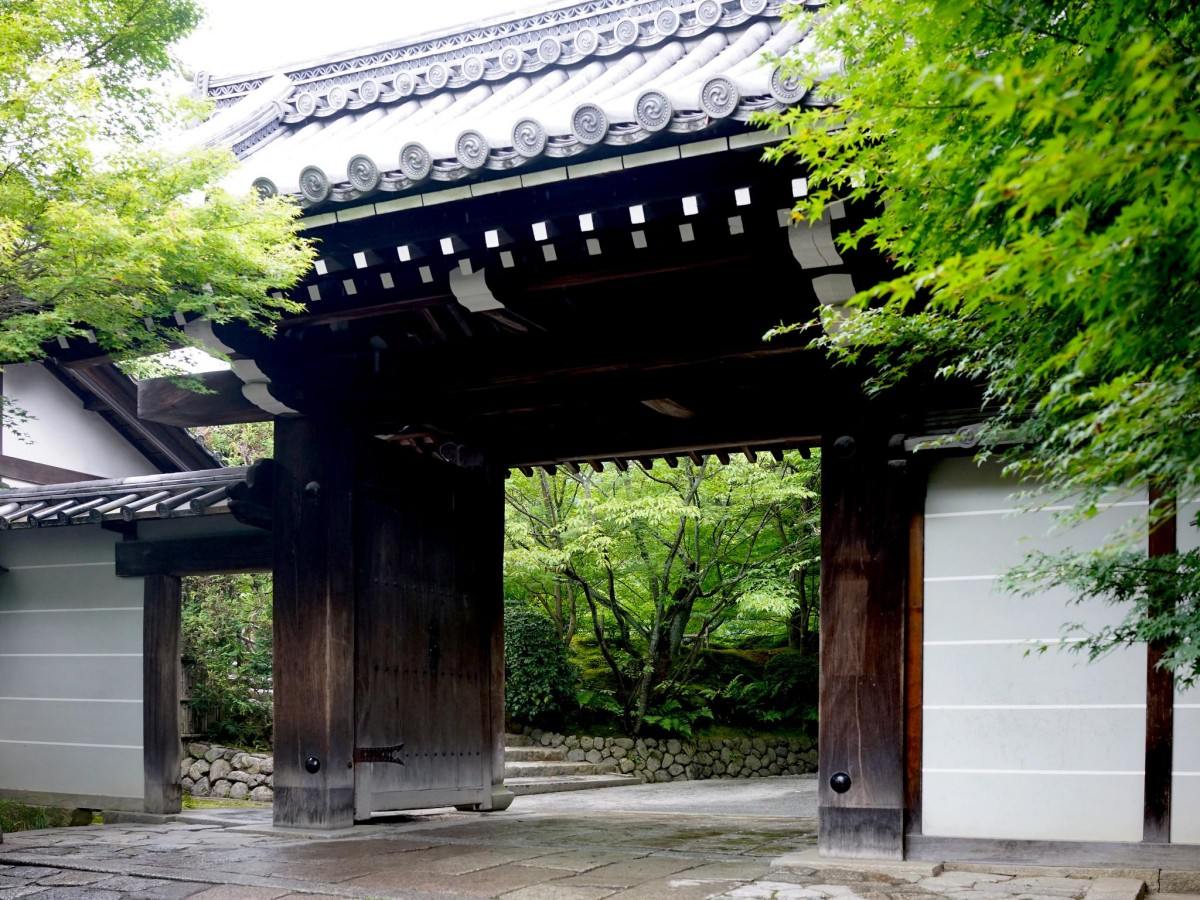
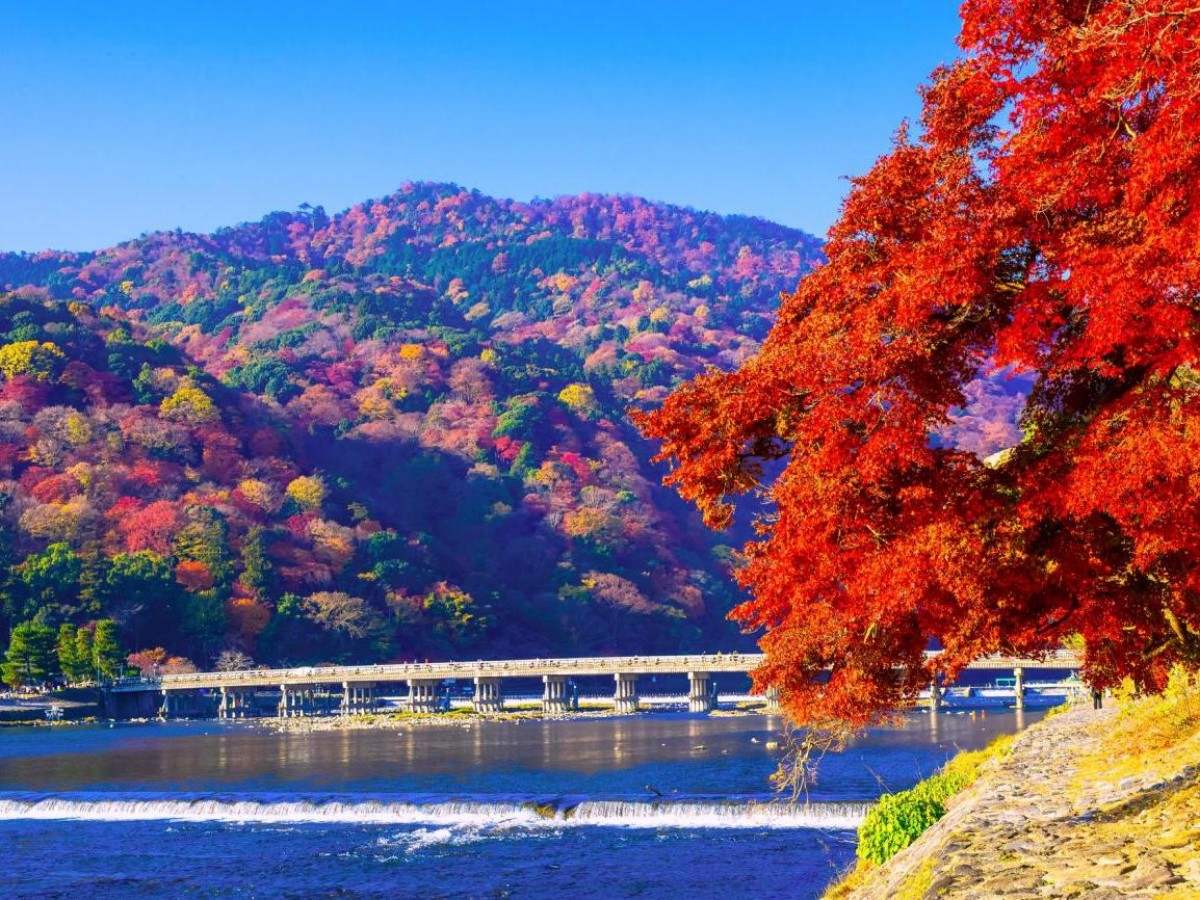
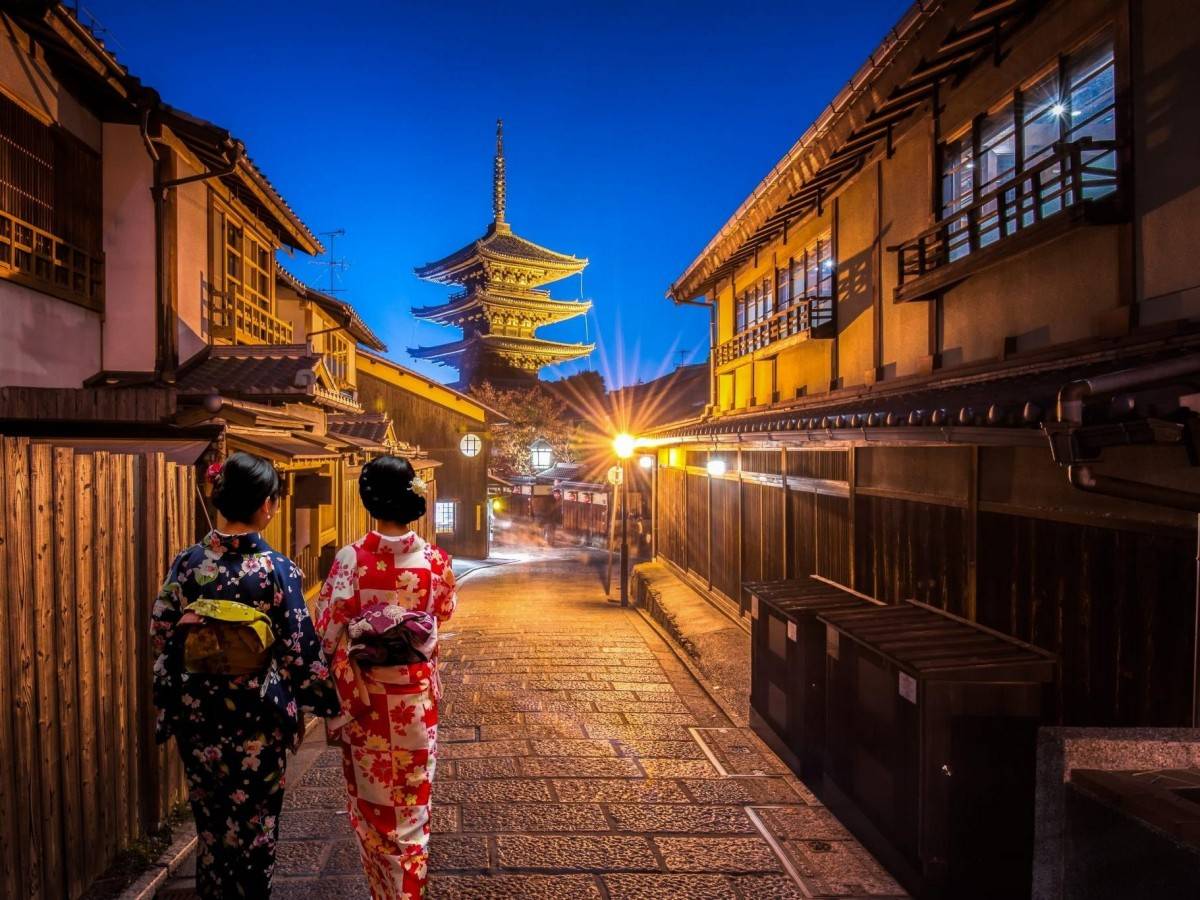
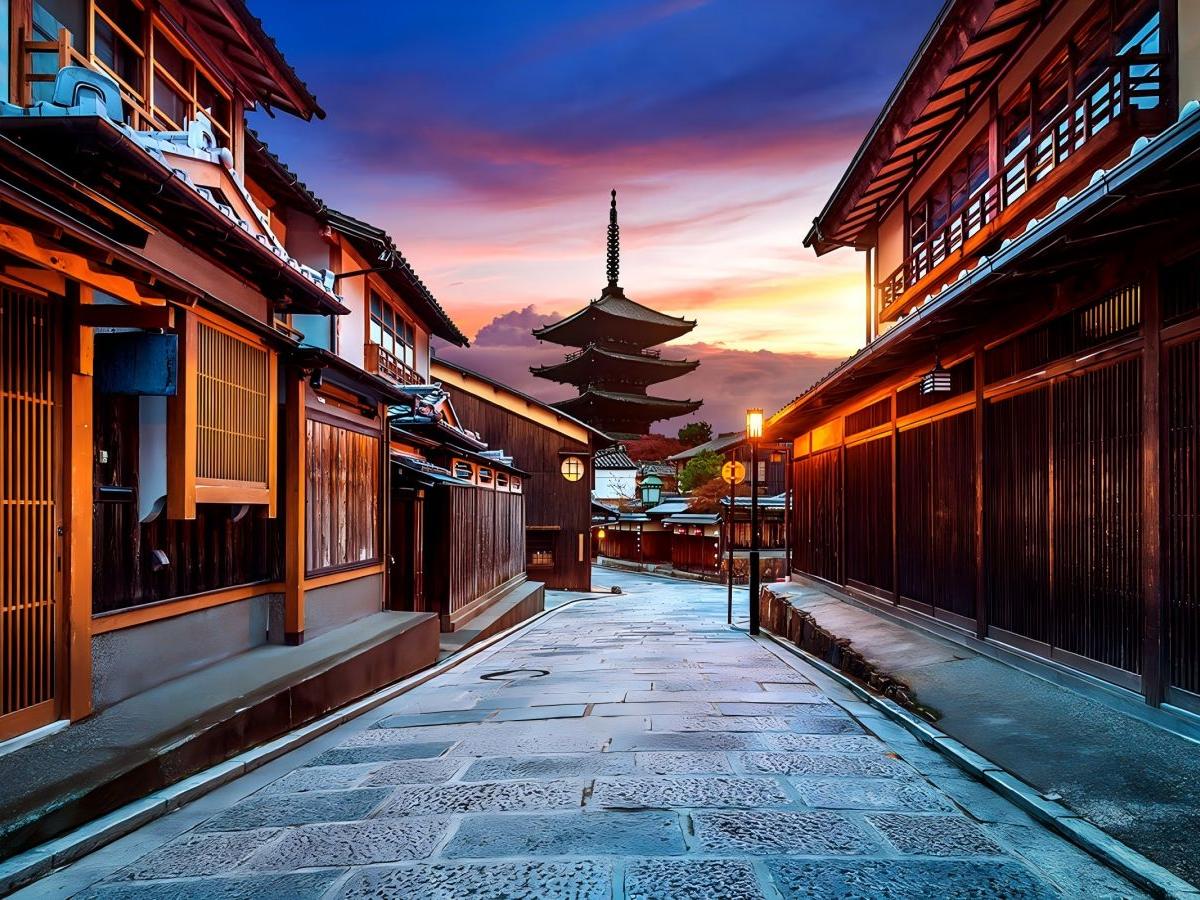
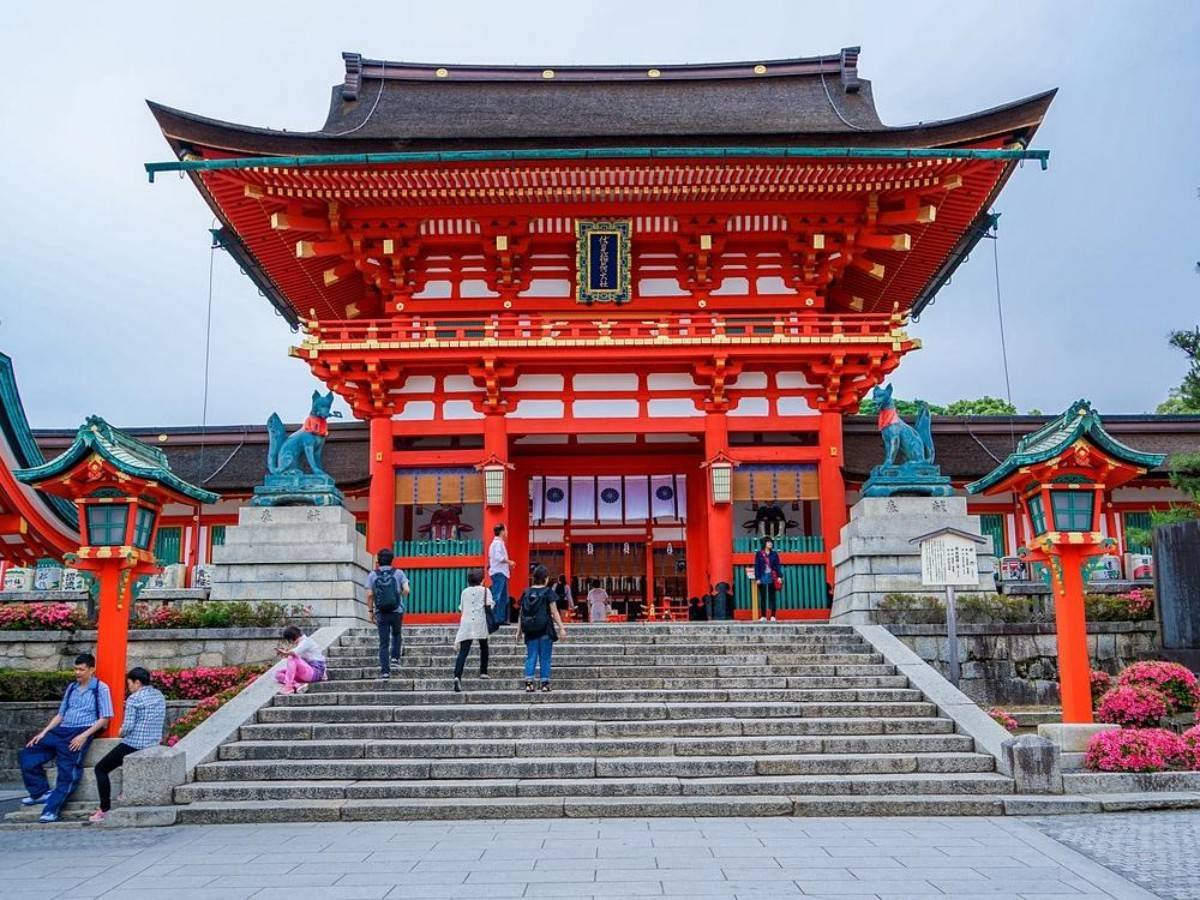
The Higashiyama district is one of the brightest jewels on the map of Kyoto, Japan, and exudes a charming and unique charm. It is a place with a thousand years of history and a deep culture, where every inch of land and every building tells a story of the past. Whether it's an ancient temple or shrine, a bustling traditional neighborhood, or a serene and beautiful natural landscape, Higashiyama offers everything a traveler could want from the ancient charm of Kyoto.
Advertisement
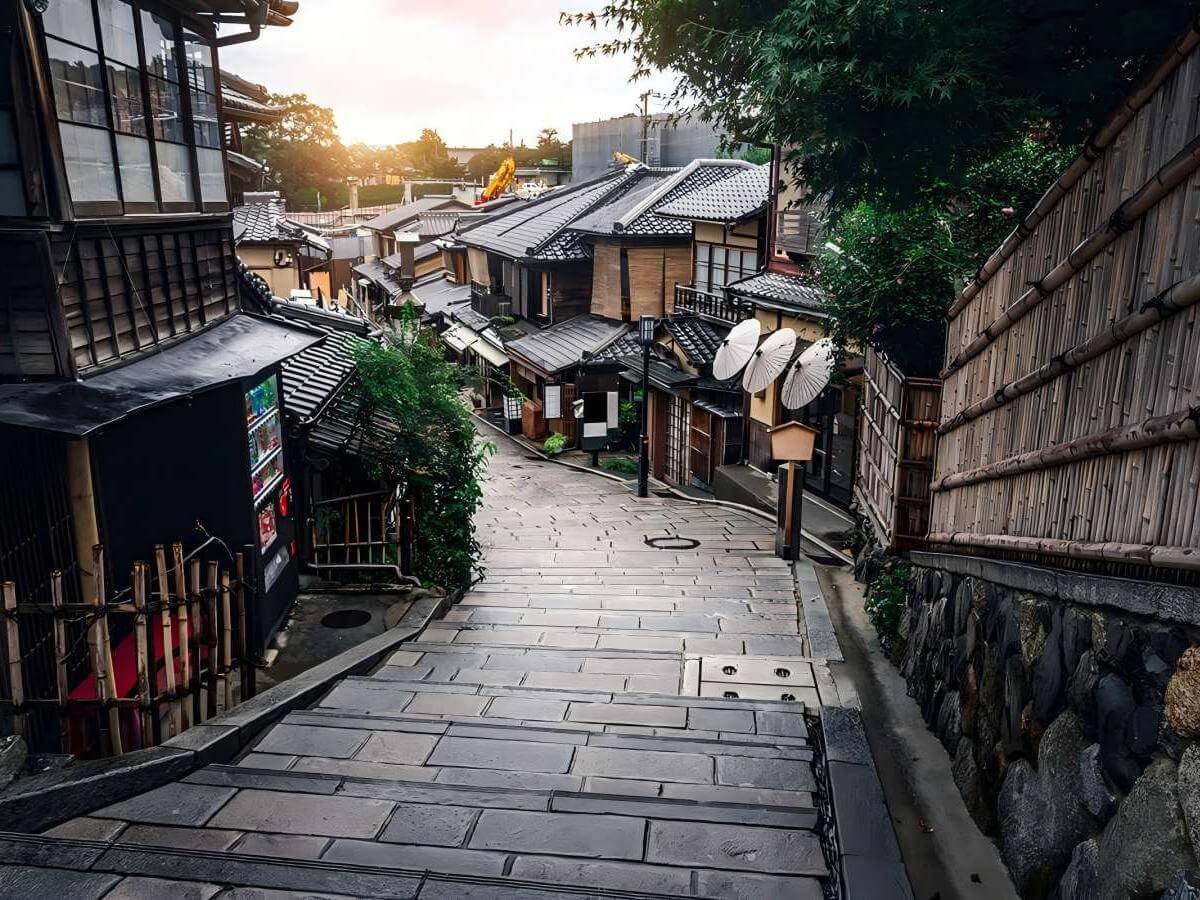
The history of Higashiyama District goes back a long way. During the Rikkyo period, the area was divided into the Kii and Atago prefectures of Yamashiro, and after the abolition of the Edo Shogunate in 1868, it came under the newly established Kyoto Prefecture, and when the Kyoto Prefecture Prefectural Ward, Town and Village Establishment Law was enacted in 1879, most of the Higashiyama area was incorporated into Shimogyo-ku, the Shimogyo-ku district. It was not until 1929 that Higashiyama-ku was formally established by separating the area east of the Kamogawa River from Shimogyo-ku, and in 1931, Yamashina-cho, Uji-gun, was incorporated into Kyoto City and transferred to Higashiyama-ku, but in 1976, the area that had previously belonged to Yamashina-cho was transferred and established as Yamashina-ku. Throughout the years, Higashiyama-ku has survived with many historical sites and has become an important window for the study of Japan's history and culture.
Advertisement
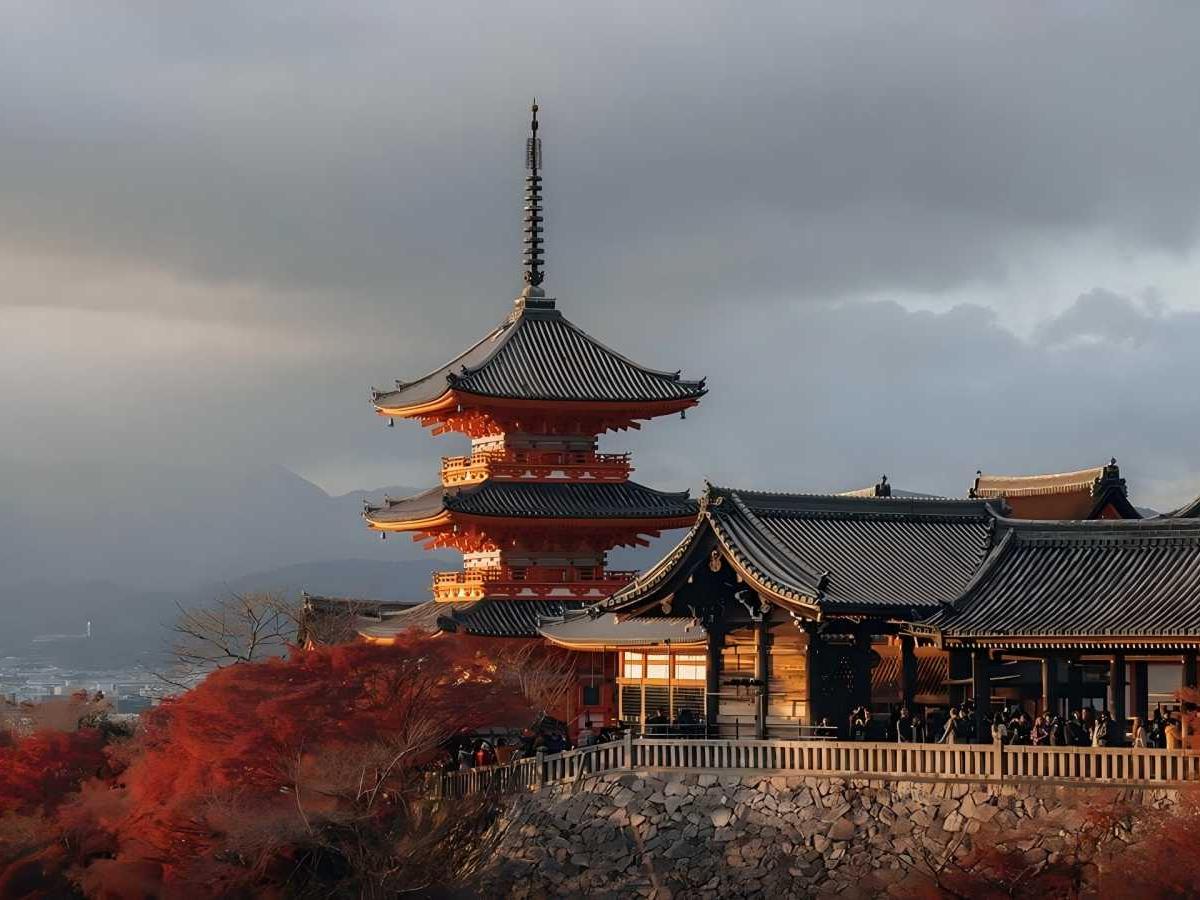
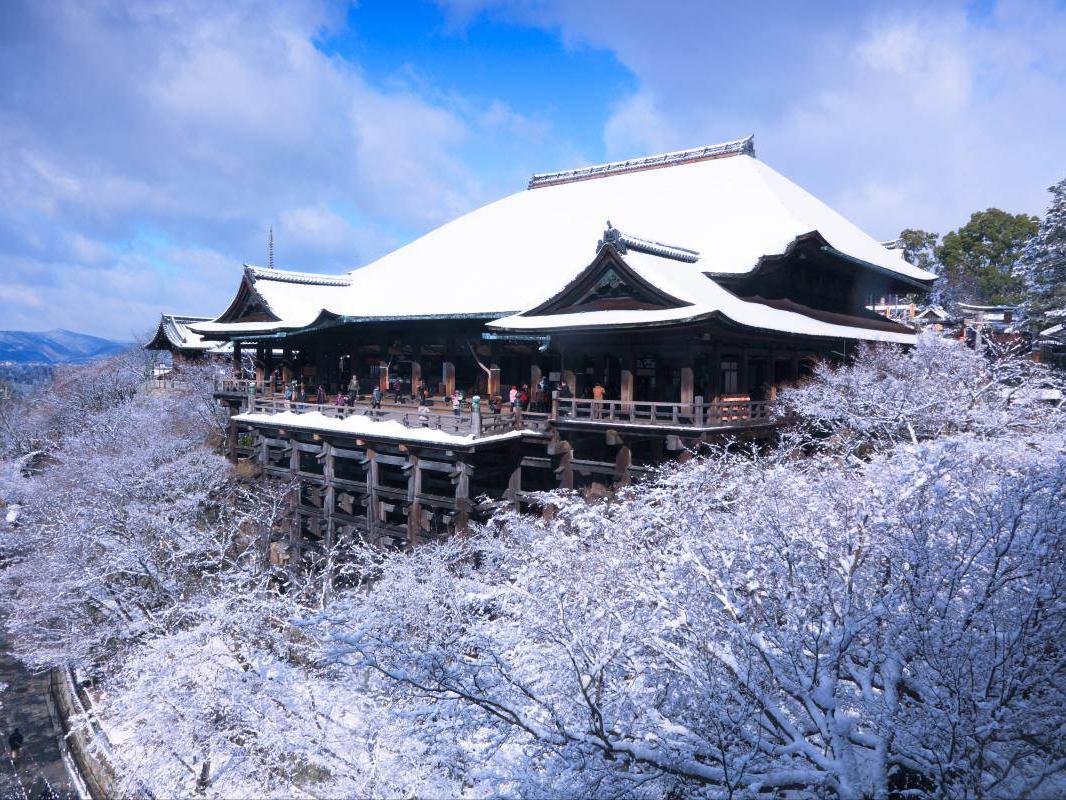
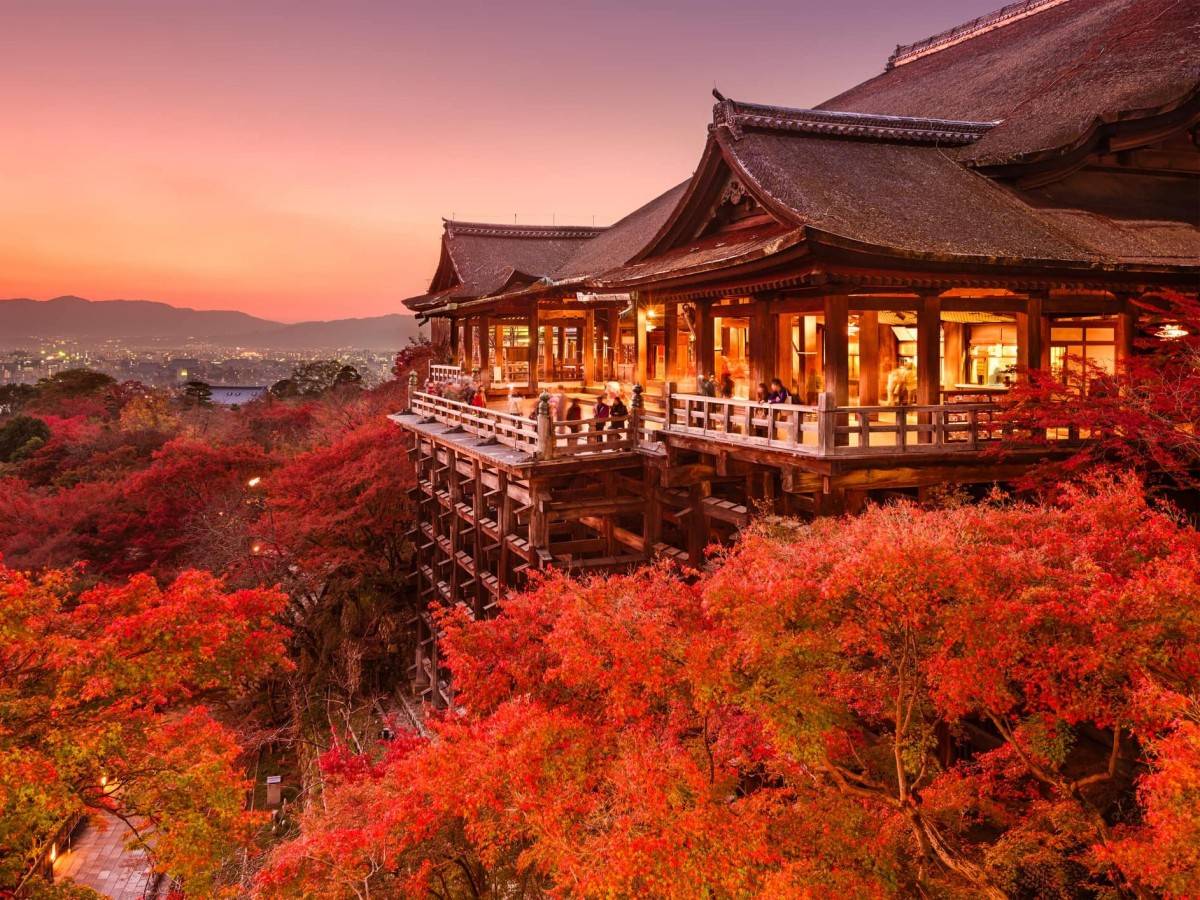
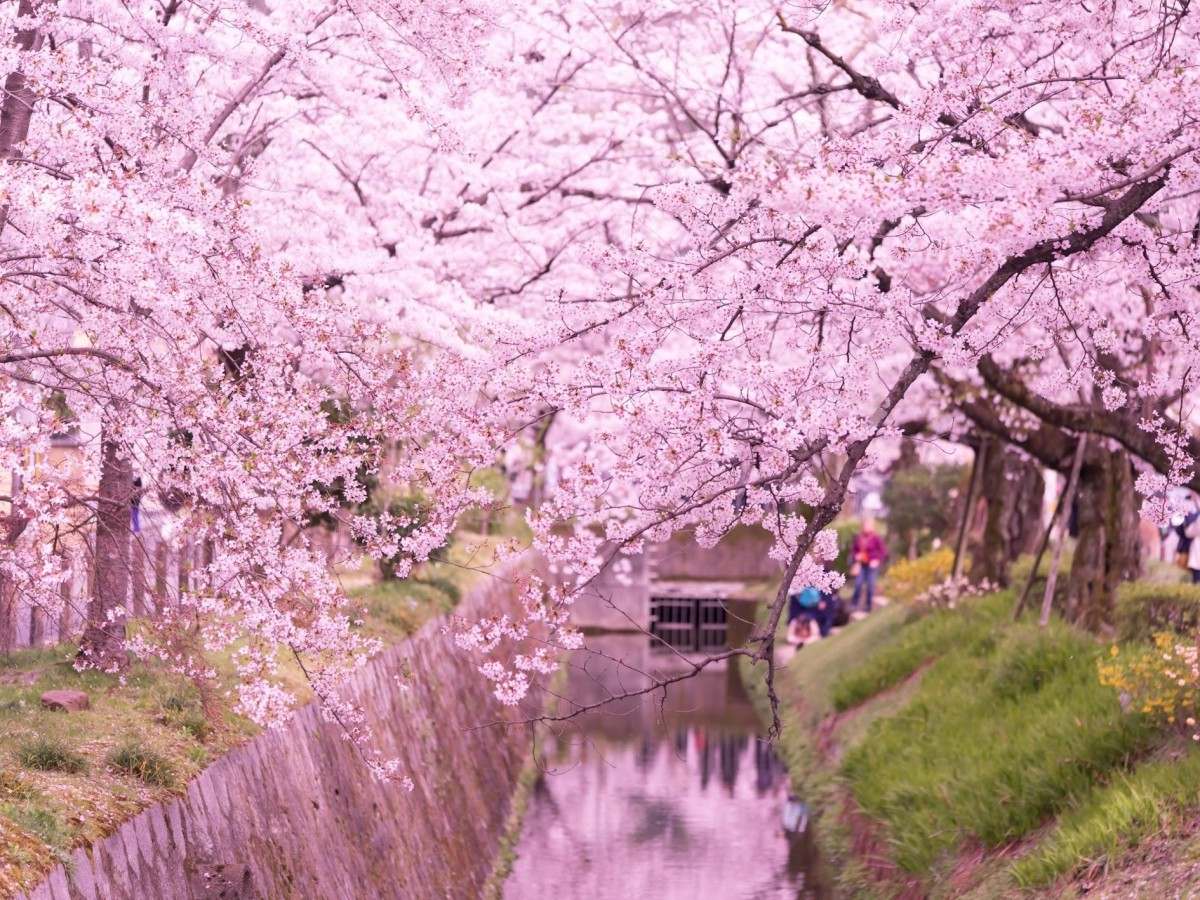
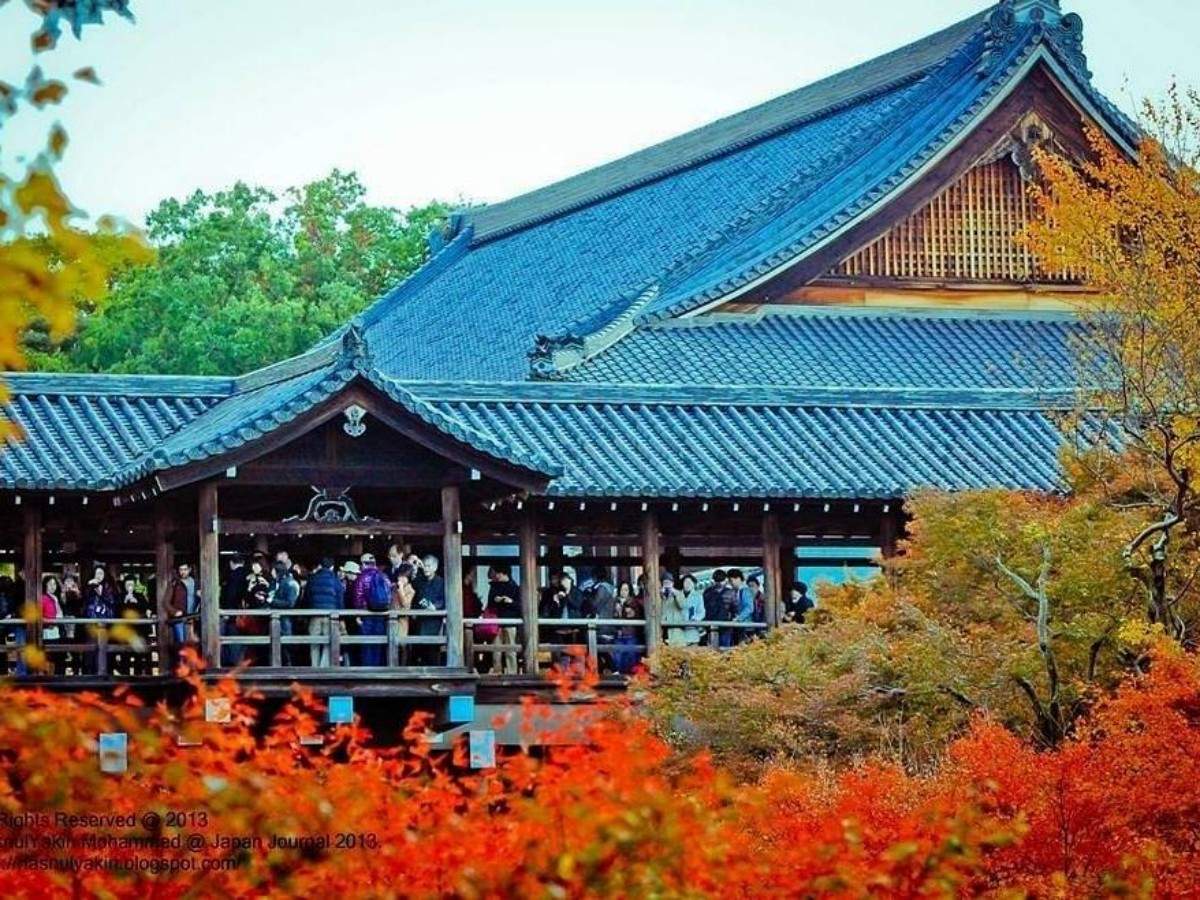
Kiyomizu-dera Temple: Kiyomizu-dera Temple is undoubtedly the landmark of Higashiyama-ku and Kyoto as a whole. Built in 778, the main hall is surrounded by mountains and has a unique architectural style, with a huge vermillion colored stage that looks like a pavilion in the sky and extends beyond the cliffs, making it a magnificent building. In this area, there are different beauties in all seasons. In spring, cherry blossoms bloom all over the mountains and pink petals fall like snowflakes, covering the ancient temple with a dreamy veil, which makes Kiyomizu-dera Temple look like a beautiful spring painting; in autumn, the maple leaves are like fire and the forest is dyed in every color, reflecting each other with the architecture of the ancient temple and constituting a splendid and colorful autumn scene. Standing on the stage of Kiyomizu-dera, you can enjoy a breathtaking view of Kyoto cityscape.
Advertisement
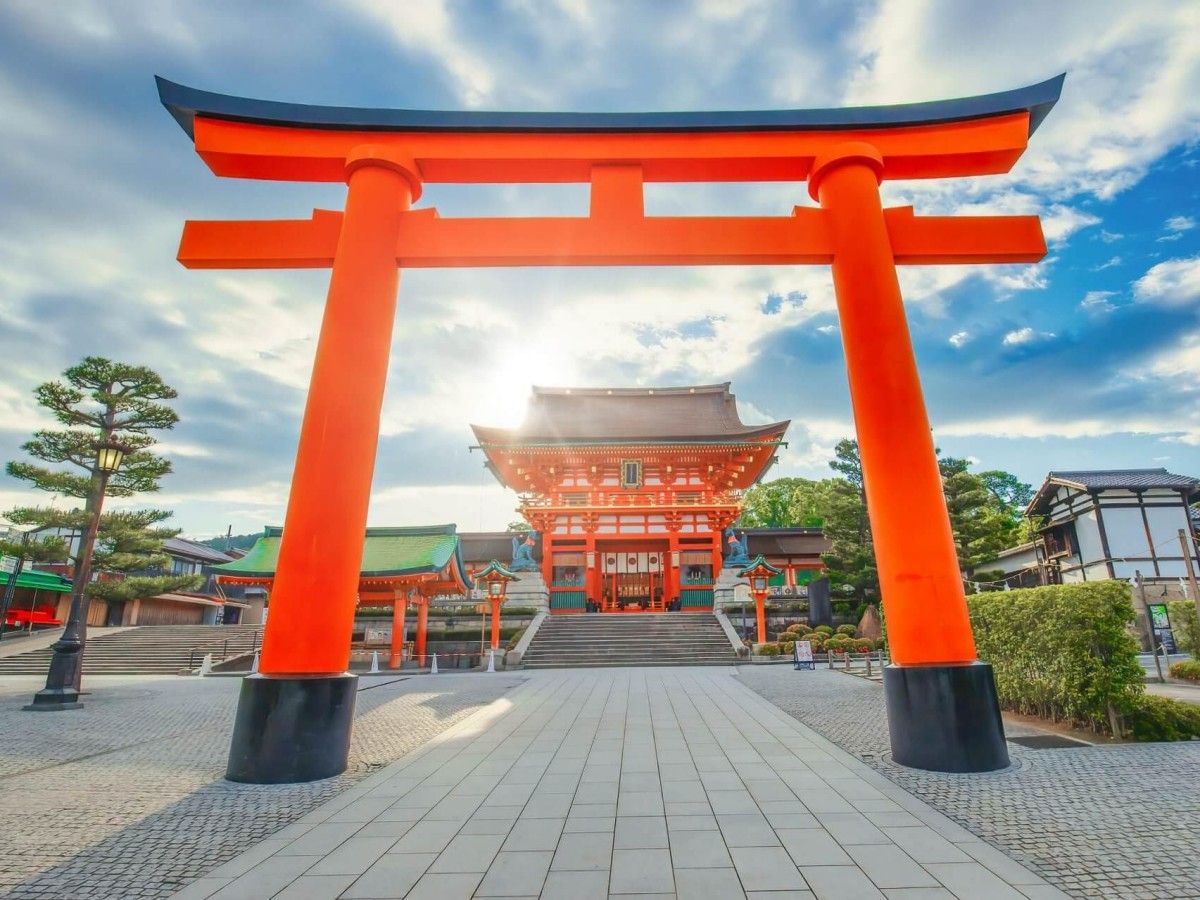
Yasaka Shrine: As one of the oldest shrines in Kyoto, Yasaka Shrine is steeped in history and culture. The Gion Festival, one of the three major festivals in Japan, is held in July every year, and during this time the shrine is abuzz with the parade of many colorful yamabushi (mountain carts), and people in traditional costumes weaving in and out of them, immersing the entire shrine in a rich festive atmosphere. The Senbon Lantern Tunnel inside the shrine is lit up at night, and the orange light creates a mysterious and romantic atmosphere, attracting countless tourists to come and take pictures, making it a unique sight at night in Higashiyama-ku.
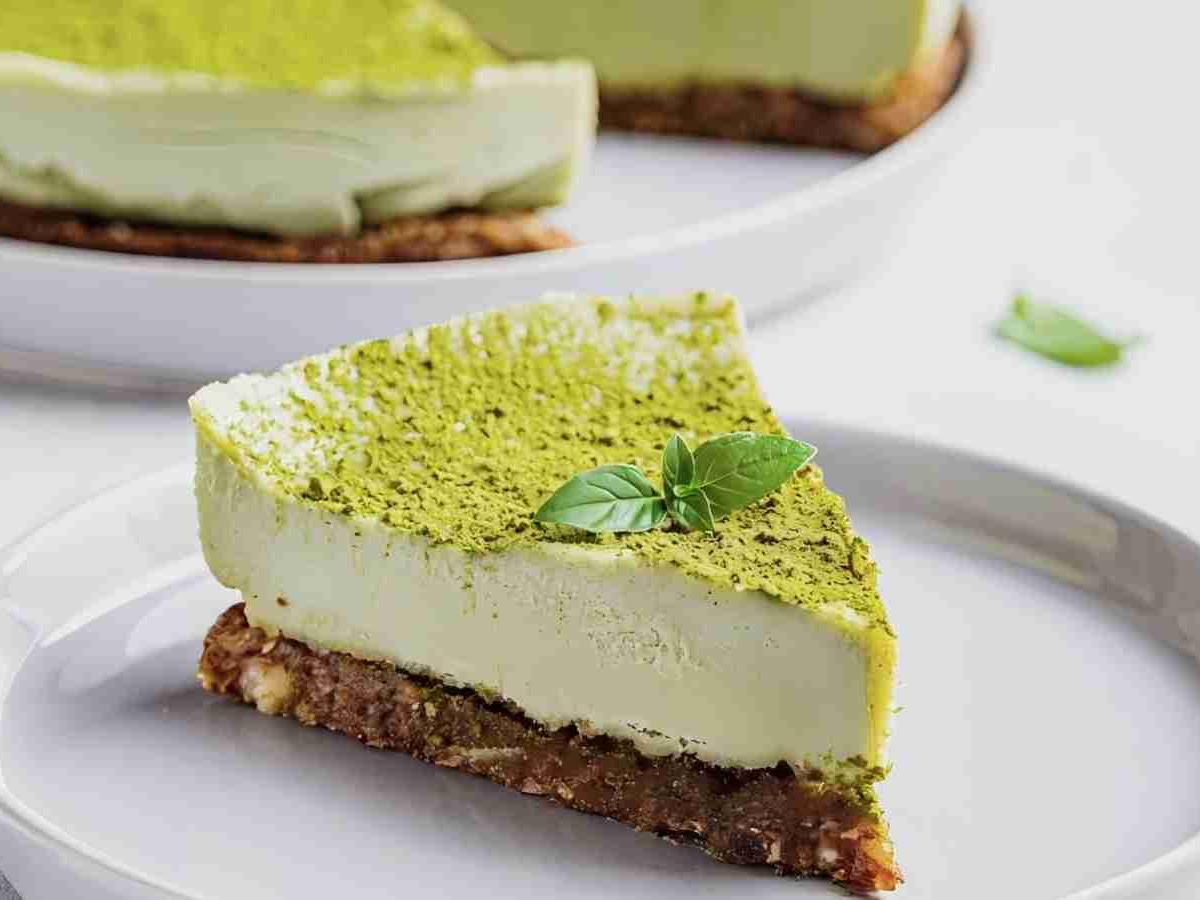
Matcha Cuisine: Kyoto is famous for matcha, and Higashiyama is no exception. You can savor a variety of dishes made with matcha, such as matcha ice cream, matcha cake, and matcha soba. Matcha ice cream has a delicate texture that melts in your mouth, and the rich aroma of matcha spreads through your mouth with a slight bitterness that turns into a sweet aftertaste. Matcha cake is fluffy and dense with a tea-like aroma, and matcha soba combines the fresh aroma of matcha with the strength of buckwheat noodles, making it a distinctive dish.
Kyoto Cuisine: Kyoto Cuisine emphasizes the freshness and original flavor of ingredients, focusing on the sense of seasonality, and each dish is like a beautiful work of art. Kyoto cuisine is not only a feast for the taste buds, but also a feast for the eyes and the palate.
Wagamama: Wagamama is the collective name for traditional Japanese sweets, and in the Higashiyama district you can savor a wide variety of beautifully shaped and delicately flavored wagamama. Usually made from beans, glutinous rice and other raw materials, Wakozi is complex and has a variety of shapes, some of which resemble blooming flowers, while others resemble cute little animals, making them hard to resist.
Traditional Craft Shops: There are many traditional craft stores in Higashiyama District selling a variety of handicrafts that are characteristic of Kyoto, such as Nishijin-ori, Kyoyuzen, and Shimizu-yaki. Nishijin-ori is a high-class silk fabric known for its exquisite patterns and superb craftsmanship; Kyoyuzen is a printing and dyeing process that produces fabrics with bright colors and beautiful patterns; and Kiyomizu-yaki is a traditional Kyoto ceramic with a unique shape and fine texture. You can pick up some handicrafts here as souvenirs to take home for your friends and family.
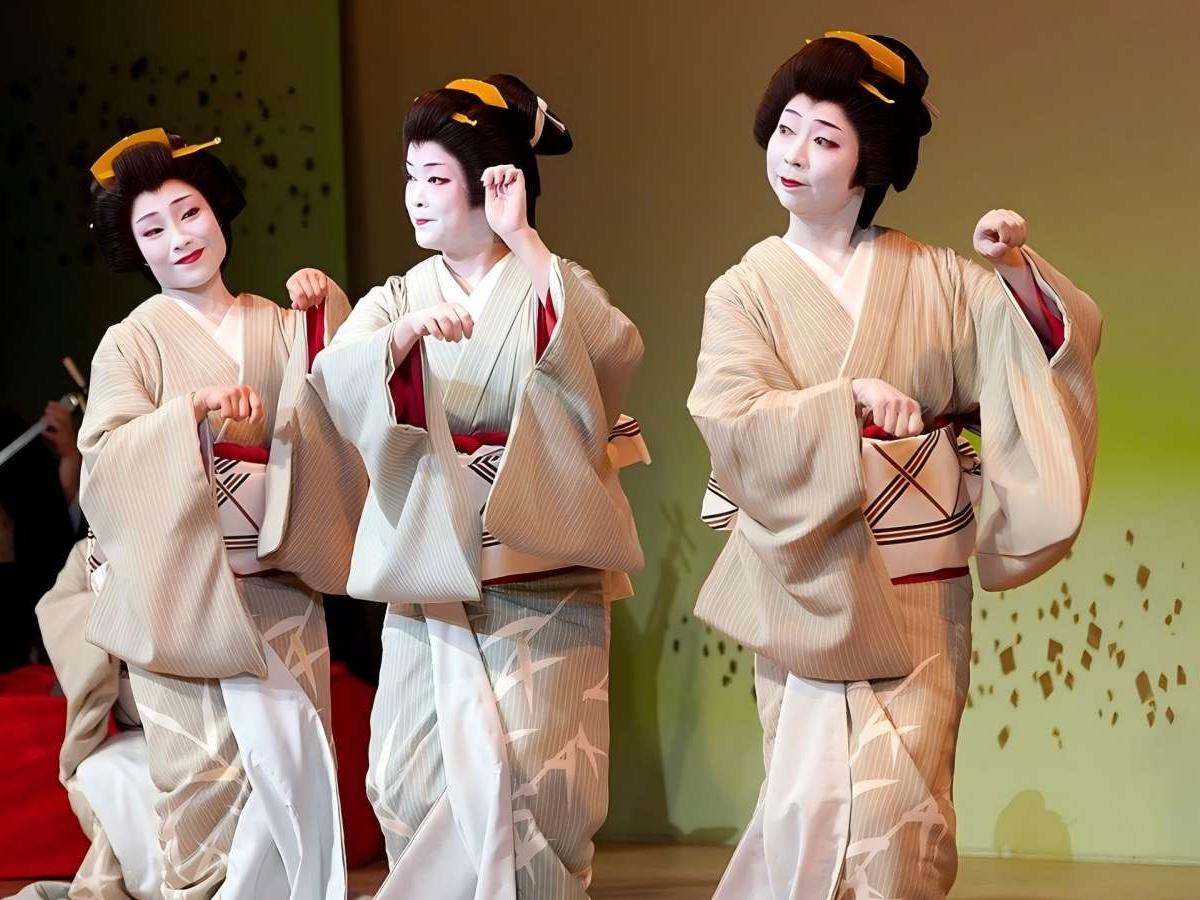
Geisha performances: At the tea house in Gion, you can enjoy a spectacular geisha performance. Dressed in gorgeous kimonos, Geisha perform traditional dances, musical instruments, and tea ceremonies with grace and style. Watching a Geisha performance is an excellent way to gain a deeper understanding of traditional Japanese culture.
Traditional Tea Ceremony Experience: Participate in a traditional tea ceremony experience and learn about the etiquette and culture of the Japanese tea ceremony. In a quiet tea room, follow the guidance of the tea ceremony instructor and make a bowl of matcha tea with your own hands, feel the serenity and concentration, and savor the spiritual connotations of “harmony, respect, clarity, and silence” embedded in the tea ceremony. Recommended place: Satsukiya Tea Ceremony Classroom, which provides professional tea ceremony instruction and lets you experience the charm of the Japanese tea ceremony.
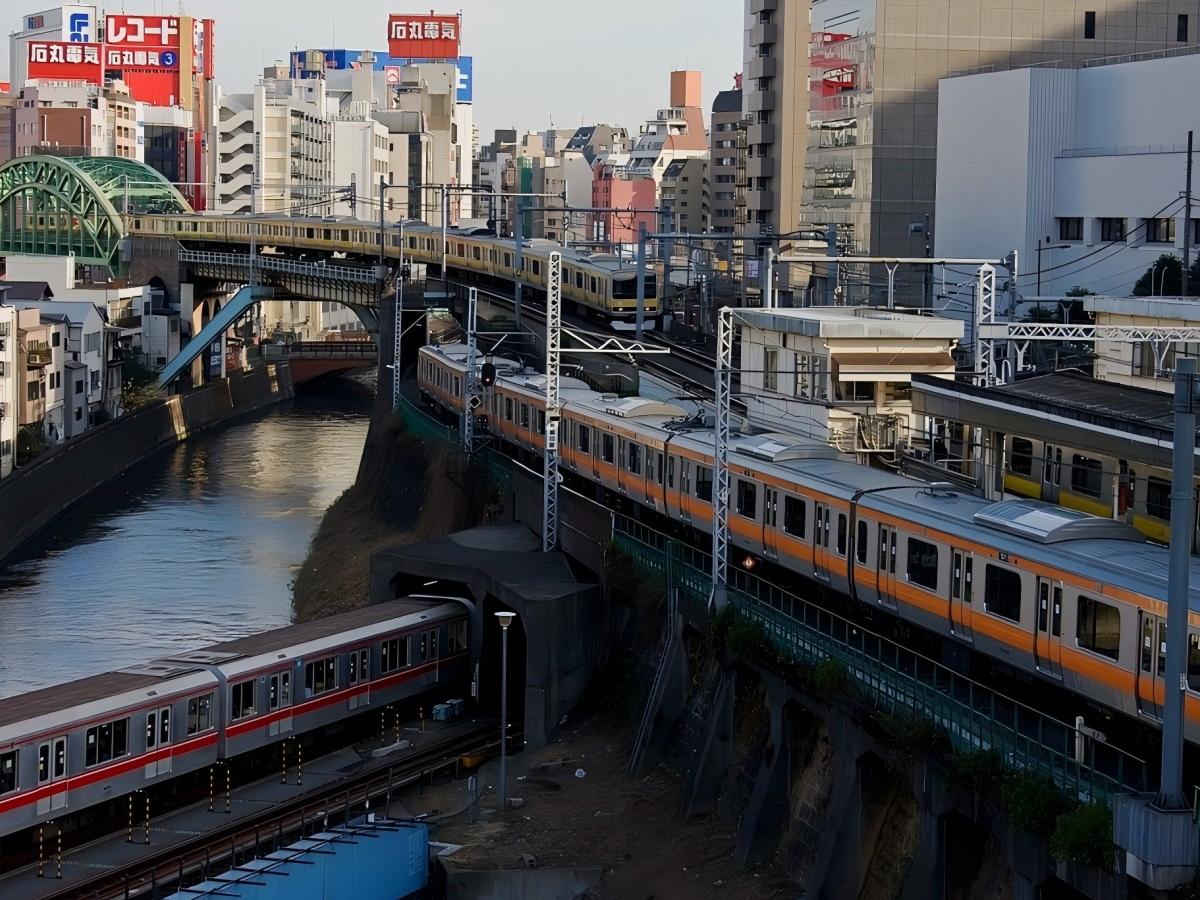
Higashiyama District is located about 800 meters east of Kyoto Station and is easily accessible. If you are traveling to Kyoto from another city, you can choose to travel by plane, train or long-distance bus. After arriving in Kyoto, proceed to Higashiyama-ku.
Airplane: There are two airports near Kyoto, Osaka Itami Airport and Kansai International Airport. From Osaka Itami Airport to Kyoto, you can take the airport bus or the JR line, which is about 1 hour's drive. From Kansai International Airport to Kyoto, you can take the JR line, Keihan Electric Railway or the airport bus, which is about 1.5 hours' drive.
Train: Japan has excellent railroad transportation, and you can travel to Kyoto by train on the JR Line and Shinkansen. Kyoto Station is the transportation hub of Kyoto. From Kyoto Station to Higashiyama-ku, you can choose to take the subway, bus or walk.
Walking: Higashiyama-ku has a relatively high concentration of major sightseeing spots, so walking is a good option for those who like to stroll. During your walk, you can get a closer look at the scenery on both sides of the street and experience the unique atmosphere of Higashiyama-ku.
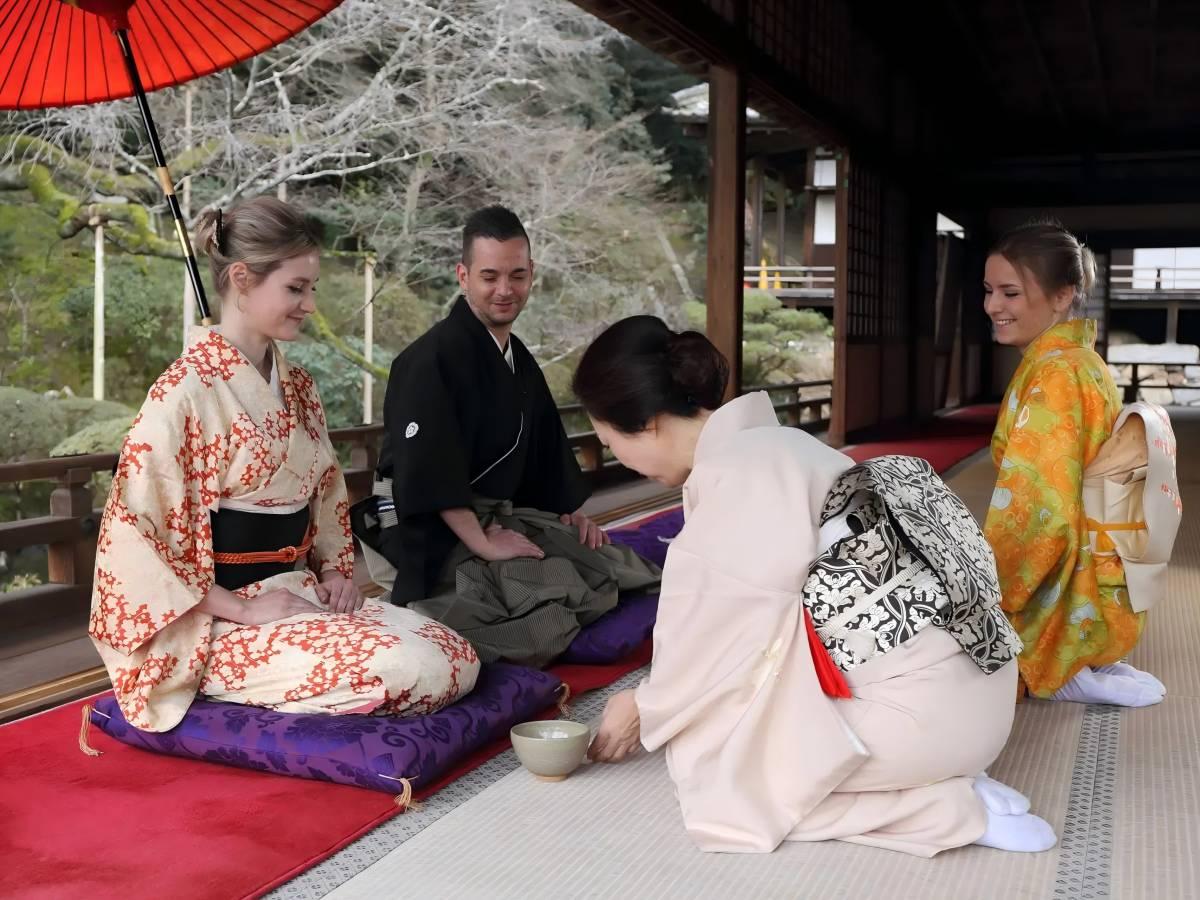
Cultural etiquette: When visiting Higashiyama City, it is important to respect the local cultural etiquette. When entering temples and shrines, be careful to dress appropriately and refrain from making a lot of noise; when communicating with locals, use polite language and respect their customs and habits.
Photography precautions: When photographing maiko, it is necessary to obtain their permission first, and the use of flash is prohibited so as not to interfere with their performances and rest. Be careful not to disturb others when photographing other attractions.
Seasonal choices: Dongsan-gu is beautiful in all seasons, and different seasons have different characteristics. Cherry blossom viewing in spring and maple viewing in fall are two popular tourist themes in Dongsan-gu. If you want to enjoy the beauty of these two seasons, it is recommended that you book your flights, hotels and tickets in advance to avoid delays. In summer, the temperature is high, so pay attention to preventing heatstroke; in winter, it is colder, so pay attention to keeping warm.
Language communication: Although some people will speak English at some tourist attractions and commercial areas, mastering some simple Japanese daily phrases such as greetings, thank yous, and asking for directions will make your trip easier.
Cash and Payment: Although mobile payment is becoming more and more popular in Japan, in some small stores or traditional markets, only cash may be accepted for payment. Therefore, it is recommended that you carry an appropriate amount of cash with you and learn about local payment methods in advance.
Higashiyama-ku, Kyoto City attracts countless tourists with its rich history, culture and beautiful nature. With this detailed travel guide, we hope to help you better plan your trip and enjoy the flavor and charm of Kyoto. Whether it's the ancient temples, traditional streets, or delicious cuisine, you'll be left with unforgettable memories. We wish you a wonderful time in Higashiyama-ku, Kyoto!