Advertisement
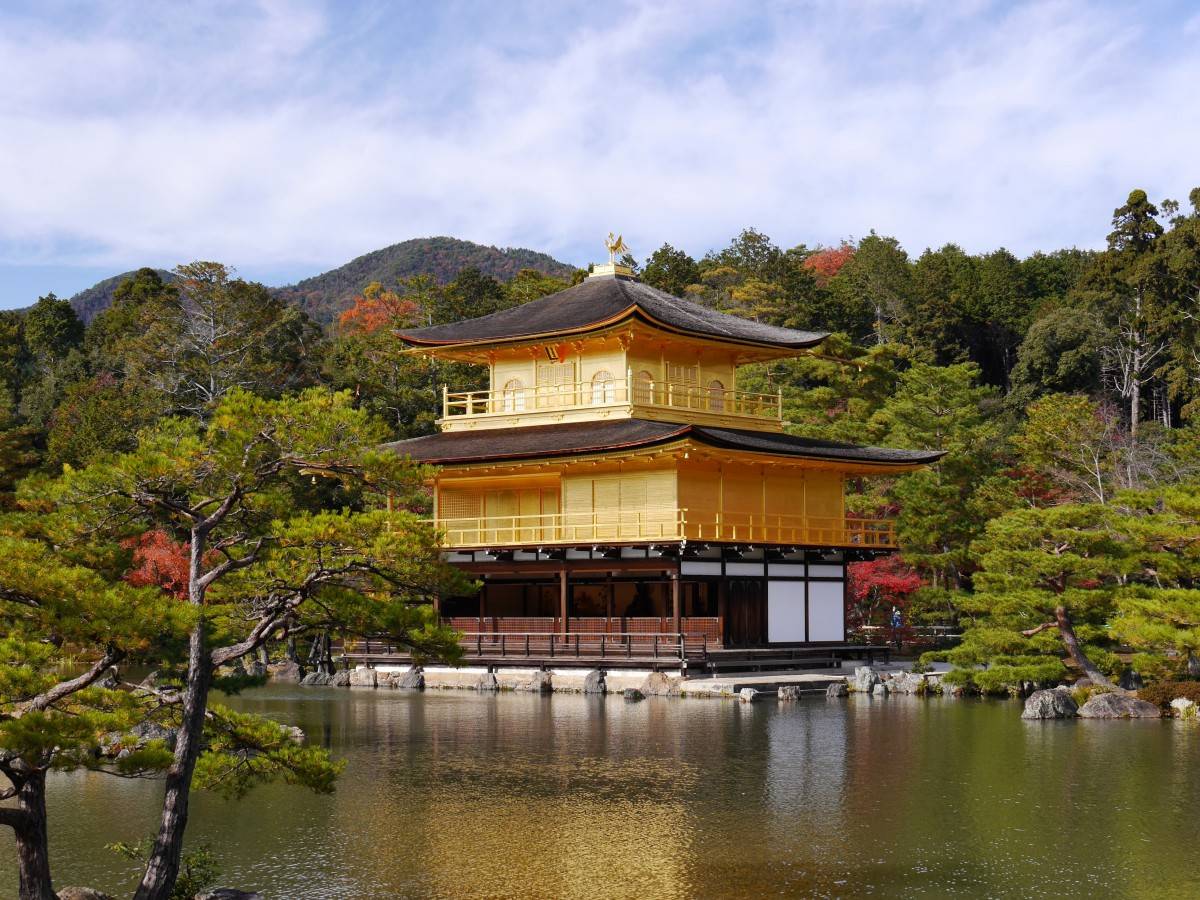
If Kyoto is the historical heart of Japan, then the Kyoto Imperial Palace is the very core of that heart. Nestled quietly amidst the lush greenery of the city center, it is neither flashy nor noisy, yet it has witnessed the thousand-year-old changes in Japan's imperial family. It doesn't glitter like the Golden Pavilion or attract as many visitors as Fushimi Inari Shrine, but as soon as you step out of Marutamachi Station and enter the Kyoto Imperial Palace Grounds, you'll know—this is where Kyoto's true essence lies.
Advertisement
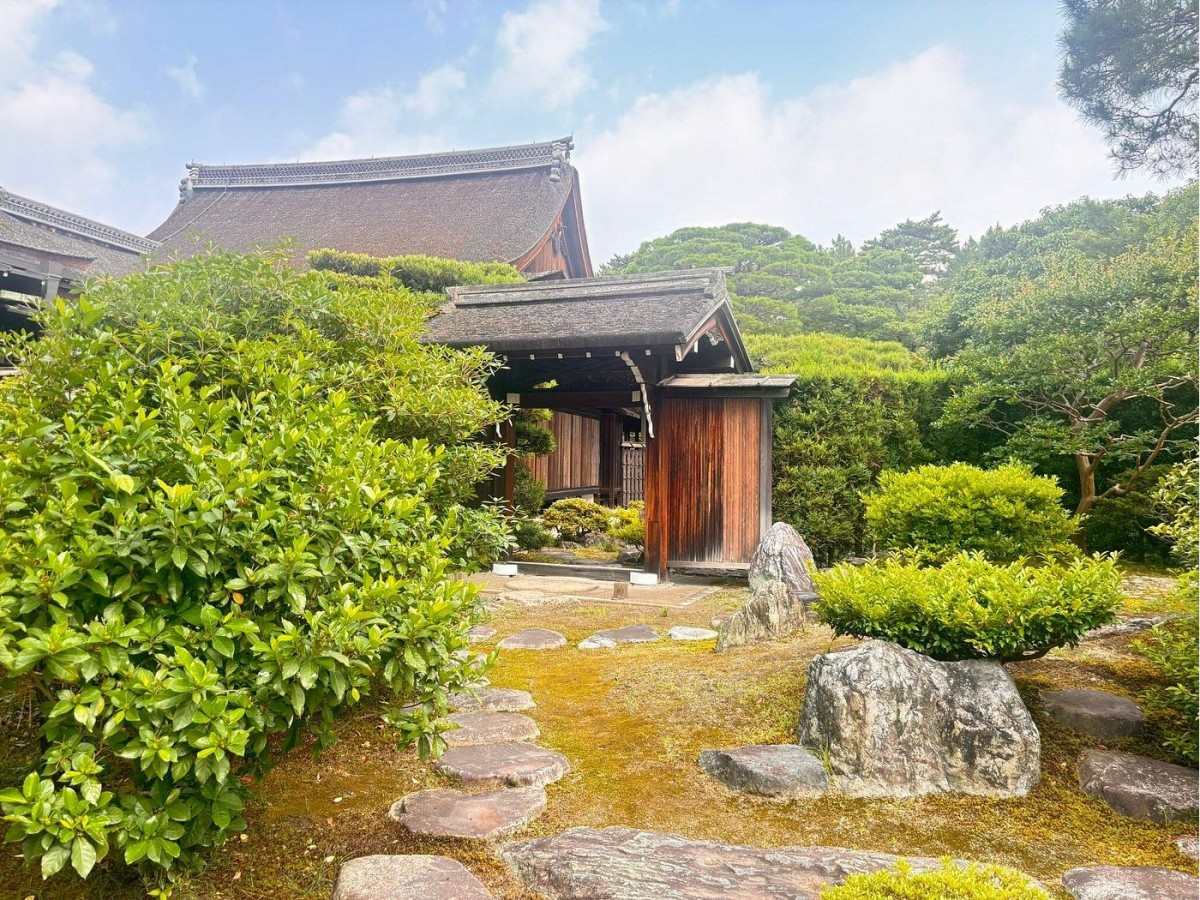
To explore the Kyoto Imperial Palace with ease, the most recommended way is to start from Marutamachi Station on the Karasuma Subway Line. Exit 3 of Marutamachi Station leads directly to the south gate of the Kyoto Imperial Palace Garden, and it takes less than three minutes to walk into the spacious grounds.
Advertisement
The Kyoto Imperial Palace Garden is very large, with several other entrances around its perimeter. Today, no reservation is required to enter freely. However, the Marutamachi side is flat and shaded by green trees, making it an especially pleasant route for a leisurely stroll, particularly in spring and autumn.
It is recommended to arrive before 9 a.m. to avoid the crowds of tour groups. At this time, the sunlight begins to filter through the tree-lined paths, the air carries a hint of the dampness of the grass, and the sound of birdsong fills the air—the perfect time to experience the “quiet moments of the ancient capital.”
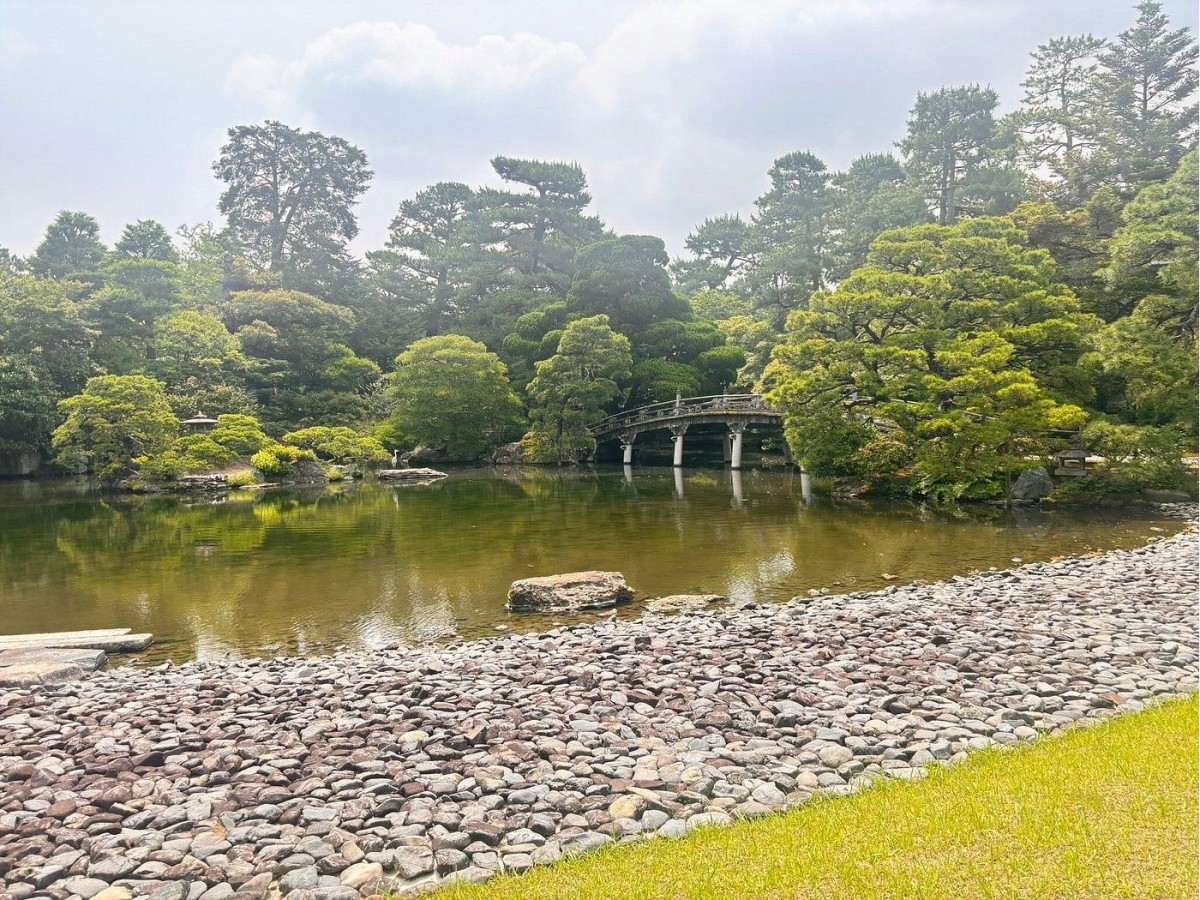
The Kyoto Imperial Palace was the residence of the Japanese emperor from 1331 to 1869. Over the course of more than 500 years, it was not only a symbol of political power but also a hall of cultural and artistic convergence. Even after the Meiji Restoration, when the emperor moved to Tokyo, the Imperial Palace remained a sacred place.
Advertisement
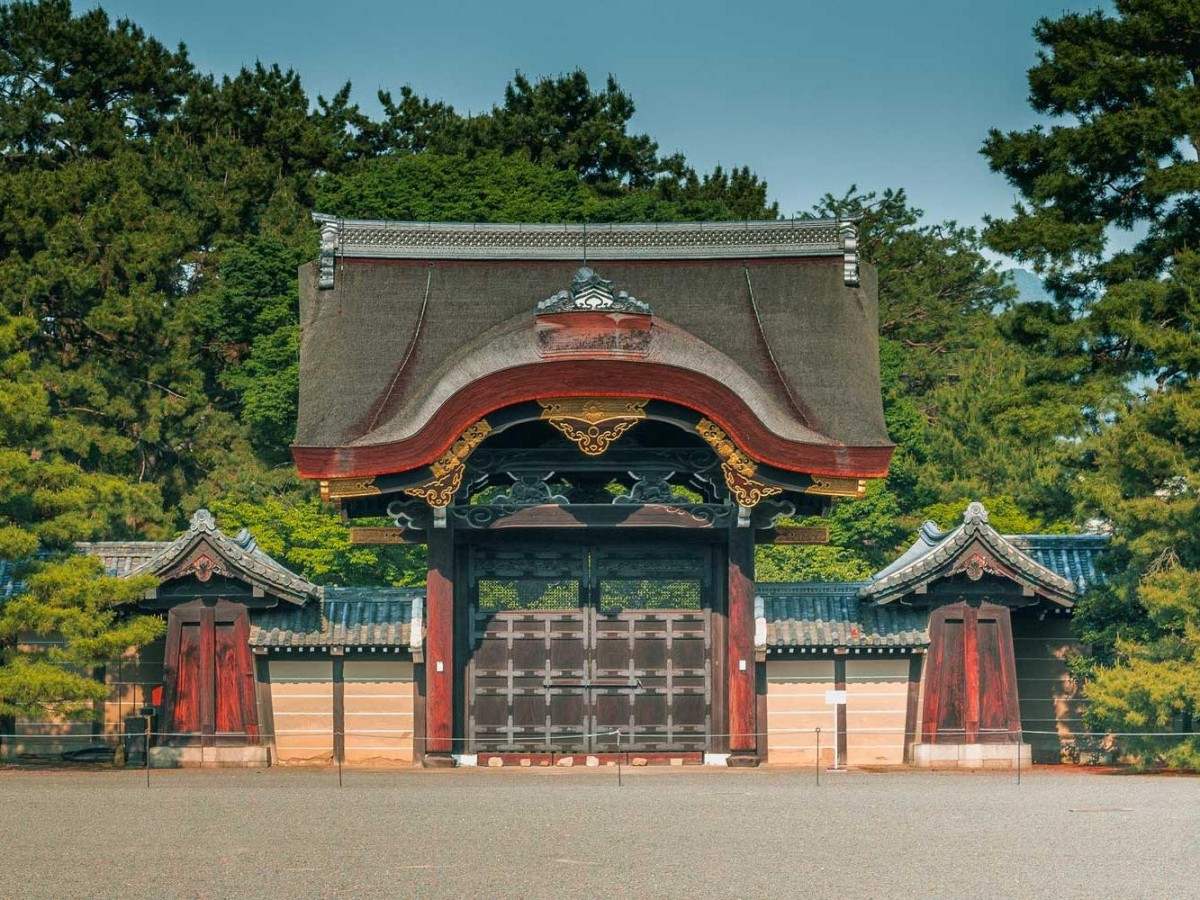
Most of what we see today at the Kyoto Imperial Palace is the result of reconstruction following a fire in 1855, yet the style remains faithful to the traditional palace architecture of the Heian period and beyond. The entrance gate, Kenryo-mon, retains its solemn grandeur, while structures like the Shishinden, Seiryo-den, and Ko-gosho showcase the simple yet elegant beauty of Japanese architecture.
If you wish to gain a deeper understanding of the background and functions of each building, it is recommended to book an official English-language guided tour (which must be applied for in advance through the Imperial Household Agency's official website). The guide will take you around the main palaces, explaining ceremonies, daily life, architectural structures, and imperial family stories, offering an experience far more profound than merely “looking around.”
However, even if you simply stroll around without entering the palace complex and only explore the outer gardens, you can still feel the palace's steady atmosphere and historical depth. This is not a noisy tourist spot but a place to slow down and savor the experience.
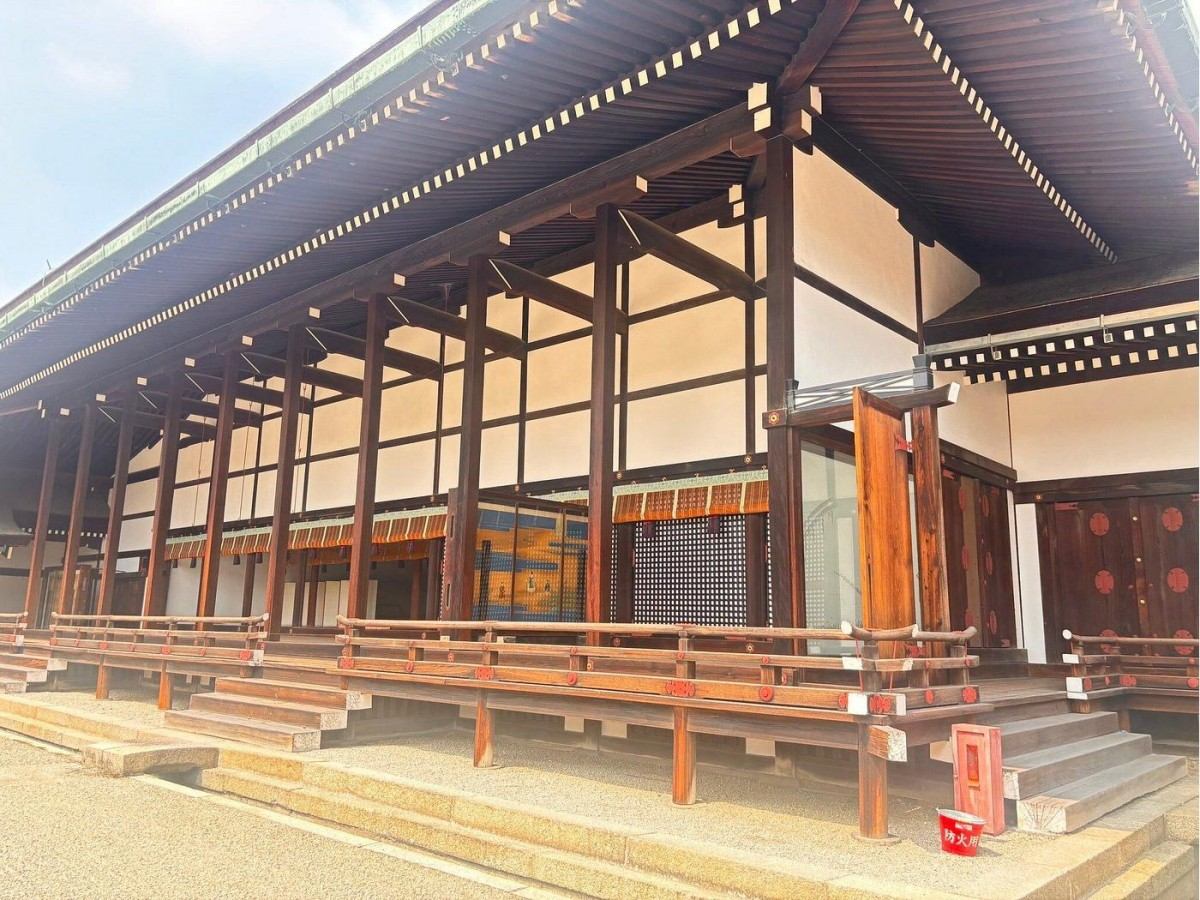
The vast green space surrounding the Kyoto Imperial Palace is known as the “Kyoto Imperial Palace Garden” (Kyoto Gyoen National Garden). This open-air park serves as an important daily space for local residents to take walks, walk their dogs, and engage in morning exercises.
Upon entering through the Marutamachi South Gate, the wide gravel paths on either side extend northward for nearly 1 kilometer. The unique texture of the gravel creates a soft, crunching sound underfoot, which naturally prompts visitors to slow their pace and speak in hushed tones.
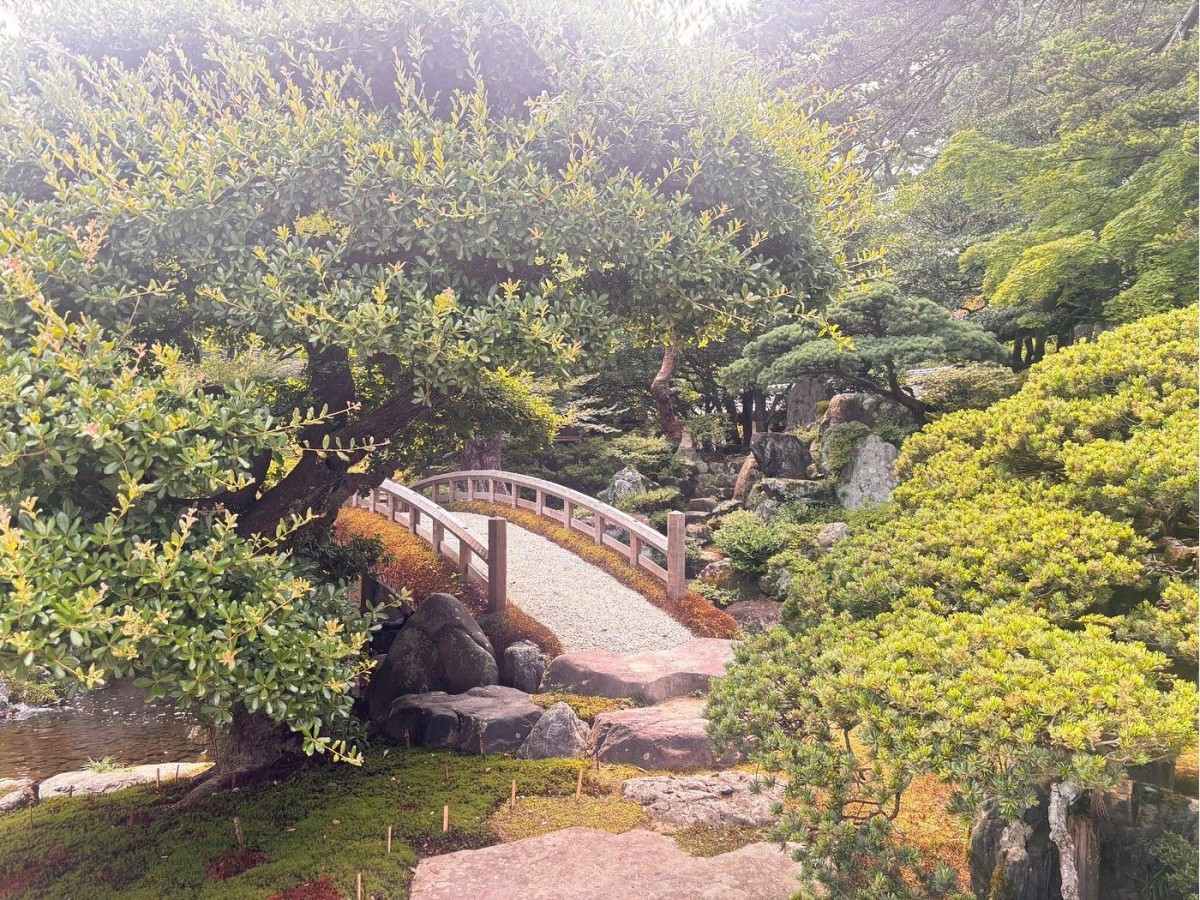
The Imperial Garden is not only lush with trees and wide with grass, but also hides many small attractions: for example, Shikui-tei is the ruins of a tea house from the Edo period, facing a small pond, perfect for a short rest; small ancient shrines such as Munakata Shrine and Itsukushima Shrine are scattered throughout the park, and you may come across them unexpectedly when turning a corner.
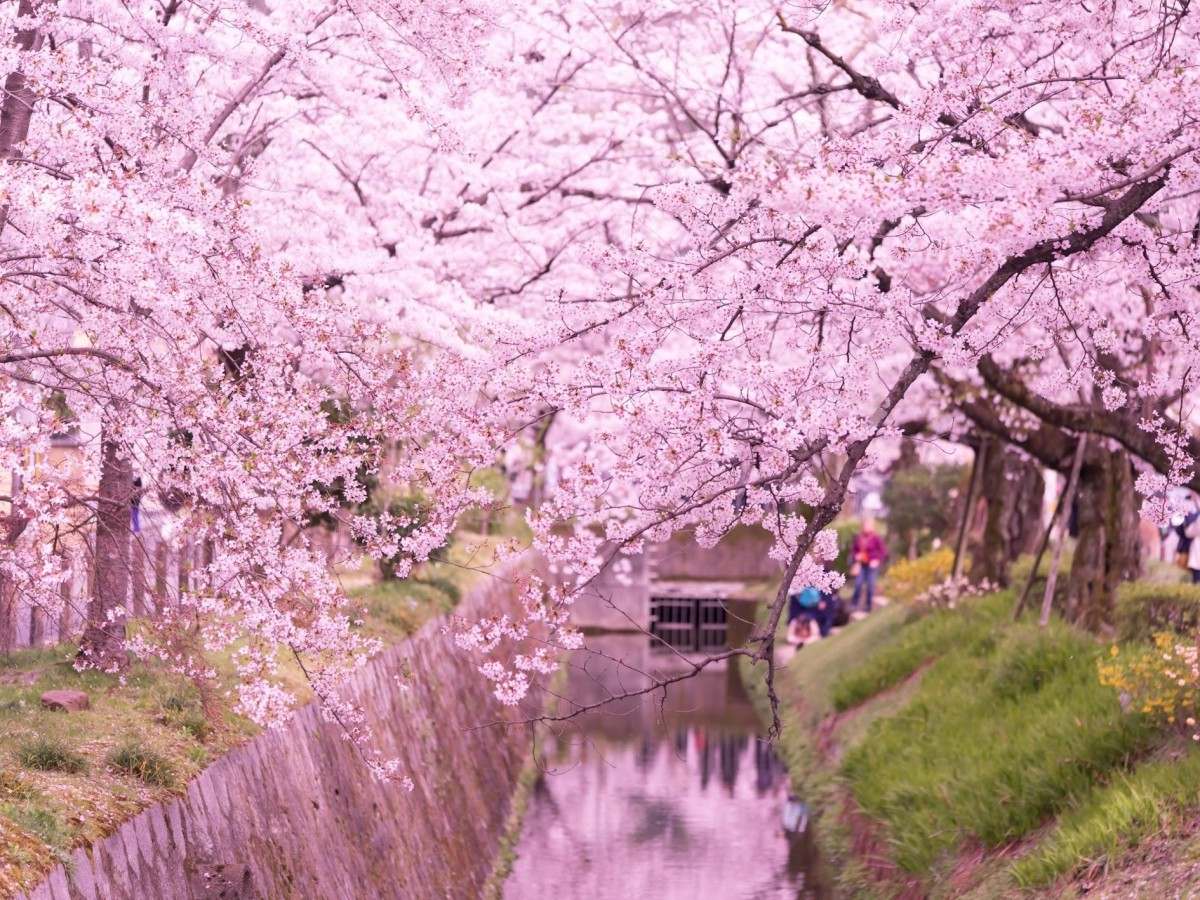
A special recommendation is the cherry blossom grove at the former Konoe Residence on the eastern side of the Imperial Palace Garden during cherry blossom season in spring, a hidden gem for cherry blossom viewing; in autumn, the forest paths are renowned for their vibrant fallen leaves and interplay of light and shadow.
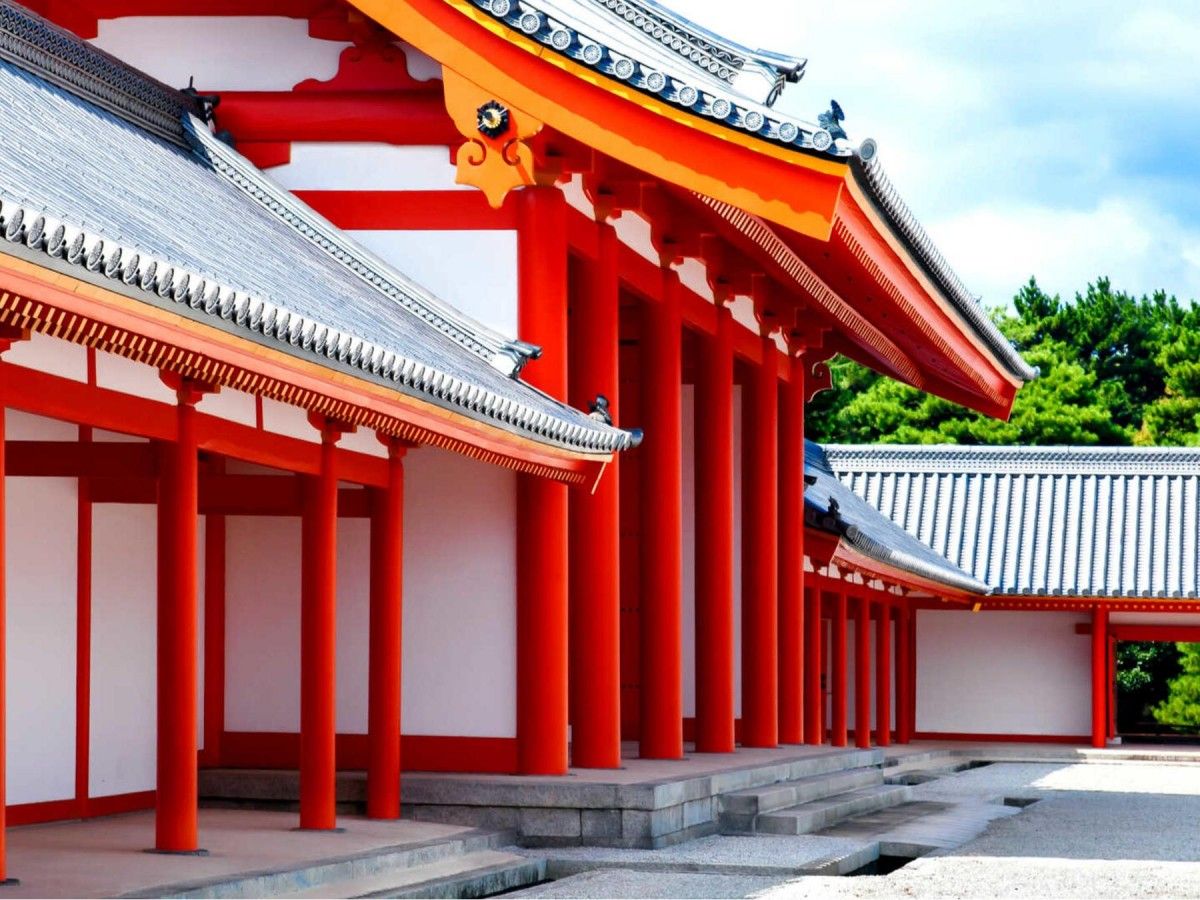
It is recommended to allow one and a half to two hours for a general visit to the Kyoto Imperial Palace, which will cover the main palace buildings (if you have a reservation), a stroll through the Imperial Palace Gardens, and a tour of the small shrines.
The following is a recommended route for a leisurely visit:
Start from Marutamachi Station and enter the Kyoto Imperial Palace from the south gate.
First, head toward the Shishinden Palace (if you are participating in a guided tour, follow the route).
After visiting the main buildings, follow the eastern forest path to the Konoe Residence ruins area, where cherry blossoms can be enjoyed in spring;
return to the central lawn area via the northern path, passing by the Shikisui-tei Pavilion or small shrines along the way;
finally exit through the western gate of the Imperial Palace Garden and continue your journey to the Izumi-dori area, or return to Marutamachi Station.
If the weather is nice, bring a lightweight picnic mat and drinks to relax on the grass and experience a “Kyoto-style weekend.” However, please note that bicycles are not allowed in the Imperial Palace Garden. While entry is free, please maintain quiet and respect the environment.
After leaving the Kyoto Imperial Palace, if you have time, you can explore Marutamachi-dori or Imadegawa-dori. Although this area is not as commercial and bustling as Kawaramachi, it has many stylish cafes, dessert shops, and old-established restaurants.
Ogawa Coffee (Marutamachi Station West Exit): A well-known local Kyoto coffee brand, the spacious and bright interior makes it an ideal spot to relax with a cup of pour-over or iced coffee after a long walk.
Shin-Shin-Do: A traditional bakery with a branch in Imadegawa, famous for its savory croissants and sweet puddings, the interior exudes a strong Taisho-era charm.
Wagashi “Sentaro” Marutamachi Store: If you want to bring some wagashi as souvenirs, this old-established shop's grass cakes and yokan are highly representative of Kyoto.
If you're willing to walk a bit further, from the East Gate of the Imperial Palace to the intersection of Kawaramachi and Marutamachi, there are several hidden coffee shops and small art galleries, perfect for extending your trip into a half-day leisurely stroll.
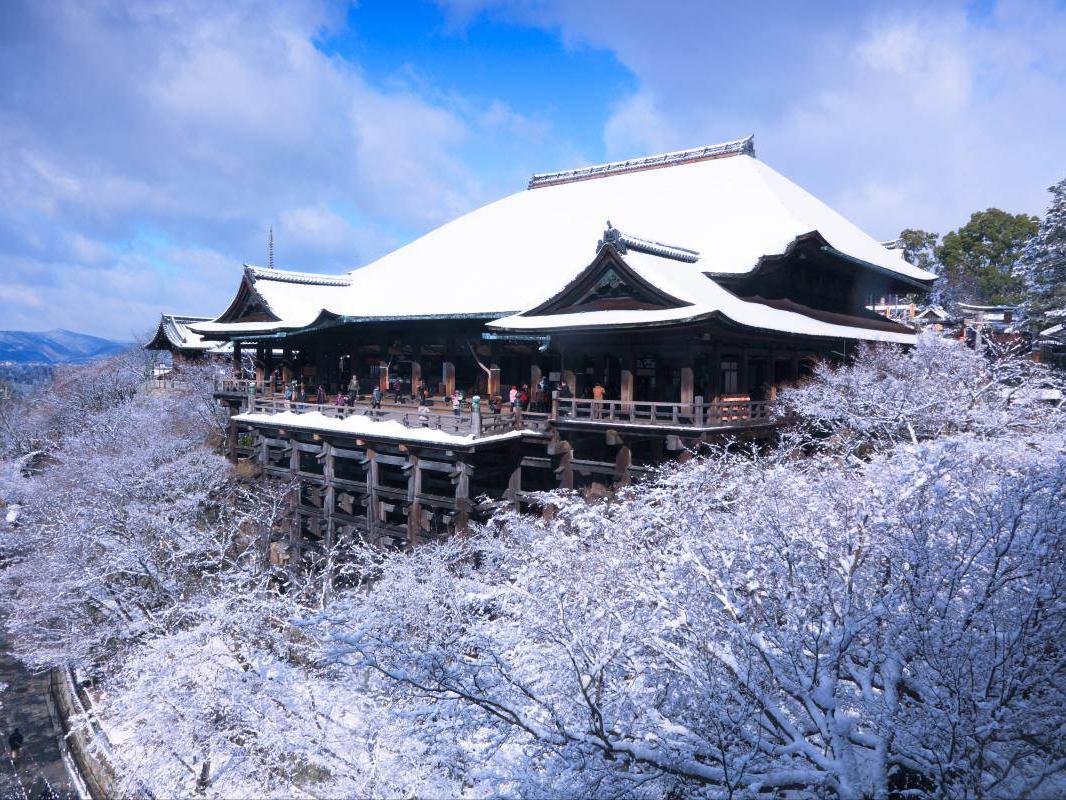
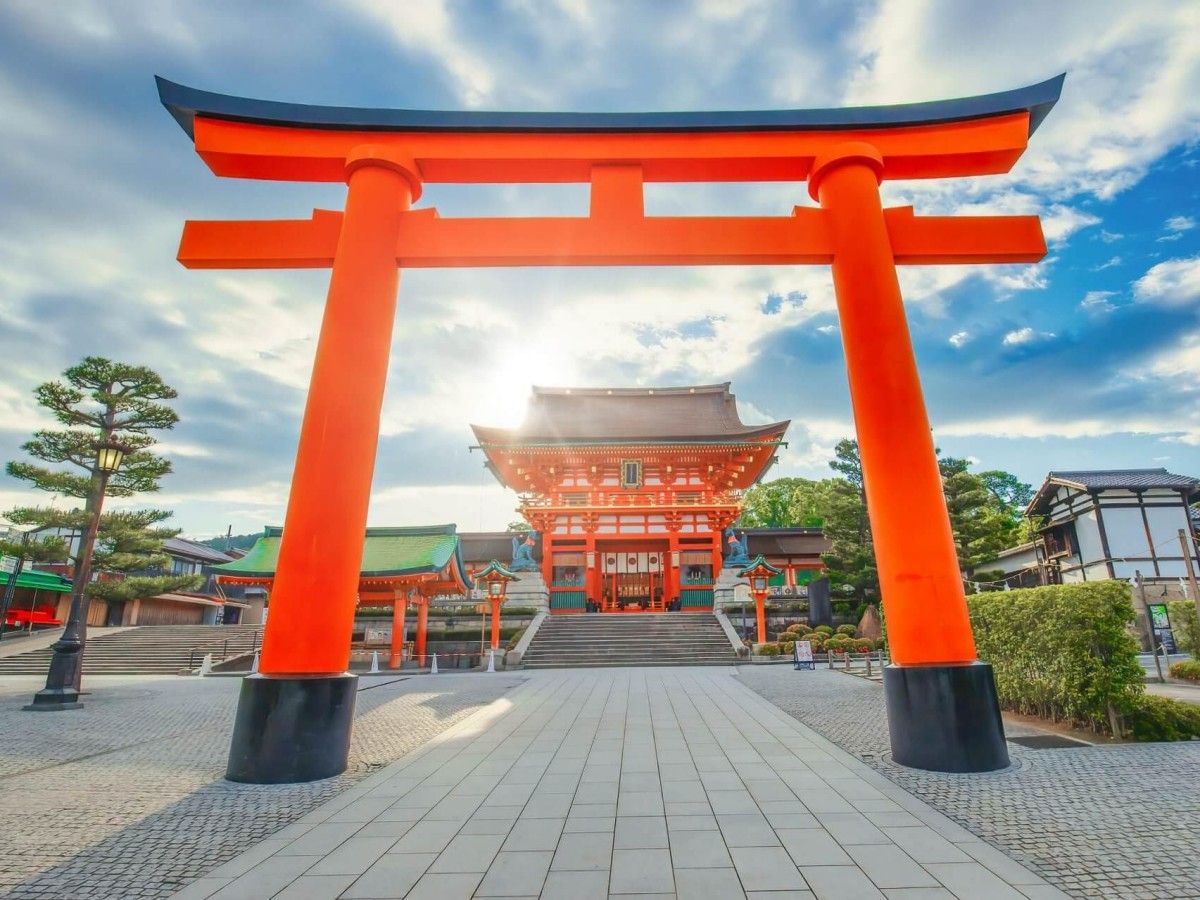
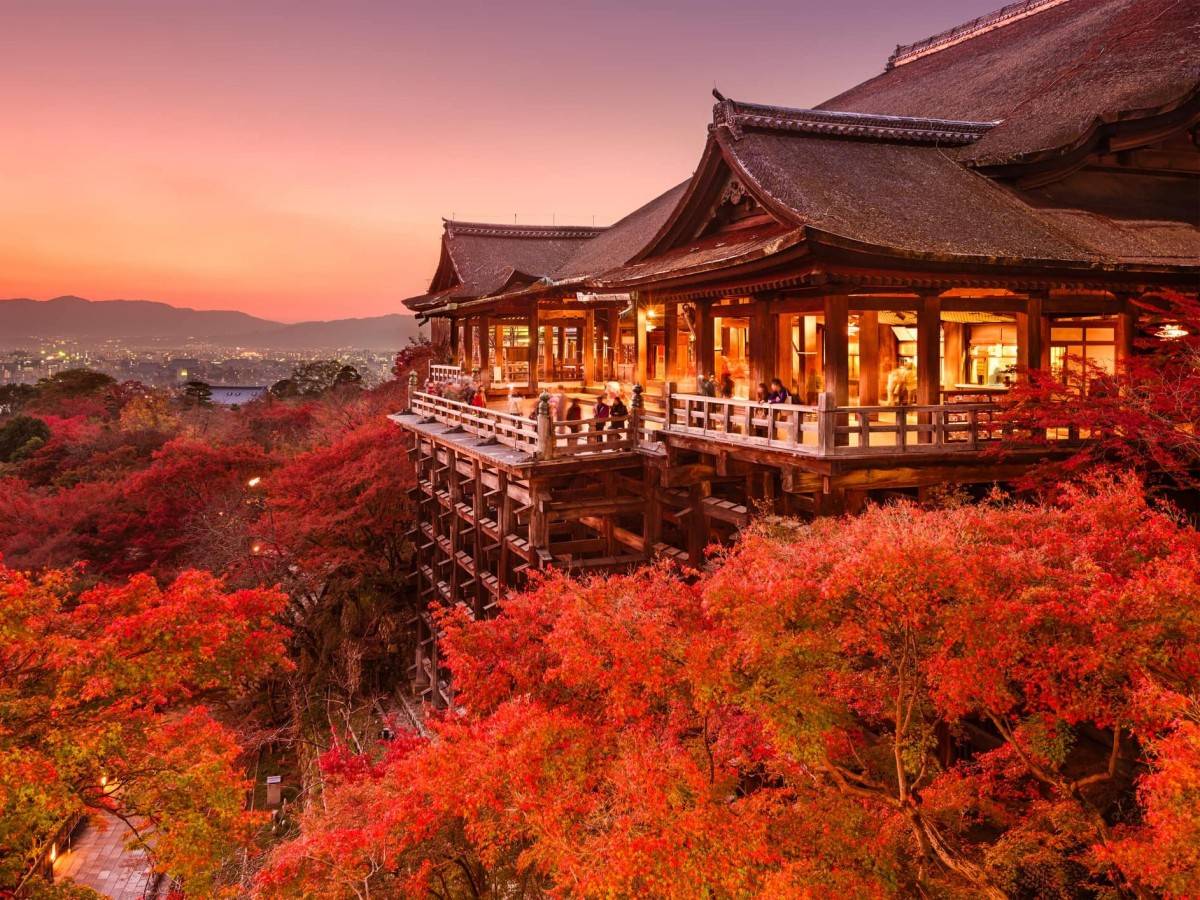
Many people come to Kyoto to capture the reflection of the Golden Pavilion, wander through the thousand torii gates, or stand on the stage of Kiyomizu-dera Temple to marvel at the beauty of the ancient capital. But the truly unforgettable moments in Kyoto often emerge in the quieter corners. The Kyoto Imperial Palace is such a place. It has no admission fee, no commercial atmosphere, and no particularly strong “Instagram-worthy” vibe. Yet, amidst the sunlight, gravel paths, ancient buildings, and tree shadows, it quietly preserves the core essence of the ancient capital. Starting from Marutamachi Station, there is no need for a lengthy journey or special planning. Simply follow your heart into this garden, and you will be rewarded with a truly Kyoto-esque, quiet, and beautiful morning.