Advertisement
If you ask where to find moments of tranquility amid the bustle of New Delhi, the Bangla Sahib Gurdwara will surely feature in the answer. A courtyard paved with pristine white marble, a lake reflecting golden domes, and the quiet chanting of devotees echoing through the air. Here, there is no excessive noise or solicitation, only a tolerance and serenity that transcends religion and status. Stepping inside, you'll discover that travel is not merely about seeing sights, but also a cleansing of the soul.
Advertisement
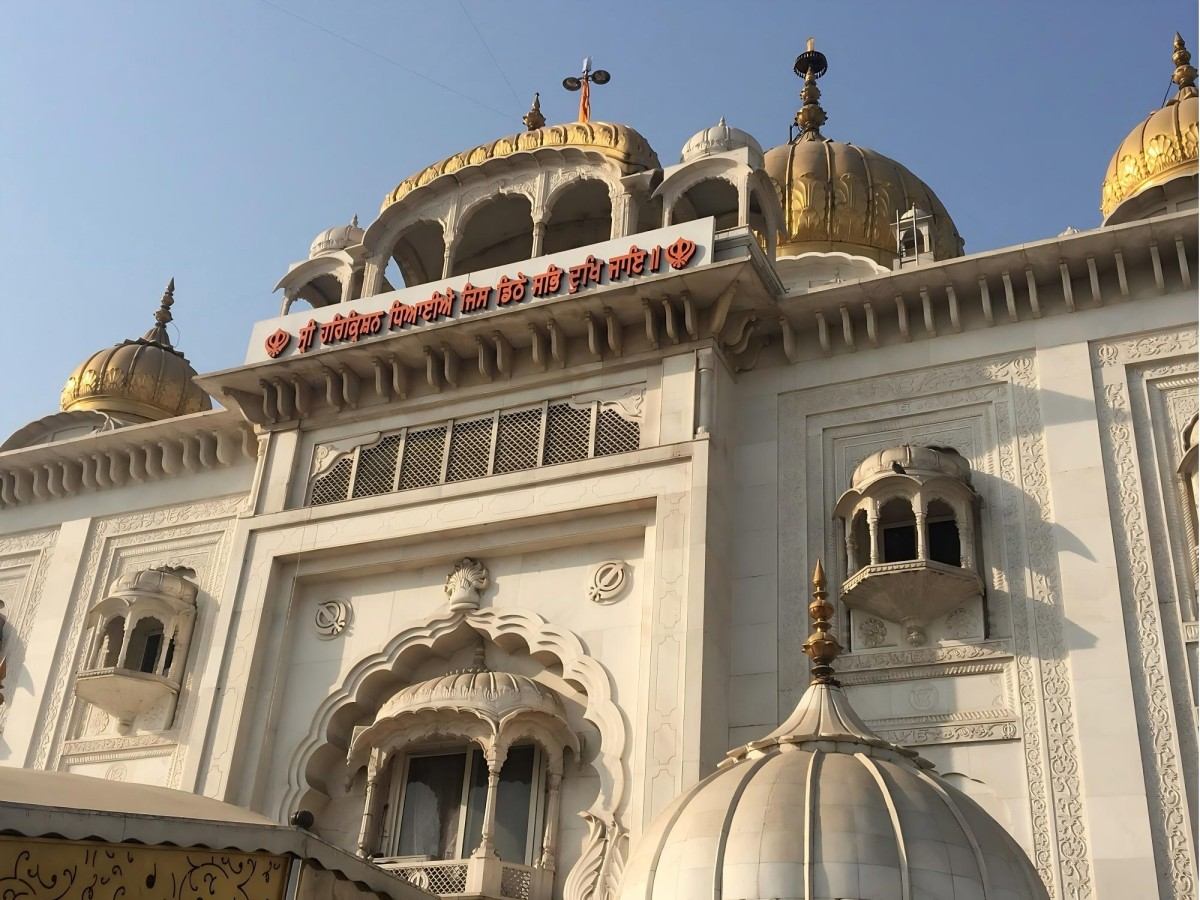
Gurudwara Bangla Sahib stands as one of New Delhi's most renowned Sikh shrines, its history tracing back to the 17th century. It was here that the Eighth Sikh Guru, Guru Har Krishan, once stayed. Legend recounts how he provided aid and blessings to countless people during outbreaks of smallpox and plague in Delhi, leading the land to be revered as sacred.
Advertisement
As devotees gathered, a gurdwara was built on this site, evolving into the magnificent structure we see today. The name “Bangla” originates from the former residence, while “gurdwara” signifies a place of worship and assembly for Sikhs.
This gurdwara stands not only as a religious symbol but also embodies the core Sikh values of equality, service, and compassion. Regardless of your origin or faith, stepping inside creates an atmosphere of welcome. This is why many travelers, after a hectic day in Delhi, choose to linger here, allowing their spirits to settle.
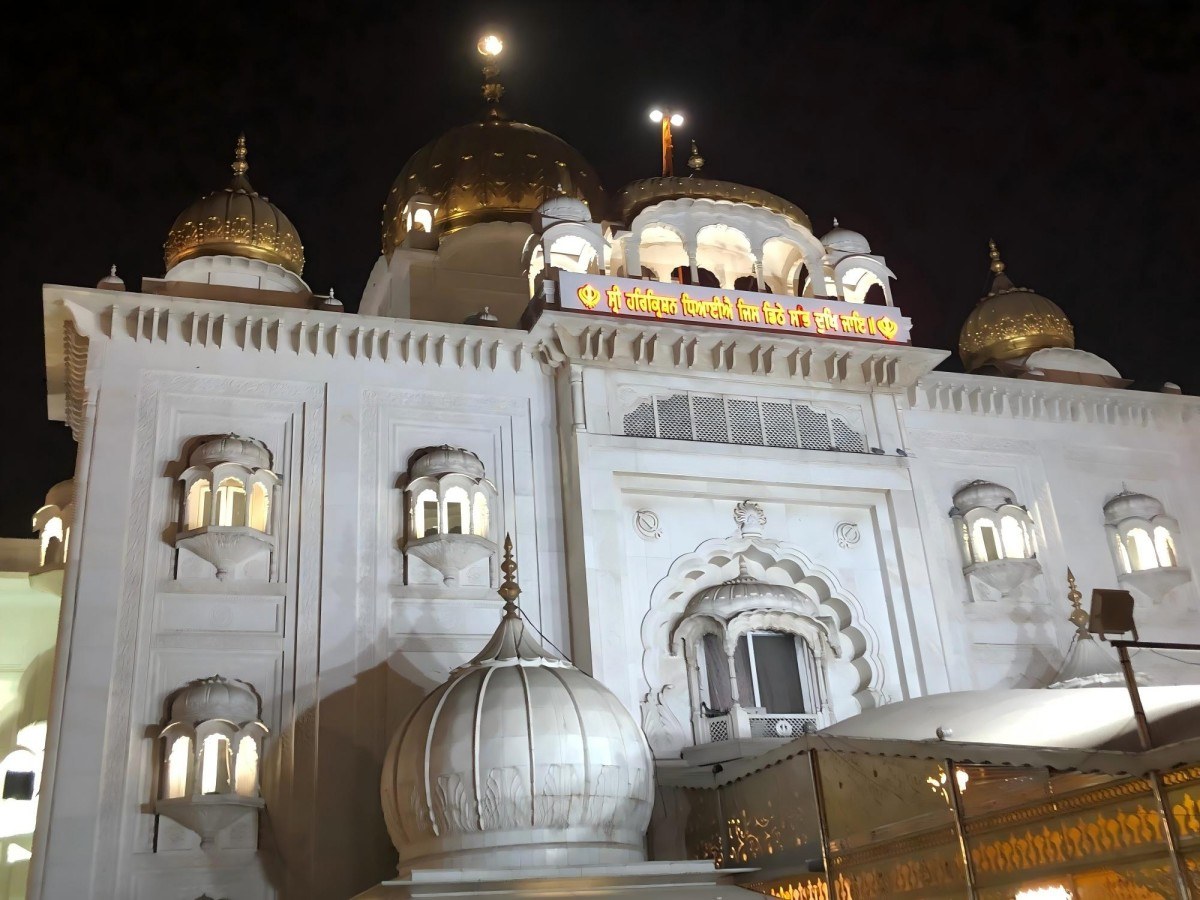
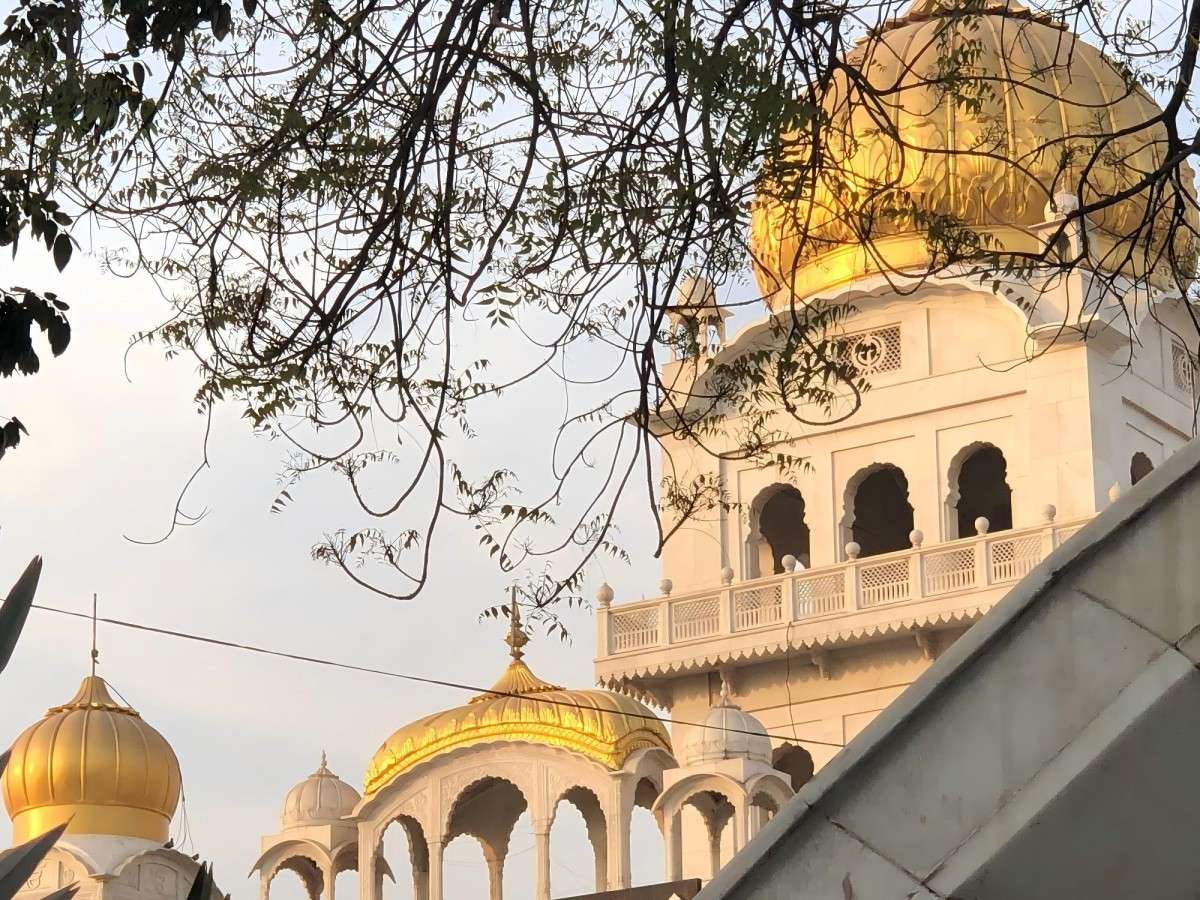
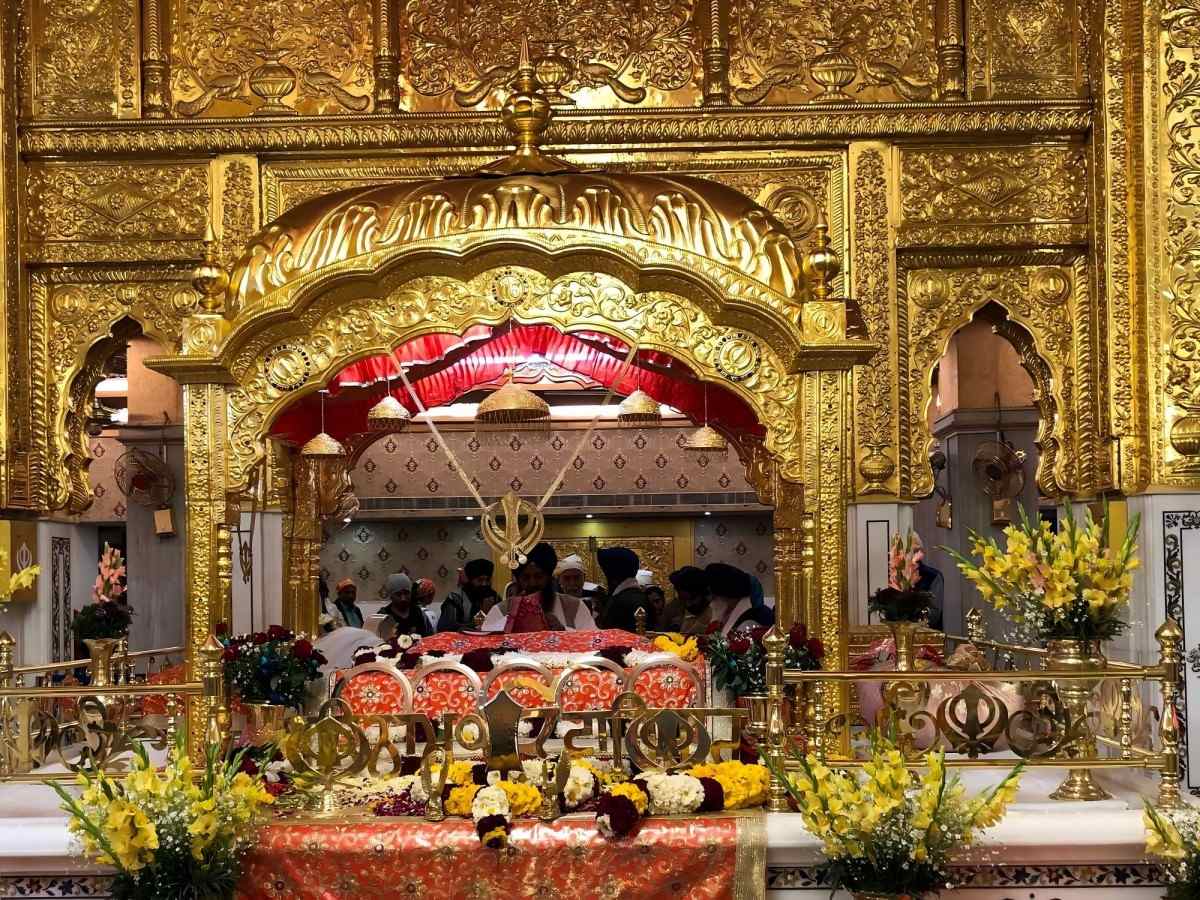
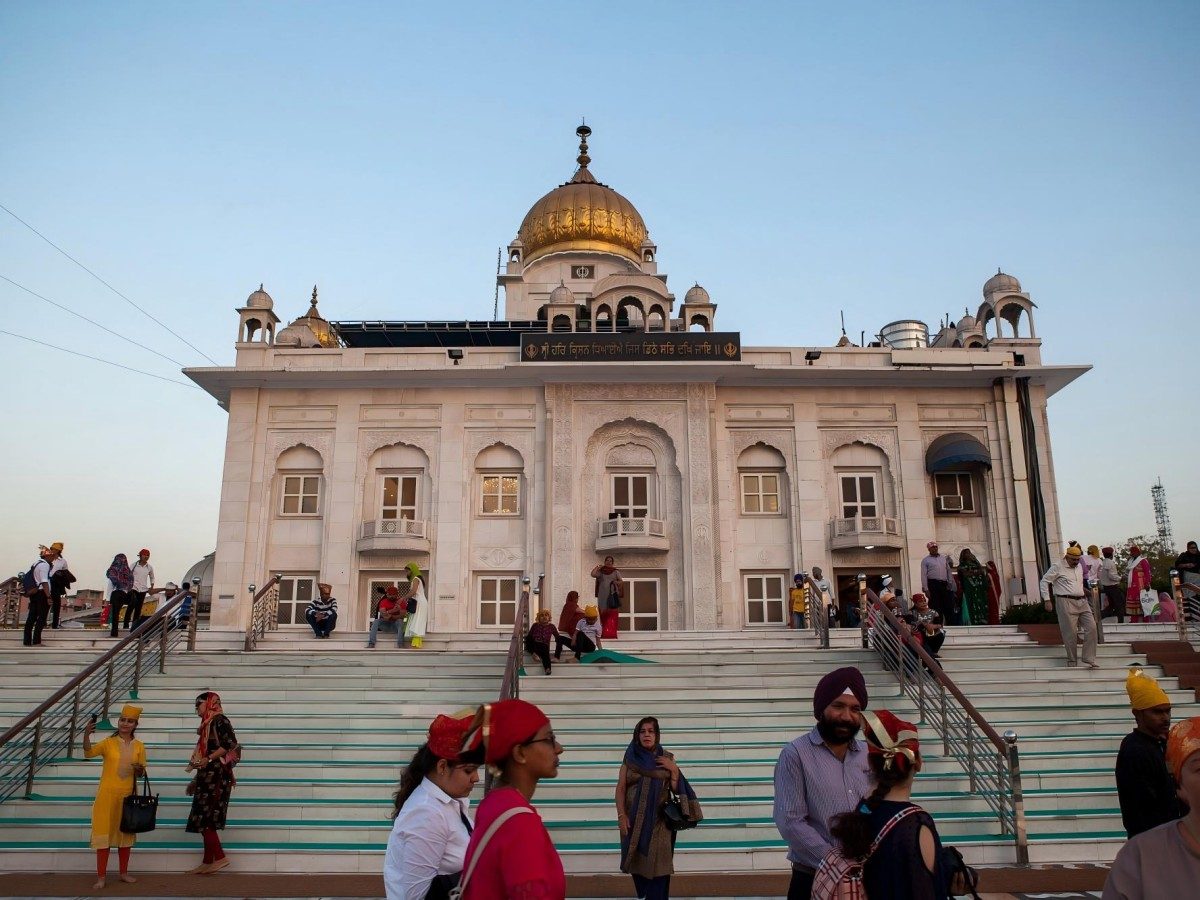
Entering the Bangla Sahib Gurdwara, the first sight to greet visitors is its dazzling golden dome. The golden dome and white marble walls complement each other, shimmering under the sun with grandeur yet maintaining solemnity. The main hall enshrines the Guru Granth Sahib, the holy scripture of Sikhism. Devotees chant and pray within, creating an atmosphere of reverence and tranquility.
Advertisement
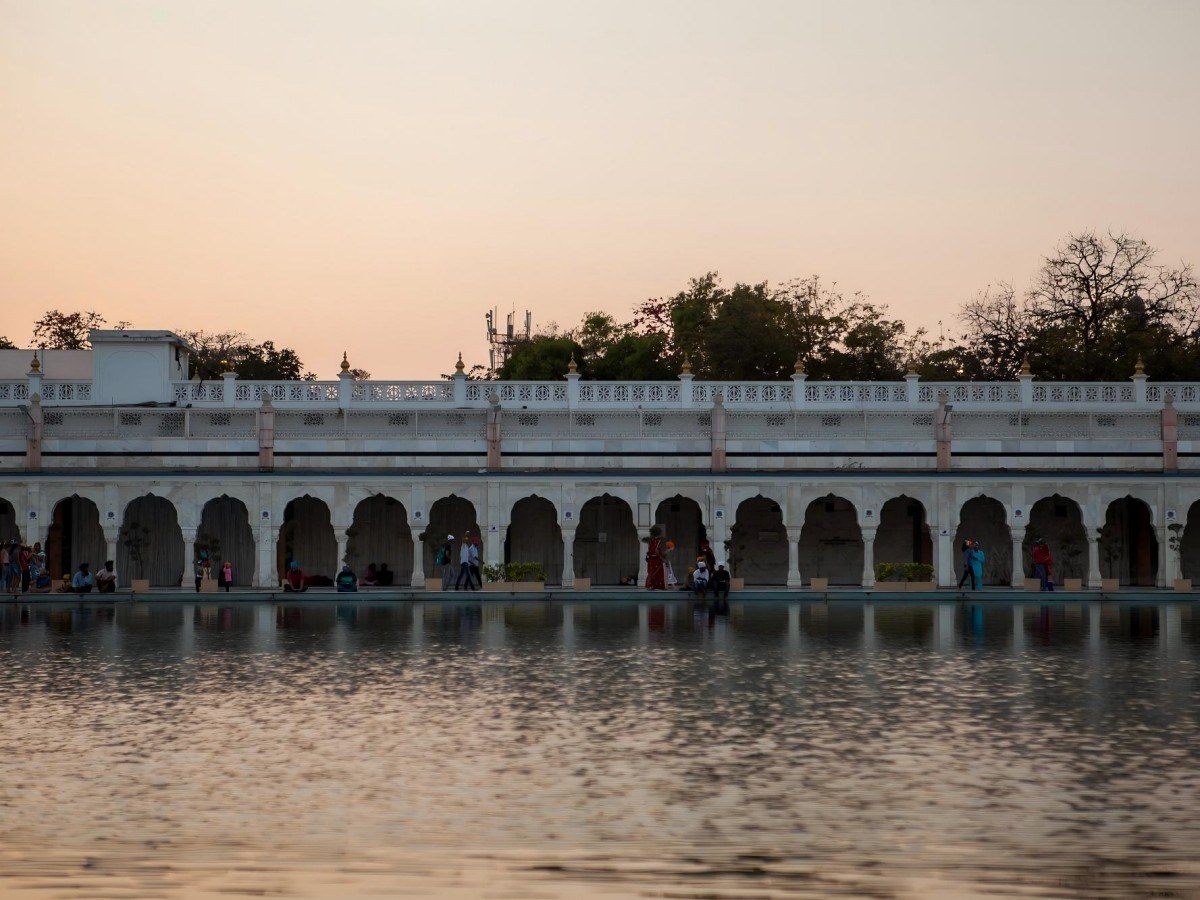
The adjacent Sarovar is equally central. Its clear waters reflect the golden dome and white walls. Day or night, this remains the most popular viewing spot. Devotees wash their hands, drink water, or even bathe here as an act of purification. While visitors need not participate in these rituals, sitting quietly by the pool immerses them in this solemn and peaceful ambiance.
Inside the temple, the continuous operation of the Langar (communal kitchen) is a vital Sikh tradition. Regardless of race, religion, or wealth, every visitor to the Guru's abode receives a free meal. Though simple, the food warms the heart. Many tourists even volunteer to help serve meals or wash dishes, finding this act of service itself spiritually moving.
Additionally, observe the temple's intricate details: marble floors gleaming with polish, arches with clean, elegant lines, and hymns and music echoing through the sanctuary, elevating the atmosphere to a transcendent tranquility. Compared to other Delhi attractions, this place feels less commercialized and more sincere and pure.
Delhi's climate features scorching summers and crisp winters. For visiting the Sahib-e-Bengal Shrine, the optimal period is October through March. During these cooler months, outdoor exploration is pleasant, especially at dusk when the setting sun bathes the golden dome and ripples across the pools, creating a particularly enchanting scene.
During summer (April to June), temperatures in Delhi often exceed 40°C. While the interior of the temple remains cool, visiting the sacred pools outdoors can be quite taxing. The monsoon season (July to September) brings hot, humid air. Though it offers different scenery, transportation and travel become inconvenient. Winter mornings may bring fog, but the temple shrouded in mist takes on an air of mystery, making it a favorite spot for photography enthusiasts.
Additionally, the shrine remains open around the clock, offering distinct charms by day and night. The golden dome and pools illuminated at night exude a serene and solemn beauty, well worth witnessing. It is advisable to select a time slot based on personal stamina and schedule that allows for both comfort and full immersion in the atmosphere.
The Sikh Gurdwara Sahib is conveniently located near Connaught Place in central Delhi. Take the Delhi Metro to Rajiv Chowk Station or Shivaji Stadium Station, then walk or take a short taxi ride to reach the site. Parking facilities are available around the temple for those driving or taking taxis.
Important Notes for Entry:
Head Coverings: All visitors must cover their heads. Free scarves are provided at the entrance for visitors to wear.
Footwear: Shoes must be removed before entering the temple. A designated area offers free and secure shoe storage.
Security Screening: Similar to other major attractions in Delhi, security checks are in place. Please comply with the procedures.
The temple complex offers comprehensive facilities:
Langar Hall: Free meals are served all day in a clean, hygienic environment suitable for everyone.
Restrooms and Drinking Fountains: Ample facilities, particularly visitor-friendly.
Volunteer Opportunities: If you wish, you can participate in kitchen duties or cleaning work to experience the Sikh spirit of service.
The atmosphere here is tolerant and welcoming. Even if you know nothing about Sikhism, volunteers will gladly assist you in finding a comfortable way to explore.
Beyond the Langar hall inside the temple, nearby Connaught Place is a paradise for food and shopping. After visiting the Bangla Sahib Gurdwara, explore the surrounding area. It offers a mix of local Indian and international restaurants, from authentic Indian thali and curries to Western-style cafes.
For a more casual experience, try Indian street snacks: fried dumplings (Gol Gappa), millet cakes (Pani Puri), and sweet Ladoo—all perfect for immersing yourself in the local vibe. Just remember to choose clean and hygienic stalls.
For shopping, the area around Connaught Place is dotted with handicraft shops and bookstores. You can find exquisite shawls, silver jewelry, and religious souvenirs, as well as small items related to Sikh culture—like miniature Sikh emblems or golden dome models—to take home as mementos of your journey.
As you step out of the Bangla Sahib Gurdwara, the golden dome glitters behind you in the sunlight, its reflection rippling endlessly in the sacred pool. You'll realize this visit transcends mere architectural or religious sightseeing—it feels more like a spiritual retreat. Regardless of your faith, this place offers every visitor a sense of equality, warmth, and tranquility. Perhaps this is the most beautiful meaning of travel: finding a place for your soul to rest in an unfamiliar city.