Advertisement
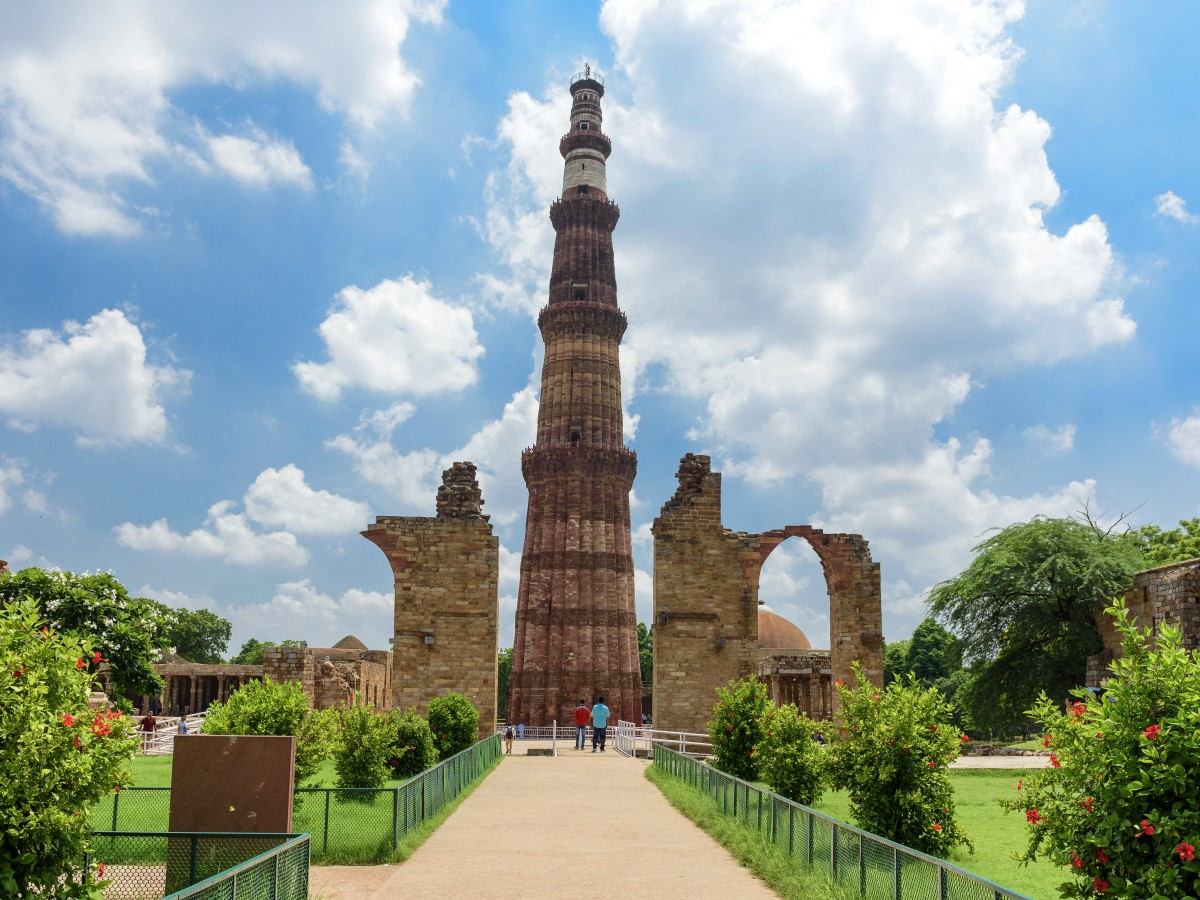
In southern New Delhi, stands a towering minaret—Qutub Minar. Built in the late 12th century, it's one of the tallest brick minarets in the world and a UNESCO World Heritage Site. It's not only an architectural masterpiece but also a testament to the intersection of diverse cultures. Your first visit will captivate you with the interweaving patterns of red sandstone and marble, and the atmosphere of the surrounding ancient mosques and ruins. However, the Qutub Minar site is vast, and it's easy to miss its highlights if you don't plan your visit carefully. To ensure a stress-free and fulfilling visit, this guide will help you plan a complete itinerary and avoid common pitfalls.
Advertisement
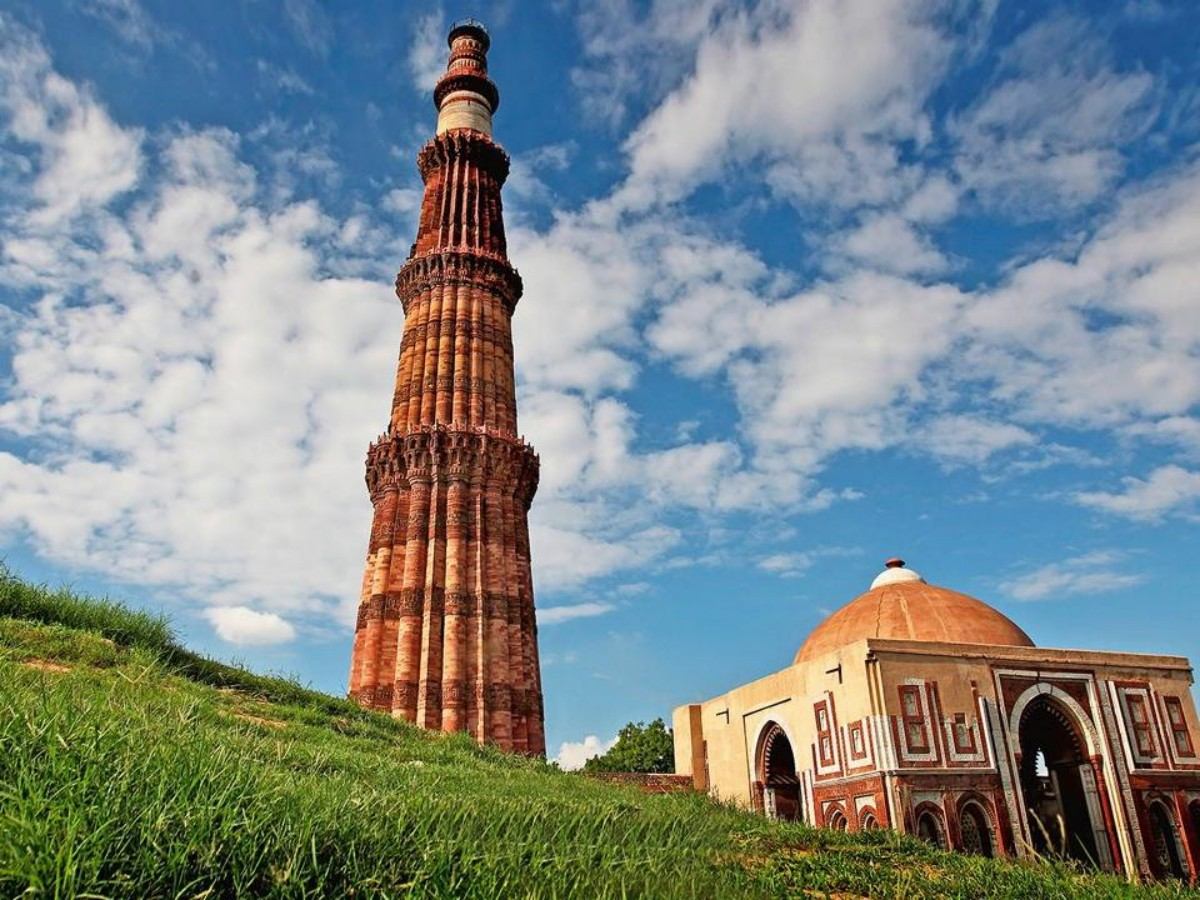
The entrance to Qutub Minar features a ticket office and security checkpoint. During peak season, there may be queues, so it's recommended to purchase tickets in advance from the official website or online platform to save time and avoid being stuck in crowds. Upon entering, the first thing you see is a spacious lawn and the remains of several ancient stone pillars, a common spot for photo-taking. However, the real highlights lie further inside. It's recommended to head straight ahead and avoid lingering at the entrance, concentrating your attention on the core area.
Advertisement
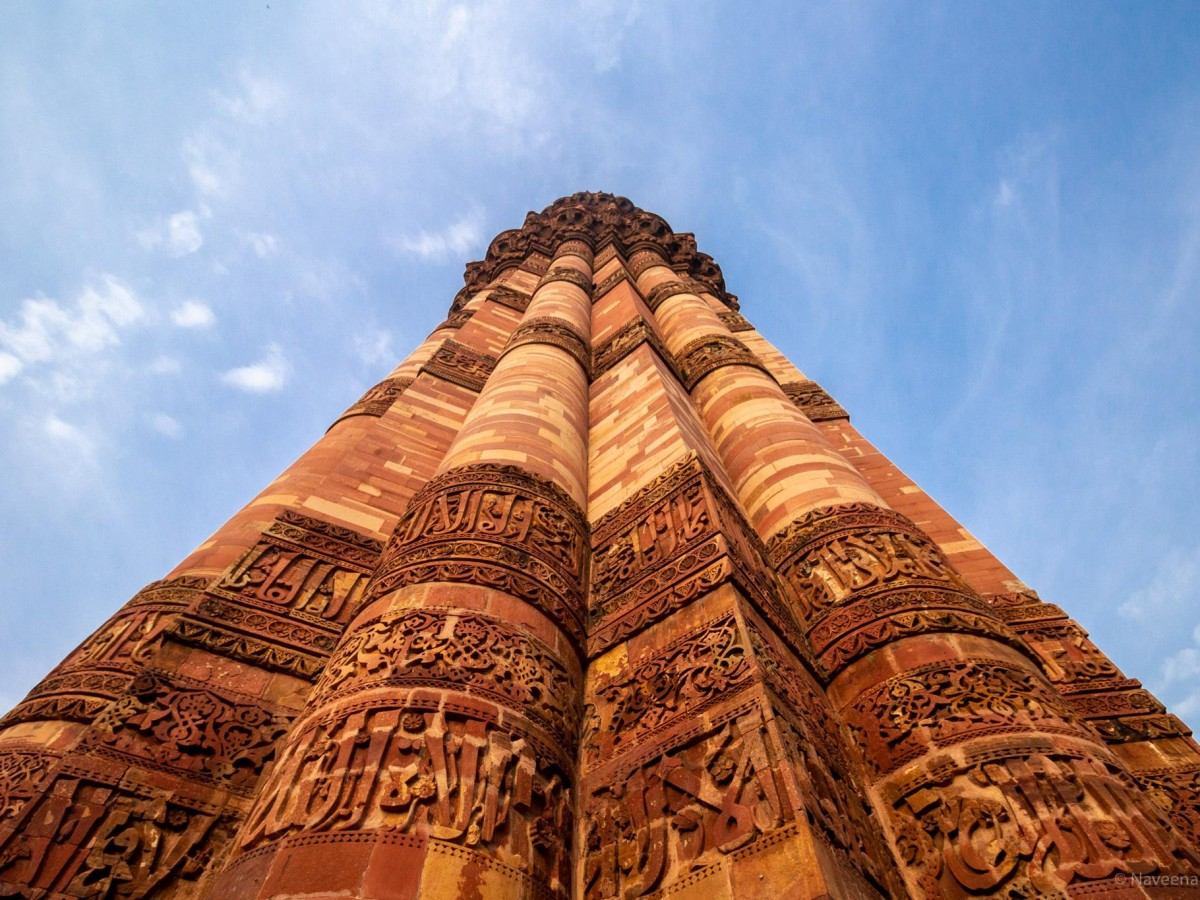
Qutub Minar
Advertisement
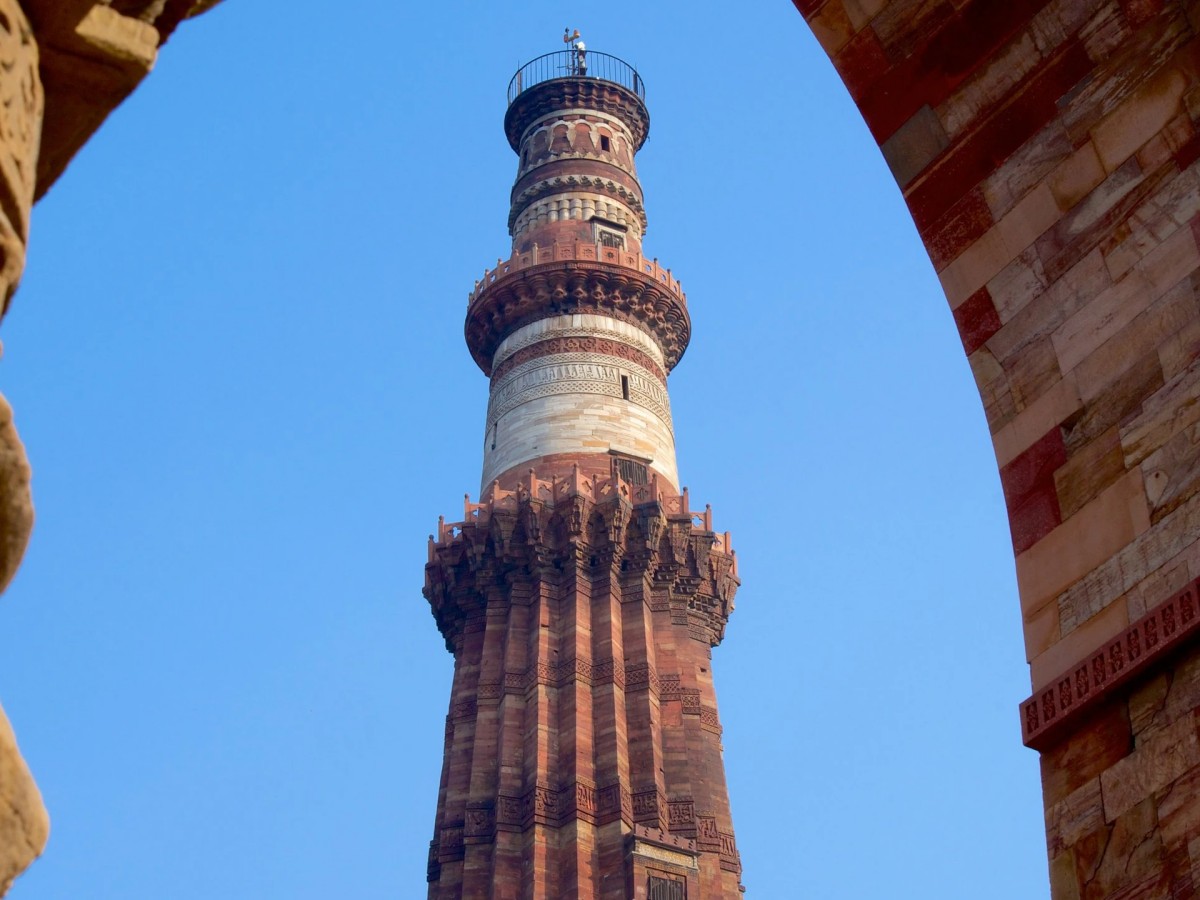
This is the centerpiece of the scenic area and a must-see on your trip. Standing 72.5 meters tall, the minar is constructed of red sandstone and marble, its exterior covered in intricate Arabic script and geometric ornamentation, showcasing the unique style of Islamic architecture. Although climbing the minar is no longer permitted, circling it and photographing it from various angles offers breathtaking views. The best vantage point is the southeast corner, where the lighting and composition are perfect.
Quwwat-ul-Islam Mosque Ruins
Next to the minar are the remains of one of India's earliest mosques. You'll see numerous pillars constructed from stone from demolished Hindu and Jain temples. The carvings blend artistic elements from various religions. A closer look reveals a juxtaposition of floral and deity images with Islamic geometric motifs, creating a sense of both conflict and fusion.
Iron Pillar
In the mosque's central courtyard stands a cast iron pillar, over 1,600 years old and still rust-free. This marvel of ancient Indian metallurgy is a popular photo spot for tourists. Legend has it that facing the iron pillar and clasping your arms brings good luck, but it's now fenced off, so visitors can only admire it from the perimeter.
Alai Darwaza and the Unfinished Alai Minar
Continuing south, you'll see the exquisite Alai Darwaza, a masterpiece of Indo-Islamic architecture. The contrast of red sandstone and white marble inlays is striking. Further ahead are the ruins of Alai Minar, a minaret intended to surpass Qutub Minar. However, construction was halted, leaving only the massive base, a historical omission.
Surrounding Gardens and Ruins
The scenic area boasts numerous ruined arches, corridors, and small mosque ruins, offering a leisurely stroll. People often relax on the grassy grounds, creating a relaxing atmosphere. If time permits, slow down and find quiet corners to soak in the history.
Early morning and evening are the best times, when the light is softer and the crowds are relatively fewer. Visiting during the middle of the day will be crowded and the sun will likely spoil your experience. Tour Options: Unofficial guides may approach you within the park, sometimes offering inflated prices and providing inaccurate information. It's recommended to use an official tour guide or download an audio guide in advance.
Photography Tips: Qutub Minar itself is very tall, making it difficult to fully capture it with a standard camera. Try shooting from a low angle or using a wide-angle lens. To avoid the crowds, take panoramic views from the southwest corner of the park.
Clothing and Equipment: The park is large, so lightweight shoes are recommended. In the summer heat, bring a hat, sunscreen, and water. There are few vendors within the park, so it's best to bring your own drinking water.
Entrance Fees: Entrance fees are relatively high for foreign visitors, but completely worth it. Children and students often receive discounts, so be sure to bring your necessary identification.
Extended Experiences
After your visit, explore the nearby Mehrauli Archaeological Park, which boasts many lesser-known ruins and, like Qutub Minar, offers a rich sense of history. If you enjoy night photography, check out the scenic area's occasional light shows, where the red sandstone appears even more majestic.
Qutub Minar chronicles the passage of dynasties, the clash of religions, and architectural innovation. First-time visitors may come with a guide, but standing beneath the towering shadow of the tower, the awe and awe they experience are beyond words.