Advertisement
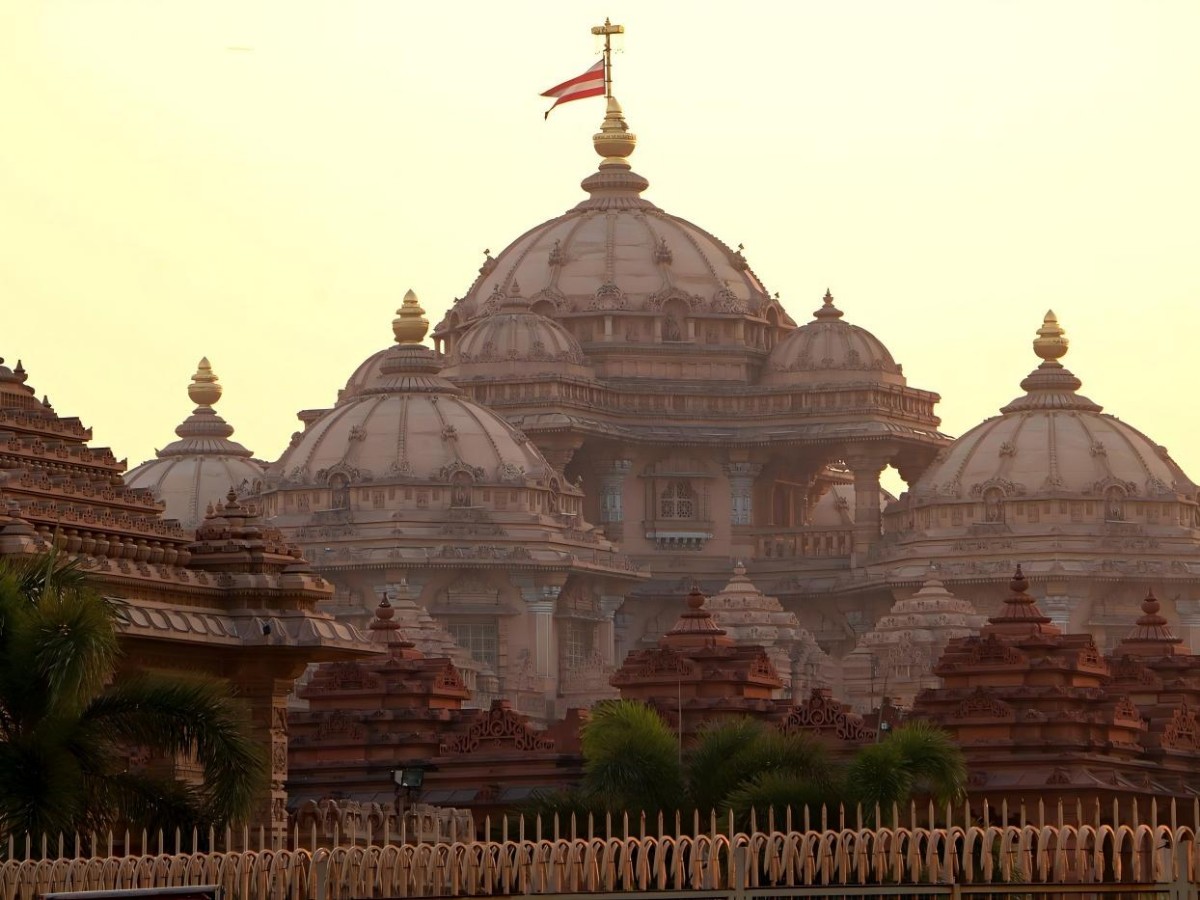
Upon first approaching Akshardham Temple, you'll be struck by an aura so grand it defies description. The golden dome glitters in the sunlight, while countless stone carvings layer upon layer seem to whisper ancient myths in your ear. Amidst the swirling incense smoke and echoing chants, you realize this is not merely a temple—it is a symphony composed by carving and faith.
Advertisement
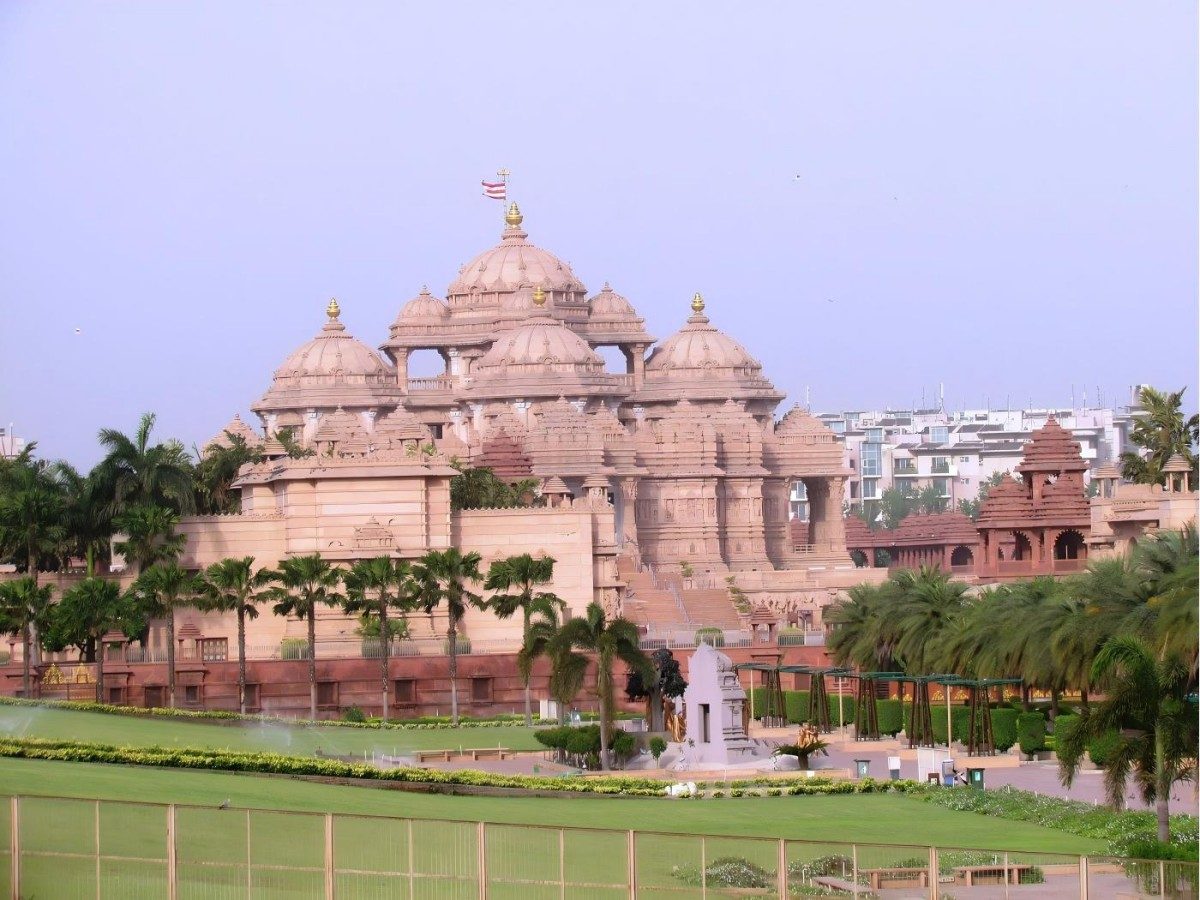
Though not as ancient as Delhi's other monuments, the Swaminarayan Akshardham Temple has become an indispensable part of Indian culture. Officially inaugurated in 2005, it was constructed under the auspices of the Bhagvan Swaminarayan Mission (BAPS). This religious organization traces its roots to the 18th-century Swaminarayan Master, whose teachings—emphasizing simplicity, selfless service, and spiritual discipline—continue to inspire followers worldwide.
Advertisement
The temple's purpose extends beyond honoring a religious figure; it aims to vividly showcase India's millennia-old cultural traditions through architecture. Scenes from the epic Mahabharata, ancient dances, music, and philosophical ideas all find their place within its walls.
More intriguingly, Akshardham belongs not only to devotees but welcomes all. Regardless of your religious beliefs, stepping inside instantly immerses you in its solemn atmosphere, as if your soul undergoes a baptism. This inclusivity lies at the heart of Indian culture's enduring appeal.
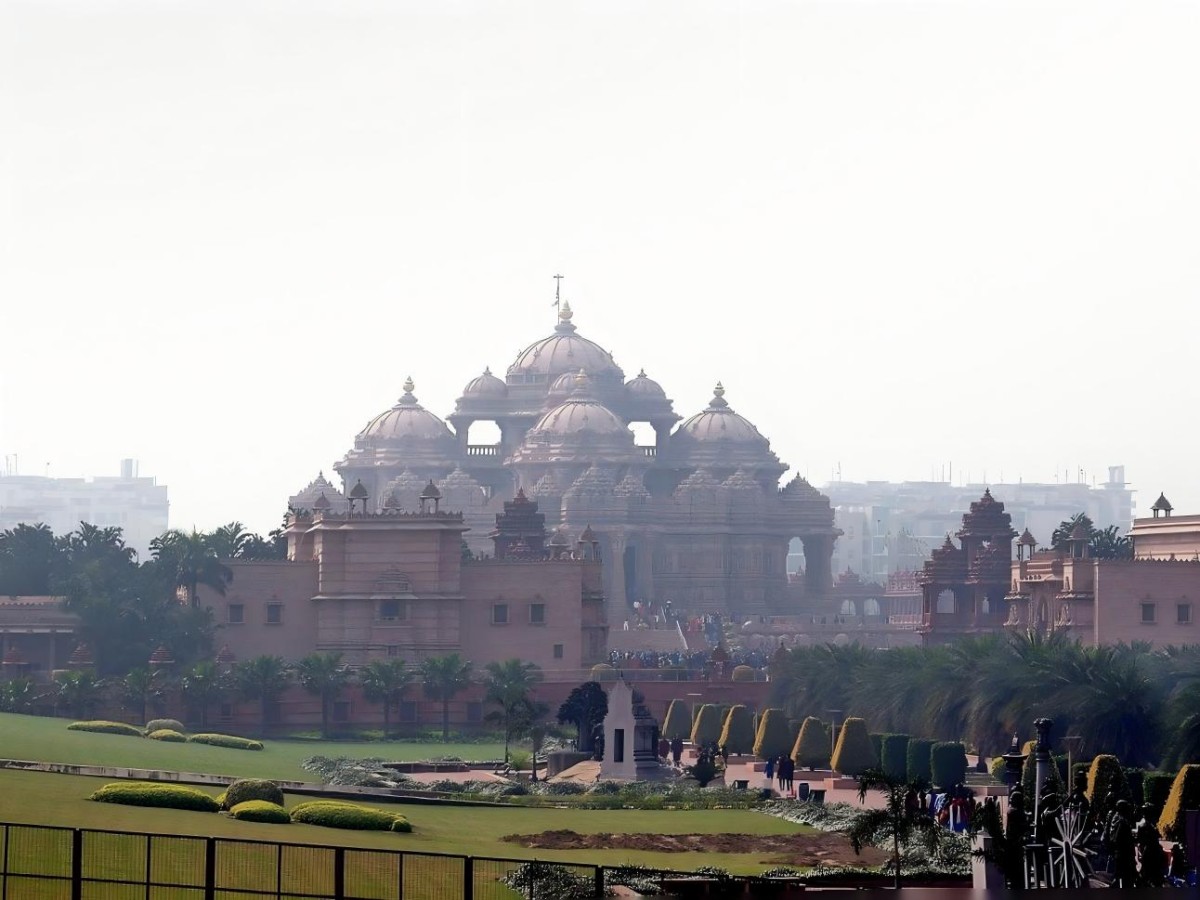
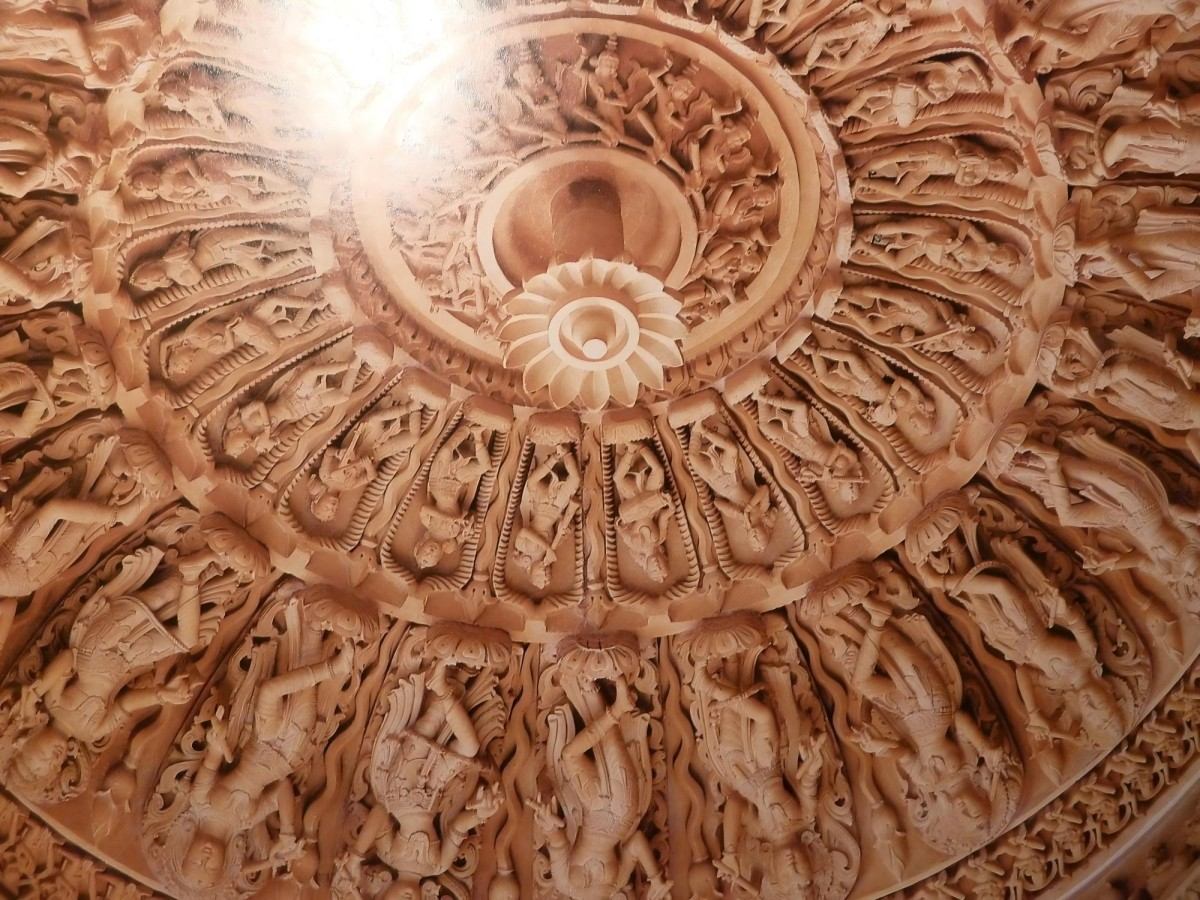
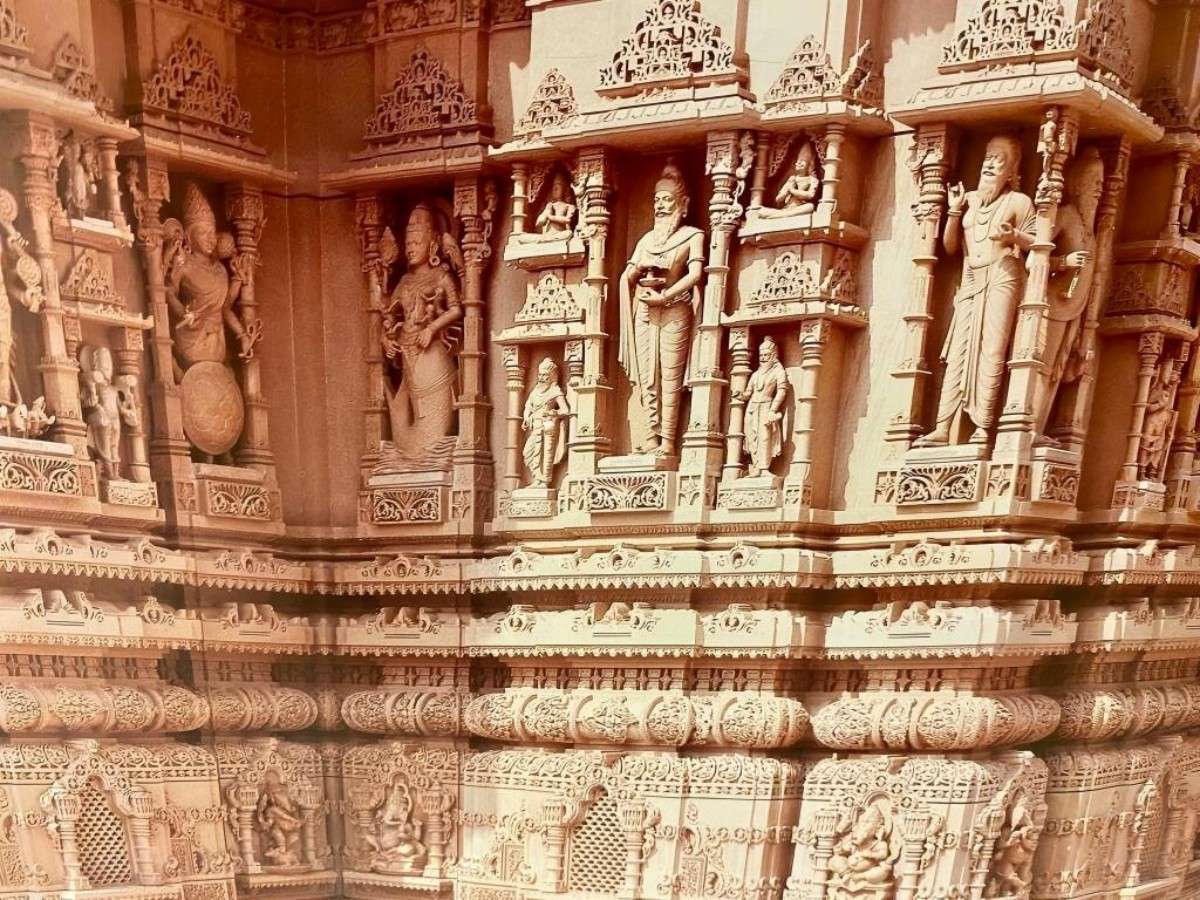
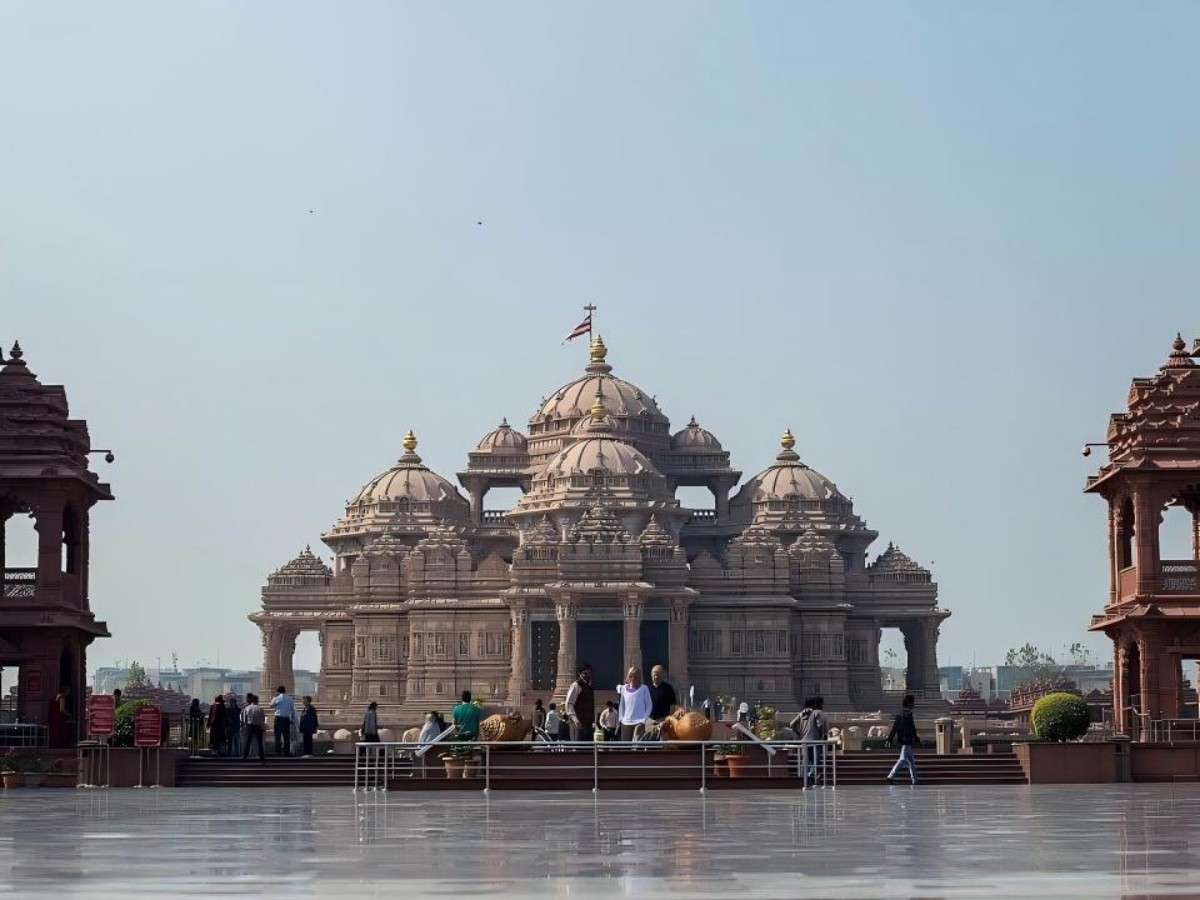
The most immediate awe at Akshardham comes from its main temple. Constructed entirely of pink sandstone and white marble without steel or concrete, it stands 43 meters tall, spans 96 meters in width, and measures 109 meters in length. Its exterior is adorned with approximately 20,000 carved figures of deities and animals—elephants, lions, horses—seemingly guarding the temple while conveying the flow of life within faith.
Advertisement
Inside the temple, a golden statue of Lord Swaminarayan is enshrined, surrounded by exquisite stone carvings depicting mythological tales and philosophical scenes. Every angle reveals intricate details: the folds of garments, the expressions of deities, even the feathers of birds and beasts are meticulously carved.
Beyond the main temple, several highlights are not to be missed:
Nilay Darshan Exhibition Hall: Through immersive displays and multimedia presentations, it chronicles the life of Swaminarayan and how his teachings influence modern society.
Sanskriti Vihar Boat Ride: A 15-minute journey that takes you on a “voyage” through ten thousand years of Indian civilization. From Vedic schools to the reign of Emperor Ashoka, through the Taj Mahal to space exploration, three-dimensional scenes narrate India's glorious journey.
Sahaj Anand Water Show: The evening's highlight, using water jets, lights, and projections to reenact ancient Indian fables. As light and water intertwine, the temple reveals a different kind of sacredness under the night sky.
Elephant Plinth (Yagnapurush Kund & Elephant Plinth): The stone frieze encircling the temple base features 148 elephants of varying sizes, depicting both historical narratives and daily life scenes brimming with vitality.
These attractions showcase not only artistic mastery but also reveal how faith intertwines with everyday existence.
New Delhi's climate is always a crucial consideration for travelers. Located along the Yamuna River, Akshardham Temple experiences hot, dry summers where temperatures frequently soar above 40°C (104°F), making extended outdoor visits exhausting. The optimal visiting period is therefore October through March.
During these months, temperatures are relatively cooler, making daytime ideal for outdoor activities. Evenings offer comfortable viewing of the water curtain music show. Visiting on a winter morning reveals the temple shrouded in mist and dawn light, creating an especially mystical atmosphere. At dusk, the setting sun casts golden hues upon the intricate carvings, lending the entire structure an aura of profound sanctity.
Note that the temple is especially crowded on weekends and holidays. To avoid the crowds, visit on weekdays and enter around 10 AM. This allows you to beat the heat while leaving ample time to explore all the galleries and enjoy the evening performances.
Akshardham Temple ranks among Delhi's most accessible attractions. The metro is the most recommended mode of transportation. Take it to Akshardham Station, and the entrance is just a 5-minute walk away. If traveling by taxi, you can navigate directly to the destination, and ample parking is available nearby.
Before entering the complex, visitors must pass through strict security checks. Mobile phones and cameras are not permitted inside, which can be an initial adjustment for many tourists. However, viewing the intricate carvings without the distraction of photography allows for a more focused and immersive experience.
Inside the complex, a large restaurant serves vegetarian meals at reasonable prices, featuring authentic Indian flavors. Souvenir shops offer handicrafts, religious texts, and small decorative items. Restrooms are plentiful and clean, with convenient drinking water stations. Compared to the more rustic facilities at some other Delhi monuments, Akshardham's modern amenities make it suitable for visiting with elderly family members and children.
After exploring the temple, continue your Delhi culinary journey by discovering nearby eateries. The temple's vegetarian restaurant is worth trying, especially for its traditional Thali platter—a satisfying and healthy meal featuring multiple small dishes: lentil curries, yogurt, vegetables, flatbreads, and desserts.
For a more down-to-earth experience, head to nearby Connaught Place or Lajpat Nagar. The former offers many fusion restaurants blending Indian and Western cuisines, perfect for travelers seeking lighter fare. The latter is a paradise for shopping and street food, lined with stalls where you can sample authentic Indian flatbreads, fried dumplings, and sweet laddu.
For shopping enthusiasts, Akshardham's souvenir shops may not offer an extensive selection, but each item carries a strong religious character. If you're seeking more representative gifts, consider browsing the city's handicraft markets for a colorful shawl or a small brass deity statue—they'll become the most special mementos of your journey.
As night falls, the lights of Akshardham Temple gradually illuminate, and the intricate carvings seem to come alive in the play of light and shadow, while the melodic sounds of devotion resonate through the air. You'll discover this is not merely an appreciation of architecture, but a dialogue between soul and art. From monumental carvings to delicate expressions of faith, from silent temples to vibrant performances, each step feels like composing a symphony. As you depart, perhaps you'll carry away not just memories, but also that lingering tranquility deep within your heart.