


Advertisement
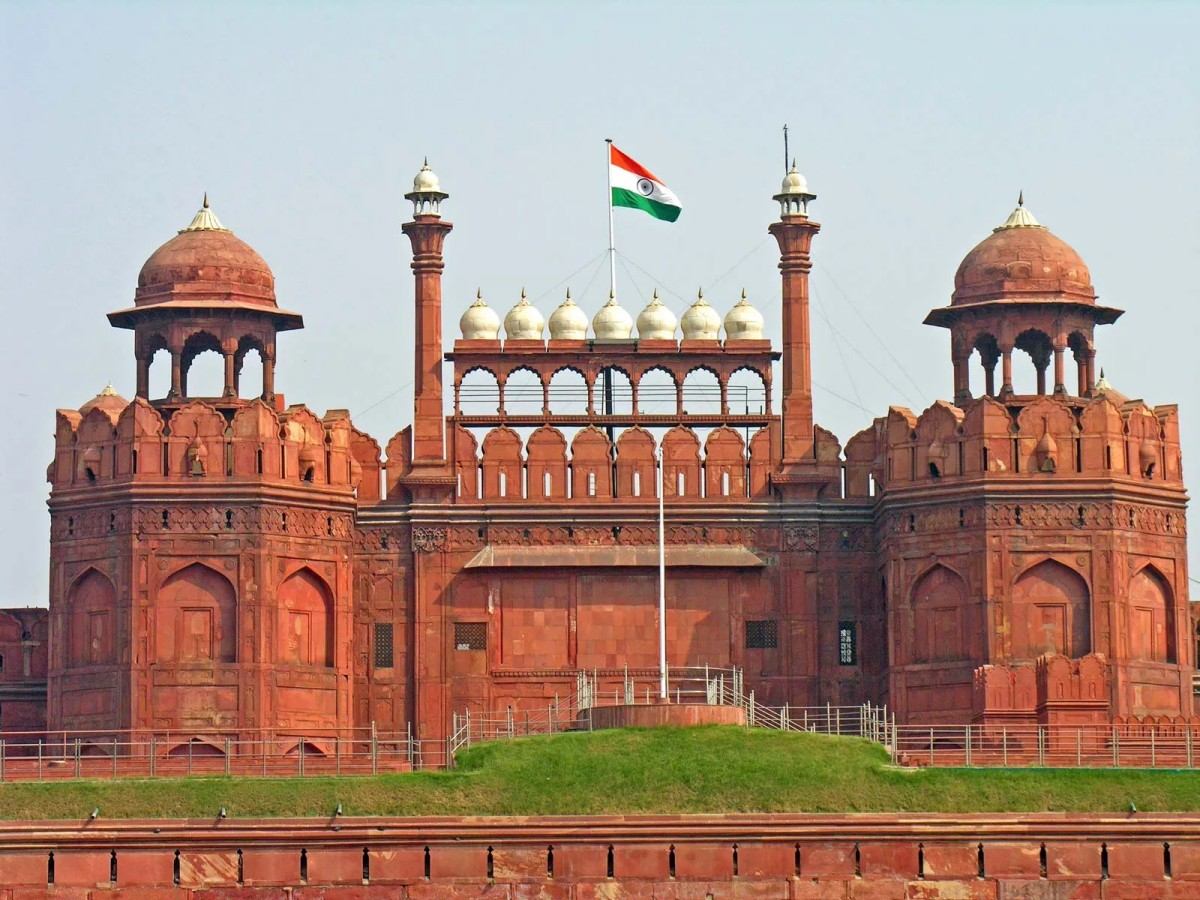
If you were to pick a single site in New Delhi that epitomizes Indian history and culture, it would definitely be the Red Fort. This magnificent structure, built by Mughal Emperor Shah Jahan in the 17th century, has become one of New Delhi's most iconic landmarks. It's not only a testament to history but also a UNESCO World Heritage Site. Its towering red sandstone walls speak of the glory of the empire and the passage of time. A visit here is more than just a photo opportunity; it's an in-depth experience immersing you in history, art, and culture. The problem is that the Red Fort is vast and packed with attractions. Without planning ahead, it's easy to rush through and miss the highlights. This guide will guide you through the most stress-free route, ensuring you get the most out of your limited time without regrets.
Advertisement

Most visitors enter through the Lahore Gate, the main entrance to the Red Fort. It's best to purchase your tickets online in advance to save time queuing. The Red Fort is generally open from 9:00 AM to 5:30 PM and is open almost daily, except for Mondays. It's recommended to visit in the morning, as crowds are smaller and the weather is less scorching, making the visit much more comfortable. Don't forget to bring water and sunscreen, as the New Delhi sun can be intense.
Advertisement
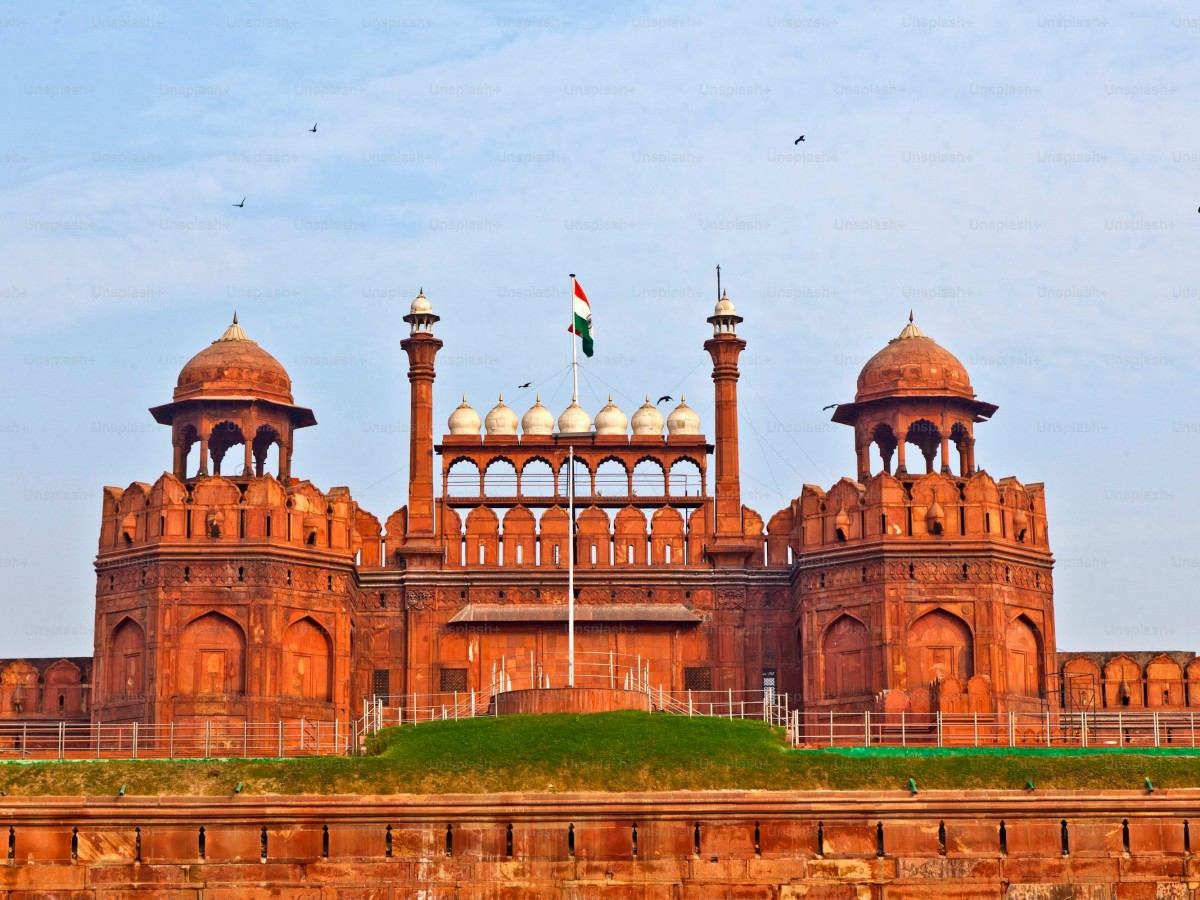
After entering the Red Fort, your first stop is Chatta Chowk, also known as the "Arcade Bazaar." Once a shopping destination for the royal family, this area is now filled with handicrafts and souvenirs, making it a perfect place for a leisurely stroll. However, be aware that some stalls are overpriced, so if you're just looking for a small purchase, some bargaining is recommended. After passing through the bustling bazaar, you'll enter the heart of the Red Fort.
Advertisement
Next, head to the Diwan-i-Am, where the emperor once met with the people and consulted with them. The vast, vaulted hall, adorned with magnificent gold and jade, evokes a sense of transport back to the glory days of the empire. Continuing deeper, you'll find the Diwan-i-Khas, the emperor's private chambers used exclusively for meetings with ministers, boasting even greater opulence. Don't forget to look up and see the famous inscription: "If there is a paradise, it is here."
Afterwards, explore the Red Fort's inner gardens, such as the Hayat Bakhsh Bagh. Its canals and pavilions offer a tranquil retreat from the hustle and bustle of the crowds. If you're tired, take a break here and immerse yourself in the atmosphere of the emperors and their consorts strolling through the area.
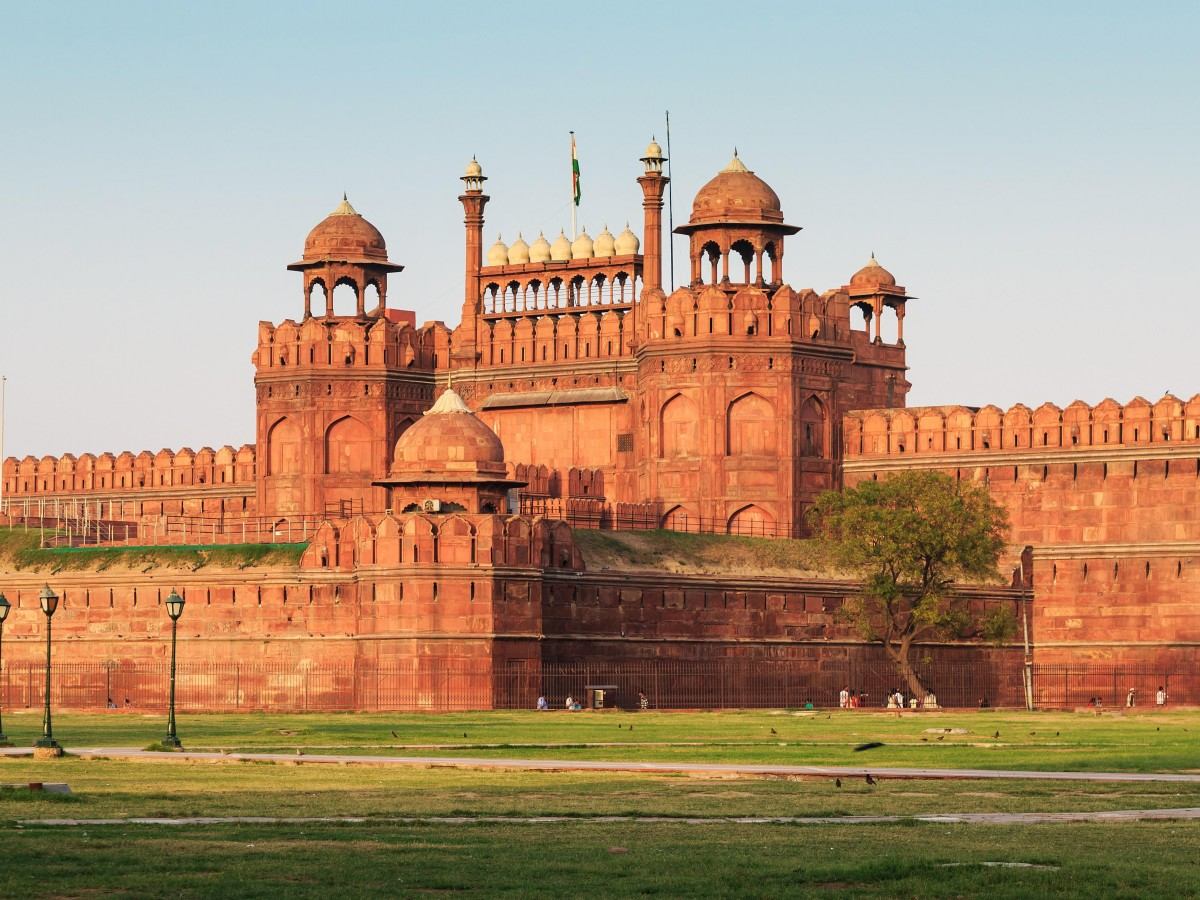
Beyond the main hall, the Red Fort boasts numerous other buildings worth seeing. For example, the Rang Mahal, also known as the "Colored Palace," once home to the harem, boasts exquisite interior decoration, particularly its canals and pools, showcasing the ingenuity of Mughal architecture. There's also the Moti Masjid, a small mosque crafted from white marble, which stands in stark contrast to the red walls. If you're more interested in historical details, you might want to spend some time visiting the fort's several museums. These museums showcase artifacts from the Mughal era to India's independence, including weapons, clothing, and manuscripts, helping you gain a more comprehensive understanding of the Red Fort's historical significance.
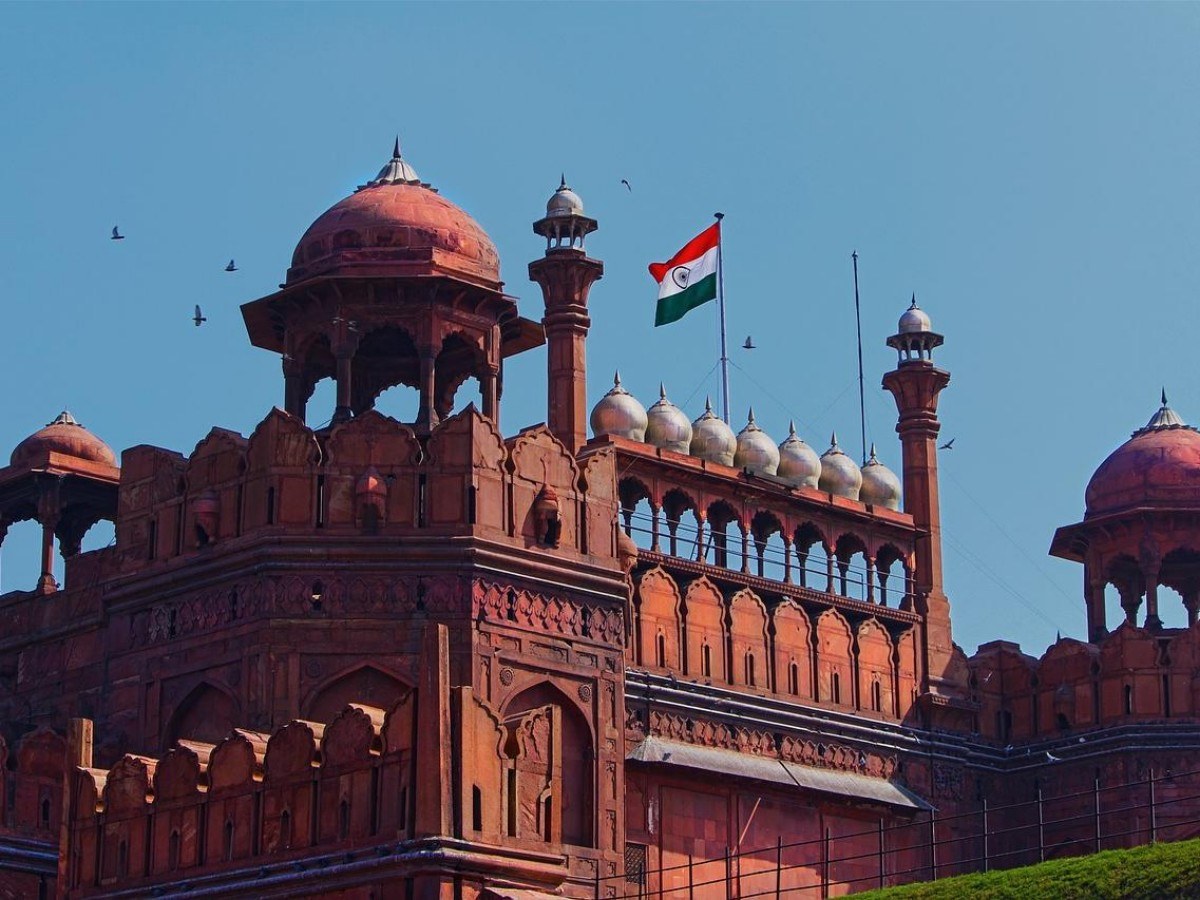
While the Red Fort is steeped in history during the day, it takes on a whole new dimension at night. Every evening, the Sound & Light Show recreates the Fort's history through light and narrative. From the glory of the empire to colonial oppression and the dawn of Indian independence, everything is vividly portrayed in a play of light and shadow. If time permits, it's highly recommended to save time for the evening viewing, which will perfectly conclude your visit to the Red Fort.
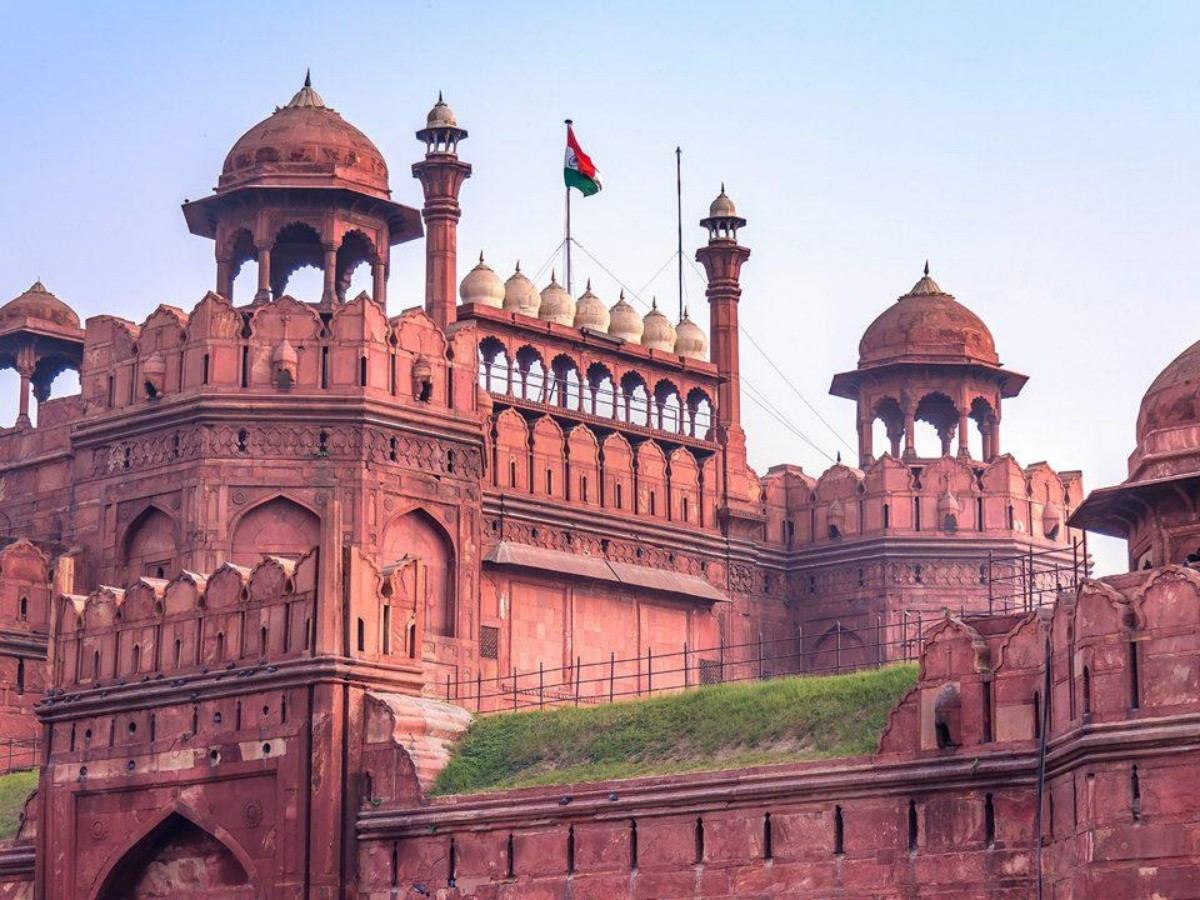
Time Planning: Allow at least three hours to explore the main attractions without rushing.
Attire: The Red Fort is large, so comfortable shoes are essential. Also, respect local culture and avoid overly revealing clothing. Avoid peak hours: Crowds are highest during the afternoon, so try visiting in the morning or evening.
Beware of tour guide traps: There are many "self-promoted tour guides" outside the fort, and their prices are opaque. It's recommended to choose an officially certified guide or use an audio guide.
Pay attention to security checks: There will be a security check before entering, so it's best to avoid bringing large bags or prohibited items.
Attention to these details will make your visit smoother and prevent minor issues from ruining your visit.
The Red Fort is like a living history book. From the magnificent palaces to the tranquil gardens, from the bustling bazaars to the night lights and shadows, every corner tells a story of power, culture, and faith. A visit here will reveal that this is more than just sightseeing; it's an immersive cultural journey.