Advertisement
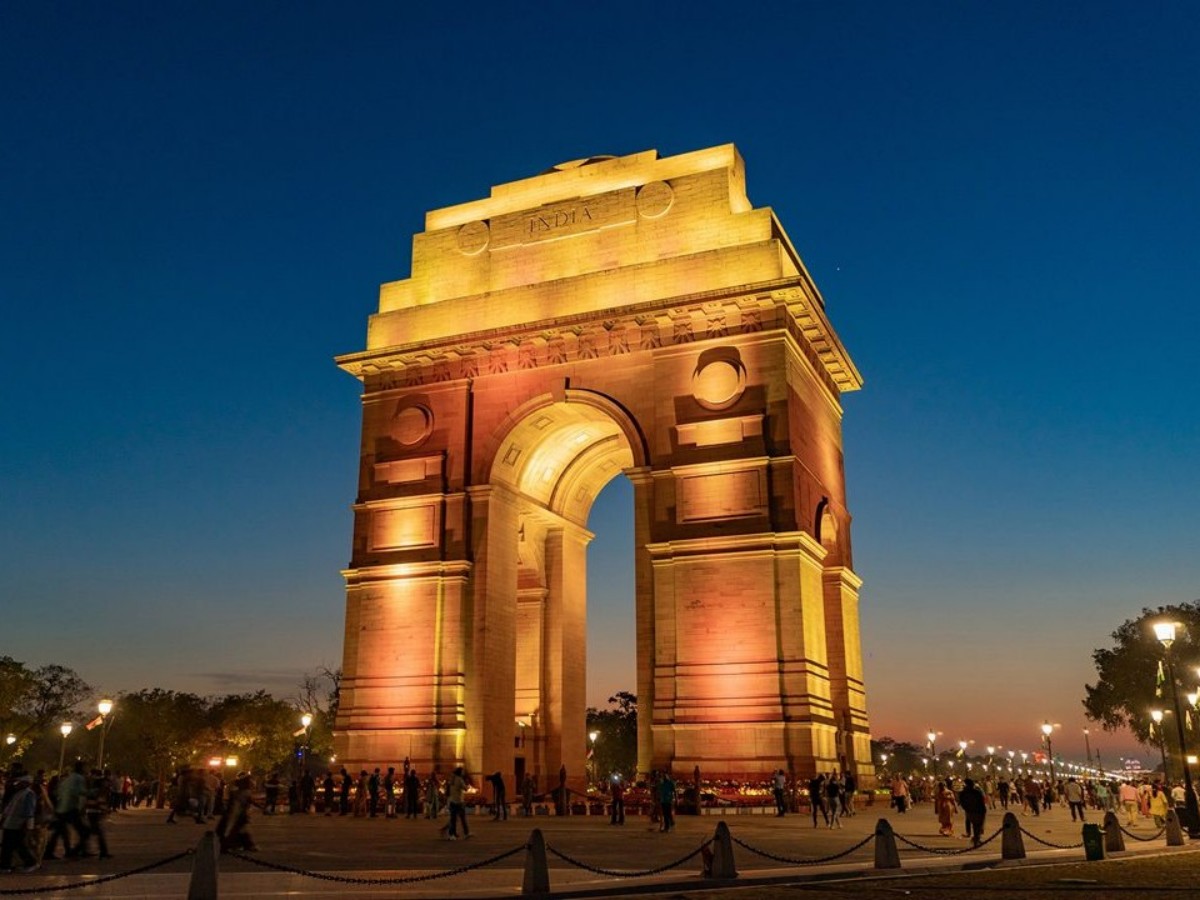
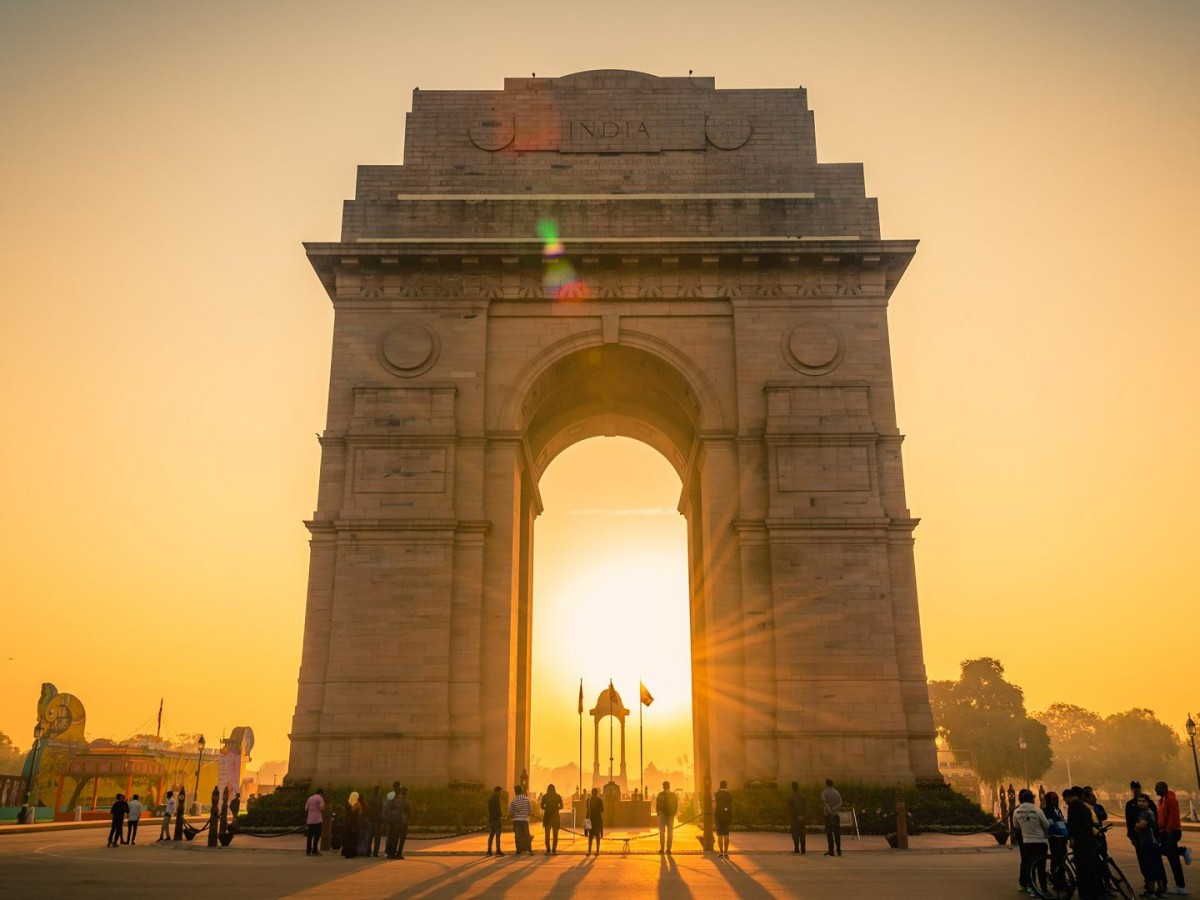
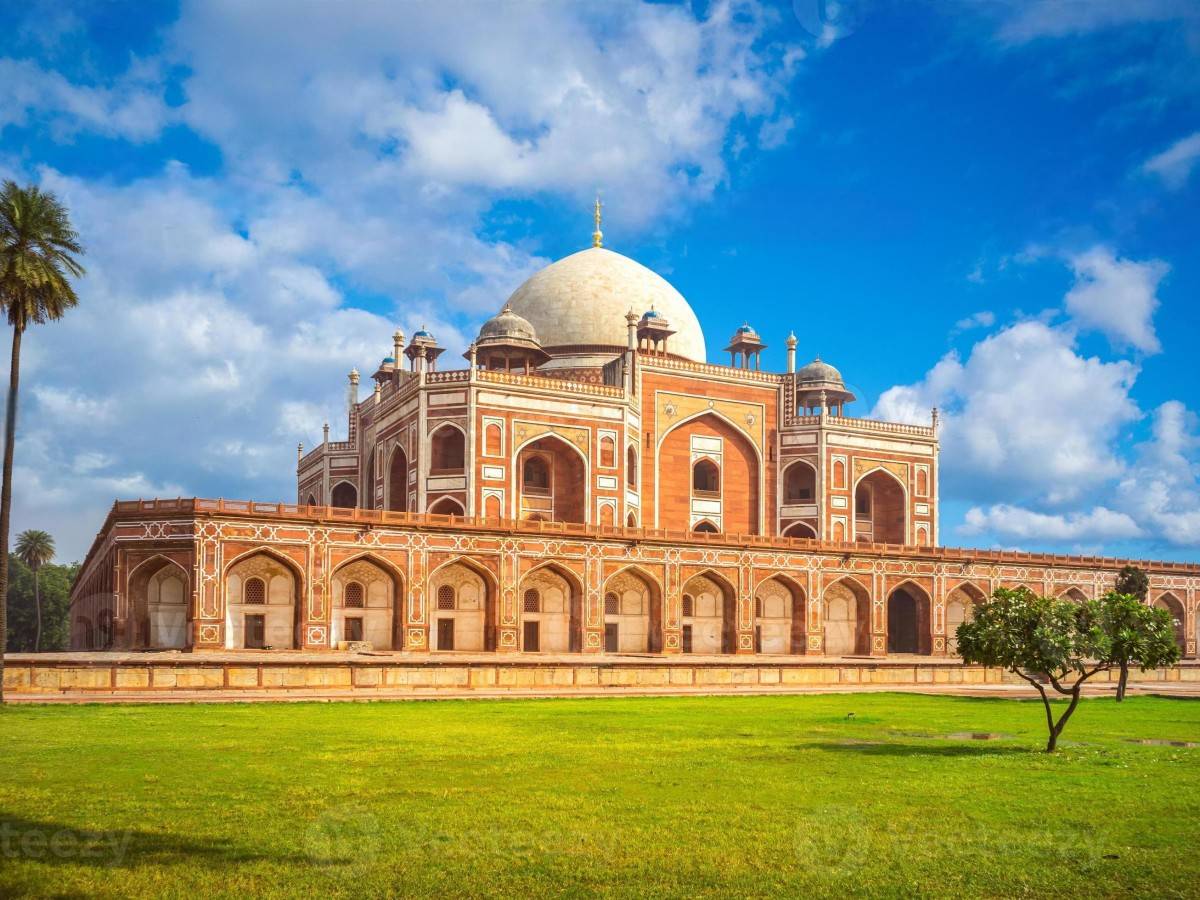
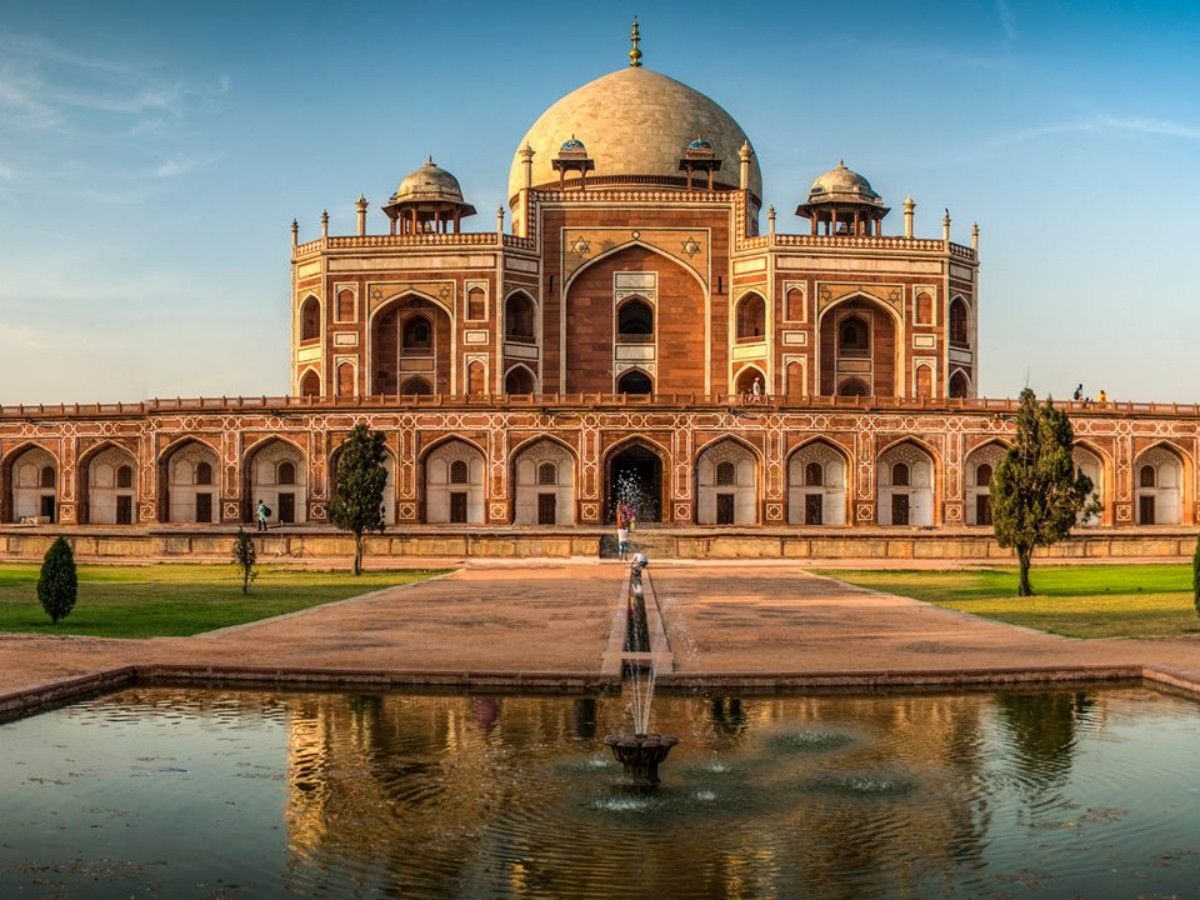
In the Indian capital of New Delhi, India Gate is like a shining pearl, exuding unique charm. This magnificent building is not only an iconic landscape of New Delhi, but also carries a profound historical and cultural heritage. It is a must-see for every visitor to New Delhi.
Advertisement
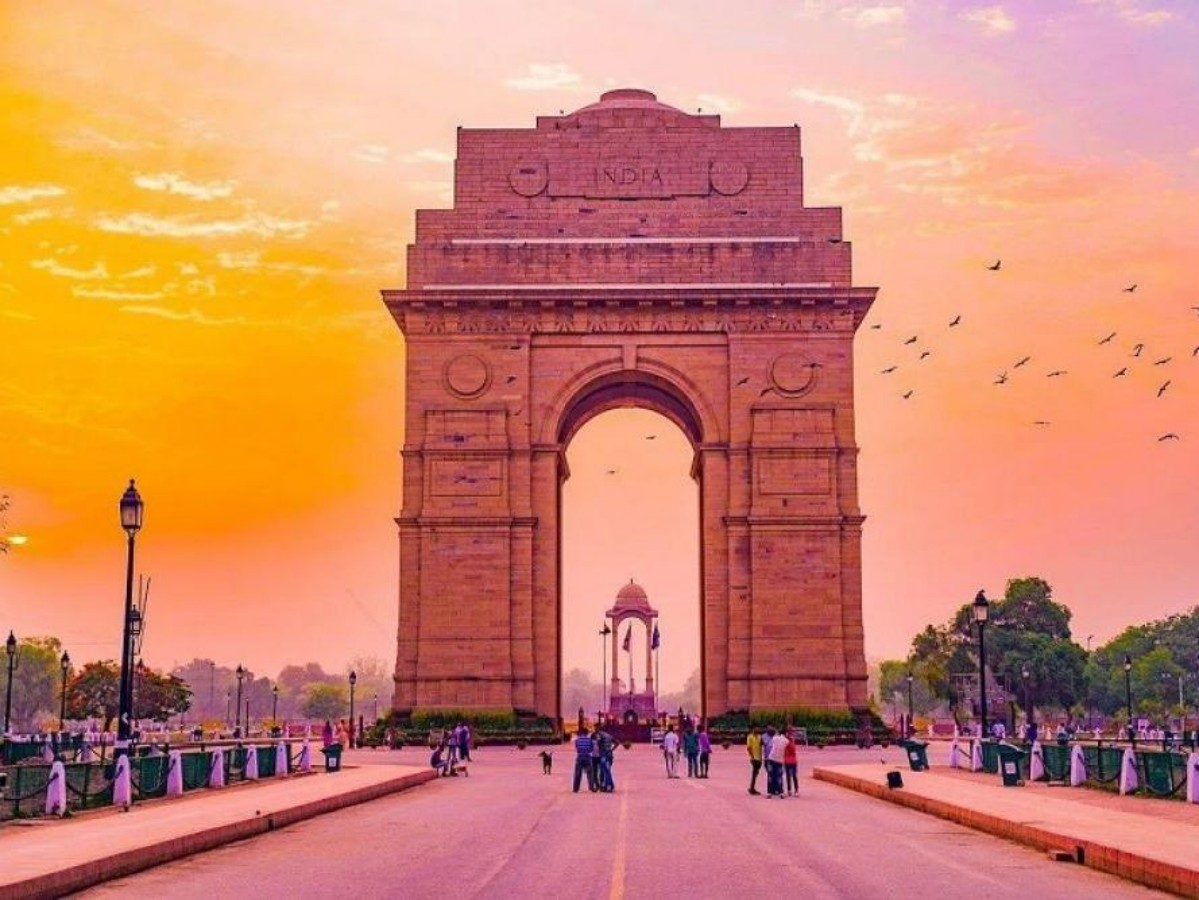
The birth of India Gate is closely linked to the First World War. At that time, India was a British colony, and about 1.5 million soldiers went to the battlefield, of which more than 70,000 died. After the war, in order to commemorate these heroic Indian soldiers, the British colonial government decided to build a war memorial in New Delhi, which is the origin of India Gate. In 1921, the construction project was officially launched and was carefully designed by the famous British architect Edwin Lutyens. After 10 years of carving, India Gate was officially completed on February 12, 1931. Before India's independence, it was one of the symbols of British colonial rule; after India's independence, India Gate was given a new meaning and became a witness to national independence and national liberation. In 1971, "Amar Jawan Jyoti", meaning "Flame of the Immortal Warrior", was added under India Gate to commemorate the Indian soldiers who died in the 1971 Indo-Pakistani War. The daily changing of guard ceremony of soldiers held here attracts many tourists to stop and watch, showing the demeanor of Indian soldiers and the high respect for the martyrs.
Advertisement
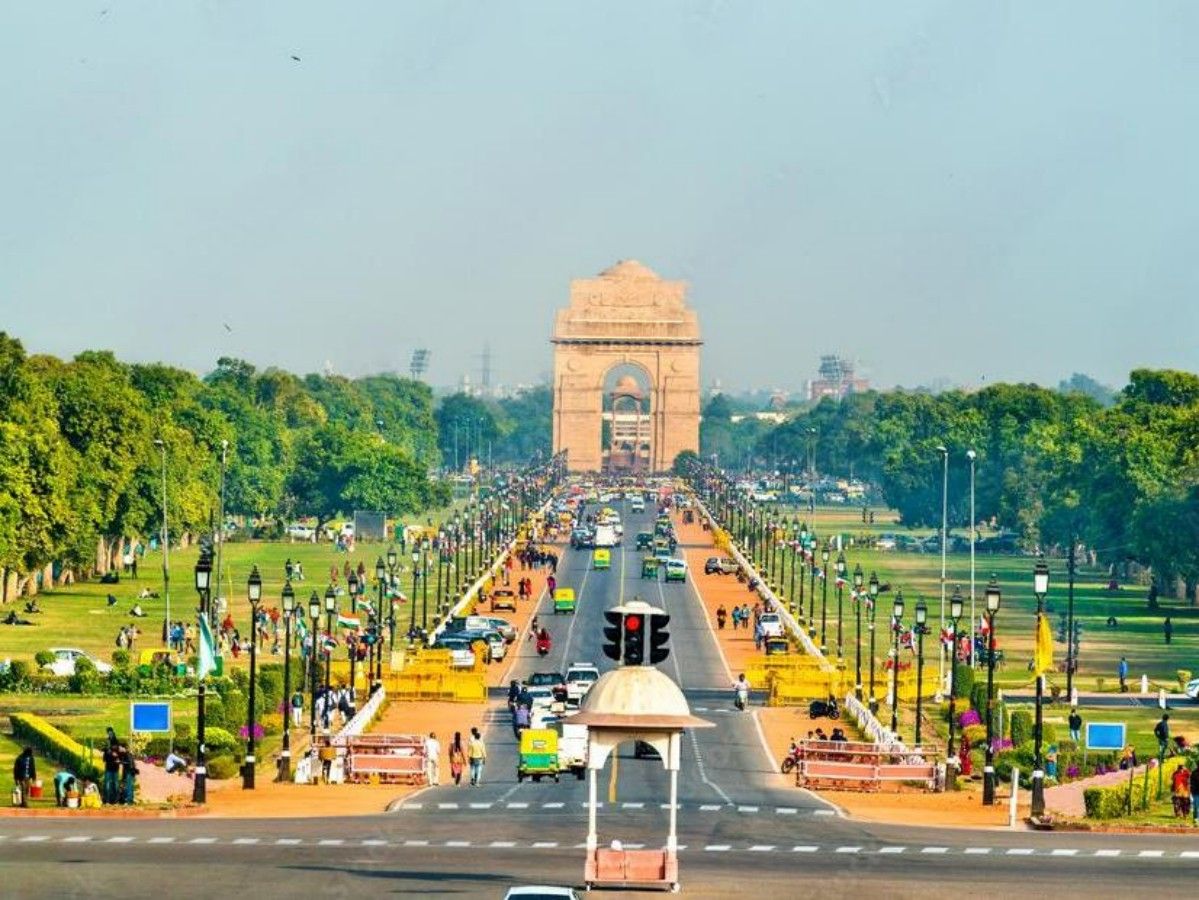
Convenient transportation: The transportation around India Gate is very convenient, whether taking public transportation or driving. There are many bus lines passing by nearby, and the stations are very close to India Gate, which is convenient for tourists to go. For tourists taking the subway, there are also stations that can be reached directly or by transfer. If you choose to take a taxi, New Delhi has a variety of taxi apps available, and the prices are relatively transparent. In addition, there are many parking lots around, which are convenient for self-driving tourists to park.
Advertisement
Rich catering: There are a variety of delicious foods around India Gate. There are many street food stalls that offer Indian snacks, such as spicy doughnuts (Samosa), sweet and sour mint sauce rolls (Chaat), etc., which are affordable and allow tourists to taste authentic Indian flavors. There are also some restaurants not far away, which offer a richer selection of dishes, from traditional Indian curry to international cuisine, which can meet the taste needs of different tourists.
Perfect rest facilities: Considering the needs of tourists, there are many rest areas around India Gate. There are benches around the lawn for tourists to rest. If you are tired, you can sit down and enjoy the surrounding scenery. At the same time, there are some sunshade pavilions, which provide tourists with a good place to escape the heat in hot weather. In addition, there are public toilets in the scenic area with good sanitary conditions for tourists to use.
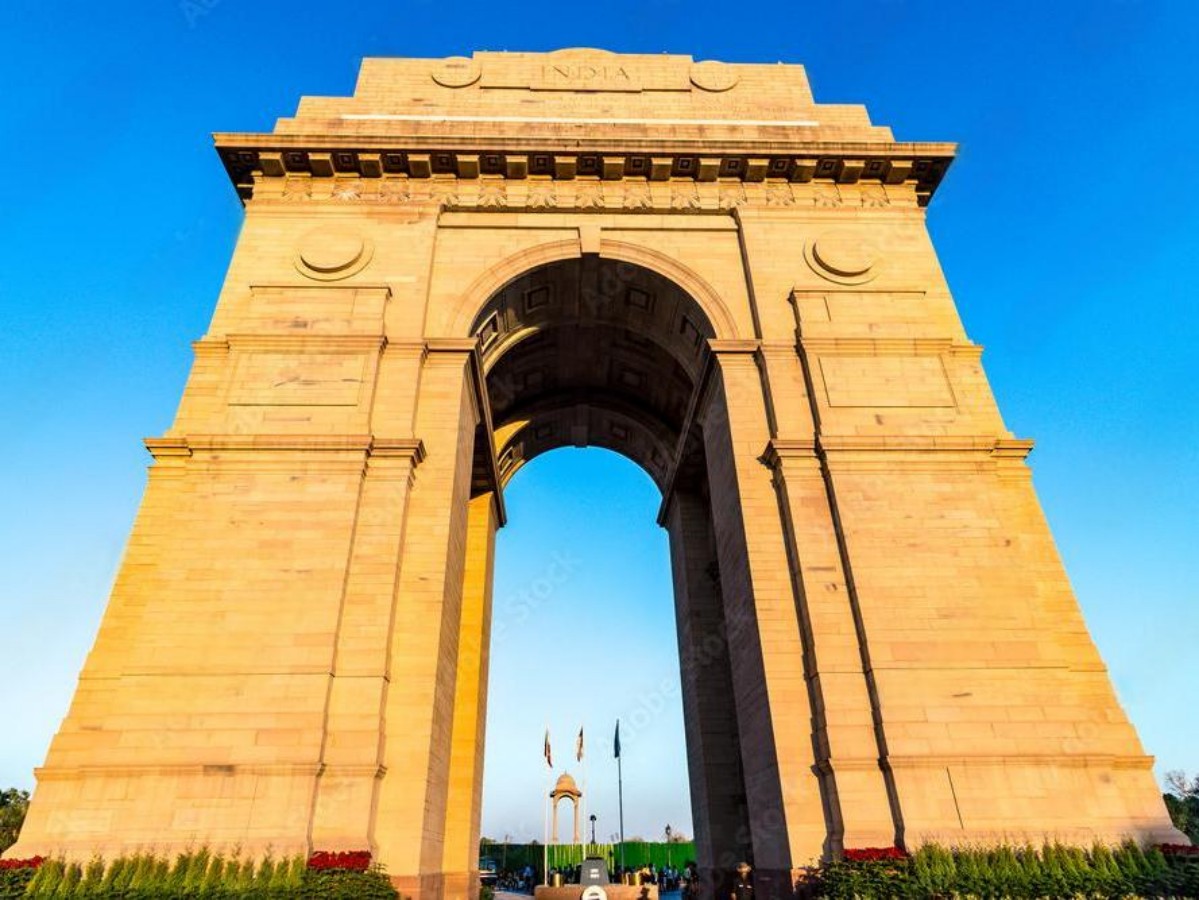
India Gate is charming both during the day and at night. During the day, under the sunlight, the red sandstone building shines brightly, and visitors can appreciate the beauty of architectural details and carvings up close; at night, the lights are on, outlining the outline of India Gate, making it more majestic and magnificent, and becoming a beautiful landscape in the night sky of New Delhi. Visitors can also picnic on the lawn near India Gate and enjoy a leisurely time; they can also buy local special snacks and taste Indian food culture.
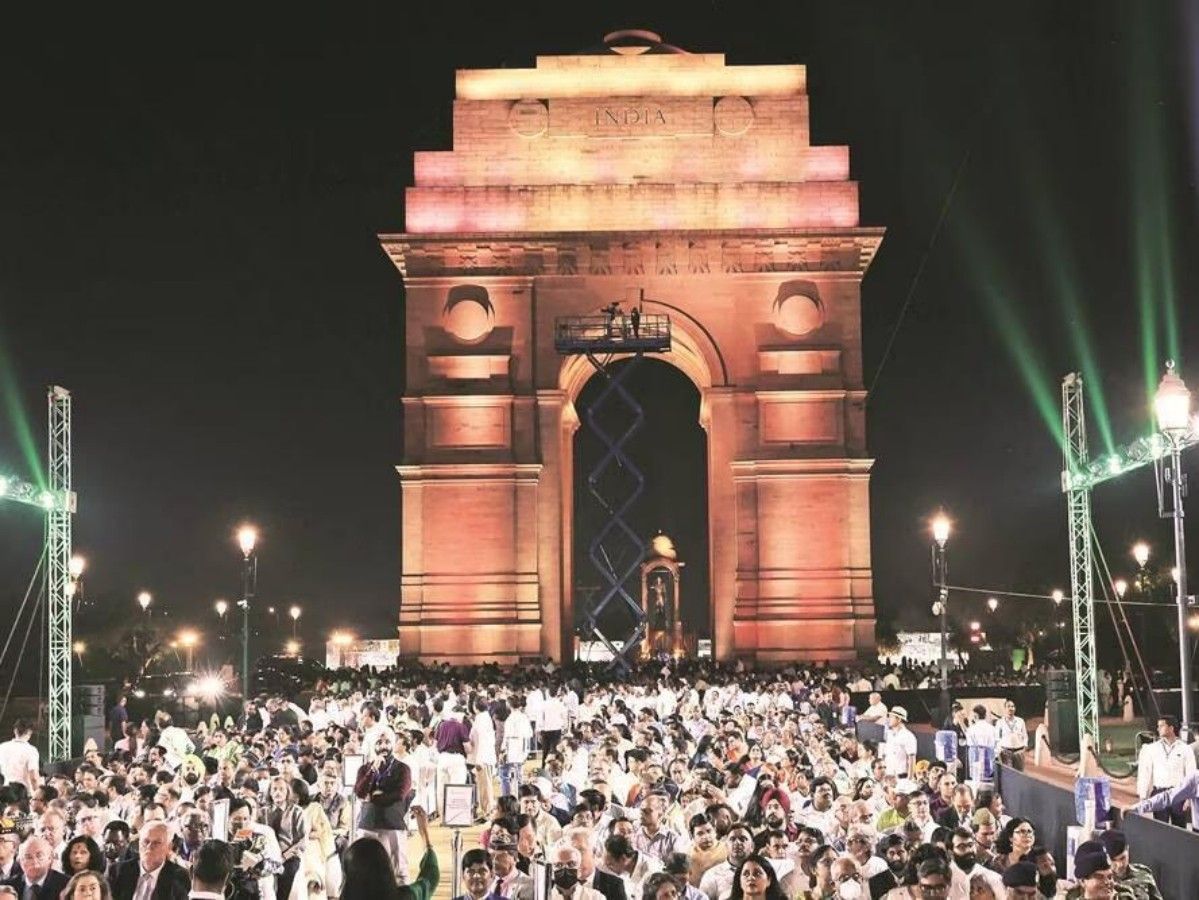
Republic Day: January 26th is India's Republic Day, and India Gate is one of the important places for celebrations. On this day, a grand military parade will be held around India Gate to showcase India's military strength and cultural characteristics. Soldiers dressed in neat uniforms and marched with vigorous steps, walking through India Gate to the sound of exciting military music. At the same time, there are various cultural performances, such as traditional dances and music performances, which fully demonstrate the diverse culture of India. People and tourists came to the scene early to occupy a favorable position to witness this grand festival together.
Independence Day: India's Independence Day on August 15, India Gate is also very lively. A huge Indian flag will be raised near India Gate, and people will gather here to sing the national anthem to express their love for the motherland and their pride in independence. Various cultural and artistic activities will also be held around, including poetry recitations, drama performances, etc., telling the difficult journey of India's pursuit of independence and its development achievements after independence.
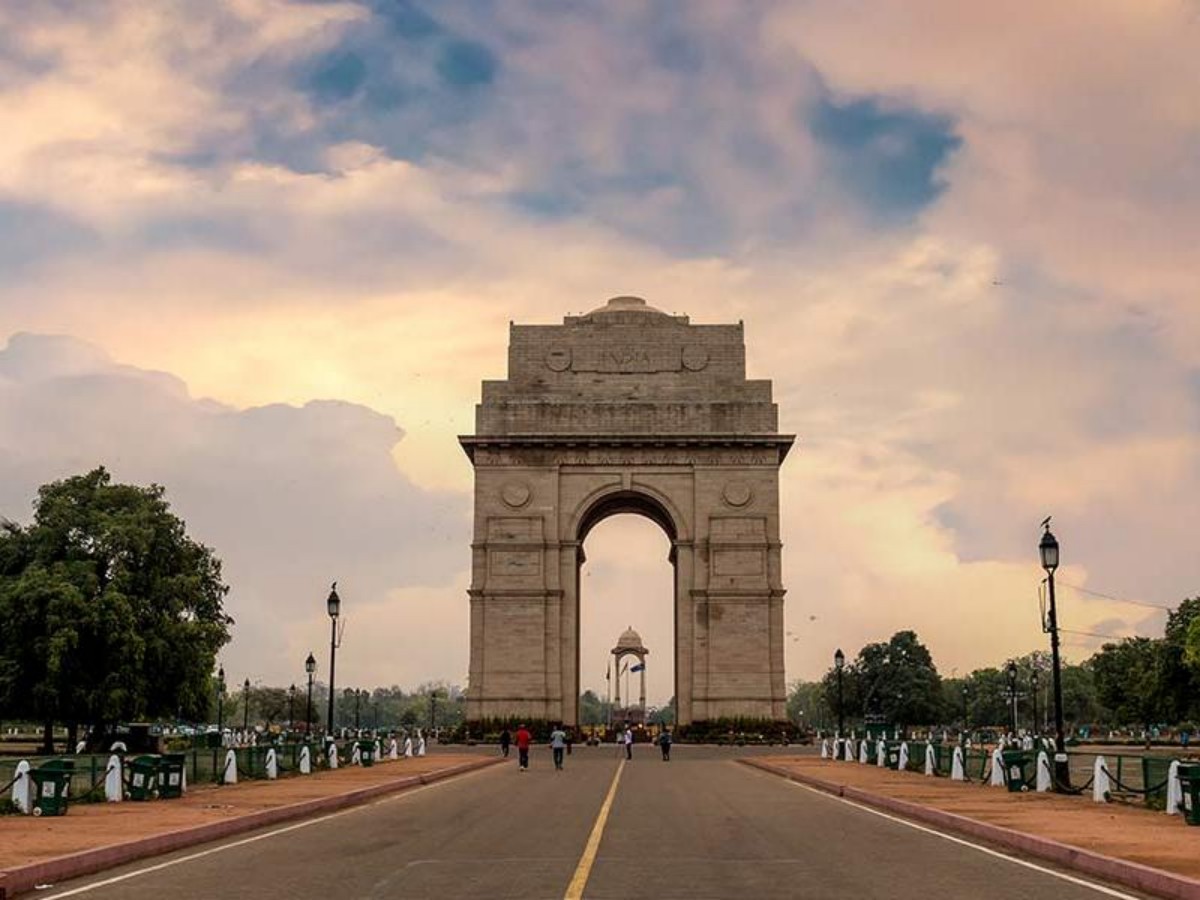
When visiting the India Gate, you need to dress appropriately and respect local cultural customs. In summer, the temperature in New Delhi is high, so take precautions against the sun and heatstroke; in winter, the temperature is relatively low, so you can add more clothes appropriately. When visiting the Changing of the Guard ceremony, you must abide by the on-site order and do not make loud noises. In addition, there is a large flow of people around the India Gate, so please keep your personal belongings safe.
The India Gate in New Delhi is not only a building, but also a vivid history textbook that carries India's past and present. It is a symbol of the Indian national spirit, and it carries the Indian people's memory of history and their vision of the future. If you have the opportunity to visit New Delhi, don't miss the opportunity to explore the India Gate and experience its unique charm for yourself.