Advertisement
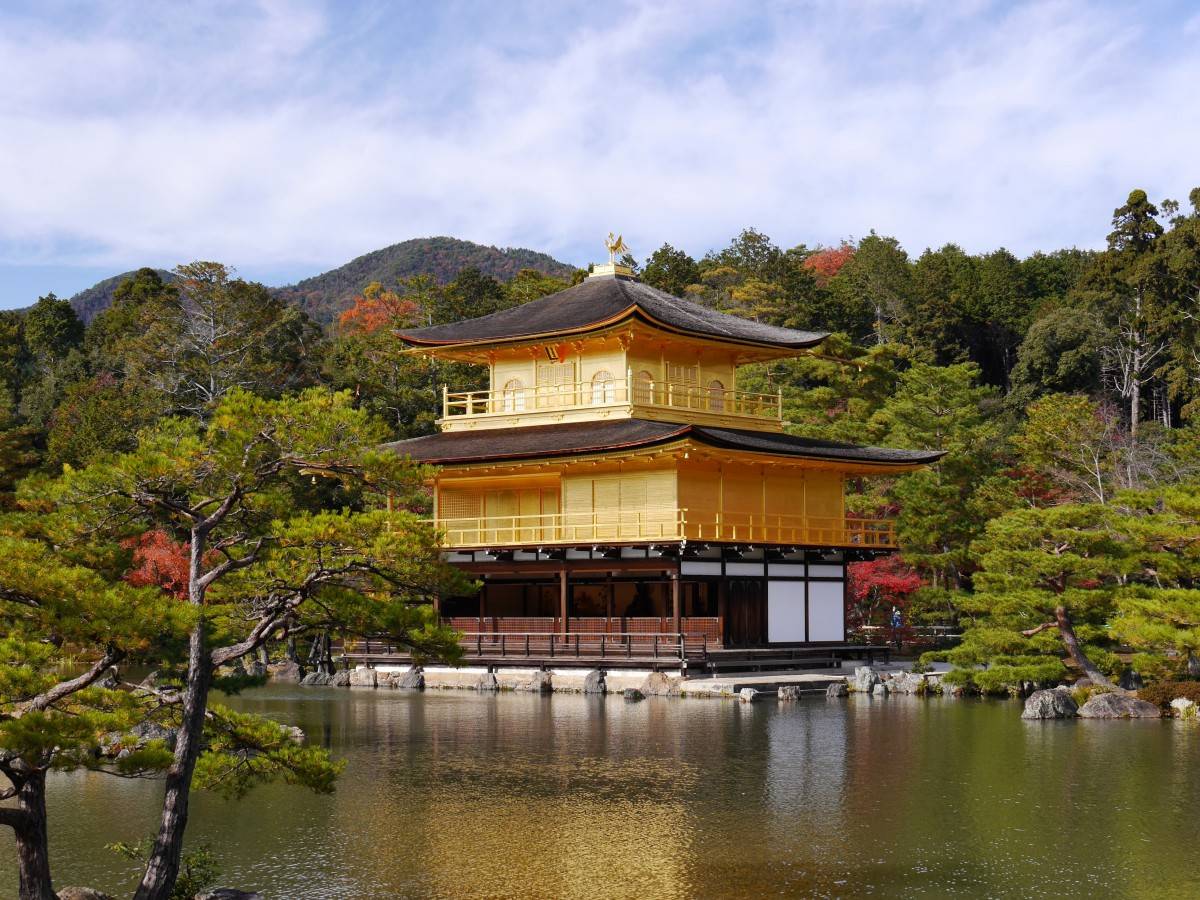
Among the many places of interest in Kyoto, Japan, Kinkaku-ji (also known as the Golden Pavilion) attracts countless tourists and history lovers with its unique golden appearance and mysterious history. This temple is not only a treasure of Japanese architectural art, but also a vivid history book that carries hundreds of years of changes. Let us uncover the mysterious history of Kinkaku-ji and explore the story behind it.
Advertisement
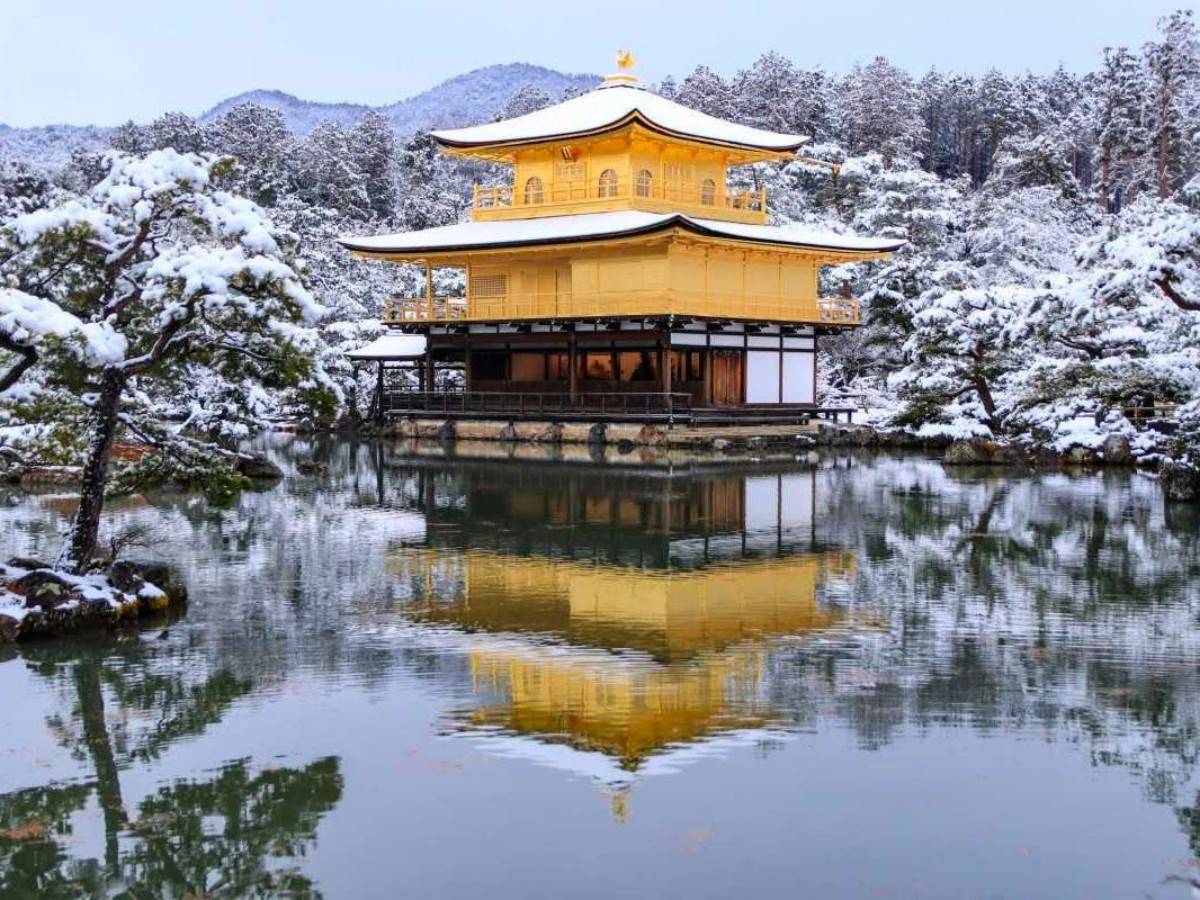
The Kinkakuji Temple was built in 1397. It was originally the villa of General Ashikaga Yoshimitsu, named Kitayama-den. Ashikaga Yoshimitsu was the third general of the Muromachi shogunate. Under his rule, Japan ushered in a period of relative stability and prosperity. In order to demonstrate his power and status, and also out of respect for Buddhism, Ashikaga Yoshimitsu decided to build this luxurious villa.
Advertisement
The architectural style of Kitayama-den combines the aesthetics of the Japanese aristocracy at that time and the concept of Zen Buddhism. The main building, the Sharidon, which we now call the Golden Pavilion, adopts a three-story pavilion design. The bottom floor is in the aristocratic style of the Heian period, with a living room for receiving distinguished guests; the middle floor is in the samurai style of the Kamakura period, reflecting Ashikaga Yoshimitsu's identity as a military commander; the top floor is in the style of the Zen Buddhist temple, enshrining the relics of Sakyamuni Buddha invited from China, which is also the origin of the name of the Sharidon.
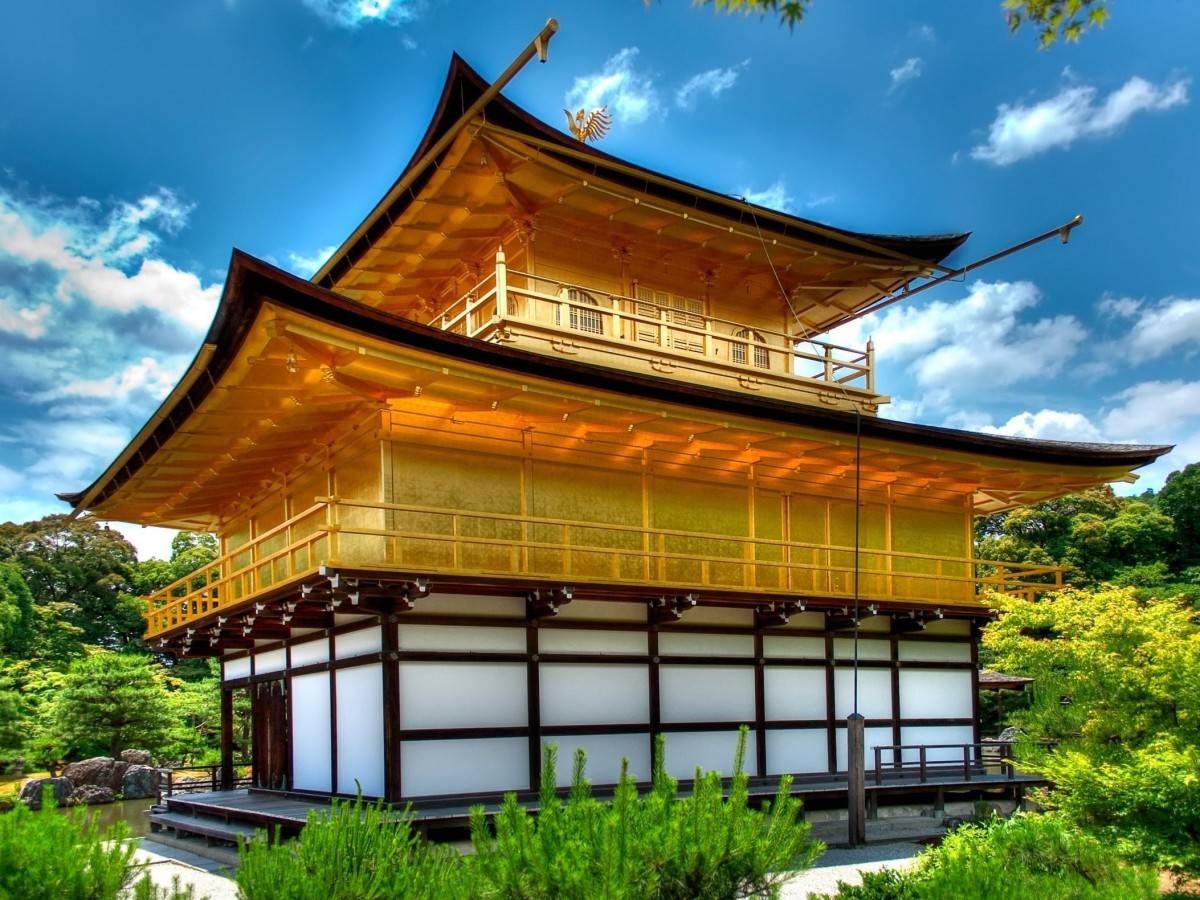
After Ashikaga Yoshimitsu died, his son followed his will and converted Kitayamaden into a Zen temple, named Rokuonji. From then on, Kinkakuji Temple changed from a luxurious private mountain villa to a temple that promotes Buddhism. In the following centuries, Kinkakuji Temple has been an important place for Japanese Buddhism, attracting many believers to come and worship.
Advertisement
However, the fate of Kinkakuji Temple was not smooth sailing. During the war-torn period in Japanese history, Kyoto suffered the baptism of war many times, and Kinkakuji Temple was not spared. The Onin War in the 15th century reduced most of Kyoto to ruins. Although Kinkakuji Temple survived the war, it was also damaged to a certain extent. Since then, Kinkakuji Temple has undergone many repairs and reconstructions before it has been preserved to this day.
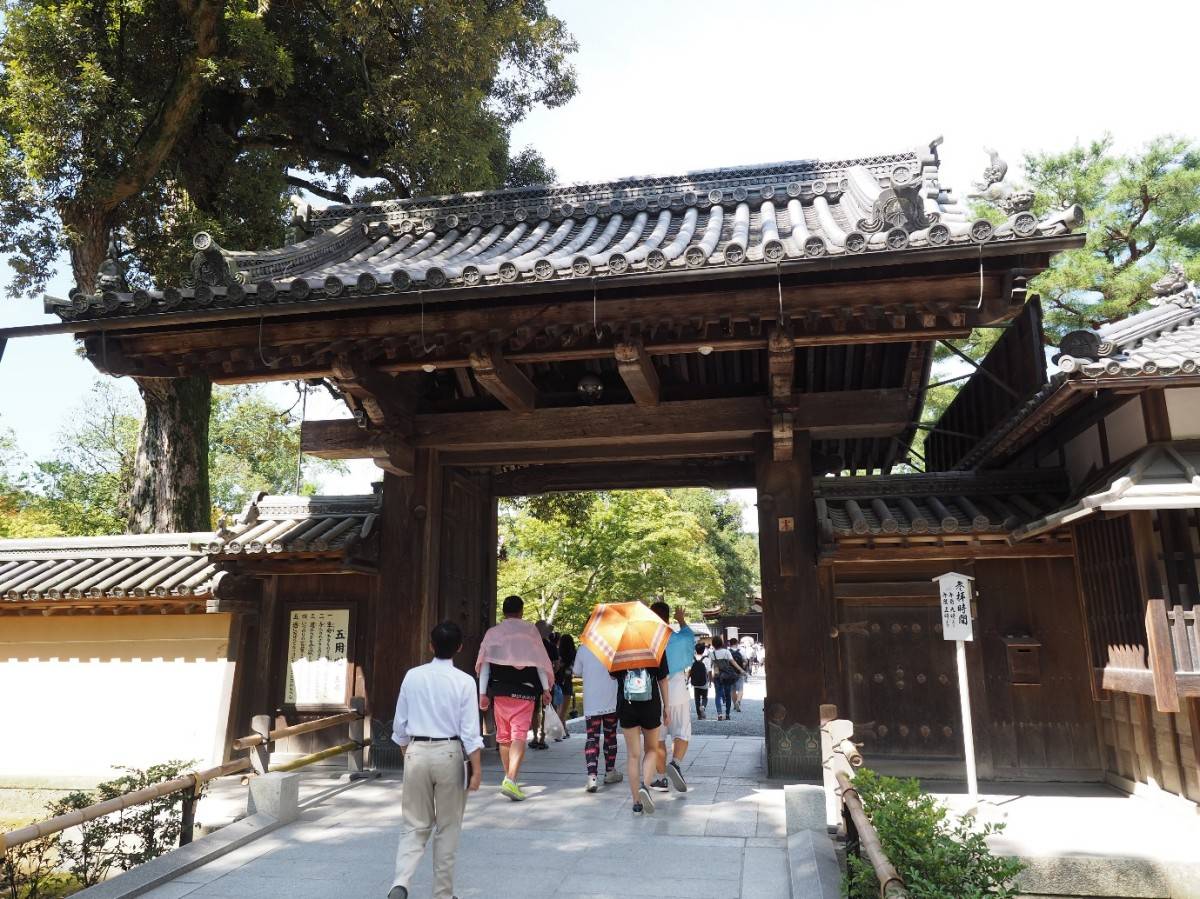
On July 2, 1950, a sudden fire almost completely burned down Kinkakuji Temple. The fire was caused by a young monk named Lin Chengxian. Lin Chengxian was overly obsessed with Kinkakuji Temple and believed that only by burning it down could the beauty of Kinkakuji Temple remain in people's hearts forever. The fire shocked the whole of Japan, and the burning of Kinkakuji Temple became a painful lesson in the history of cultural heritage protection in Japan.
After the fire, the Japanese government and all walks of life launched fundraising activities in the hope of rebuilding Kinkakuji Temple. After years of hard work, Kinkakuji Temple was rebuilt on the original site in 1955. The rebuilt Kinkakuji Temple not only retains the original architectural style, but also optimizes and improves the details. In order to prevent another fire, the building materials and fire prevention facilities of Kinkakuji Temple have been upgraded. Today, Kinkakuji Temple still shines with golden light under modern protection measures.
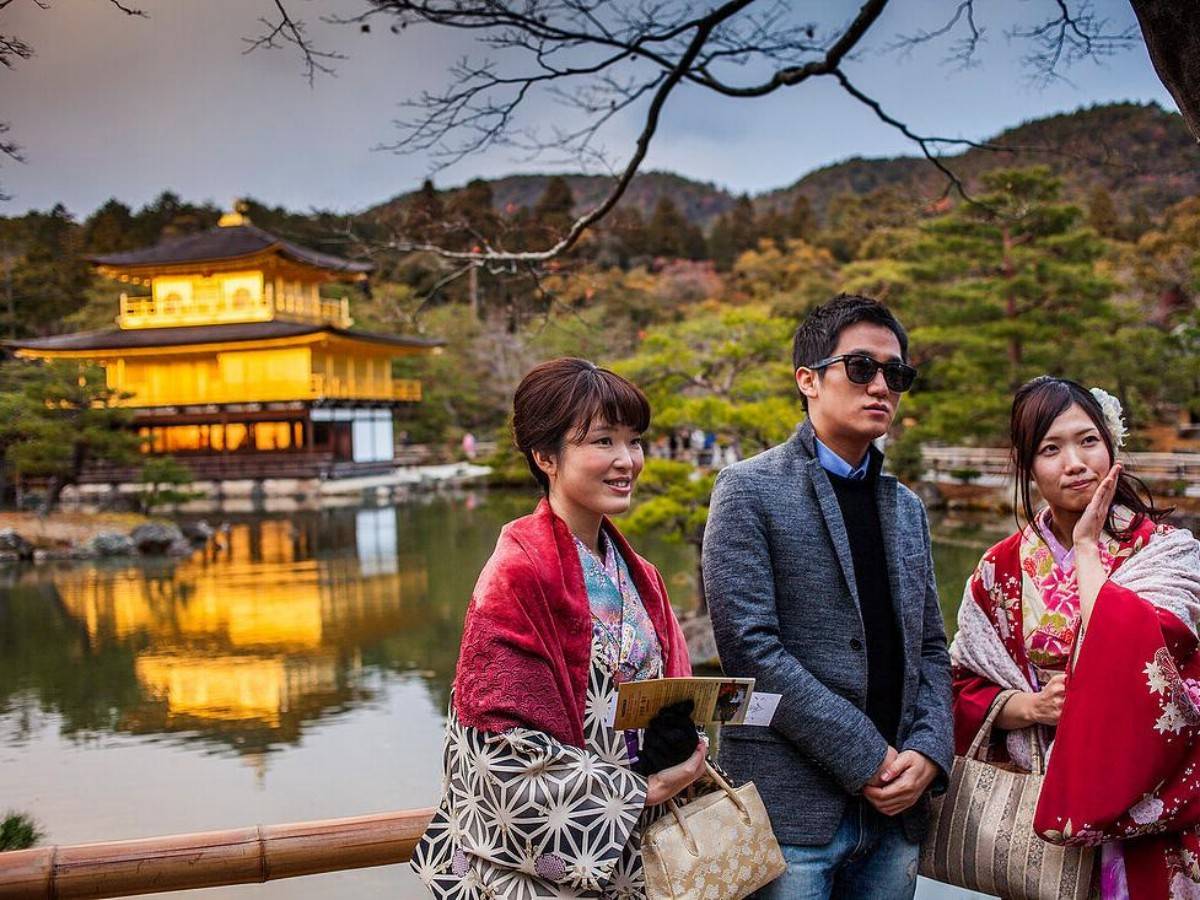
Kinkakuji Temple is not only a building, but also a symbol of Japanese culture. Its architectural style, garden landscape and the Buddhist culture it contains have had a profound impact on Japanese art, literature and philosophy. Kinkakuji Temple has appeared in many Japanese literary works, such as Yukio Mishima's novel "Kinkakuji Temple", which tells the story of Kinkakuji Temple and human nature from a unique perspective.
Internationally, Kinkakuji Temple also enjoys a high reputation. As one of the representatives of Japanese culture, it attracts tourists from all over the world. Every year, millions of tourists come to Kinkakuji Temple to appreciate its beauty and feel its historical heritage. In 1994, Kinkakuji Temple was listed as a World Cultural Heritage by UNESCO, which is not only a recognition of the architectural art of Kinkakuji Temple, but also a high evaluation of Japanese history and culture.
The history of Kinkakuji Temple is a legendary story. It has witnessed the rise and fall of Japan and carries the memories and emotions of countless people. From a symbol of power to a Buddhist holy place, from rebirth from ruins to a world cultural heritage, Kinkakuji Temple has always stood on the land of Kyoto with its unique charm. When we stand in front of Kinkakuji Temple and admire its glittering golden appearance, we can't help but think of the magnificent history behind it and feel the precipitation of time and culture. If you have the opportunity to come to Kyoto, don't miss Kinkakuji Temple to experience its mystery and charm in person and listen to the echo of history.