
Advertisement
In between your busy life, do you long for a trip that touches your heart? In Nara, Japan, there is such a poetic and romantic place -- Kasuga Taisha Shrine. When the warm spring sunshine passes through the gaps of the leaves and pours onto the ancient shrine, the deer leisurely paces among them, and a beautiful spring picture scroll unfolds. Let's go into this mysterious and fascinating sacred place and enjoy a unique journey with nature and history.
Advertisement
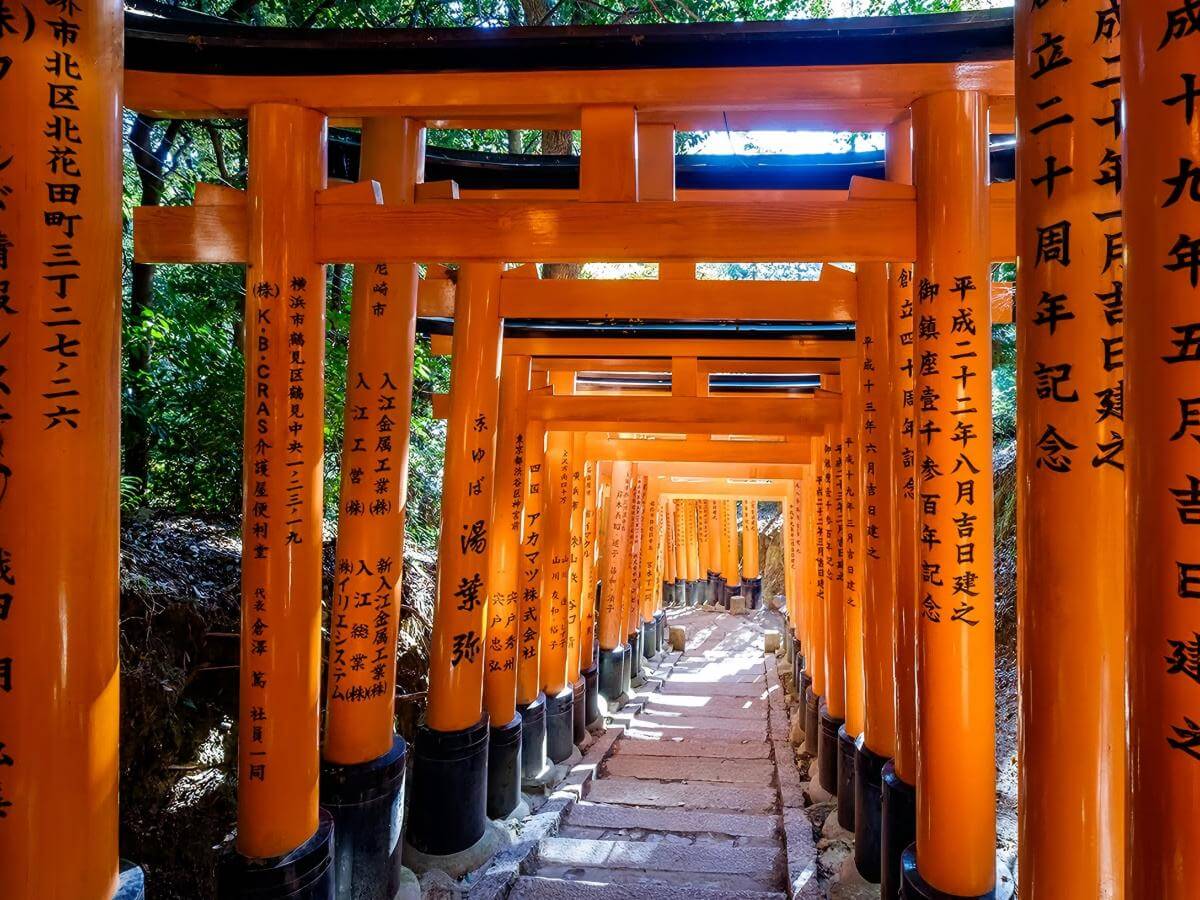
Kasuga Taisha Shrine was built in 710 by Fujiwara Fubi and others, and was originally called Kasuga Shrine as the guardian shrine of the Fujiwara family. The shrine enshrines the gods Takeshi no Hajime, Keitsu no Jumei, Tengoya no Nimei, and Hiromitsu, and the Kasuga Matsuri festival on March 13 is the grand annual celebration of the shrine.
Advertisement
Kasuga Taisha Shrine is the head shrine of all Kasuga Taisha shrines in Japan, and is one of the three major shrines in Japan, along with Ise Jingu Shrine and Ishimizu Hachimangu Shrine. As the sacred mountain of the shrine, Kasuga Mountain has been strictly prohibited from being cut down for thousands of years, resulting in a pristine evergreen broad-leaved forest of mistletoe and miscanthus trees. This forest, together with Kasuga Taisha Shrine, has been inscribed on the UNESCO World Heritage List, and when you walk through it, it is as if you can hear the footsteps of history and touch the veins of the ages.
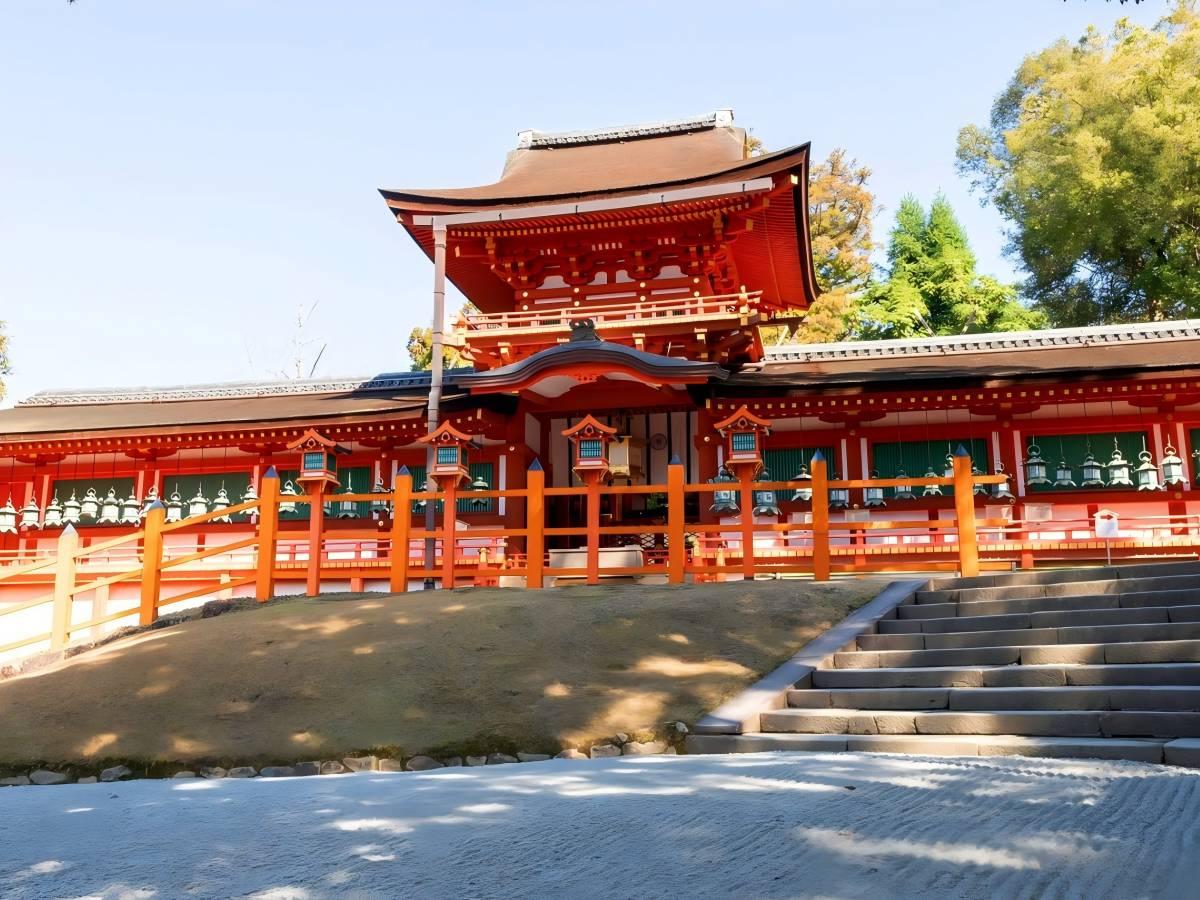
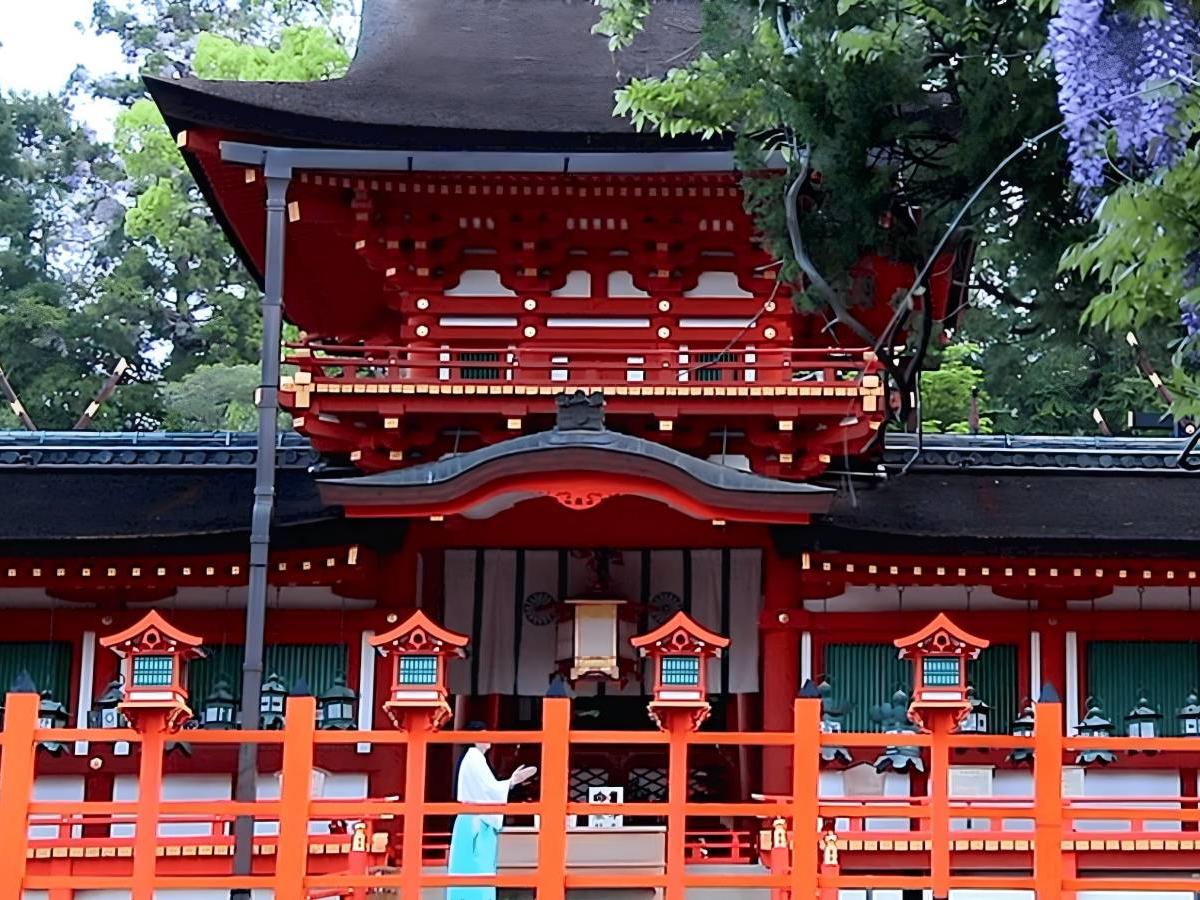
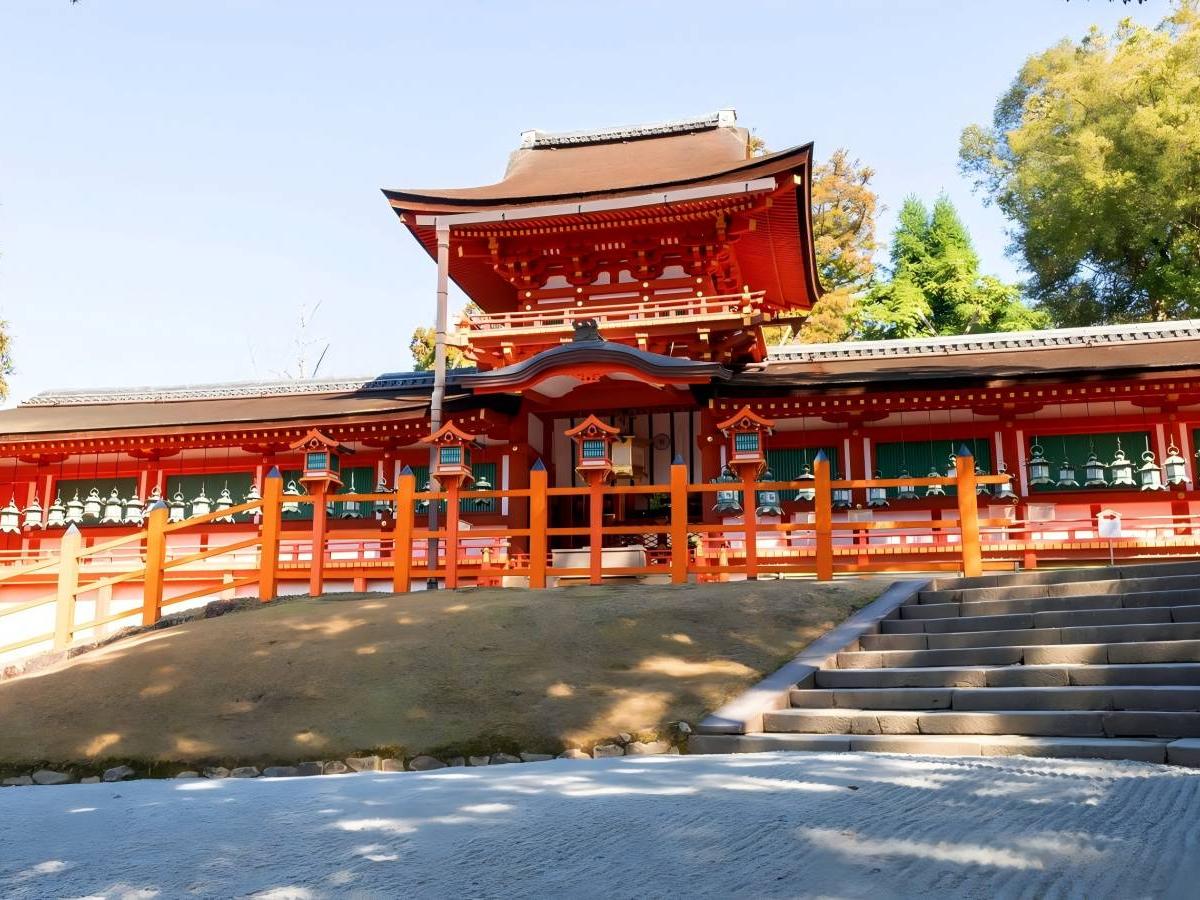
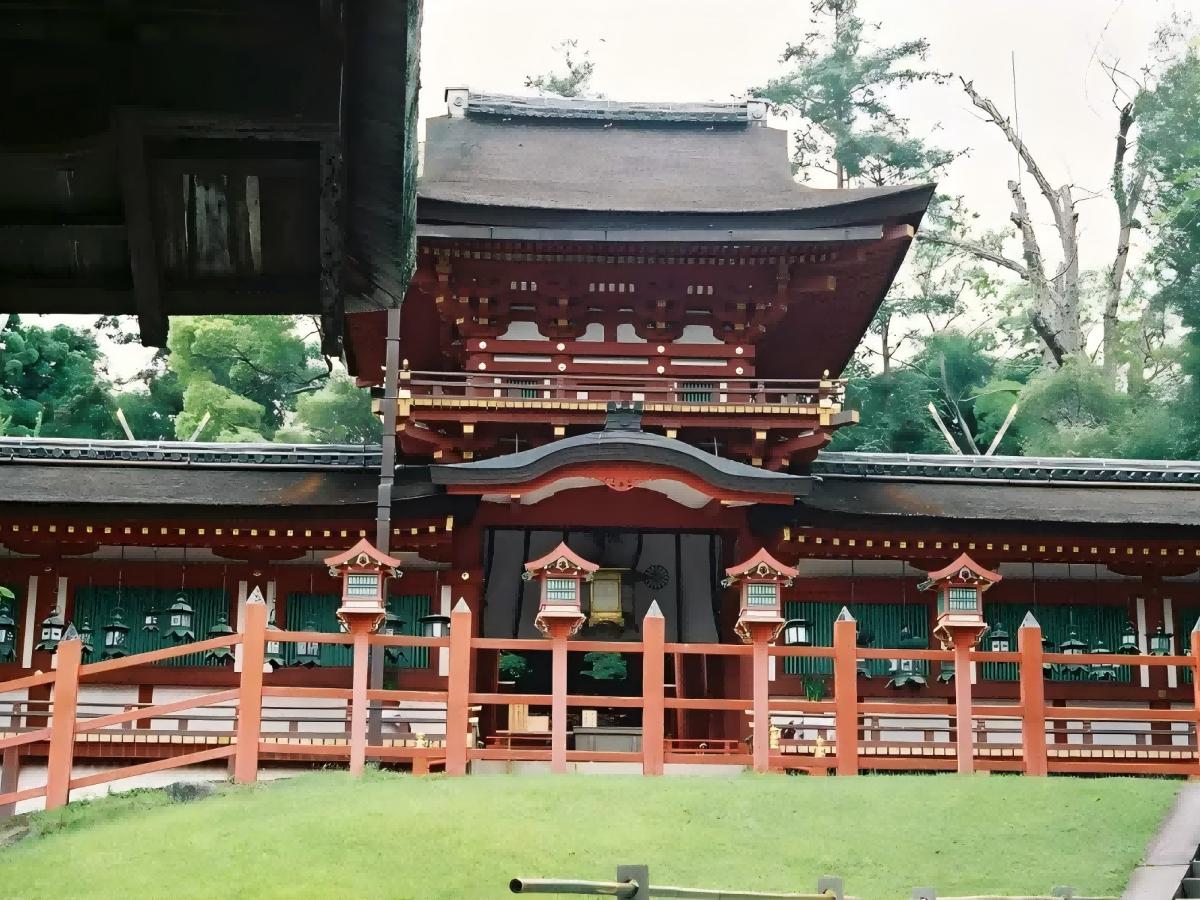
When you enter Kasuga Taisha Shrine, the first thing that strikes you is the unique vermillion building, solemn and mysterious. As you walk up the Shinto shrine path, you will see the 10-meter-high central gate, which is decorated in orange-red, similar to the color of Fushimi Inari Shrine in Kyoto, and it is a spectacular sight. The corridors on both sides of the gate surround the main hall, which consists of four shrines standing side by side.
Advertisement
Outside the main hall, many lanterns and copper lanterns give off a simple atmosphere in the sunlight or at night. The vermillion colored corridors and the green jungle at the foot of the mountain in spring make a beautiful picture. About 3,000 stone lanterns and hanging lanterns in the precincts bear witness to the history of Kasuga Taisha Shrine. In the Kasuga Taisha Shrine Garden, about 300 varieties of plants, which are recorded in the ancient songbook “Manyoshu,” flourish, adding a rich cultural flavor to the shrine. In addition, the shrine's collection of 3,000 artifacts, including 520 national treasures, tells the story of the shrine's long history.
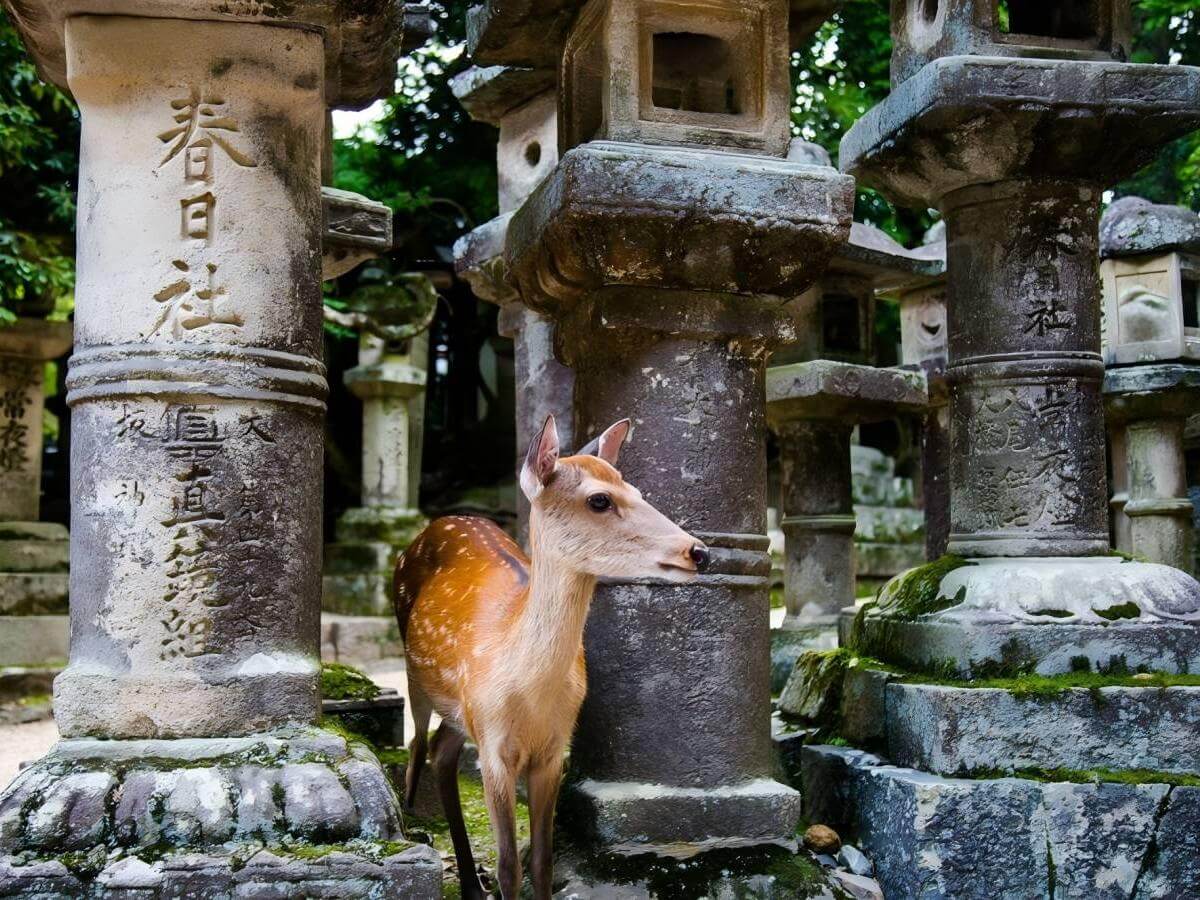
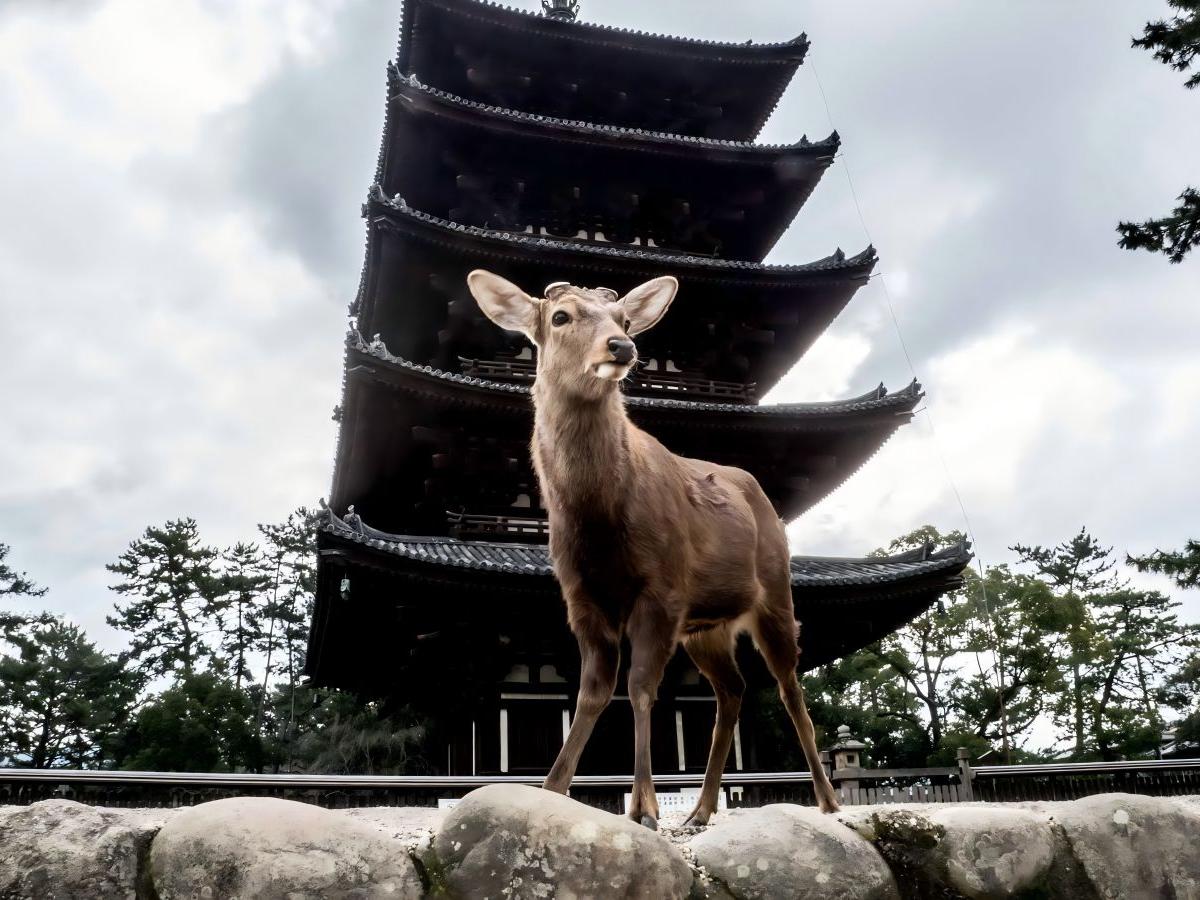
Kanda Park, adjacent to Kasuga Taisha Shrine, is home to some 1,300 wild Japanese deer, with females outnumbering males. In Japanese culture, deer are regarded as “messengers of the gods.” Legend has it that Takeshi Hajime rode a white deer to Nara, and since then the deer have been carefully protected and reproduced from generation to generation.
Today, these wild deer have long been accustomed to interacting with humans. Visitors to the park can purchase special “deer cakes” to feed the deer. When you take out a deer cake, the deer will immediately gather around, and some will even bow to thank you, which is very cute. However, if you approach them without feeding them, they may use their heads to gently push against or pull on your clothes with their mouths to urge them to eat. During the epidemic, when tourists were scarce, the deer were so hungry and skinny that they even begged for food at homes. Now with the return of tourists, the deer have regained their vitality, vividly demonstrating the beautiful scene of harmonious coexistence between people and wildlife.
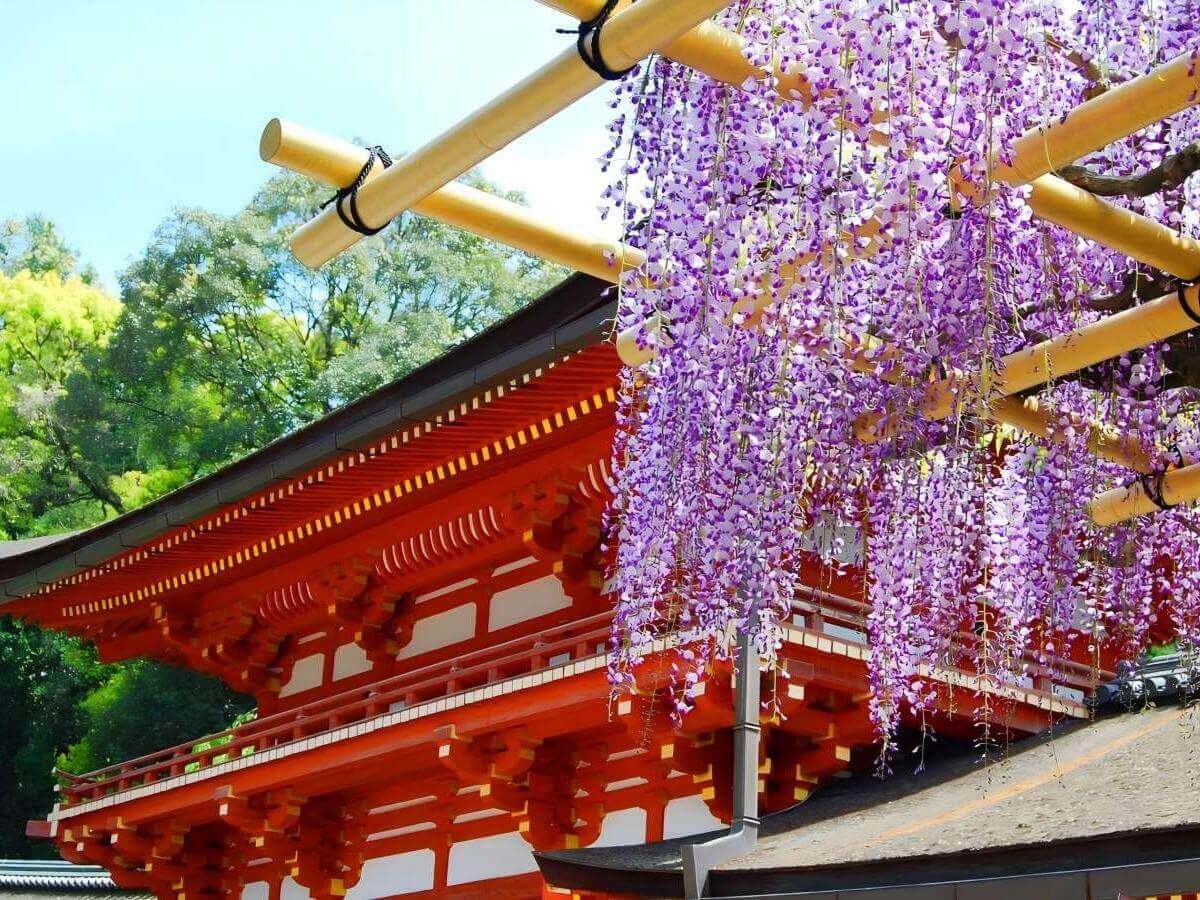
Each of the four seasons at Kasuga Taisha Shrine is unique. In spring, cherry blossoms and peach blossoms bloom around the shrine, and the pink petals of the blossoms are beautifully reflected in the vermillion color of the shrine. Many parents with children aged 3, 5, and 7 come to worship and pray in small rented kimonos, adding to the cozy atmosphere of spring.
In the summer, the lush greenery and foliage of the trees bring a cool breeze to the shrine. Strolling along the forest paths, listening to the songs of the birds and feeling the breeze on your face is like being in a peaceful paradise. In the fall, the leaves change color, and the golden and reddish foliage and the old buildings create a picturesque scene. In winter, when there is snowfall, the entire shrine is covered in silver, just like a fairy tale world, and the stone lanterns and social halls are even more ancient and quiet under the snow cover.
Opening hours: The Shrine and Treasure Hall are open from 9:00 a.m. to 16:00 p.m. Note that the single Shrine is usually closed on Mondays (if Monday is a national holiday, the closure is postponed to the next day, and there is no closure in January, April-June, and October-November).
Transportation: From JR Kintetsu Nara Station, take bus no. 70, 88, 97, 98 or 133 and get off at Kasuga Taisya Honden.
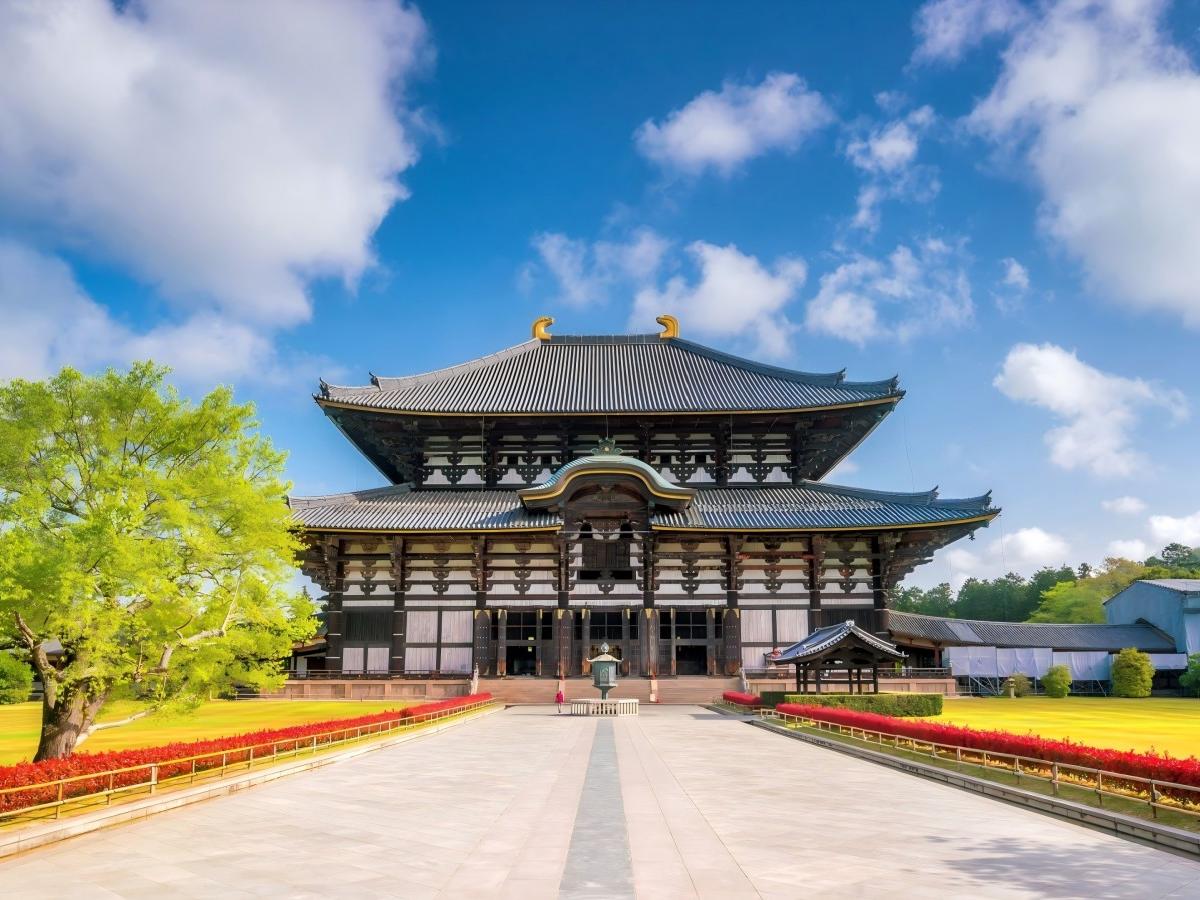
Neighboring Attractions: Kasuga Taisha Shrine is surrounded by a wealth of attractions that are worth visiting. Nara Park, which is closely connected to the shrine, is a great place to interact with the deer. Todaiji Temple, the main temple of the Huayan Sect in Japan, has a stunning wooden hall and a 15-meter-high bronze Buddha that offers a glimpse of the Sengoku style. The Heikein Phoenix Hall is a national treasure on the 10 yen coin, and the Ajido Pond is a beautiful reflection of the winged golden phoenix.
Food Recommendation: In Nara, persimmon leaf sushi is not to be missed, with its unique aroma of persimmon leaves wrapped around rice and fish. Nara-zushi is a traditional pickled food with a distinctive flavor. In addition, a variety of delicate wakame is a great way to savor the local cuisine.
This spring trip to Osha has both the richness of history and the freshness and vitality of nature, the rustic beauty of architecture and the spirituality of living creatures. It is believed that every traveler who sets foot on this land will be impressed by its unique charm and gain an unforgettable travel memory.