
Advertisement
Located in the heart of Nara Park, the Nara National Museum is a cultural hall that witnesses history and a journey of in-depth dialogue with Japanese Buddhist art. Standing side by side with Todaiji Temple and Kasuga Taisha, it is like the cultural patron saint of this ancient capital, quietly telling the history and art of Japan for thousands of years. As one of the four major national museums in Japan, this museum is not only a window for tourists to understand the history of Nara, but also a pilgrimage site for those who are eager to get close to ancient Japanese Buddhist art lovers. So, is the Nara National Museum worth visiting? Next, let us take you into the world of this museum through on-site visits and detailed visiting suggestions.
Advertisement
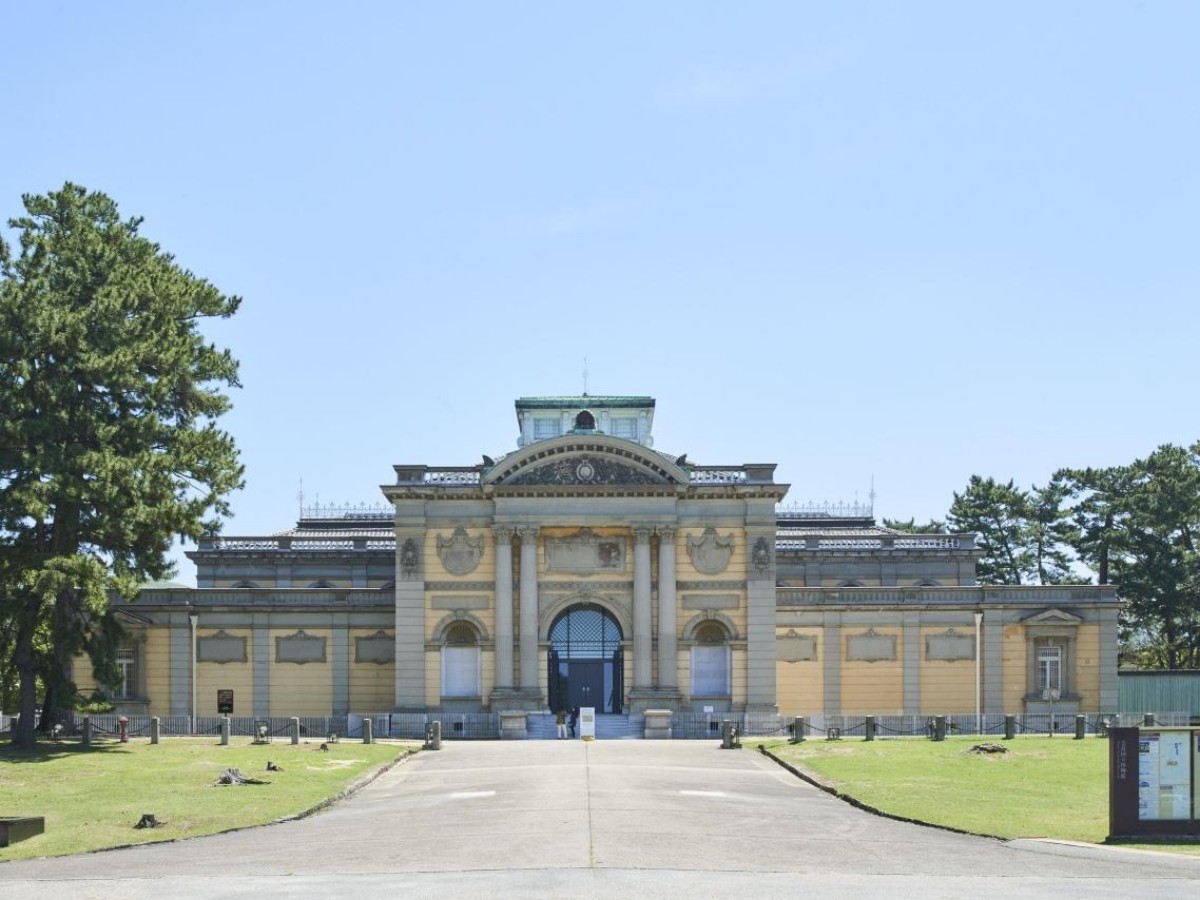
Nara, as the first capital city in Japanese history, its ancient Buddhist culture is deeply rooted in this land. The Nara National Museum is the carrier of this cultural heritage. It was established in 1895 and has a history of more than a hundred years. Located in Nara Park, the museum is surrounded by green trees and pleasant scenery. It is a perfect fusion of Nara culture and natural landscape.
Advertisement
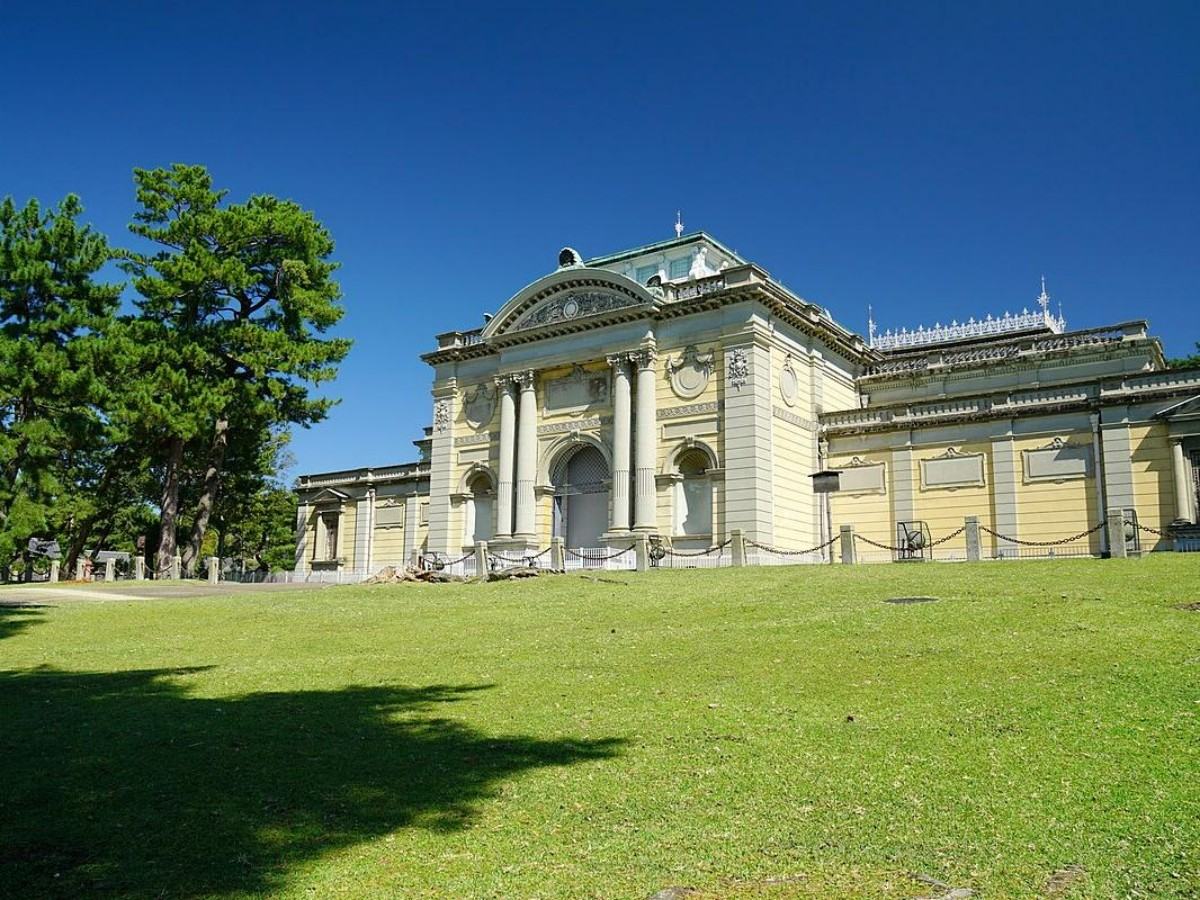
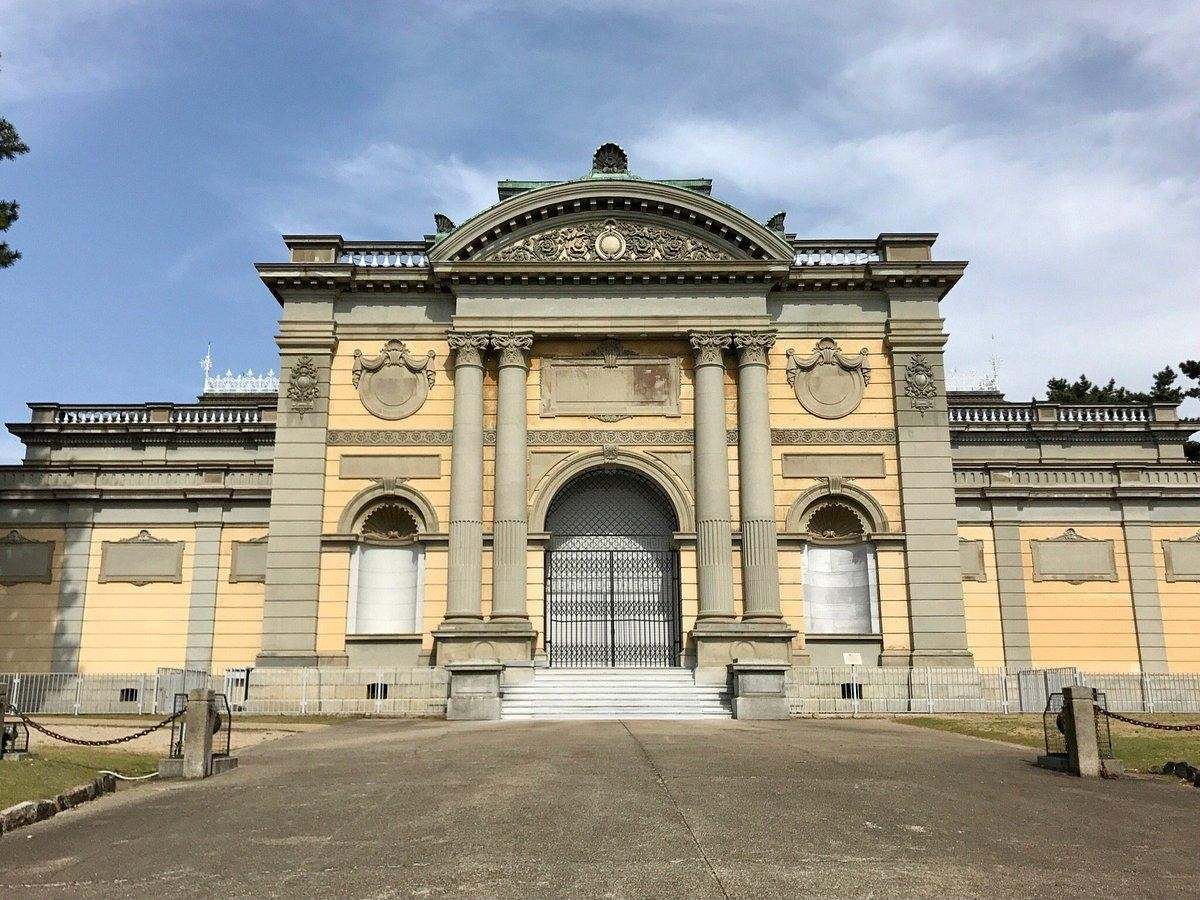
The museum's architectural style itself is quite historic. The main building is a typical Western red brick building that incorporates modernist elements from the Meiji era. At the same time, the museum's extension adopts a simpler modern design to enhance the display function. Here, visitors can not only enjoy a wealth of exhibits, but also feel a strong sense of historical precipitation in a peaceful atmosphere.
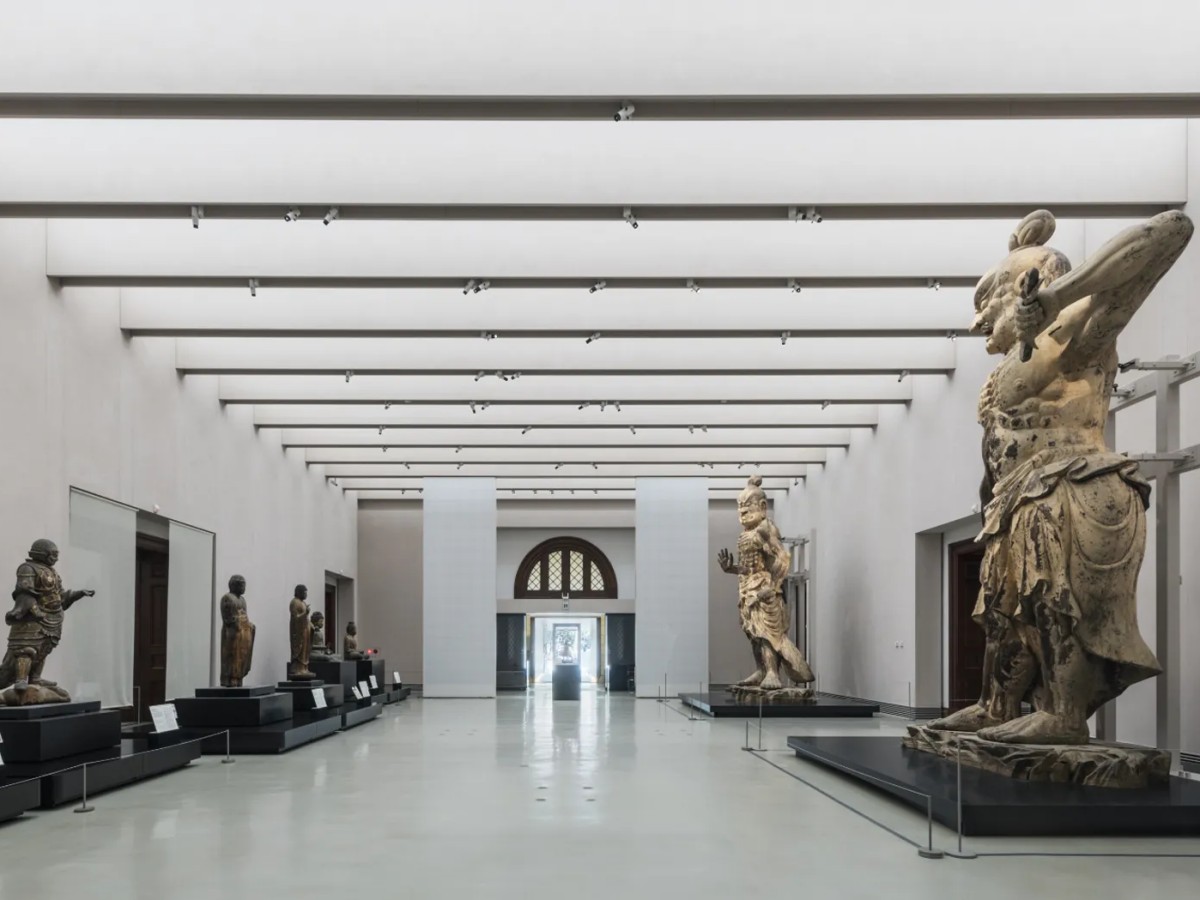
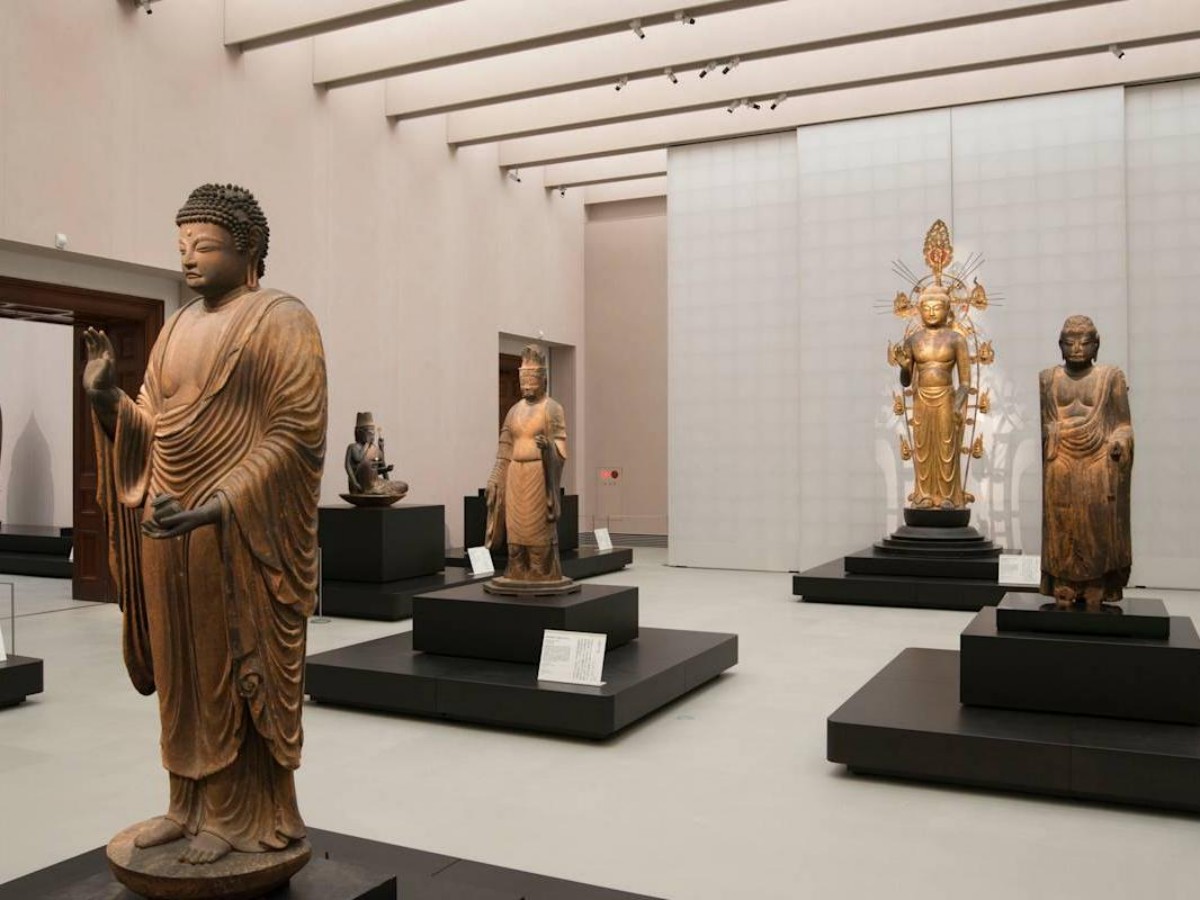
As an important exhibition venue for Japanese Buddhist art, the exhibits of the Nara National Museum are mostly themed on Buddhist culture. You will see precious cultural relics such as Buddha statues, Buddhist paintings, and handwritten sutras from the Asuka period (6th century) to the Nara period (8th century). It is particularly worth mentioning that most of the Buddha statues in the museum are exquisitely carved and vivid, and each Buddha statue seems to tell a story spanning thousands of years.
Advertisement
The most representative of them are the exhibits related to Todaiji Temple, which show the majestic style of Buddhism in the Nara period and make people think about the important position of Buddhism in Japanese society at that time. In addition, the museum often holds temporary special exhibitions related to Buddhism. These exhibitions cover many aspects of Buddhist art and display cultural relics from temples across Japan. The Shosoin Exhibition in autumn every year is one of the highlights of the museum. It displays mostly imported treasures from the Tang Dynasty, which are symbols of the Nara period and attract thousands of tourists to come and see it.
The visit time of Nara National Museum is about 1 to 2 hours. Here are some practical visiting suggestions to help you plan your visit better:
Suggested order of visit:
You can start by visiting the main building of the museum, where many representative Buddhist sculptures and historical relics are displayed. Then, enter the new building, where there are not only regular exhibitions, but also often exhibitions related to contemporary art or specific cultural themes, allowing you to feel the collision of history and modernity.
Exhibits not to be missed:
Buddha statue display area: Whether you are an art lover or interested in religious culture, the Buddha statue area is undoubtedly the most attractive part. Especially some rare wooden Buddha statues, their details and expressions can give you a profound visual impact.
Shosoin Exhibition (if you happen to come): The Shosoin Exhibition in autumn every year displays a large number of precious cultural relics from the Tang Dynasty, which usually include exquisite silk, ceramics, jade, etc. These exhibits are all collected by Todaiji Temple's Shosoin Repository, reflecting the deep connection between the Nara period and the Tang Dynasty culture.
Visiting schedule:
The museum is open from 9:30 am to 5:00 pm, but if there is a special exhibition, the opening hours may be extended. It is recommended to avoid weekends and holidays to avoid crowds. If you want to avoid crowds, the afternoon hours on weekdays are usually quieter and the visiting experience is better.
Transportation: The Nara National Museum is located in Nara Park, and it is very convenient to walk to the major attractions in Nara Park. If you depart from Nara Railway Station, you can take a bus or walk for about 15 minutes.
Tickets: The ticket price for the permanent exhibition is about 700 yen, and the ticket price for the special exhibition is calculated separately. If you come to Nara for a museum cultural tour, you may wish to check whether there are joint ticket discounts for tourists.
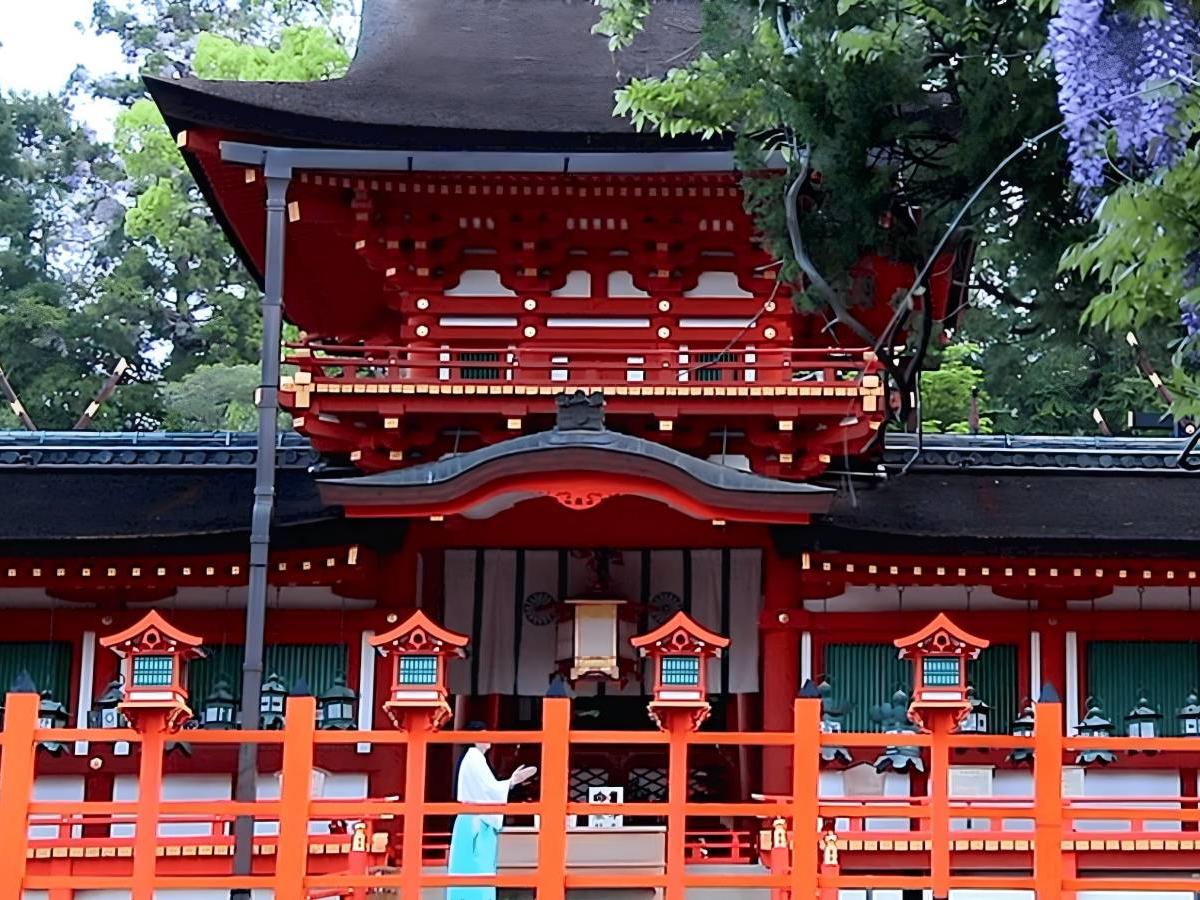
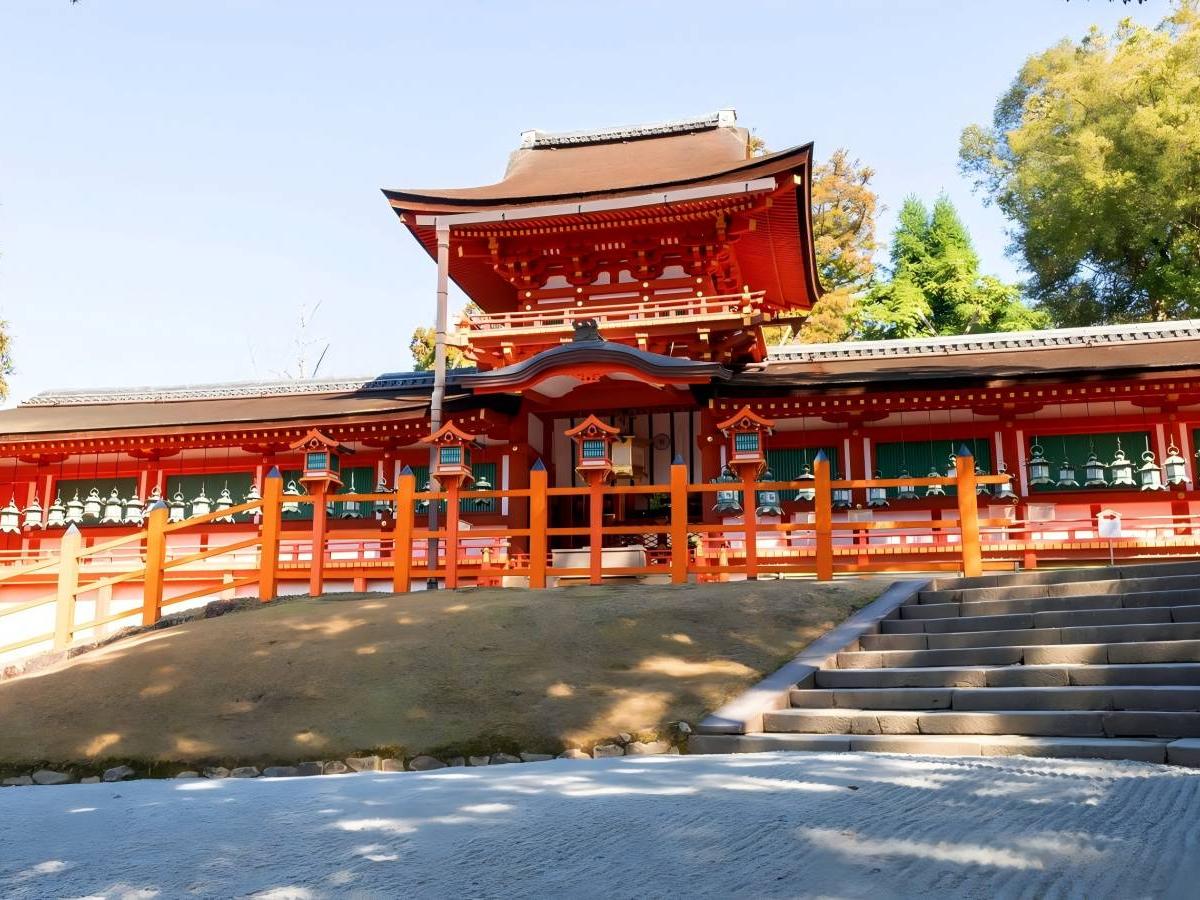
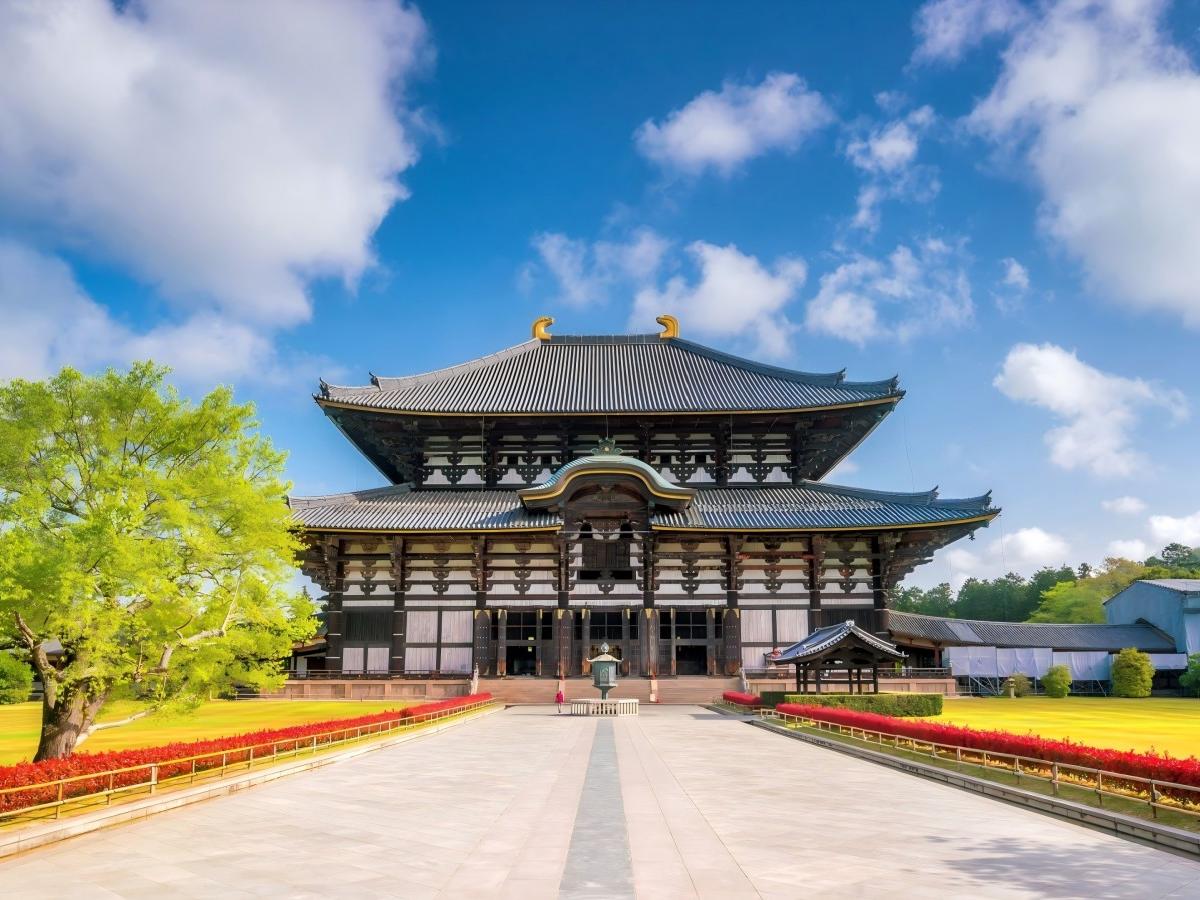
Visiting time suggestion: If you are visiting Nara for the first time, you can link the museum with the surrounding attractions such as Todaiji Temple and Kasuga Taisha Shrine to plan a cultural tour. The museum is close to these temples and can be easily reached on foot.
Taking photos: Most of the exhibits in the museum are not allowed to be photographed, and the photo-taking areas are usually clearly marked. Remember to follow the rules so as not to disturb other tourists.
Is the Nara National Museum worth going to? From the depth of culture, the preciousness of exhibits, to the historical value of architecture, this is undoubtedly a place that makes people gain a lot. Especially if you are interested in the historical background of Japanese Buddhist culture and artworks, every exhibit in the museum can provide you with a unique perspective and experience. Although it is not as shocking as museums in some big cities, in this ancient capital of Nara, the museum itself is a microcosm of the city's culture. As a tourist, you can feel a sense of close contact with history in the museum, calm down and experience the precipitation of a thousand years of culture. The attractions around the museum, such as Nara Park, Todaiji Temple, and Kasuga Taisha, add a sense of tranquility and depth to your trip. The Nara National Museum is not just a simple cultural place, it allows you to experience a journey across a thousand years and touch history. If you come to Nara, it is definitely not to be missed.