
Advertisement
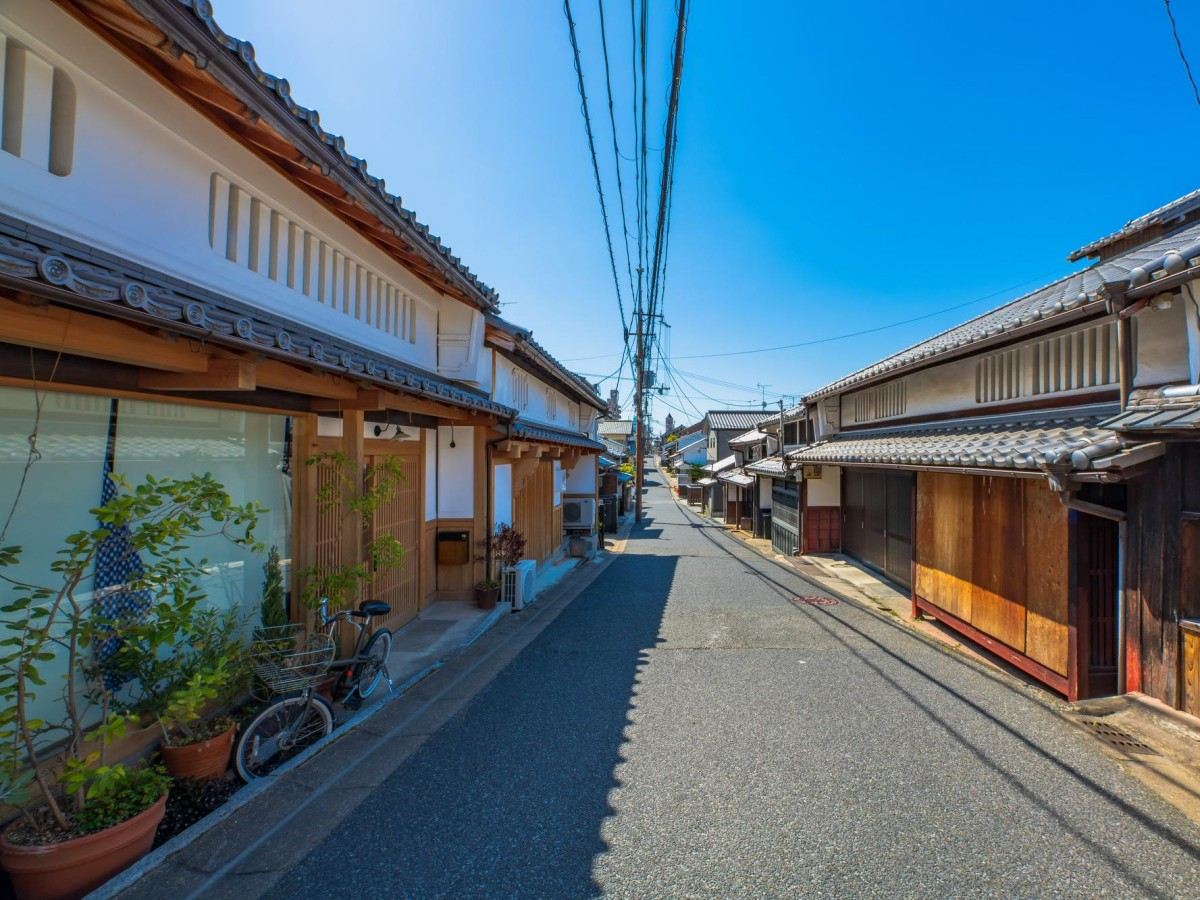
Beyond the deer in Nara Park and the Buddha statues in Todaiji Temple, there is a corner frozen in time - Naramachi. This block on the east side of Nara's city center was once a gathering place for merchants and craftsmen in the Edo period. Today, it still retains narrow old houses, winding stone alleys and hidden garden cafes. It is not as noisy as Gion in Kyoto, nor as flashy as Dotonbori in Osaka, but with a low-key gentleness, it allows both passers-by and deep travelers to find their own rhythm. Whether you only have 3 hours for a transfer or plan to spend 3 days immersing yourself in the experience, Naramachi can give a completely different but equally charming answer.
Advertisement
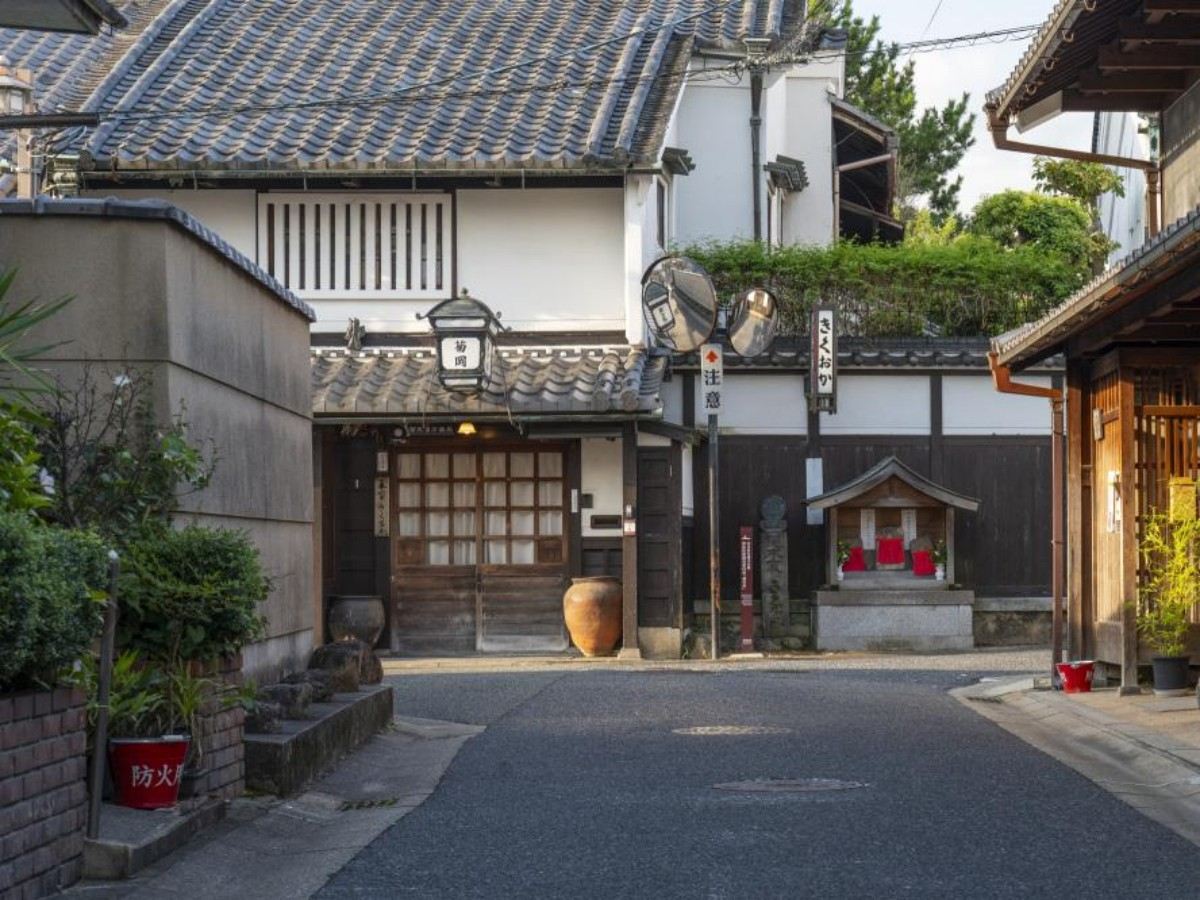
If time is tight, you might as well condense Naramachi into a "time travel theme walk". Starting from Kintetsu Nara Station, walk east along Shichijo Street for 10 minutes to reach the core area of Naramachi. There is no clear starting point and end point here, but the following coordinates can help you quickly grasp the essence.
Advertisement
First stop: Naramachi Kominka
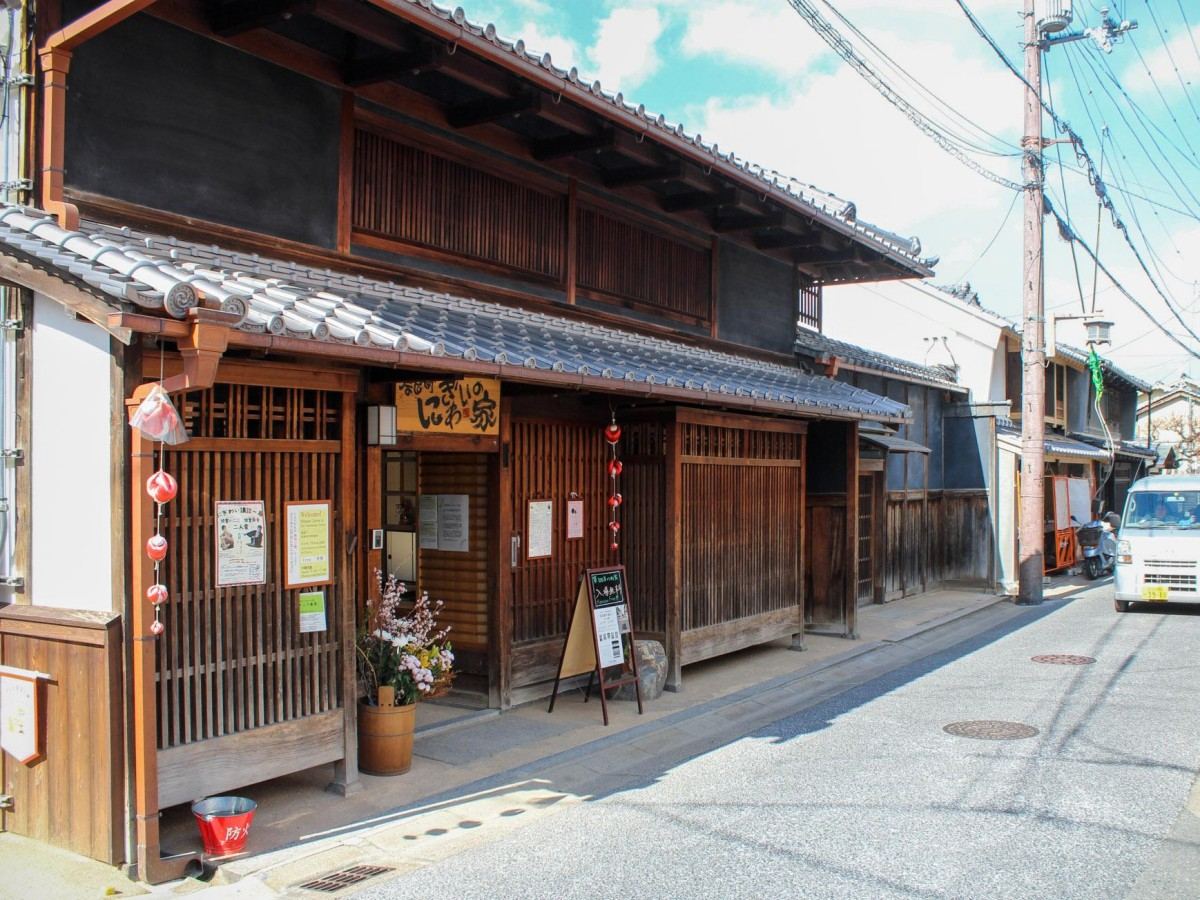
This free Edo-era residence is the best way to understand the history of Naramachi. Push open the wooden grille door, step on the creaking wooden floor, and pass through the narrow entrance. You will see the typical "doma" (work area) and "zashiki" (living room) separated layout. The house displays abacus, measuring tools and lacquerware used by old vendors. The most interesting thing is the "insect cage window" on the ceiling-the wooden grid is inlaid with glass, which is both ventilated and can prevent mosquitoes. When the sun shines through, it will cast fine light and shadows on the tatami. The staff will demonstrate how to light the floor stove in the traditional way. The hot air wrapped in wood fragrance spreads, and people instantly travel back to 200 years ago.
Second stop: Eel House and Cat Lane
Coming out of the lattice house and turning into any narrow alley, you will most likely meet "Eel House"-a century-old eel rice shop hidden in a residential house. The signature "Three Ways to Eat Eel" here is not large in portion, but it is exquisite enough: first taste the original flavor, then mix with wasabi and seaweed, and finally pour tea soup to make tea rice. After the meal, take a walk along the "Cat Lane". This alley named "Neko Michi" by cat lovers is full of cat graffiti on the walls, and you can often see cats basking in the sun at the corner. Remember to touch the "Lucky Cat Stone" at the entrance of the alley, which is said to bring good luck.
Third stop: Naramachi Information Center and Handicraft Experience
The information center located in the center of the town is not only a tourist center, but also more like a miniature museum. The exhibition area on the first floor uses models and old photos to restore the past of Naramachi, and the second floor provides simple handicraft experiences (reservations must be made in advance). If the time is right, you can spend 20 minutes trying the "Nara Sticker Painting" - using colored Japanese paper to cut out patterns such as deer and maple leaves, and collage them into unique souvenirs. Don't forget to get a free map before leaving, which marks all the hidden cafes and grocery stores.
The fourth stop: Machinami Café and the final sprint
The last half hour is reserved for "Machinami Café" - this cafe, which was transformed from a century-old warehouse, retains exposed wooden beams and earthen walls, but uses modern lamps and green plants to create a lazy atmosphere. Order a cup of "Nara Black Tea" (English black tea with local honey), with a piece of "Persimmon Leaf Sushi-shaped Matcha Cake", sit by the window and watch the sunset gild the old house. For the end of the 3-hour trip, you might as well choose the nearby "Nara Town Observation Deck" - it is actually just a terrace on the third floor of a residential building, but it overlooks the entire red tile roof, which is a great location for shooting the "Edo version of the Castle in the Sky".
If you can let go of the anxiety of rushing, Naramachi will show its softest side. There is no queuing anxiety at the Internet celebrity check-in spots here, but there are countless details that need to slow down to discover: a pottery workshop is hidden behind a half-open wooden door, a garden full of hydrangeas is at the end of a dead end, and a pub with only 3 seats, the owner will tell half a century of family stories in Kansai dialect.
Advertisement
Day1: Live in an old house and sleep with history
The charm of Naramachi starts with "living". It is recommended to choose a homestay that has been transformed from a century-old business, such as "Machiya Imai" or "Naramachijuku Fujiya". These old houses usually retain the earth room, engawa (corridor) and garden, but are equipped with floor heating and modern bathroom. After arriving in the evening, first go to the "Manye Club" to soak in the hot springs on the recommendation of the homestay owner-this traditional bathhouse is hidden deep in the alley, and the hot spring pool is made of local Nara stone. After soaking, you can lie on the tatami and drink a cup of iced barley tea. For dinner, go to "Yamatoya". This izakaya is hidden underground and has no menu. The owner will match you with a set meal based on the ingredients of the day. From wild vegetables in the suburbs of Nara to fish caught in Wakasa Bay, each dish carries the warmth of the season.
Day2: Handmade, tea ceremony and late-night canteen
The second day starts with "slow work and fine work". In the morning, participate in the pottery experience class of "Nara-cho Workshop" (reservation required). The teacher will teach you to use local red clay to make a little deer ornament or tea cup, which can be mailed home after firing. In the afternoon, go to "Nara-cho Tea House", a teahouse hidden deep in the garden, which provides "matcha and Japanese confectionery set". The waiter in kimono will demonstrate how to use a bamboo tube to make tea. When the bitter matcha and the sweet and sticky Japanese confectionery blend in your mouth, you will suddenly understand the meaning of "one-go-one-e". In the evening, go to "Nara-cho Market". This open-air market opens every Wednesday and Saturday evening, where you can buy hand-dyed cloth, antique sundries and freshly made Nara pickles (pickles). After nightfall, head straight to "Umeya", a restaurant that has been in business since the Taisho era. Its signature dishes are "Oyakodon" (chicken and egg rice bowl) and "Nara sake" - sake brewed with local rice. When you are slightly tipsy, the owner may hum an ancient Nara folk song.
Day3: Secret exploration and farewell ceremony
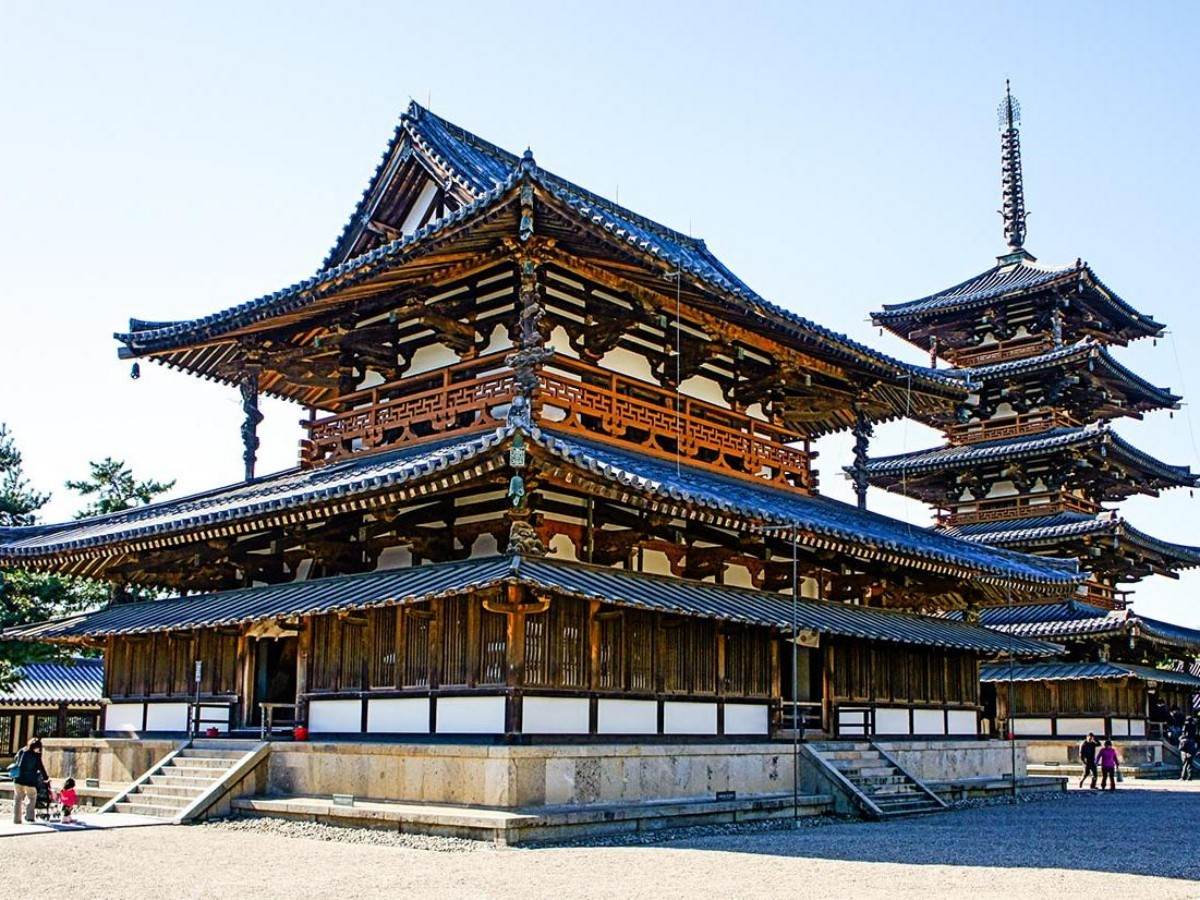
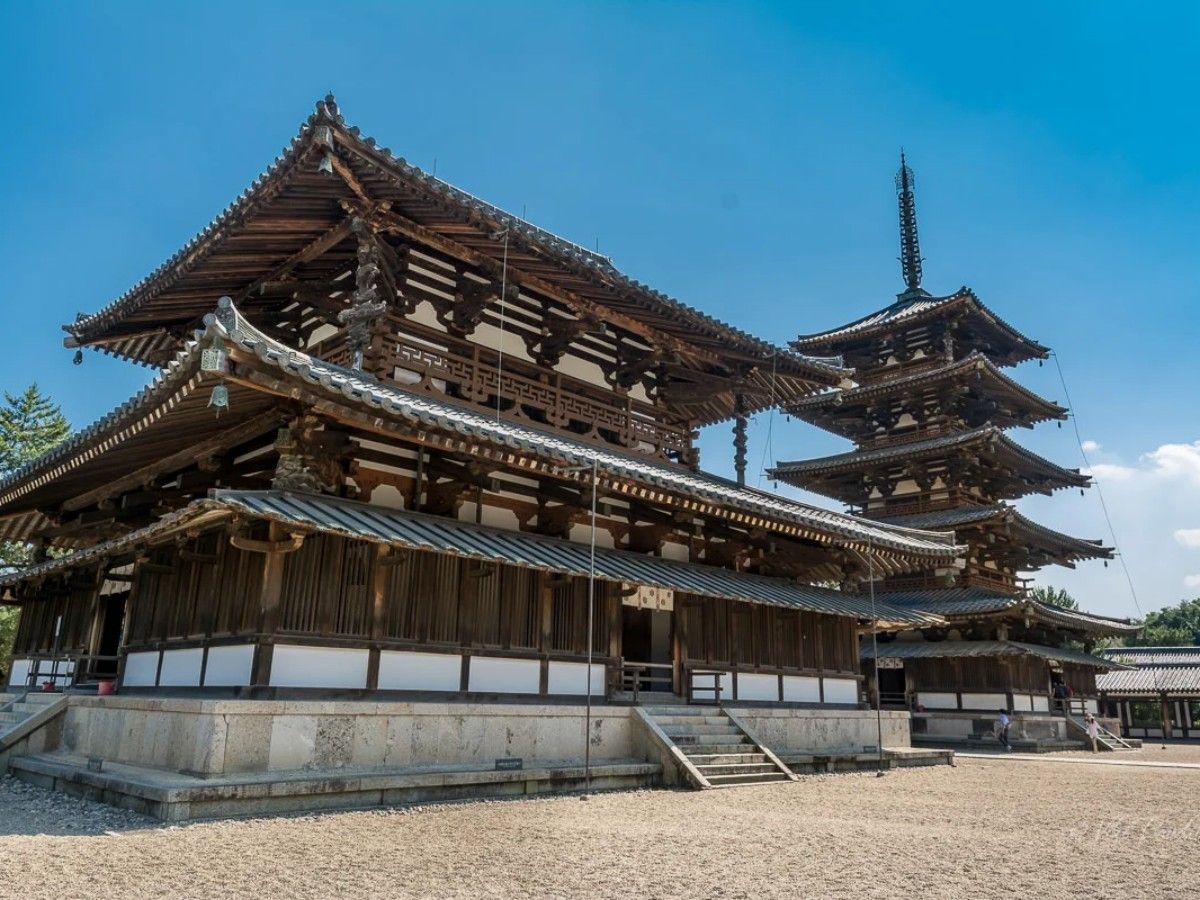
The last day, a "hidden copy" left for Naramachi. Get up early and go to the "Kofuku-ji National Treasure Museum" to take a look at the "Morning Light of the Five-Storied Pagoda" - this oldest wooden pagoda in Japan looks like a pavilion floating in the air in the morning mist. Then take a walk along "Suimon-dori", a path built along the canal, with gardens full of hydrangeas on both sides. After the summer rain, the water vapor and the fragrance of flowers are mixed, which can be called the "Nara version of Koishikawa Korakuen". In the afternoon, go to the "Nara-cho Art Museum". This art museum, which was transformed from an old bank, has a permanent theme exhibition of "Daily Life in Naramachi". Exhibits include wedding photos from the 1950s, account books of old merchants, and even a love letter written in 1943. Before saying goodbye, don't forget to go to the "Nara-cho Post Office" to send a postcard - the postmark here is a special "Nara-cho Landscape Seal". With it, this card becomes a token that travels through time and space.
Whether it is a 3-hour sightseeing tour or a 3-day in-depth residence, Naramachi teaches us a "no-panic" travel attitude. There are no must-check-in attractions here, no anxiety of "missing this village, there will be no such store", only moss coming out of the cracks in the walls of old houses, the aroma of hand-brewed coffee wafting from the cafe, and the tenderness hidden in the words "Iracha Imaise" (Welcome) when strangers meet. Next time you pass by Nara, you might as well spend some time in Naramachi - after all, some beautiful things can only be seen by slowing down.