
Advertisement
In the heart of Nara, Japan, there is a magical place called Nara Deer Park. It is a kingdom of deer, a fantastic place where nature and history are intertwined. Entering the Nara Deer Park is like stepping into a fairy tale world where animals live in harmony, and every step is full of surprises and touches.
Advertisement
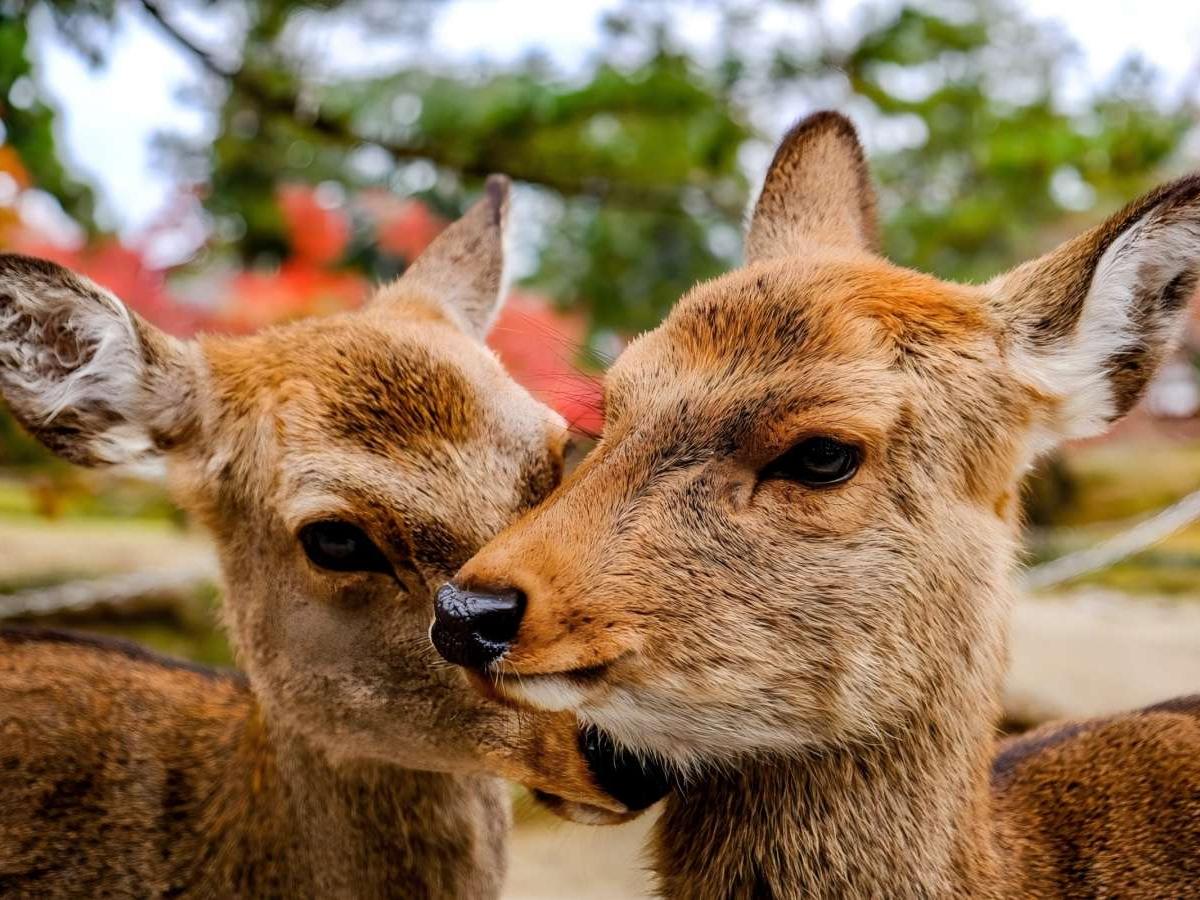
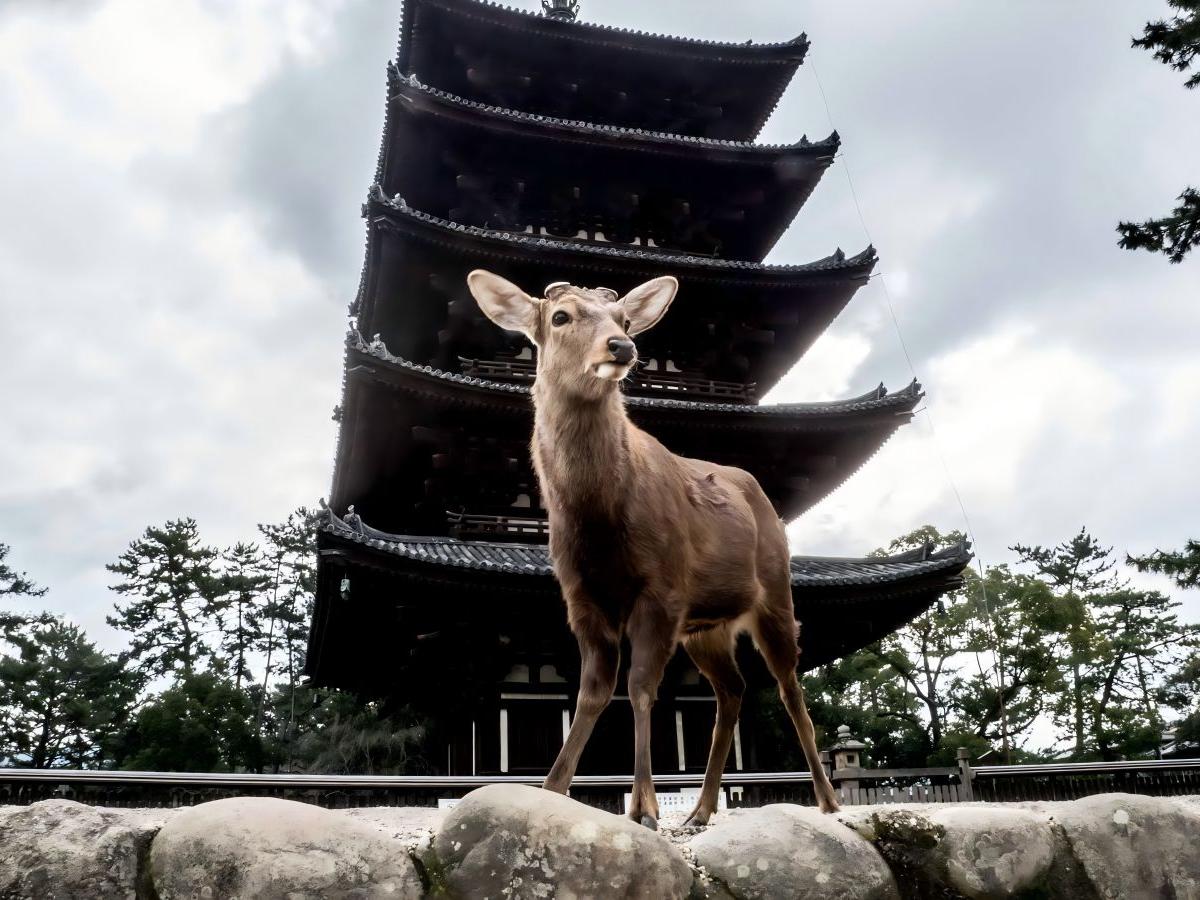
Nara Park, one of the largest parks in Japan, covers an area of approximately 502 hectares and is not only the heart of Nara, but also a model of the fusion of nature and culture. Here, free roaming deer and World Heritage Sites such as Todaiji Temple and Kofuku-ji Temple coexist in harmony, highlighting Nara's unique charm. The deer in the park have a deep connection with Kasuga Taisha Shrine. Considered to be messengers of the gods, the deer have been living freely in the park for about 1,400 years, preserving their unique genes as a national natural monument of Japan. These deer have witnessed the historical changes in Nara and have become an integral part of Nara culture.
Advertisement
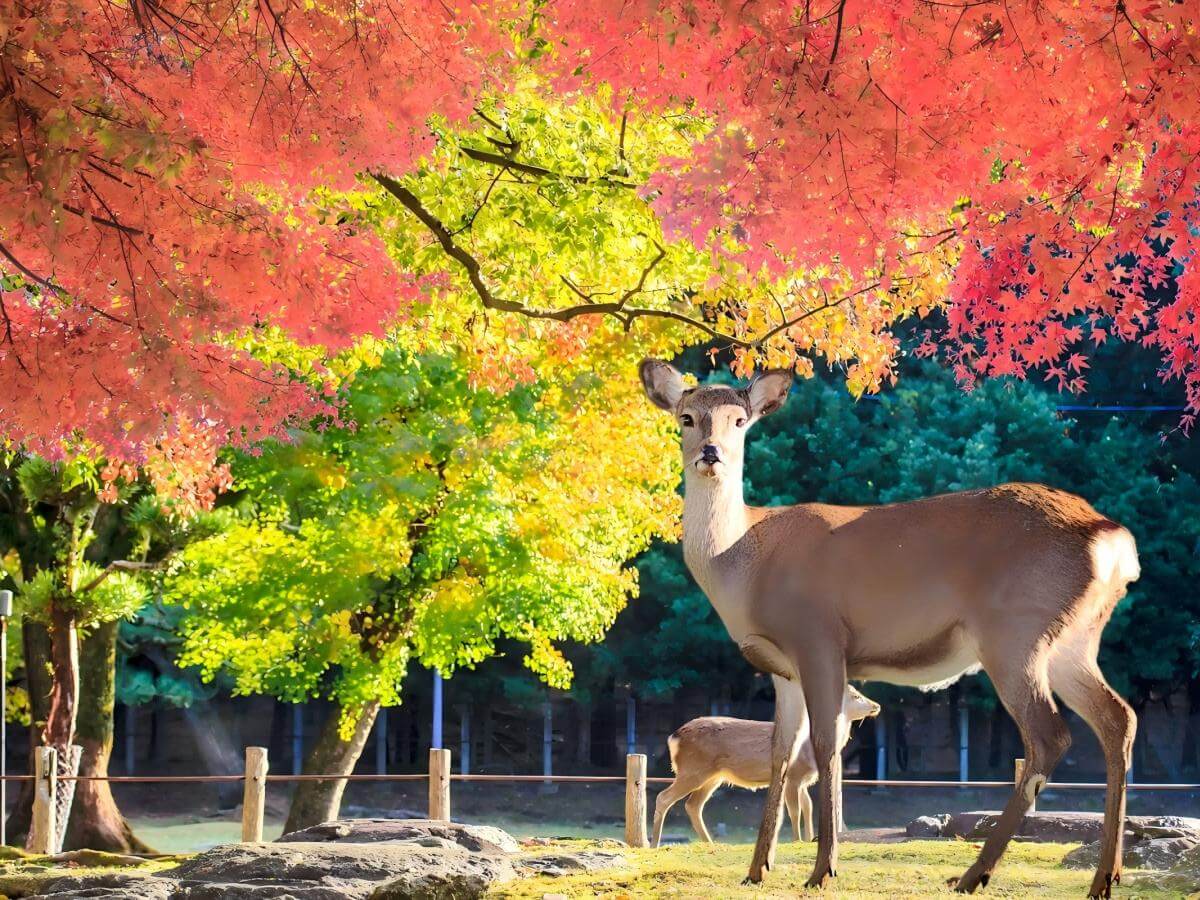
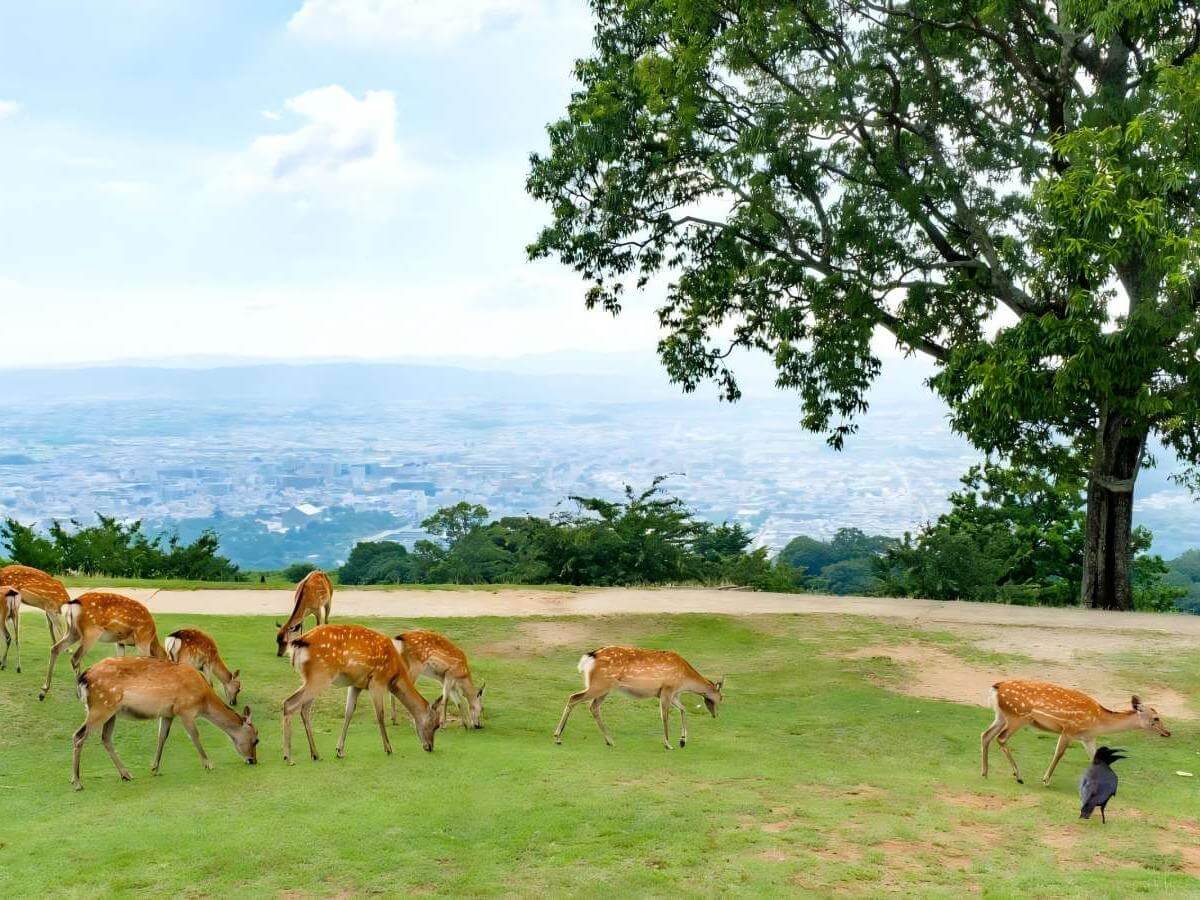
The most attractive feature of the Nara Deer Park is the approximately 1,200 adorable deer. Most of them are gentle and sweet, making them a favorite interactive companion for visitors. As soon as you enter the park, you can see them grazing leisurely, strolling freely, and occasionally coming up to visitors and looking around with big wet eyes. These deer seem to be used to being around humans and will actively ask for food, which is so adorable that you can't help but be amused.
Advertisement
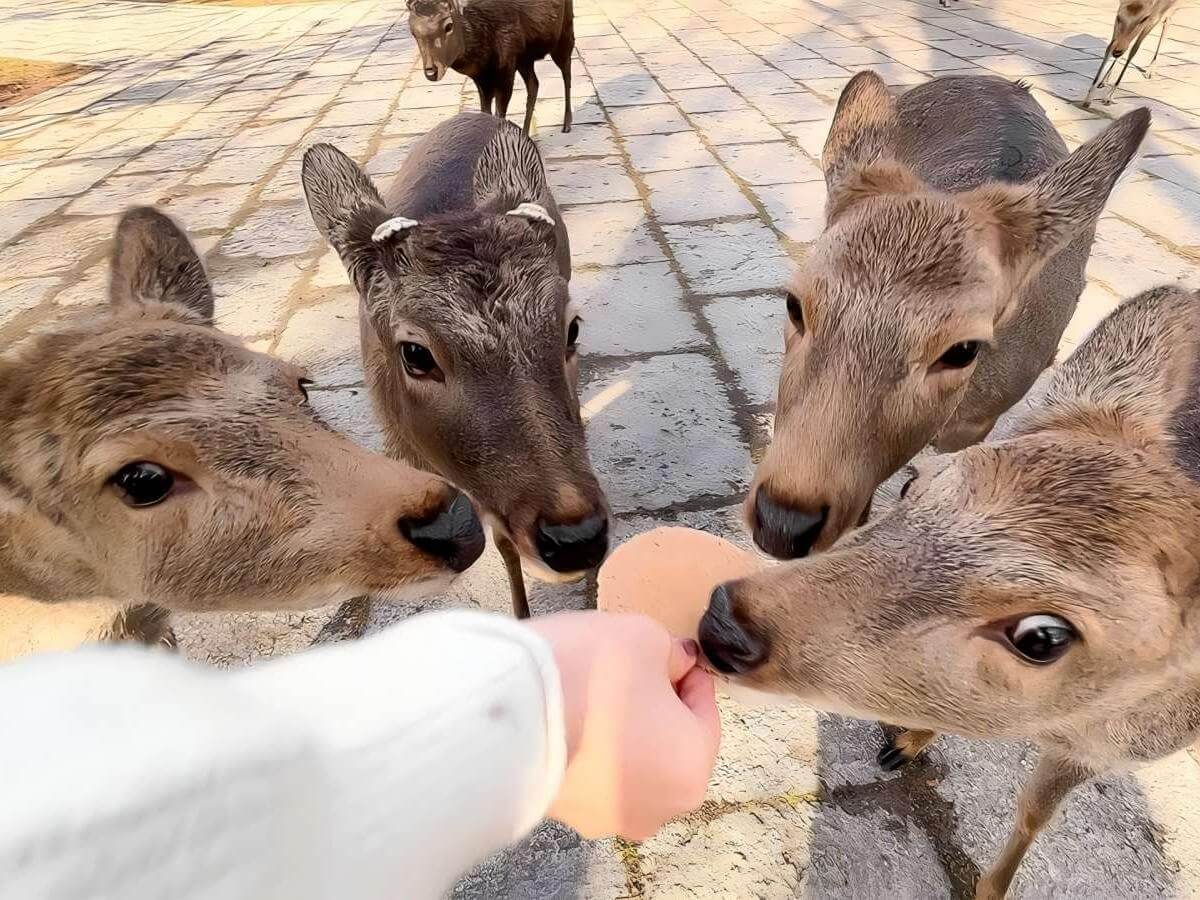
Purchase Deer Cakes: There are designated stalls in the park selling deer cakes for about 200 yen per pack, which is the best way to attract the deer.
Feeding tips: When you get a deer cake, stay calm and avoid making quick movements to scare the deer. When a deer nods at you, it's a friendly request for food, so you can feed it in small pieces.
Avoid mobbing: Show only one piece of deer cake at a time and hide the rest after feeding to prevent too many deer from gathering.
Respect deer behavior: Deer may nip or rub up against you out of eagerness, which is their way of expressing closeness, but if you encounter an aggressive deer, back away slowly and don't look directly at it to avoid stimulating its chasing instincts. If you encounter an aggressive deer, be sure to remain calm and ask for help if necessary. Also, be sure to protect the health of the deer by never feeding them human food other than deer biscuits.
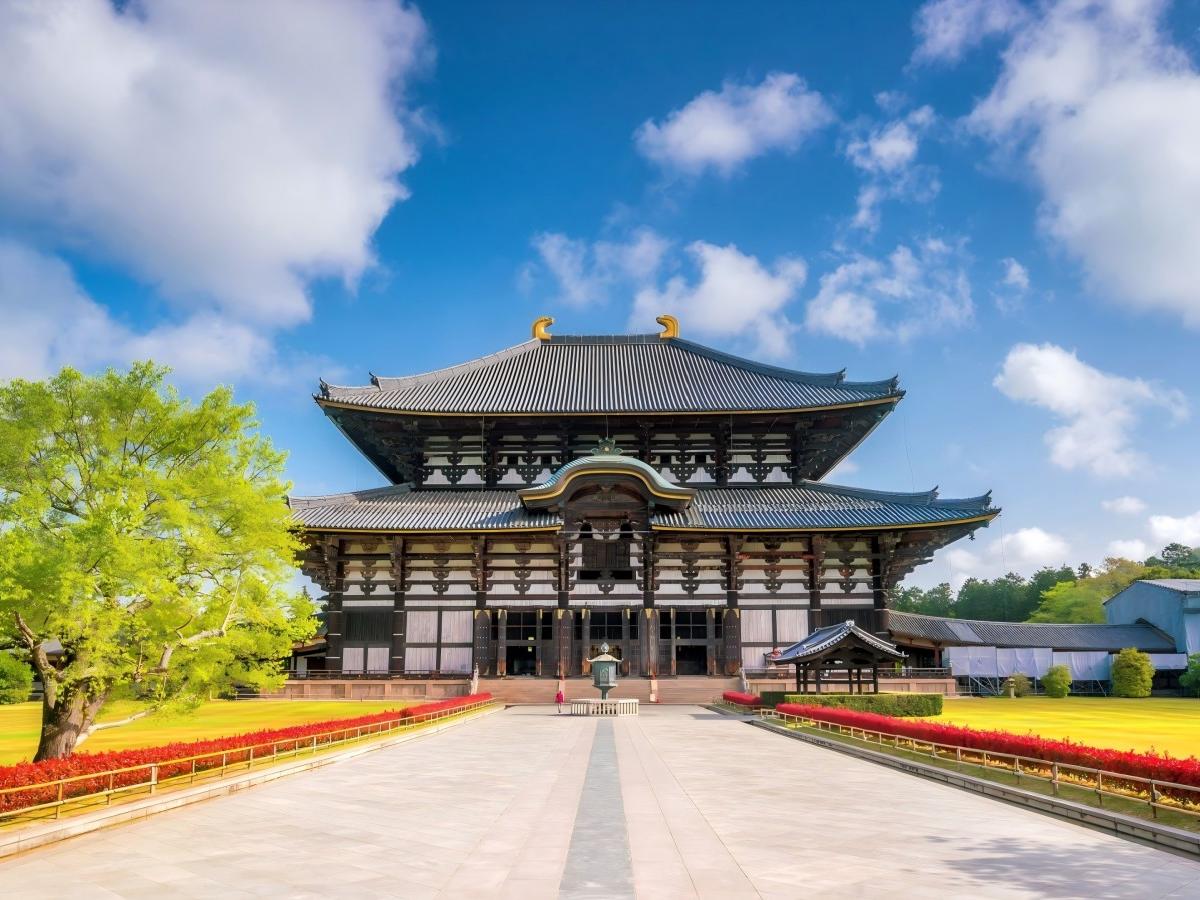
Todaiji Temple: Founded in 728 by Emperor Shomu, a Buddhist monk, this Buddhist temple is the head temple of 68 Kokubunji temples throughout the country. With a frontage of 57 meters wide and 50 meters deep, Todaiji's Great Buddha Hall is the largest wooden structure in the world. Inside the hall is Rushena Buddha, a large statue over 15 meters high. In addition, there are Namdaemun, February Hall, March Hall, and Shosoin on the grounds of Todaiji Temple. The south gate has the famous statue of Vajrapani, and the Nigatsukudo Hall overlooks the Great Buddha Hall and downtown Nara. In the fall of 1997, Buddhist representatives from China, Korea, and Japan held a prayer for world peace here.
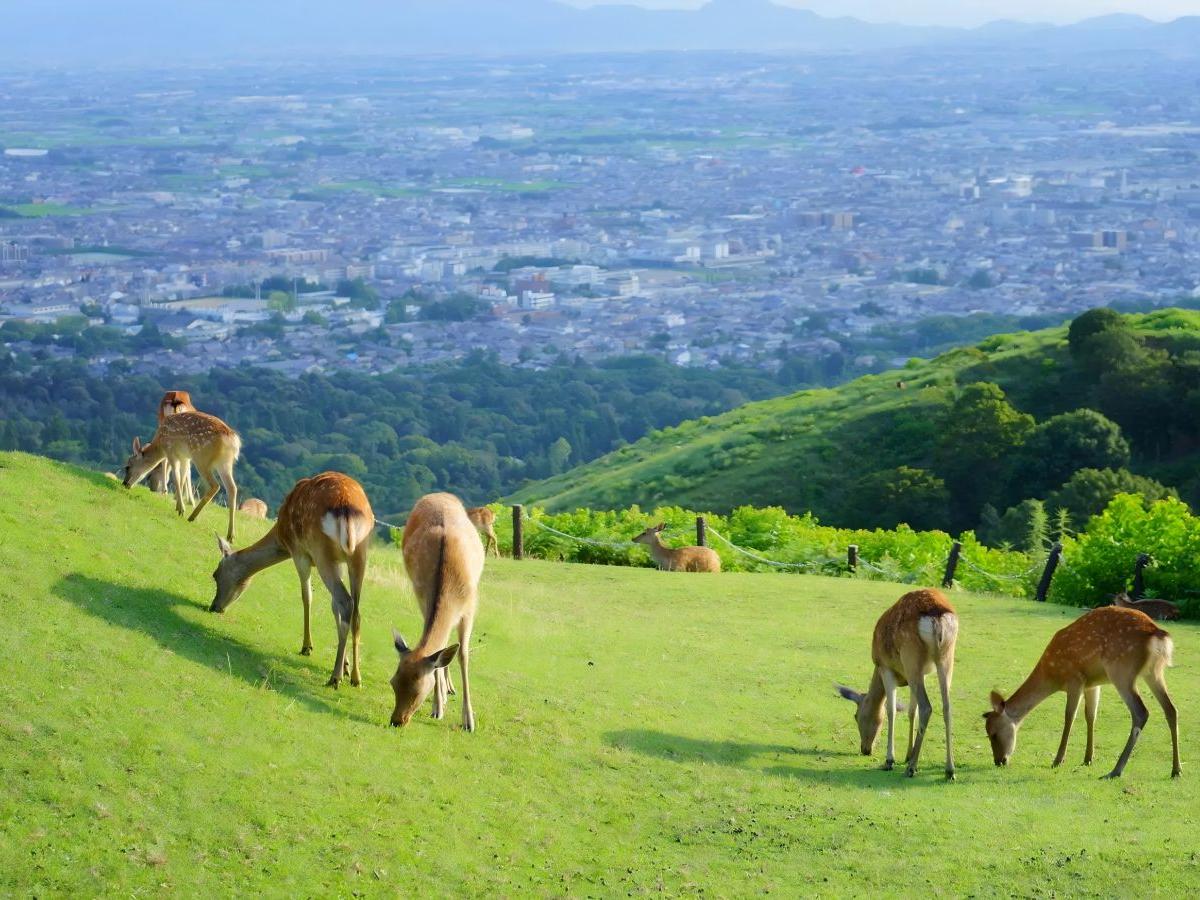
Wakakusa Mountain: With an elevation of 342 meters and an area of 330,000 square meters, Wakakusa Mountain looks like a lawn mountain with three mountains stacked on top of each other. From the top of the mountain, you can see the entire Nara Basin. You can visit the mountain from March 21 to June 15 or from September 10 to November 25 every year.
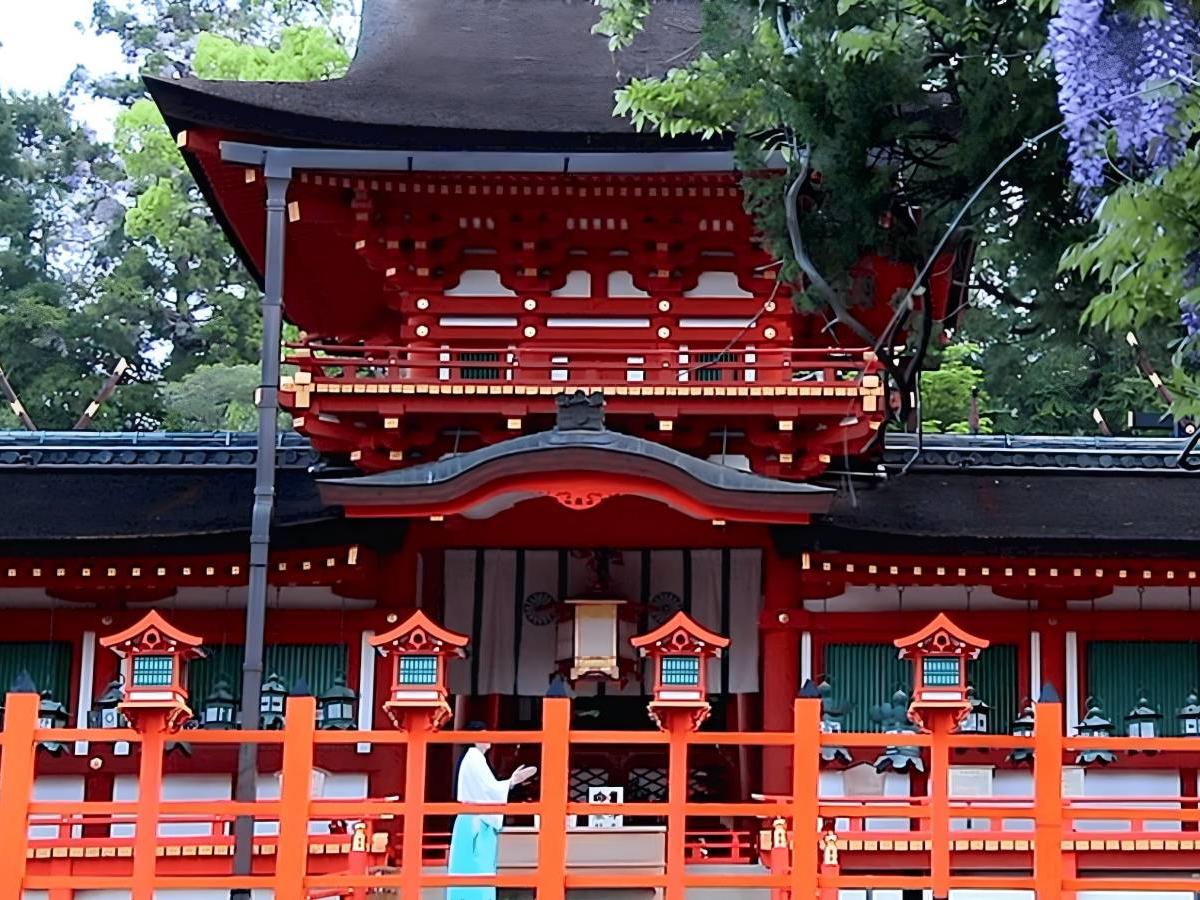
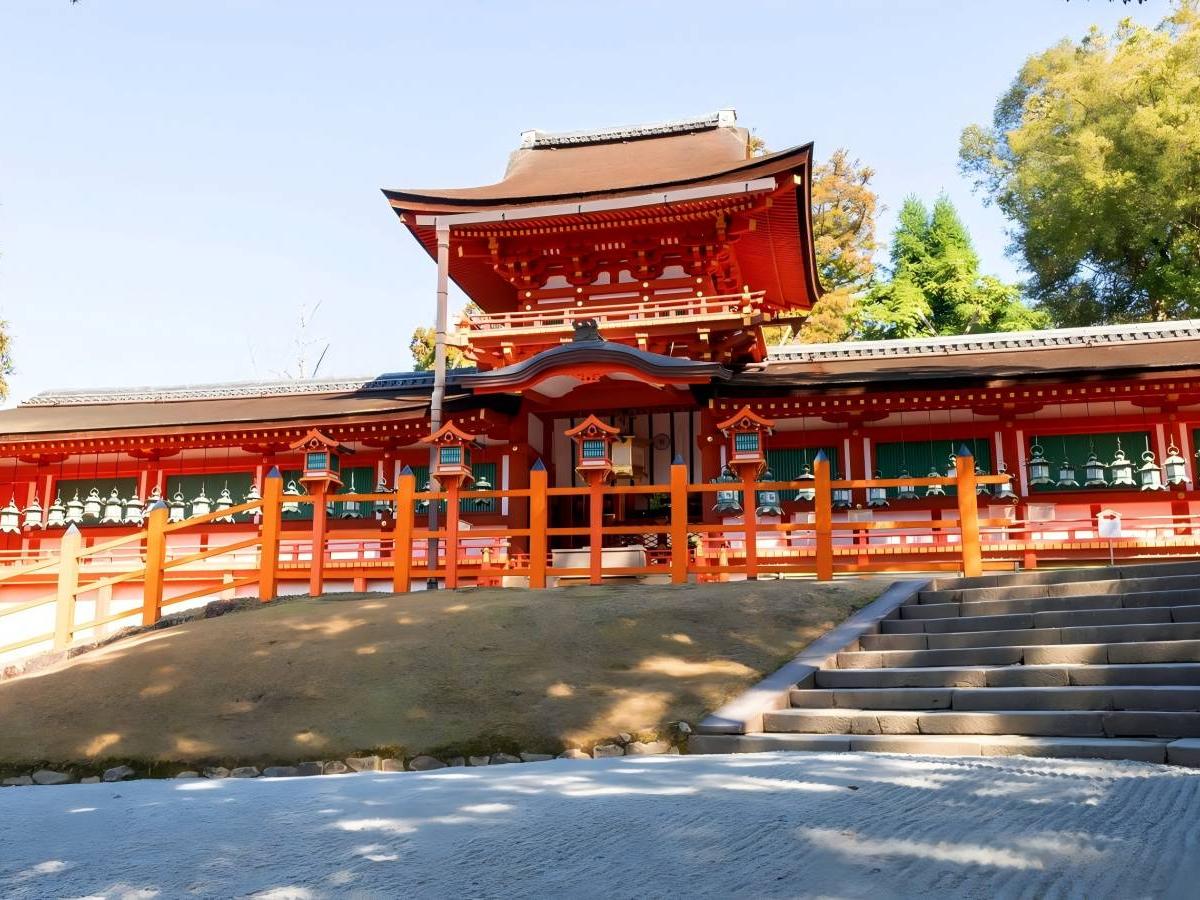
Kasuga Taisha Shrine: Built in 768 to protect Heijo-kyo and pray for the prosperity of the country, this shrine is a deity of the Fujiwara clan. The deer is considered a messenger of the god because of the legend that the hammer of Takeo was ordered to come on a deer. Kasuga Taisha Shrine is the headquarter of Kasuga Taisha shrines throughout Japan and is one of the three major shrines in Japan along with Ise Jingu Shrine and Ishimizu Hachimangu Shrine. As a sacred mountain, Kasuga is prohibited from being cut down for thousands of years, and is covered with virgin evergreen broad-leaved forests of mainly mistletoe and miscanthus, etc., and together with Kasuga Taisha Shrine, it has been inscribed on UNESCO's World Heritage List. The architecture of the shrine is characterized by four shrines standing side by side to form the main shrine, and the vermillion color corridors reflecting the green jungle, with lanterns hanging from the eaves and the shrines forming an interesting scenery. The shrine is also famous for its 3,000 stone lanterns and hanging lanterns, and the “Kasuga Taisha Shrine” is home to about 300 varieties of plants, all of which are recorded in the ancient songbook, “Manyoshu” (The Collection of Ten Thousand Leaves). There are also 3,000 artifacts, including 520 national treasures, in the shrine.
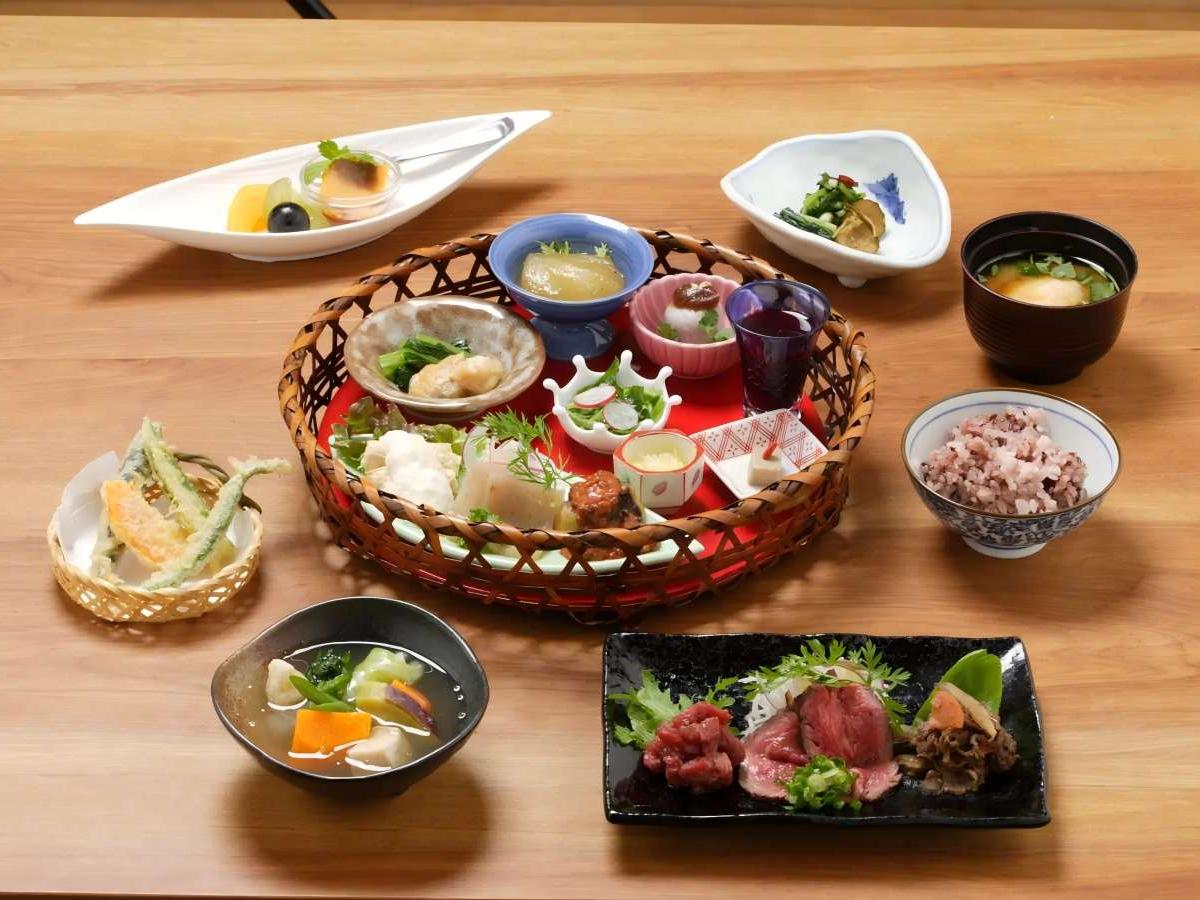
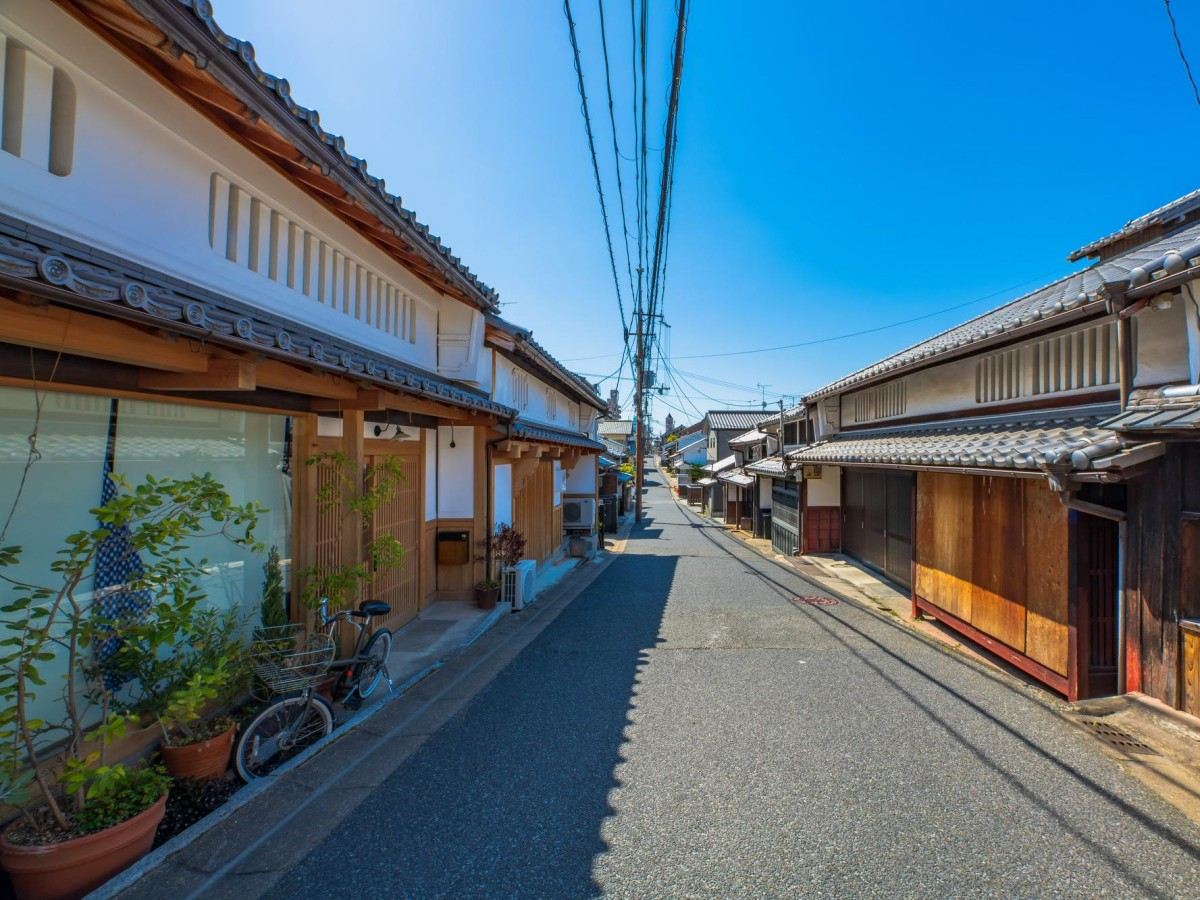
Awa naramachi store: This restaurant serves dishes made from traditional Nara vegetables in a 140-year-old mansion that is home to the Yamato Beef and Vegetable Wagyu restaurant. The must-order Yamato Beef and Wild Vegetable Set includes nine small dishes of Hanagura, a combination of cooked vegetables, Yamato Beef, cucumber in soy sauce and vinegar, purple rice, miso soup, dessert, and fruit, as well as an after-dinner drink (the contents of the meal change with the seasons). The main course, “Daiwagyu beef teriyaki steak,” is rich in flavor, with brightly colored meat and refreshing grease. The address is Katsunanin-cho, Nara City, Nara Prefecture.
POKUPOKU: A small restaurant known for its delicious tonkatsu (deep-fried pork cutlet) without sauce. Run by the owner's husband and wife, this restaurant has a capacity of only 12 people but is well booked. The tonkatsu set meal includes tonkatsu, seaweed tea, lettuce salad, side dishes, 18-grain rice, soup, and black oolong tea. The restaurant uses salt as a seasoning to emphasize the juicy and bouncy texture of the cutlet. The restaurant is located in Katsunanin-cho, Nara City, Nara Prefecture.
Le Case: Located in Nara Park, this restaurant was founded by an Italian chef. Almost all of its savory pies are made from fresh local vegetables. The lunchtime savory pie set (dine-in) includes soup, cat's ear pasta, seasonal vegetables, one type of savory pie, and a choice of coffee, black tea, or apple juice. We recommend trying the “Baked Savory Pie with Eggplant in Yamatomaru”. The address is 158 Hino-machi, Nara-shi, Nara-ken (inside Nara Park).
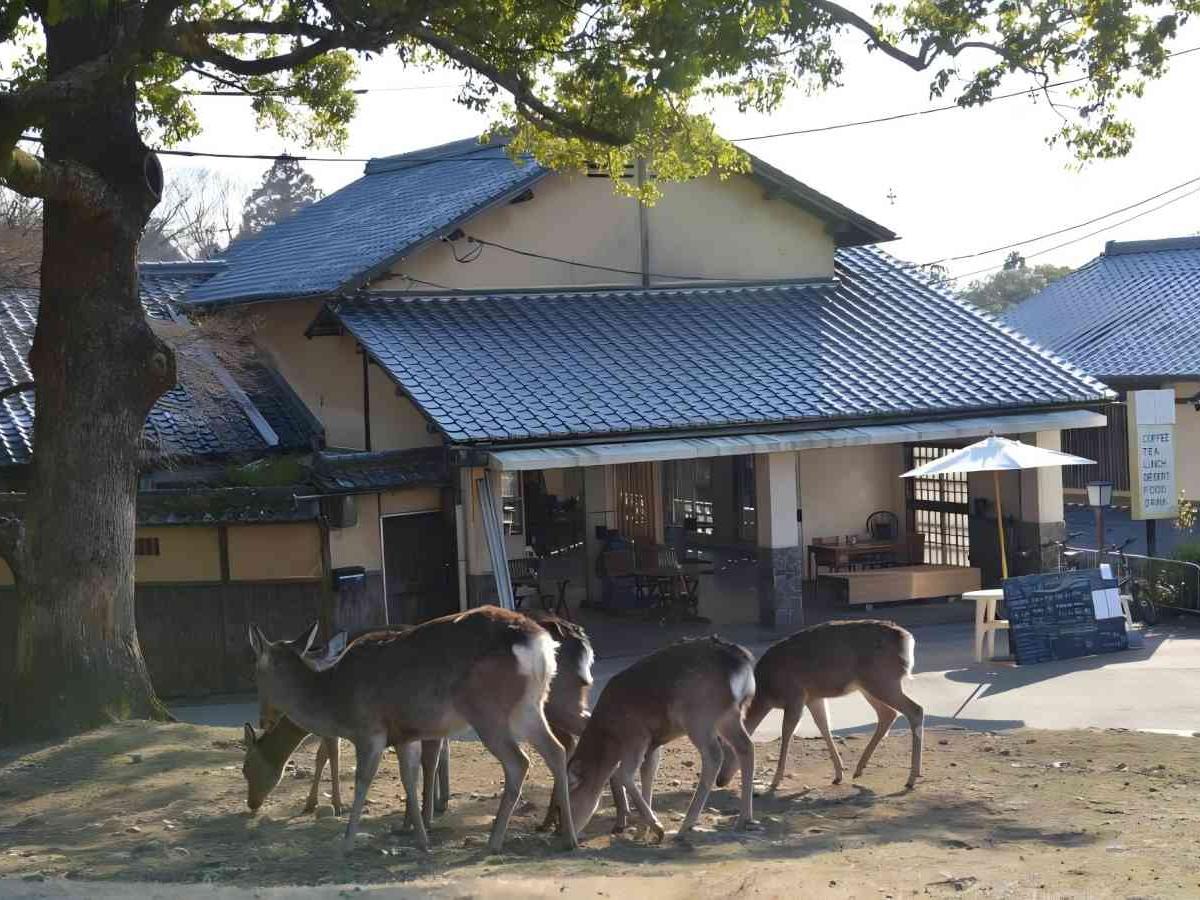
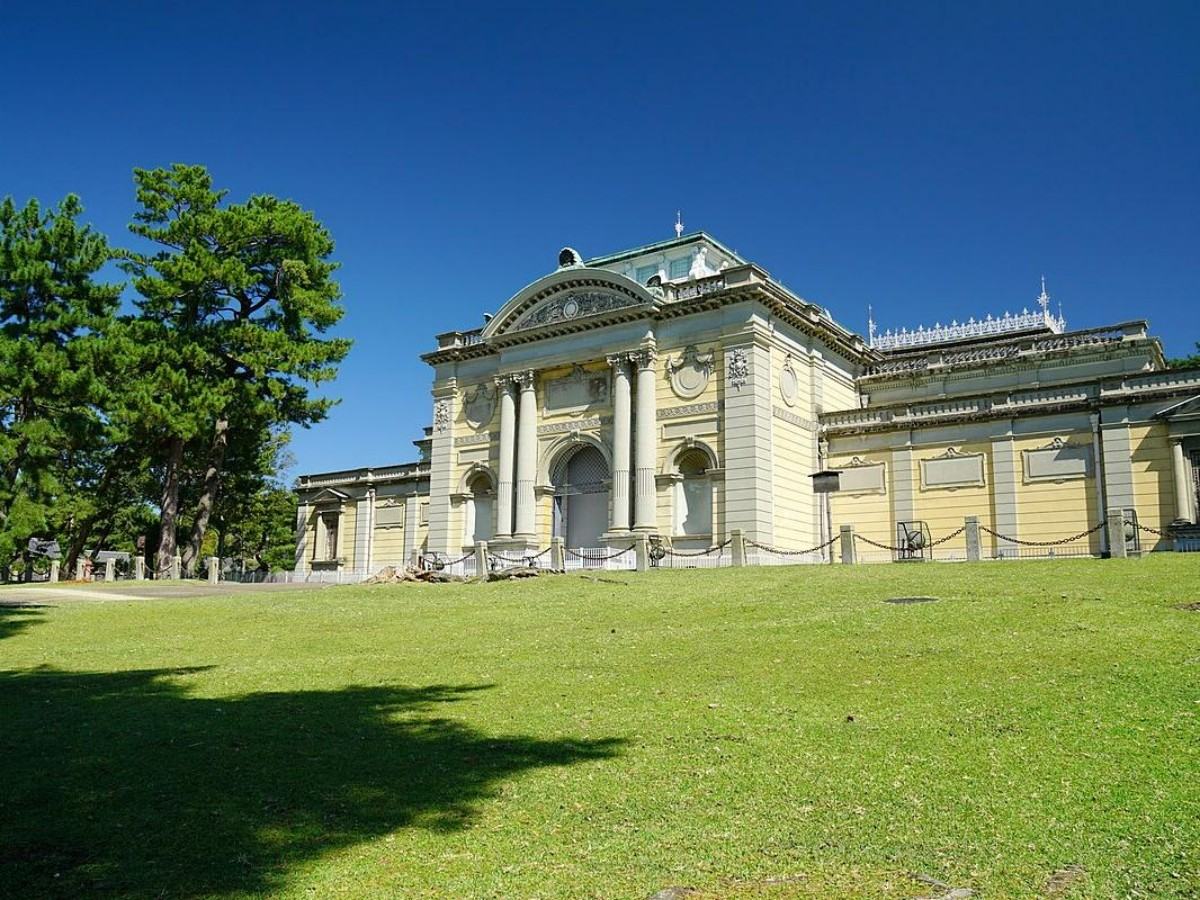
the deer park inn is a good choice. It is ideally located in Nara Park next to the Wakakusayama ticket office, a 7-minute walk from Kasuga Taisha, a 15-minute walk from Todaiji Temple, a 13-minute walk from the Nara National Museum, and a 17-minute walk from the isuiengarden garden. Prices range from $80 - $90 for a bed to $200 - $400 for a private room. Note, however, that there are no private bathrooms, the soundproofing isn't great, there are no convenience stores nearby, the bus only runs until 16:58, so you'll have to take a taxi or walk if you arrive late, and it's not recommended to bring large luggage.
Opening hours: All day.
Admission: Free.
Recommended Play Time: Schedule at least half a day to fully appreciate the beauty and tranquility of Nara Park.
Transportation Information: Nara Park is about a 10-15 minute walk from Kintetsu Nara Station or JR Nara Station. Kintetsu Nara Station and JR Nara Station also have a Nara Park Loop Bus that takes you to the Wakakusayama entrance for 100 yen one way and departs every 15 minutes (only on weekends and holidays).
Walking into the Nara Deer Park, feeling the intimacy of the deer, enjoying the flavor of the historical monuments, and tasting the local cuisine will leave you with unforgettable memories of your trip. The beautiful image of man and nature living in harmony here will be deeply imprinted in your heart.