
Advertisement
In Nara, Japan, there is a place like a paradise, Nara Park, which is not only a pioneer of modern parks in Japan, but also a giant museum of history and nature, where the deer and the solemn temples meet. Nara Park is not only a pioneer of modern parks in Japan, but also a giant museum of history and nature, which is a perfect blend of dynamic deer and solemn temples, attracting countless tourists every year to come and explore the mystery, and start a trip full of surprises and touches.
Advertisement
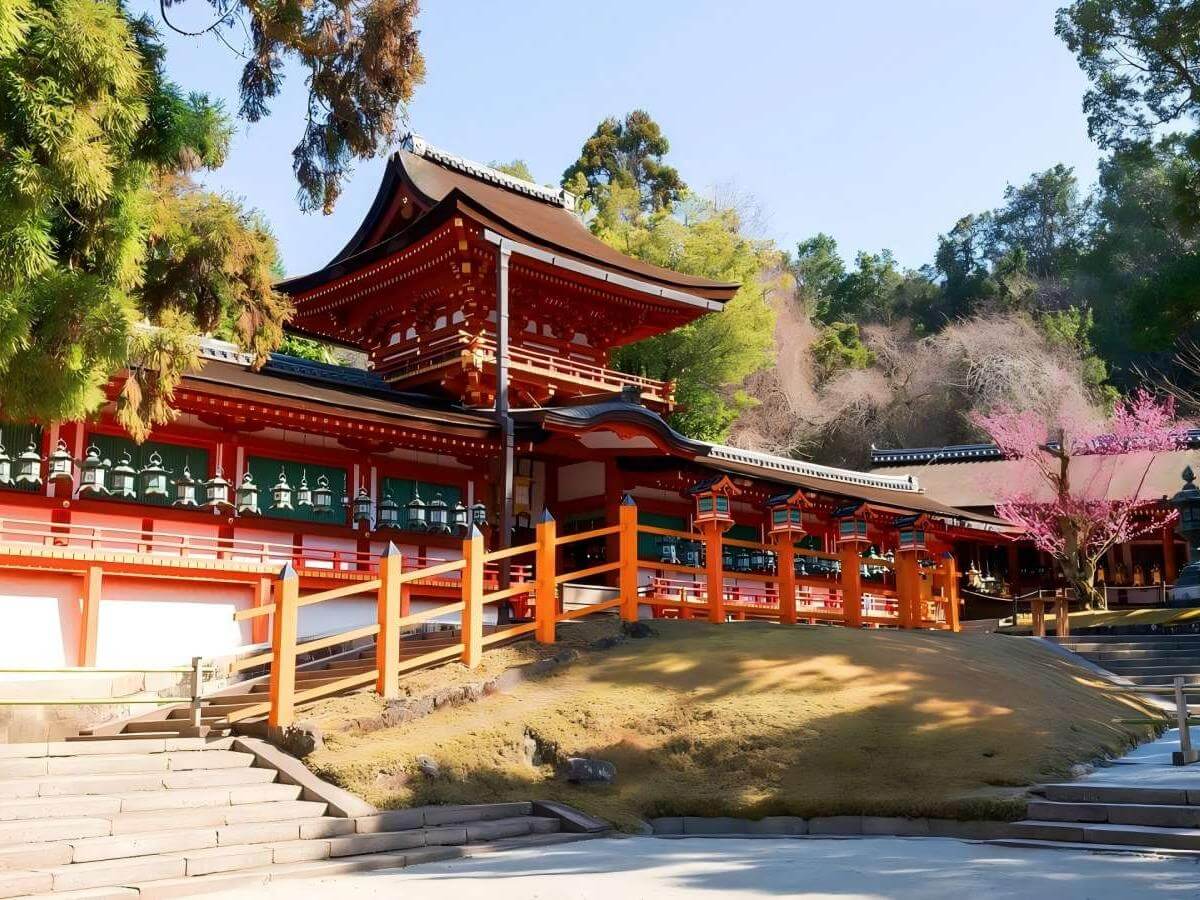
The history of Nara Park dates back to the Nara Period (710-784 A.D.), when the area was considered sacred and many temples and shrines were built in the area, and in 1888, Nara Park became a prefectural park, beginning a chapter of modernization that led to its designation as a National Scenic Spot in 1922. Throughout the years, the park has not only preserved its natural ecology, but also accumulated a deep historical and cultural heritage, witnessing the changes and development of Japan's history.
Advertisement
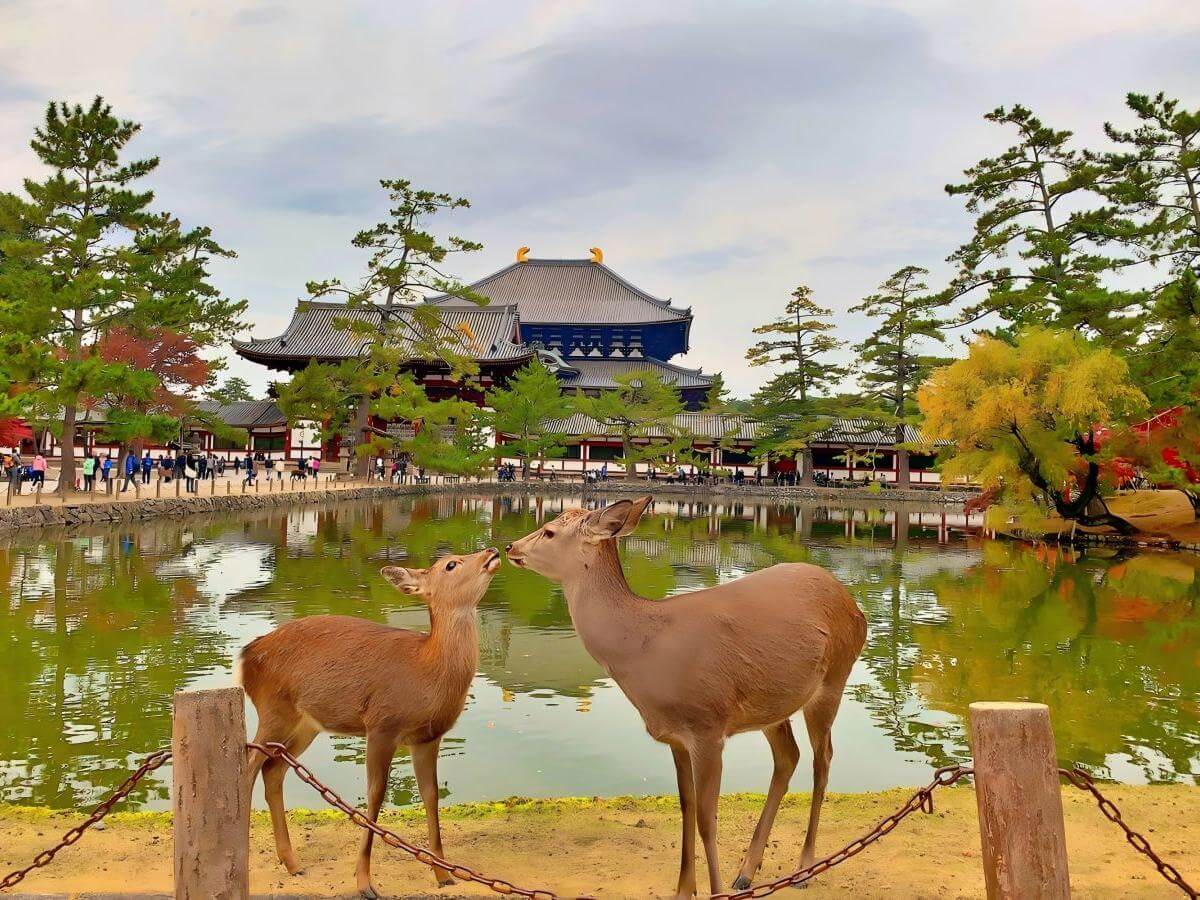
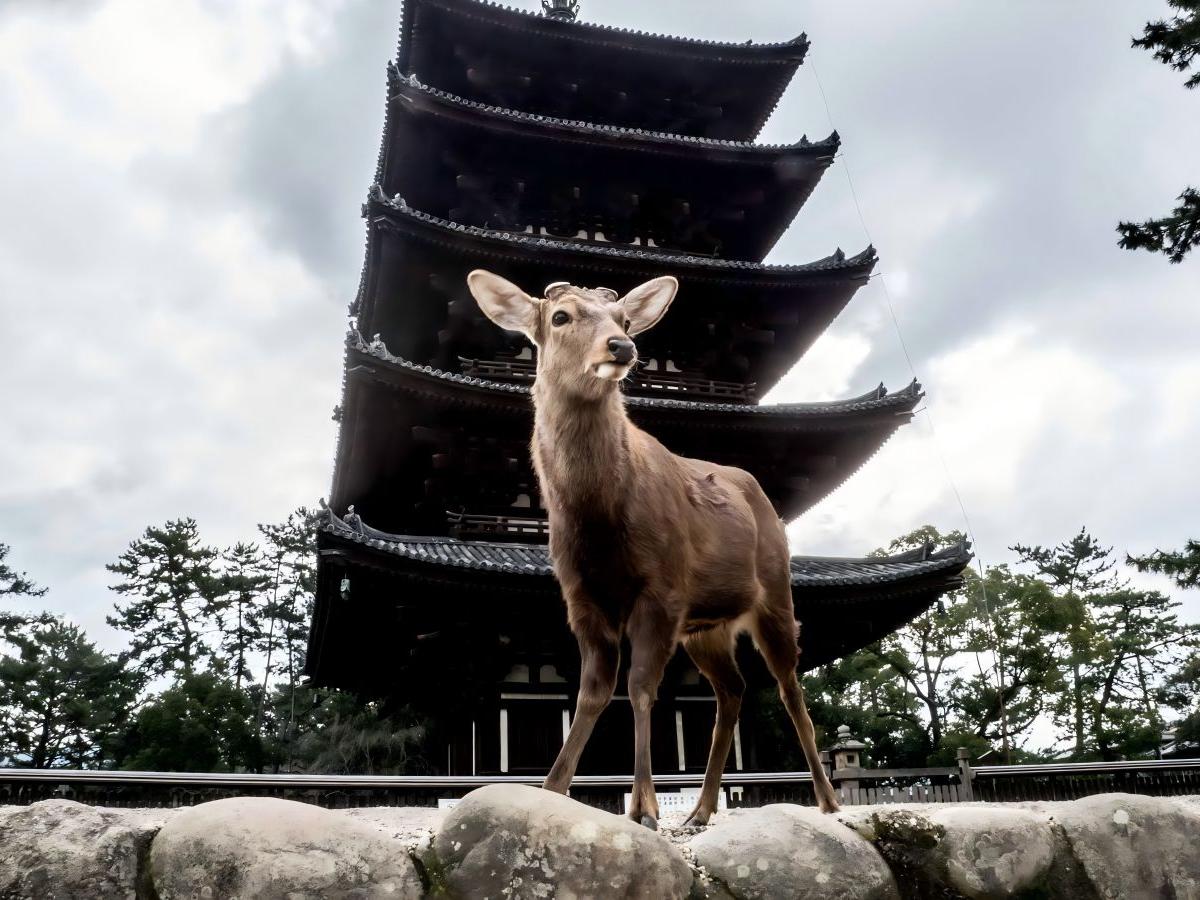
There are about 1,200 wild Nara deer living in Nara Park, which are regarded as the divine messengers of Kasuga Taisha and have flourished on this land for thousands of years, and have long become the most iconic “residents” of Nara Park. These deer are gentle and get along well with humans, creating a unique landscape of human-deer symbiosis.
Advertisement
As soon as you step into the park, you can see the deer strolling and resting leisurely. Visitors can purchase special deer cents shells in designated areas and interact closely with the deer. It is worth noting that deer will bow and gesture when begging for food, and visitors should respect their habits when feeding them. To avoid overfeeding, the park management has strict regulations on the sale and feeding of deer cents shells . In addition, during the “Yoyo Matsuri” festival in October every year, you can see deer dressed up in cute costumes and participate in the traditional celebration, which is a fun spectacle.
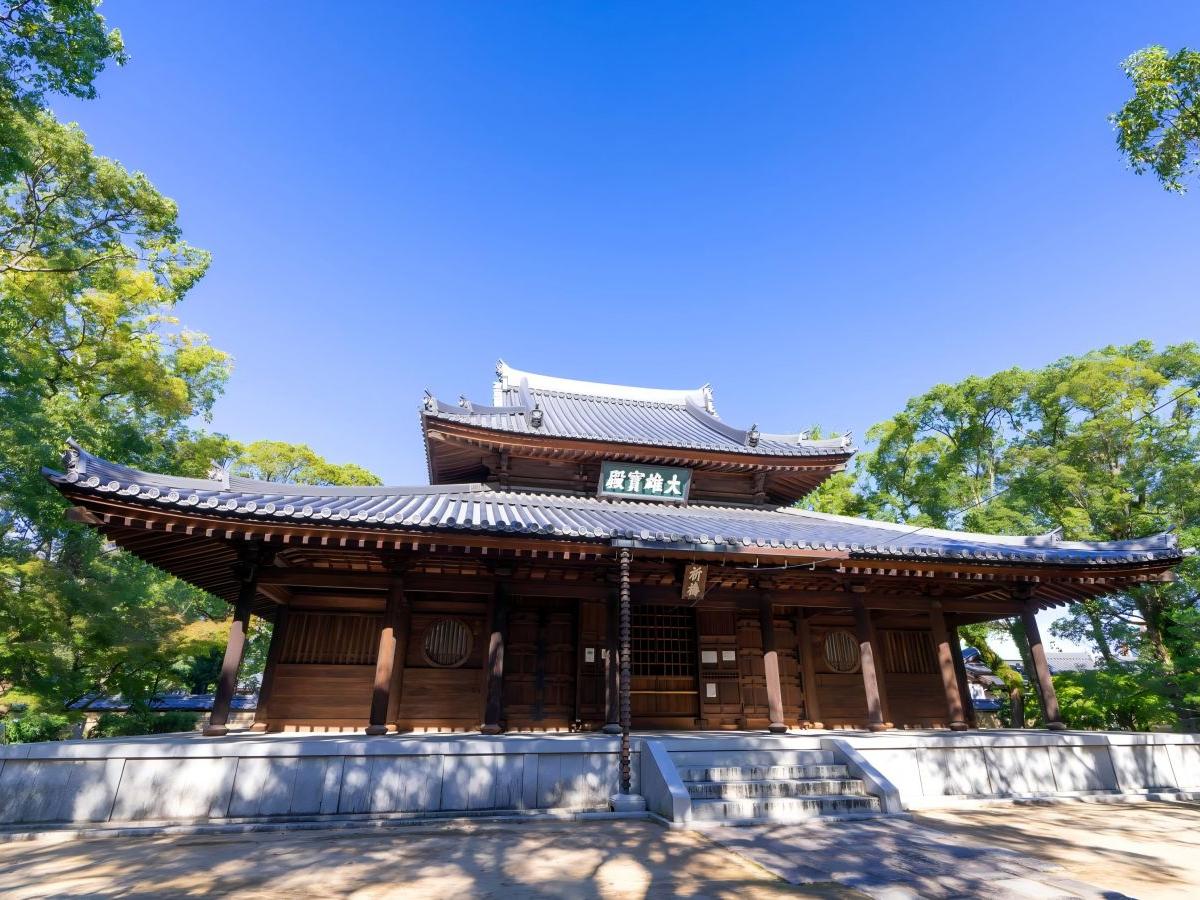
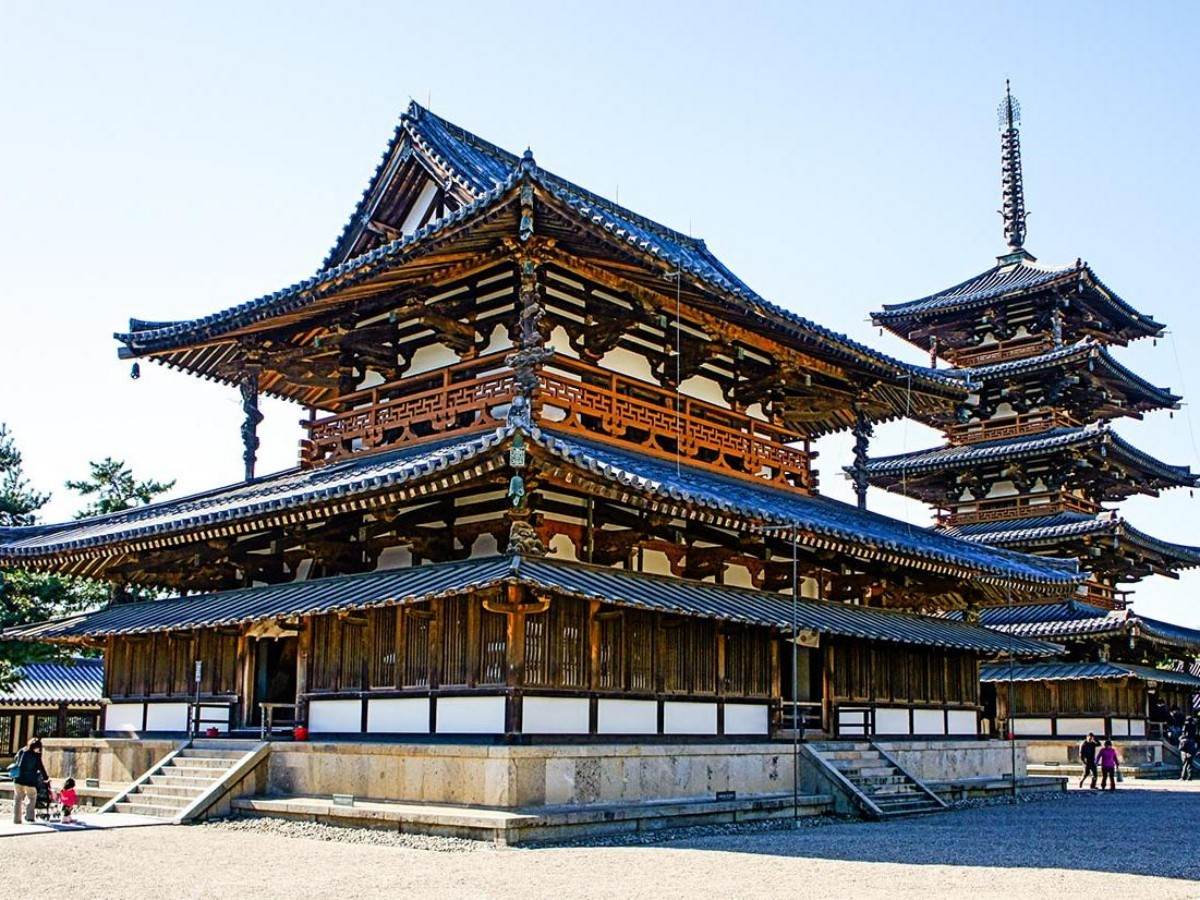
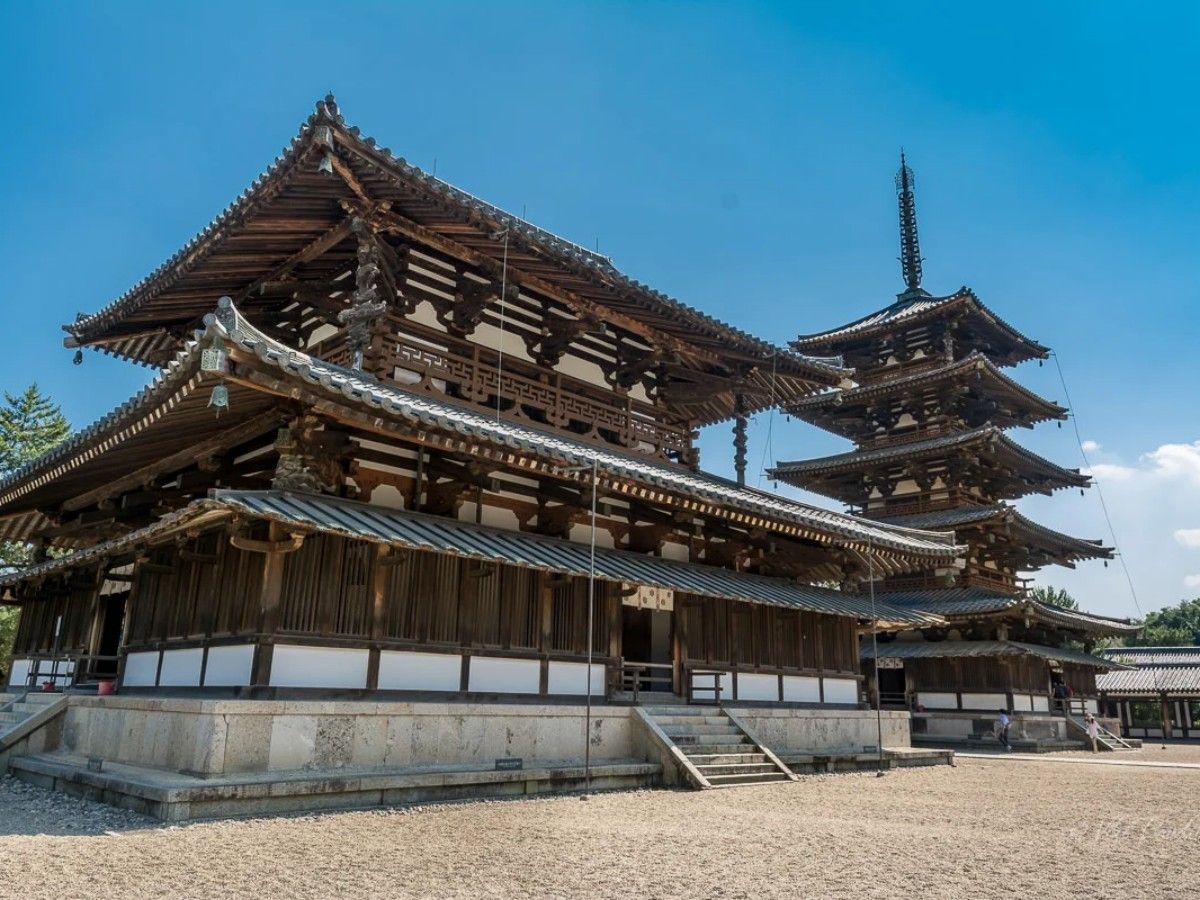
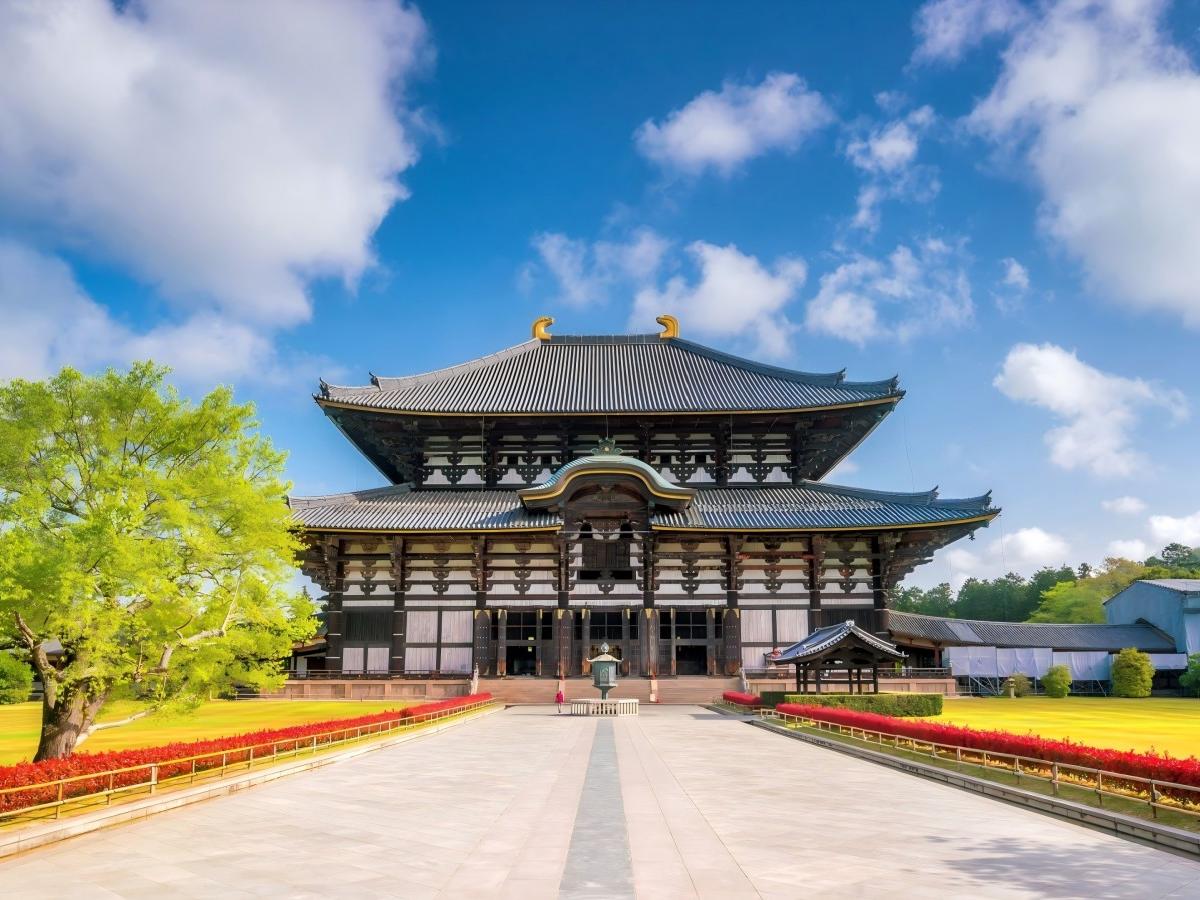
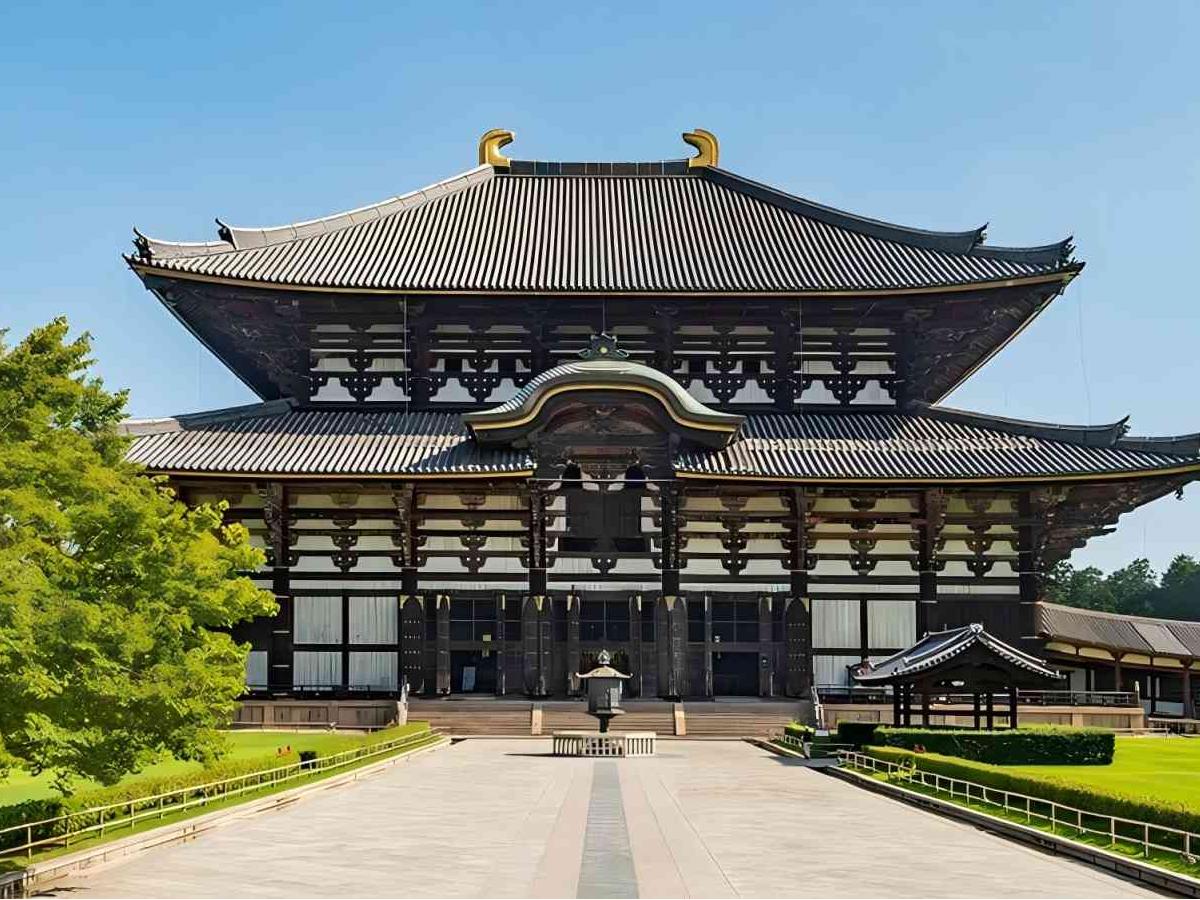
Todaiji Temple: The centerpiece of Nara Park, Todaiji Temple is not only the main temple of the Huayan Sect of Japan, it is also one of the largest surviving wooden buildings in the world. Built in 728 AD, the temple is steeped in Japanese Buddhist culture. Todaiji's magnificent Great Buddha Hall, which houses a 15-meter-high bronze statue of Vairocana Buddha made of 437 tons of bronze and 250 kilograms of gold, was designated by UNESCO as a monument to the history of Ancient Nara in 1998, making it an important part of the world's cultural heritage. In Todaiji Temple, a grand Shuji Festival is held every year, where many believers and tourists gather to experience the solemnity and sanctity of the religious rituals.
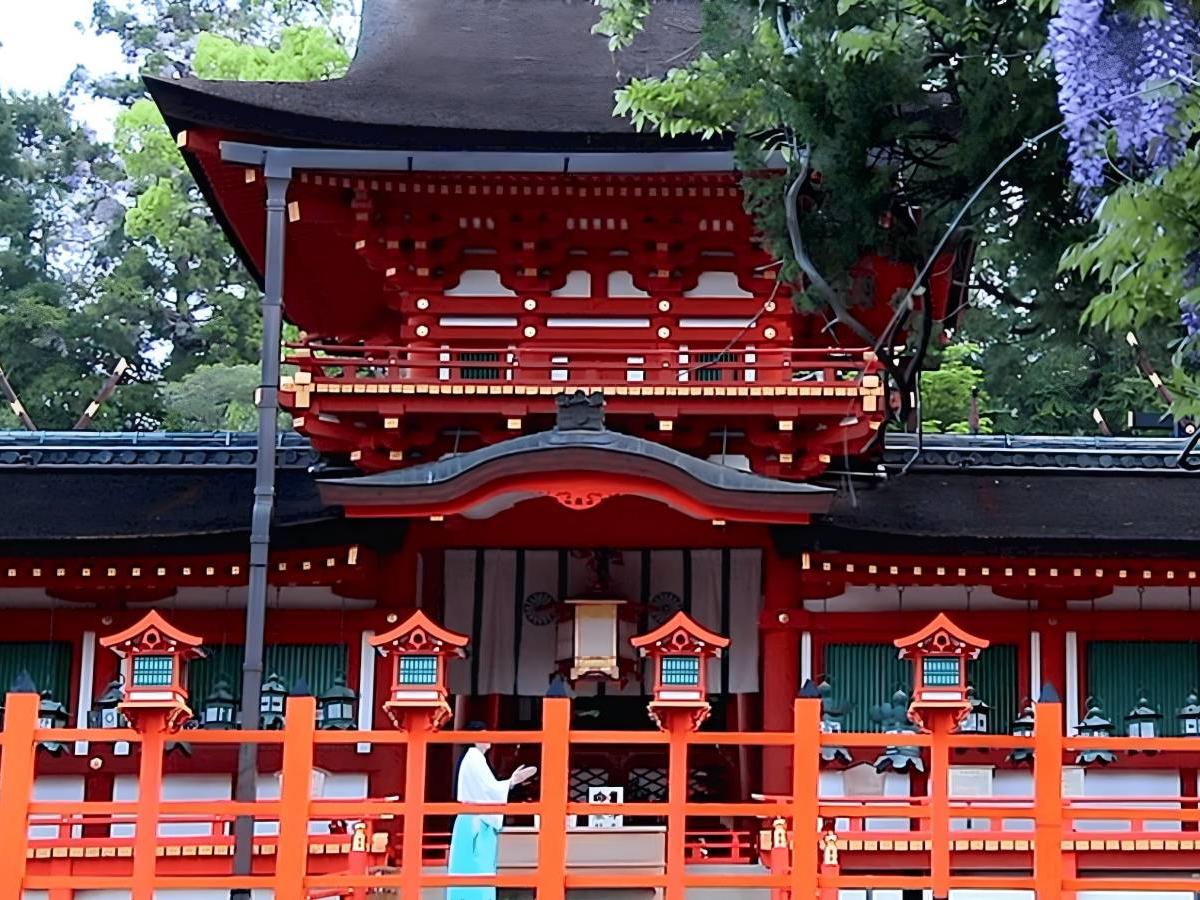
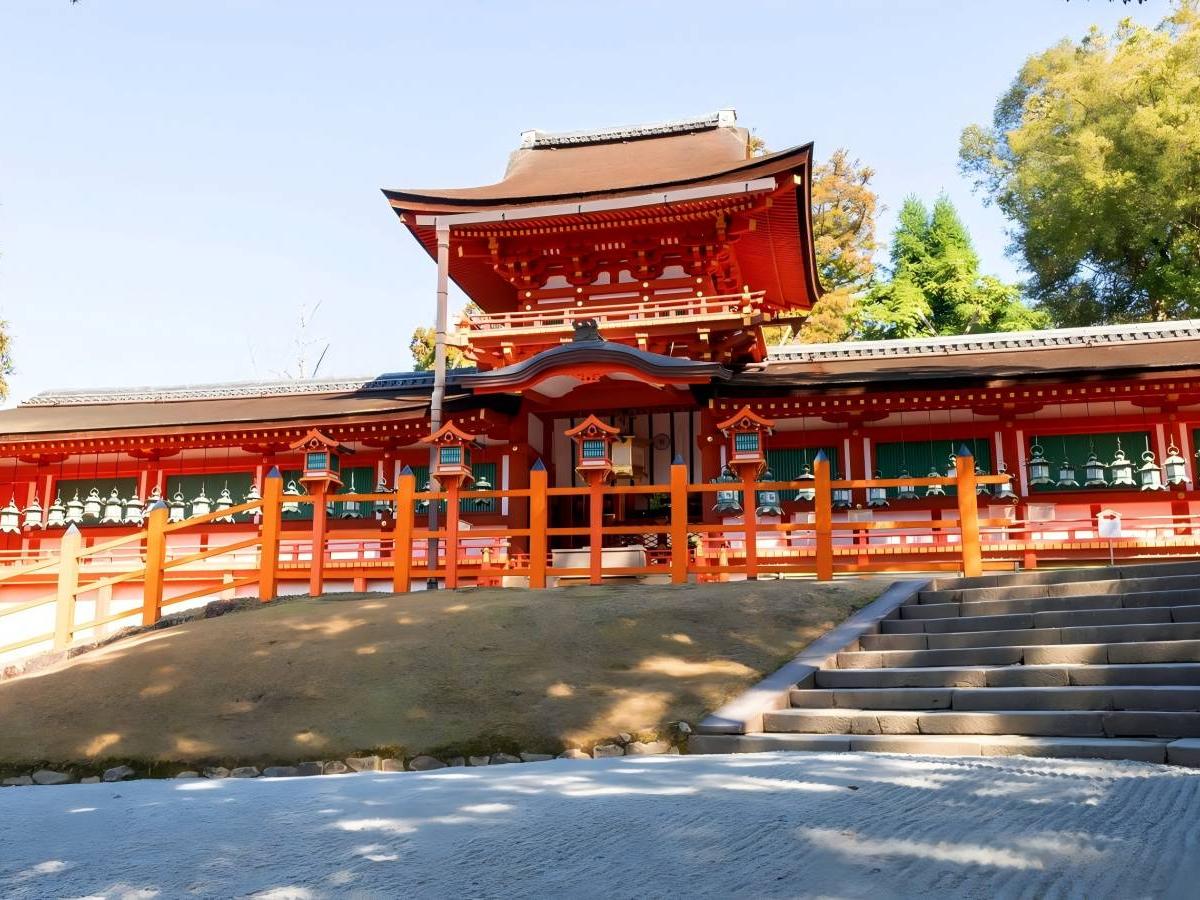
Kasuga Taisha Shrine: Kasuga Taisha Shrine is the head shrine of about 3,000 Kasuga Shrines throughout Japan and another highlight of Nara Park. There are over 10,000 stone and copper lanterns in the shrine, which are lit at the same time during the Lantern Festival in February and August each year, creating a mysterious and romantic atmosphere as the candles flicker like stars falling to earth. The architecture of Kasuga Taisha Shrine is unique, preserving the simplicity and elegance of traditional Japanese shrines and reflecting the superior architectural skills of ancient Japan.
Kofuku-ji Temple: Kofuku-ji Temple, a representative temple of the heyday of Buddhism in the Nara period, has many national treasures of Buddha statues and buildings. The temple's five-storied pagoda, at about 31 meters high, is the second tallest in Japan and one of Nara's landmarks. Kofuku-ji Temple also has a large collection of Buddhist artifacts, such as statues from the Kamakura period and sutra scrolls from the Edo period, which provide valuable materials for the study of Japanese Buddhist art. In November every year, the chrysanthemum festival held in Kofuku-ji Temple is unique, with various kinds of beautifully shaped chrysanthemums and the old buildings contrasting with each other, adding a splash of bright colors to the Nara Park in autumn.
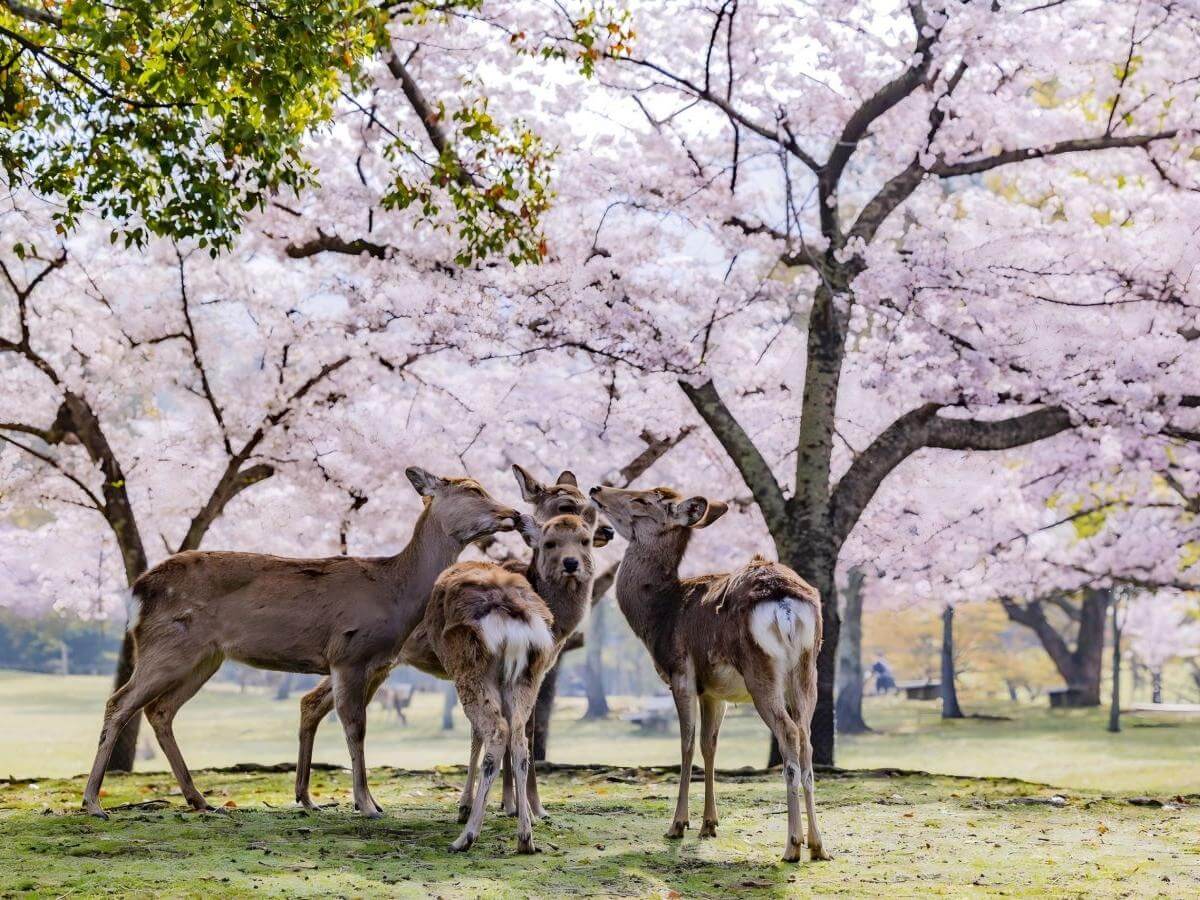
Spring: In March and April every year, the cherry blossoms in Nara Park are in full bloom, with pink petals falling like snowflakes, turning the park into a dreamy pink world. Around the ancient temples such as Todaiji Temple and Kasuga Taisha Shrine, the cherry blossoms and the old buildings reflect each other, forming a beautiful picture of spring. At this time, various cherry blossom viewing events are held in the park, attracting many visitors to enjoy the blossoms and take photos.
Summer: In the summer, Nara Park is covered in lush foliage, providing visitors with a natural shade from the sun. Stroll along the paths of the park, breathe in the fresh air, listen to the chirping of birds and cicadas, and feel the vitality and vigor of nature. At the ponds in Nara Park, you can also enjoy the lotus in full bloom, with the pink flowers looking especially delicate against the turquoise leaves.
Autumn: From September to November, the maple leaves in Nara Park gradually turn red, as if nature has overturned the paint tray, coloring the entire park a fiery red. At Todaiji Temple and Kofuku-ji Temple, the maple leaves intertwine with the old buildings, creating a unique autumn landscape. Visitors can stroll along the paths of the park, enjoying the red leaves on the hills and feeling the romance and poetry of autumn .
Winter: In winter, Nara Park is occasionally covered with snow, and the old temples and shrines look even more solemn against the snow . In the early morning after the snow, strolling in the park, looking at the snow-covered deer and buildings, as if in a fairy tale world.
By airplane: Arrive at Osaka's Kansai International Airport or Itami Airport. From Kansai International Airport, you can take the JR line, Kintetsu line or airport bus to Nara. Once in Nara, take a bus or taxi to Nara Park. From Itami Airport, you can also take the airport bus or the JR line to Nara, and then transfer to another means of transportation to Nara Park.
Train: Nara Station is accessible by JR or Kintetsu lines from all over Japan. To get to Nara Park from Nara Station, take the Nara Kotsu Bus and get off at Nara Park Station, which is a short walk away.
Timing: We recommend scheduling 1 - 2 days to visit Nara Park in order to fully enjoy the beauty and culture of the park.
Ticket Information: Tickets are required for Todaiji Temple, Kasuga Taisha Shrine, Kofuku-ji Temple and other attractions, and admission prices may be adjusted depending on the time of year. Tickets can be purchased at the ticket window at the entrance of each attraction.
Caution: When interacting with the deer, pay attention to safety and avoid being bitten or kicked by the deer. At the same time, respect the local religious beliefs and cultural customs, and maintain the environmental hygiene of the scenic spots .
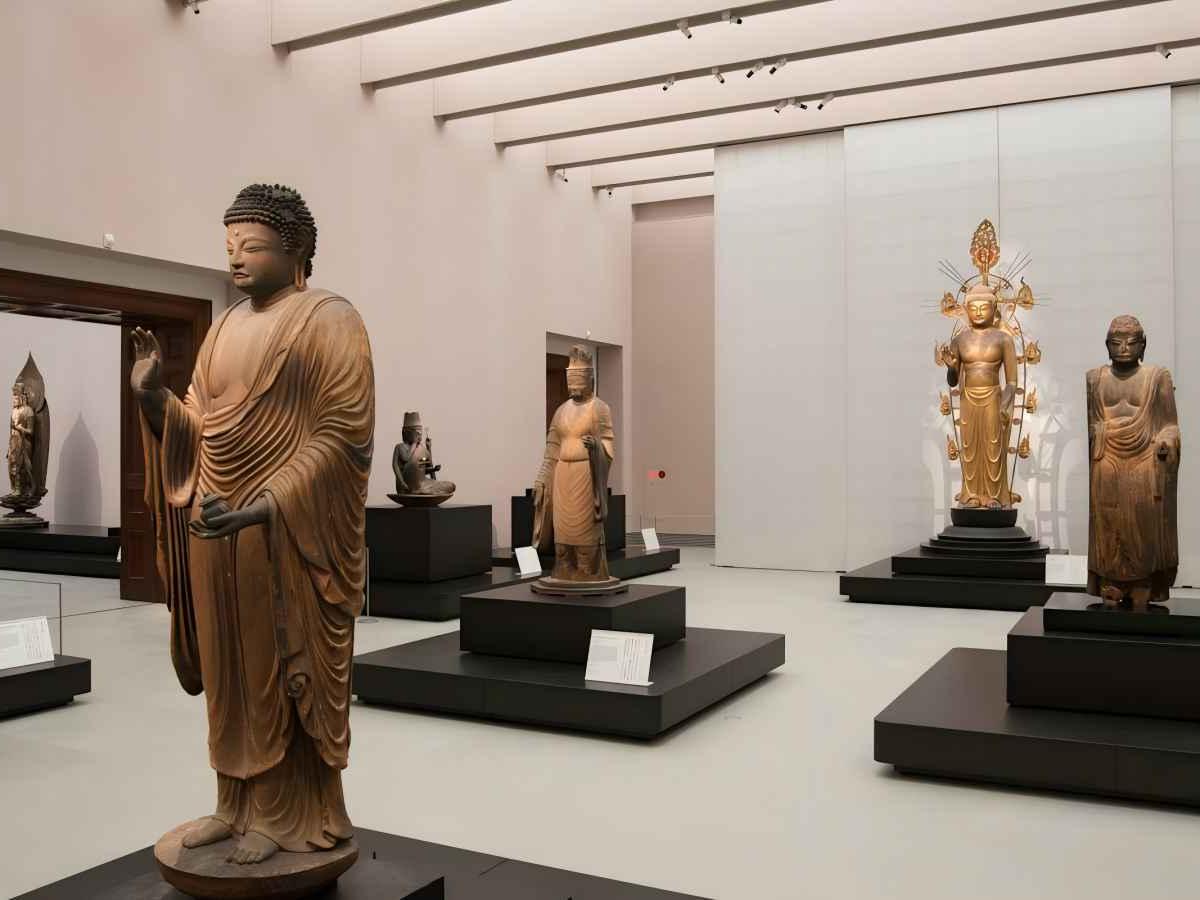
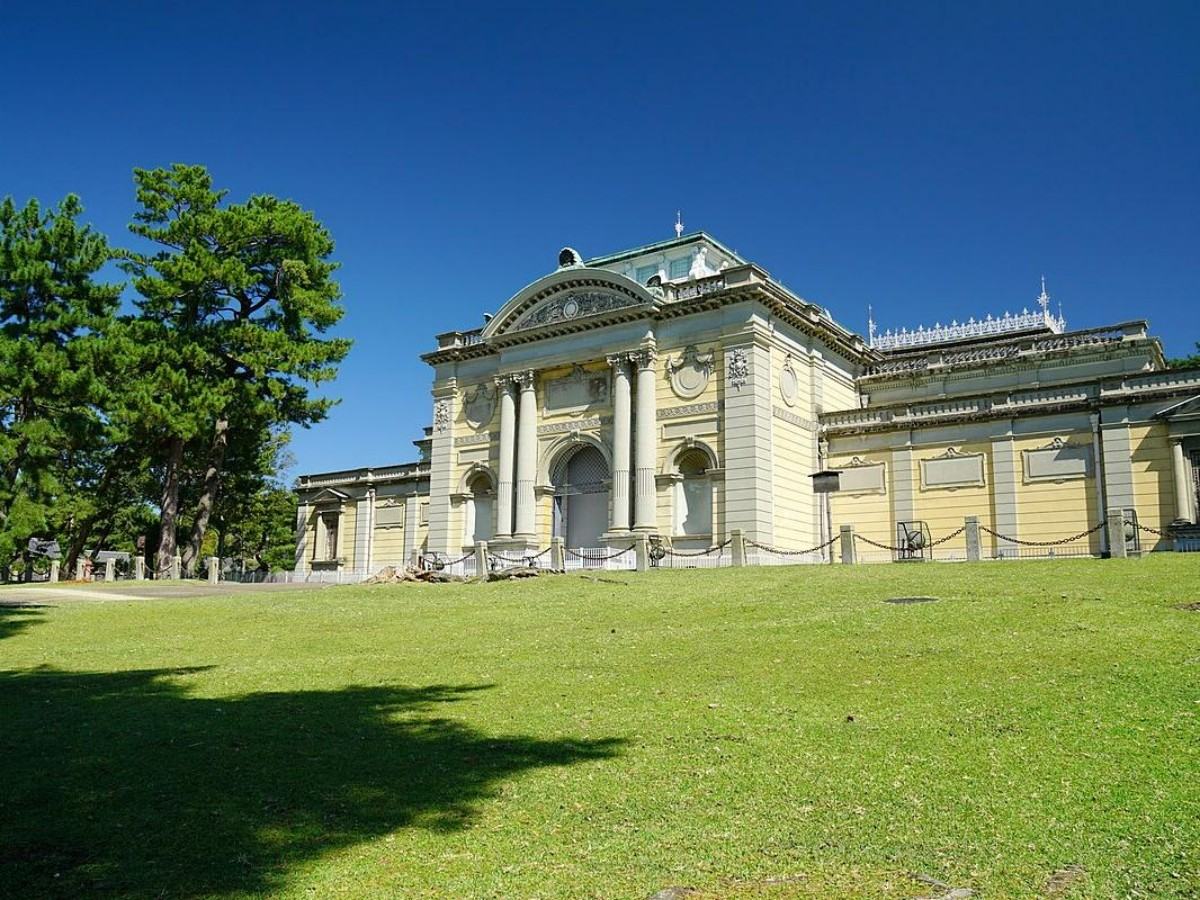
Nara National Museum: The museum has a large collection of Buddhist artifacts and archaeological relics, and is an important place to learn about Japanese history and culture . The unique architectural style of the museum complements the surrounding natural landscape.
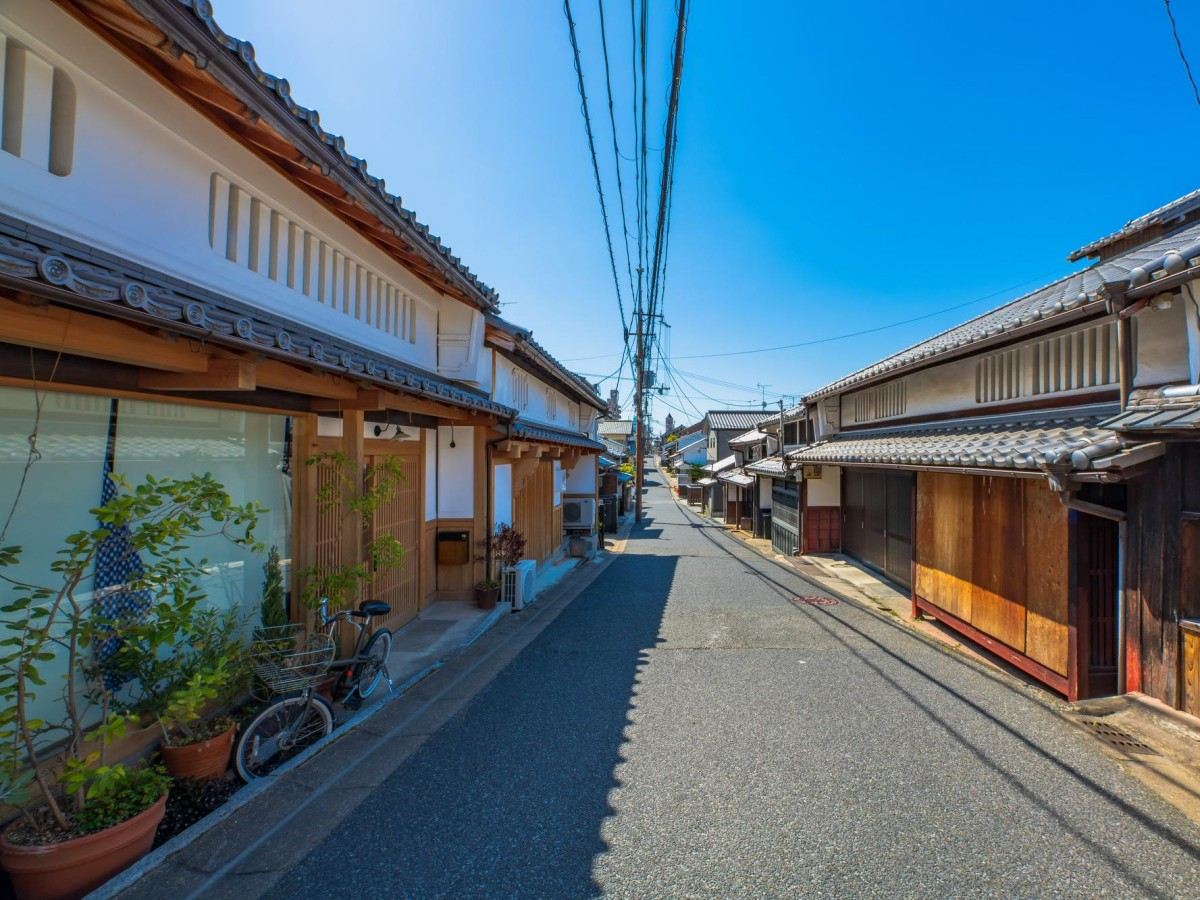
Nara-cho: Nara-cho is a place where many traditional buildings and streets from the Edo period have been preserved, and a walk through the town is like a journey back to ancient Japan. Visitors can enjoy a variety of traditional Japanese cuisine and buy souvenirs.
Nara Park, with its unique natural and historical landscapes, offers an unforgettable trip for every visitor. Here, you can have a close contact with the agile deer and feel the vitality and vigor of nature, or enter the ancient temples and shrines and enjoy the long history and culture of Japan. Whether you are in love with nature or in search of history and culture, Nara Park will fulfill your expectations and leave you with a wonderful memory .